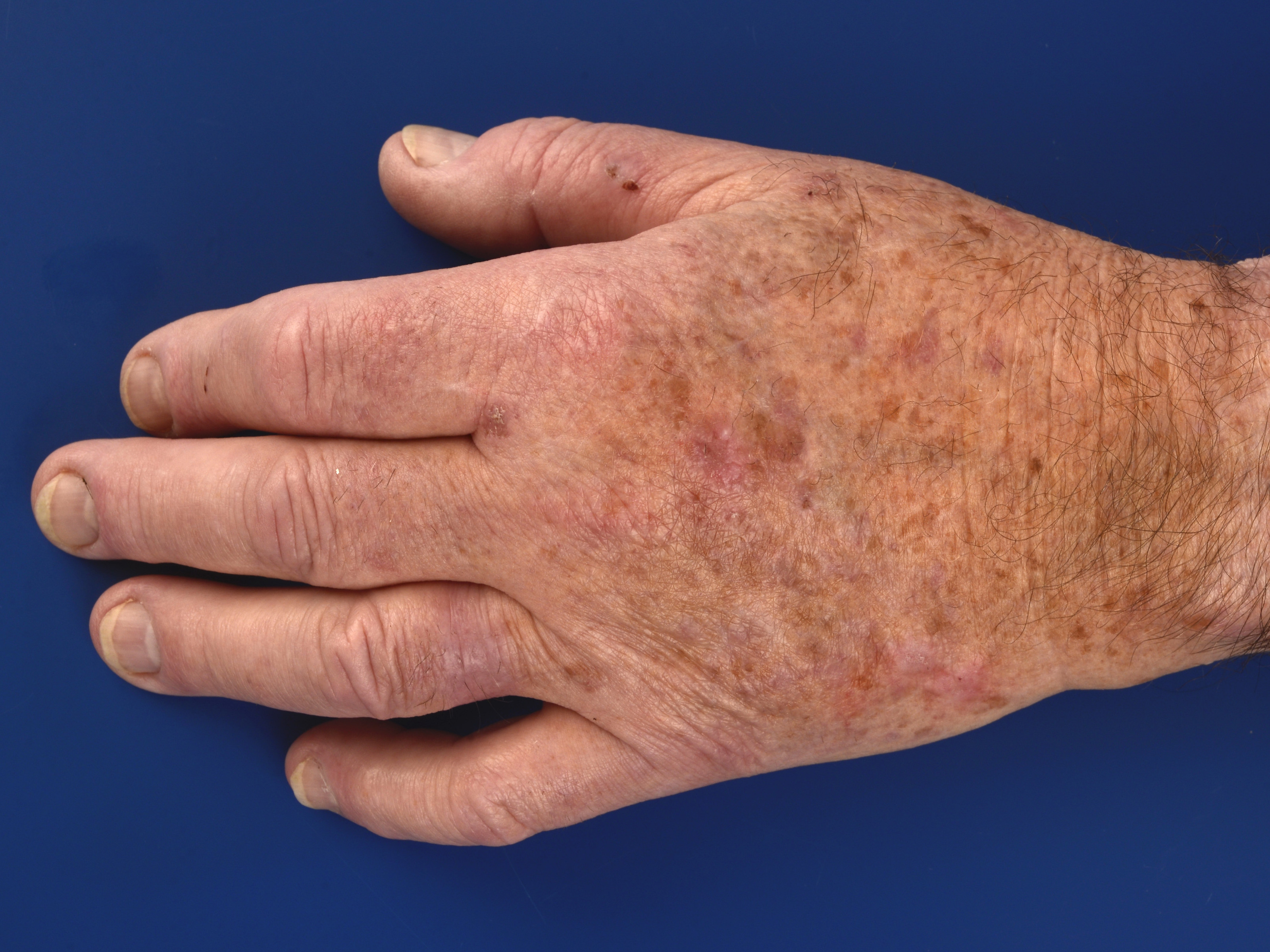
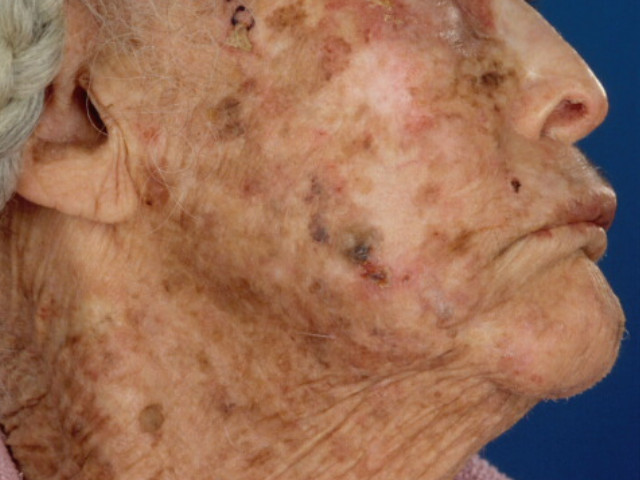
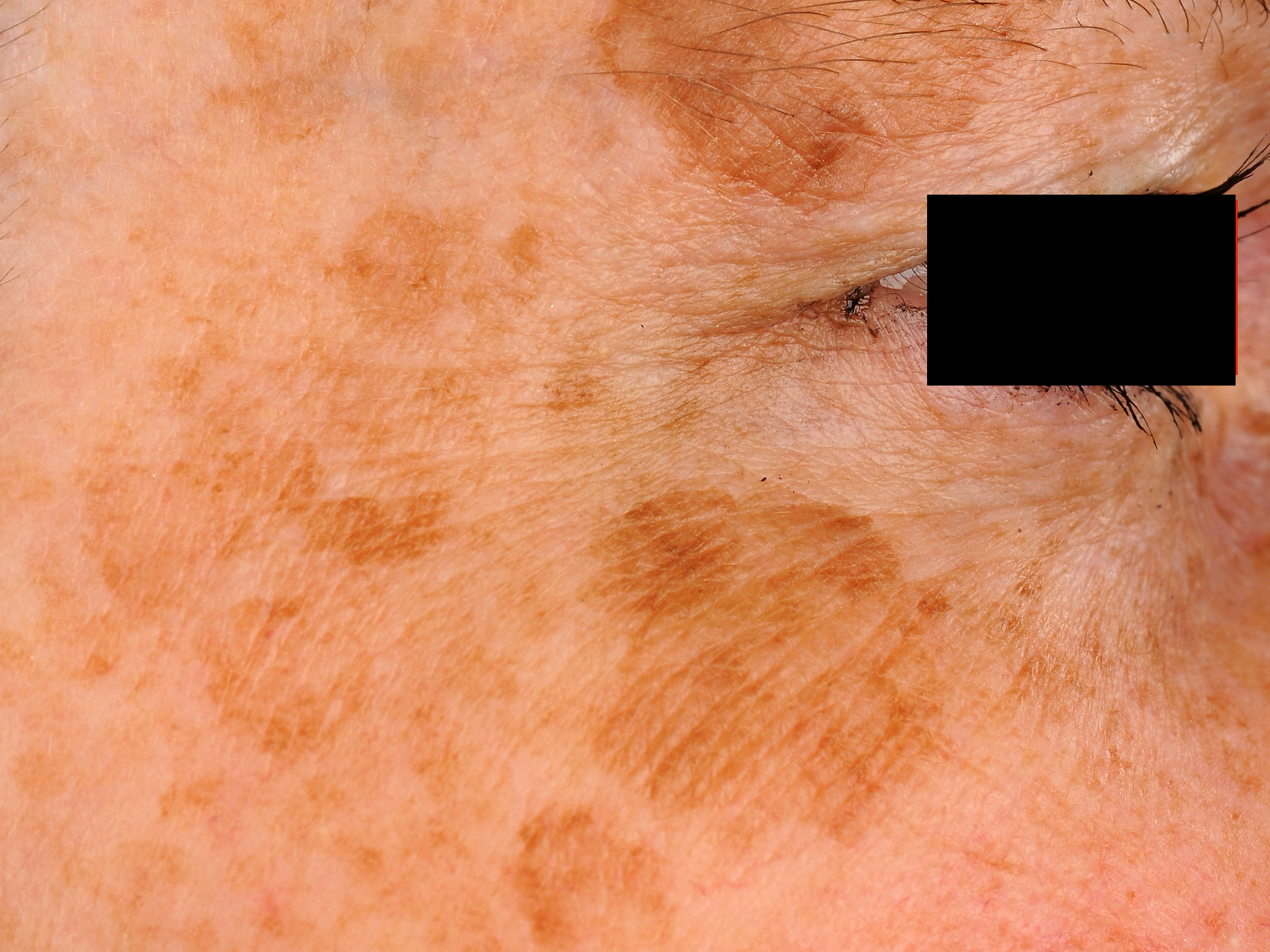
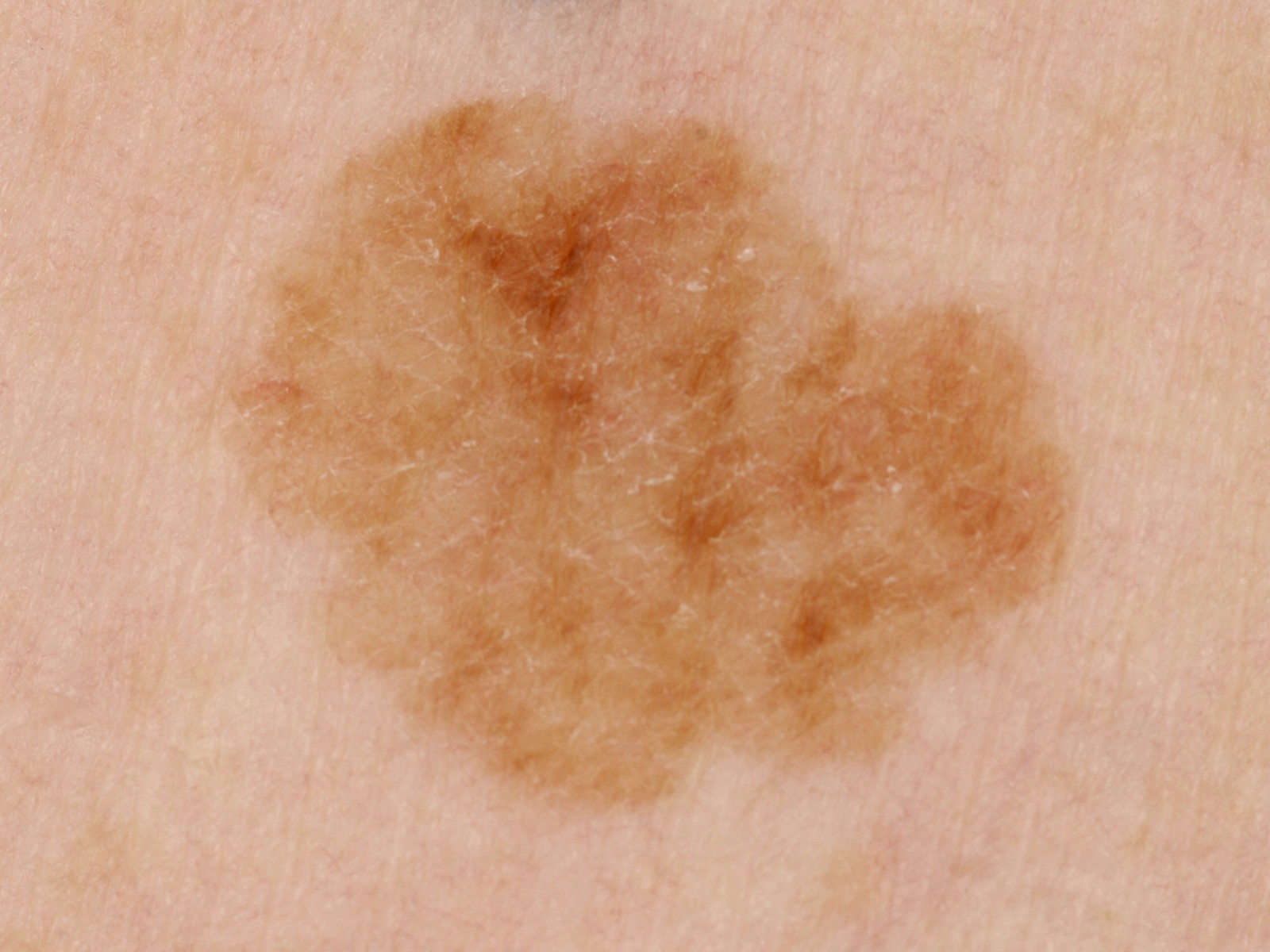
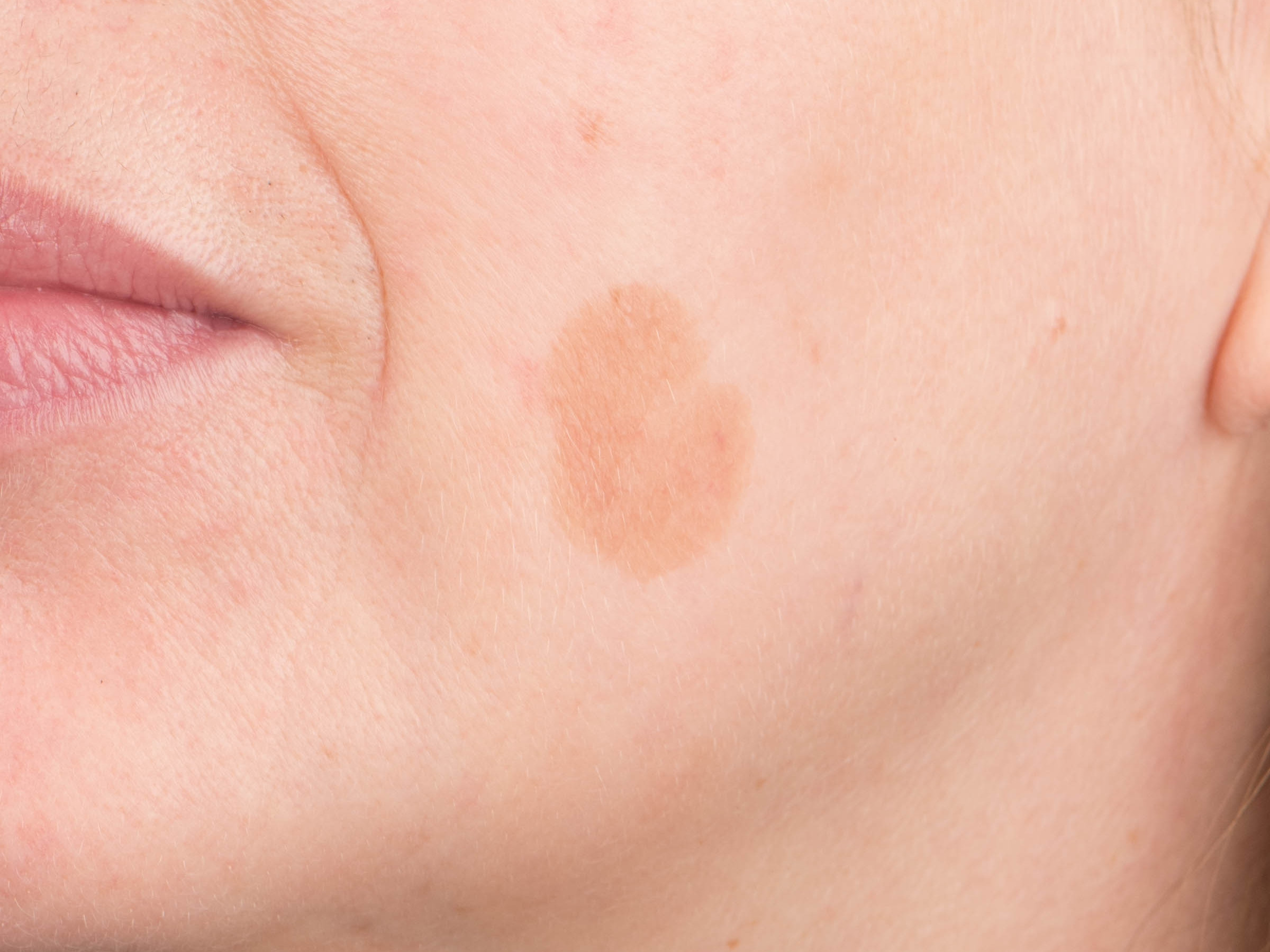
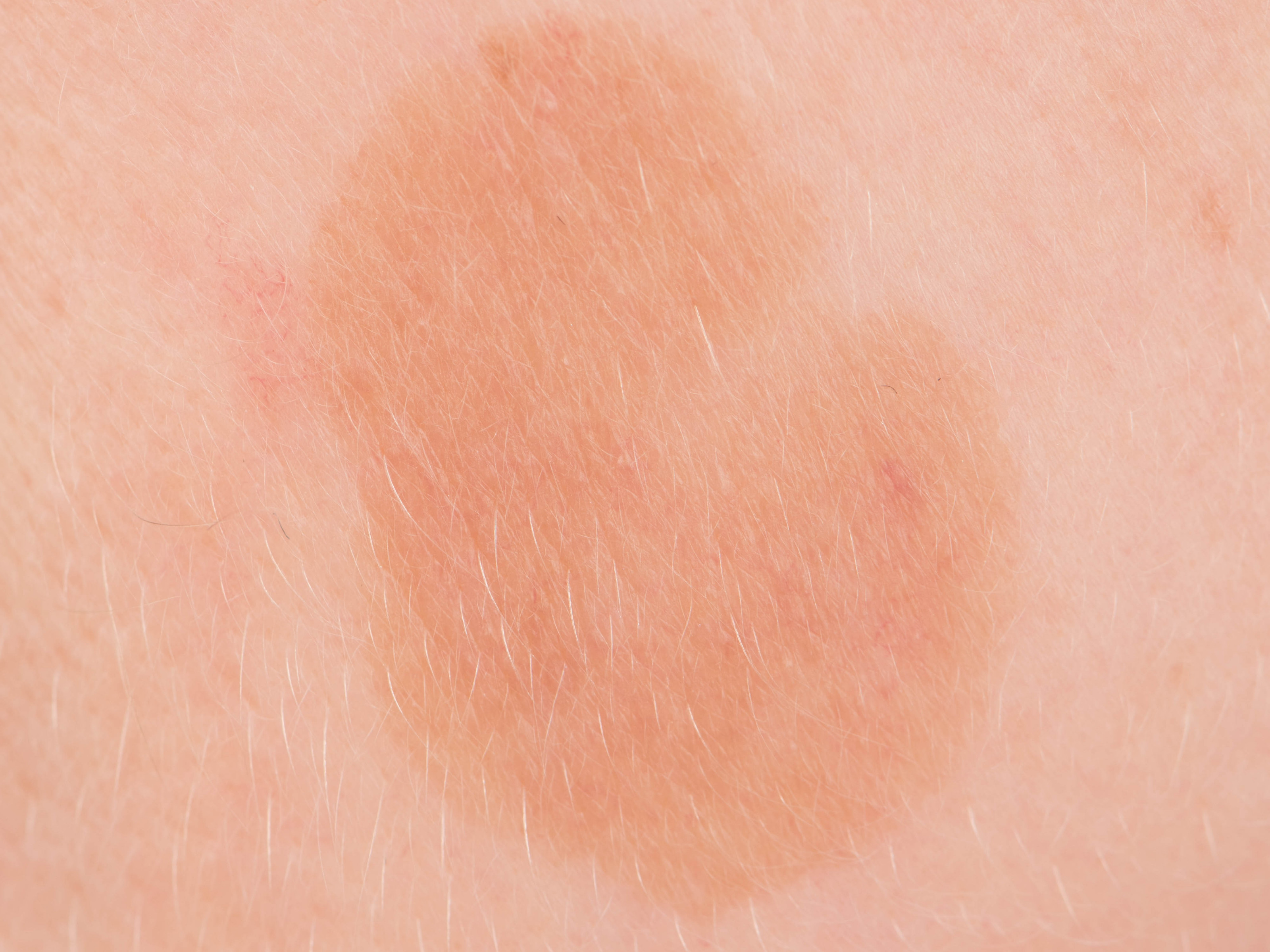
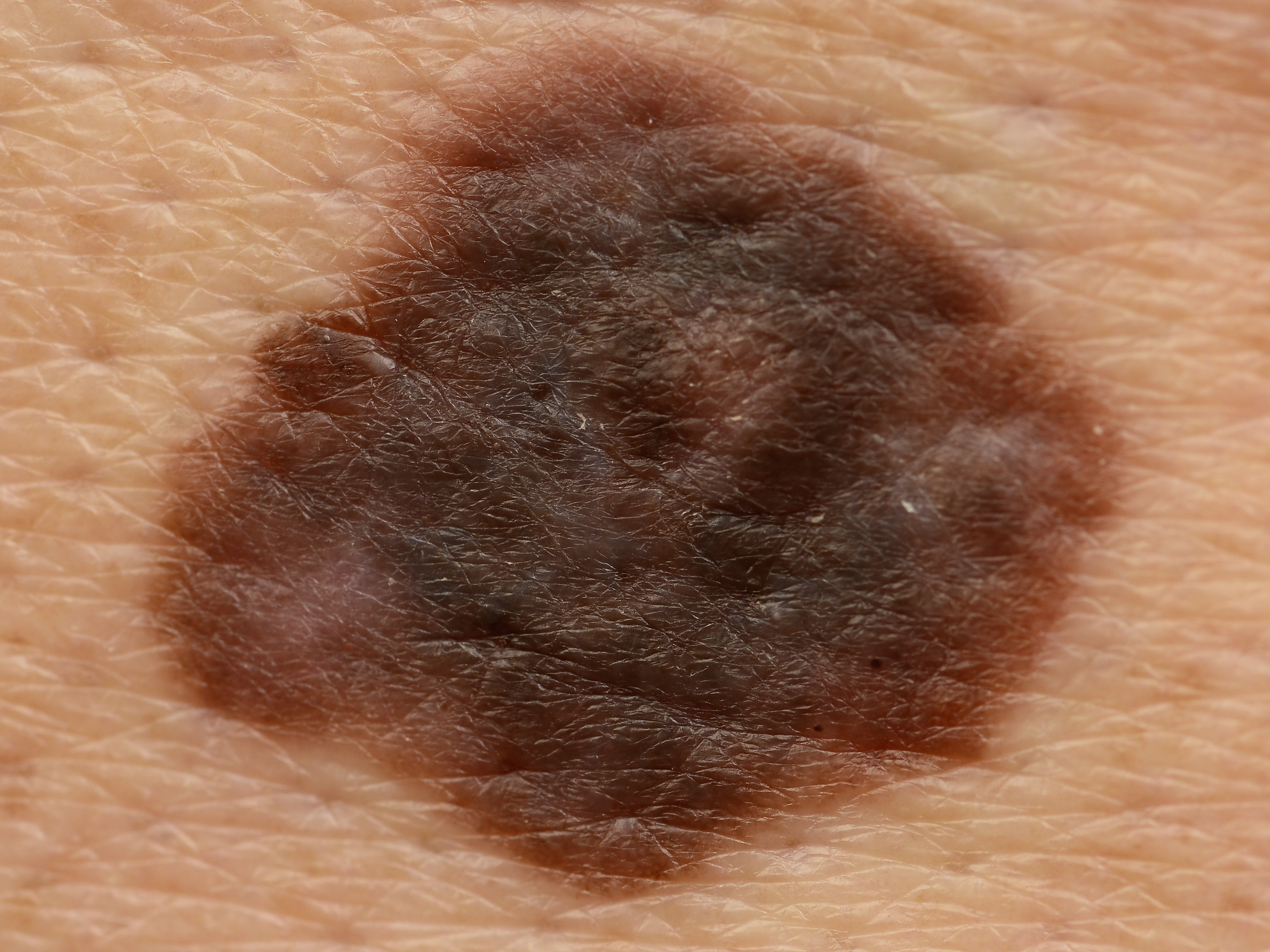
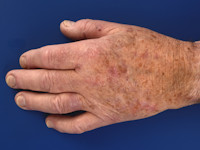
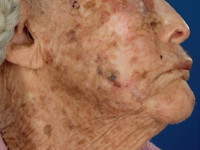
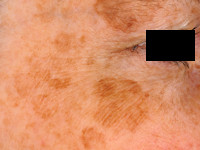
WHAT IS LENTIGO SOLARIS?A solar lentigo is a benign pigmented spot that develops on sun-exposed skin, such as the face, the backs of the hands, and the arms and legs. Solar lentigo usually develops later in life, which is why it's also called an age spot ( lentigo senilis ). Other synonyms include liver spot, solar lentigo, actinic lentigo, and age spot.WHAT DOES LENTIGO SOLARIS LOOK LIKE?A solar lentigo is usually a light brown spot. They occur primarily in older adults and in sun-exposed areas such as the face, the backs of the hands, the forearms, and sometimes the lower legs. They are regularly shaped and sharply defined. There are no black areas.
 |
 |
 |
| lentigo senilis (solaris) |
lentigo senilis (solaris) |
lentigo senilis (solaris) |
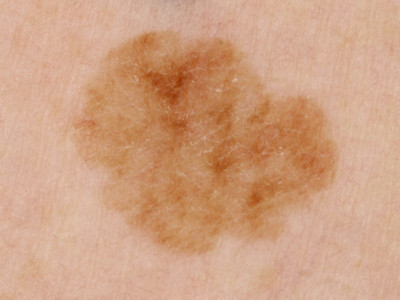 |
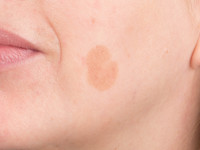 |
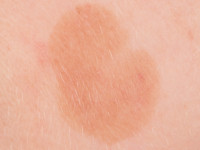 |
| lentigo senilis (solaris) |
lentigo senilis (solaris) |
lentigo senilis (solaris) |
HOW IS A LENTIGO SOLARIS CREATED?Solar lentigo (senile lentigo) is caused by the damaging effects of sunlight. It is often seen in fair-skinned people who have spent years in the sun, such as sunbathers and those with outdoor occupations or activities. The sun damages the skin cells, in this case the pigment cells (melanocytes). As a result, the pigment cells increase in number and produce more pigment. Solar lentigo usually only develops in later life.
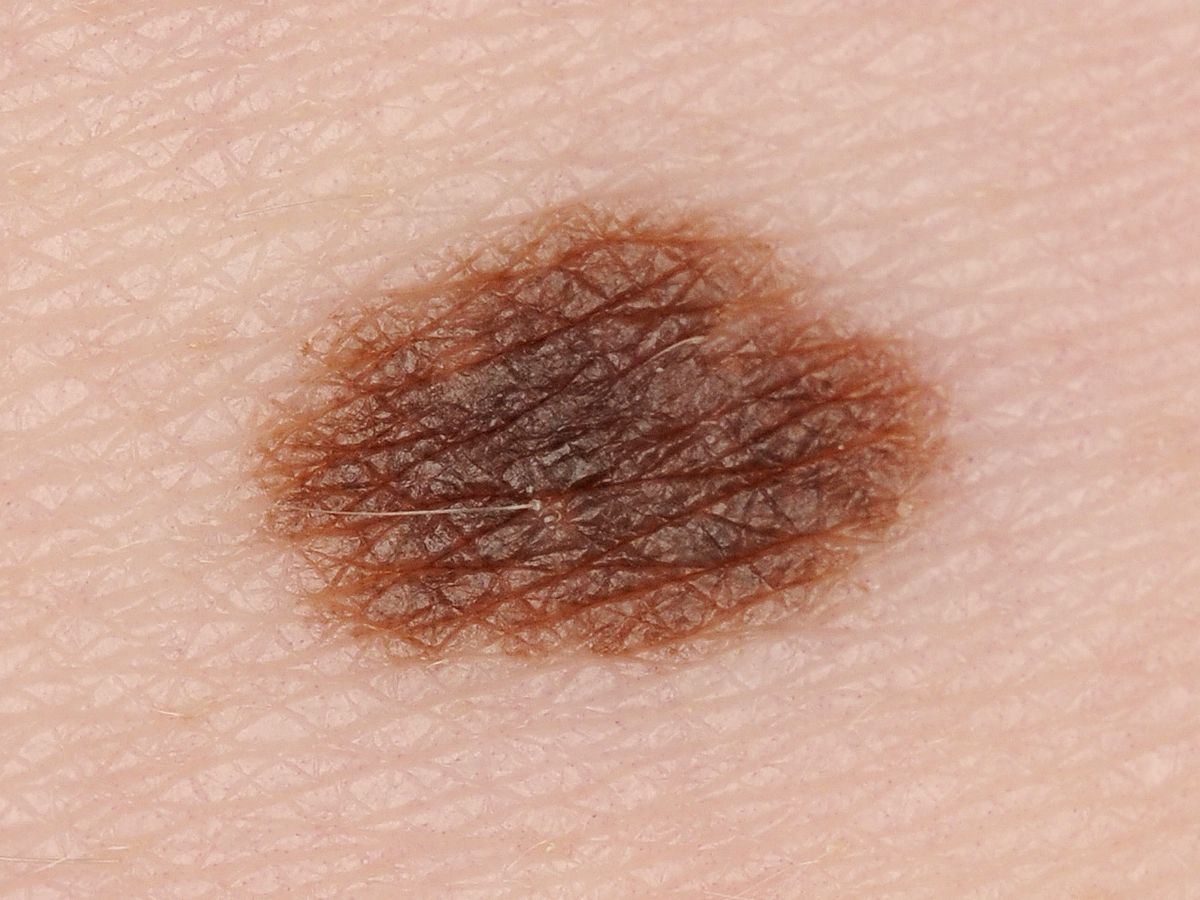
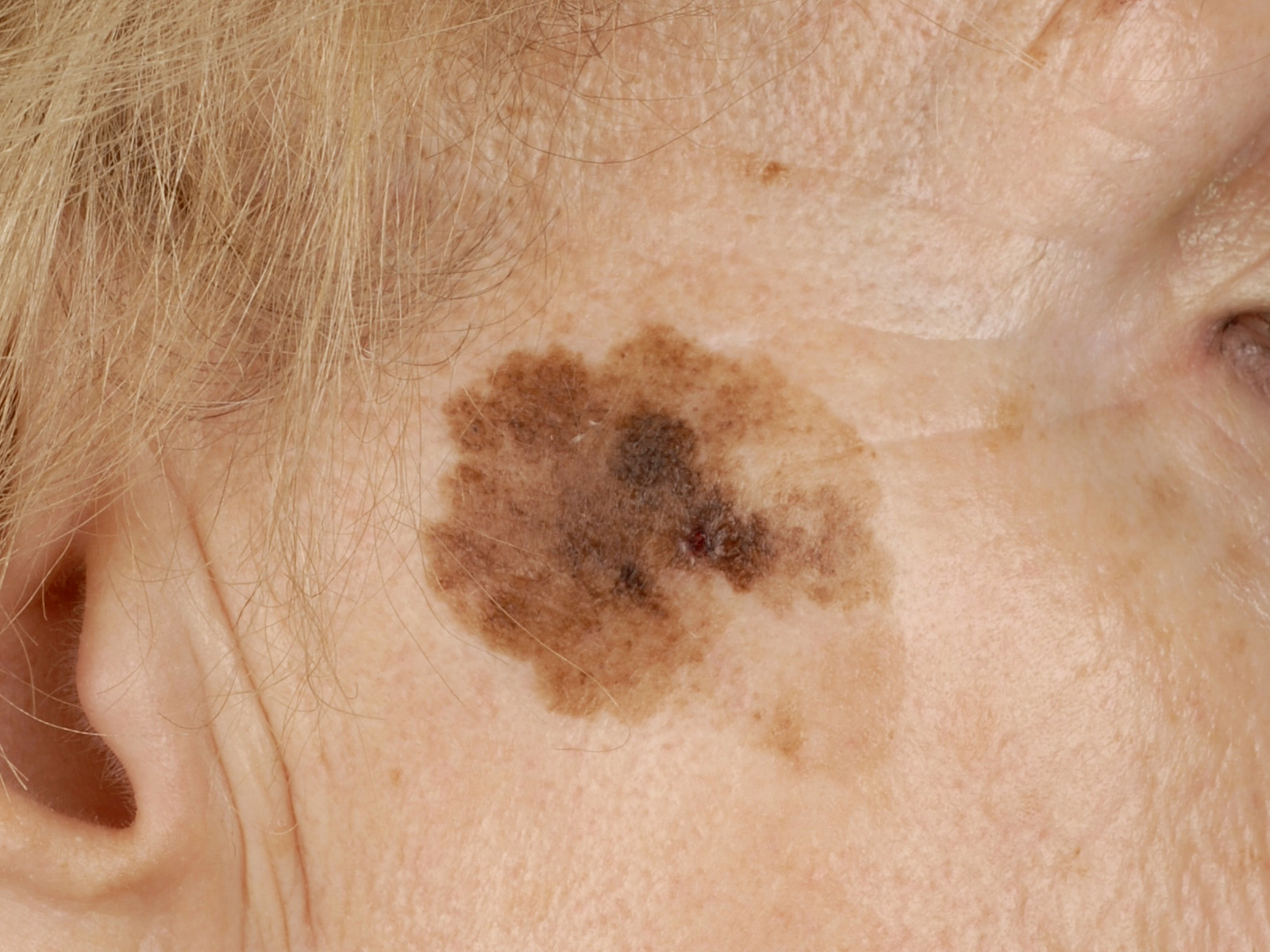
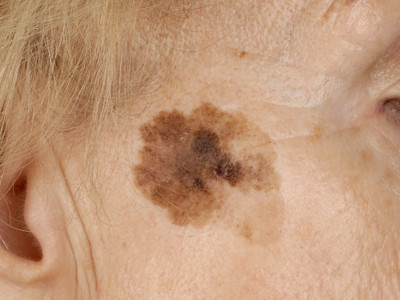
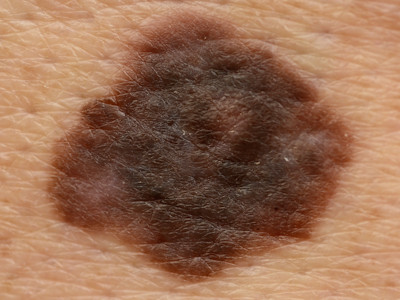
Young people can also have lentigines (plural of lentigo), sometimes in large numbers. These are also called lentigo simplex or juvenile lentigo , and they are not related to sun exposure.Freckles(Ephelids) are also pigment spots that develop under the influence of sunlight. Freckles fade when the skin is exposed to less sunlight. Solar lentigo remains.HOW IS THE DIAGNOSIS MADE?The diagnosis is based on the clinical picture and its appearance. The dermatologist may also use a dermatoscope, a lighted magnifying glass that magnifies the image 10x. There are other skin conditions that can strongly resemble solar lentigo, such as lentigo maligna (a pigmented spot that can become malignant), a naevus naevocellularis ( a mole ), a melanoma (melanoma malignum), or a seborrheic verruca (a nasal keratosis). If there is any doubt, a skin biopsy is taken.
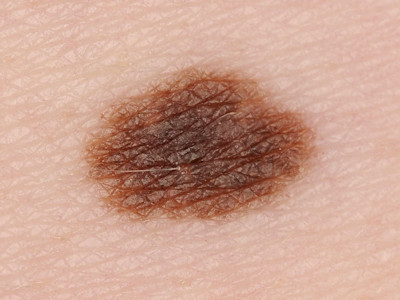 |
 |
 |
| birthmark |
lentigo maligna |
melanoma |
HOW IS A LENTIGO SOLARIS TREATED?Treatment is not medically necessary. If the spots are considered cosmetically unsettling, they can be treated. For example, with a pigment laser (such as the Q-switched Nd-YAG laser, ruby laser, or Alexandrite laser), a CO2 laser, or a pico laser. Superficial freezing with liquid nitrogen or superficial heating (electrocoagulation) can also be applied. The color can also be reduced with creams that have a thinning effect on the skin, such as tretinoin cream or 20% azelaic acid cream, but these must be applied directly to the spot for months.
With all methods, the pigment can return over the years, but the treatment can then be repeated if necessary.WHAT ARE THE OUTLOOK?The outlook is good. Solar lentigo is benign and does not develop into skin cancer. However, they don't disappear on their own, and more can appear over the years.WHAT CAN YOU STILL DO YOURSELF?Lentigo solaris is caused by excessive sun exposure. It can be prevented by avoiding prolonged sun exposure, using a good sunscreen, and avoiding sunburn. However, the spots usually develop on skin that has suffered many years of sun damage, and the damage is already done. |