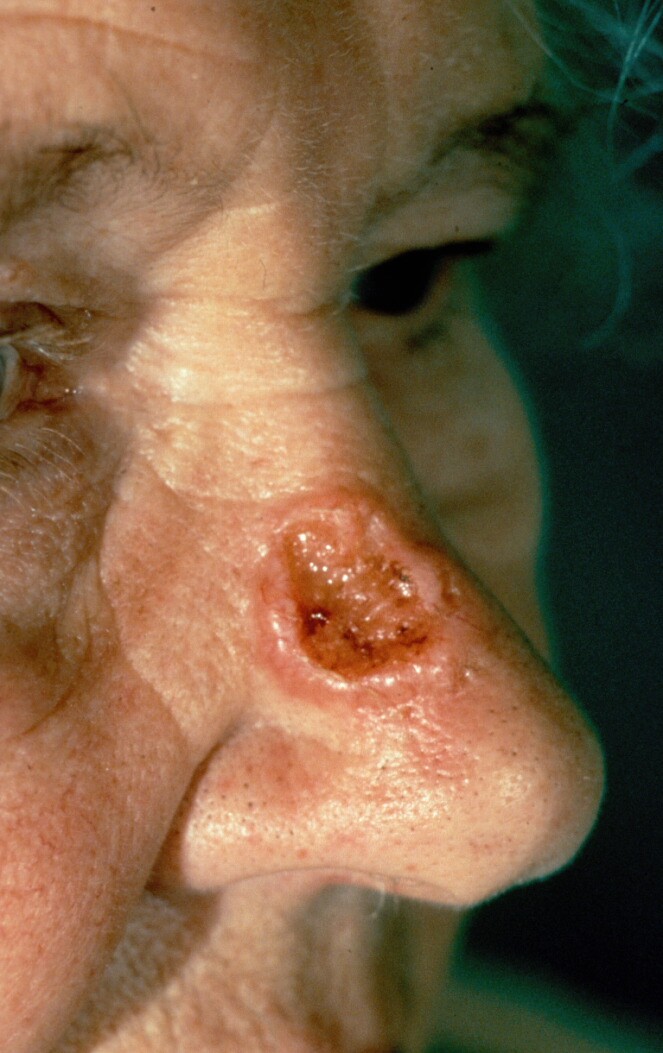
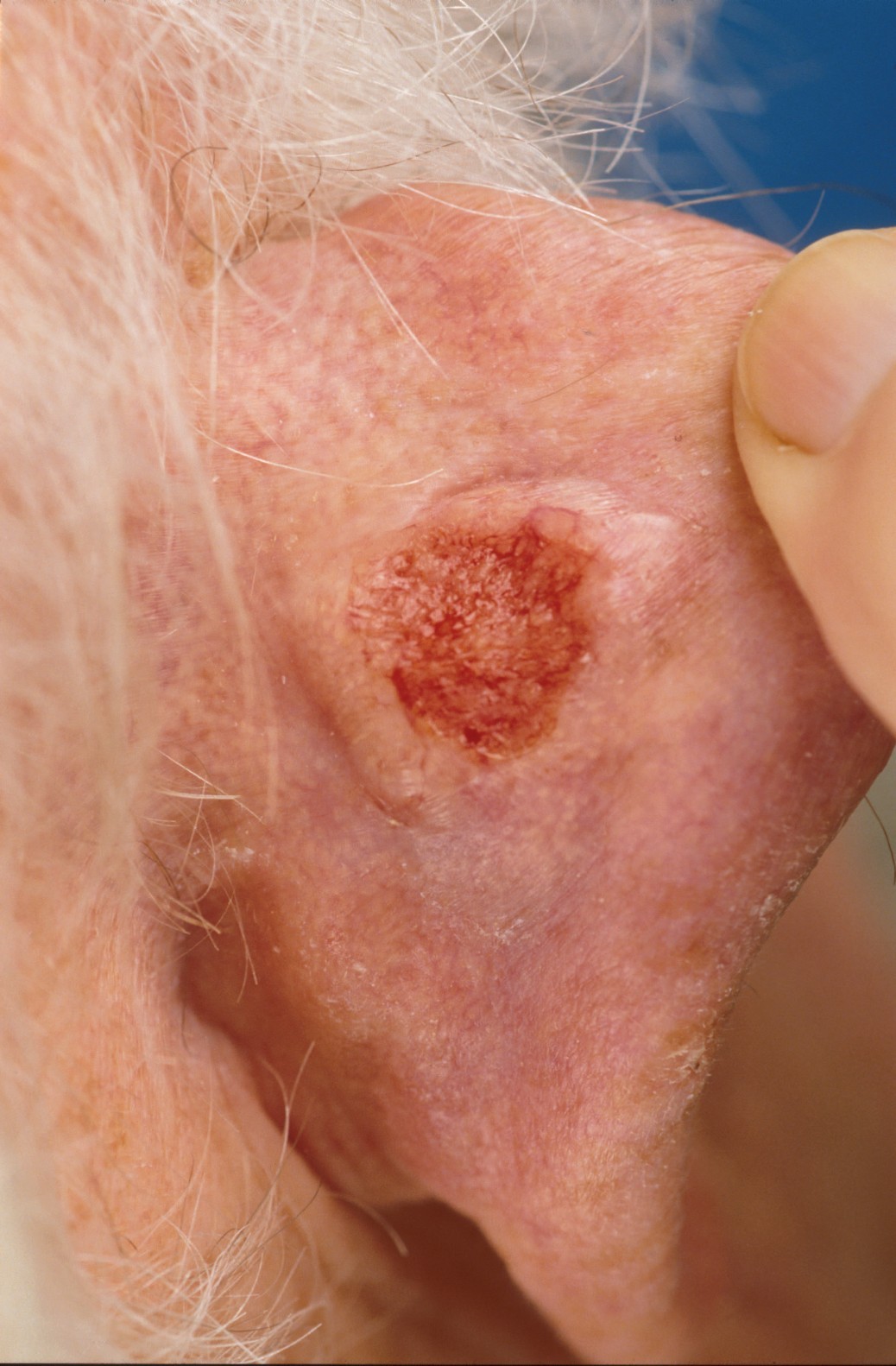
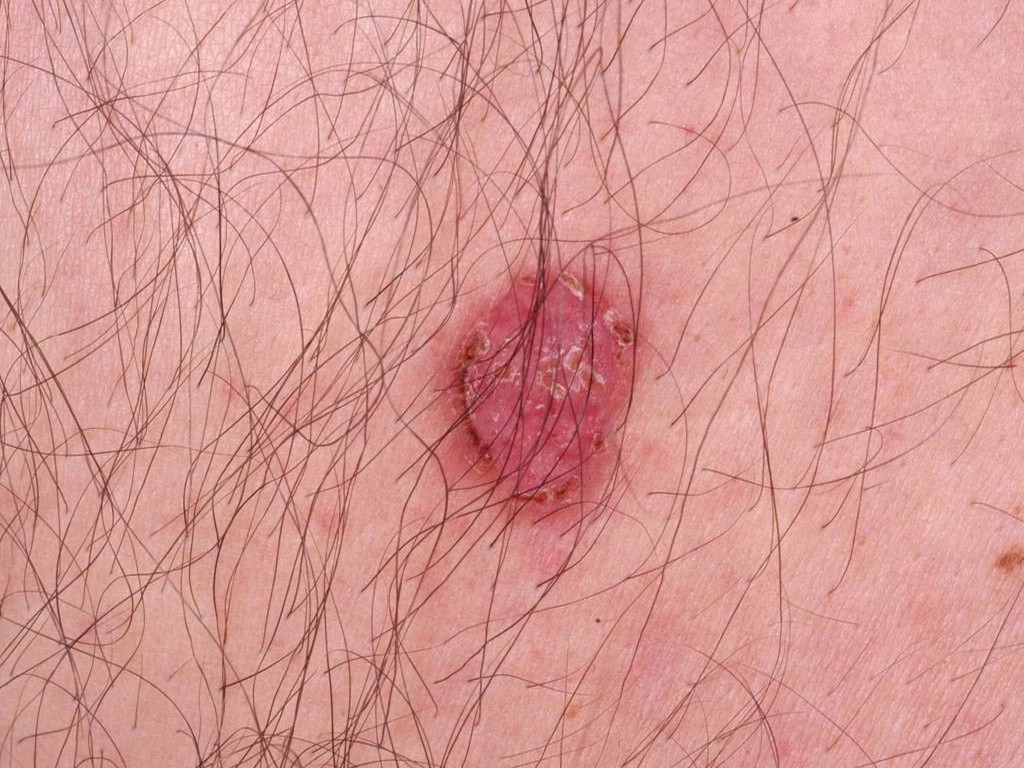
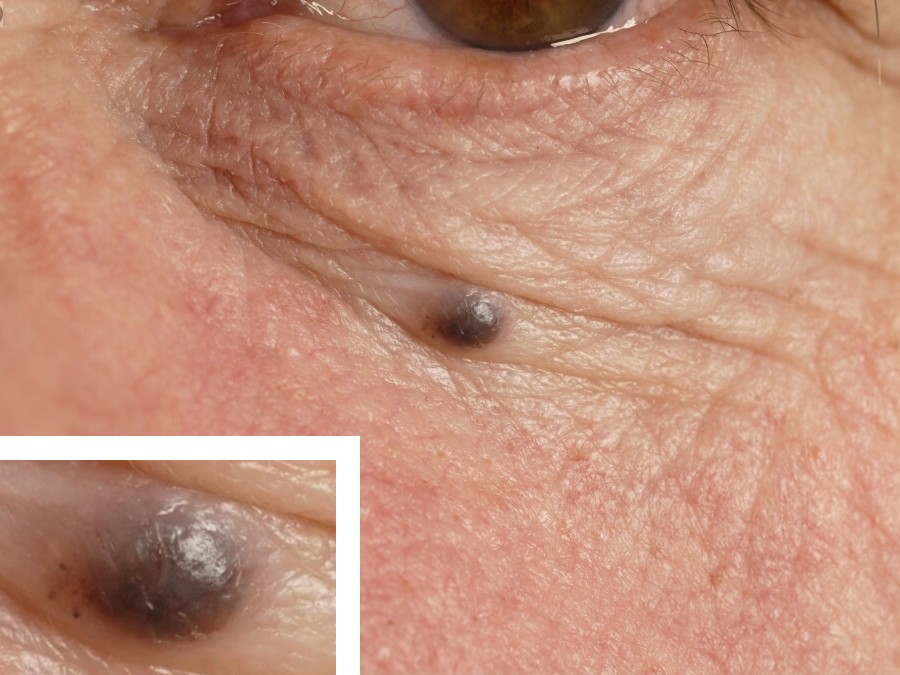
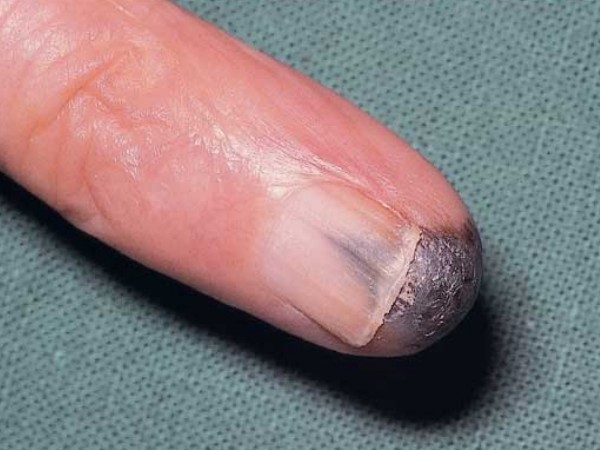
WHAT DO I NEED TO KNOW ABOUT SKIN CANCER?Skin cancerSkin cancer is very common; approximately 1 in 6 Dutch people develop skin cancer. Receiving the diagnosis ("you have skin cancer") is usually quite a shock. It's good to know that there are different types of skin cancer, and that they are not all equally dangerous.
The three main types of skin cancer are:
1. Basal cell carcinoma,
2. Squamous cell carcinoma,
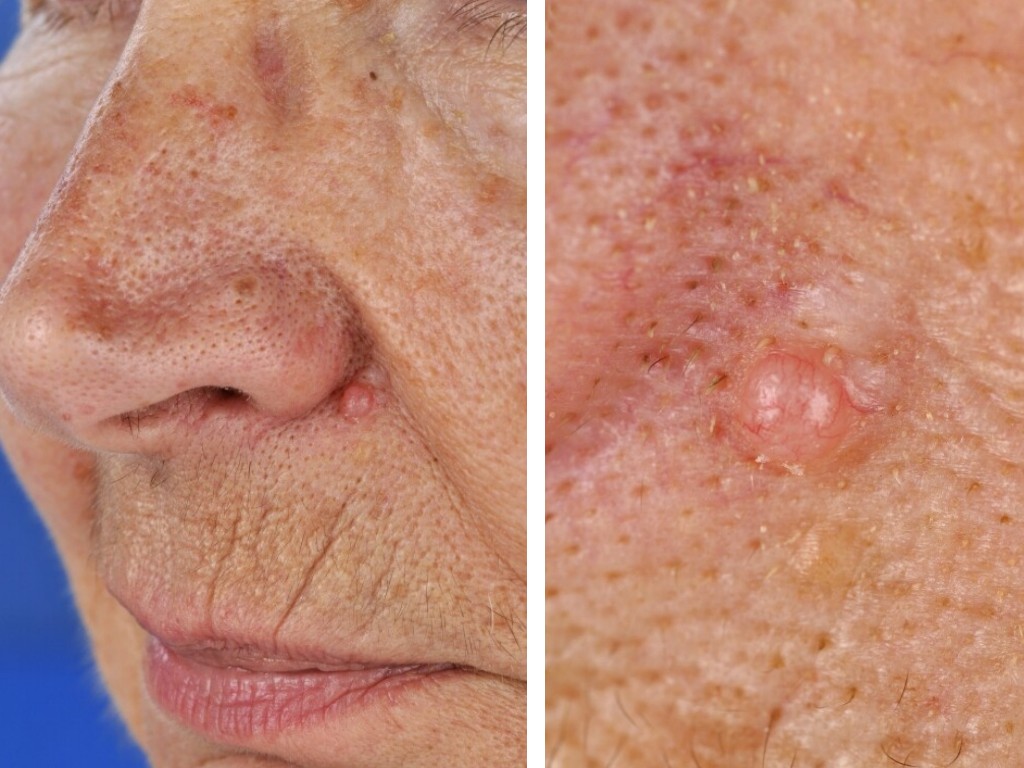
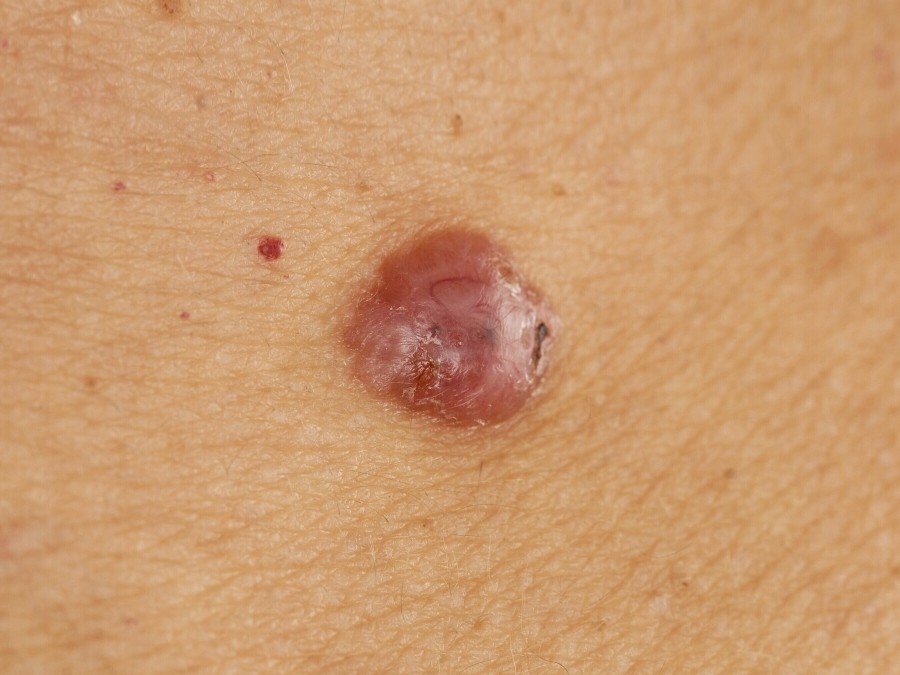
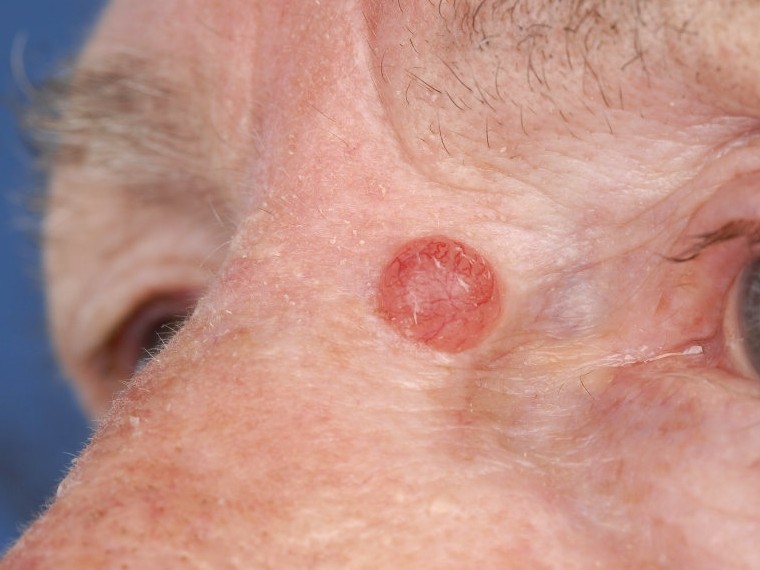
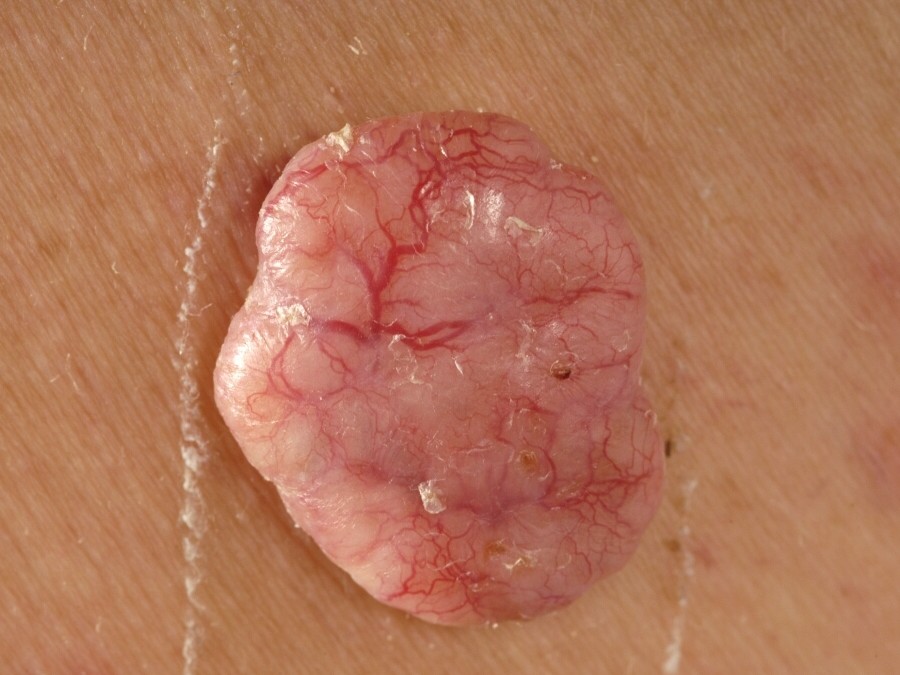
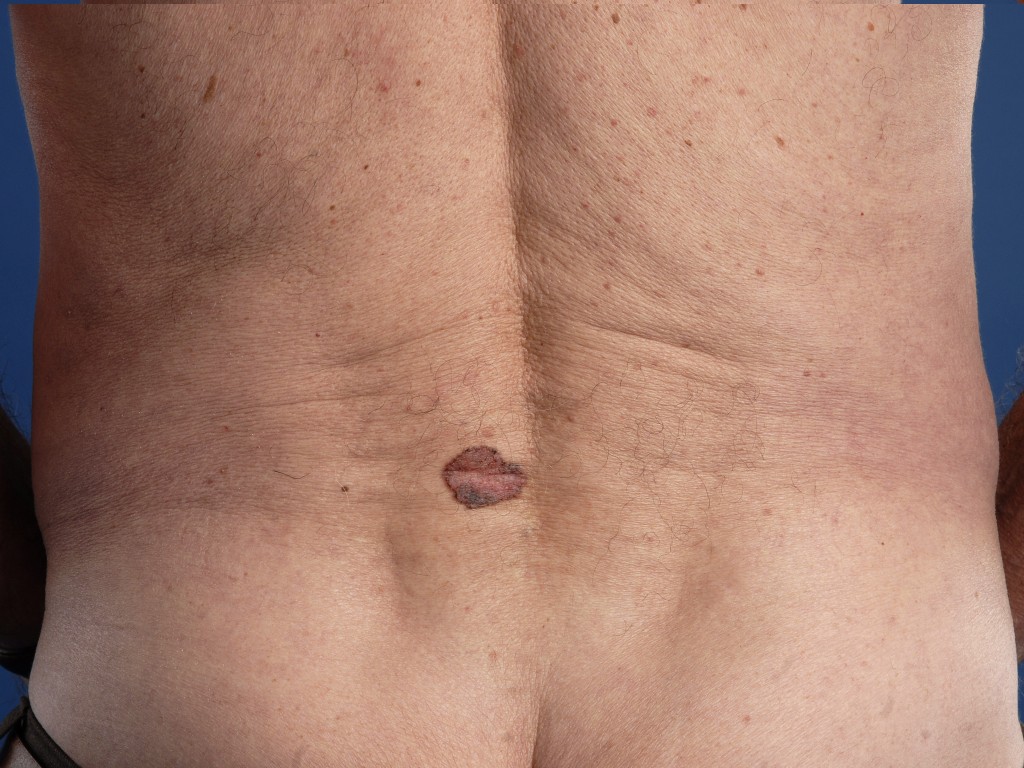
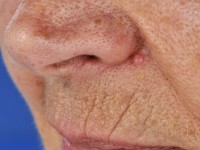
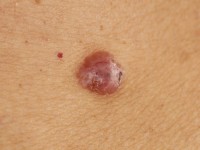
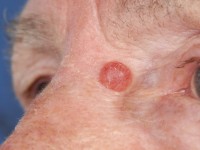
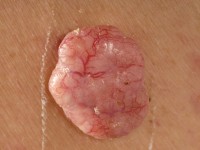
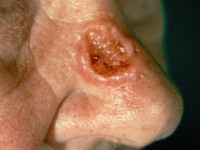
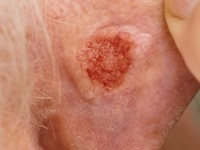
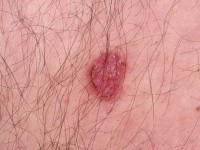
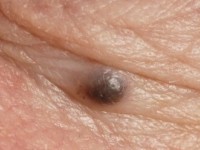
and 3. Melanoma.Basal cell carcinomaBasal cell carcinoma is the most common, estimated to affect approximately 35,000 people per year. They are usually skin-colored bumps or scaly patches. They typically develop on sun-exposed skin and increase in size with age. They are not dangerous. They do need to be removed because they gradually enlarge and damage the skin. However, they do not spread throughout the body (no metastases) and are not fatal. A diagnosis of basal cell carcinoma need not be alarmed. It can be treated effectively. There is no need to rush. But don't delay treatment for months or years, because the larger the tumor grows, the more difficult it is to remove.
If basal cell carcinoma is suspected, a skin biopsy is first taken. This is examined under a microscope. There is a spherical form and a form in which small shoots grow. The spherical form is excised with a 3-millimeter safety margin, and the spherical form with a 5-mm margin. Whatever is excised is also sent back to the pathology lab, where the pathologist examines it and reports whether it has been completely removed. If it hasn't been completely removed, another surgery is performed. Sometimes, the patient waits (in about half of the cases, the body eliminates any remnants on its own).
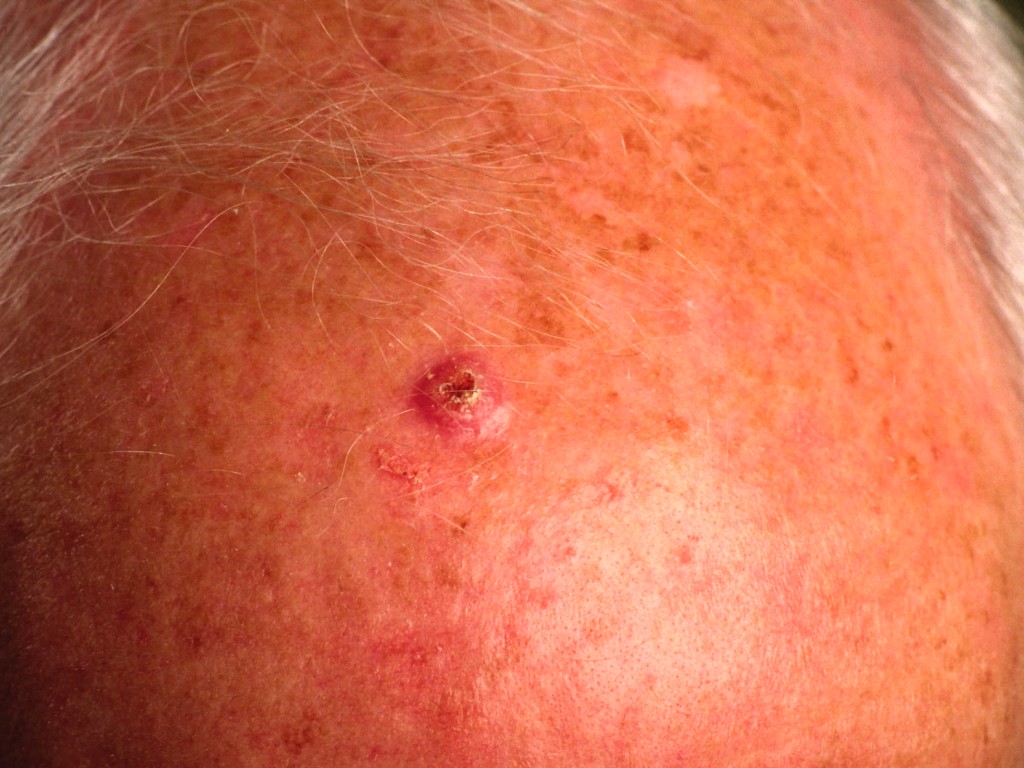
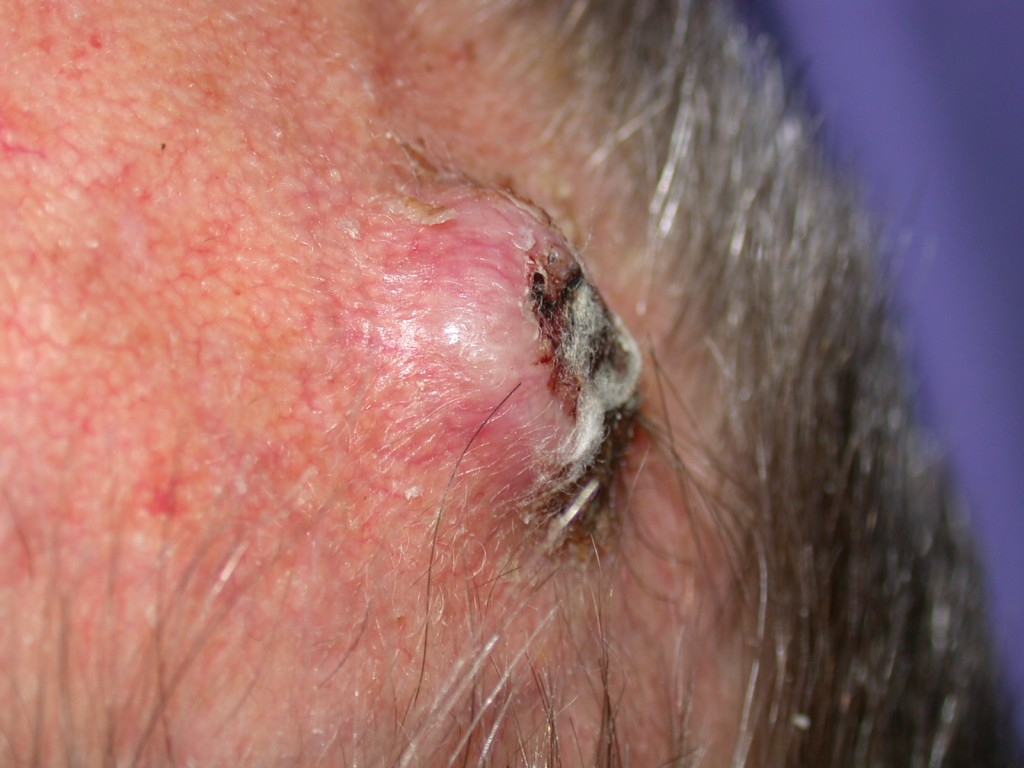
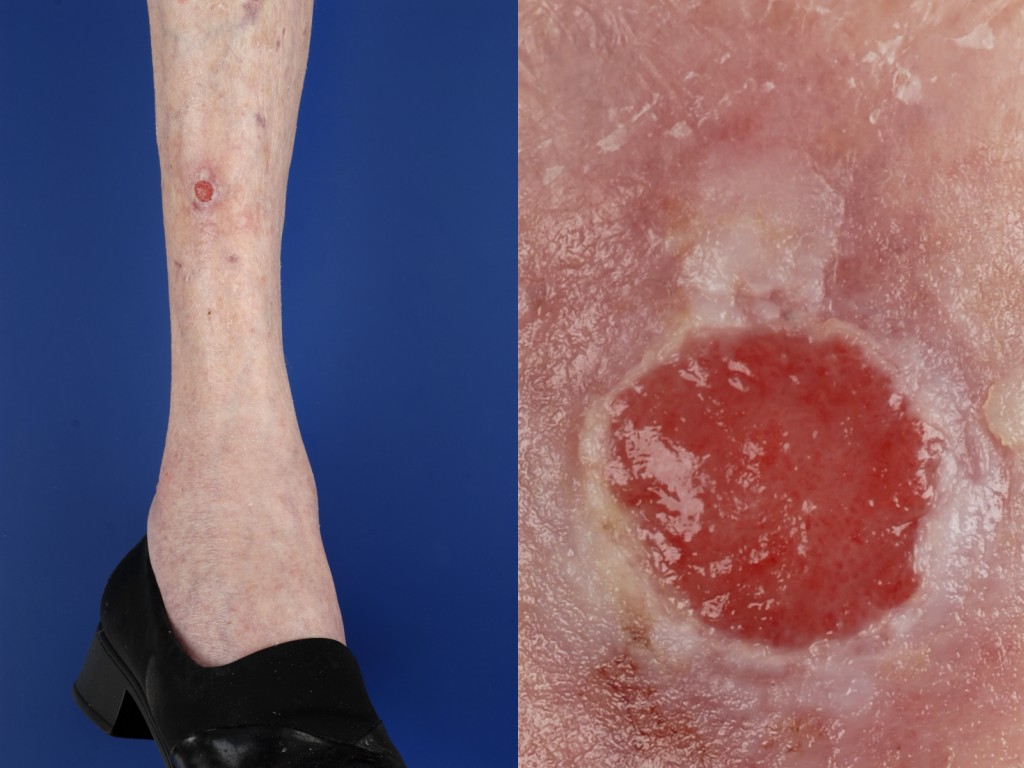
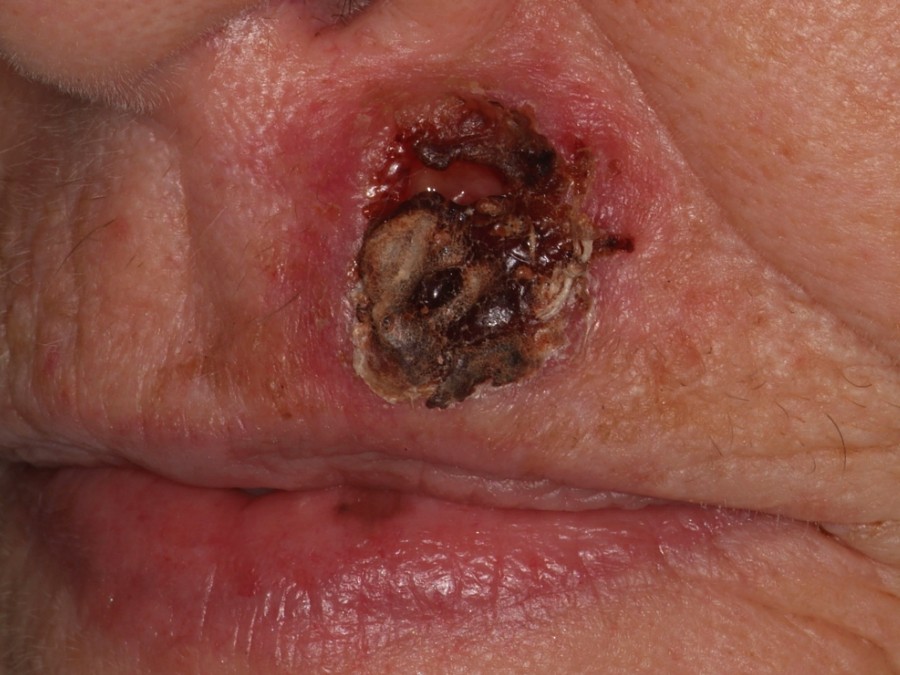
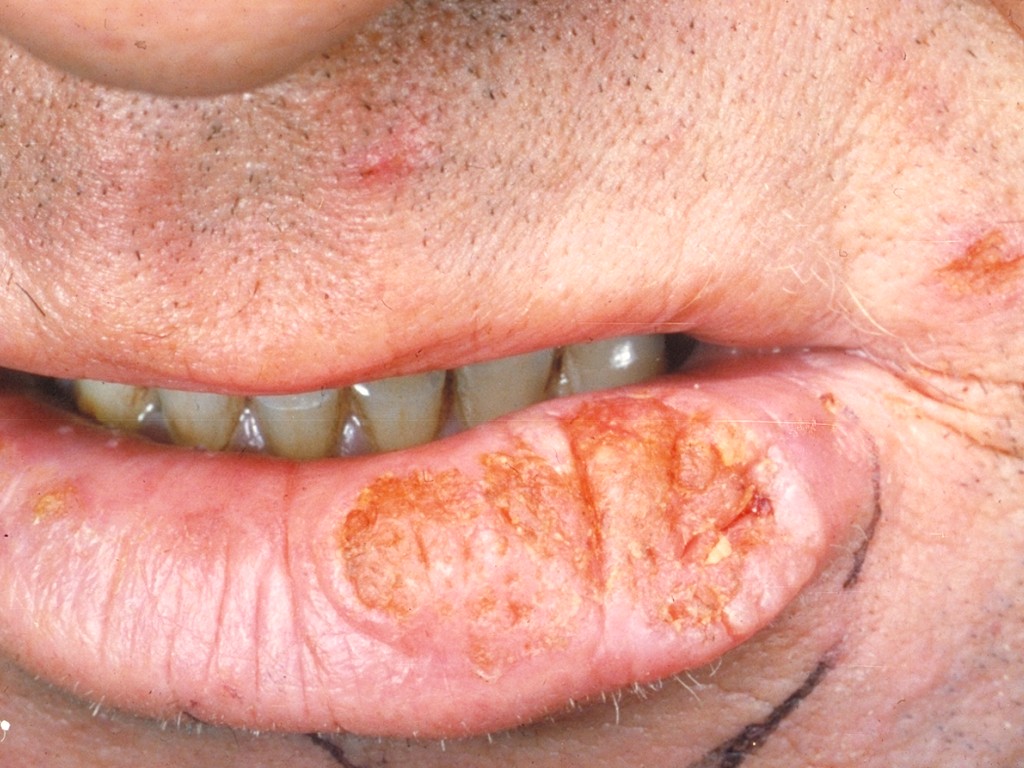
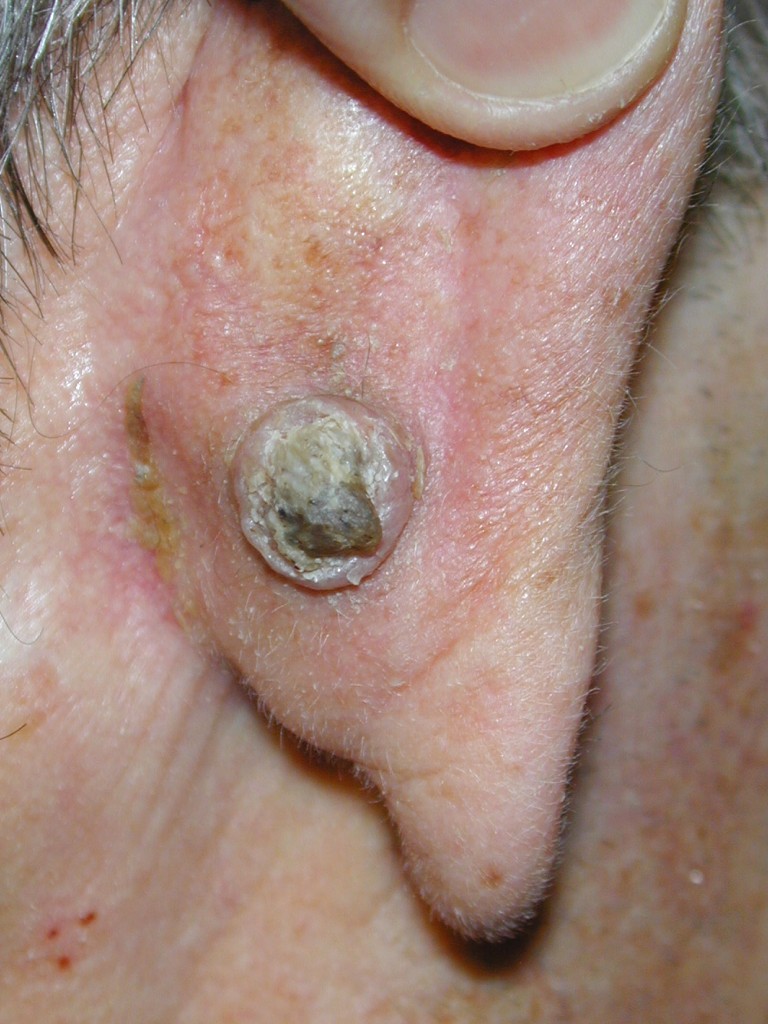
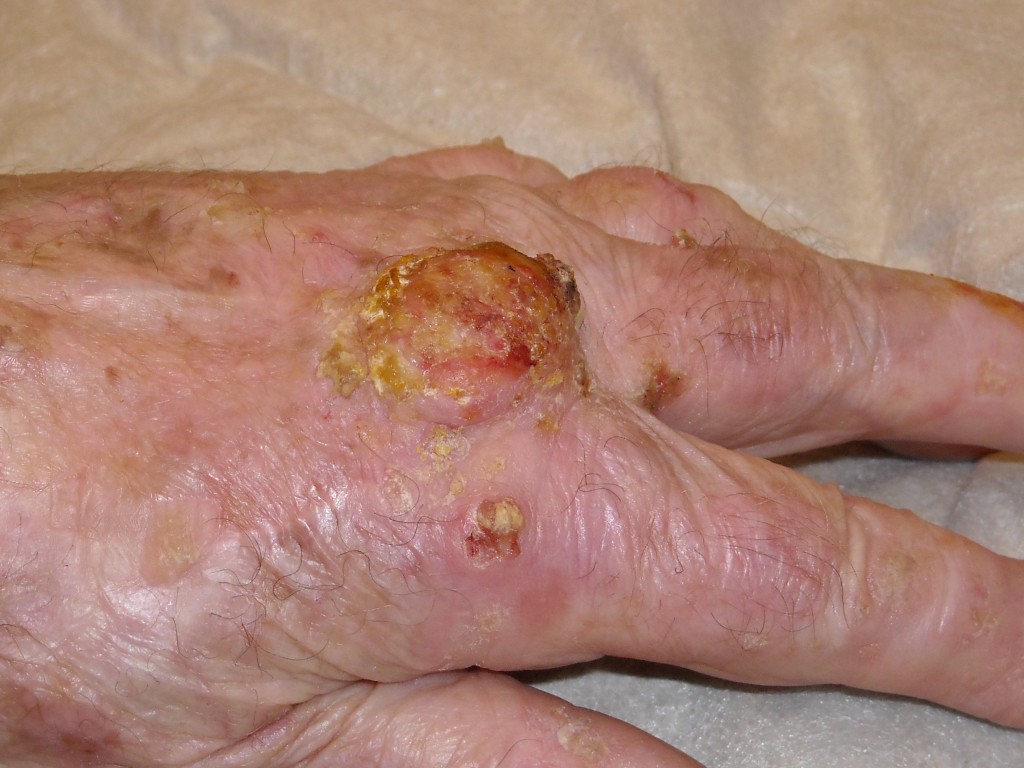
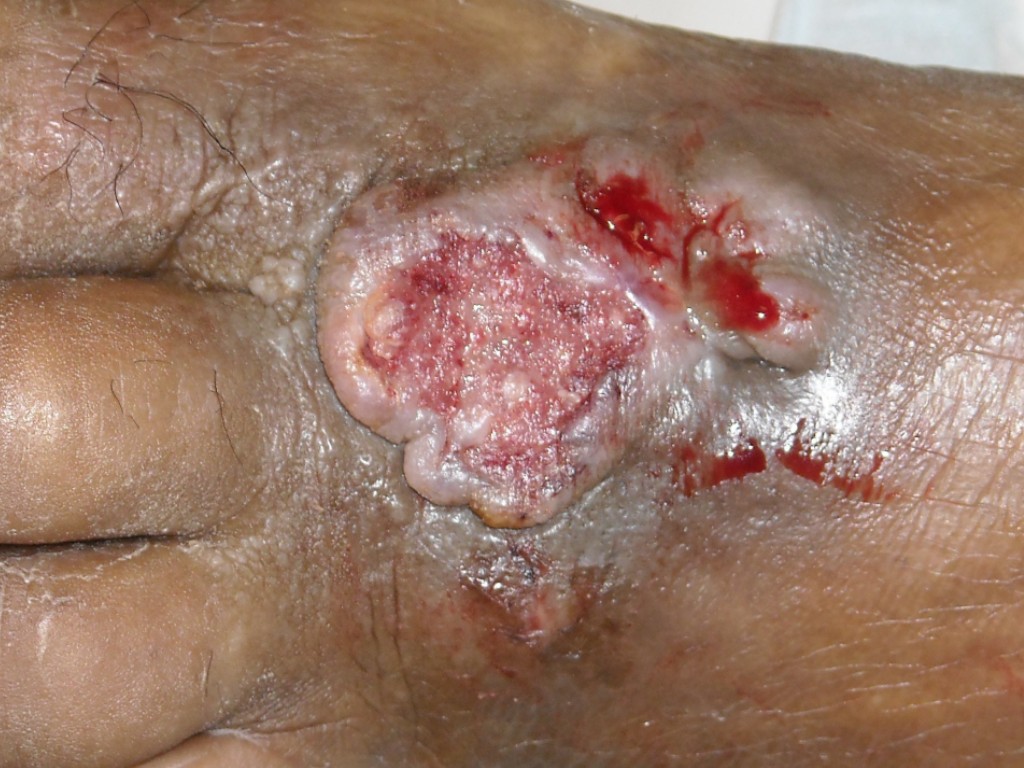
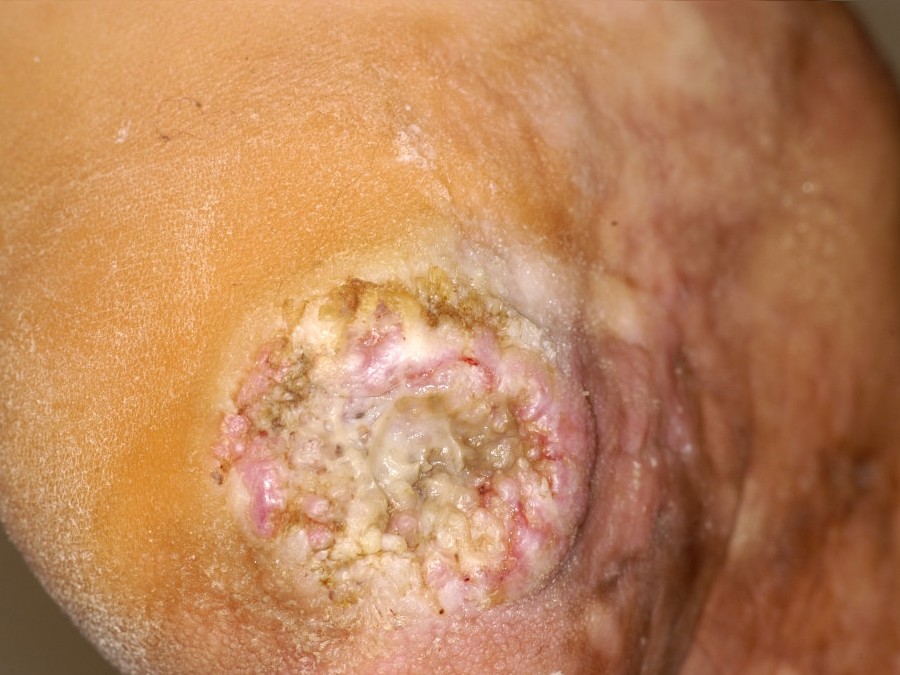
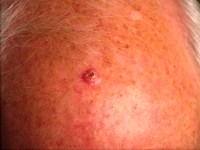
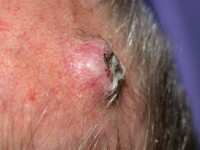
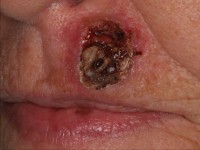
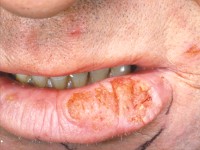
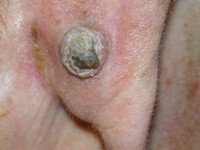
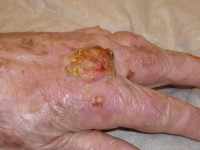
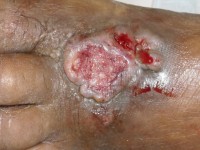
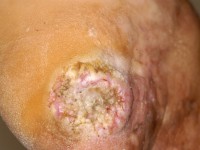
For more information, see the brochure on basal cell carcinoma .SQUAMOUNT CELL CARCINOMA OF THE SKINSquamous cell carcinoma is the next most common form of skin cancer. Approximately 8,000 people develop squamous cell carcinoma each year. Squamous cell carcinomas are usually skin-colored or red bumps, sometimes with a crust or a flaky surface. They can also appear as a flat, flaky area. Squamous cell carcinoma is also usually found in sun-exposed areas and is most common in the elderly. Squamous cell carcinoma can be dangerous. It can grow deeper and metastasize throughout the body, potentially causing death. Approximately 100 people in the Netherlands die from squamous cell carcinoma each year. This equates to a mortality rate of approximately 1%. In 99% of cases, the disease resolves successfully. Patients who die from squamous cell carcinoma usually have it in places where it can quickly grow inward, such as an ear, or they have neglected it, or they are taking medications that suppress the immune system, for example, because they have a donor kidney. Squamous cell carcinoma must always be removed, and surgical treatment (excision) is preferred. It is wise not to wait too long for this.
If squamous cell carcinoma is suspected, a biopsy is also taken. The pathologist will determine whether it is squamous cell carcinoma. Based on the microscopic image and some other characteristics, a recommendation is made regarding the safety margin to be observed during excision (0.5 cm or 1 cm), and the need for lymph node examination with ultrasound (ultrasound of the lymph nodes).
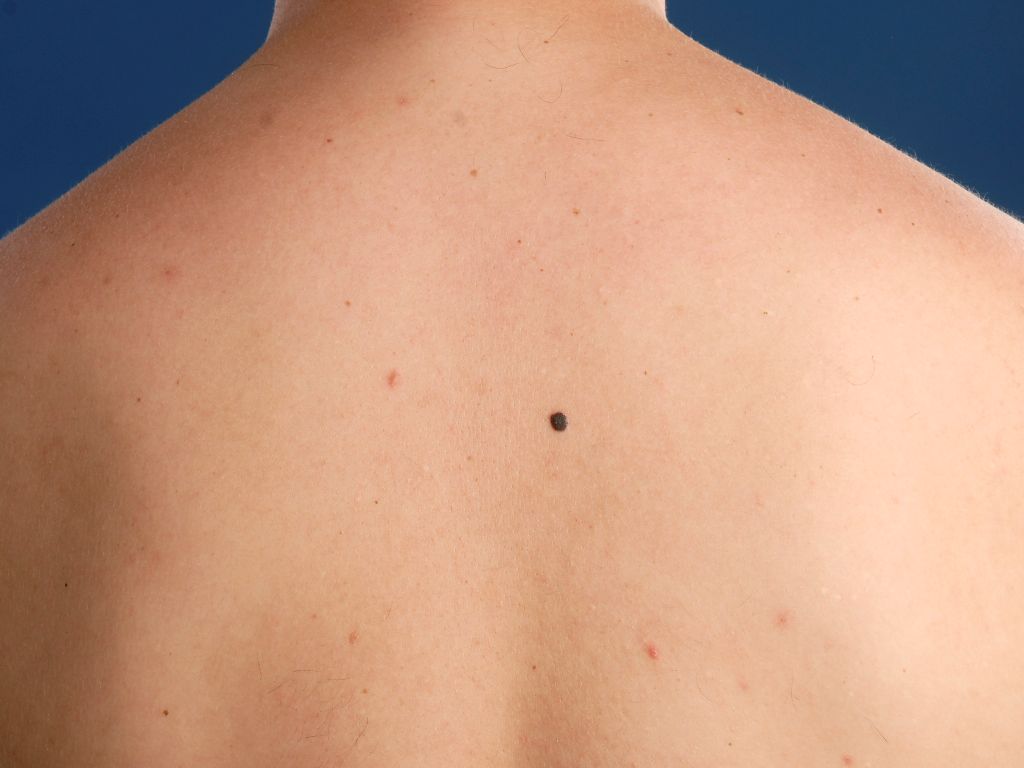
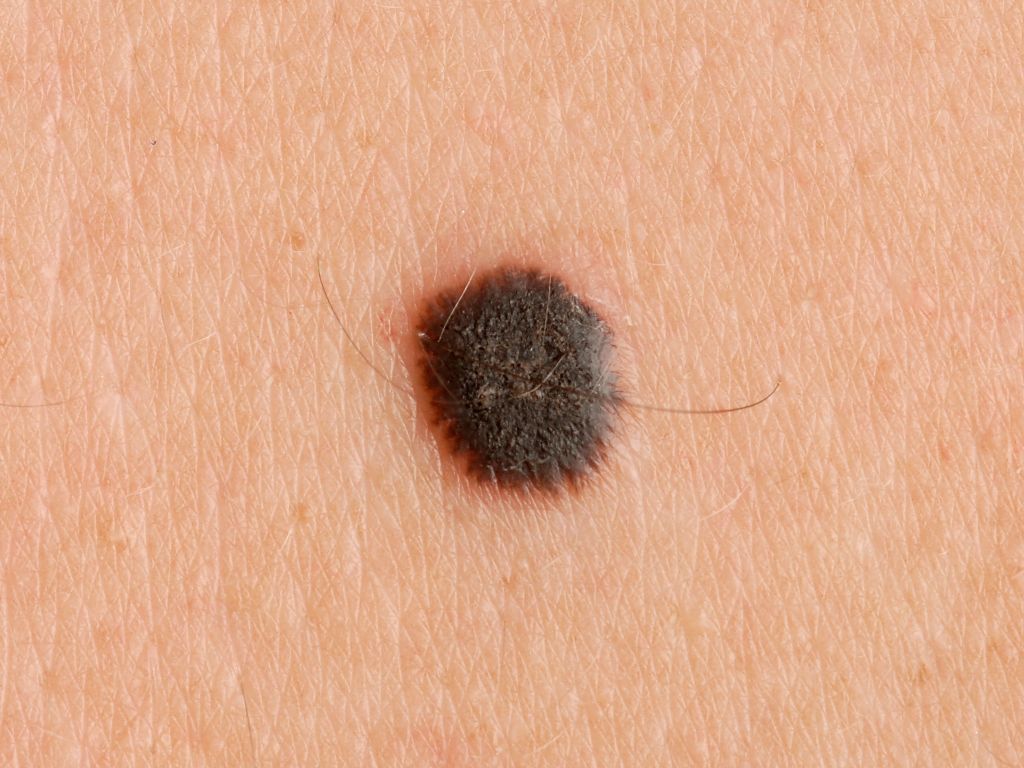
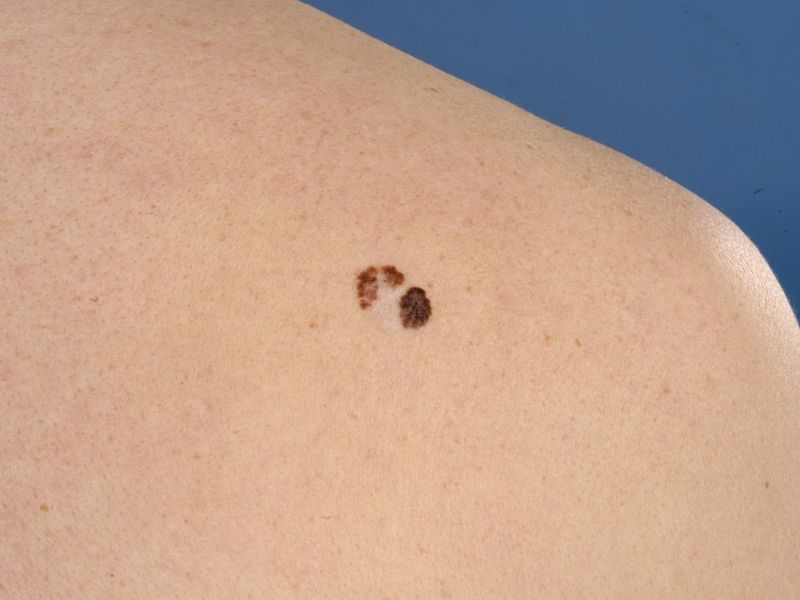
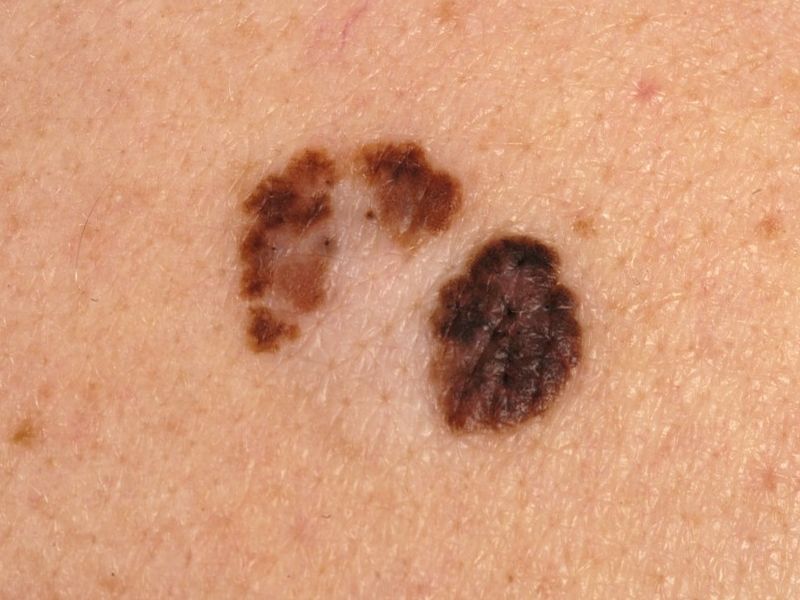
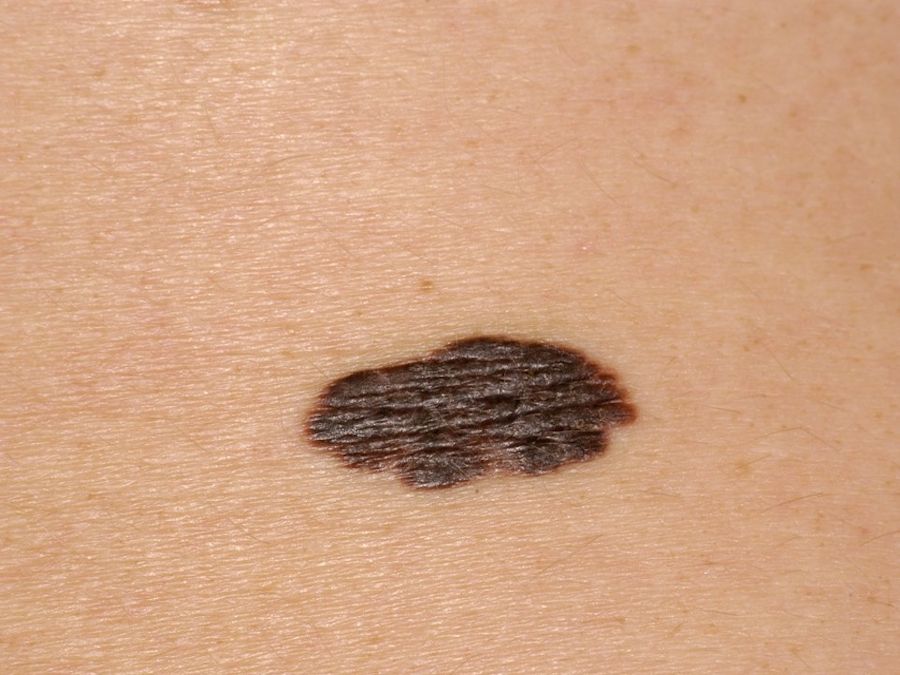
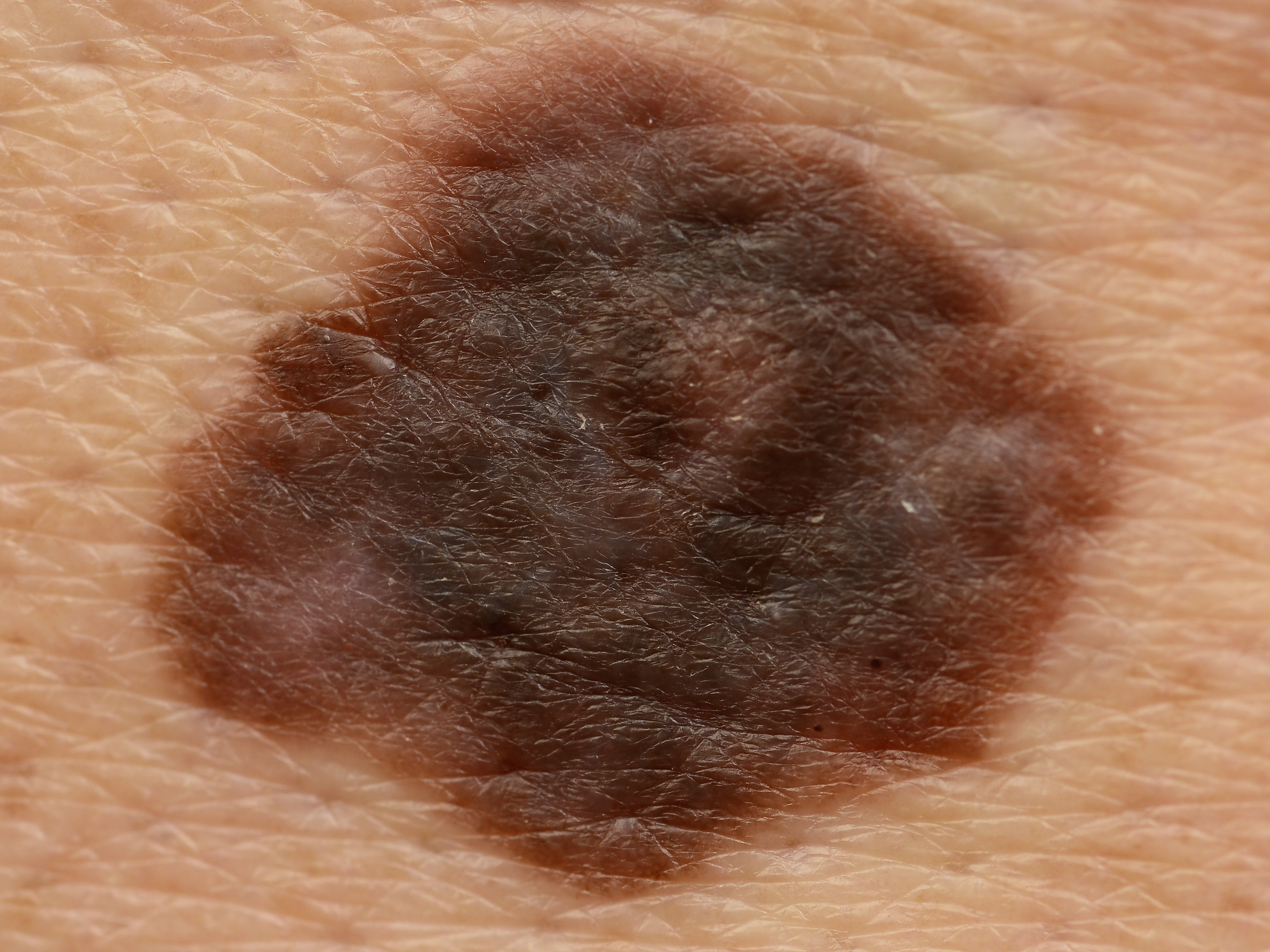
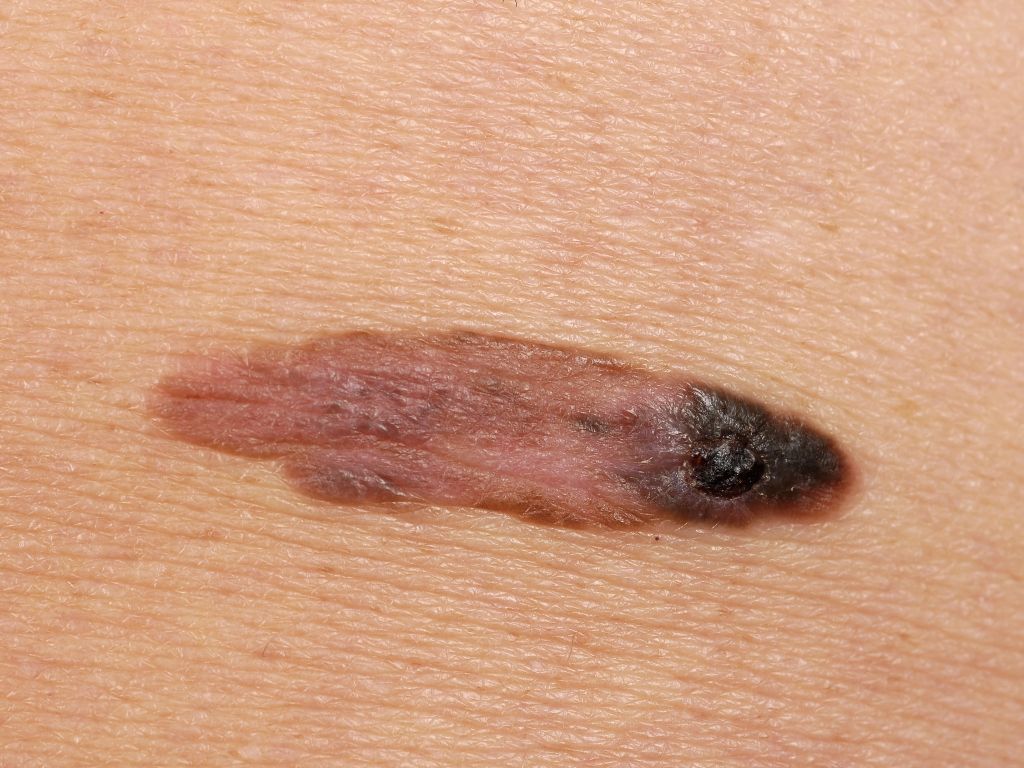
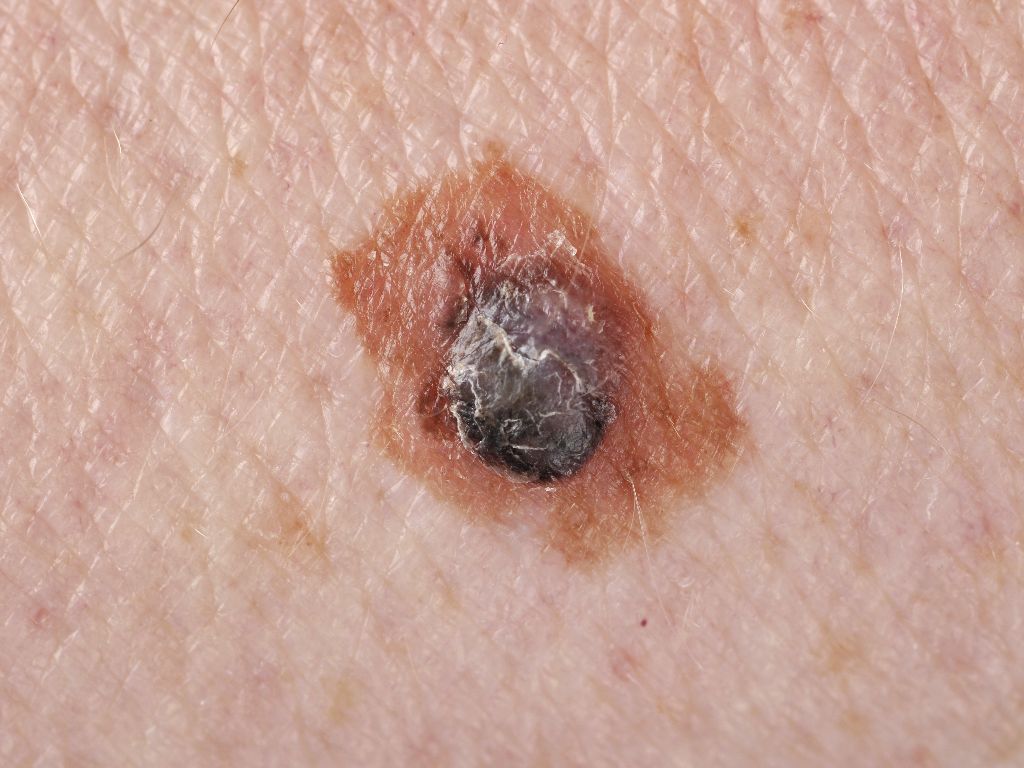
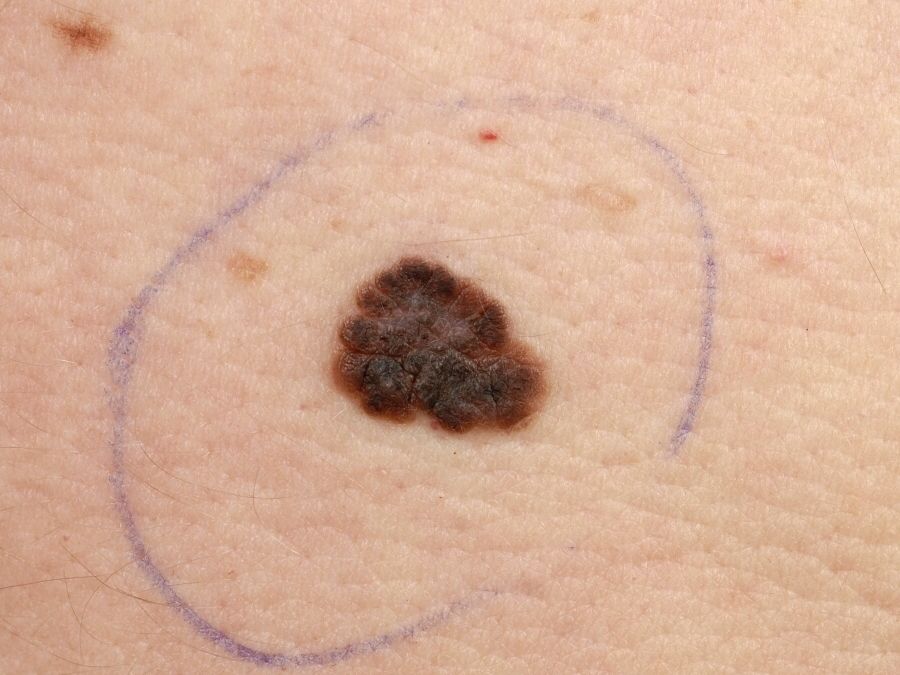
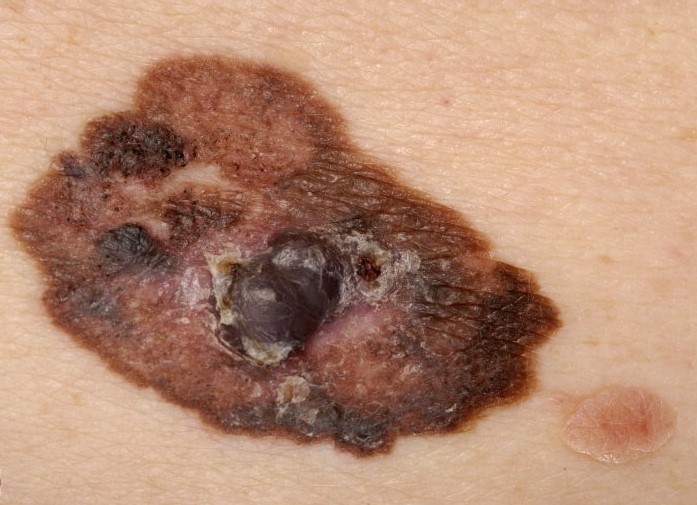
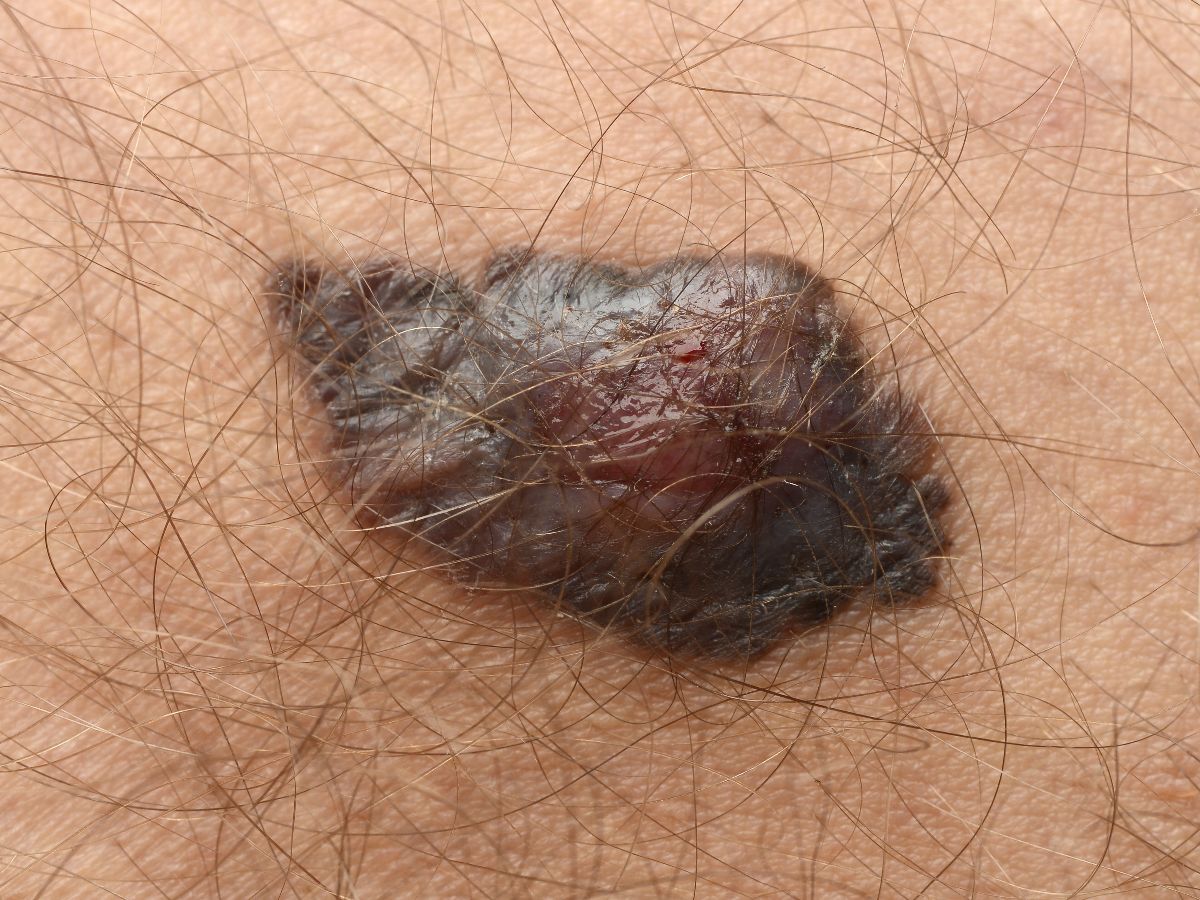
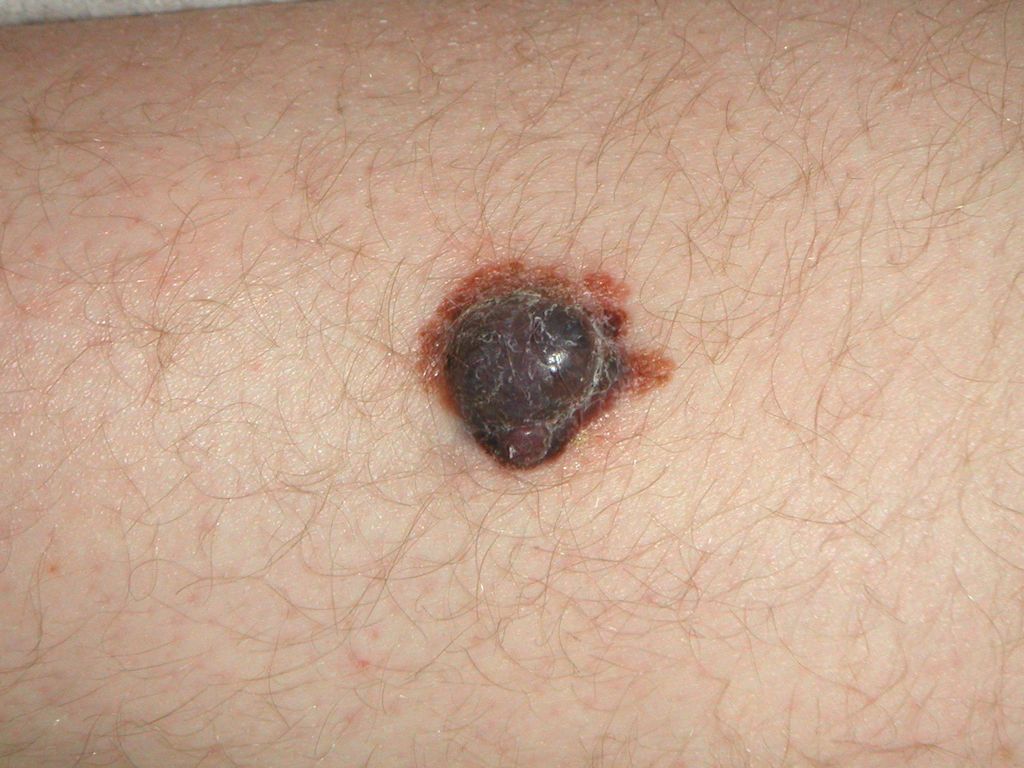
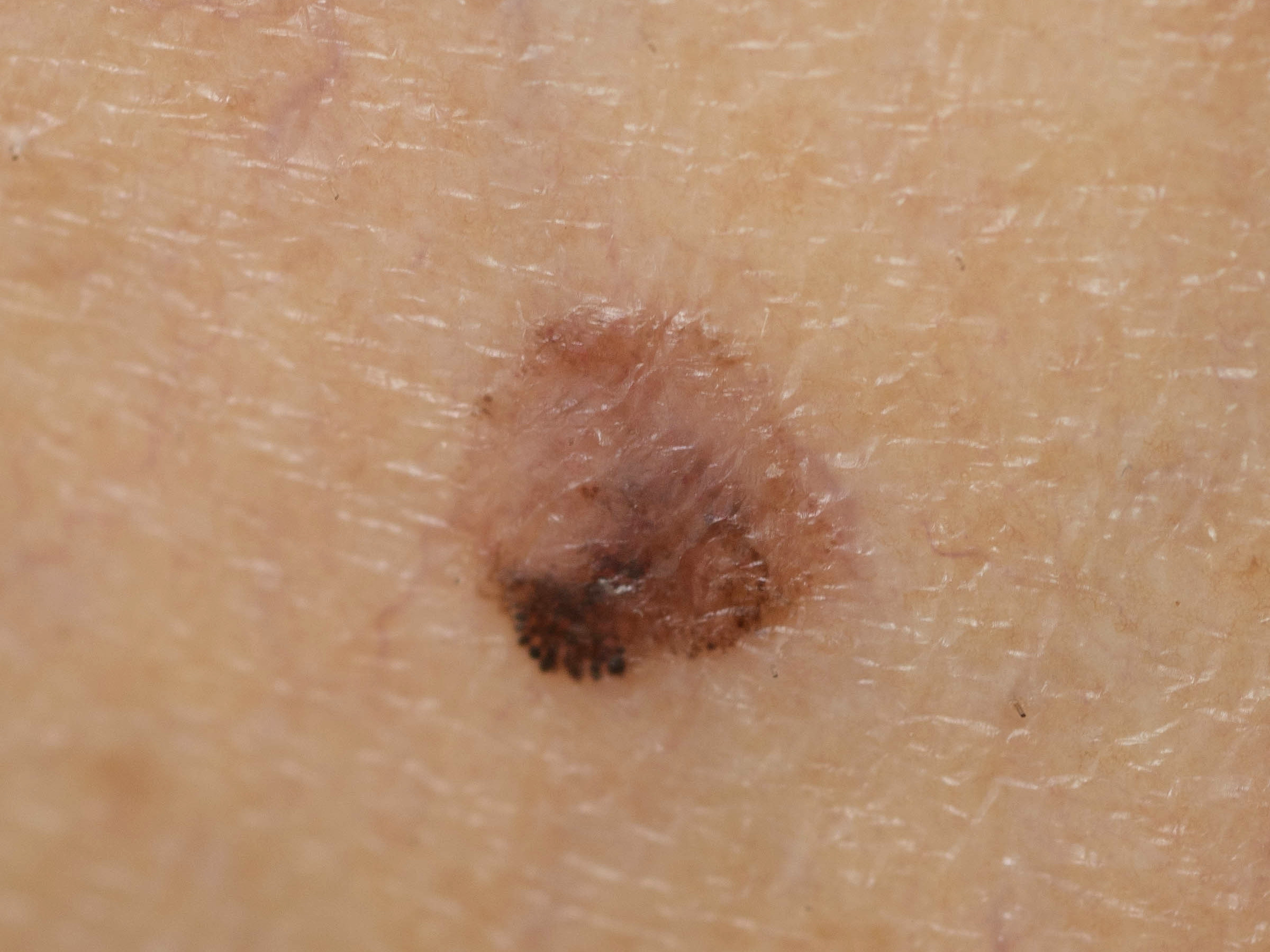
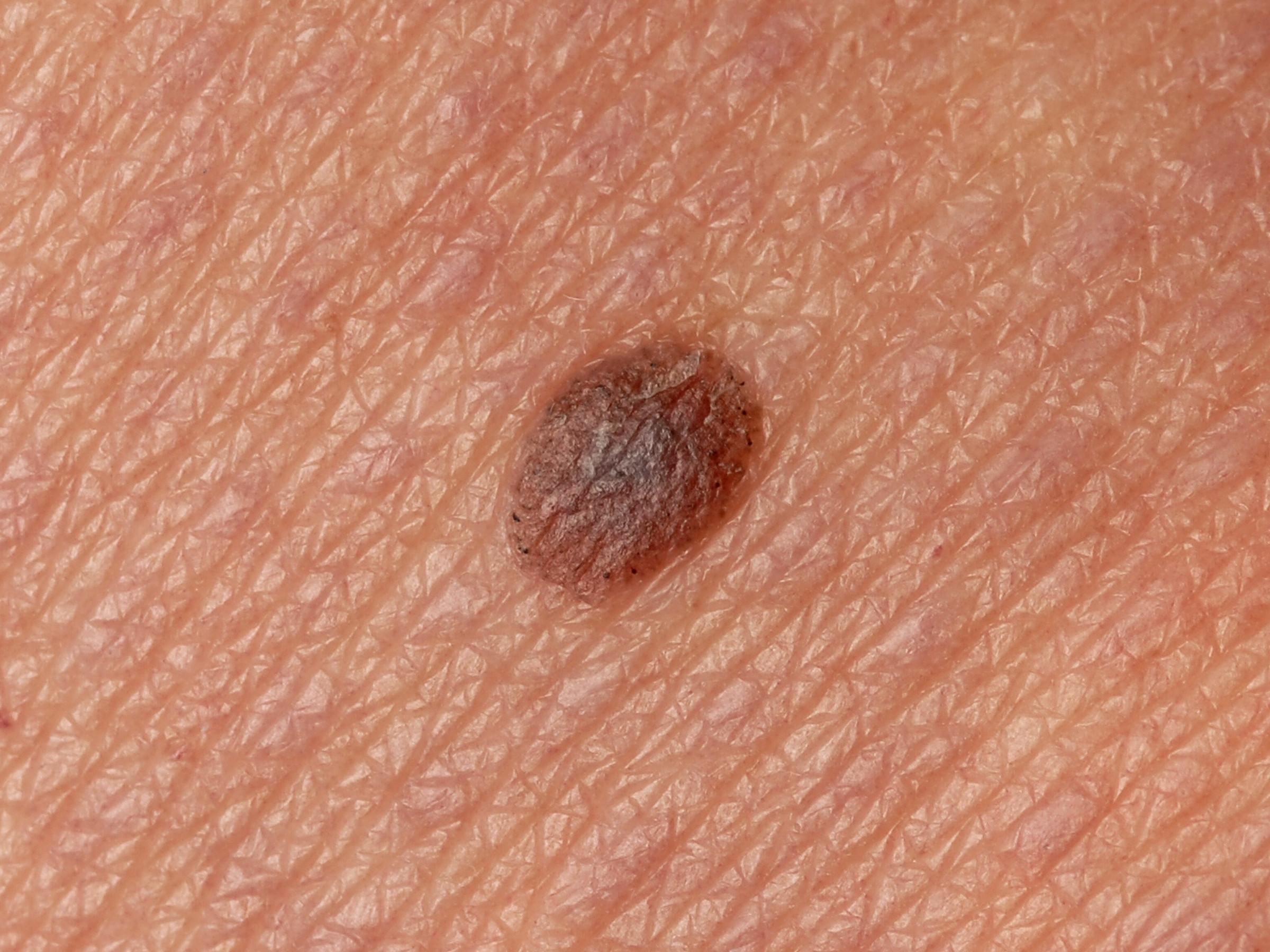
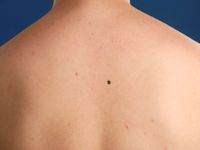
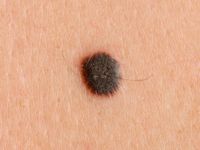
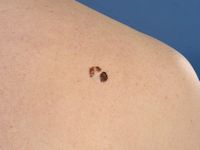
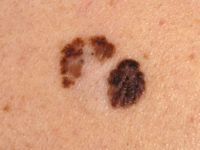
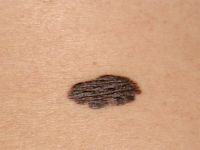
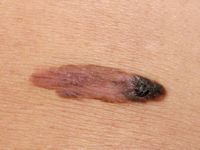
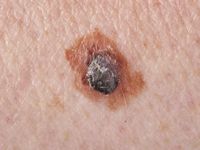
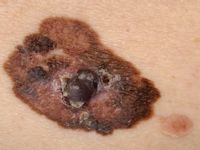
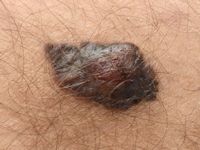
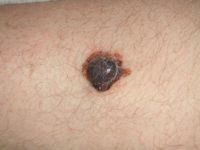
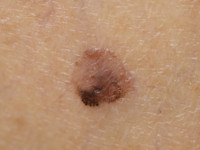
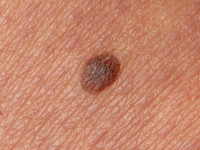
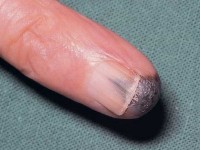
For more information, see the brochure on squamous cell carcinoma .MELANOMA OF THE SKINMelanoma , also called a malignant mole or malignant melanoma, is the most dangerous form of skin cancer. Melanoma is usually dark in color (brown, black , or bluish), and looks like a mole. There are certain characteristics that can indicate that it is not an innocent mole, but a spot that is suspicious for melanoma. Signs suspicious of malignancy include: new spots, rapid growth, itching, spots larger than 6 millimeters, asymmetrical spots, and multicolored spots. If you have any suspicious or unclear spots, consult a dermatologist; they are experts in assessing moles. The dermatologist can also assess the spot with a dermatoscope (a powerful magnifying glass with a special light source). In the Netherlands, melanoma occurs approximately 5,500 times a year. Approximately 800 people in the Netherlands die from melanoma each year, including young people. Melanoma is therefore a completely different matter than the other two common forms of skin cancer. Melanoma can spread to the lymph nodes and to organs such as the lungs and brain, and it can quickly become fatal. Some new (very expensive) medications have been introduced that can slow the growth of melanoma, but the prognosis for metastatic melanoma is still very poor. Sun exposure also plays a role in the development of melanoma; sunburn at a young age and having a fair skin type, in particular, increase the risk of developing melanoma. There are also other risk factors, including hereditary factors (having a family member with melanoma).
You have a higher risk of developing melanoma if:
- one or more family members have had melanoma.
- you have had frequent sunburns at a young age.
- you have frequently used tanning beds.
- you have fair skin with red or light-blonde hair.
- you have more than 5 "atypical" (large, irregular) moles.
- you have more than 100 moles.
- you have a congenital nevus (congenital mole) of 20 cm or larger.
- you have previously had a melanoma.
If melanoma is suspected, the lesion is first excised in its entirety, leaving a 2-millimeter margin around it. This is assessed by the pathologist, who will determine whether it is a melanoma, a normal mole (nevus naevocellularis), or a mole with a raised area but not yet a melanoma (dysplastic nevus). If it is a melanoma, the pathologist will measure the thickness and also look at other characteristics. This determines the safety margin (1 or 2 cm) that must be maintained during surgical removal of the melanoma. A melanoma is therefore always removed in two steps: first narrowly to determine the nature of the lesion, then generously, leaving a 1 or 2 cm margin around it.
For more information, see the brochure on malignant melanoma .WHAT CAN I DO TO PREVENT SKIN CANCER?Make sure you don't get sunburned. Also, make sure your family members, especially young children, don't get sunburned. There's no need to avoid the sun completely; sunlight and being outdoors have many positive effects. But do prevent sunburn.HOW DO I KNOW IF I HAVE SKIN CANCER?Check your skin regularly for any new, unusual-looking, or changed bumps or spots. It turns out that young people and young adults, in particular, don't do this because they mistakenly believe that only older people can get skin cancer, or because they haven't heard much about it. Have a partner or family member check your back. Or visit your general practitioner for a checkup. If in doubt, always have moles evaluated by a dermatologist.WHAT CHANGES SHOULD I BE CONSIDERING THAT I MAY HAVE MELANOMA?Usually, there are symptoms that indicate that a melanoma has developed or that a mole is changing into a melanoma. These can include:
- the appearance of new moles or a brown-black or black bump
- the sudden or slow enlargement of an existing mole
- protrusions or bumps that develop within it
- irregular contours (jagged edges)
- itching or pain
- bleeding, ulcers or scabs
- color changes such as darkening
- the development of different colors within one spot (light brown, dark brown, black, blue-black, red, white-pink)
Moles can be assessed according to the ABCD rule. Each letter represents a characteristic of a mole that indicates a possible transition to melanoma. The ABCD rule is originally in English; the A stands for Asymmetry (the non-symmetrical nature of the mole), B for Border, C for Color, and D for Diameter (size). For examples, see the brochure malignant melanoma .
Asymmetry
A mole is symmetrical if an imaginary line can be drawn through it, and the two halves on either side of that line are each other's mirror images. Symmetry is a sign of benignity, asymmetry of malignancy.
Border
An irregular, jagged border is a sign of malignancy.
Color
Two or more different colors within one spot is a sign of malignancy.
Diameter
Moles up to 6 mm are usually harmless; a mole larger than 6 mm in diameter is a reason to be careful. However, size alone is not enough to take notice. A mole that has only grown larger without any of the changes listed under A, B, or C is usually harmless.PHOTOS OF BASAL CELL CARCINOMAS
 |
 |
 |
| basal cell carcinoma |
basal cell carcinoma |
basal cell carcinoma |
 |
 |
 |
| basal cell carcinoma |
basal cell carcinoma |
basal cell carcinoma |
 |
 |
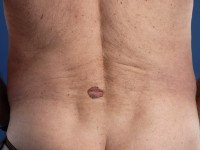 |
| basal cell carcinoma |
basal cell carcinoma |
basal cell carcinoma |
PHOTOS OF SQUAMOUNT CELL CARCINOMAS
 |
 |
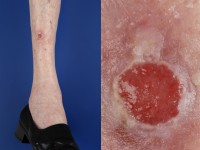 |
| squamous cell carcinoma |
squamous cell carcinoma |
squamous cell carcinoma |
 |
 |
 |
| squamous cell carcinoma |
squamous cell carcinoma lip |
squamous cell carcinoma ear |
 |
 |
 |
| squamous cell carcinoma |
squamous cell carcinoma |
squamous cell carcinoma |
PHOTOS OF MELANOMAS
 |
 |
 |
| melanoma |
melanoma |
melanoma |
 |
 |
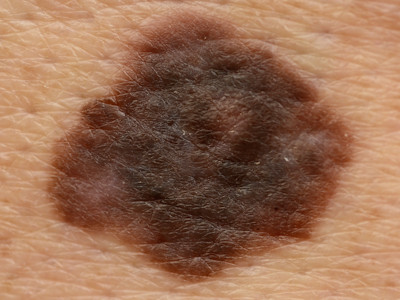 |
| melanoma |
melanoma |
melanoma |
 |
 |
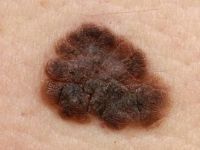 |
| melanoma |
melanoma |
melanoma |
 |
 |
 |
| melanoma |
melanoma |
melanoma |
 |
 |
 |
| melanoma |
melanoma |
melanoma |
|