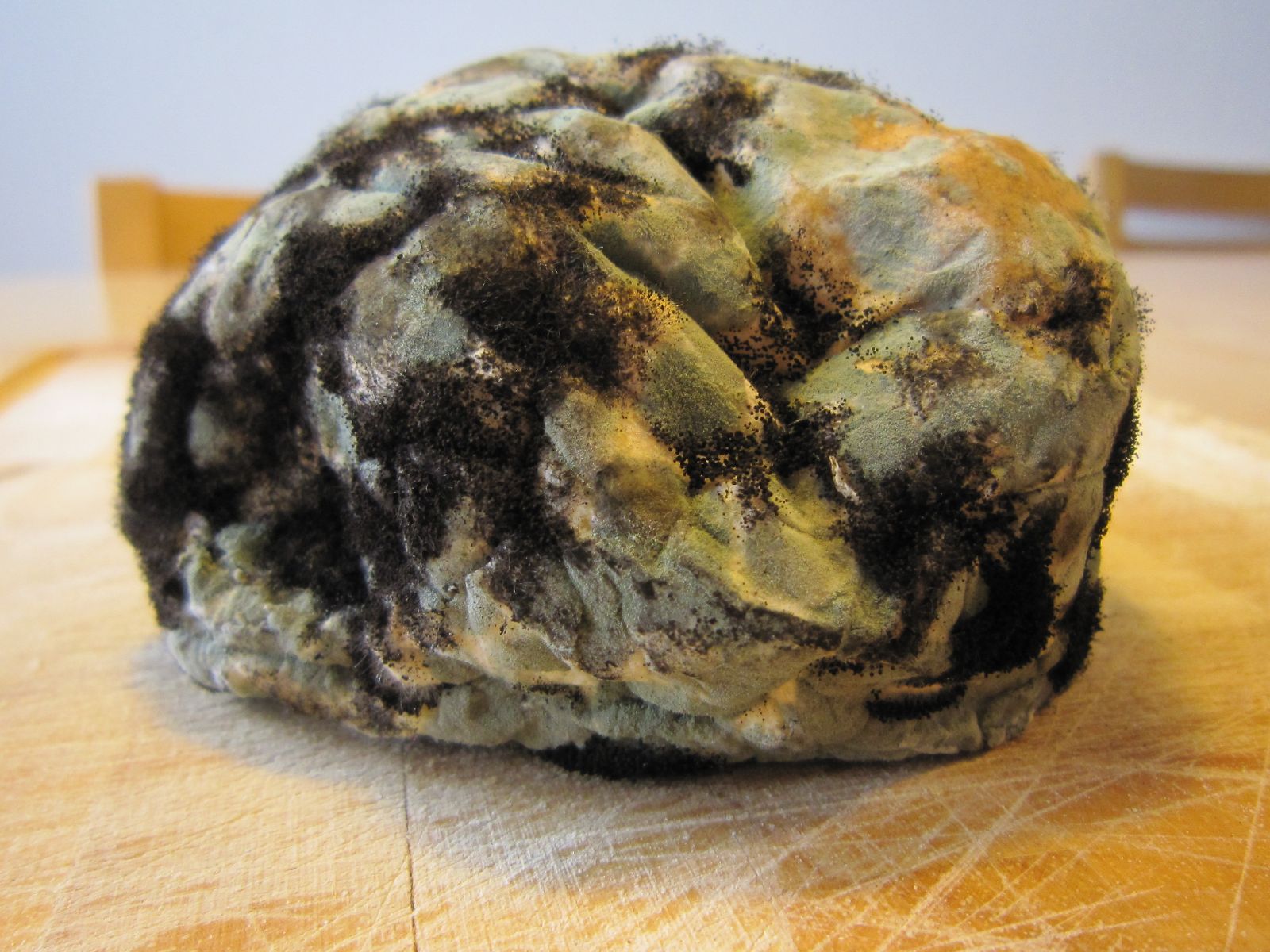
WHAT IS A FUNGAL SKIN INFECTION?Anyone who's ever forgotten to throw away a loaf of old bread knows what a fungus is. There are many different types of fungi in the world. Some species live on the skin or elsewhere on the body. They prefer moist places, for example, between the toes (athlete's foot), in the groin, or in cracks at the corners of the mouth.
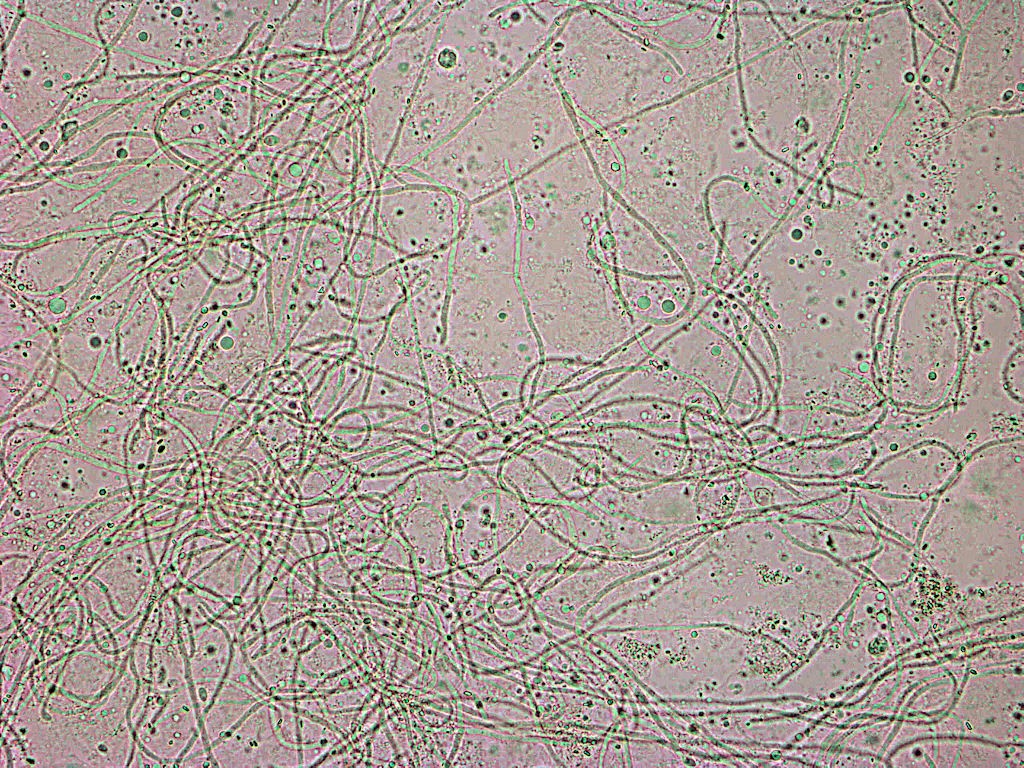
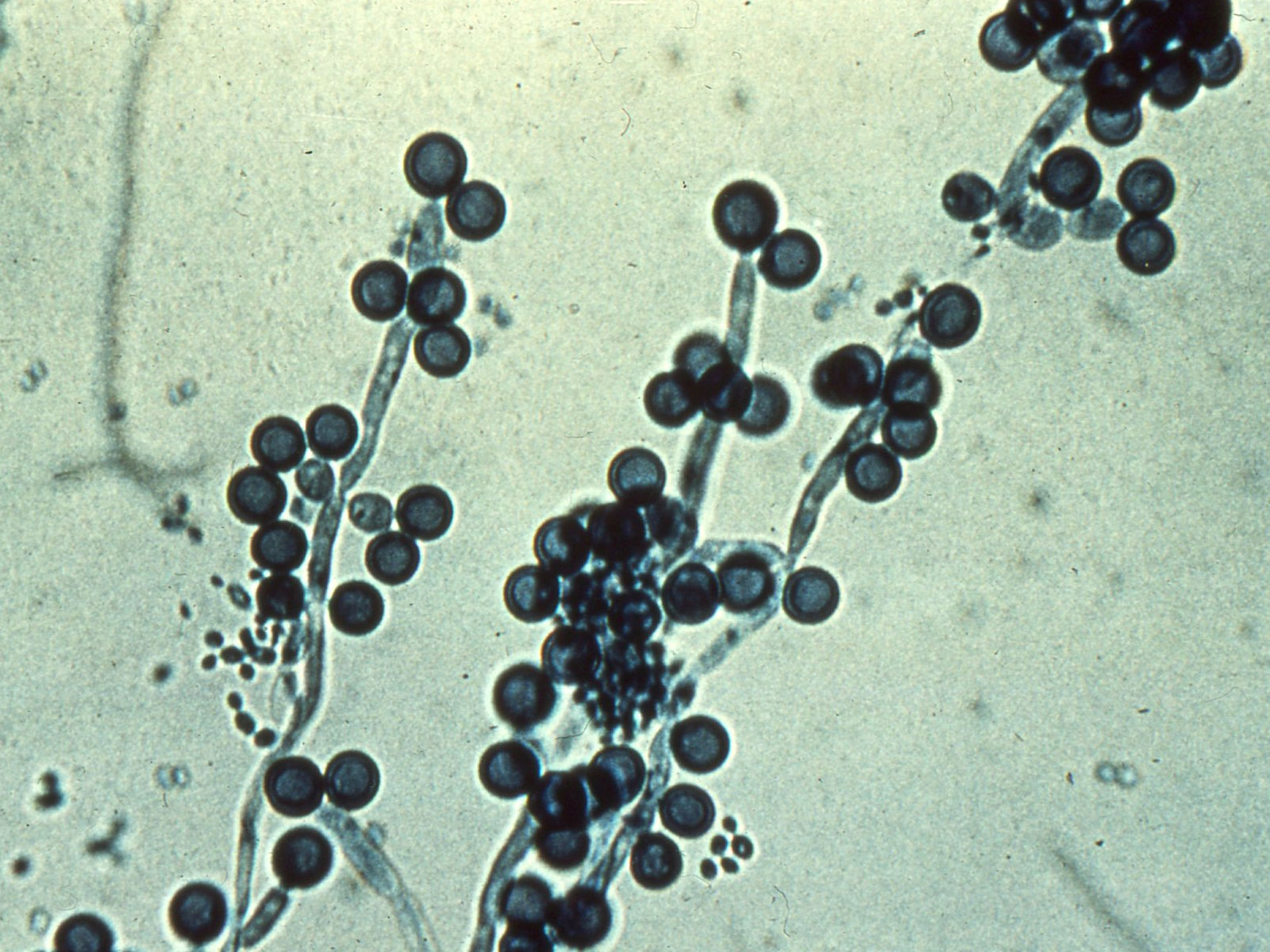
Besides fungi, there are also yeasts . A yeast consists of a single cell (visible under the microscope as a ball), while a fungus consists of multiple cells attached to each other (visible under the microscope as threads). Because some fungi can grow as both balls and threads, this difference isn't so important in practice.
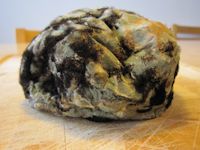 |
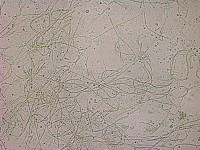 |
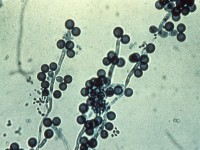 |
| moldy bread |
fungal threads (hyphae) |
yeast balls and threads |
Photo right: Goodman - Flickr (Creative Commons License 2.0 ).
IS IT ABNORMAL TO HAVE A FUNGUS ON YOUR SKIN?Finding a fungus or yeast on the skin is nothing unusual. Human skin is normally populated by all kinds of bacteria and fungi or yeasts. Only newborn babies don't yet have bacteria and fungi on their skin. But they appear quite soon after birth. Newborn babies who are breastfed, for example, can develop a yeast infection in the oral cavity. This is called thrush , and is caused by Candida albicans . Sometimes it is treated with an antifungal treatment, but it also clears up on its own. This fungus species, Candida albicans, is a normal resident of the oral cavity, vagina, and intestines, but it doesn't grow in large numbers there and doesn't cause any symptoms. However, if the balance is disturbed, the fungus can grow and cause symptoms. This occurs particularly after a course of antibiotics. The antibiotics kill certain bacteria on the skin, in the oral cavity, and vagina, giving the fungi the opportunity to grow. This is why women can experience increased vaginal discharge after a course of antibiotics.
Fungi can also grow when the immune system is compromised. This occurs, for example, in patients with HIV, but also in patients taking immunosuppressive drugs, such as prednisone. Patients taking prednisone, for example, can easily develop a Candida infection of the oral cavity, especially if they have also completed a course of antibiotics.
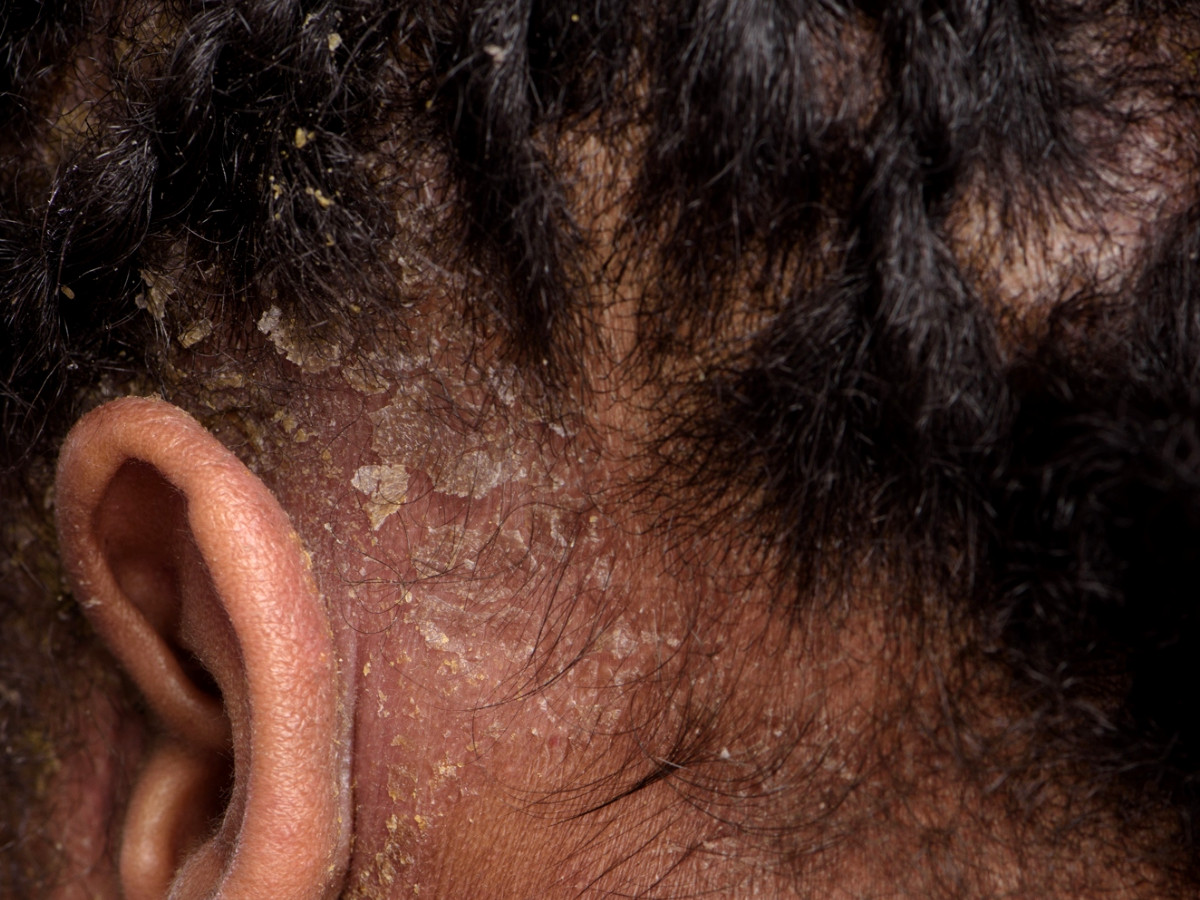
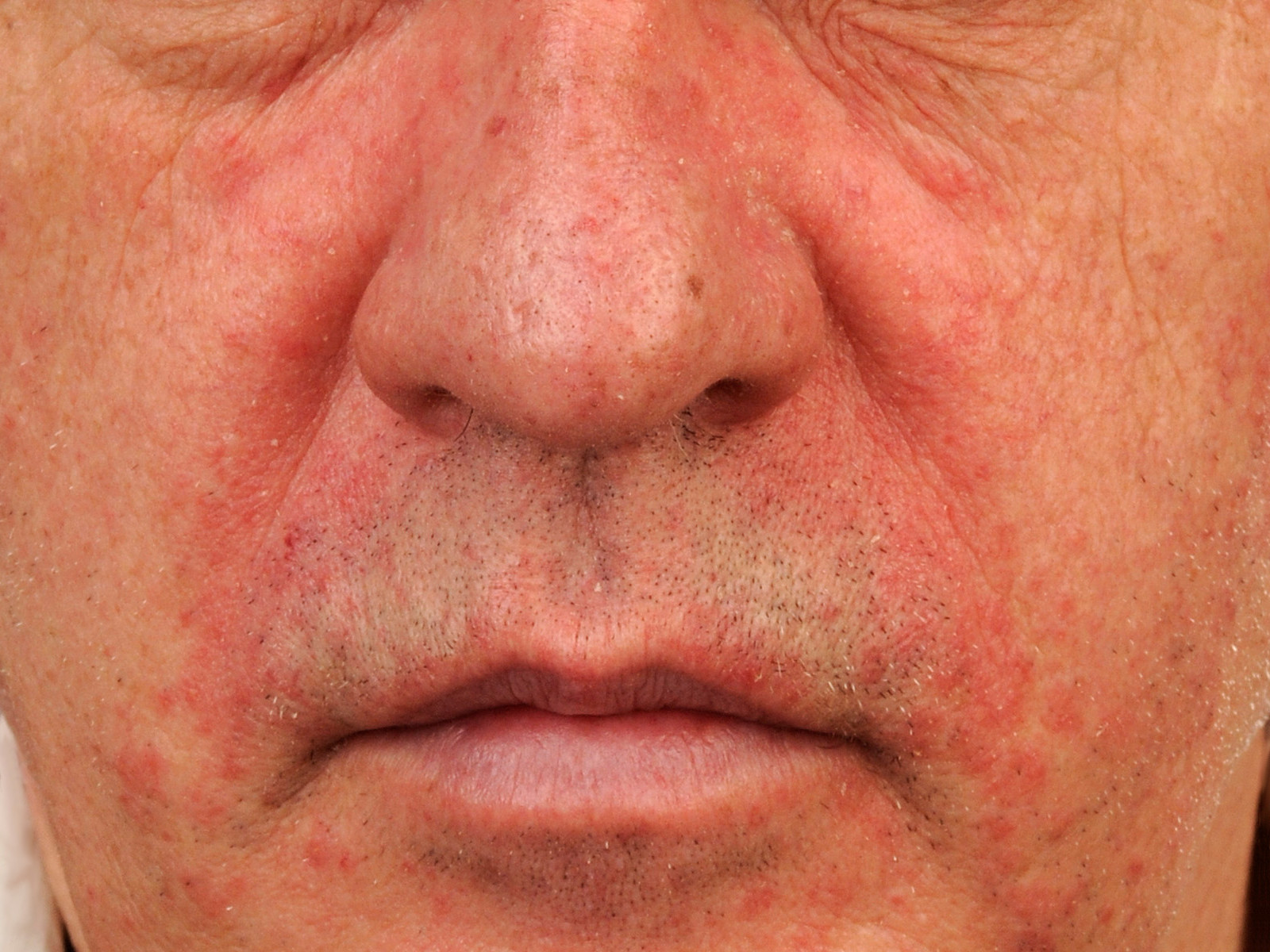
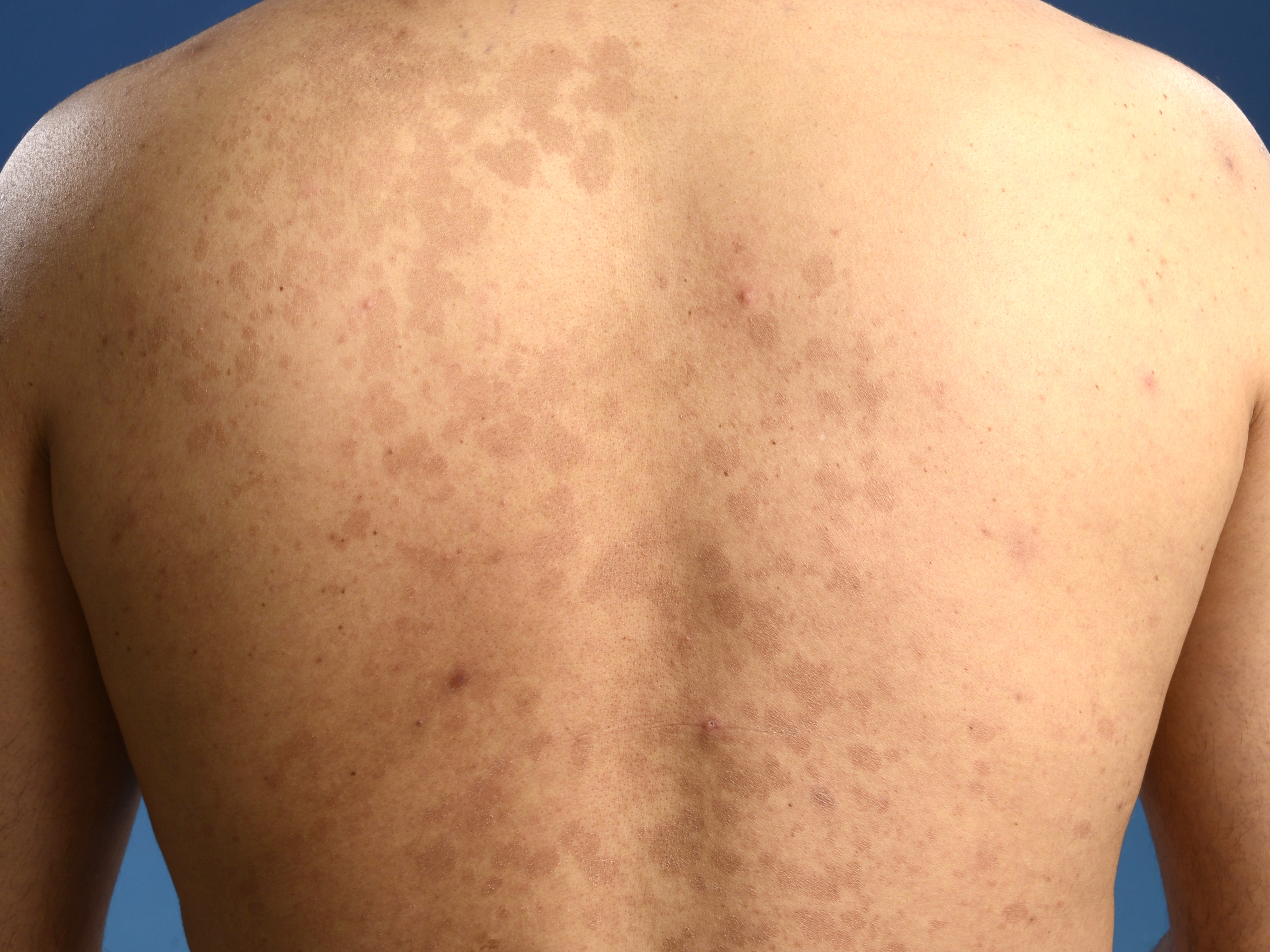
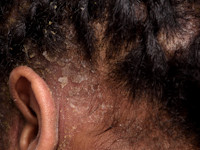
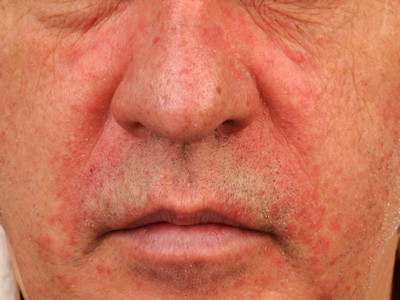
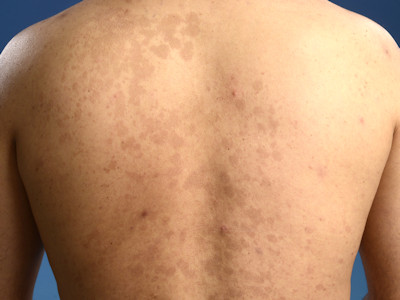
There are yeasts that are native to the skin but sometimes cause problems. One example is the yeast Malassezia . This is found on everyone's skin, especially on the scalp. In some people, these yeasts cause skin irritation in the form of redness or flaking. They can cause dandruff on the scalp , eczema on the face ( seborrheic dermatitis ), and flaking and discoloration on the body ( pityriasis versicolor ).
 |
 |
 |
| dandruff |
seborrheic eczema |
pityriasis versicolor |
And there are also fungi that don't belong on or in the skin. These are dangerous fungi that grow deep into the skin (also called deep mycoses ). These can be specific fungi contracted in the tropics, but also common fungi that take advantage of patients with severely compromised immune systems. Deep mycoses can cause significant damage and are difficult to treat. Fortunately, they are very rare.
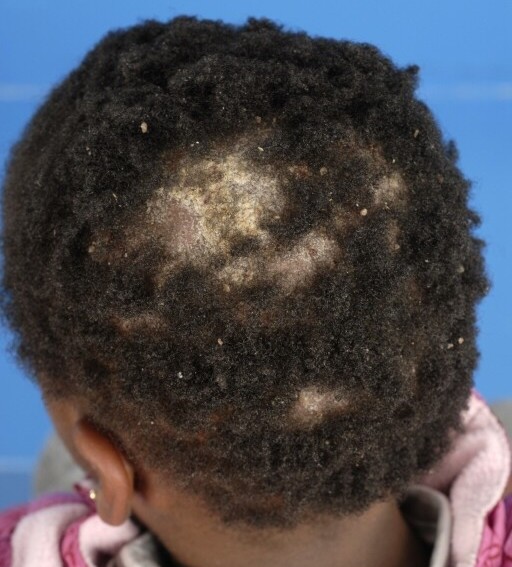
However, most fungal infections develop spontaneously in healthy people. Fungi can grow in the spaces between the toes and cause cracks ( athlete's foot ). Fungi can also grow into the nails ( nail fungus ). Young children can easily develop a ring-shaped fungal infection ( ringworm ) or a fungal infection of the scalp ( tinea capitis ).WHAT TYPES OF FUNGAL INFECTIONS ARE THERE?The following skin conditions can be caused by fungi:
| Dutch term |
medical term |
brochure |
| Fungal nails (chalk nails) |
onychomycosis |
brochure |
| Athlete's foot (athlete's foot) |
tinea pedis |
brochure |
| Fungal infection of the scalp |
tinea capitis |
|
| Yeast infection of the vagina |
candida vaginitis |
brochure |
| Fungal infection of the oral cavity (thrush) |
candida oris |
|
| Fungal infection of the corners of the mouth |
anguli infectiosi, perlèche |
|
| Fungal infection of the beard area |
tinea barbae |
|
| Fungal infection of the folds (groin, armpits) |
candidiasis intertriginosa |
|
| Ringworm (fungal spot on the body) |
tinea corporis |
brochure |
| Yeast infection of the body |
pityriasis versicolor |
brochure |
| Dandruff (overgrowth of yeasts on the scalp) |
pityriasis capitis |
brochure |
| Eczema on face due to yeast overgrowth |
seborrheic eczema |
brochure |
| Yeast infection of the hair follicles |
pityrosporon folliculitis |
|
| Systemic fungal infection |
systemic mycosis |
|
| Deep fungal infection |
deep mycosis |
|
Fungal nails (nail fungus)
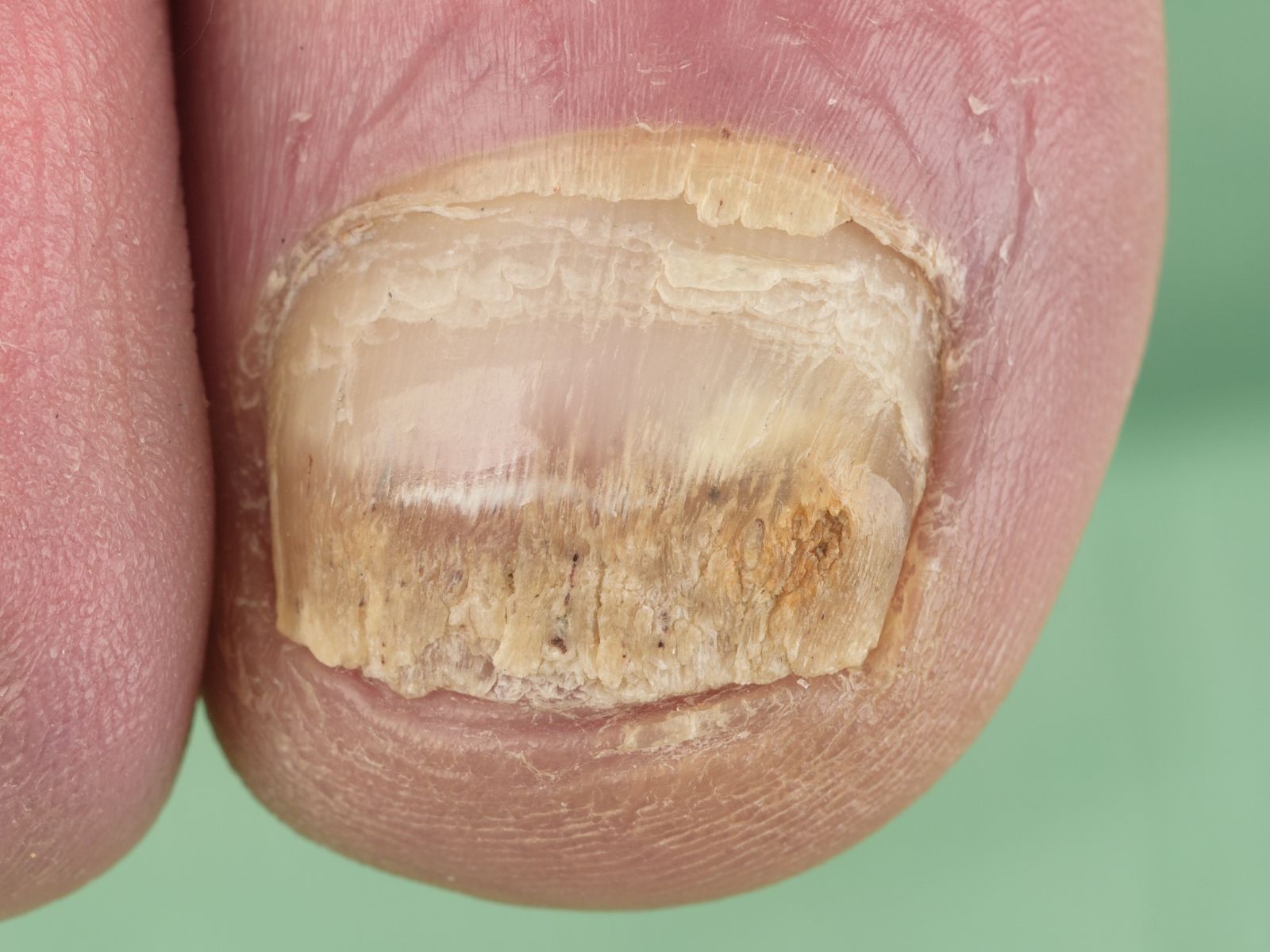
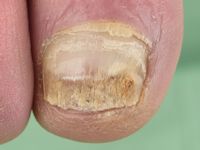
Fungal nails are crumbly, thickened nails in which a fungus grows. The medical term is onychomycosis. Fungal nails are usually caused by Trichophyton rubrum and other Trichophyton species, but also by Candida albicans (especially if one frequently comes into contact with water with one's hands). See further under fungal nail / nail fungus .
Athlete's foot (athlete's foot)
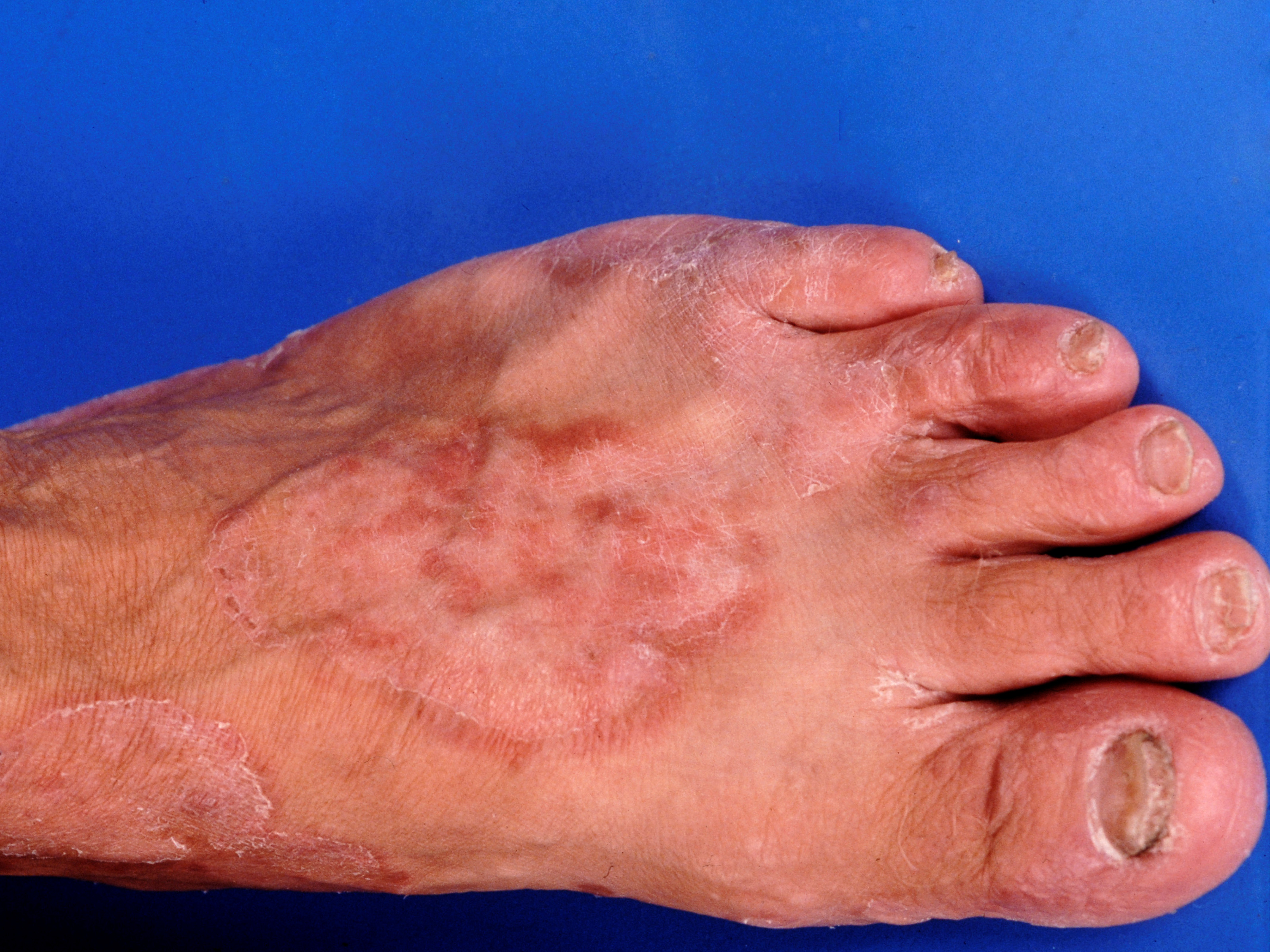
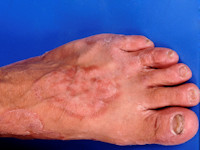
Athlete's foot is a fungal infection of the skin between the toes. The folds between the toes are usually moist and humid, an ideal place for fungi such as Candida albicans . Athlete's foot can also occur along the edge of the foot. See further under athlete's foot .
Fungal infection of the scalp (tinea capitis)
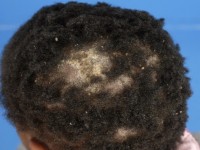
Fungal infections of the scalp mainly occur in young children. The main causes of tinea capitis in the Netherlands are: Trichophyton violoaceum , Microsporum canis , M. audouinii , T. tonsurans , T. mentagrophytes , T. rubrum , T. verrucosum , T. soudanense and T. schoenleinii . The infection usually requires long-term treatment with antifungal tablets.
 |
 |
 |
| fungal nails |
athlete's foot |
fungal hairy head |
Vaginal Yeast Infection A
vaginal yeast infection is caused by an overgrowth of the yeast Candida albicans , which is naturally present in the vagina. See also candida vaginitis .
Oral Yeast Infection (Thrush)
A yeast infection of the oral cavity is always Candida albicans . It occurs in newborns (thrush) but also in adults, especially with prednisone or after antibiotics. It can be treated by rinsing the mouth with a topical antifungal gel or with tablets.
Ringworm (Tinea corporis)
Ringworm is another name for a fungal skin infection caused by dermatophytes ( Trichophyton rubrum and other Trichophyton species). Skin infections with dermatophytes often have a circular shape surrounded by a scaly edge. They can spread in the form of a progressively larger ring, hence the name ringworm. Ringworm can be seen in young children, but also in adults. See also ringworm .
Fungal infection of the groin
Fungal infections in the groin can be caused by Candida albicans , but also by Trichophyton species such as E. floccosum , T. rubrum or T. mentagrophytes . Candida infections appear as sore spots, with redness and moist areas in the folds, sometimes with extension with islands from the folds. Fungal infections of the groin caused by Trichophyton species appear as a large round spot with a clearly red and scaly border (ringworm type).
Yeast infection of the body (pityriasis versicolor, seborrheic eczema and dandruff) Yeasts of the type
Malassezia occur everywhere on the body . They can cause dandruff on the scalp , they can cause eczema on the face ( seborrheic eczema ), and they can cause scaling and discolouration on the body ( pityriasis versicolor ).HOW DO I GET A FUNGAL INFECTION?Fungi are everywhere. They spread through fungal spores, tiny little balls that appear in all sorts of places. Athlete's foot is easily contracted, for example, by walking barefoot in gyms, swimming pools, and other public spaces. Some fungi (such as Microsporum canis ) are transmitted by pets. Others are picked up at daycare centers.HOW IS A FUNGAL INFECTION DETECTED?The diagnosis is often made based on the clinical picture, i.e., the appearance. Sometimes, a sample is taken for examination under a microscope or to be cultured for fungi in the laboratory.
Occasionally, a skin biopsy is performed. It can sometimes take several weeks for the results of a fungal culture to be available.HOW ARE FUNGAL INFECTIONS TREATED?Fungal infections are treated with an antifungal medication. These are available as topical products (creams, lotions, shampoos, ointments, vaginal tablets) and as oral tablets. Most fungal infections can be treated with a topical antifungal cream, but some forms, such as nail fungus or scalp fungus, require a course of tablets.
Nail fungus even requires long-term (months) pills.
Products for local fungal treatment (topical antifungals)
include clotrimazole
, miconazole
, terbinafine
, ciclopirox
, and sulconazole.
Products for oral fungal treatment (systemic antifungals)
include terbinafine
, itraconazole
, and fluconazole. |