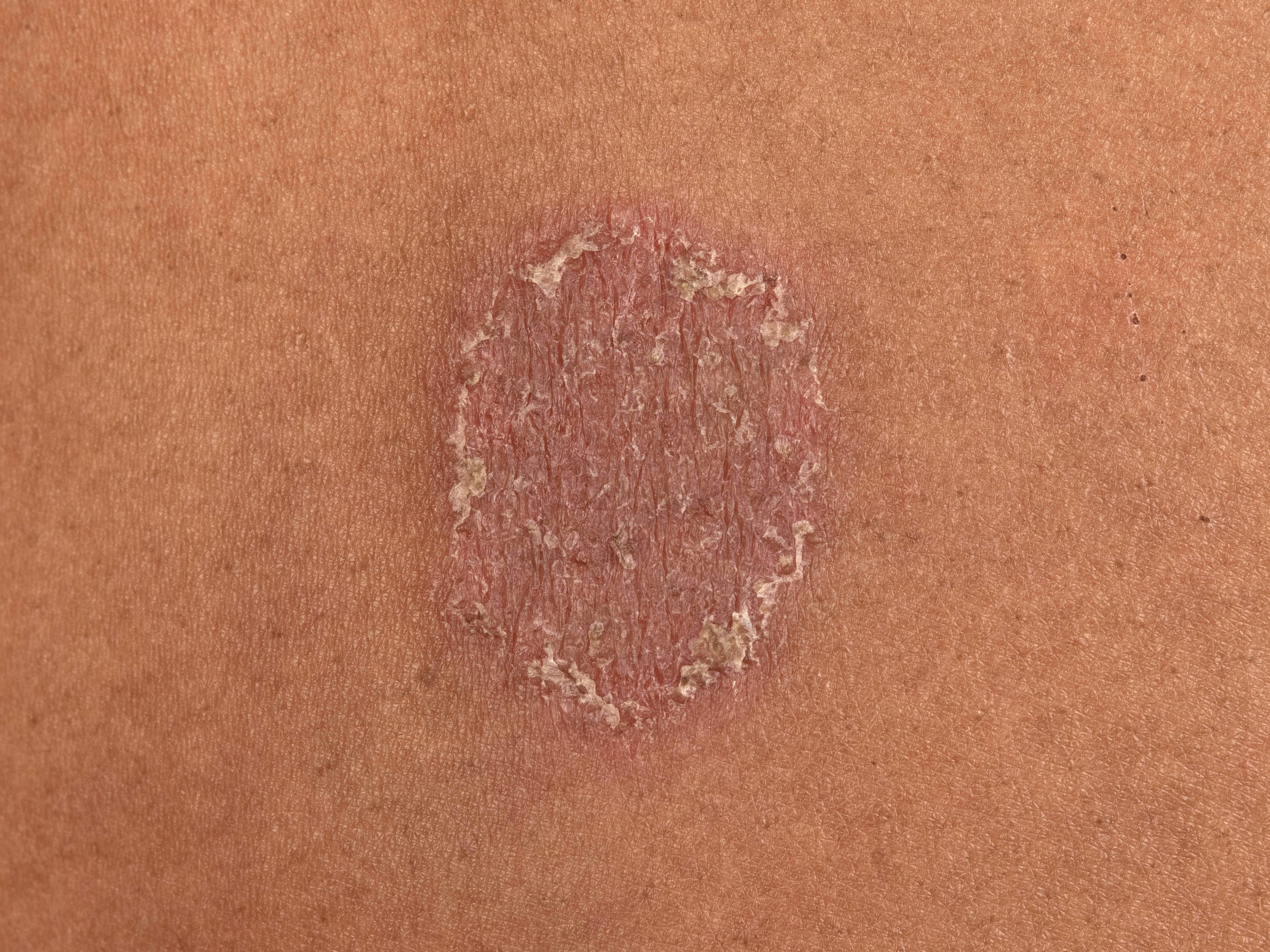
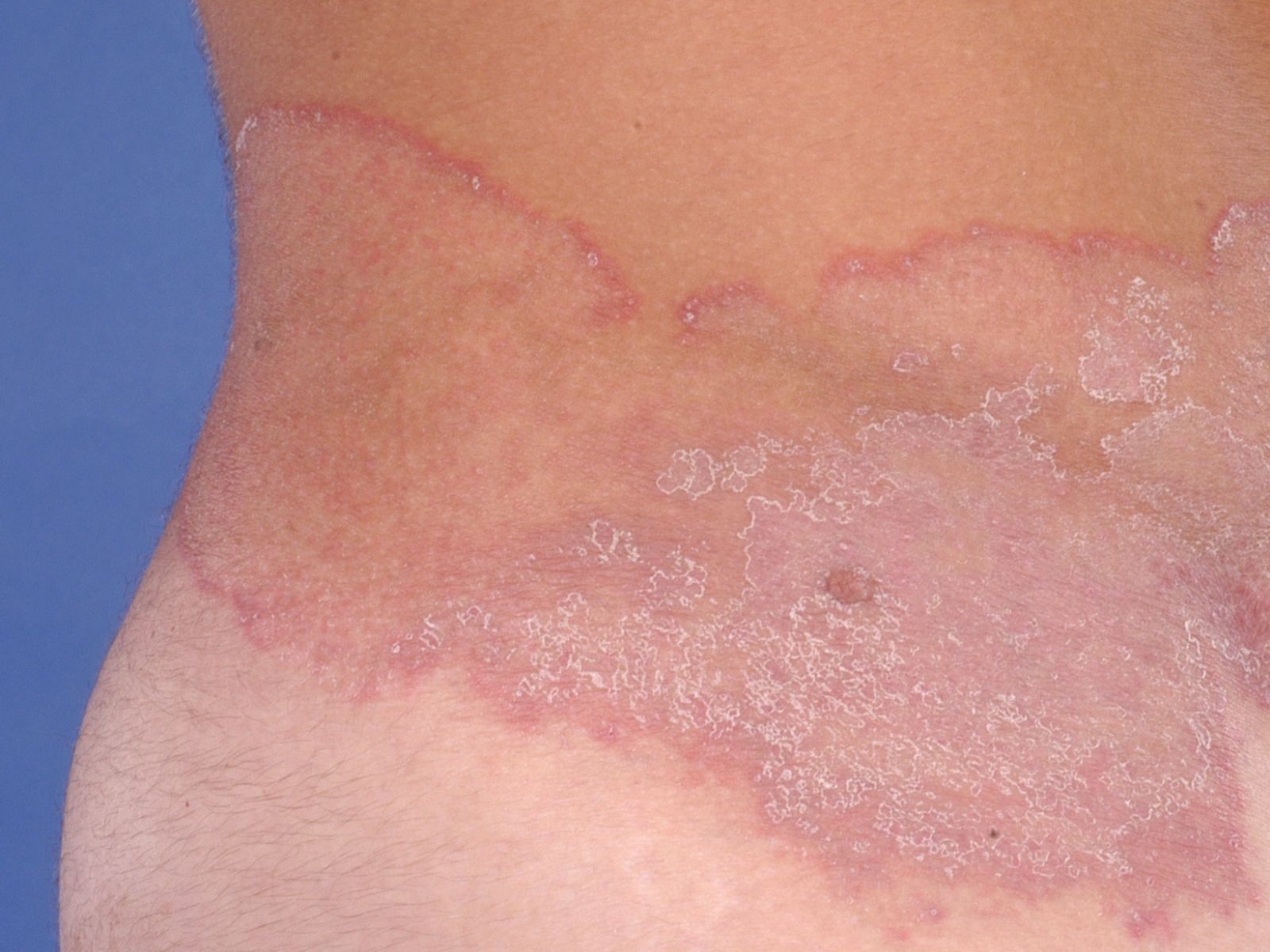
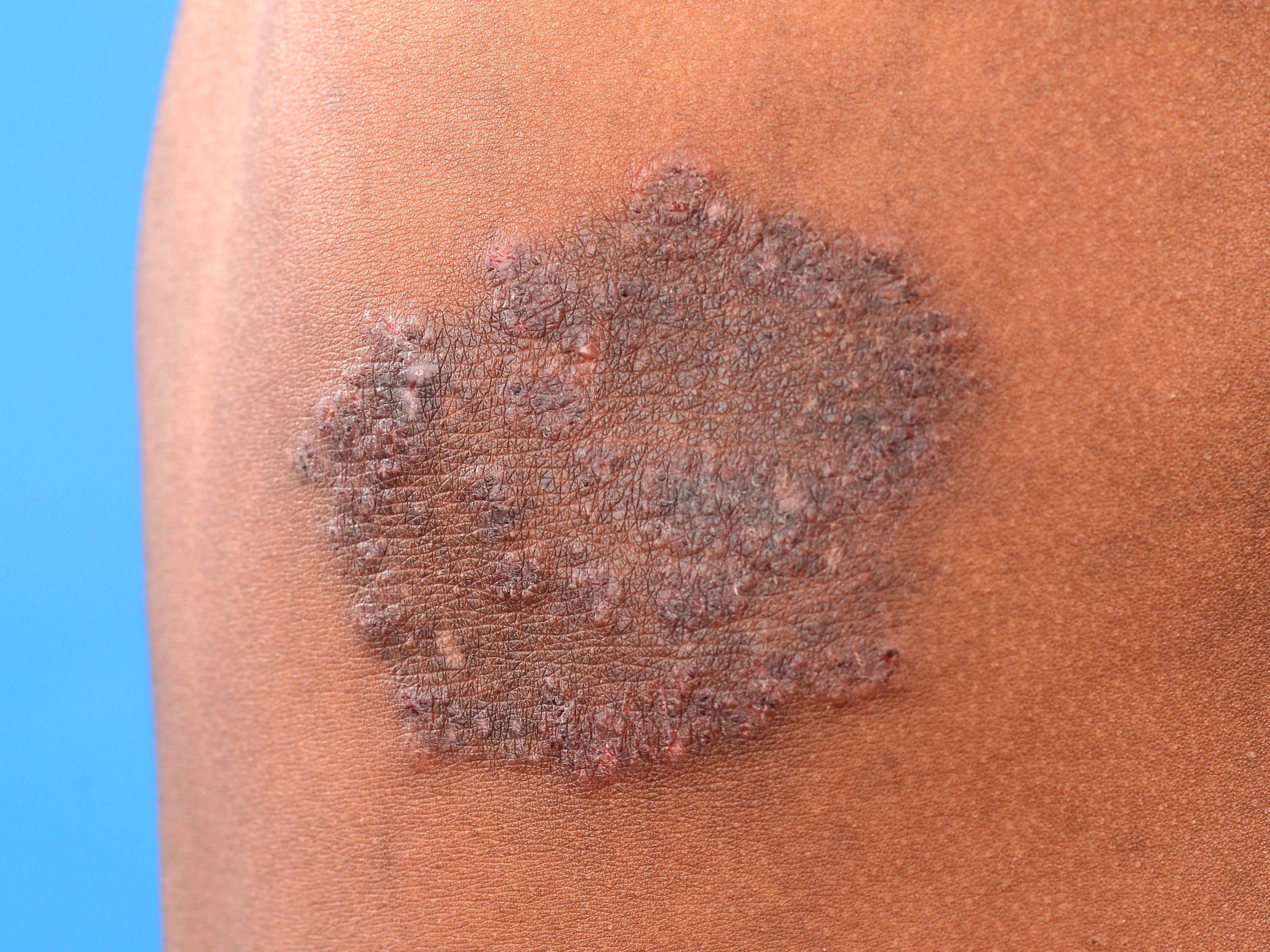
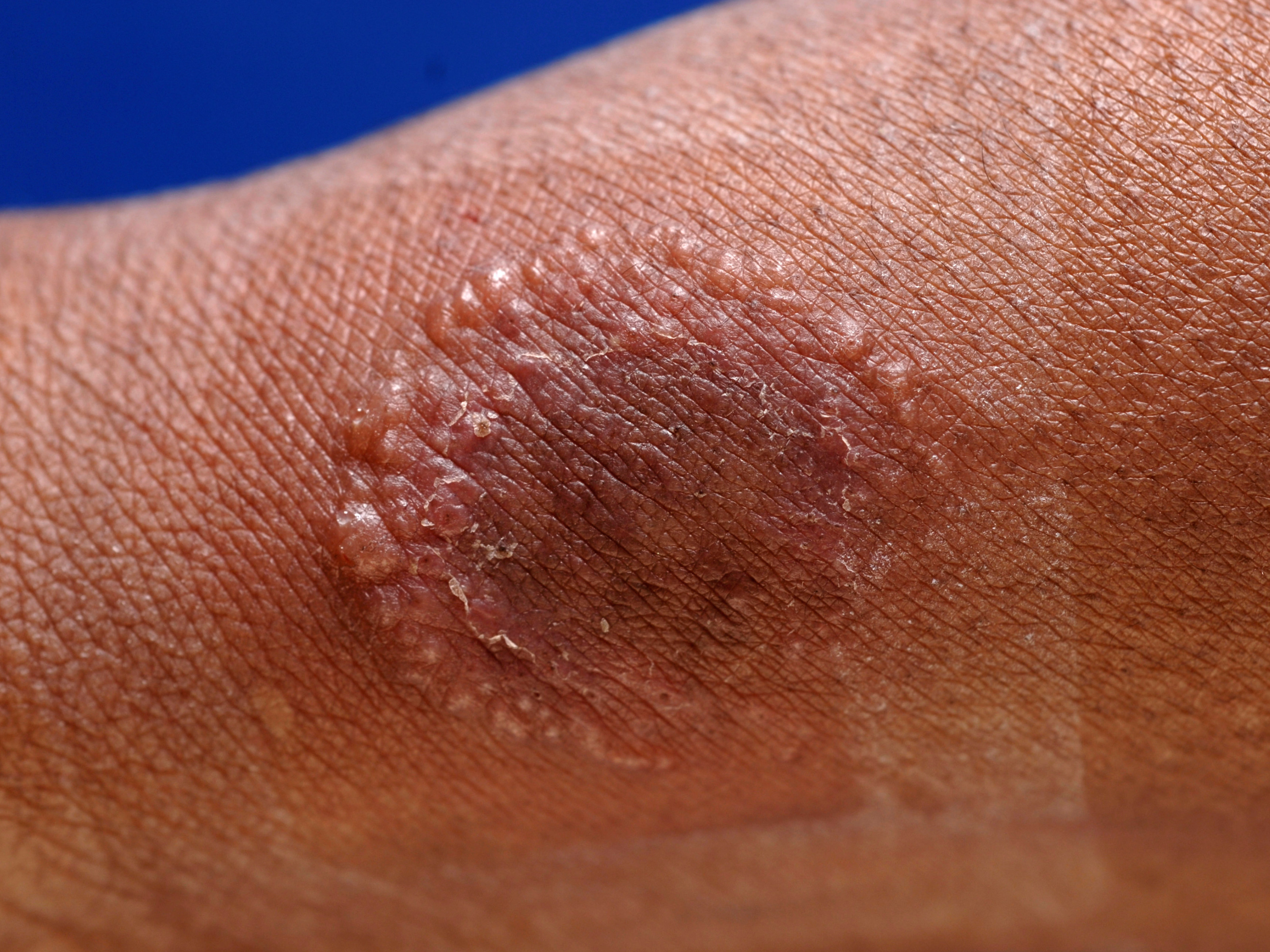
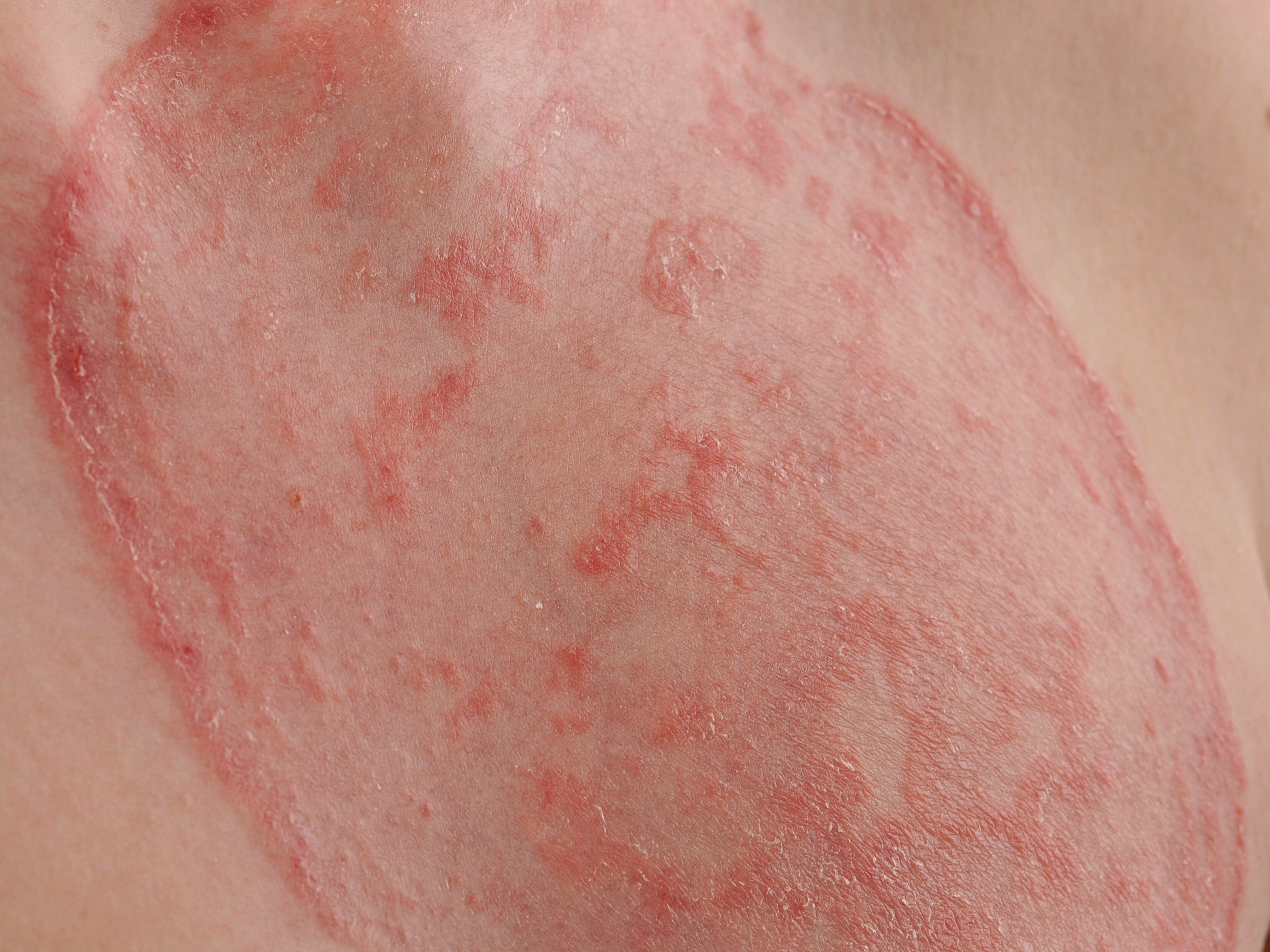
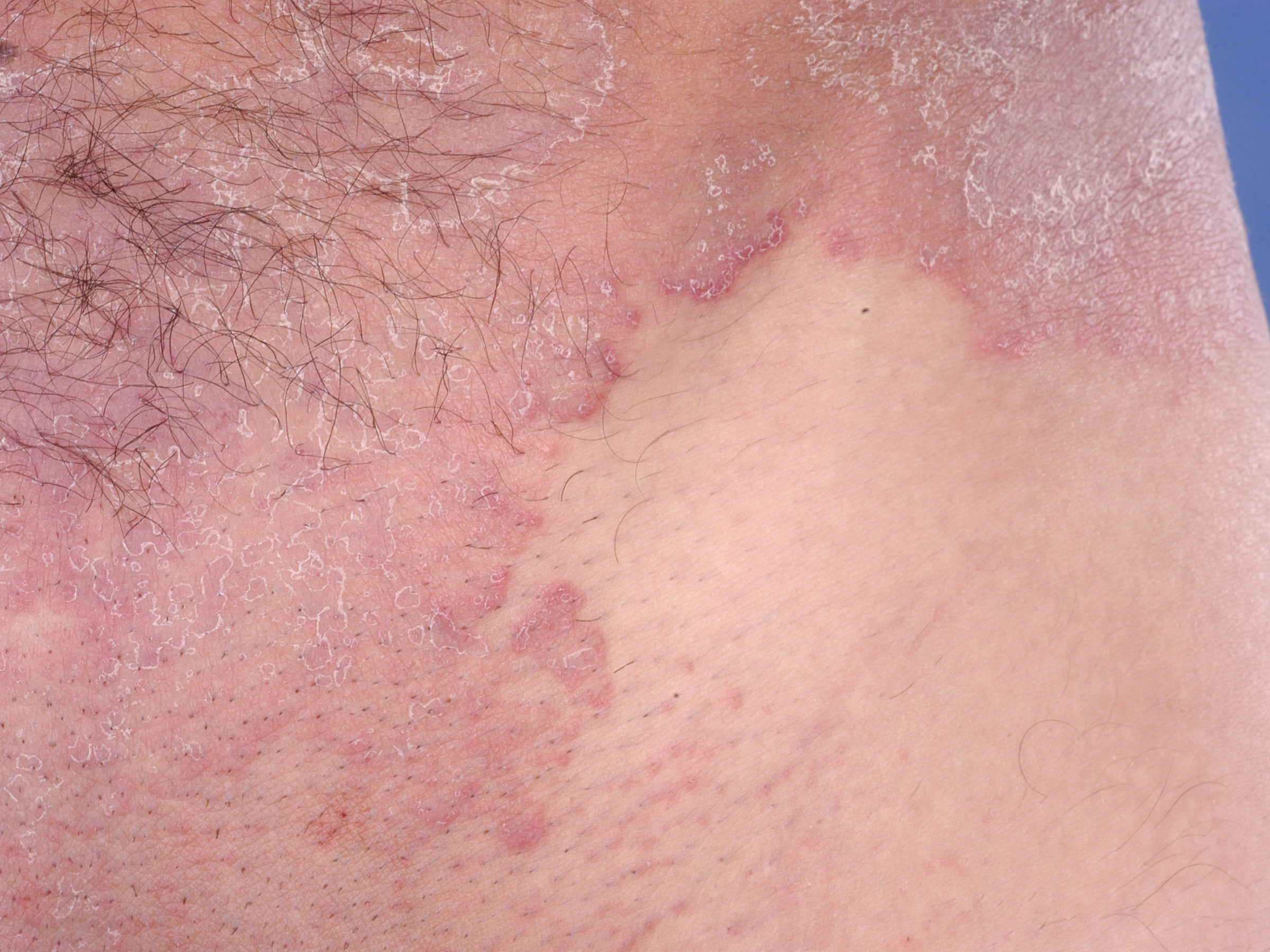
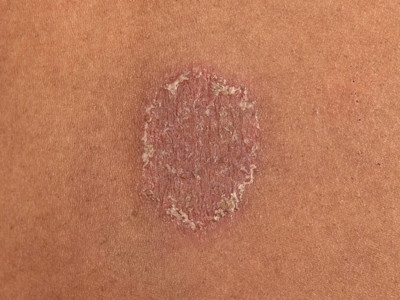
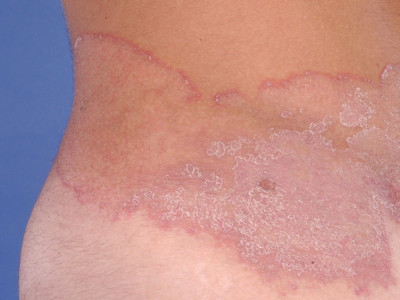
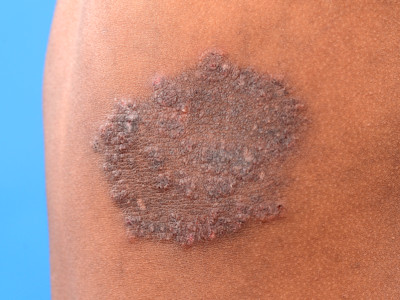
WHAT IS RINGWORM?Ringwormis a fungal skin infection . It begins as a round spot that slowly enlarges. The edge of the spot is red and flaky. The spot looks like a ring, hence the name ringworm. It has nothing to do with worms. The medical name for ringworm is tinea corporis (fungus on the body), and fungal skin infections are also called mycoses .HOW DOES RINGWORM OCCUR?Ringworm occurs when fungi get on the skin. The fungi that cause ringworm are called dermatophytes . These dermatophytes live on the top layer of the skin, the stratum corneum. They cannot grow deep into the skin, but they can penetrate into hair follicles. Several species of fungi can cause ringworm. The most common species is called Trichophyton rubrum ; other species include Trichophyton tonsurans , Mycosporum canis , and Epidermophyton floccosum . Besides ringworm, fungi can also cause other skin conditions, such as athlete's foot, toenail fungus, or fungal infections of the scalp (see fungal skin infections ).HOW CAN YOU GET A FUNGAL INFECTION?Fungi are everywhere. They spread through fungal spores, tiny spheres that appear in all sorts of places. These spores can survive long periods under difficult conditions, even surviving a 40-degree wash in the washing machine. Fungi are easily contracted, for example, by walking barefoot in gyms, swimming pools, and other public spaces. A fungal infection is usually contracted through contact with a person or animal with a fungal infection. Children can contract it from other children at school or daycare. Sometimes there's an epidemic of tinea capitis (fungal infection of the scalp) at school. The fungi that cause this ( Trichophyton tonsurans, for example) can also cause ringworm in parents or the child itself. Some fungi, such as Microsporum canis, are transmitted by pets (dogs). There are also fungi that live in the soil. Fungi grow best in warm and moist conditions.WHAT DOES IT LOOK LIKE?Ringworm appears as a round spot on the body. The edge is slightly raised, red, and flaky. The spot gradually grows larger. It causes itching or a burning sensation. If left untreated, it can become very large.
 |
 |
 |
| ringworm (tinea corporis) |
ringworm (tinea corporis) |
ringworm (tinea corporis) |
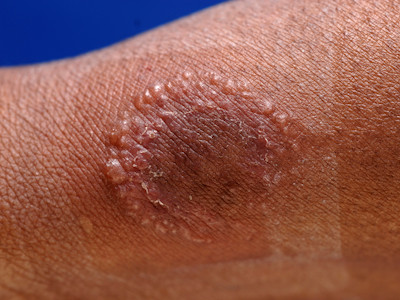 |
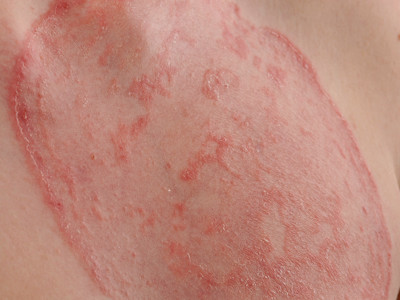 |
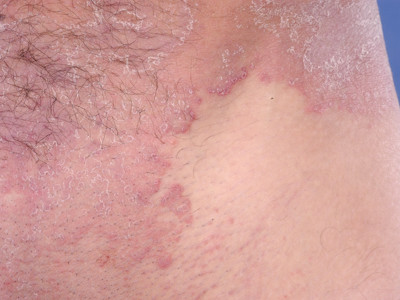 |
| ringworm (tinea corporis) |
ringworm (tinea corporis) |
ringworm (tinea corporis) |
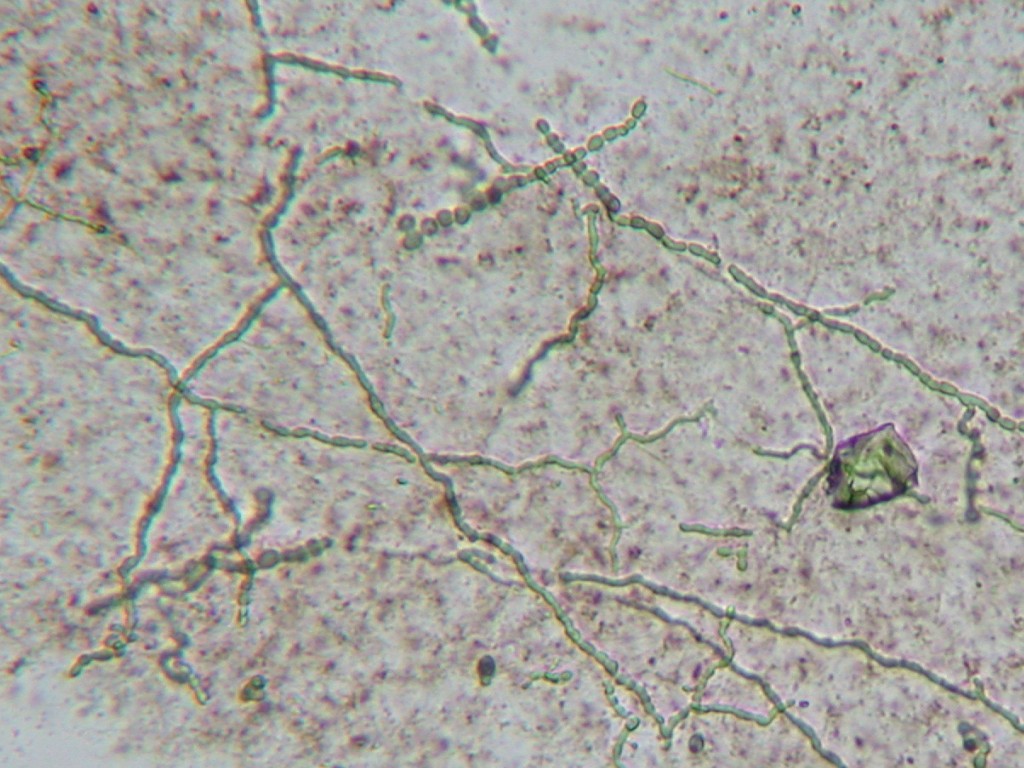
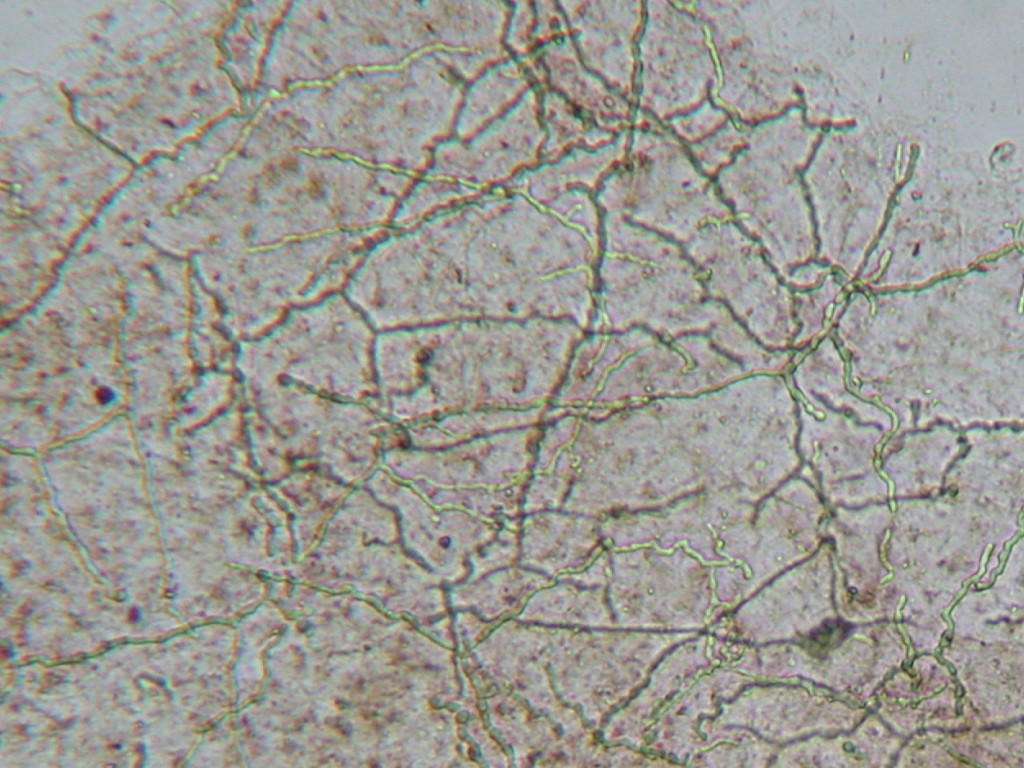
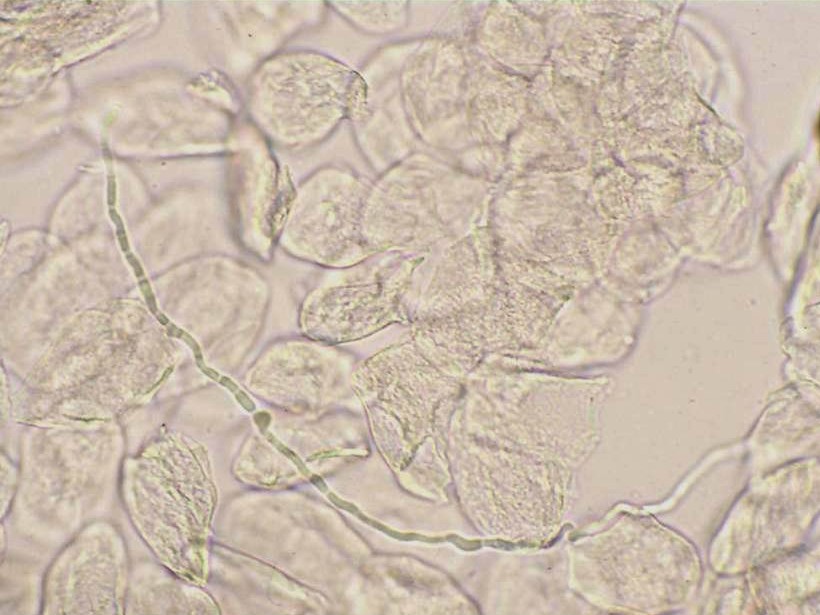
WHO CAN GET RINGWORM?In principle, anyone can get a fungal infection. However, it's most common in children and young adults. Parents of children with a ringworm can also get it. People with a weakened immune system and people with diabetes are more susceptible. Patients with eczema or psoriasis who apply anti-inflammatory creams or ointments (topical corticosteroids) to their skin are also more likely to develop fungal infections.IS RINGWORM CONTAGIOUS TO OTHERS?Yes, ringworm is contagious. Family members can become infected, but this doesn't happen very often. Sometimes an entire family becomes infected with ringworm if there are puppies (young dogs) in the house with ringworm. It's also sometimes seen after visiting a petting zoo. By practicing good hygiene (washing hands) and avoiding contact with areas suspected of having ringworm, you can prevent infection.HOW IS A FUNGAL INFECTION DETECTED?The diagnosis is often made based on the clinical picture, i.e., the appearance. Sometimes, a sample is taken for examination under a microscope (KOH preparation) or to be cultured for fungi in the laboratory. Occasionally, a skin biopsy is performed. It can sometimes take several weeks for the results of a fungal culture to be available.
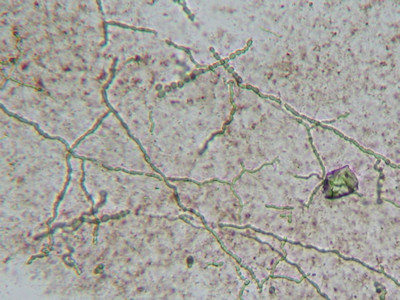 |
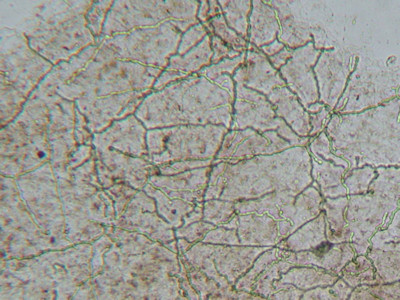 |
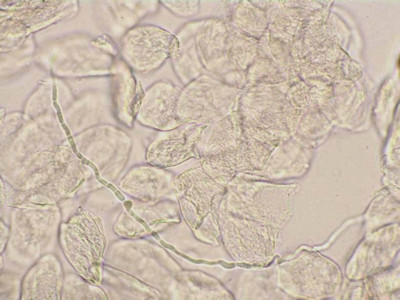 |
| fungal threads |
fungal threads |
fungal threads |
HOW IS RINGWORM TREATED?Fungi are treated with an antifungal medication. These are available as topical products (creams, lotions, ointments) and as oral tablets. For ringworm, it's usually possible to clear the area with a topically applied antifungal cream. Apply the cream to the area and a 2-centimeter border twice a day for at least two weeks.
Antifungal creams are available with a prescription from your GP or dermatologist. There are also antifungal creams you can buy over the counter at a drugstore or pharmacy. One example is Daktarin cream (miconazole cream). This cream is not covered by health insurance, but if you have a high deductible, it may be worthwhile to buy it yourself without a prescription. Note, however, that not every round, scaly patch is ringworm; there are other skin conditions that can look very similar. If in doubt, a visit to a dermatologist is recommended.
If it doesn't help enough, or if it's an extensive fungal infection, it's wiser to start taking antifungal tablets (systemic antifungals). The most commonly used are 100 mg itraconazole capsules (100 mg once daily for 2 weeks) and 250 mg terbinafine tablets (250 mg once daily for 2-4 weeks). These tablets are also used in patients with a compromised immune system. Treatment with itraconazole or terbinafine is usually well tolerated and causes few side effects. If you have a history of liver problems, it's wise to have your blood checked occasionally.
Products for local treatment of fungi (local antifungals)
- clotrimazole
- miconazole
- terbinafine
- ciclopirox
- sulconazole.
Products for oral treatment of fungi (systemic antifungals)
- terbinafine
- itraconazole
- fluconazole.WHAT ARE THE OUTLOOK?After treatment, the fungal infection disappears completely without leaving a trace. It is possible to become infected again later in life.WHAT CAN I STILL DO?If you have ringworm, it's important to maintain good hygiene. Try not to scratch the red patches. Wash your hands regularly to prevent others around you from becoming infected with the fungal skin infection. If you discover ringworm in your pet, it's a good idea to visit the vet and ask for ringworm medication. The pet can infect you or others. |