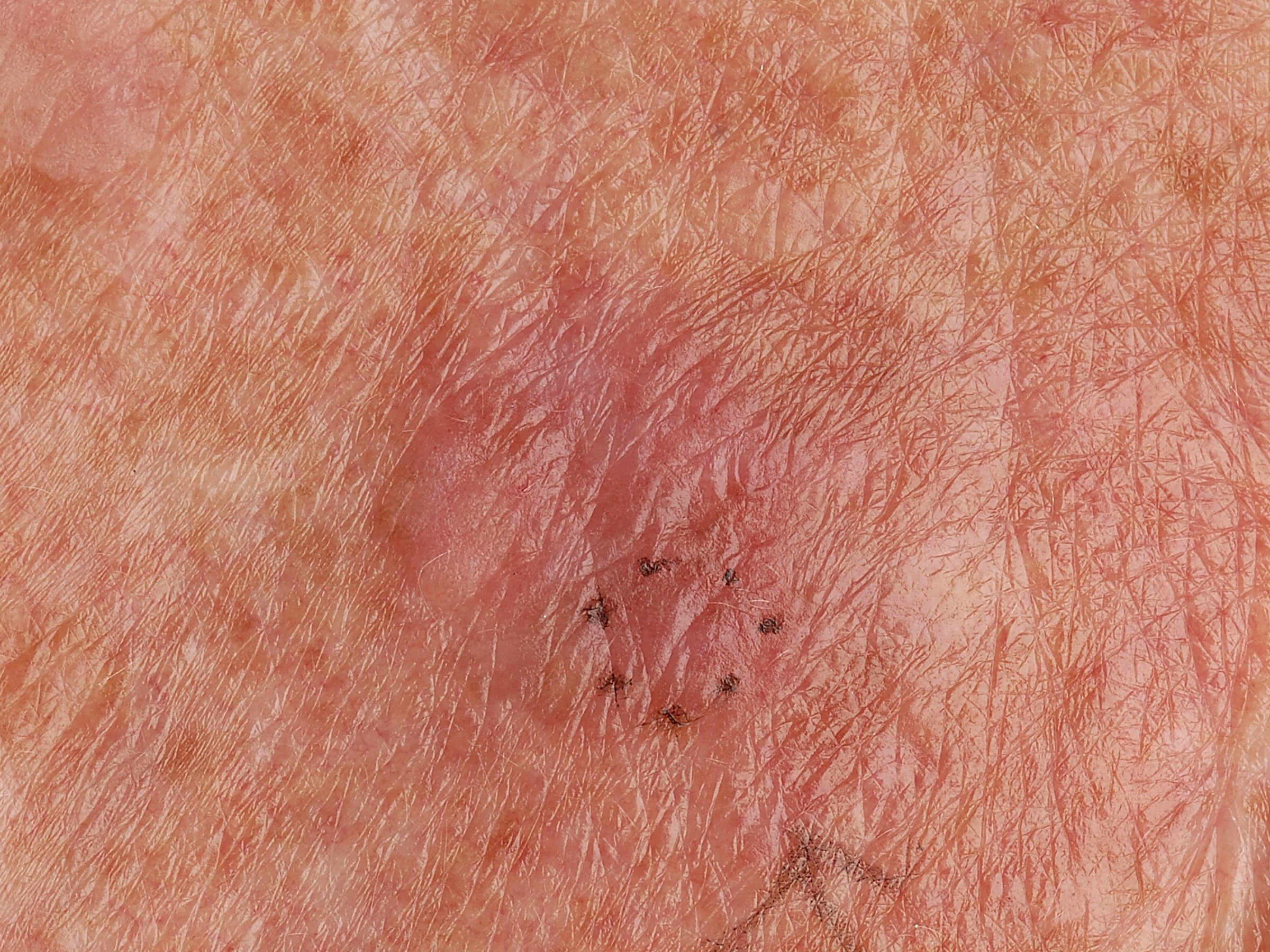
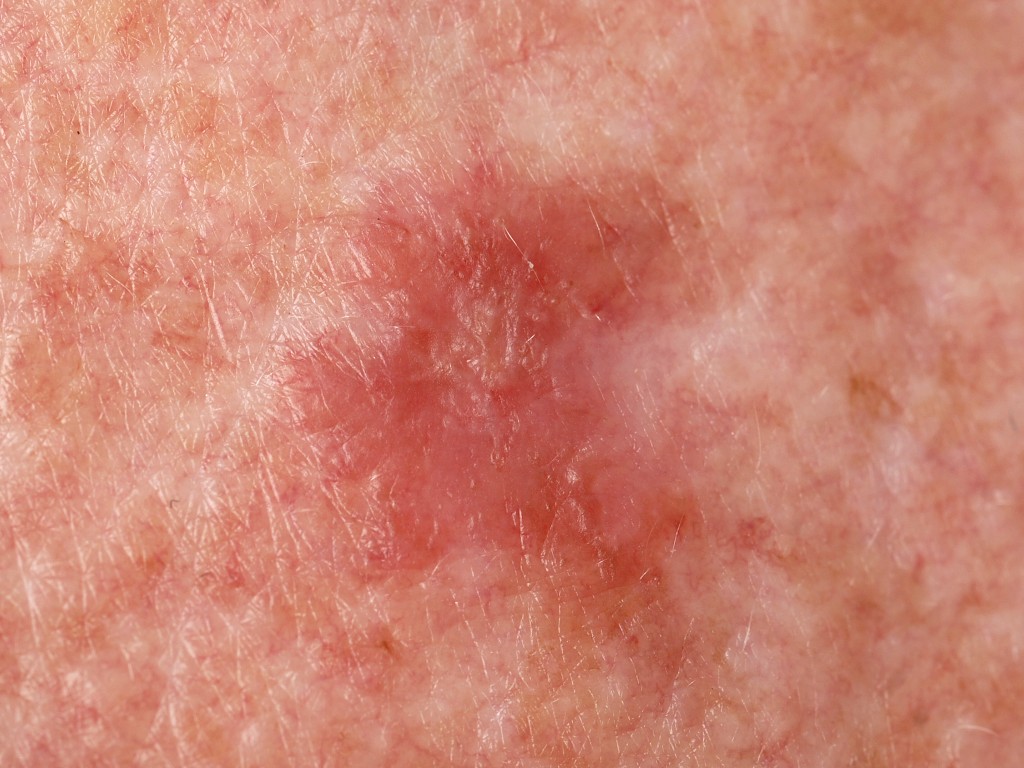
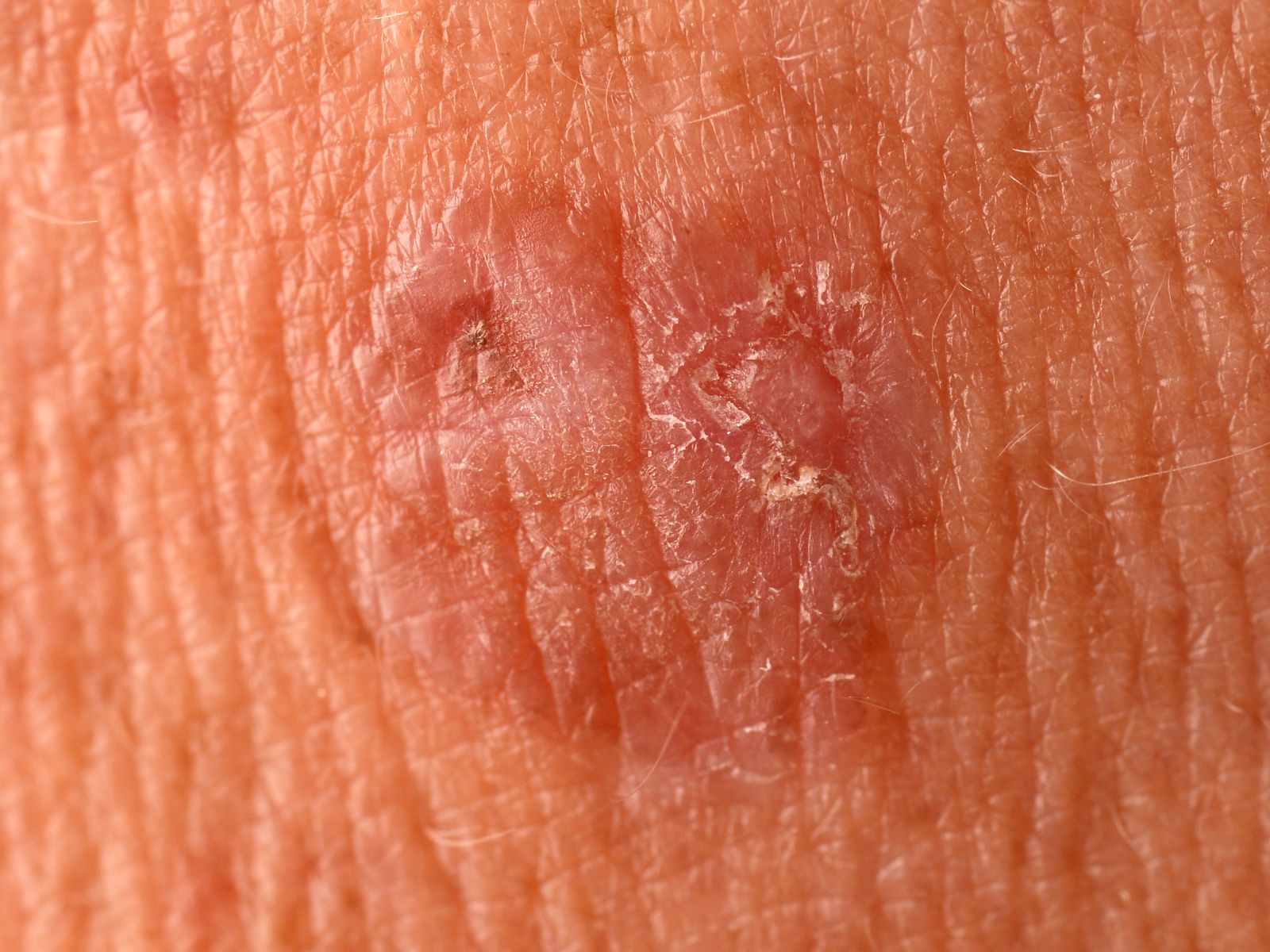
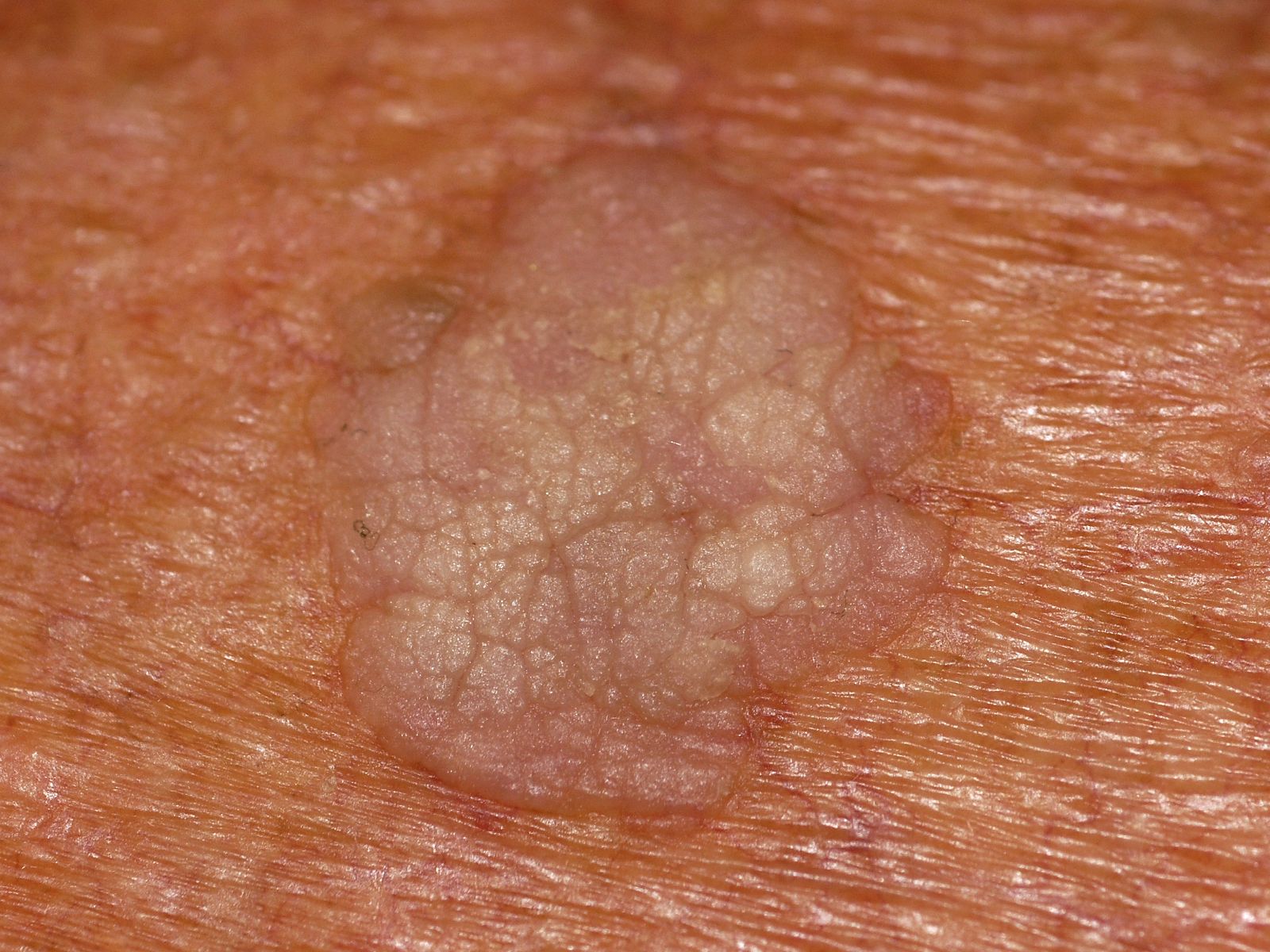
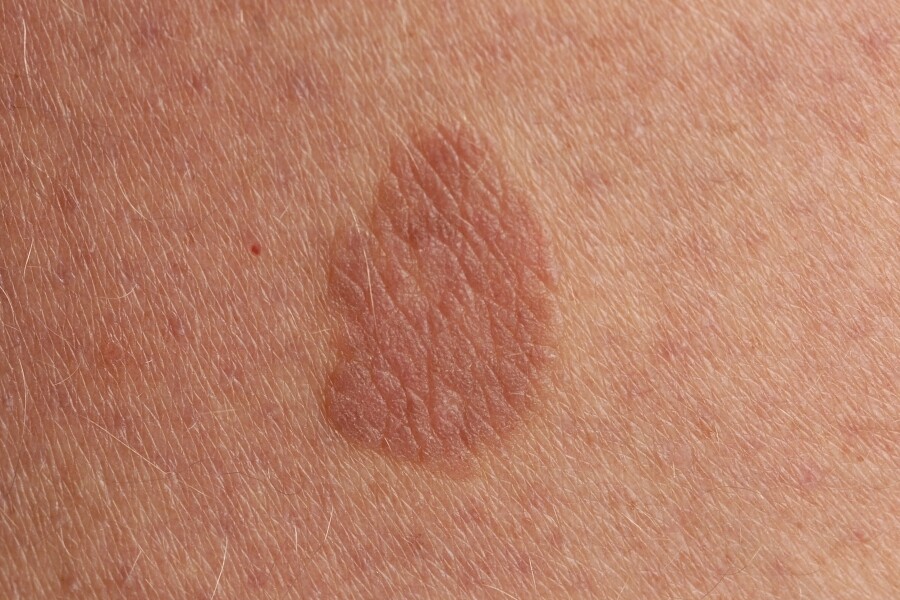
WHAT IS BENIGN LICHENOID KERATOSIS?A benign lichenoid keratosis is a benign skin condition that appears as a pink, red, or brown spot, 0.5 to 2 cm in diameter, with a scaly or rough surface. It develops with age and is usually found on sun-exposed skin. The spot can closely resemble a superficial form of skin cancer (such as basal cell carcinoma or squamous cell carcinoma ) or early forms (precancerous) of skin cancer (such as actinic keratosis or Bowen's disease). Therefore, a dermatologist often takes a sample ( skin biopsy) and sends it to the pathology laboratory for examination. The result is that it is not skin cancer, but a benign lichenoid keratosis.
 |
 |
 |
| benign lichenoid keratosis |
benign lichenoid keratosis |
benign lichenoid keratosis |
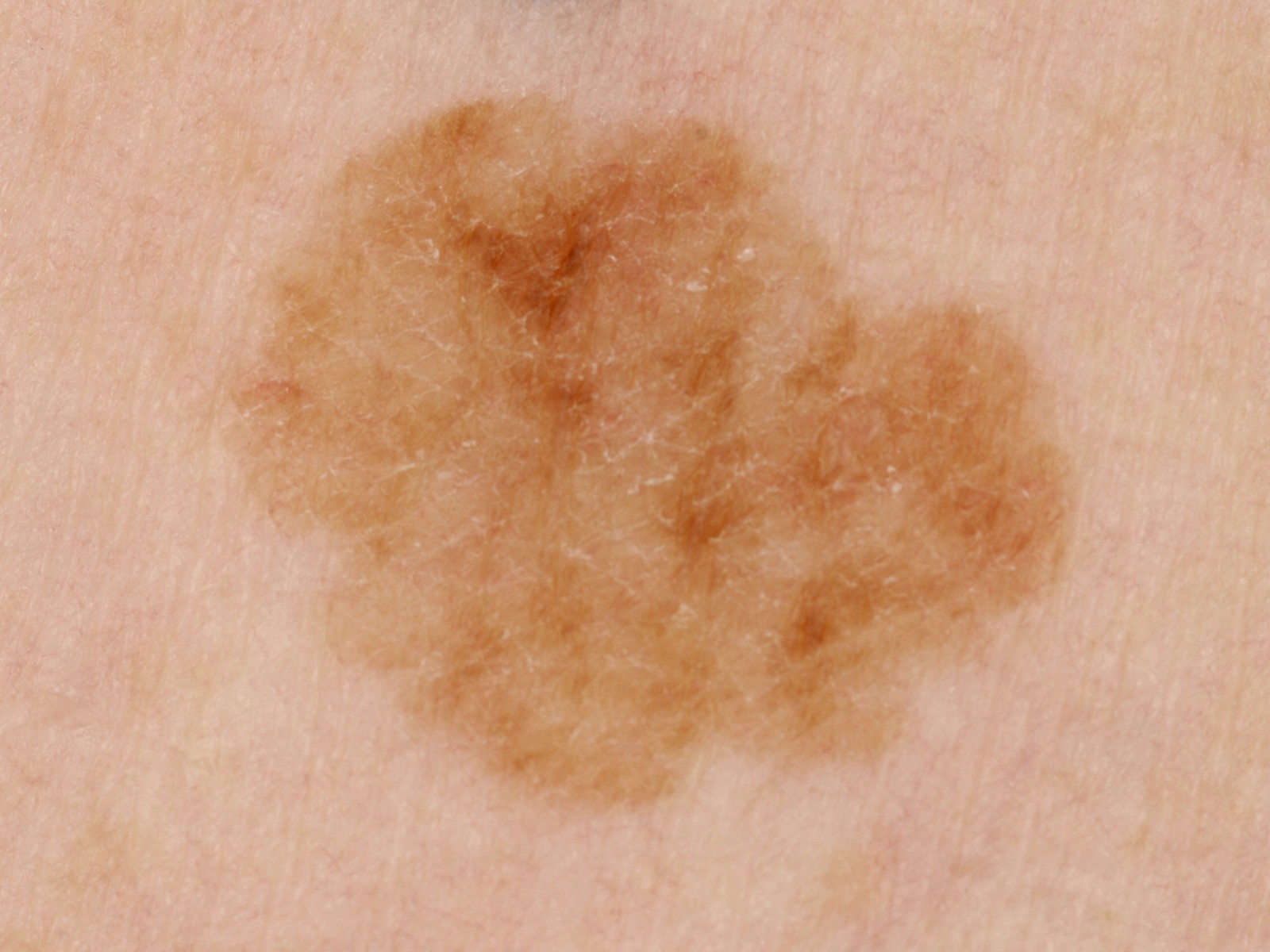
HOW DOES A BENIGNE LICHENOID KERATOSIS DEVELOP?A benign lichenoid keratosis is a cleansing reaction. Cells of the immune system attack and clear a cluster of abnormal skin cells. Under the microscope, a mild inflammatory reaction is visible just beneath the skin. The skin lesions being cleared are usually emerging age spots (called lentigo senilis or lentigo solaris) or emerging age-related keratin (called verruca seborrheica). Or other abnormal cells, usually caused by sun damage. The name benign lichenoid keratosis is a descriptive term. " Benign" means non-cancerous, "lichenoid" describes the inflammatory reaction just beneath the epidermis, and "keratosis" means that the top layer of skin, the stratum corneum, is thickened.
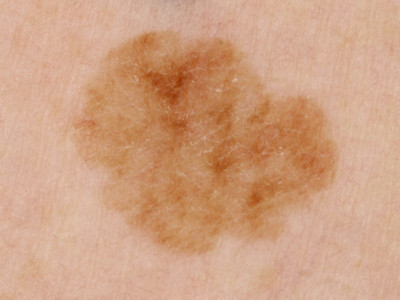 |
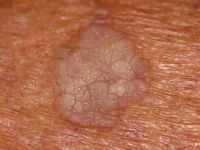 |
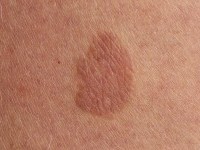 |
| age spot |
age wart |
benign lichenoid keratosis |
WHAT DOES A BENIGNE LICHENOID KERATOS LOOK LIKE?A benign lichenoid keratosis is a red, reddish-brown, or purple, slightly raised, and scaly or rough spot with a diameter of 5-20 mm. The surface can be flat, wart-like, or flaky. It usually occurs on skin that is frequently exposed to the sun, such as the arms and legs, face and neck, and parts of the trunk. In approximately 90% of cases, it is a single spot; in approximately 10% of cases, two or more spots may be present. It occurs most often between the ages of 36 and 87, more often in women (76%) than in men (33%), and primarily in fair skin types.HOW IS THE DIAGNOSIS MADE?The diagnosis of benign lichenoid keratosis is usually made retrospectively, after a skin biopsy has been taken to rule out a form of skin cancer. It is rare (in 2% of cases) for a dermatologist to suspect a benign lichenoid keratosis beforehand. It is usually thought to be a form of skin cancer (basal cell carcinoma, squamous cell carcinoma), a seborrheic keratosis, or sun damage (actinic keratosis).HOW IS A BENIGNE LICHENOID KERATOSIS TREATED?Treatment is not necessary, as it is a benign condition. For symptoms such as itching or pain, it can be treated by superficially freezing the area with liquid nitrogen or by applying a cell growth-inhibiting cream (Efudix cream). Another option is to reduce the inflammation with a corticosteroid cream (anti-inflammatory cream). |