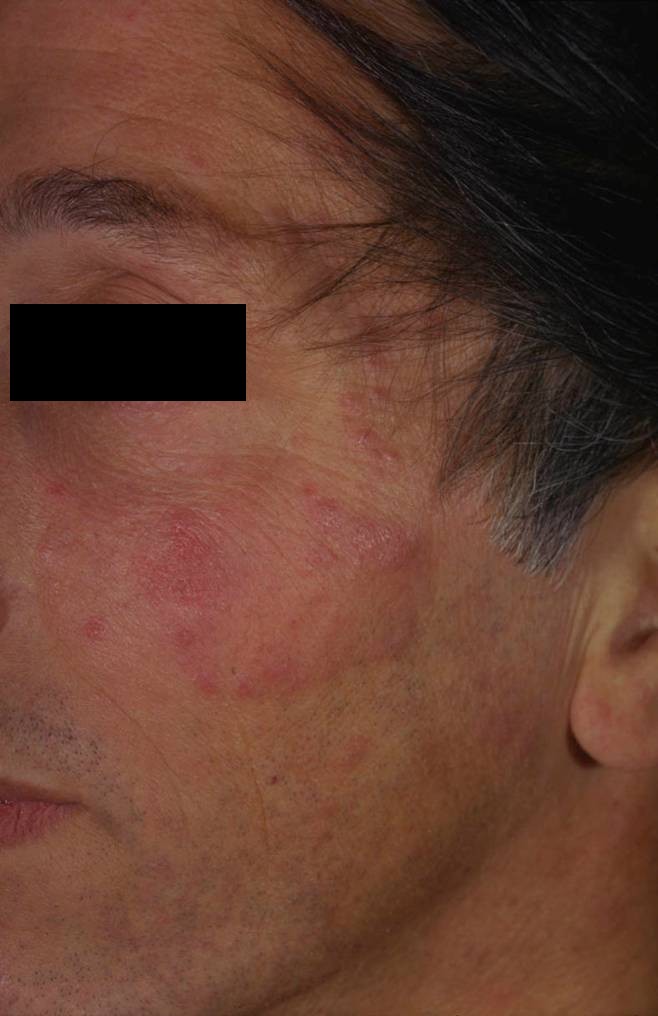
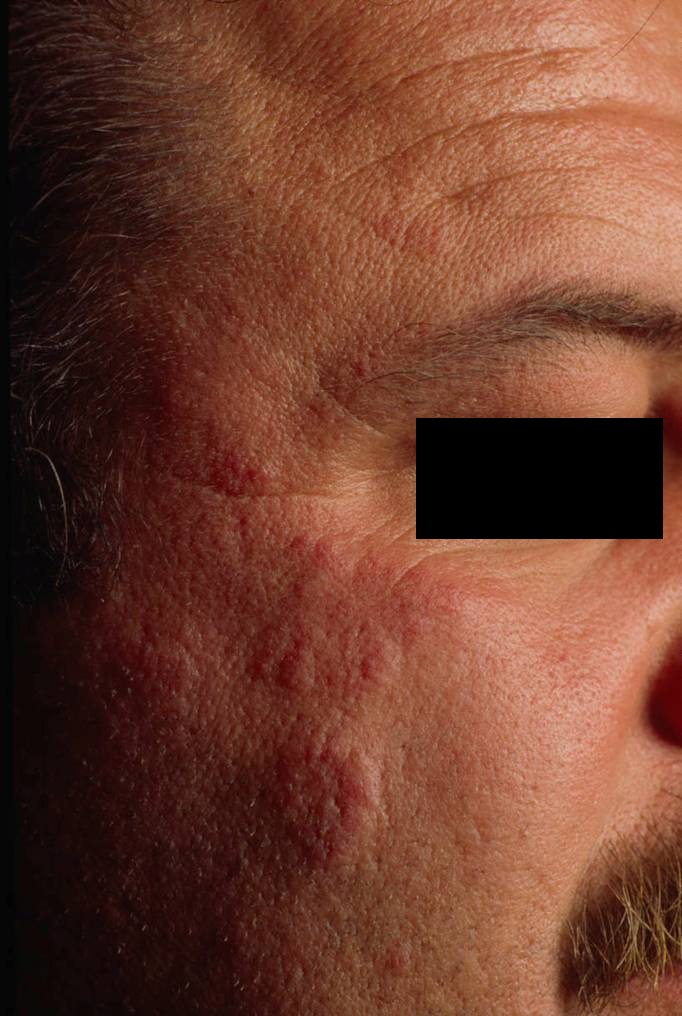
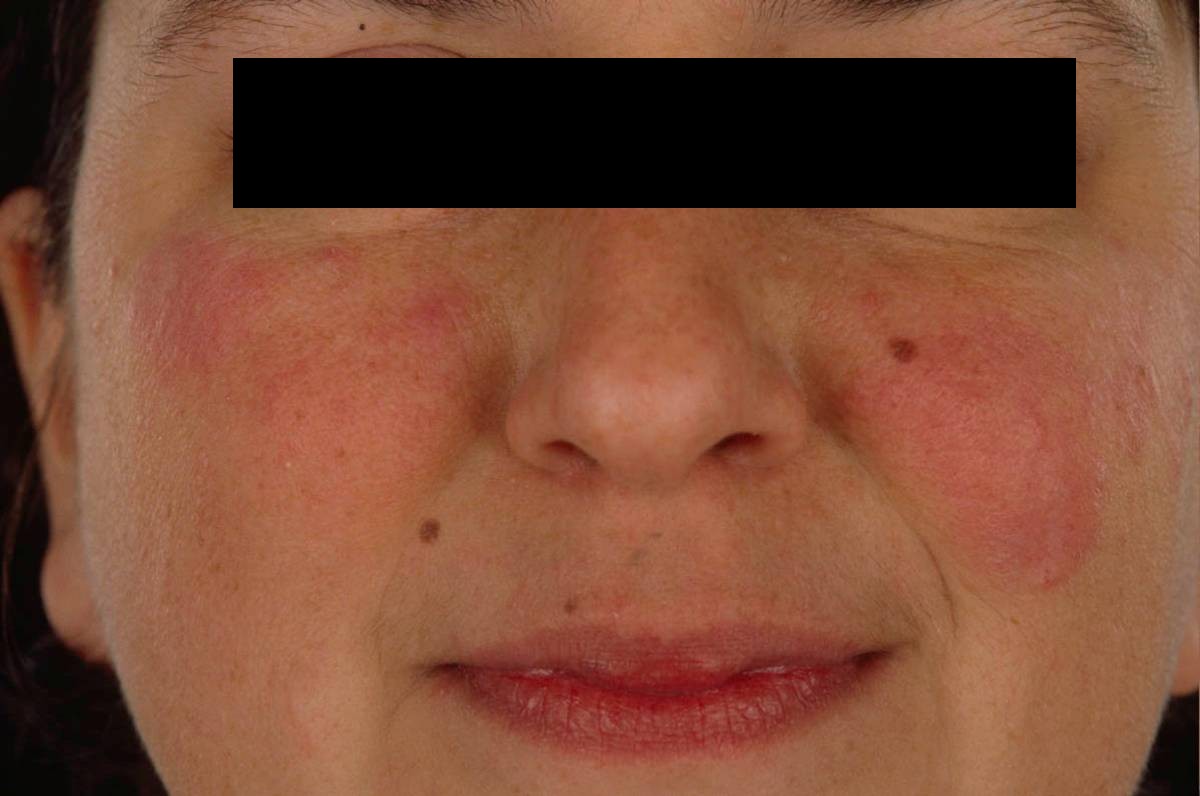
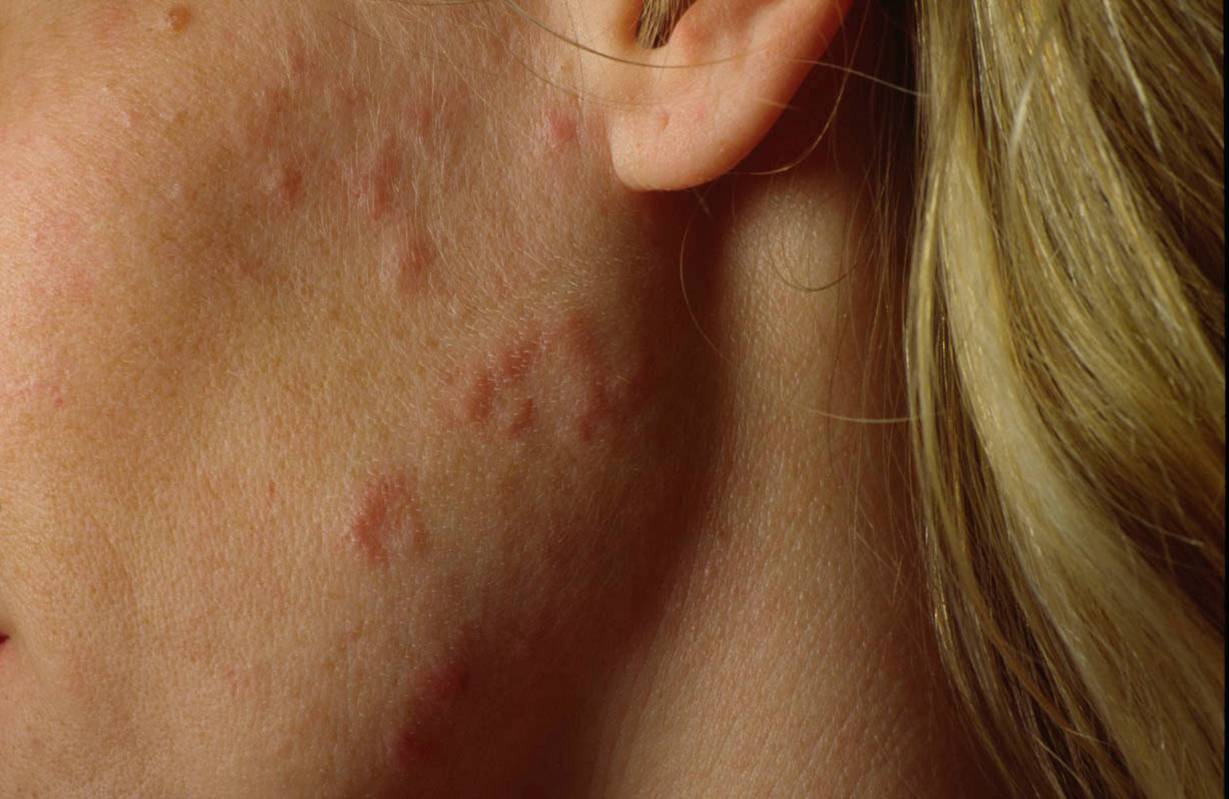
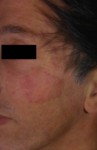
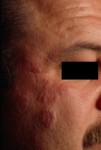
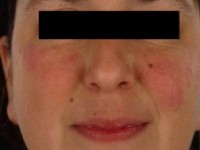
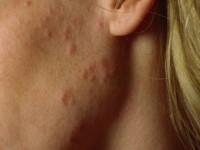
WHAT IS JESSNER'S DISEASE?Jessner's disease is a chronic inflammation of the skin that causes red or purple patches to appear, usually on the face. Jessner's is the name of the doctor who first described this skin disease in 1953. The English name for this condition is " lymphocytic infiltration of the skin ." This name describes precisely what is happening: there are accumulations of lymphocytes in the skin. Lymphocytes are white blood cells; they are part of the immune system. Jessner's disease is a harmless condition that resolves on its own. The exact cause is unknown. It is notable that in some patients, the condition consistently occurs in areas exposed to sunlight, such as the face. Therefore, it is thought to be a hypersensitivity reaction to sunlight. However, it can also develop spontaneously in areas that have not been exposed to sunlight, such as the back.
 |
 |
 |
 |
| Jessner |
Jessner |
Jessner's disease |
Jessner's disease |
WHAT DOES JESSNER'S DISEASE LOOK LIKE?Multiple red or reddish-purple or purple patches (spots, bumps, or plaques, sometimes ring-shaped) appear, usually on the face (on the cheeks, cheekbones, forehead). They can also appear on the neck or upper back, and occasionally on the arms and legs. The patches do not flake and cause few symptoms. They also fade spontaneously over time without leaving scars. It can also recur. General health is good. Jessner's disease occurs primarily in middle-aged patients; it is rare in children. In some patients, there is a clear correlation with sun exposure, while in others, this does not seem to be the case.WHAT CAUSES JESSNER'S DISEASE?The cause is unclear. It is clear what's happening: there are accumulations of lymphocytes in the skin, which cause inflammation. That's why it's somewhat swollen and red or purple. But why those lymphocytes are there is unknown. What is known is that it's a harmless condition that resolves on its own and is not contagious. One idea is that Jessner's disease is a delayed hypersensitivity reaction to sunlight. In some patients, there's a link to sunlight exposure, but not in all. A hypersensitivity reaction to sunlight is also called a polymorphic light eruption . See also the brochure on sunlight hypersensitivity . Jessner's may also be a mild form of lupus erythematosus . Lupus erythematosus is also a disease that can cause inflammation in the skin and can also be triggered by sunlight. See also the brochure on CDLE (cutaneous discoid lupus erythematosus) . Finally, lymphocyte accumulations in the skin can also occur spontaneously , without any cause , or as a reaction to a previous infection . Lymphocytes are part of the immune system, and they can respond to infections by increasing in number.HOW IS JESSNER'S DISEASE DIAGNOSED?A skin biopsy is often necessary to diagnose Jessner's disease. Other skin conditions can also resemble it. Only under a microscope can lymphocyte accumulations be seen in the skin. Sometimes, it's necessary to take not one but two small biopsies because they require different procedures.HOW IS JESSNER'S DISEASE TREATED?The spots can disappear spontaneously (after months to years), so it's also an option to do nothing and simply camouflage them with makeup. However, a medication is usually prescribed to reduce the inflammation. This can include topical anti-inflammatory ointments or creams (topical corticosteroids), or anti-inflammatory tablets that you must take. If there is a connection to sunlight, it's also necessary to protect the skin with a good sunscreen (factor 30 or higher).Possible treatments for Jessner's disease include:- Topical corticosteroids (apply a strong corticosteroid to the affected areas once a day). The affected areas can also be injected with corticosteroid solution.
- Plaquenil (hydroxychloroquine) tablets, 1 or 2 tablets of 200 mg once a day. Plaquenil was originally a drug against malaria, but it has been discovered that it is also effective against Jessner's disease. It is also effective against other sun-sensitive skin conditions such as cutaneous discoid lupus erythematosus.
- Other anti-inflammatory drugs such as prednisone, dapsone, thalidomide, neotigasone, methotrexate.
- Other treatments: freezing, laser, photodynamic therapy, PUVA therapy.WHAT CAN YOU STILL DO YOURSELF?If exposure to sunlight appears to worsen the skin conditions, it's wise to avoid direct sunlight and use a good sunscreen with an SPF of 30 or higher. This is also something you can try if the spots are on your face, as it may help.WHAT IS THE COURSE OF JESSNER'S DISEASE?Jessner's disease is a persistent skin condition. The lesions can disappear spontaneously within a few weeks to months, but they also often recur. In most patients, the condition resolves completely after a few years. However, in some patients, it can be chronic, persisting for years. |