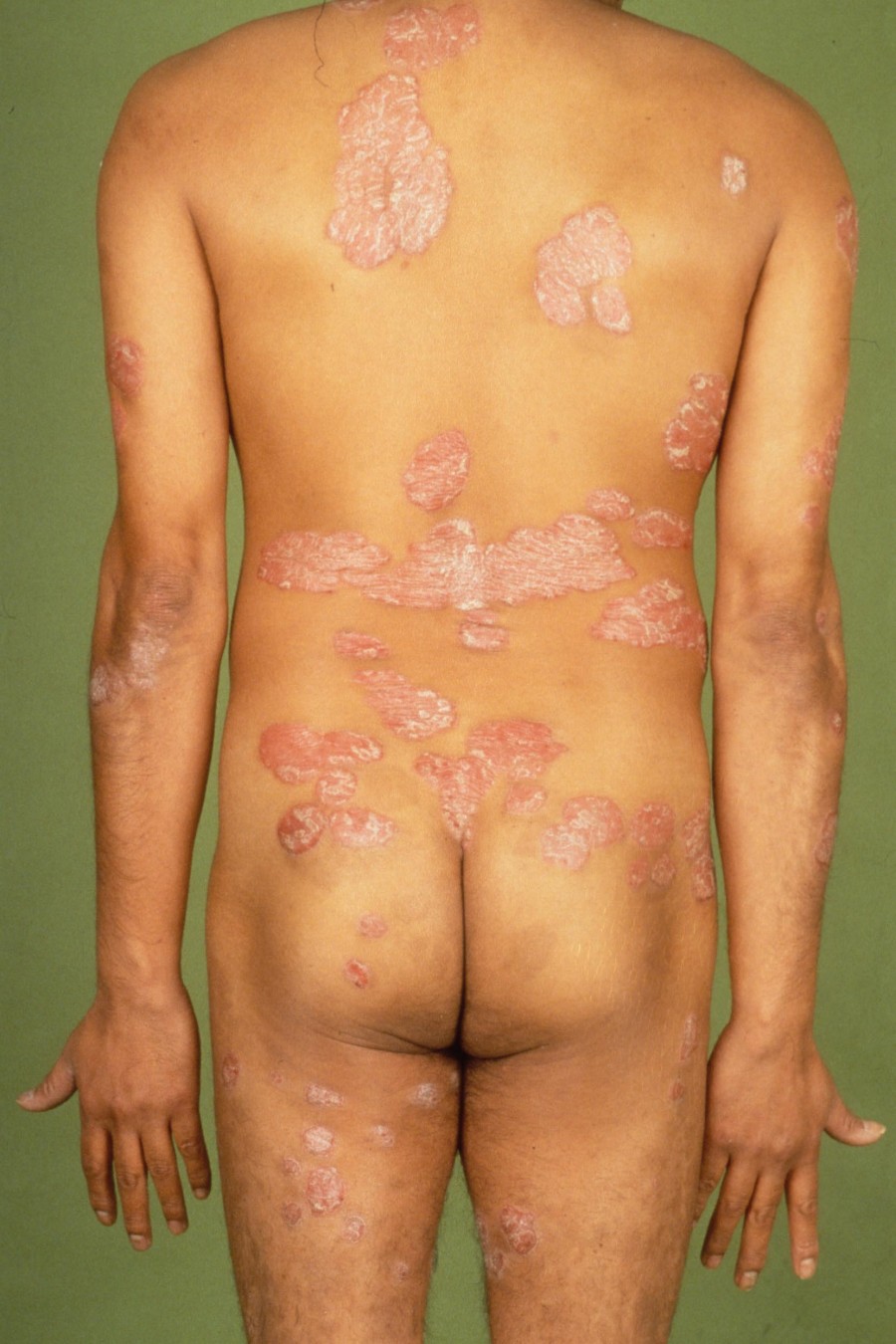
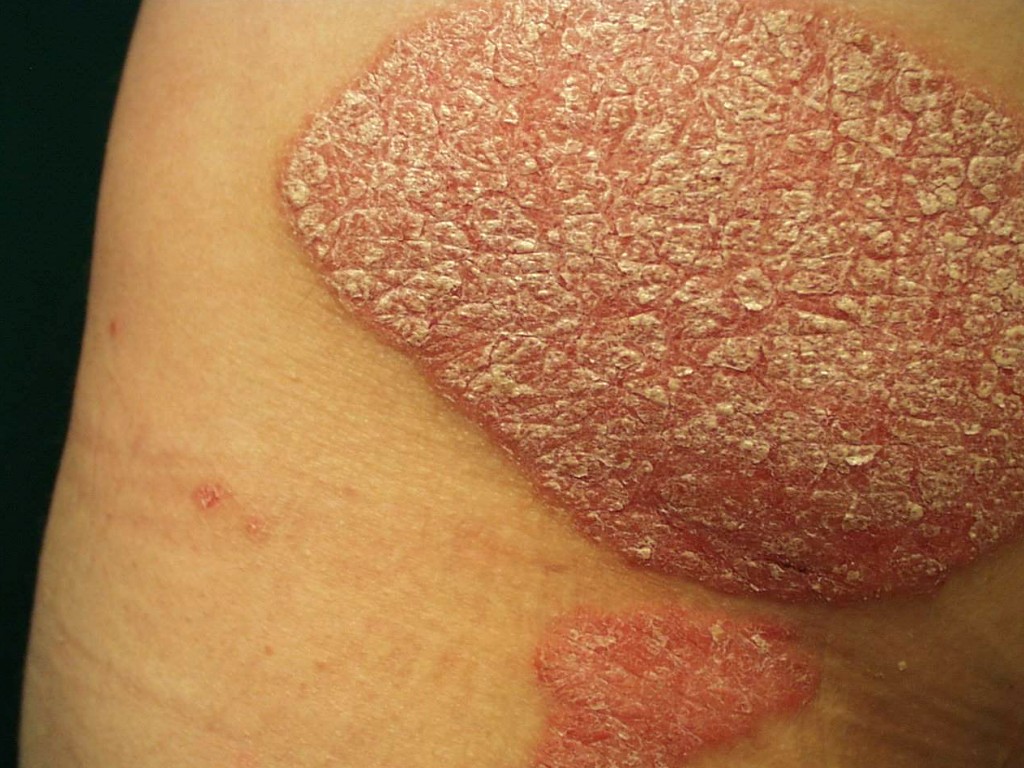
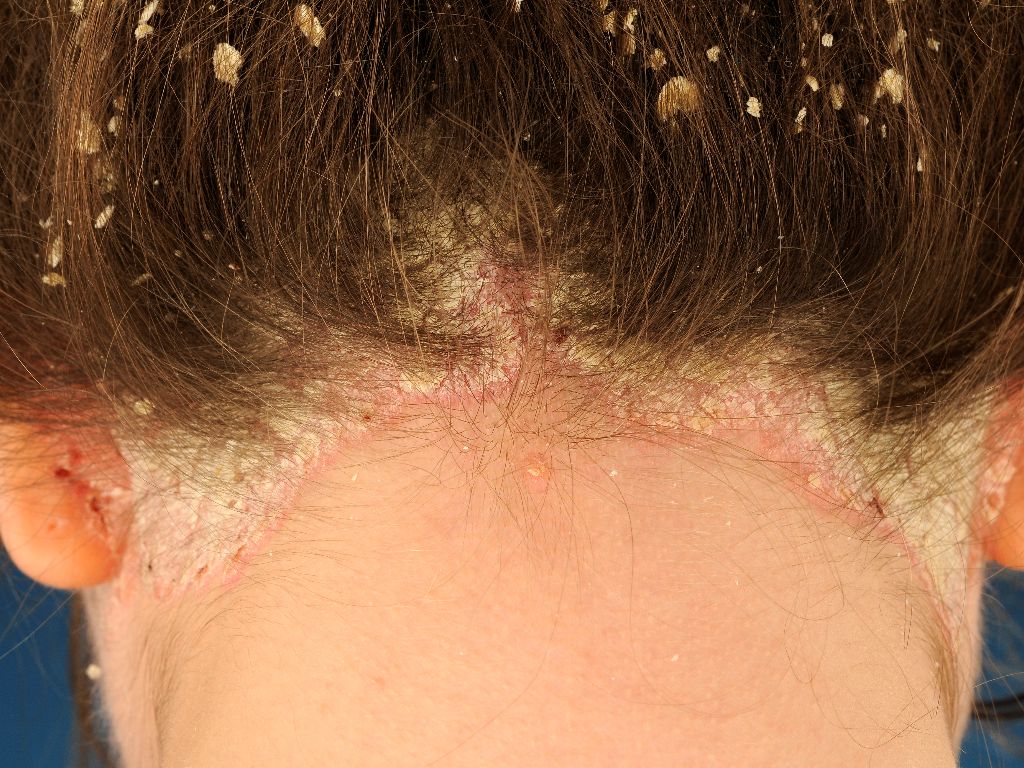
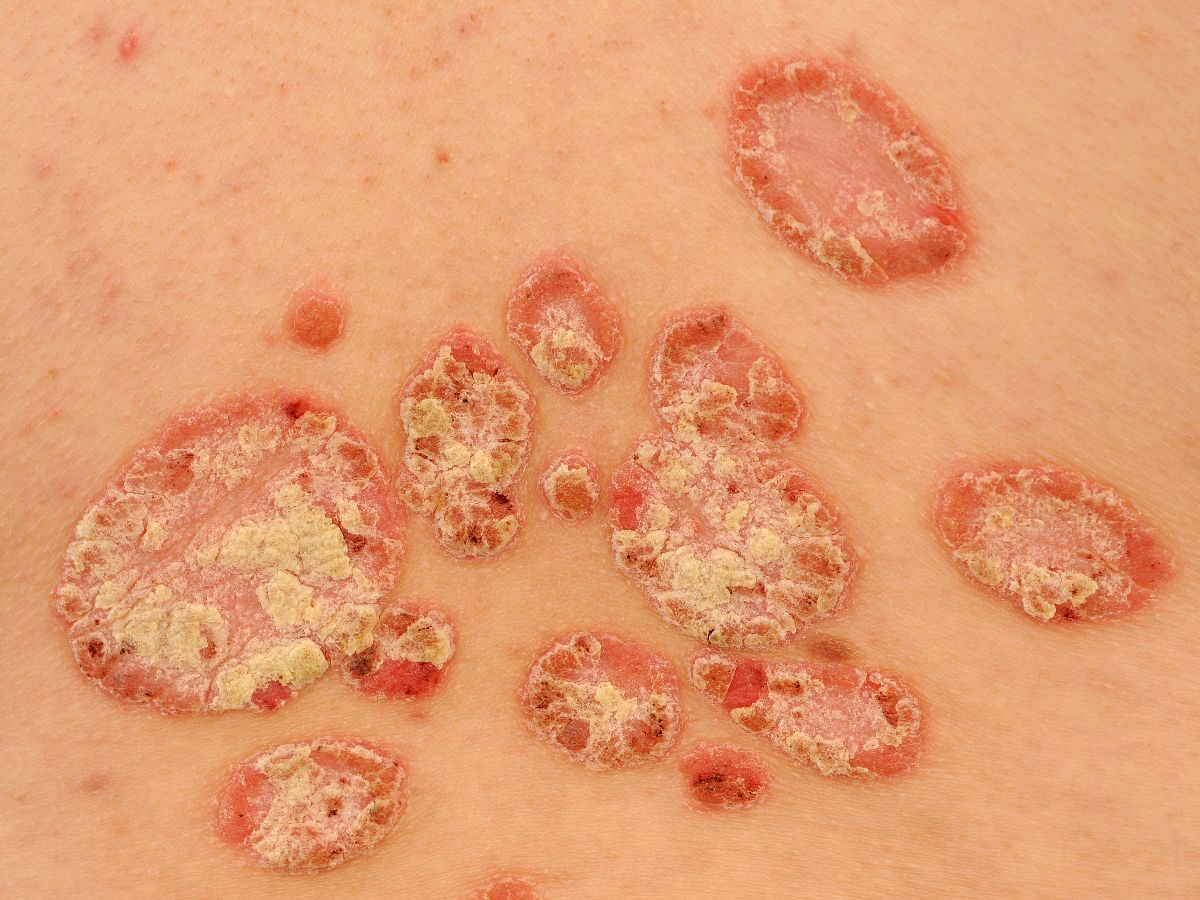
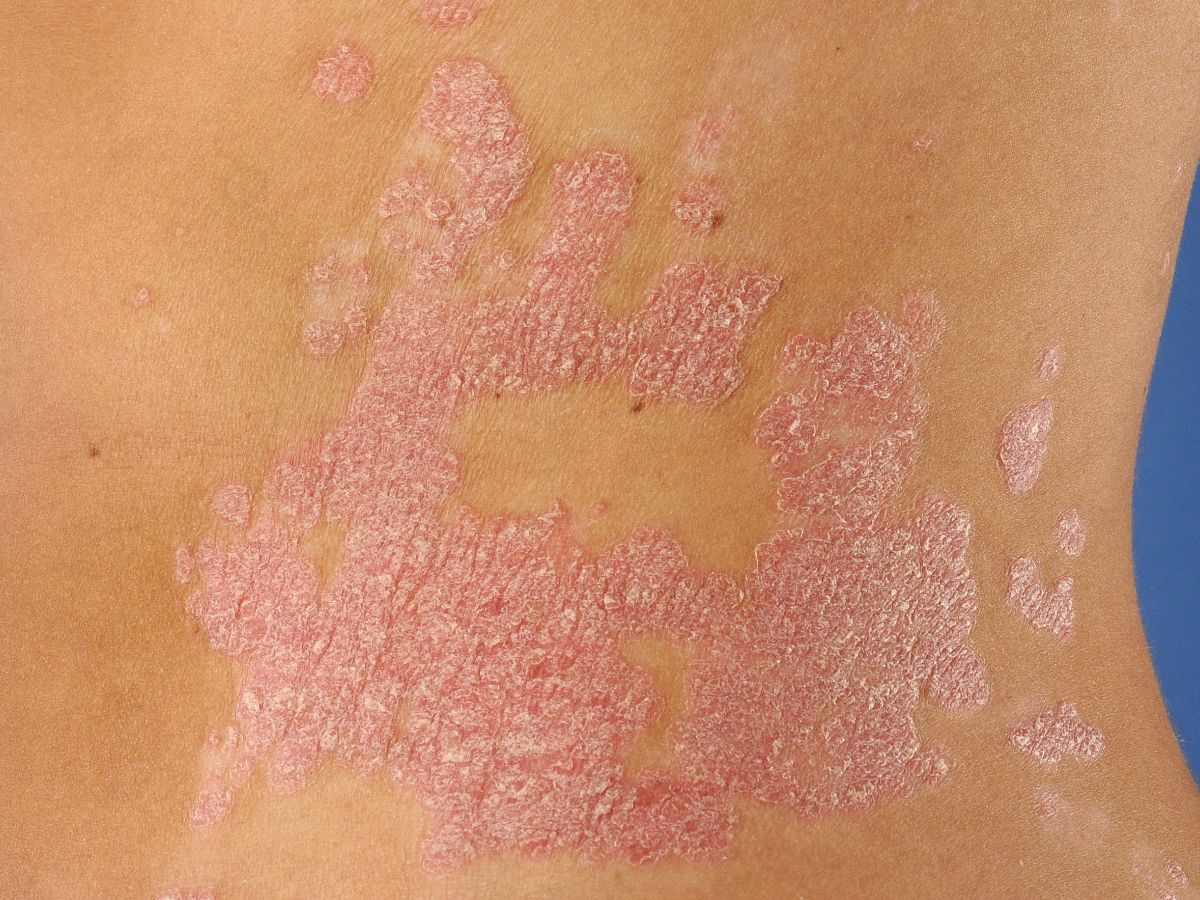
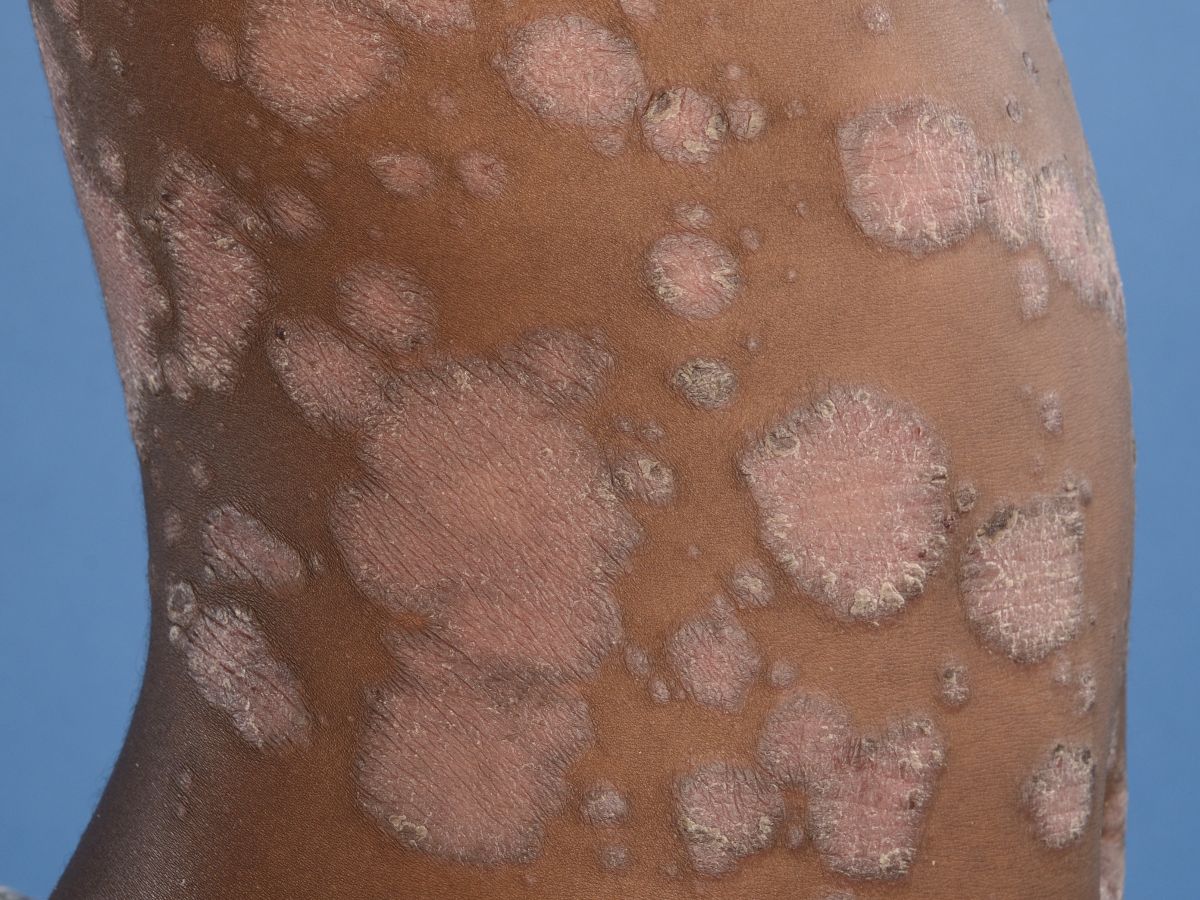
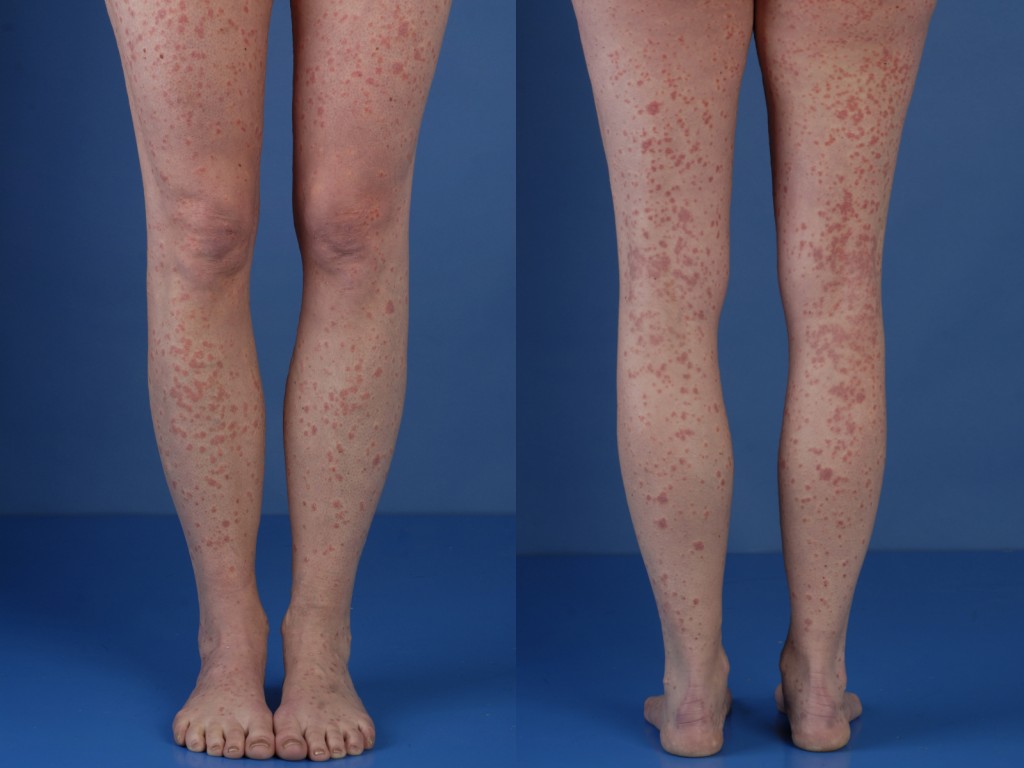
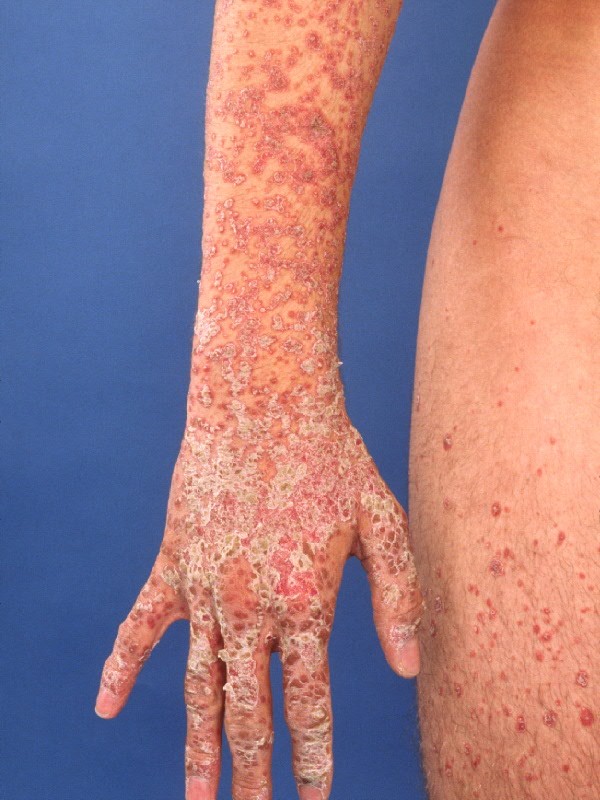
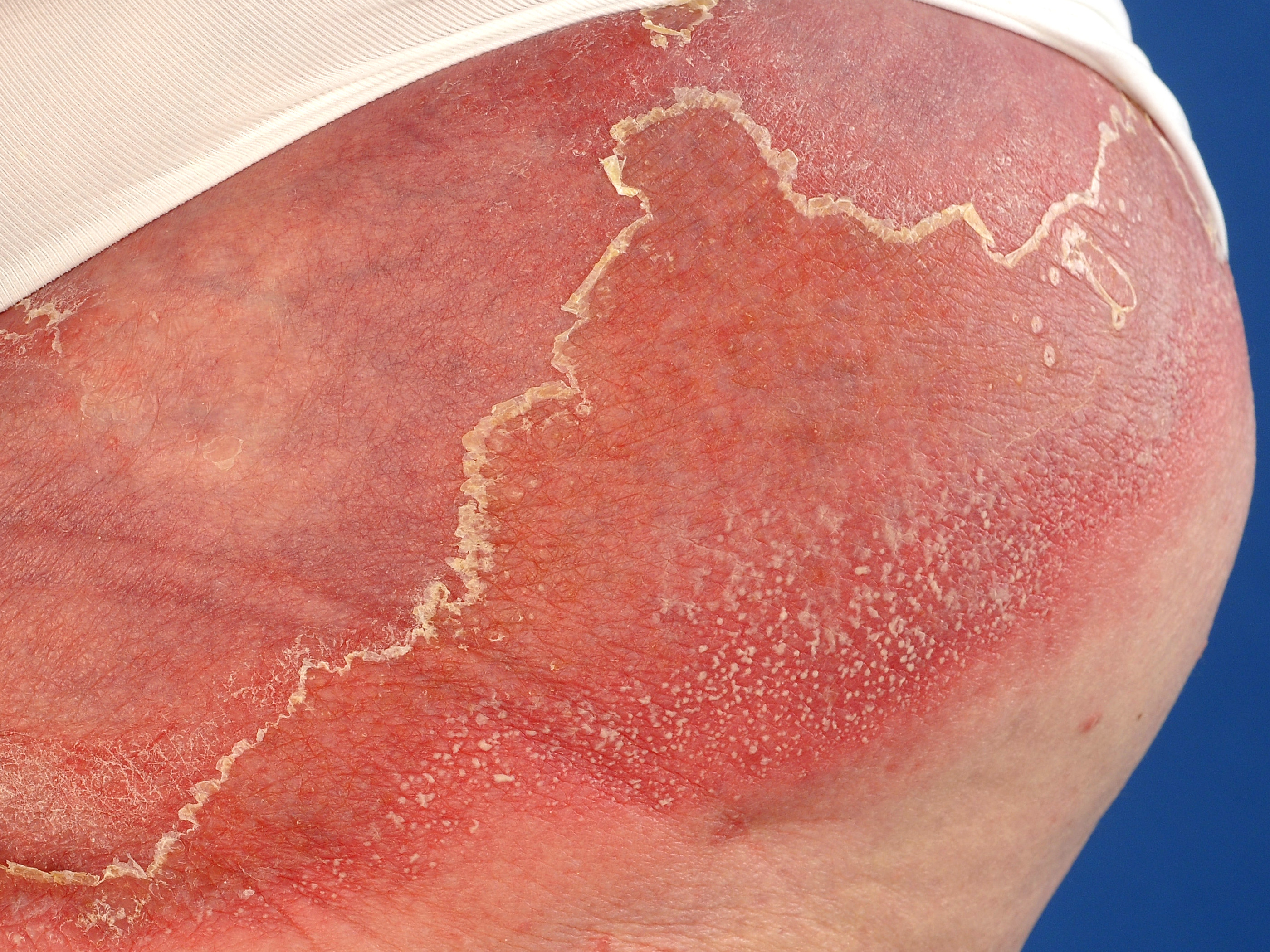
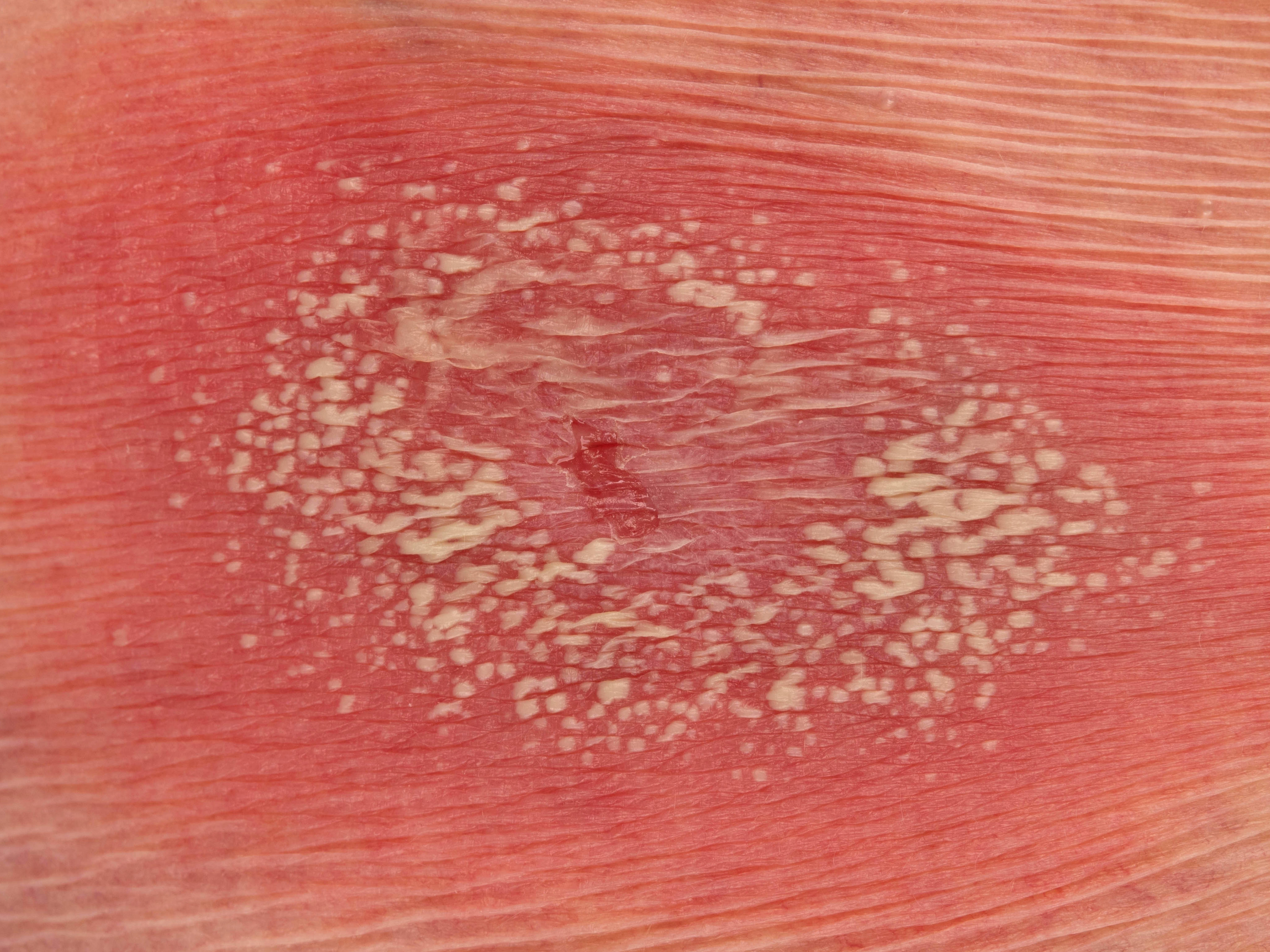
WHAT IS PSORIASIS?PsoriasisPsoriasis is a common skin condition that causes red and scaly patches to appear on the body, particularly on the elbows, knees, and scalp. The nails can also be affected, and sometimes joint pain occurs. The word psoriasis is derived from the Greek word psore , meaning "scale." Heredity plays a significant role in its development. In addition, other factors, such as infections, skin damage, and medications, can trigger psoriasis. Psoriasis can be effectively treated with ointments , light therapy , tablets , or injections .
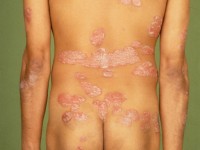 |
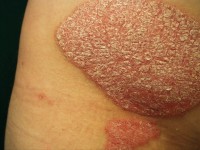 |
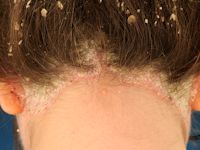 |
| psoriasis |
red and flaky |
scalp psoriasis |
WHAT DOES PSORIASIS LOOK LIKE?Psoriasis occurs in various forms. Some have only a few patches, while others are completely covered. In some, the patches are small, in others, large plaques. It can occur on the scalp, in the ear canal, in the navel, or in the folds of the skin. Nails and joints can be affected. Sometimes, only nail psoriasis occurs without skin lesions, or only joint problems (psoriatic arthritis), or only scalp psoriasis occurs.
Psoriasis vulgaris (plaque psoriasis)
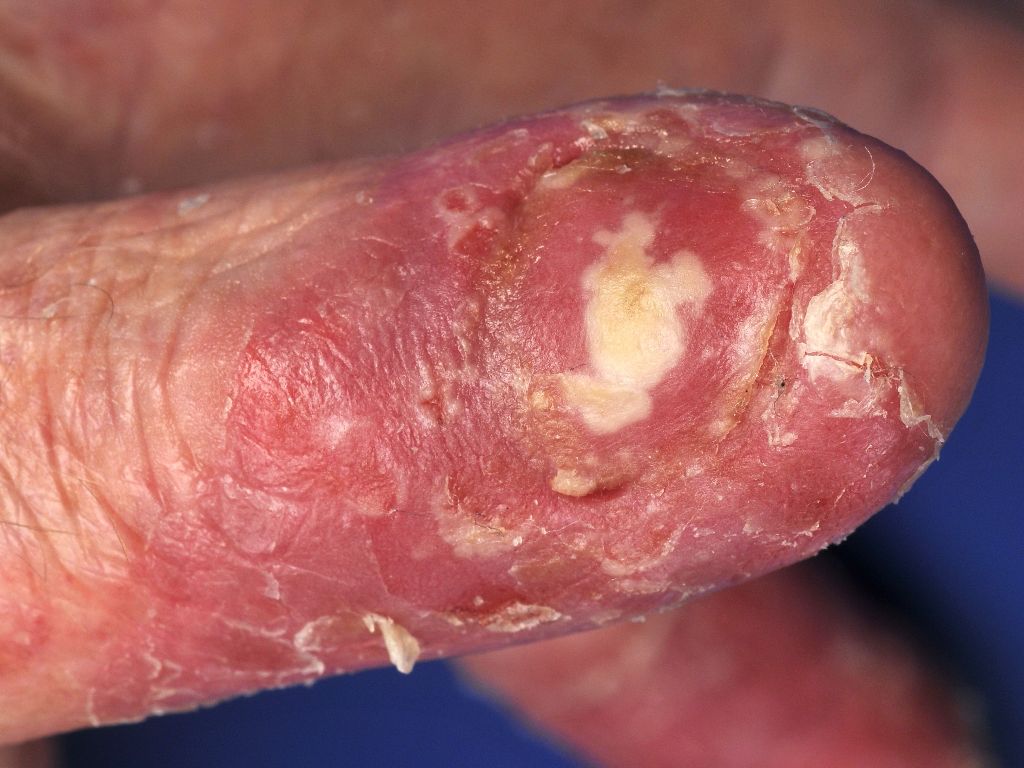
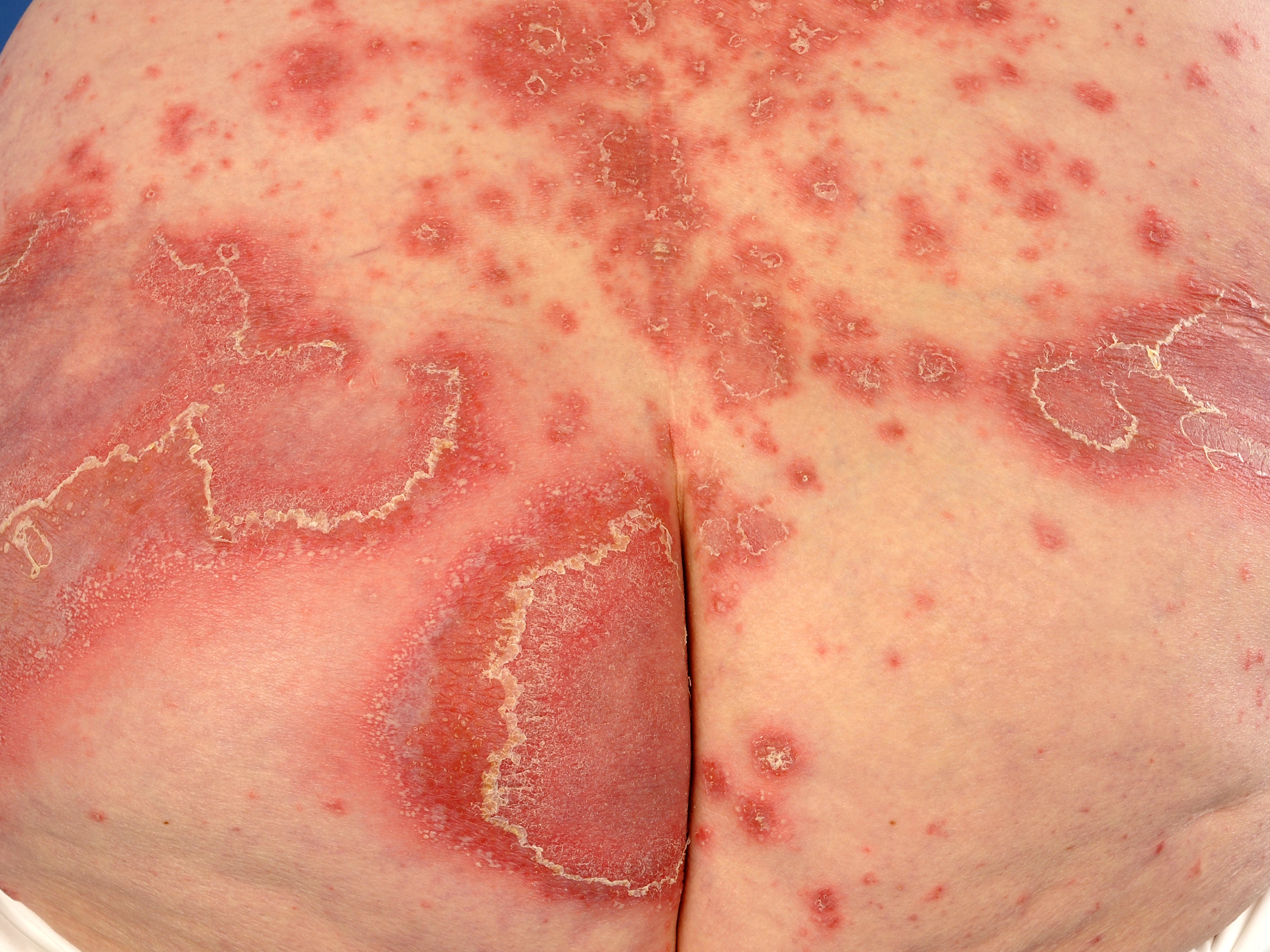
The most common form, psoriasis vulgaris (common psoriasis), features red, raised, white, or silvery, scaly patches (plaques) scattered across the body. It is also called plaque psoriasis . Approximately 90% of people with psoriasis have psoriasis vulgaris. The patches are not all the same size. Usually, they are 2-4 cm in diameter, but smaller patches and large plaques can also occur. They can appear anywhere but are most common on the elbows, knees, lower back, insides of hands, and soles of feet. Sometimes psoriasis also affects the genitals. The patches can be itchy, develop sores and cracks, and bleed easily when scratched.
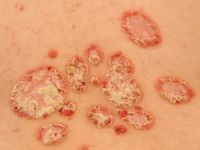 |
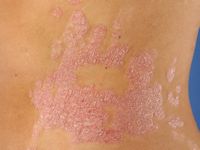 |
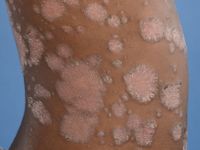 |
| psoriasis vulgaris |
psoriasis vulgaris |
psoriasis vulgaris |
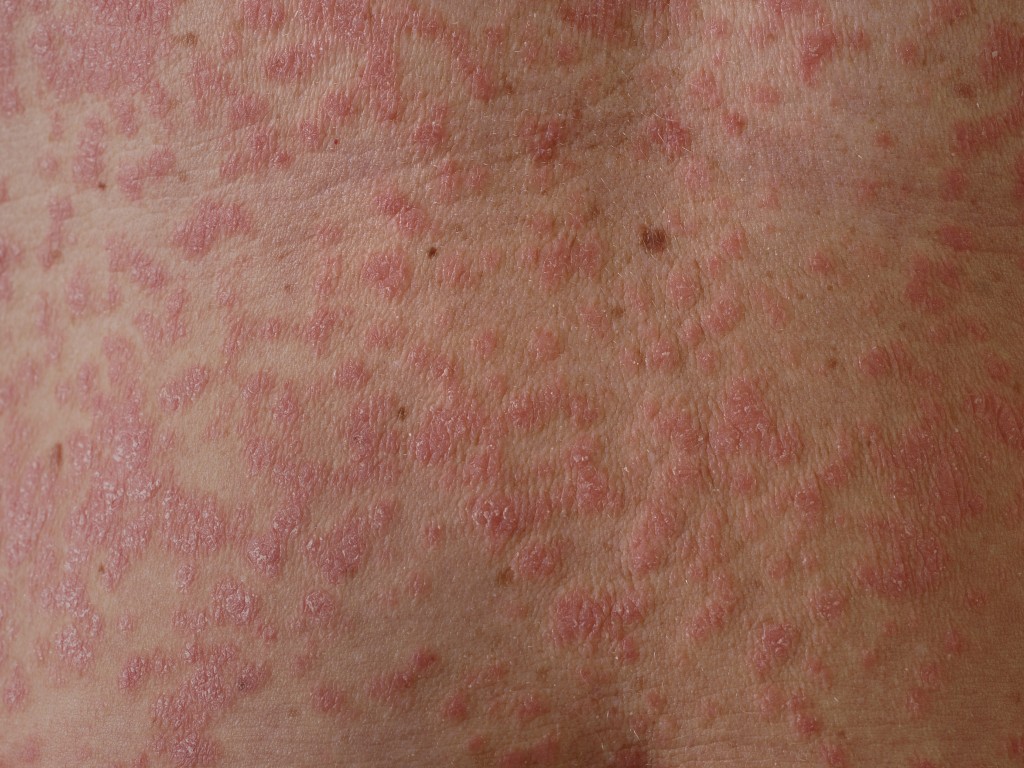
Guttate psoriasis
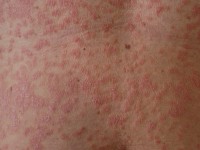
Guttate psoriasis (teardrop psoriasis) is a special form of psoriasis in which a rash with dozens to hundreds of small (2-10 mm in size) spots appears over a short period of time (a few days to weeks), spread over the body. The spots are mainly located on the trunk, upper arms, and thighs. Initially, there is little scaling, but later more. Guttate psoriasis usually lasts only a few weeks and then disappears on its own, but can also develop into regular psoriasis. It mainly occurs in children and young adults and can develop after an infection (for example, a sore throat caused by streptococcus).
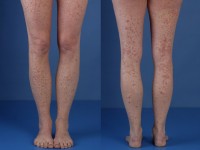 |
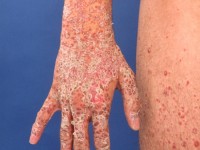 |
 |
| guttate psoriasis |
guttate psoriasis |
guttate psoriasis |
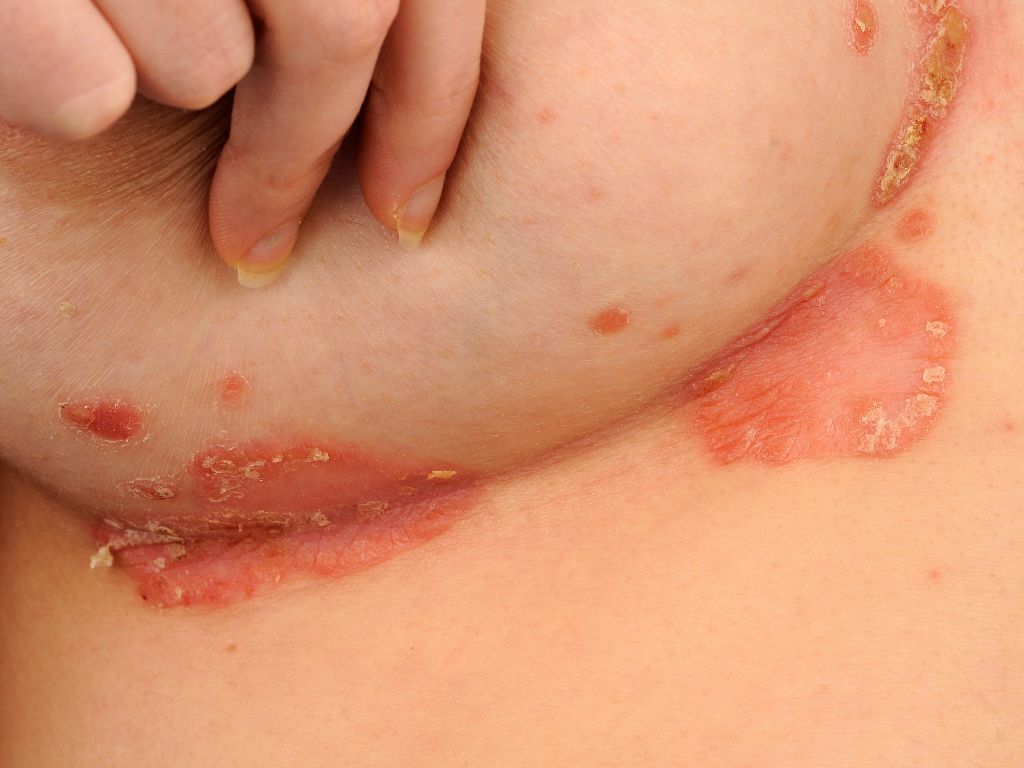
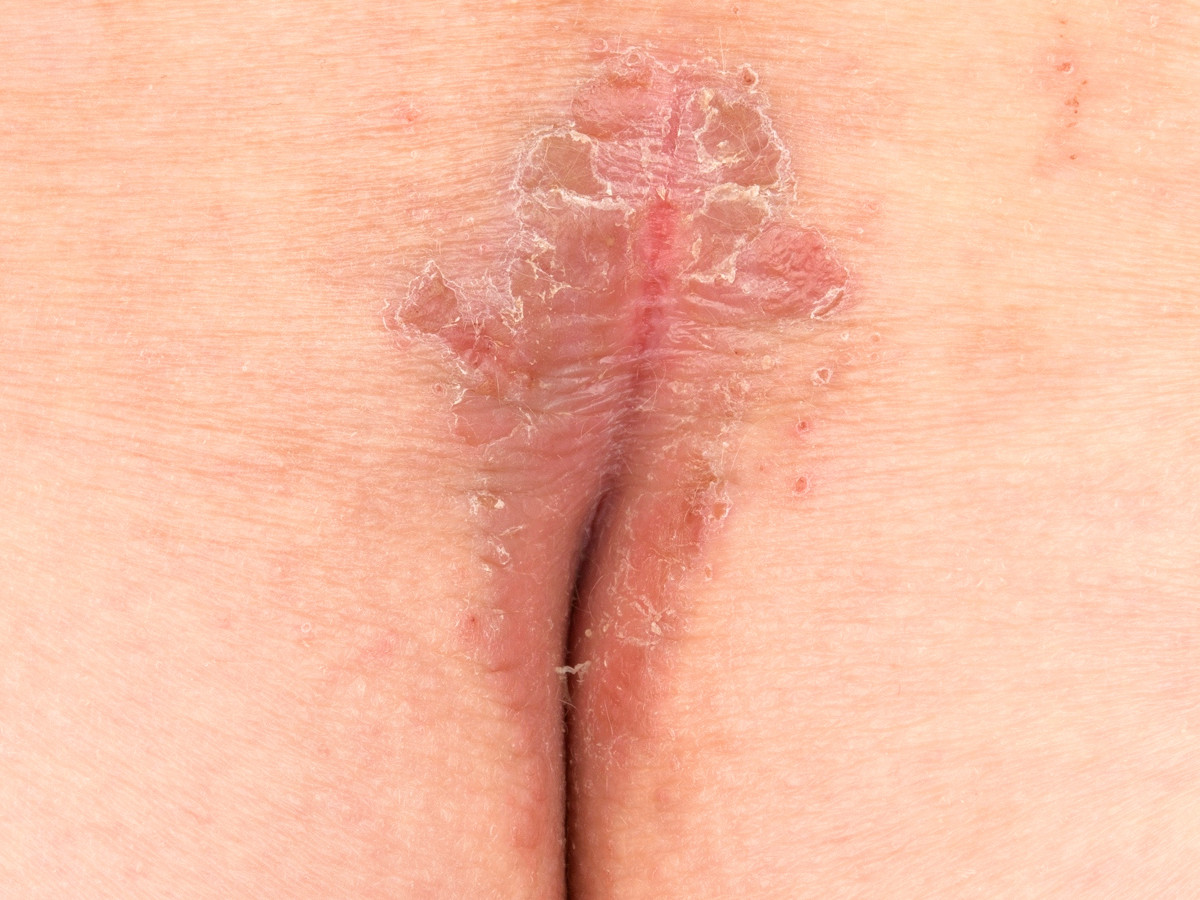
Inverse Psoriasis:
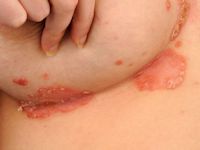
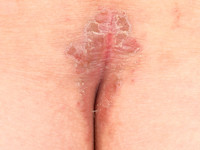
In some people, psoriasis patches appear in body folds, such as the armpits, groin, buttocks, under the breasts, in the navel, or in the ear canal. This is called inverse psoriasis (inverse psoriasis). The patches are often bright red and less scaly; the boundaries are sharply defined. Painful cracks may develop, especially in the cleft of the buttocks. With heavy sweating, the patches may turn whitish due to softening of the skin.
 |
 |
| inverse psoriasis |
inverse psoriasis |
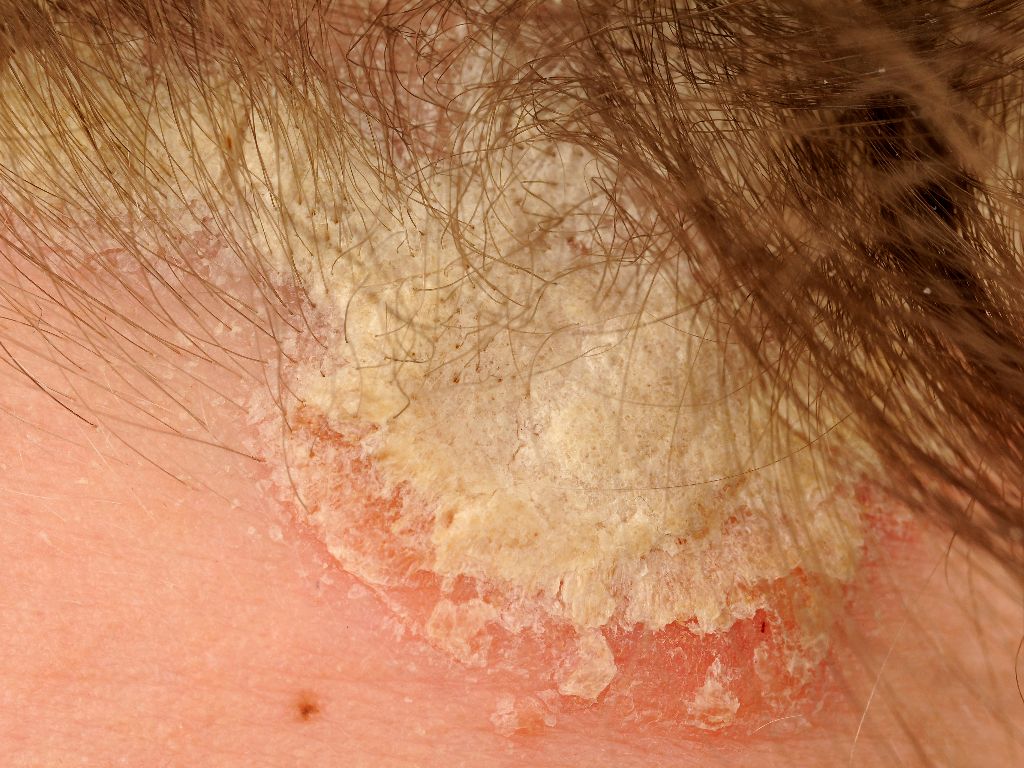
Psoriasis capitis (scalp psoriasis)
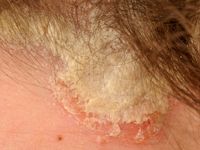
Psoriasis capitis is psoriasis on the scalp (caput = head). More than half of psoriasis patients also develop patches on their scalp, especially along the hairline. These can be small patches, but also large, thickened plaques, often with a thick, attached layer of scales. The scales are particularly visible in dark hair and on dark clothing, similar to dandruff. While it can cause hair loss, the hair roots are not destroyed, and hair growth is restored after treatment.
| |
 |
| psoriasis capitis |
psoriasis capitis |
Palmoplantar psoriasis
can occur on the palms of the hands and soles of the feet, causing painful cracks and pimples (called palmoplantar psoriasis).
Nail psoriasis (unguium psoriasis)
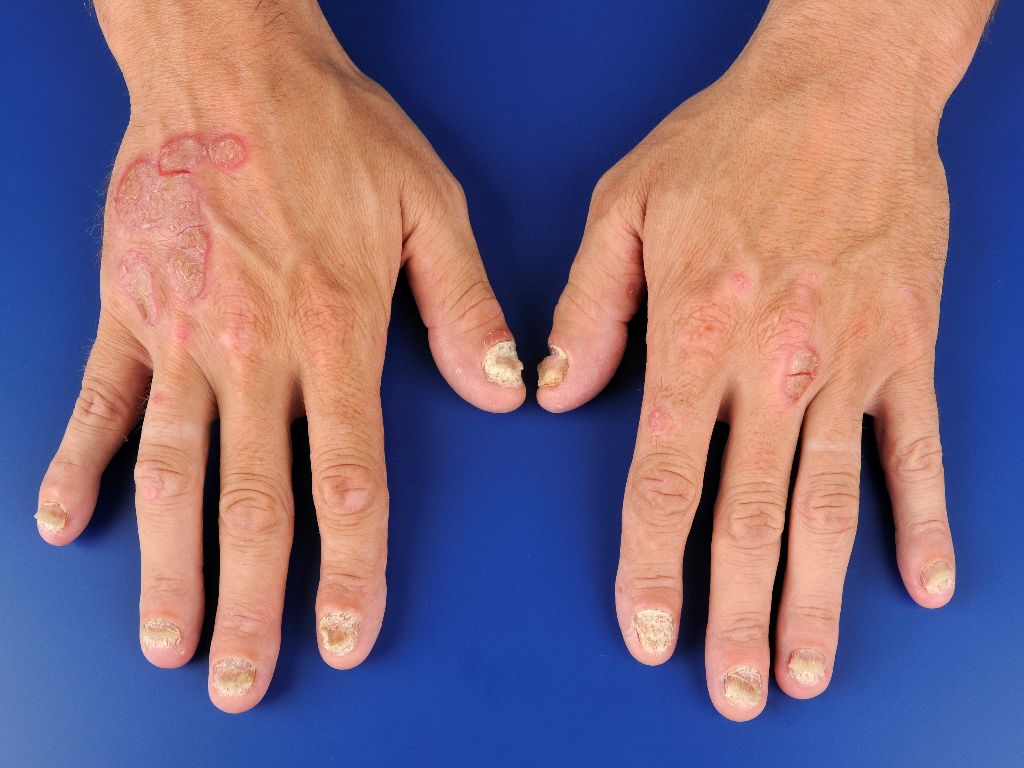
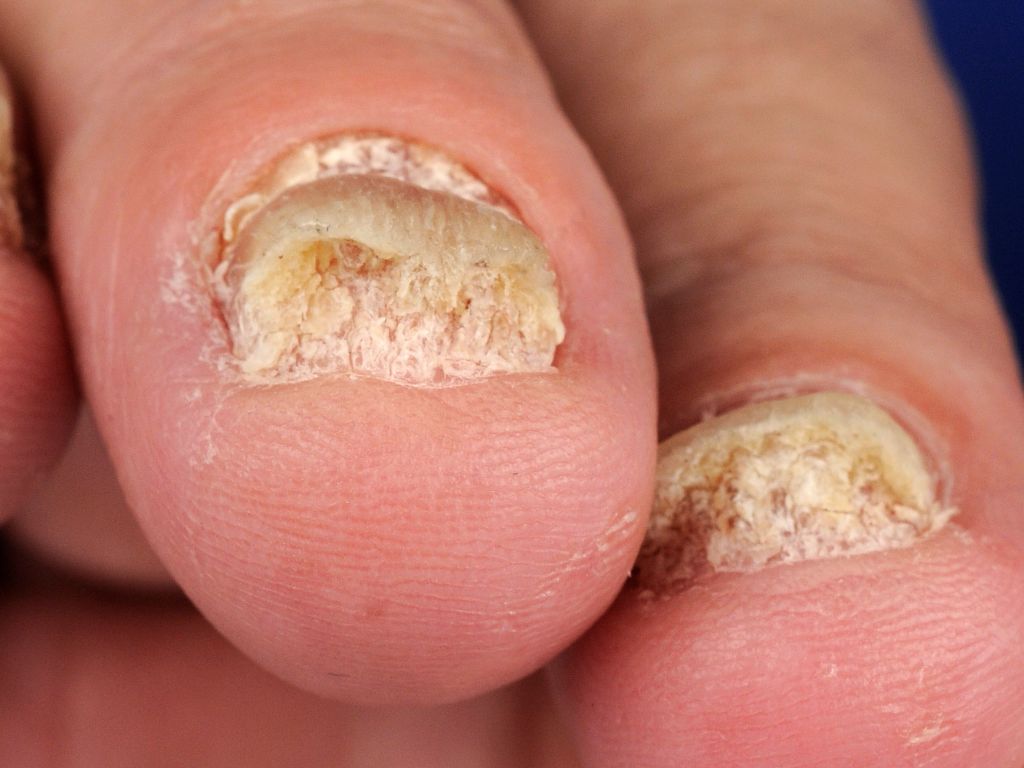
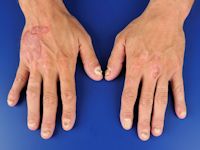
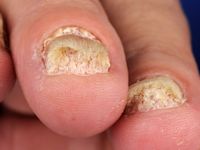
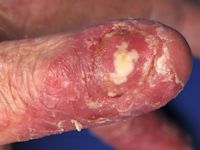
In about half of psoriasis patients, the nails are also affected to a greater or lesser extent (unguium psoriasis). Nail psoriasis can occur on a single nail, but also on all the nails of the hands and feet. Often, there are pits in the nail or white, orange-yellow, or brown discolorations: the so-called oil slick phenomenon. The nails can also become loose. Nail psoriasis is cosmetically disturbing but also causes pain and discomfort during all kinds of daily activities that require nails. Sometimes, psoriasis is limited to the nail alone, and there are no other skin complaints. The risk of developing nail psoriasis is higher over the age of 40 and in people with psoriatic arthritis.
 |
 |
 |
| nail psoriasis |
nail psoriasis |
nail psoriasis |
Pustular psoriasis
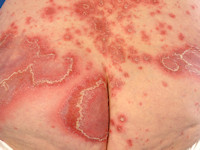
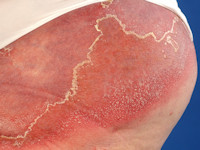
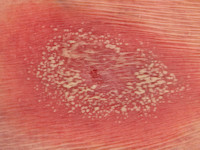
Pustular psoriasis (generalized), also called Von Zumbusch disease, is a rare form of psoriasis in which numerous pustules develop under the skin, which then flake off. The pustules are often visible at the edges of the psoriasis patches. They can spread across the skin in waves. A completely red skin (erythroderma) can also develop. Due to the large number of pustules on the skin, general symptoms (fever, fatigue, feeling unwell) can occur.
Pustules can also appear only on the palms of the hands and soles of the feet. In that case, it is called Andrews-Barber disease or palmoplantar pustulosis. This is thought to be a different condition from psoriasis because it is primarily seen in women who smoke.
 |
 |
 |
| pustular psoriasis |
pustular psoriasis |
pustular psoriasis |
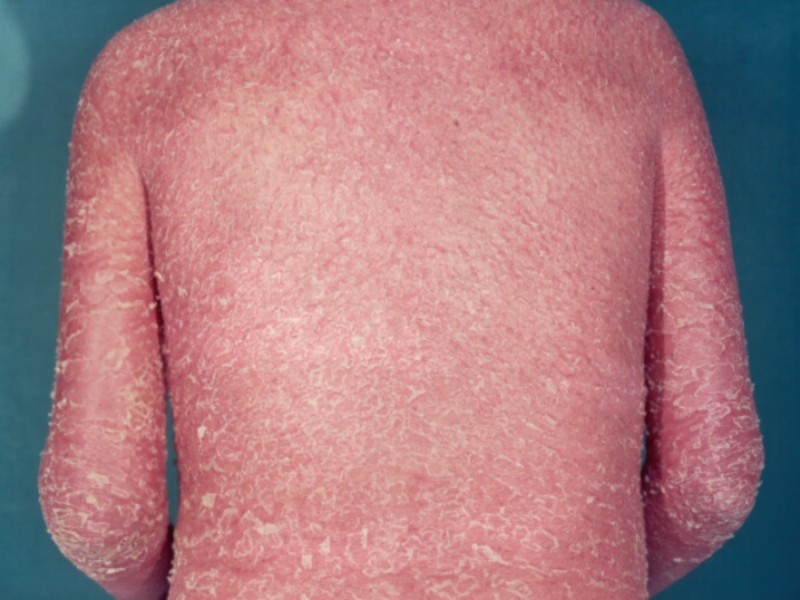
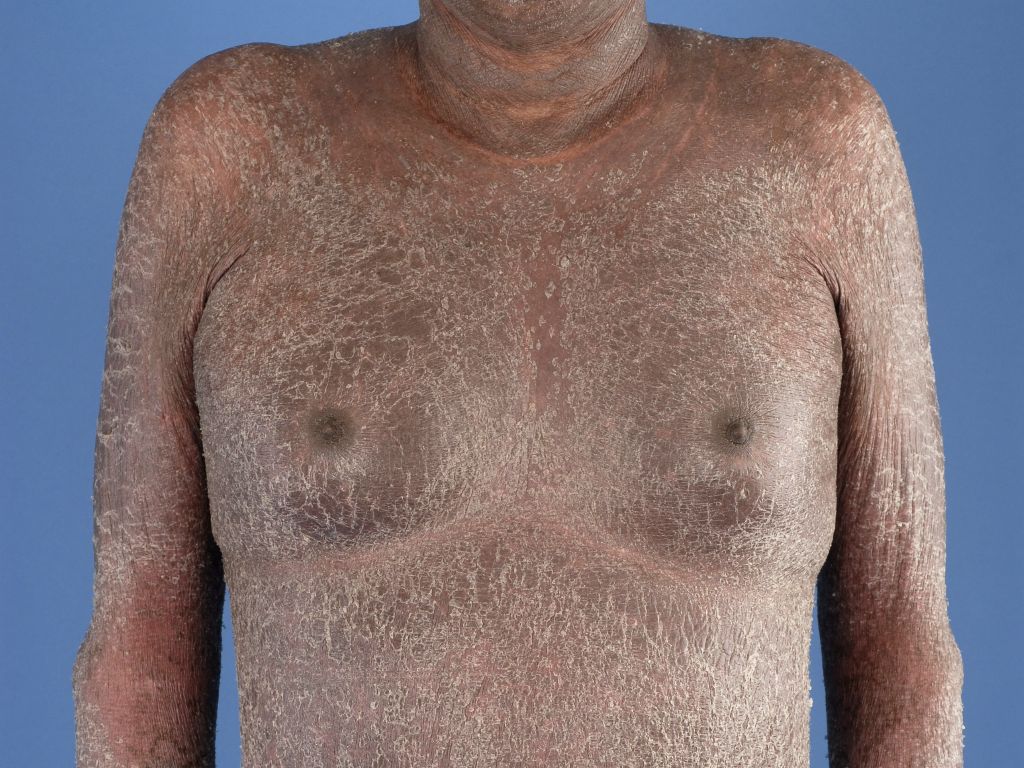
Erythroderma based on psoriasis.
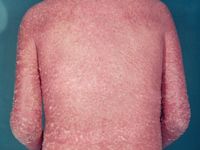
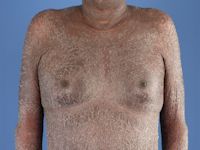
Erythrodermic psoriasis is a rare form of psoriasis in which almost the entire skin is red (erythroderma) and scaly. Patients with erythroderma feel ill, have chills, and are very thirsty because they lose heat and moisture through the skin. Sometimes there is also a protein deficiency. Hospitalization is often necessary.
 |
 |
| erythroderma |
erythroderma |
Joint complaints (psoriatic arthritis)
An estimated 5-40% of psoriasis patients also experience joint complaints. This is called psoriatic arthritis or psoriatic arthropathica. Rheumatologists also see patients with only psoriatic arthritis and no or very little psoriasis. Having joint complaints has consequences for treatment; ideally, a systemic medication is prescribed that helps both the psoriasis and the joint complaints.HOW IS PSORIASIS DIAGNOSED?The diagnosis can usually be made based on the characteristic abnormalities. In some cases, a small piece of skin will be removed under local anesthesia for microscopic examination (a biopsy ).
WHAT CAUSES PSORIASIS? Psoriasis involves inflammation in the skin. Cells of the immune system, the white blood cells (lymphocytes and leukocytes), are overactive in the skin. It is unknown why they are so active. Sometimes the reaction is triggered by an infection with throat bacteria (streptococci), by skin damage, or by a medication, but usually no explanation can be found for the accumulation of these inflammatory cells. The lymphocytes produce substances called signaling proteins or cytokines, which have various effects: they dilate the blood vessels, causing the skin to become red. They cause accelerated cell division of the skin cells, causing the skin to thicken and flake. They attract even more inflammatory cells to the area, which can even cause pustules to form.WHO CAN GET PSORIASIS?Psoriasis is common, affecting approximately 2 to 3% of the Dutch population. It is less common in countries with a sunny climate. Men and women develop it equally. It occurs in all races, but more often in people with fair skin. Asians and Africans have it less often. Heredity plays a role in psoriasis. The chance of developing psoriasis increases if it runs in the family. If one parent has psoriasis, the chance for the child to also develop psoriasis is approximately 15%. If both parents have psoriasis, the chance is 50%. Psoriasis can develop at any age, but it usually begins between the ages of 20 and 30, sometimes not until after 50. In people who develop psoriasis at a young age, the disease is often more severe. Psoriasis is not contagious.WHAT CAN PROVOKE PSORIASIS?Psoriasis can develop after a strep throat infection (angina pectoris). This occurs primarily in children and young adults. Within a few days, a rash of small bumps, 2-10 mm in size, develops, which later develop into scaly psoriasis patches (guttate psoriasis). Psoriasis can also develop in a scratched area, in a frequently scratched area, in or around wounds, and in or around a surgical scar. This is called the "Köbner phenomenon." Medications can also trigger or worsen psoriasis. This is particularly seen with beta blockers (for high blood pressure), lithium (for manic depression), interferon (for chronic liver inflammation and multiple sclerosis, among other things), and some antimalarial drugs. A psoriasis or psoriasis-like reaction can also be triggered by TNF inhibitors such as infliximab and adalimumab. Patients with rheumatoid arthritis or Crohn's disease who use these medications then suddenly develop psoriasis. That's very strange, because these TNF inhibitors are normally used to treat psoriasis. This rare side effect is called a "paradoxical psoriatic reaction." It's believed that stress can also trigger or worsen psoriasis.HOW IS PSORIASIS TREATED?There are essentially three types of treatment:
1. Topical therapy: applying a cream, ointment, gel, or lotion to the affected areas, usually containing a medication that suppresses the psoriasis.
2. Treatment with (ultraviolet) light (UVB therapy), sometimes in combination with medication (PUVA therapy).
3. Systemic therapy: treatment with medications taken orally as tablets or capsules, or administered through injections or an IV. These medications are then absorbed into the skin through the bloodstream.HOW IS A CHOICE MADE FOR A TREATMENT?The choice of a specific treatment depends on the severity, extent, shape, location, the discomfort caused by the psoriasis, and the patient's wishes. Sometimes, practical considerations are involved (e.g., can someone regularly visit for light therapy or day treatment). You may also be unable to take certain medications due to other conditions or interactions with medications you are already taking.
If only a few patches are affected, topical therapy (ointments and creams) is often sufficient. For more severe forms of psoriasis, light therapy and systemic therapy (pills and injections) are used. Day treatment is also an option. Often, treatments are combined. Treatment with biologicals (injections or IVs) is relatively new. According to the guidelines, before biologicals are prescribed, standard treatments must first be tried, and the psoriasis must be severe. This is due to the high cost of these medications, but it's not just a matter of money: they also interfere with the immune system.LOCAL (EXTERNAL) TREATMENTSOily creams and ointments, bath oil, lotions:
Keeping the skin moisturized is beneficial; this prevents flaking and repairs the skin.
Products to soften flakes:
Thick layers of flakes can develop on the scalp, but also on the torso or on the palms of the hands and soles of the feet. Special products are available to loosen these layers. For the scalp, there are washable lotions and creams. Salicylic acid or urea is often added to these products.
Calcipotriol and calcitriol (vitamin D3 preparations):
Calcipotriol (Daivonex) and calcitriol (Silkis) affect cell division and growth in the epidermis, but reduce inflammation. The affected areas should be treated once or twice a day. It can take 2-4 weeks for the effects to begin. Initially, the flaking decreases, then the areas become flatter and less red. The maximum result is achieved after about 6 to 8 weeks.
This treatment is often combined with corticosteroids. There are also combination treatments that contain both components (calcipotriol and corticosteroids), such as betamethasone/calcipotriol ointment. Calcipotriol/betamethasone is available as an ointment and as a gel. The gel version comes in a bottle and applicator and can be applied to both the body and the scalp. Applying it once a day is sufficient; the maximum effect is achieved after approximately four weeks.
Corticosteroids
Corticosteroids are among the most commonly used anti-psoriasis medications. The stronger preparations are particularly effective and work quickly. Corticosteroids are related to substances produced by the body itself, the adrenal cortex hormones. Therefore, they are also called hormone ointments. They are applied in lotion, cream, ointment, or gel form. Sometimes these treatments are also applied under occlusion—that is, under a plaster or bandage—to enhance their effectiveness.
Corticosteroids are available in various strengths. For mild forms of psoriasis, a weak or moderately strong corticosteroid (class 1 and 2) is administered. In case of exacerbation, a strong corticosteroid (class 3) can be switched to for a short period. The very strong preparations (class 4) are only used for severe forms of psoriasis in adults.
In the initial phase, the corticosteroid is applied once or twice daily for several weeks. In the maintenance phase, the drug is applied only 3-4 days per week, once daily. A commonly used regimen is three (or four) consecutive days per week, followed by 4 (or 3) days without treatment or with therapy other than corticosteroids.
Many people are very afraid of using corticosteroids. However, corticosteroids have been in use for a very long time, and if used correctly, serious and irreversible side effects can almost always be prevented. Therefore, there is really no need to be afraid of corticosteroid treatment. Failure to treat causes much more serious damage to the skin. The most common side effects are thinning of the skin and fine veins on the face. The risk of this is significantly reduced by switching to treatment 3-4 days a week after a few weeks. Systemic side effects can occur when, as a result of prolonged treatment with (too) large doses of corticosteroids, too much is absorbed through the skin and enters the bloodstream. This risk is greatest in children. The result can be stunted growth. By adhering to the dermatologist's instructions, systemic side effects can almost always be prevented. Tar
preparations:
Coal tar is made from coal and has been used to treat psoriasis for over a century. Tar is an old and proven remedy for psoriasis. It affects inflammation and cell division and restores the skin barrier. The advantage is that it has almost no serious side effects. Occasionally, people become allergic to tar, which can worsen psoriasis. Sometimes, inflammation of the hair follicles occurs. The skin is more sensitive to sunlight when using tar preparations. The biggest disadvantages are actually the characteristic odor and color, which makes tar treatment cosmetically unattractive. In the Netherlands, coal tar is therefore almost no longer used for psoriasis, except as a medicated shampoo (brand name Denorex RX). Tar is still used in some day treatment centers, in combination with baths and light therapy.
Dithranol (cignoline)
Dithranol is a synthetic product derived from a herbal medicine. Dithranol has long been used successfully for psoriasis. It inhibits cell division. Dithranol can be applied to the skin for a long time, or for a short time: 15 to 20 minutes and then washed off. The short-term method is most commonly used. The psoriasis patches usually disappear after 4 to 6 weeks, leaving a brown discoloration due to the ointment. The effect is long-lasting. It has the disadvantages of being irritating to the skin and staining clothing, bedding, bath tubs, or shower trays. The treatment is primarily administered in day treatment centers.LIGHT THERAPY (UVB AND PUVA)There are two forms of light therapy: UVB and PUVA. UVB is solely ultraviolet B light. PUVA is the combination of ultraviolet A light and psoralen tablets, which sensitize the skin to UVA. The light therapy usually takes place in a light booth in a dermatology outpatient clinic or treatment center. Ultraviolet light has a beneficial effect on psoriasis patches because it slows cell division and positively influences inflammation. Light therapy lasts an average of 6 to 12 weeks, administered 2 to 3 times per week. There is a maximum number of times light therapy can be administered (preferably only one treatment per year). Light therapy is suitable if more than 10% of the body is affected, or if the local treatment has had insufficient results or is too burdensome. Light therapy can also be applied at home through companies that install light boxes or panels at home. Due to reimbursement issues, this is now less common.
Dead Sea Spa in Israel:
Spas for the treatment of psoriasis and other skin conditions are available in various locations around the world. The positive results of Dead Sea treatments are based on a combination of bathing in the Dead Sea (the high salt concentration helps loosen the scales) and exposure to sunlight (which inhibits the inflammatory response). Relaxation also contributes. Within four weeks, three-quarters of people will see their psoriasis completely or almost completely (more than 90%) disappear. Psoriasis usually returns later, but this is also the case with other treatments.SYSTEMIC THERAPYSystemic medications for psoriasis:
- methotrexate
- cyclosporine (Neoral)
- acitretin (Neotigason)
- fumaric acid (Fumarate tablets, Psorinovo, Skilarence)
- apremilast (Otezla)
Biologicals for psoriasis:
- adalimumab (Humira, Hyrimoz, Amgevita, Hukyndra, Idacio, Yuflyma)
- bimekizumab (Bimzelx)
- brodalumab (Kyntheum)
- etanercept (Enbrel, Benepali, Erelzi)
- guselkumab (Tremfya)
- infliximab (Remicade, Remsima, Inflectra, Flixabi, Zessly)
- tildrakizumab (Ilumetri)
- risankizumab (Skiryzi)
- secukinumab (Cosentyx)
- ustekinumab (Stelara, Imuldosa, Pyzchiva, Steqeyma, Uzpruvo, Wezenla)
- ixekizumab (Taltz)
Methotrexate
Methotrexate has been used for 60 years to treat severe psoriasis when local therapy and light treatments are insufficient. It inhibits cell division and inflammatory responses and suppresses the immune system. It can be given as a pill or an injection. It also works well for psoriatic arthritis. The usual dosage is 10-15 mg once a week (maximum 22.5 mg per week). The medication should be taken on a fixed day of the week, and the next day 5 mg of folic acid should be taken. It does not work immediately; it can take 6-8 weeks. If it works, the dosage is reduced to the lowest effective amount. Please note: methotrexate is only taken once a week! In hospitals and nursing homes, this sometimes goes wrong due to electronic prescribing systems.
Ciclosporin (Neoral
) has been used for over 20 years to treat psoriasis. Among other things, it inhibits the division of T lymphocytes, which play an important role in psoriasis. Effectiveness depends on the dosage: the higher the dose, the better the result. The usual dosage is 3-5 mg per kg body weight per day, usually starting with 100 mg twice daily. Treatment is usually limited to a maximum of two years due to potential long-term side effects, such as kidney problems, high blood pressure, and the development of skin cancer and warts.
Acitretin (Neotigason)
Acitretin belongs to the group of vitamin A-derived medications (also known as retinoids). Acitretin has been used for psoriasis for 30 years. The drug counteracts excessive cell division, inhibits abnormal keratinization of the skin, and reduces inflammation. The dosage depends on the type of psoriasis and the patient's weight. The usual dose is 35 mg per day. For women, it is started after one month of reliable contraception, during menstruation, or after a negative pregnancy test. The capsules are best taken with water or milk during meals. Taking the medication with food improves absorption. The most common side effect is dry lips and dry skin. A very serious side effect is that the medication can cause fetal malformations in pregnant women. Therefore, the medication is strictly prohibited for pregnant women. This also applies to women who are trying to conceive: the medication no longer poses any additional risks to the fetus until 24 months after stopping acitretin. Incidentally, acitretin does not affect male or female fertility.
Fumaric acid.
Fumarates have been in use in Germany for a long time, but they were previously not widely used in the Netherlands, which is why they are not registered there. This has been changing in recent years: fumaric acid is increasingly used and is on its way to becoming a first-line systemic agent for psoriasis, along with methotrexate. Fumarates inhibit accelerated cell division and inflammatory activity. Fumaric acid is available as 30, 120, and 240 mg tablets. The dosage should be gradually increased to a maximum of 240 mg three times a day, and then, if effective, reduced to the lowest effective dose. The most common side effects are gastrointestinal complaints (stomach pain, abdominal pain, and diarrhea), hot flashes, itching, fatigue, nausea, increased blood cholesterol levels, and decreased white blood cell count.
Apremilast (Otezla).
Apremilast has been available since 2015. It inhibits the action of various substances (TNF-α, IL-23, IFN-alpha, IFN-gamma) that play a role in psoriasis. The usual dosage is one 30 mg tablet twice a day, following a build-up schedule (day 1: 10 mg, day 2: 20 mg, day 3: 30 mg, day 4: 40 mg, day 5: 50 mg, then 30 mg twice a day).
Biological medicines (biologicals)
Biologicals are proteins produced by living cells and created using modern laboratory techniques. They intervene at specific sites in the immune system and thus inhibit the inflammation in psoriasis.
Biologics can be prescribed for moderate to severe forms of plaque psoriasis where standard treatments such as ointments, light therapy, and systemic therapies (including ciclosporin or methotrexate) are ineffective or cannot be administered due to side effects. Biologics have been on the market relatively recently, since about 2005. New agents are added annually. Biologics are among the expensive medications, costing between €15,000 and €30,000 per year. Therefore, they cannot be prescribed without due care. Moreover, they interfere with the immune system, potentially leading to side effects such as flare-ups of tuberculosis or other infections. Before starting biologics, the patient must be checked for latent tuberculosis by performing an X-ray, Mantoux scan, and blood tests. See also the brochure on biologics for psoriasis .
Etanercept (Enbrel, Benepali)
Etanercept is a TNF-alpha inhibitor. TNF-alpha is a substance (cytokine) that plays a role in skin inflammation in psoriasis. It is administered by the patient themselves via a syringe or an injection pen. The usual dosage is 25 mg twice a week or 50 mg once a week. The dosage can be increased to 50 mg twice a week if necessary (however, financial restrictions apply).
Adalimumab (brand name Humira)
Adalimumab is also a TNF-alpha inhibitor. It is administered by the patient themselves via a syringe or an injection pen. The usual dosage is 40 mg every two weeks.
Infliximab (Remicade, Remsima, Inflectra)
Adalimumab is also a TNF-alpha inhibitor. It is administered through an IV in a hospital or treatment center. The usual dosage is 5 mg per kg body weight every two months. It is given more frequently at the start: at week 0, week 2, week 6, and then every 8 weeks (2 months).
Ustekinumab (Stelara)
Ustekinumab inhibits interleukin 12 and interleukin 23, which also play an important role in initiating and maintaining inflammation. The usual dose is 45 mg every 3 months. It is given more frequently at the start: at week 0, after 4 weeks, and then every 12 weeks (3 months). Patients weighing more than 100 kg receive a higher dose (90 mg). The injections are usually administered by nurses at the outpatient clinic. This is due to concerns that something could go wrong if the patient administers them themselves.
Secukinumab (Cosentyx)
Secukinumab inhibits interleukin IL-17A, another substance (cytokine) that plays a role in the inflammation process in psoriasis. It has been available since 2015. The usual dose is 300 mg every 4 weeks, following a loading schedule (300 mg (2 x 150 mg syringes) in weeks 0, 1, 2, and 3, then 300 mg every 4 weeks).
Ixekizumab (Taltz)
Ixekizumab also inhibits interleukin IL-17A. The drug has been available since 2016. The usual dose is 80 mg every 4 weeks, following a loading schedule (2 x 80 mg in week 0, 80 mg in weeks 2, 4, 6, 8, 10, and 12, then 80 mg every 4 weeks).WHAT ARE THE OUTLOOK?Psoriasis progresses unpredictably, doesn't heal spontaneously, and is a lifelong problem. Its severity varies, with periods of improvement and worsening alternating. Treatment can suppress symptoms.WHAT CAN YOU STILL DO YOURSELF?One of the things you can do yourself is to regularly apply sunscreen to your skin. Keeping your skin moisturized with creams and ointments is good for it. Bathing with bath oil is also helpful. Applying sunscreen should become a daily routine, which isn't easy to maintain. Try not to scratch, as this can sometimes cause new psoriasis patches. Furthermore, you should try not to gain too much weight. Psoriasis patients are prone to being overweight. This is detrimental to their health and also hinders treatment. Applying sunscreen becomes difficult, and higher doses of psoriasis medications are required, which can cause more side effects or even stop them from working properly. Psoriasis can negatively impact your general health, quality of life, and mood. Consider whether it's necessary to discuss this with someone, such as a psychologist.ADDITIONAL INFORMATIONThe Dutch Association for Dermatology and Venereology ( NVDV ) has created a comprehensive brochure answering 117 patient questions about psoriasis: 117 Questions about Psoriasis . This text also served as the basis for this brochure. |