WHAT IS A FISTULA?A fistula is a passage or tunnel under the skin. It is a tube-shaped structure. A fistula can develop after an infection, such as a boil . A boil is caused by an infection of a hair follicle. A pus-filled cavity forms under the skin. This is called an abscess . Such an abscess usually breaks through into the skin, creating a tunnel-like connection to the outside. Skin cells can grow into the tunnel, creating a tube completely lined with skin cells. If this happens, the connection usually remains, and such a permanent connection is called a fistula .
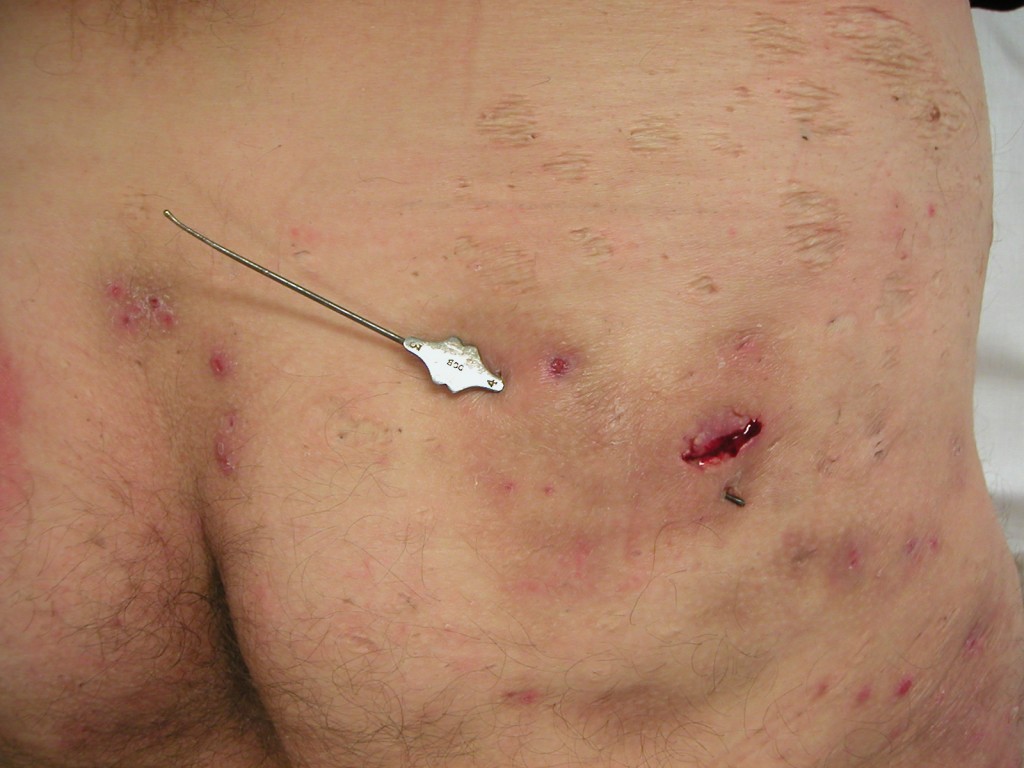
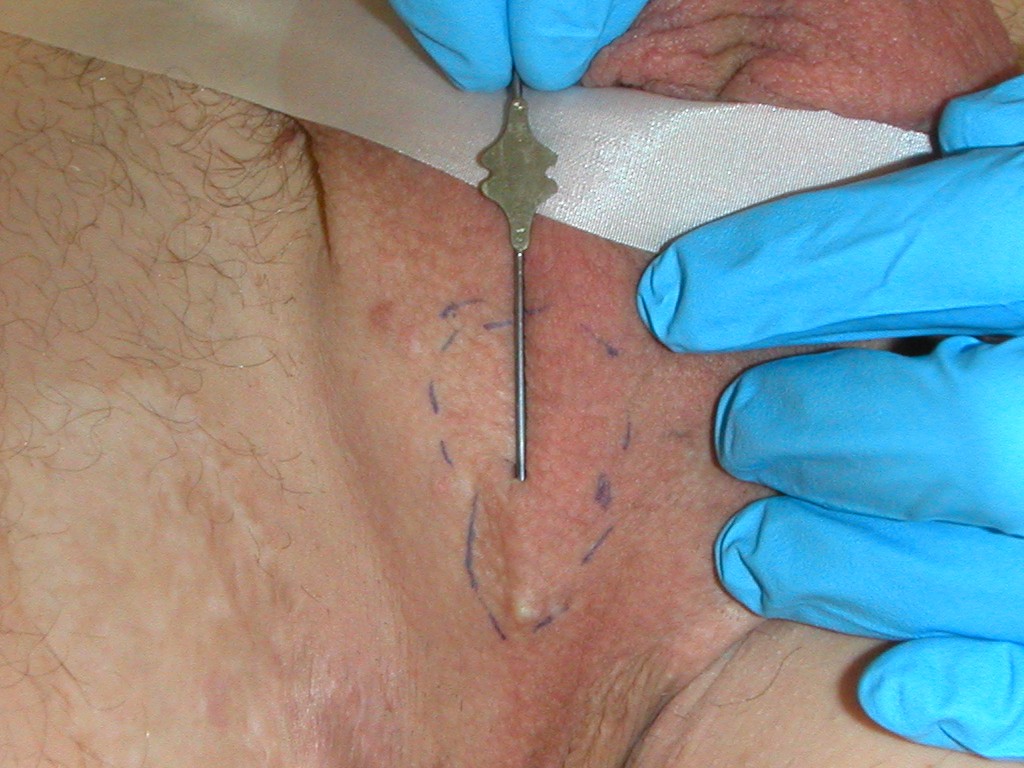
There are different types of fistulas. A fistula can extend slightly beneath the skin ( cutaneous fistula ) and resurface a few centimeters further. This is often seen in hidradenitis suppurativa . A fistula can also extend between the anus and the skin; this is called a perianal fistula . A fistula can develop in the cleft of the buttocks, from the skin to a pilonidal cyst; this is called a pilonidal sinus . In bowel diseases such as Crohn's disease, fistulas can extend from bowel to bowel or from bowel to skin ( enterocutaneous fistula ). A fistula can also extend from an infected tooth or a jaw abscess to the skin ( odontogenic fistula ).
 |
 |
 |
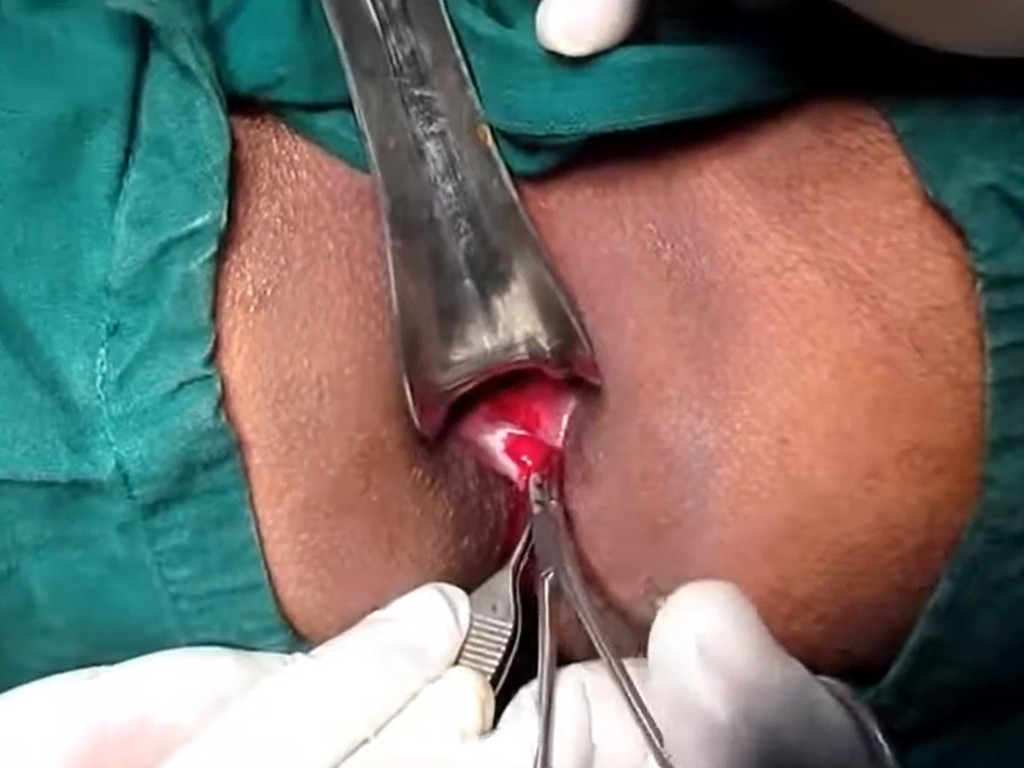
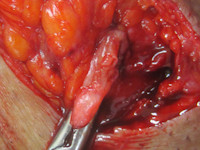
| perianal fistula |
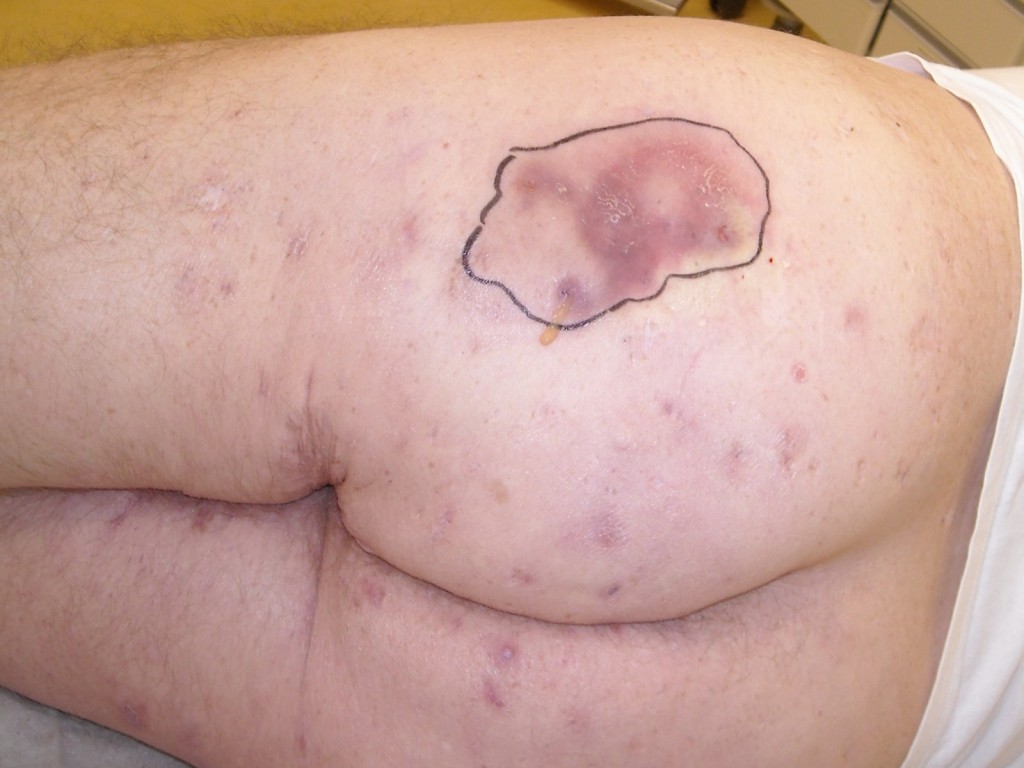
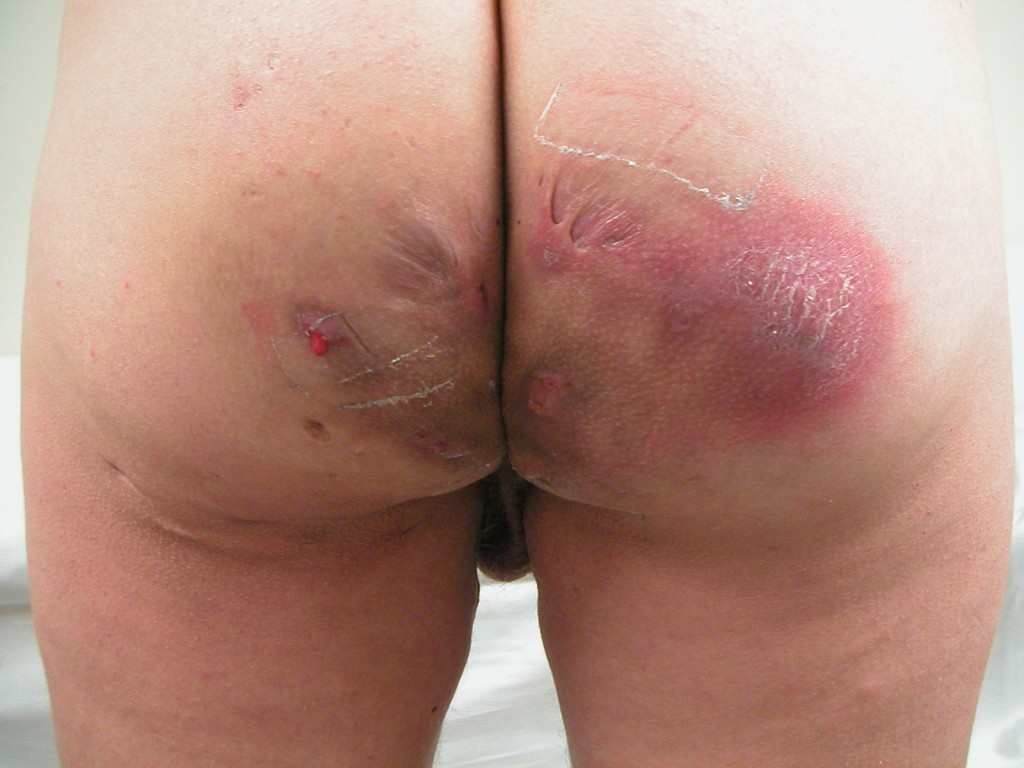
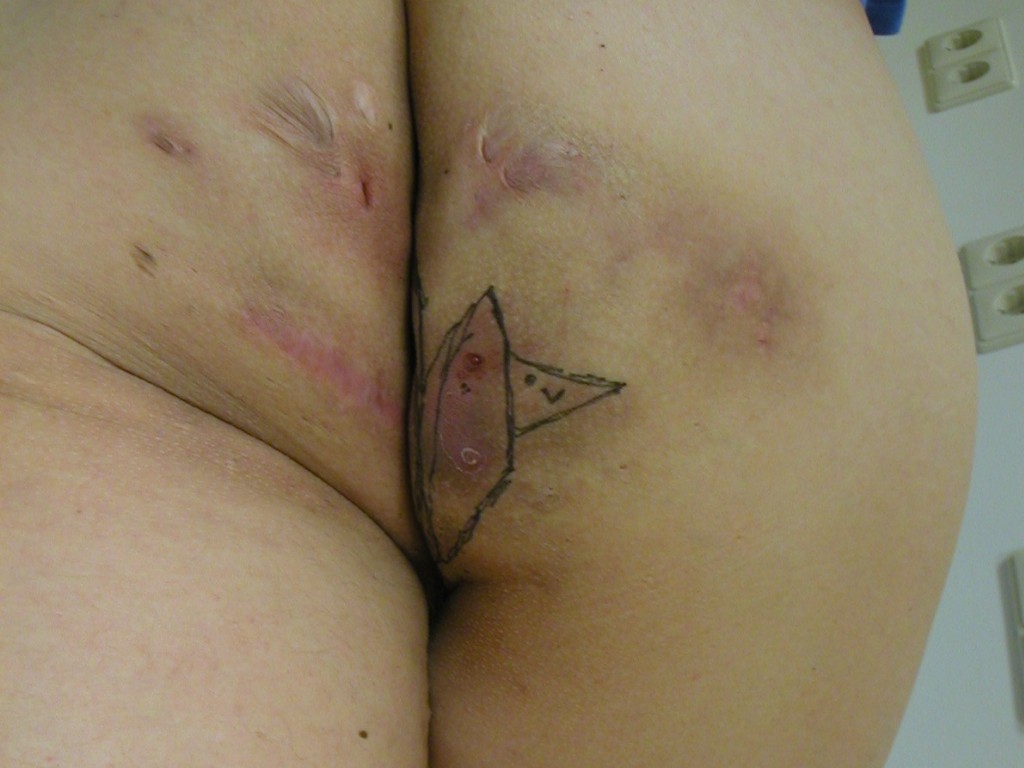
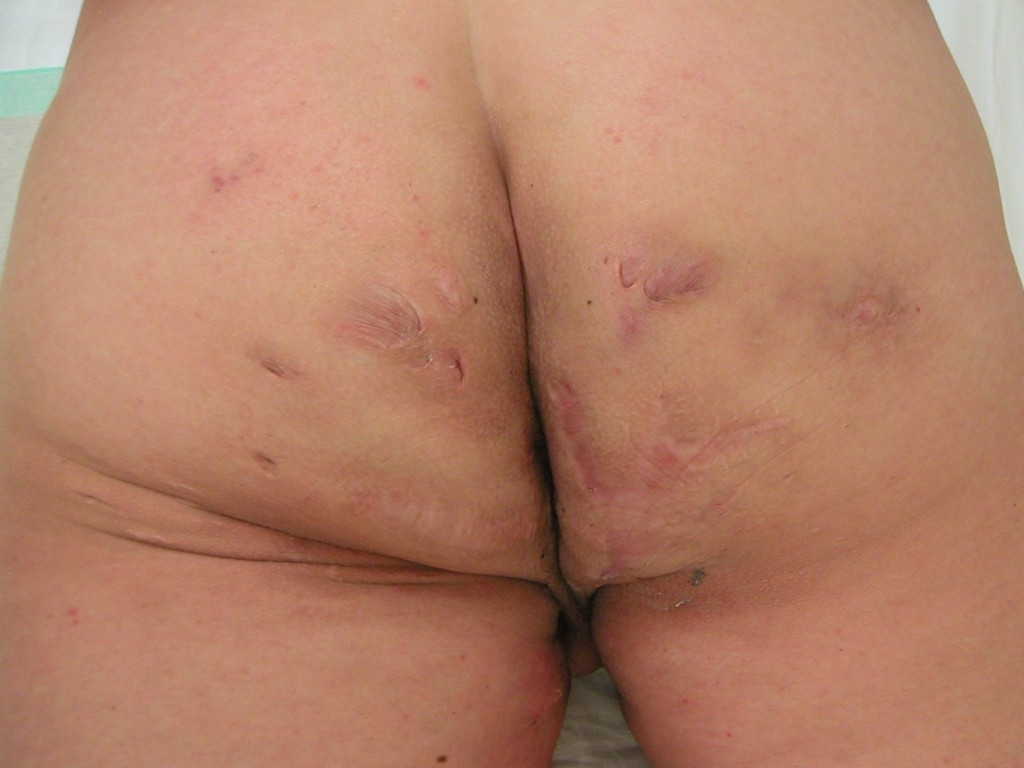
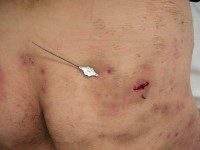
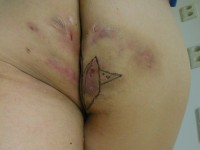
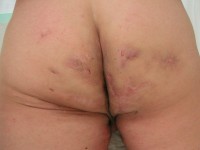
fistula on the buttock in HS |
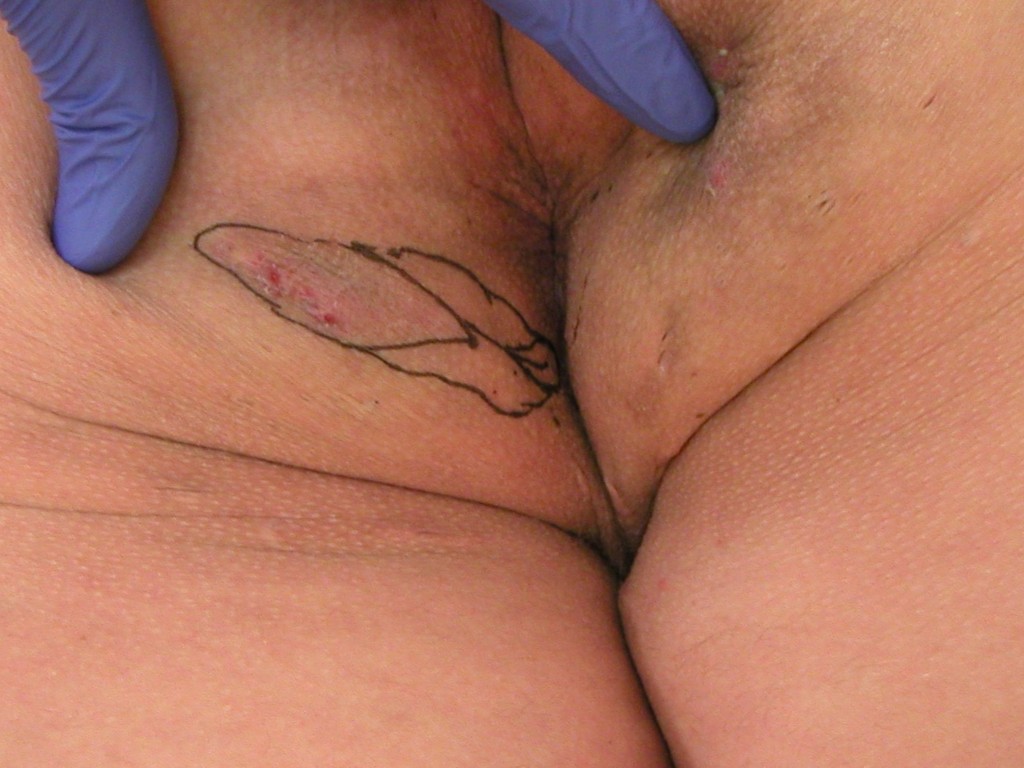
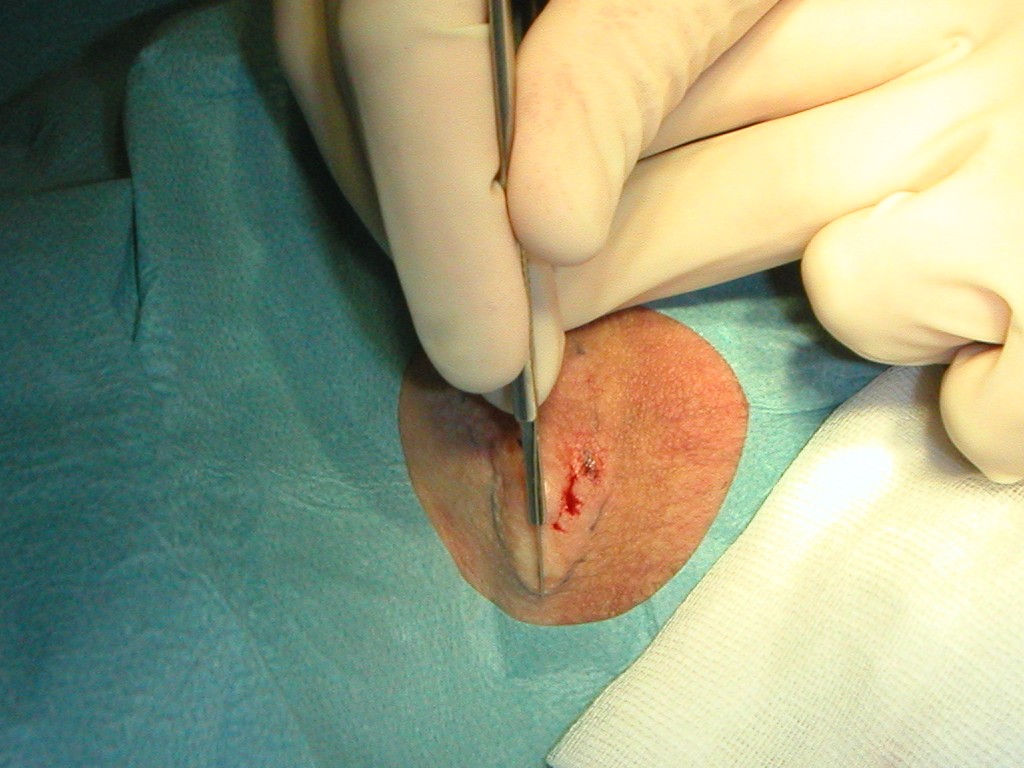
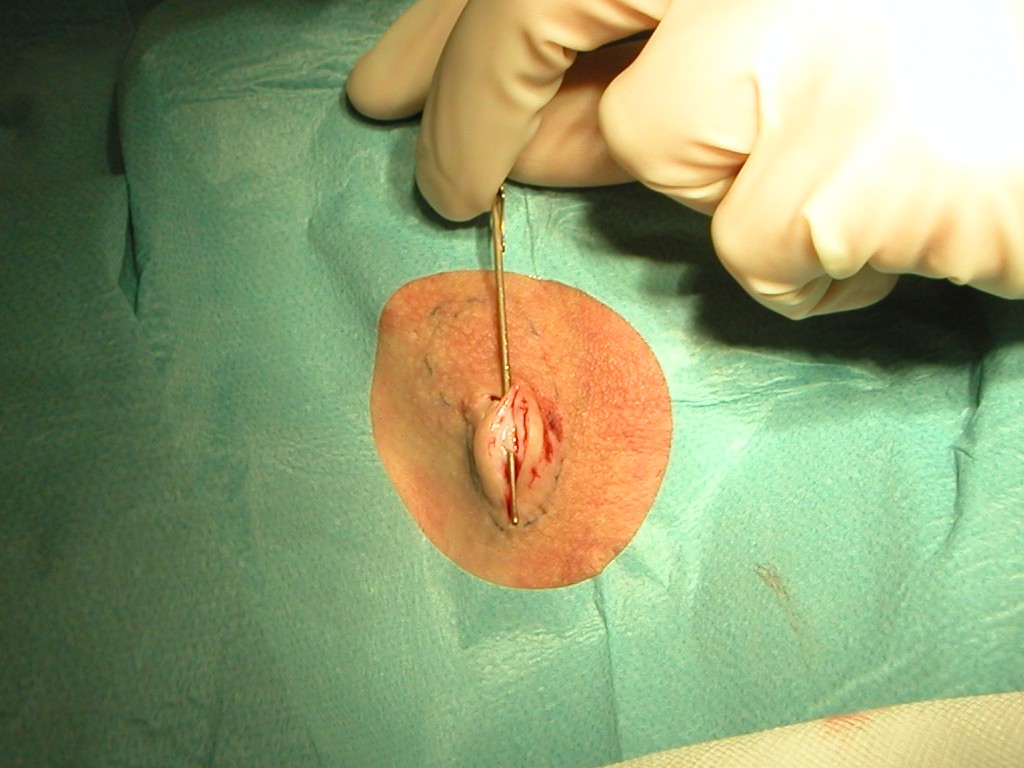
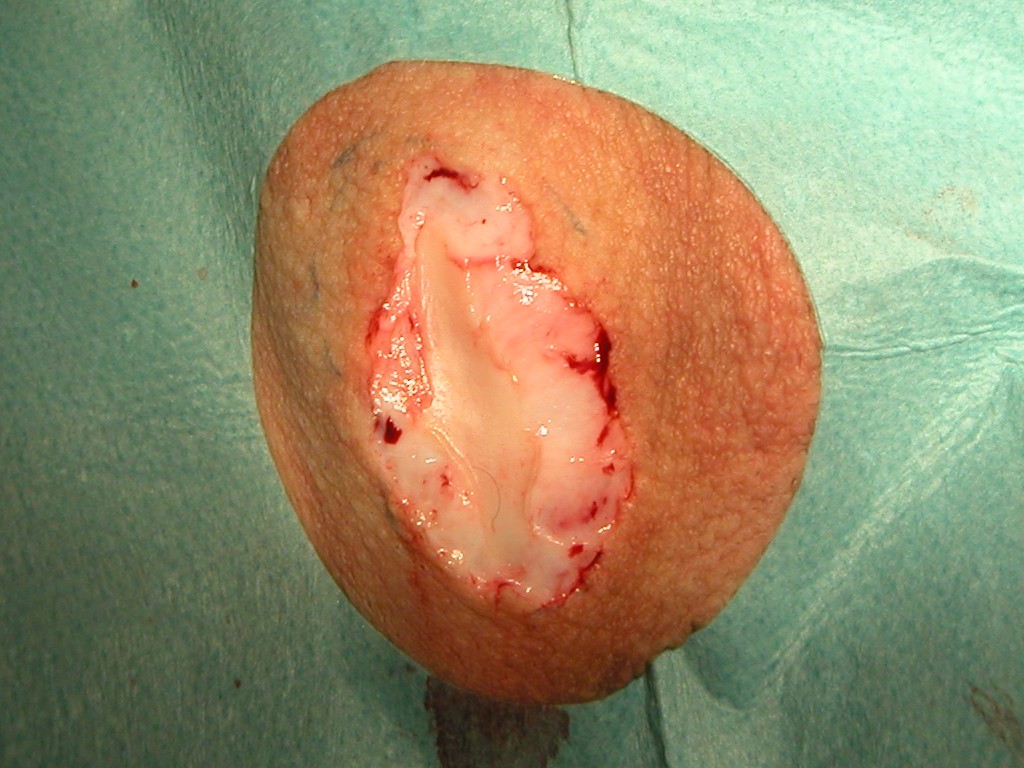
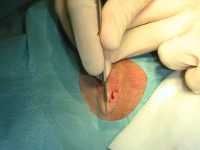
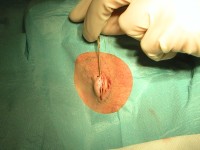
fistula on scrotum in HS |
FISTULA IN HIDRADENITIS SUPPURATIVA (HS, ACNE ECTOPICA)Hidradenitis suppurativa involves severe inflammation originating in the hair follicles. The inflammation usually occurs under the armpits, in the groin, around the anus, on the buttocks, or on the genitals. A characteristic of this disease is the development of fistulas. Patients with hidradenitis suppurativa are usually smokers. Smoking clogs the hair follicles.
In hidradenitis suppurativa, the duct of a hair follicle becomes blocked. The inside of the hair follicle is lined with skin cells. These skin cells continue to divide and eventually die off in the form of a skin flake. All these skin flakes accumulate in the hair follicle, which eventually bursts. Then, the contents (a mixture of skin flakes, sebum, and bacteria) are released under the skin. This causes inflammation, creating a cavity filled with flakes, pus, and bacteria (an abscess). This debris seeks an outlet and breaks through into the skin. At that point, a tunnel-like connection (fistula) forms between the inflamed cavity deep inside and the skin on the outside.
Once such a fistula forms, it won't go away on its own. It's a firm tunnel, lined with skin cells, and also connected deep inside to cells that produce sebum. A buildup of skin flakes and sebum quickly develops
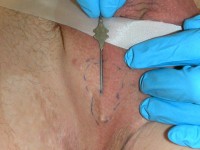
inside the tunnel, increasing in size. Bacteria are added, and every so often, all the debris exits through the fistula. A fistula can be recognized by a hole in the skin from which sebum or pus continually escapes. A probe (metal rod) can be inserted to see where the tunnel leads. Sometimes these fistulas are centimeters long, with the rod emerging through the skin centimeters further along, or the fistula extends deeper.
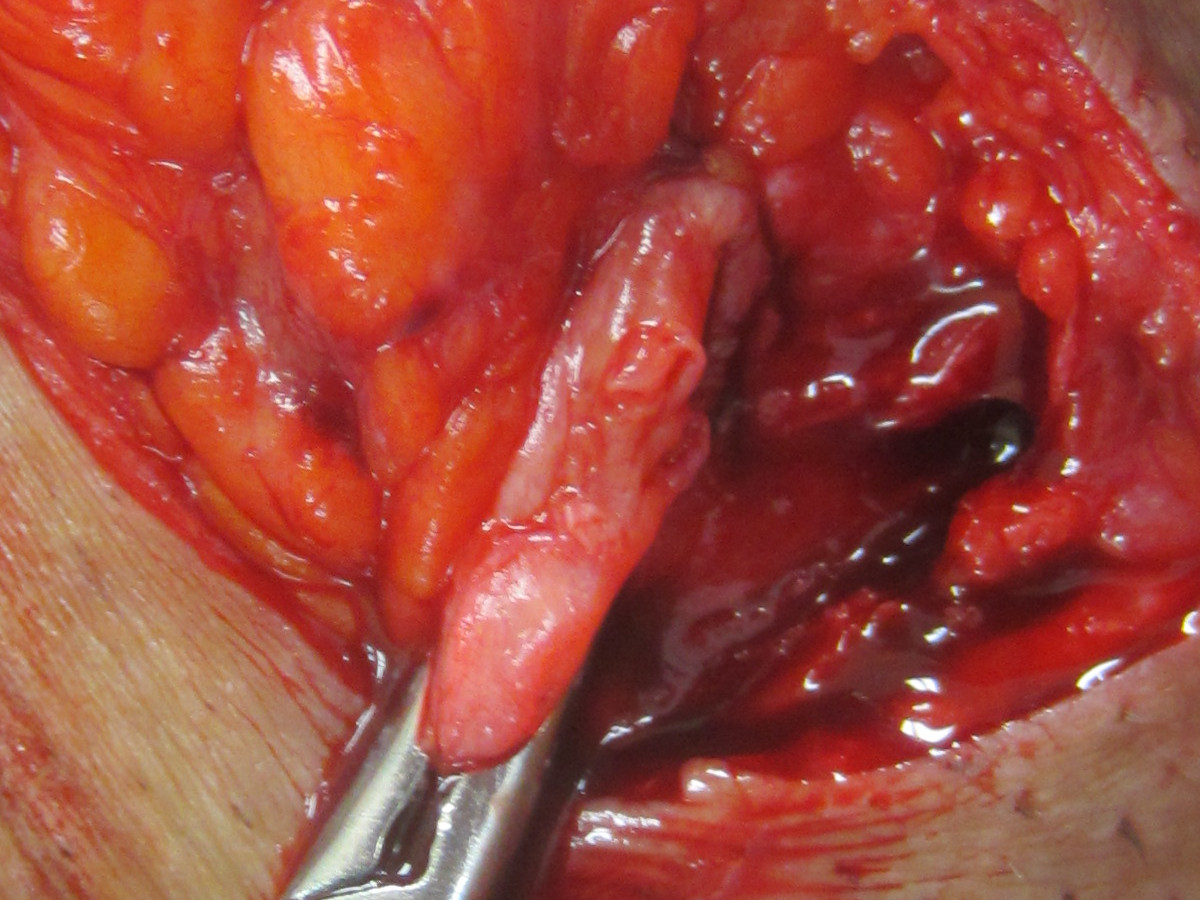
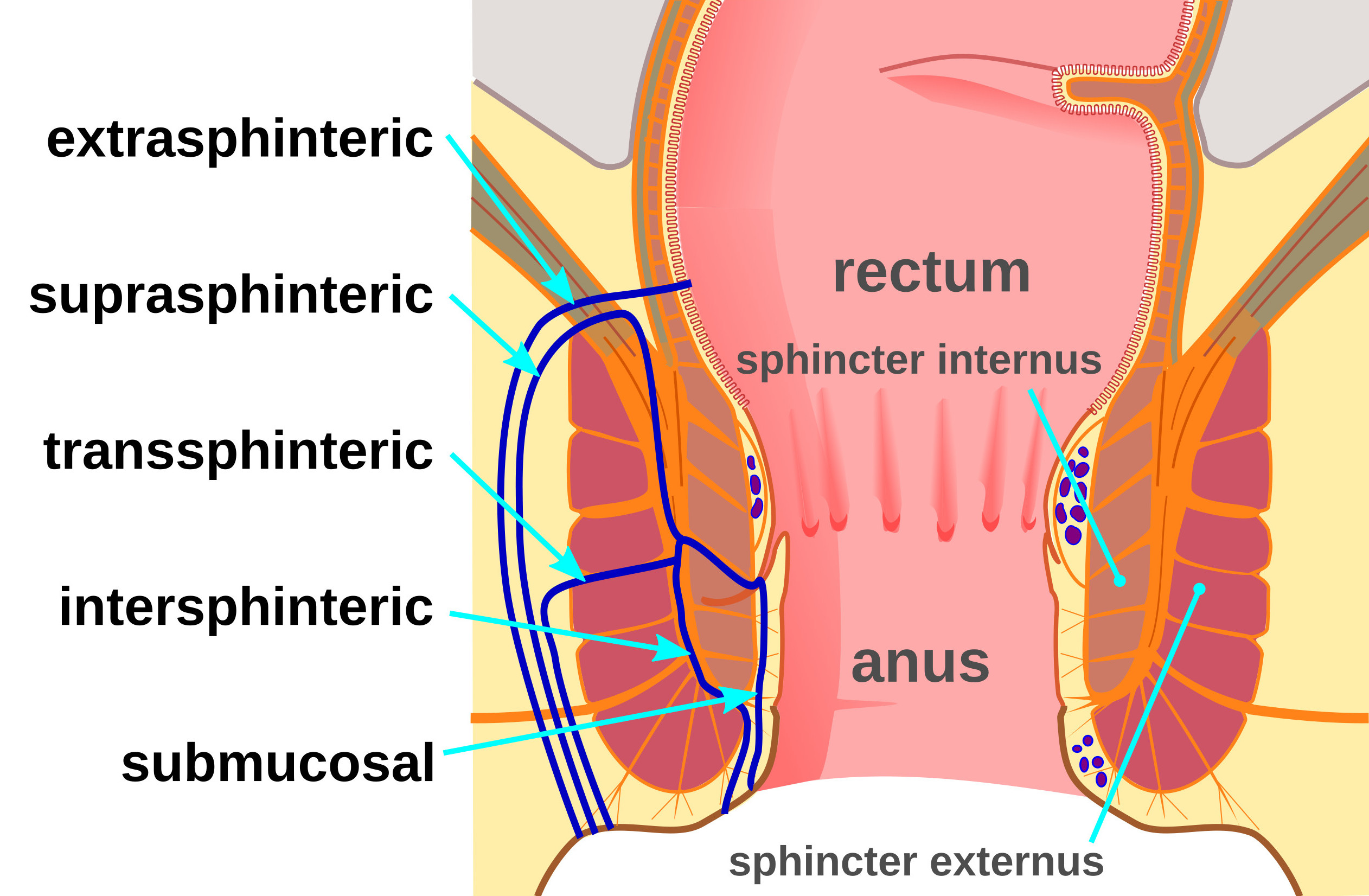
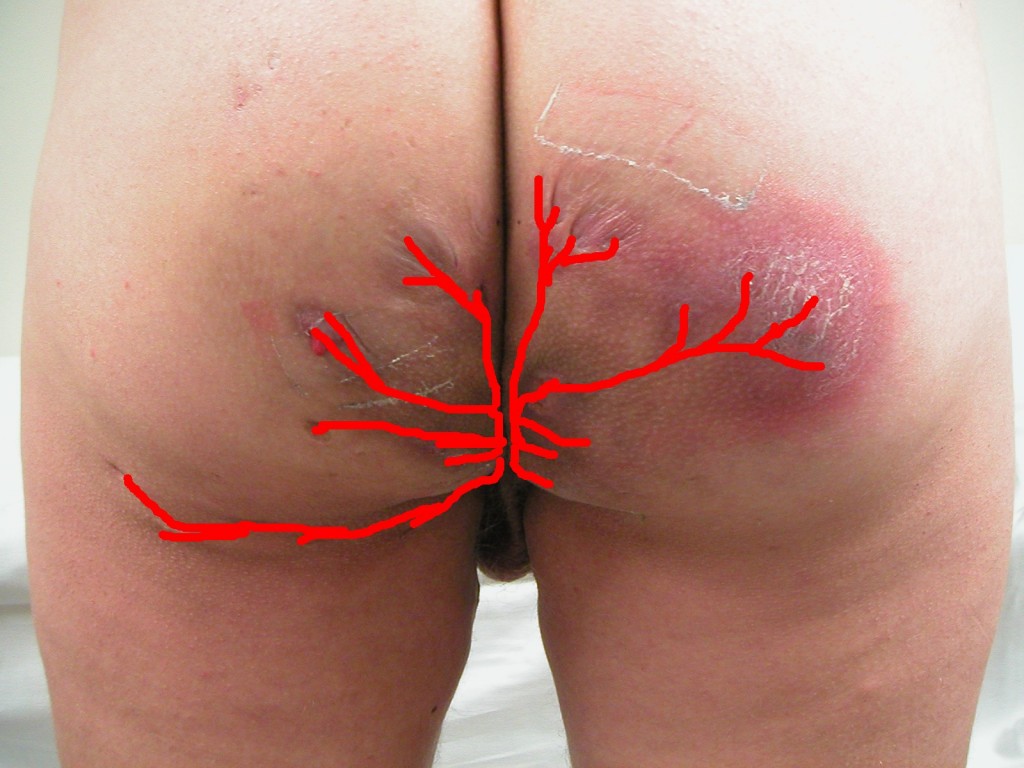
With hidradenitis suppurativa, many of these fistulas can be present. Sometimes, a whole network of tunnels is present beneath the skin, similar to subway stations and subway tubes. Or mole tunnels and molehills.PERIANAL FISTULASA perianal fistula is a fistula around the anus. According to the definition used by general surgeons, a perianal fistula is a fistula that connects to the anus. This means that a catheter can be inserted into the fistula, which then exits into the anus. See further under perianal fistula .
 |
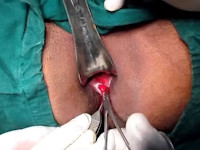 |
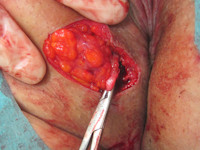 |
| perianal fistula |
perianal fistula |
perianal fistula |
Images: McortNGHH and Surgery E-learning - Wikimedia (Creative Commons License 3.0 ).
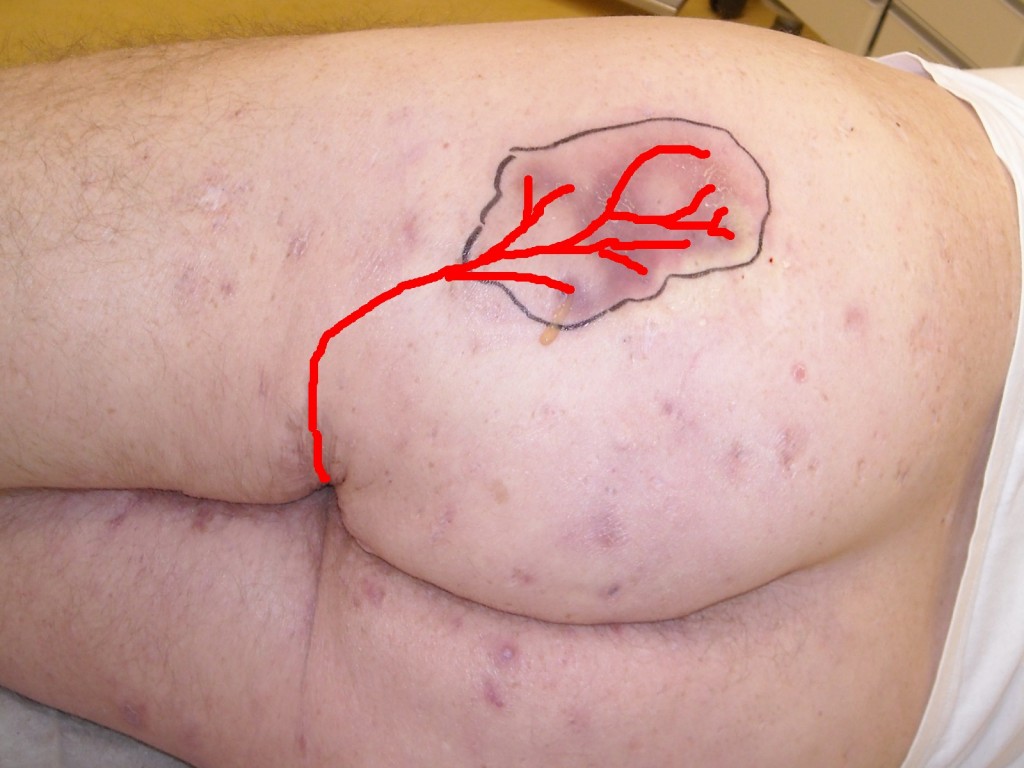
However, fistulas can also develop in the area around the anus that are not connected to the anus but radiate in all directions from the area around the anus. Patients with hidradenitis suppurativa can have these types of fistulas. This occurs primarily in men, but also in women. Over the years, these fistulas can grow several centimeters into the surrounding skin. In men, fistulas can radiate from the perianal area to both buttocks. They can also radiate towards the front and grow into the scrotum or through the inguinal folds into the lower abdomen. These types of fistulas can extend 10-20 centimeters. In women, fistulas can also radiate from the area around the anus to the front, where they can grow into the labia majora.
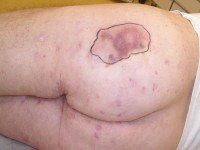 |
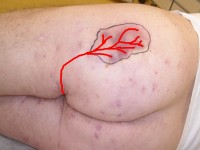 |
 |
| fistula openings on the buttock |
subcutaneous passages |
opening of the fistulas |
 |
 |
 |
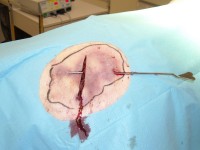
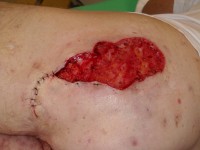
| entire area removed |
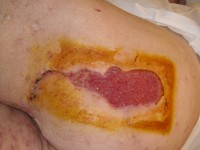
wound begins to heal |
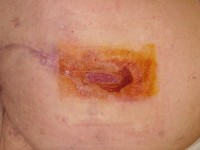
almost completely healed |
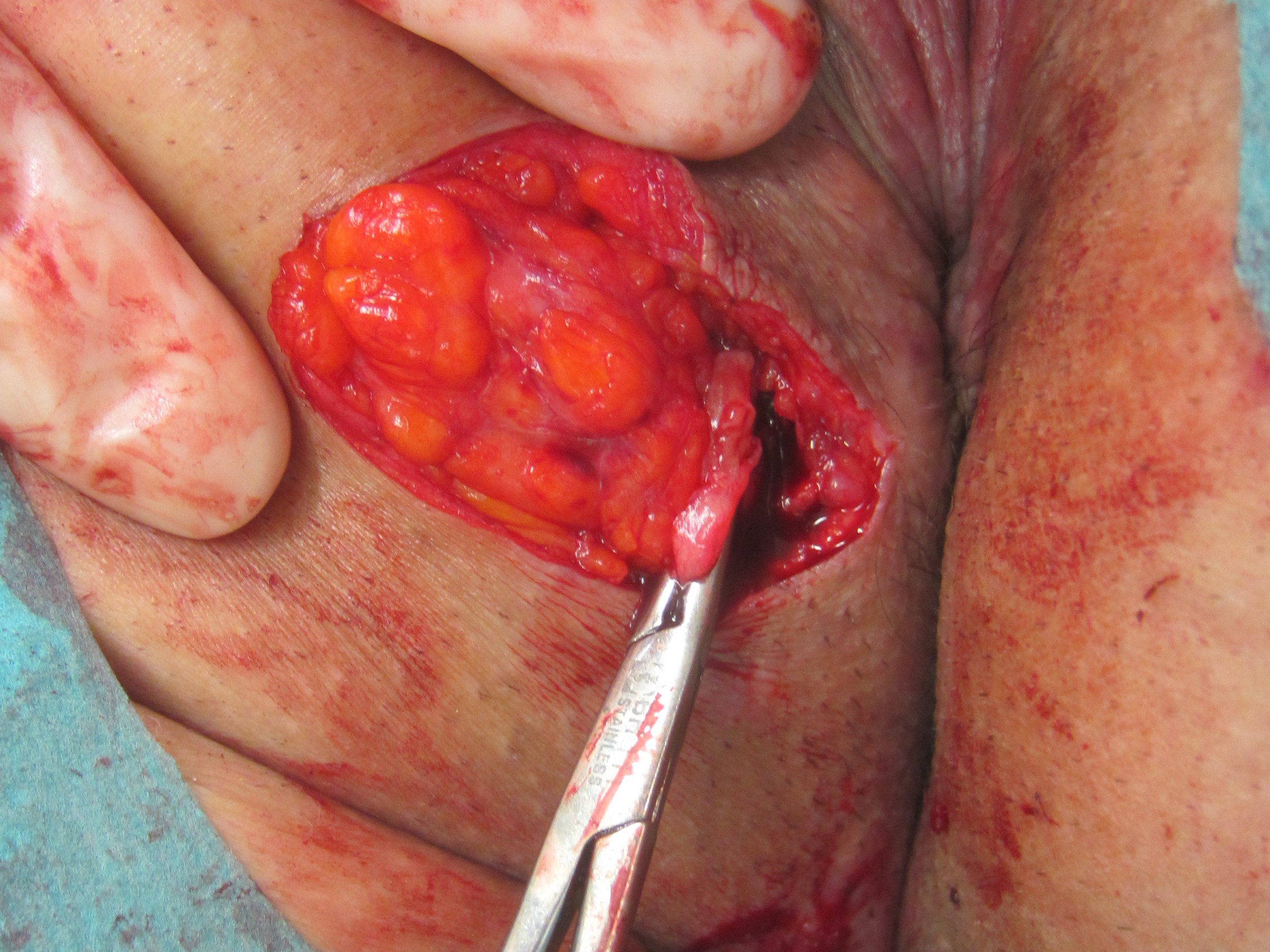
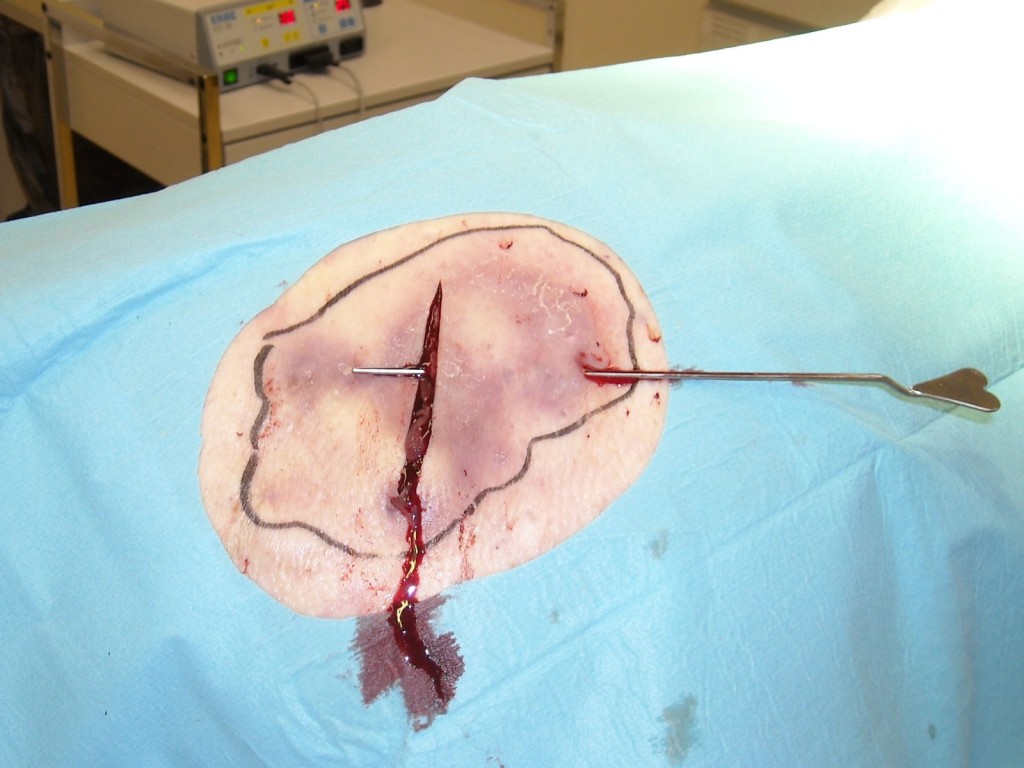
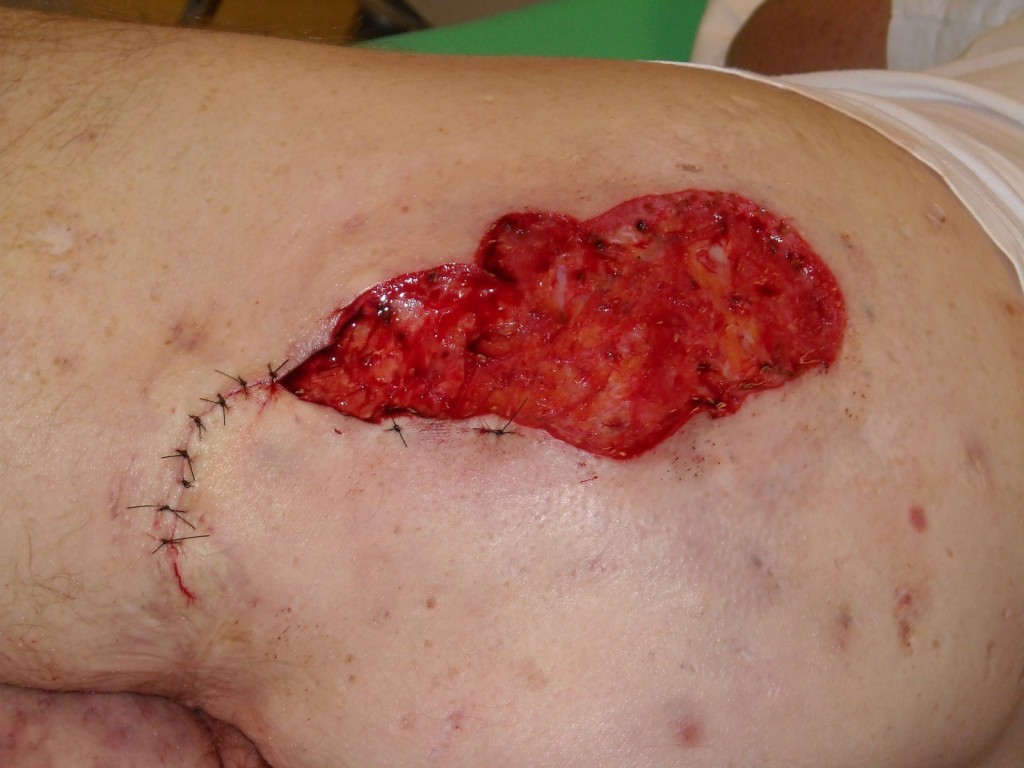
Fistulas can also develop in the groin folds or in the labia majora, without being connected to the perianal area. Fistulas can occur in the groin, around the anus, in the scrotum or around the vagina, and on the buttocks. If it affects only one location, it's simply called a fistula. If there are multiple fistulas and inflammation also occurs under the armpit or elsewhere, the diagnosis of hidradenitis suppurativa is often made.WHAT IS THE TREATMENT FOR A FISTULA?The only way to treat a fistula is surgically. Under local or general anesthesia, the fistula can be located by inserting a probe and then completely excising it. A variant method is to cut open only the top, essentially removing the roof. This is called deroofing.
It is crucial to remove all fistulas as early as possible, before it's too late. Fistulas do not respond to other treatments such as antibiotics. While antibiotics can alleviate the overall condition (less pus discharge, less inflammation), surgery alone is effective.
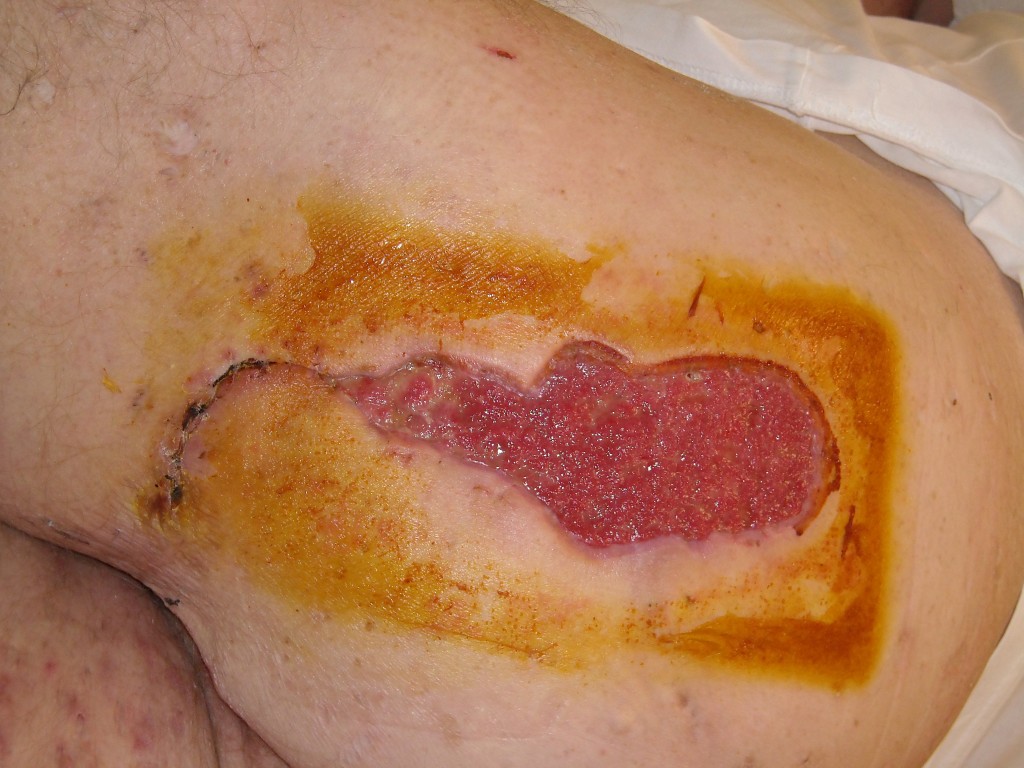
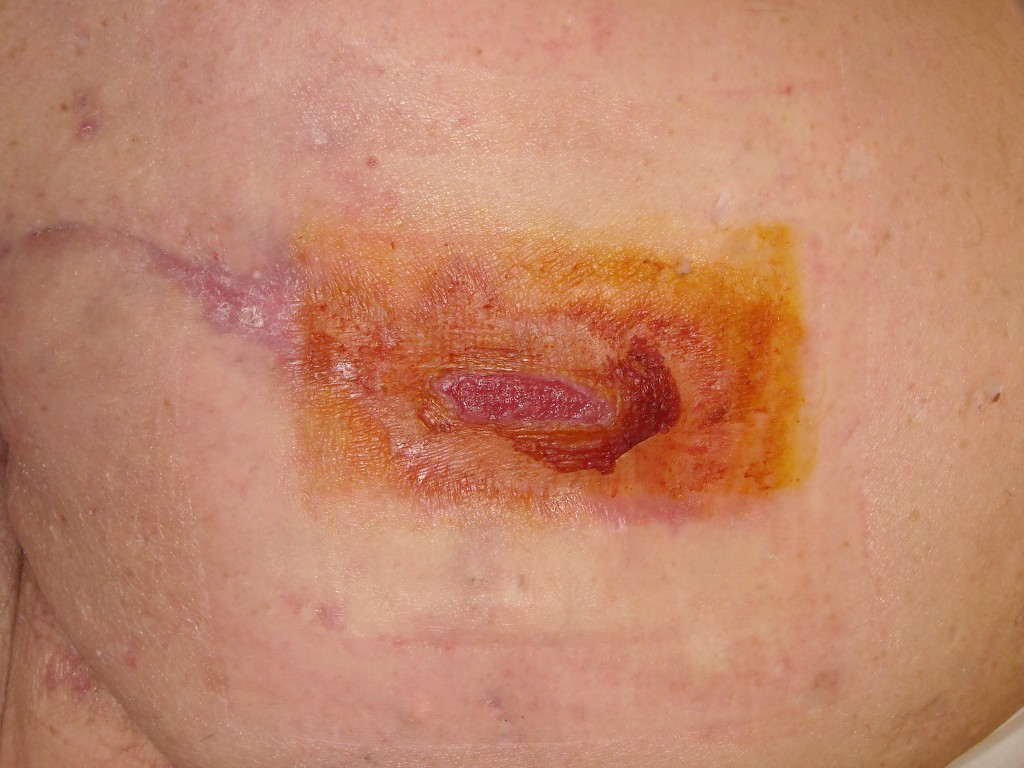
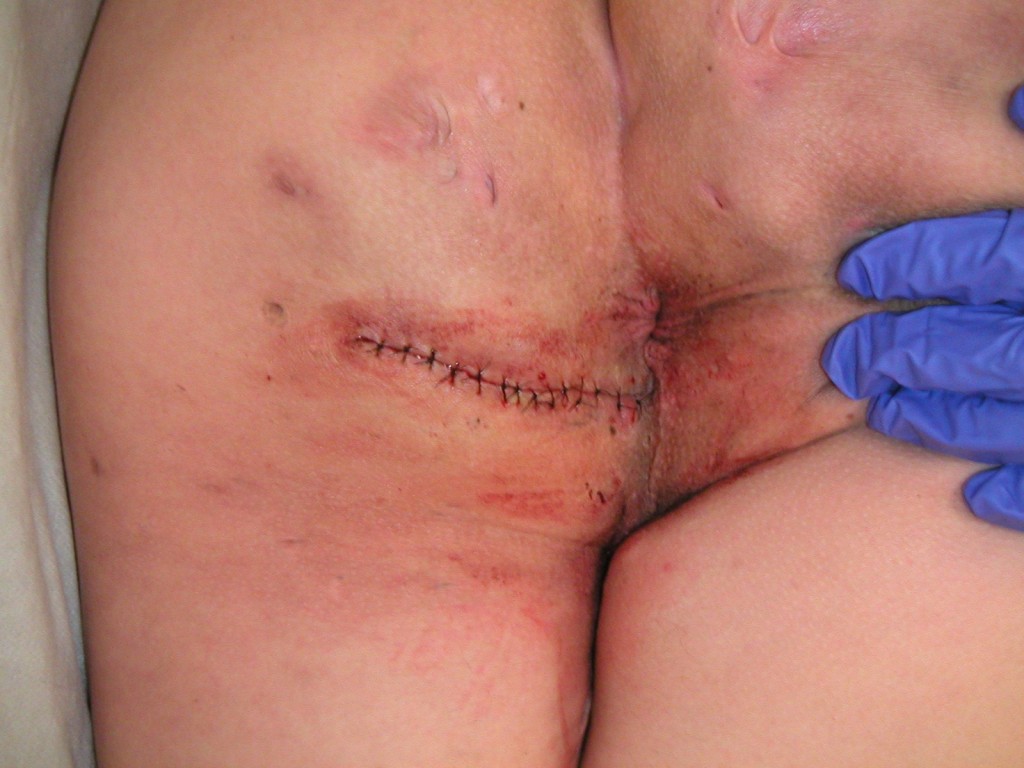
If the fistula(s) are successfully removed in their entirety, the wound can then be sutured. The wound can also be left open, allowing it to heal on its own, starting from the edges.
For more information, see the brochure: Removing fistulas in hidradenitis suppurativa .
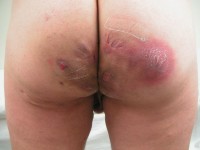 |
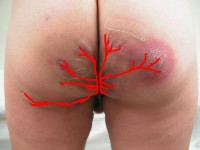 |
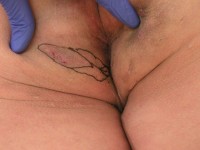 |
| fistulas on the buttock in HS |
course of the fistulas |
removing a fistula |
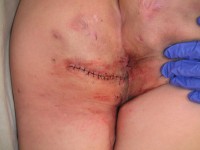 |
 |
 |
| scar after fistula removal |
remove next fistula |
scars after fistula removal |
 |
 |
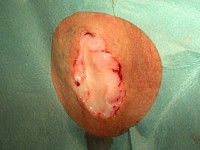 |
| fistula on scrotum in HS |
opening the fistula |
hair in the fistula floor |
|