|
WARTS (VERRUCA VULGARIS) ON HANDS OR
FEET |
 |
 WHAT ARE WARTS? WHAT ARE WARTS?
Warts are cauliflower-like growths on the skin caused by a viral infection. The virus that causes warts is called
human papilloma virus (HPV). Warts are contagious; you can catch them through contact with someone who has warts.
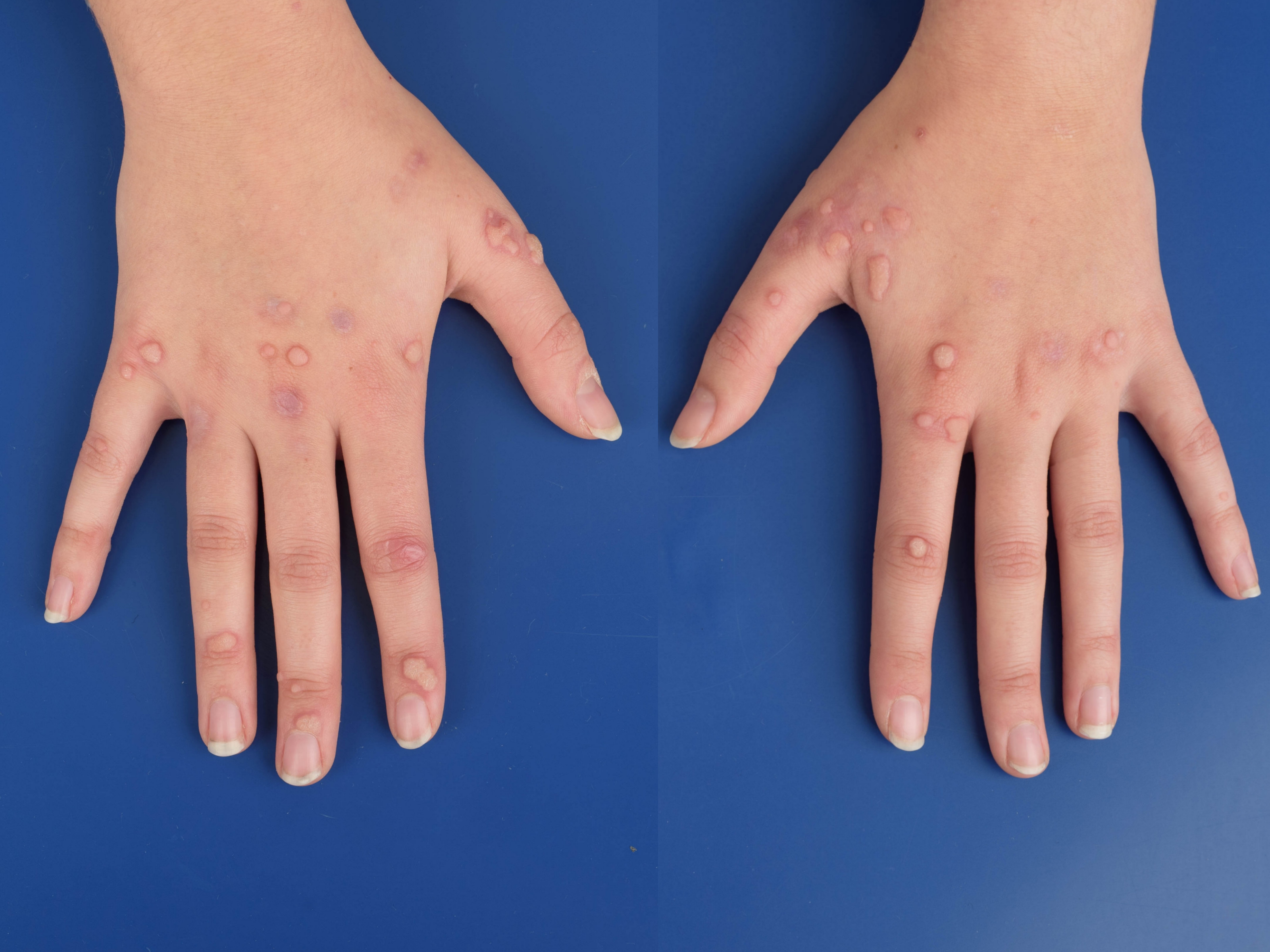
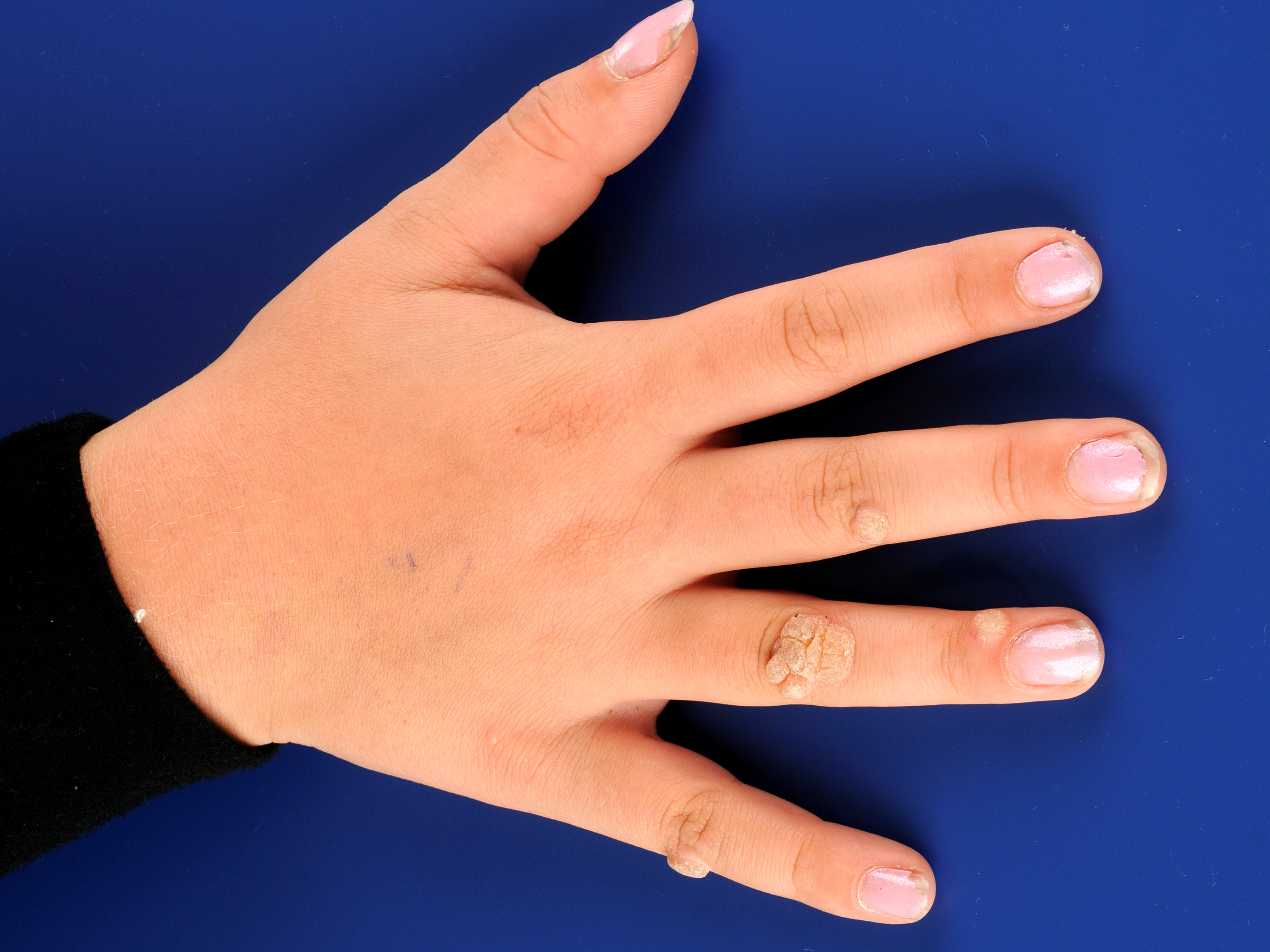
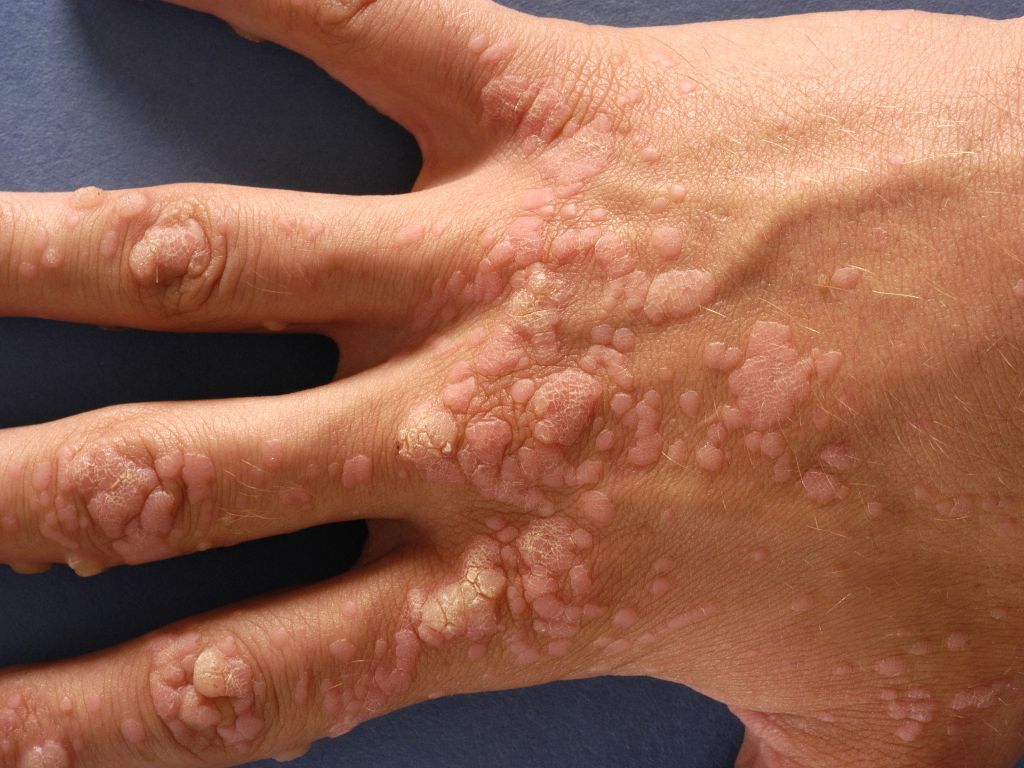
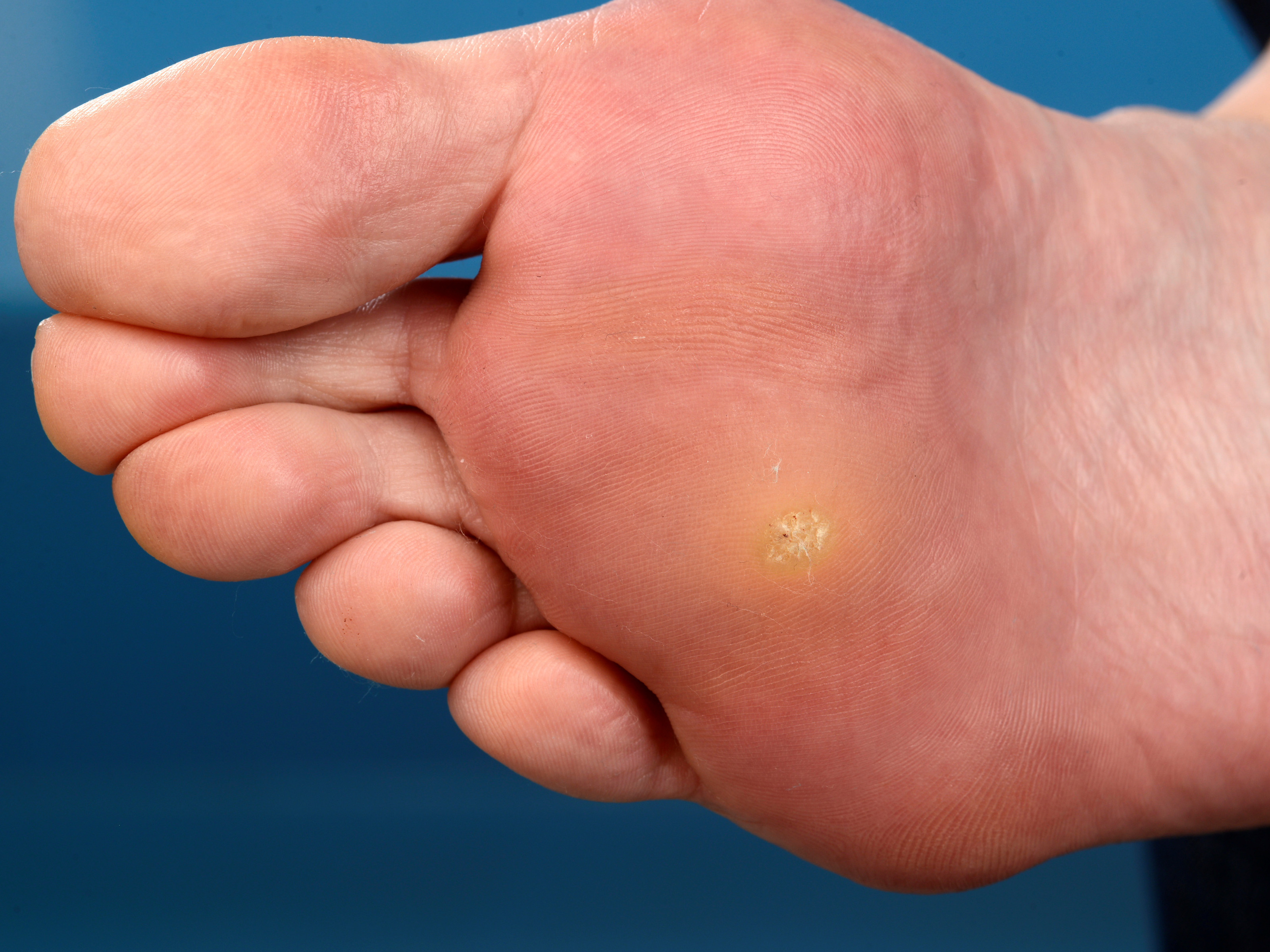
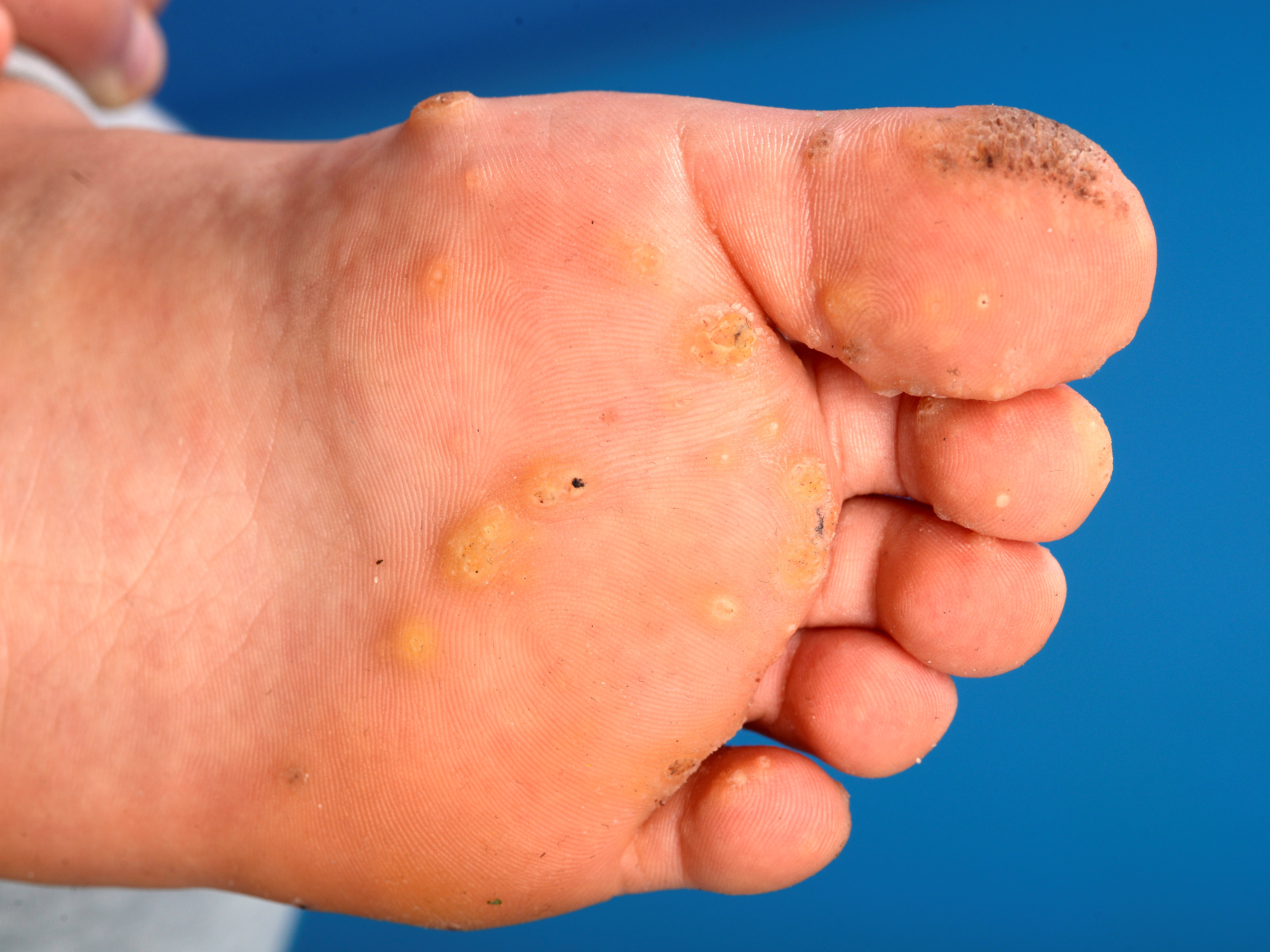
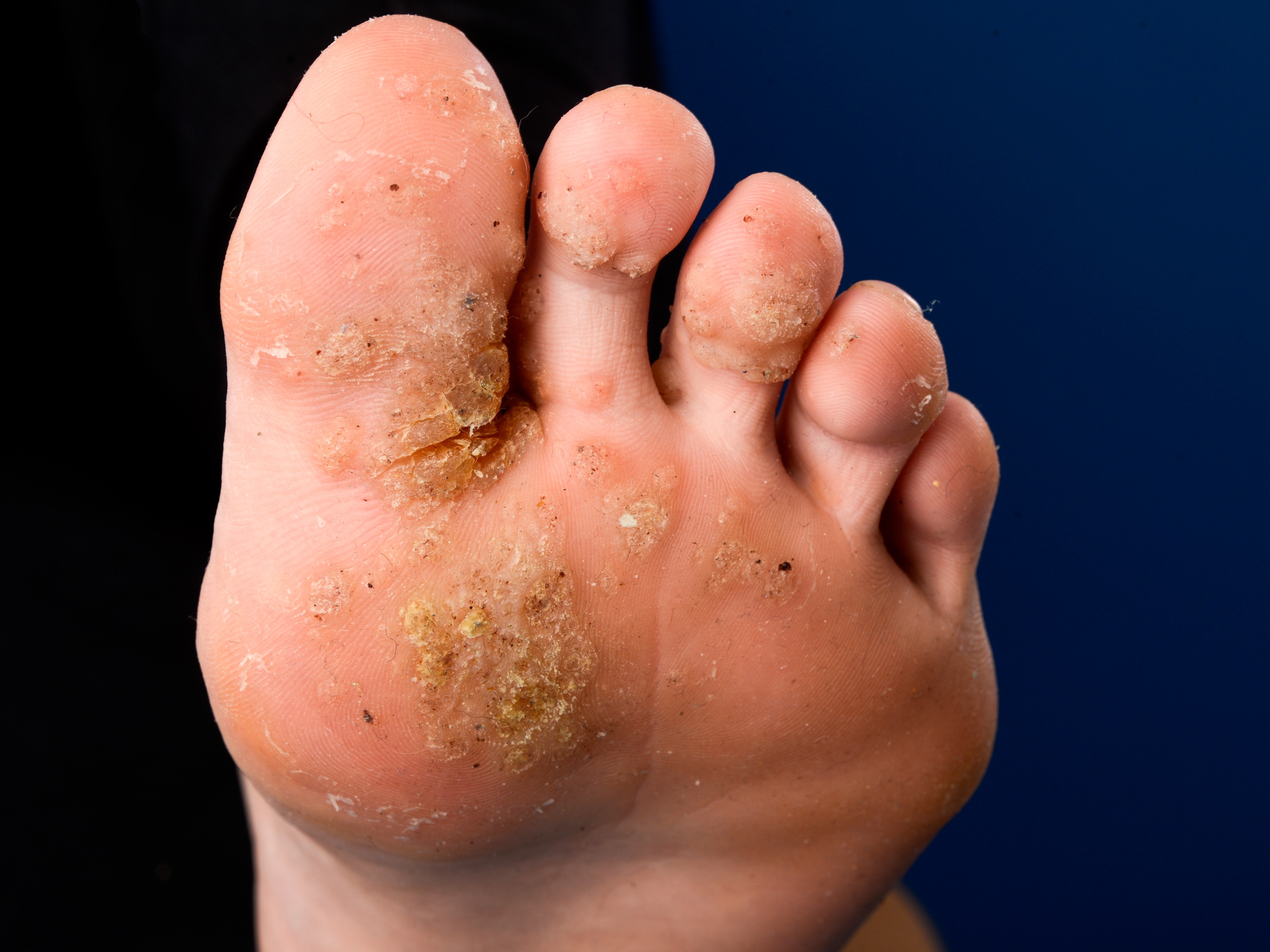
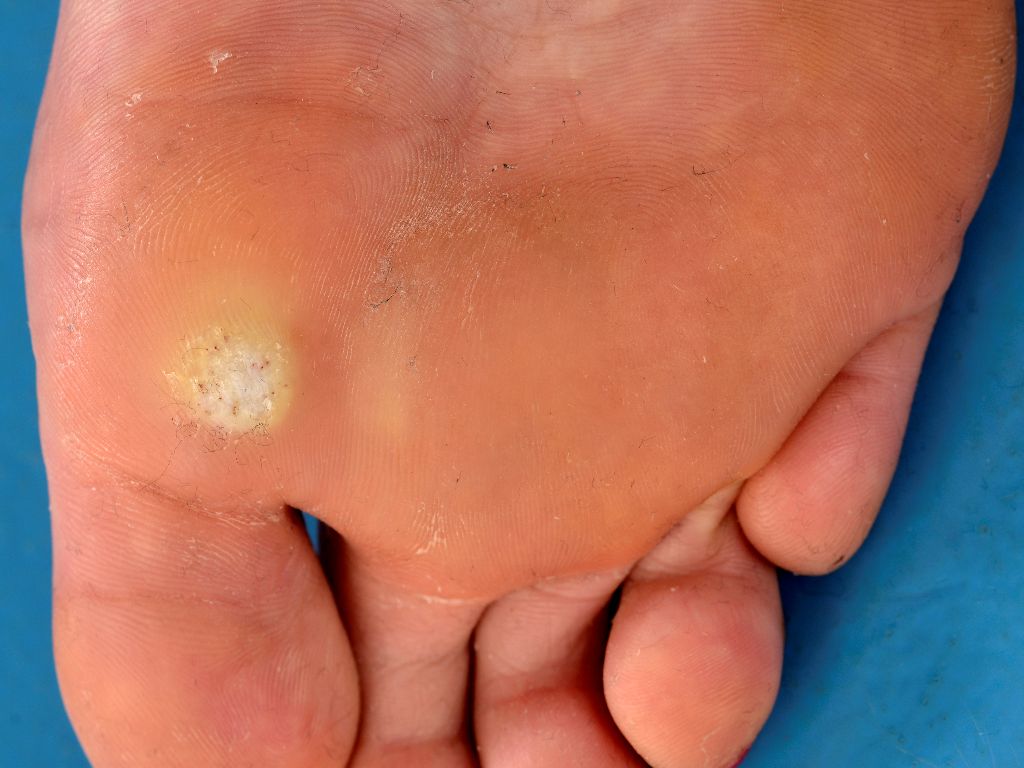
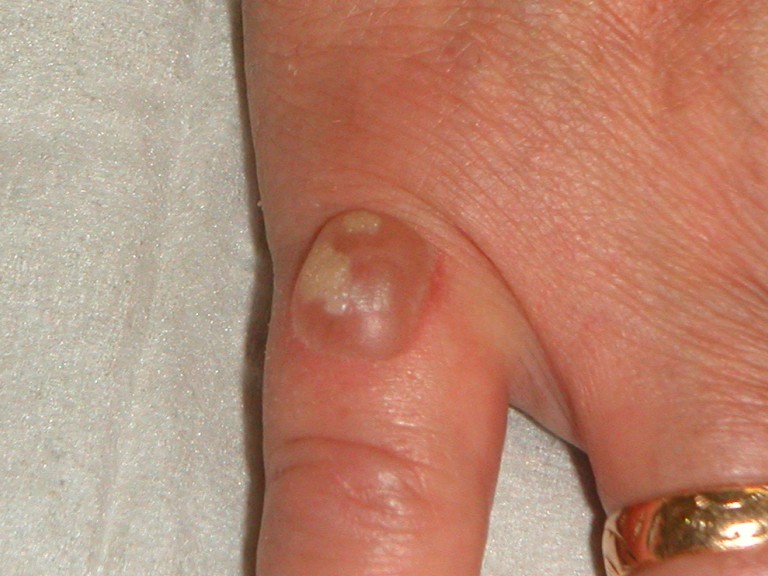
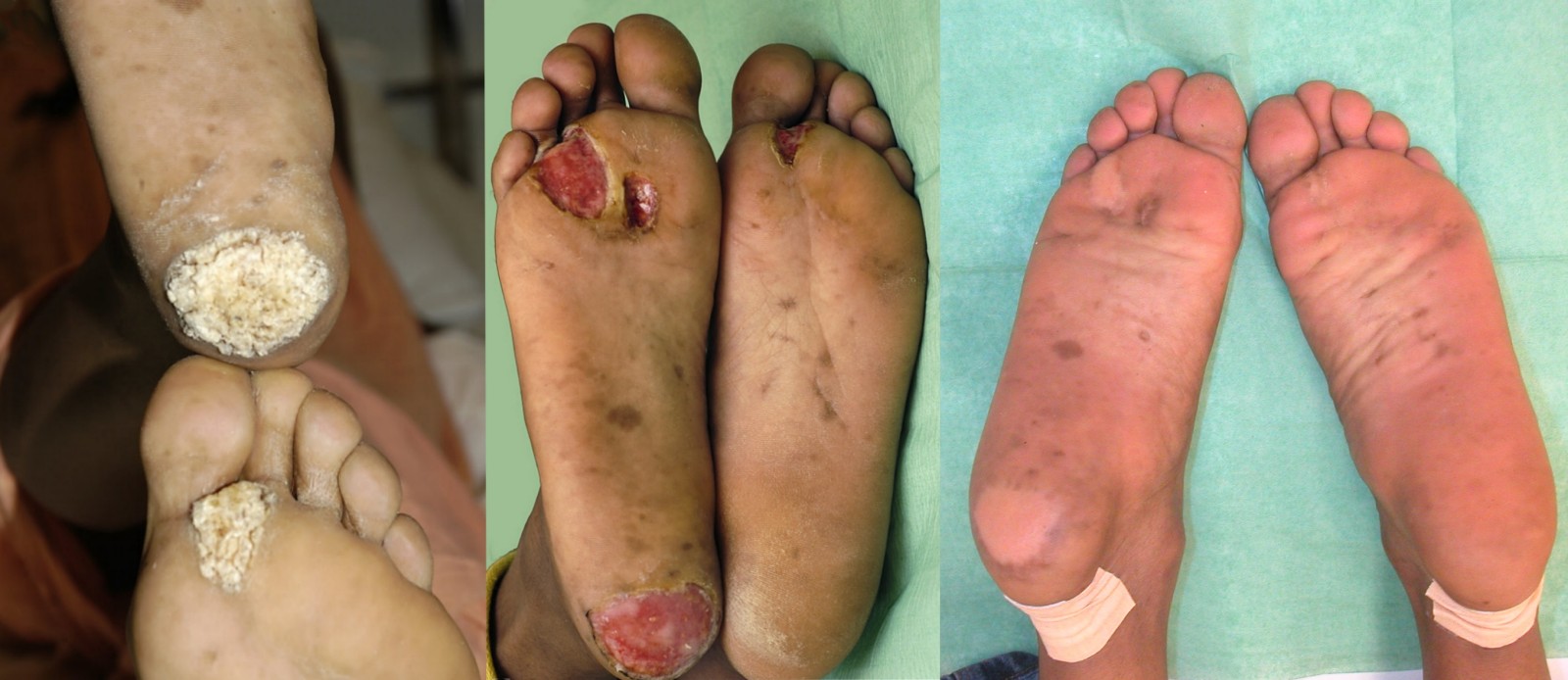
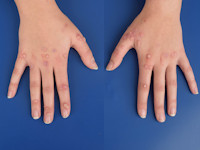
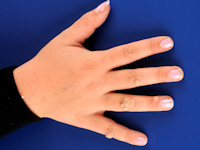
The medical term for wart is verruca. There are different types of warts. The common wart (verruca vulgaris) is usually found on the fingers or hands, or on the sole of the foot, and is often contracted at a young age. Warts on the sole of the foot are also called
verruca plantaris.
 |
 |
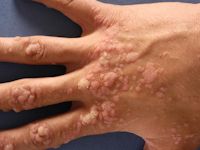 |
warts on the hand
(verruca vulgaris) |
warts on the hand
(verruca vulgaris) |
warts on the hand
(verruca vulgaris) |
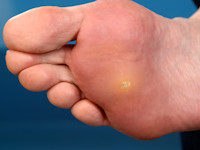 |
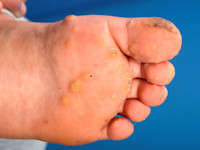 |
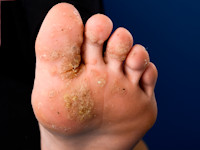 |
warts on the foot
(verruca plantaris) |
warts on the foot
(verruca plantaris) |
warts on the foot
(verruca plantaris) |
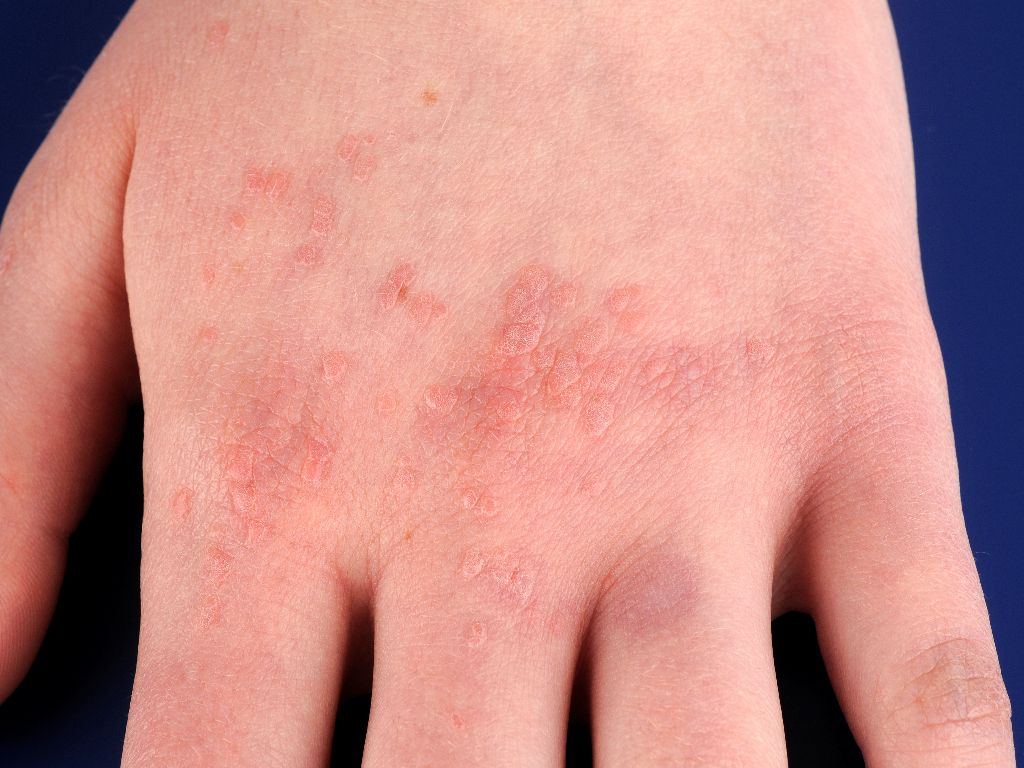
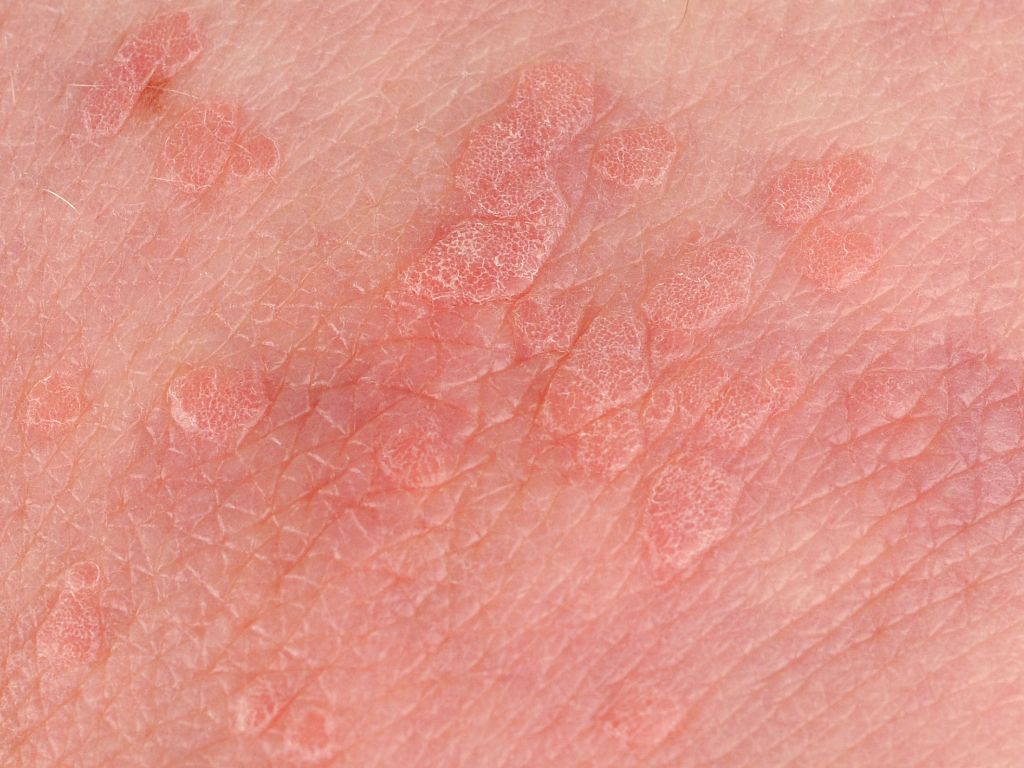
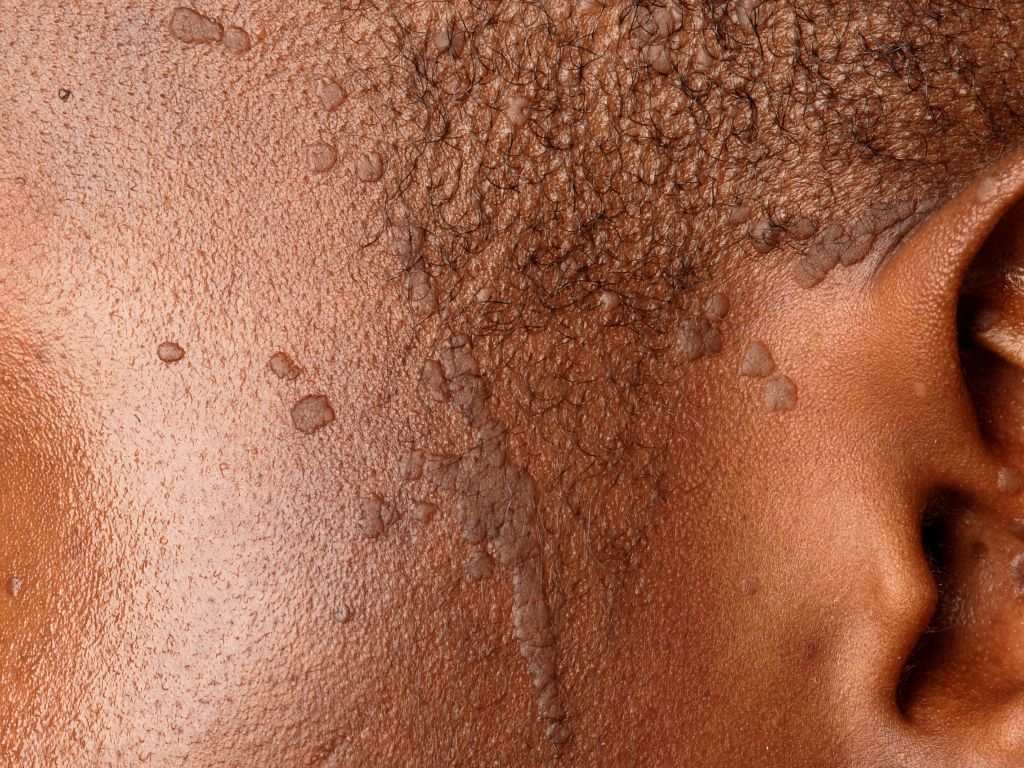
There are also flat warts (verruca plana). These are smaller, often 1-3 mm in size, barely protruding, sometimes almost invisible, and often occur in clusters. These types of warts are mainly found on the backs of the hands, forearms, legs, and sometimes on the face or neck.
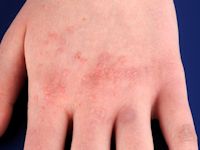 |
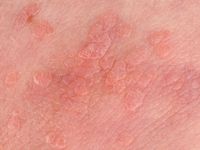 |
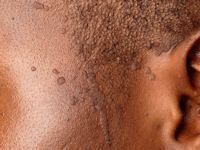 |
|
flat warts (verruca plana) |
flat warts (verruca plana) |
flat warts (verruca plana) |
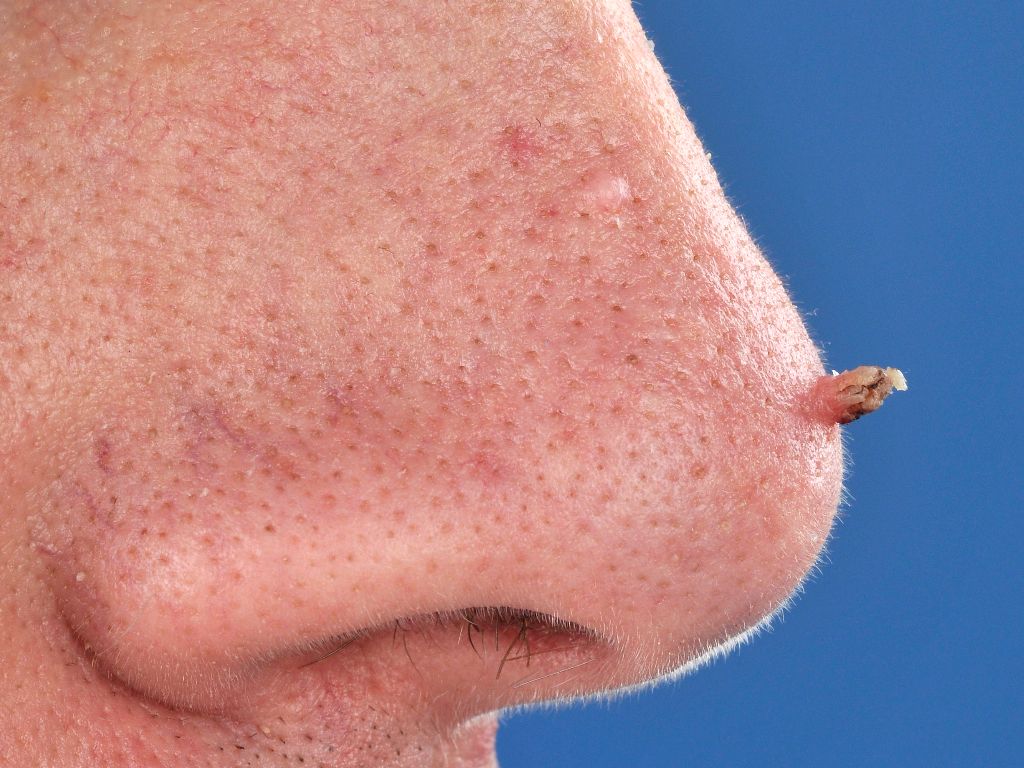
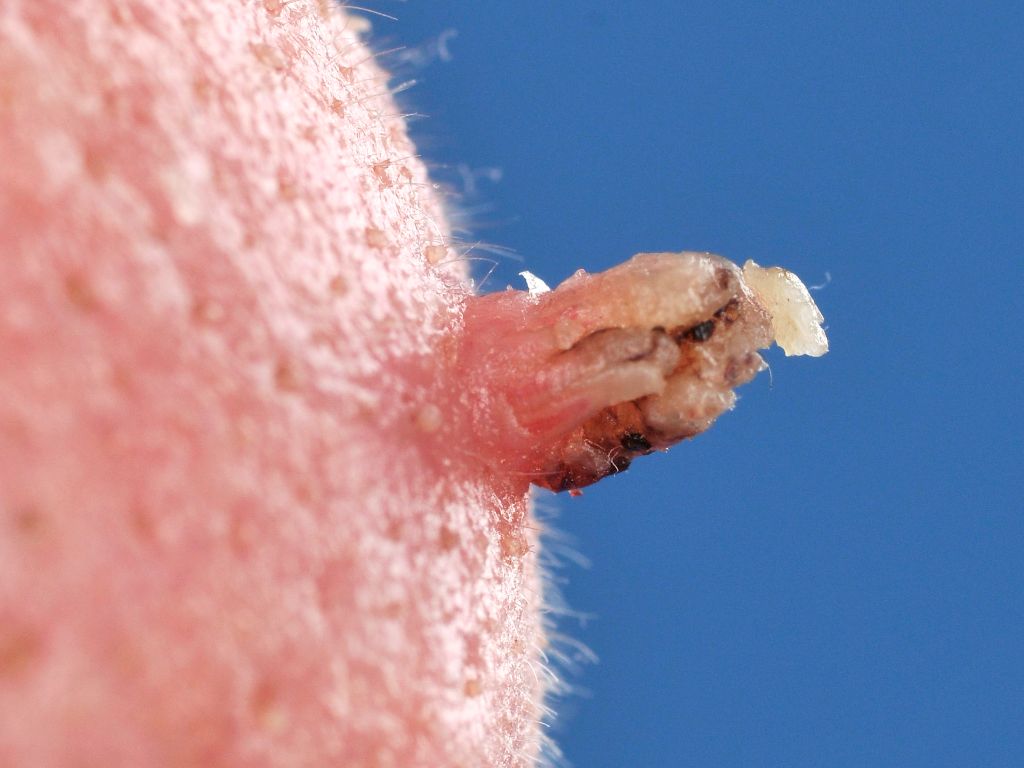
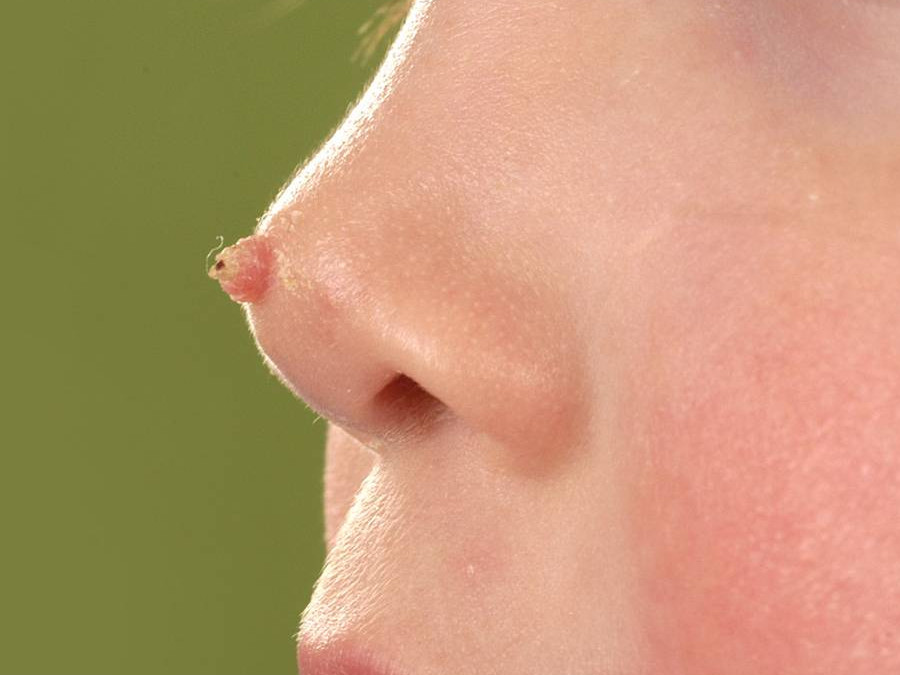
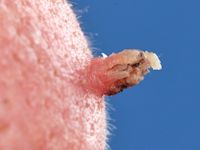
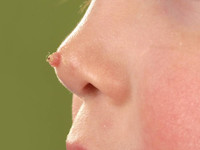
Another variant is the pointed wart or
thread-like wart (verruca filliformis). This is a wart that is very thin and very long. This type of wart is most commonly found on the face, for example on the eyelids, on the nose, or on or around the lips.
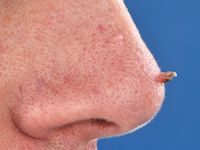 |
 |
 |
|
verruca filliformis |
verruca filliformis |
verruca filliformis |
Warts can also be transmitted through sexual contact. This is a different type of wart, the
genital wart, also known as
condyloma acuminata. These warts are also caused by an HPV virus, but by a different type. See
genital warts (condylomas) for more information.
Seborrheic warts (seborrheic
keratosis, verruca seborroica) are something
completely different. These are brownish wart-like bumps, which usually appear on the torso and develop in older age. It is not known exactly how
seborrheic warts develop, but they do not appear to be caused by a virus. See
seborrheic warts for more information.
This leaflet only deals with common warts (verruca vulgaris).
HOW DOES A WART DEVELOP?
Warts are caused by an infection of the skin with the human papillomavirus. This is a contagious virus. You can get a wart through contact with someone who has warts, for example by shaking hands with someone who has warts on their hands. Foot warts are contracted in gyms and showers,
probably by walking on infected skin flakes. After infection, it can take 2 to 6 months, and sometimes up to a year, before the wart is large enough to be visible.
WHO CAN GET WARTS?
Anyone can get warts, and most people have already contracted hand or foot warts at a young age, for example in elementary school. Some people are more susceptible than others. Most people only suffer from warts for a few months or a few years, because their immune system clears them up. Warts usually go away on their own. Unfortunately, this is not the case for everyone; some people suffer from them for years, and foot warts in particular can be very stubborn. Patients with a compromised immune system are prone to warts, which can also become very large and untreatable. This occurs in HIV patients, in patients who use immunosuppressive drugs such as prednisone or cyclosporine, and in children and adults who have a poorly functioning immune system.
Warts are more likely to develop if the skin is damaged. Warts can spread through scratches in the skin or through scratching, especially in the case of small flat warts (verruca plana).
WHAT ARE THE SYMPTOMS?
Warts on the fingers or hands are often small, round, cauliflower-like bumps. They can also occur under the nail. Foot warts can be of the same type, but they can also be flattened or grow deep into the skin. Deeply ingrown warts occur mainly on the sole of the foot and can cause pain.
HOW IS THE DIAGNOSIS MADE?
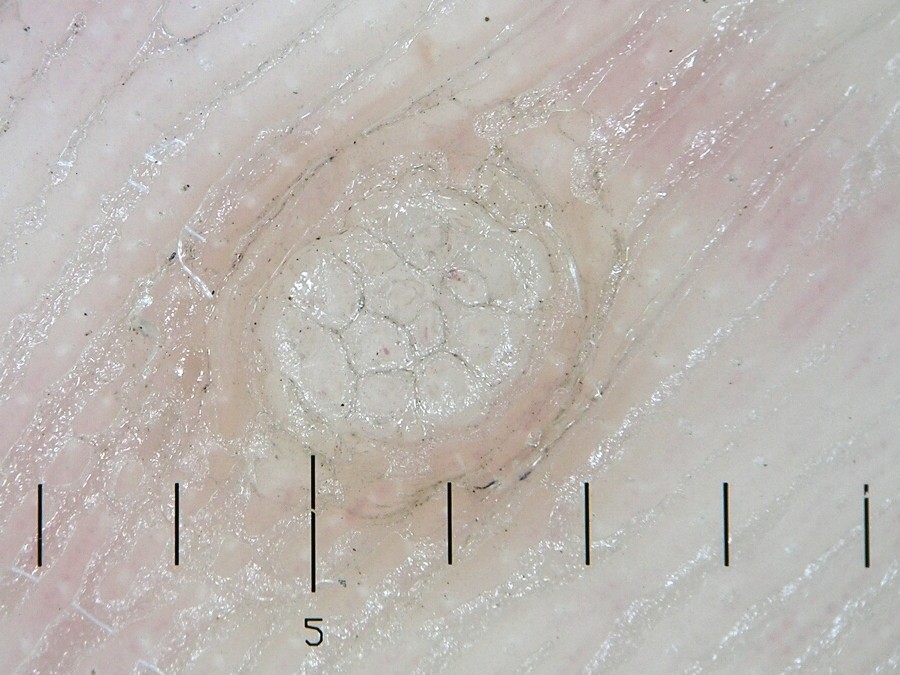
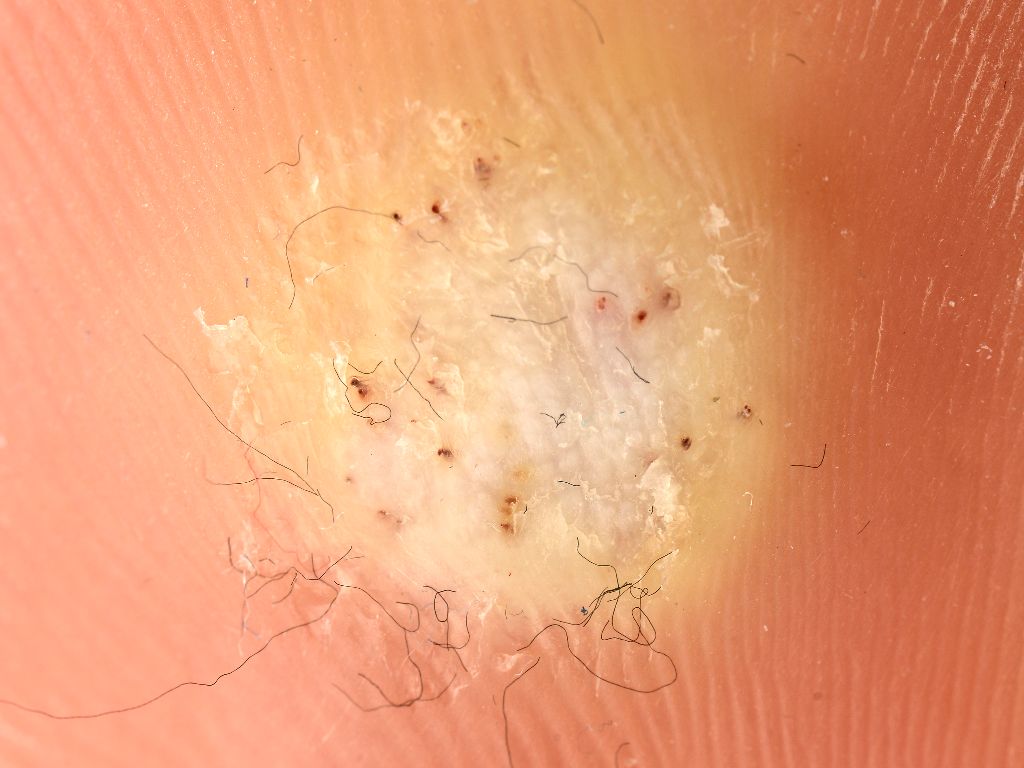
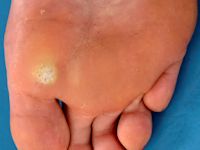
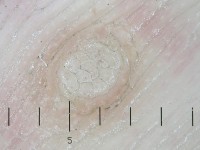
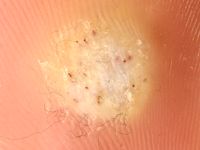
The diagnosis is made based on the clinical picture, on how it looks. They are easy to recognize. Occasionally, there may be confusion with a corn, if it is a wart that is located exactly on a pressure point. By cutting away or scraping off some skin flakes with a knife, layer by layer, one can see the difference. At a certain point, black dots appear on a wart. These are clotted blood (pinpoint hemorrhages) from blood vessels that can be found high up in the wart.
 |
 |
 |
|
plantar wart (verruca plantaris) |
dermatoscopy |
pinpoint hemorrhages |
HOW ARE FOOT AND HAND WARTS TREATED?
Because warts usually go away on their own, treatment is not always necessary. You can also wait and see. Because warts mainly occur in children and all treatments are painful, it is not such a bad idea to wait and see. In approximately two-thirds of patients, the warts disappear spontaneously within two years.
Treatment is useful if the warts cause symptoms (pain), are cosmetically very disturbing, or do not go away on their own.
All treatments are aimed at killing the virus. Because the virus has grown into the living part of the skin, most treatments are painful. Sometimes it is sufficient to partially remove and irritate the wart, after which the body's own immune system is stimulated and clears the wart. There are also creams available (Aldara, imiquimod) that stimulate the body's own immune system. However, for common warts, there are simpler and cheaper methods.
Treatment with wart tinctures
There are various spot-on liquids (wart tinctures) and ointments on the market that can be applied to warts. Most of these contain an acid (salicylic acid) that softens and dissolves the upper layer of skin, the stratum corneum. Other additives may include lactic acid or ditranol. These spot-on liquids must be applied every day, and it is best to cover them with a plaster. Warts cause thickening of the skin, and the aggressive chemicals in the spot-on liquids dissolve the stratum corneum and ultimately also
attack the wart. The skin can be damaged by these products, but that is also the intention. It helps to remove as much of the horny layer as possible yourself every day with a blade, callus file, pumice stone, or sandpaper. Another option is to soften the warts by soaking your feet in warm water for 15 minutes. Once the wart appears to have disappeared, it is advisable to continue for another two weeks to be on the safe side. The treatment can be painful, as the skin around the wart becomes damaged and irritated.
Freezing with liquid nitrogen
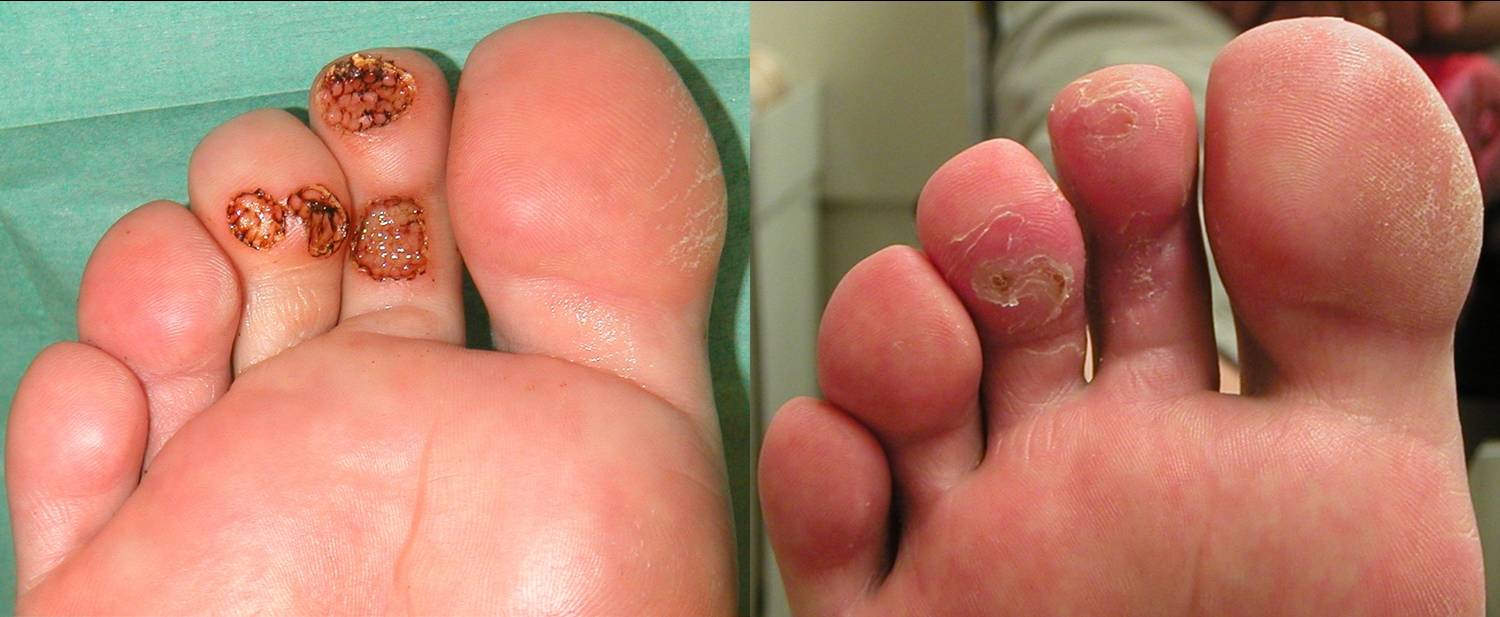
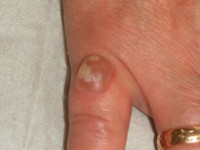
A wart can be frozen with liquid nitrogen. Liquid nitrogen is very cold (196 degrees below zero). It is supplied in steel containers. It is available in hospitals, and general practitioners can order it for wart consultations. The nitrogen can be sprayed onto the skin with an aerosol can, or alternatively, a cotton ball can be dipped in the nitrogen and then placed on the skin. The aim is to freeze the wart and a small area of skin around it. The freezing damages the skin, creating a frostbite wound. Ideally, a thick blister will form, which will then fall off, taking the wart with it. The skin heals within 4 to 7 days. The treatment often needs to be repeated several times. It can be combined with the application of topical liquids or ointments. Freezing warts is painful, especially around the nails. Blood blisters and wounds may develop, and color differences or scars may remain. Warts around the nail are difficult to treat. Sometimes the nail has to be removed. Freezing the skin around the nail can cause permanent damage to the nail.
Freezing warts is a common treatment for hand warts, but foot warts do not respond as well. This is because the skin on the sole of the foot is much thicker and has a thick horny layer. The freezing does not penetrate deeply enough. Skin infected with the wart virus remains and the wart grows back.
 |
|
wart after freezing |
Treatment with caustic chemical liquids
Warts can be treated in the doctor's office with caustic chemicals such as monochloroacetic acid, dichloroacetic acid, and trichloroacetic acid. These are aggressive corrosive substances, which are mainly used for thick warts on the palms of the hands and soles of the feet. They are applied to the wart with a wooden stick that has been dipped in the liquid. This also has to be repeated several times and can be painful.
Surgical removal
Warts can be cut out with a scalpel or scraped out with a sharp spoon, after prior anesthesia by means of injections. The wound is then cauterized with an electrocoagulation device. This offers a reasonably good chance of success (approximately 80%). The disadvantage is the risk of permanent scarring, and the anesthesia is painful. The sole of the foot is not easy to anesthetize; injecting the anesthetic into the thick skin of the sole of the foot is difficult and painful.
Cauterization (electrocoagulation) or laser removal with a CO2 laser
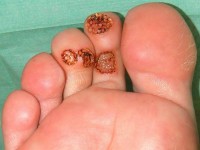
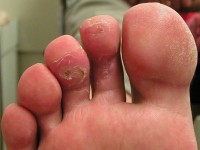
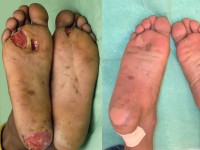
The wart and the surrounding skin can be burned away by means of electrocoagulation. The electrocoagulation device has a small ball or electric loop that becomes very hot. The skin is first anesthetized and then the wart is removed layer by layer in its entirety. This is better and more accurate than freezing, as the heat kills the virus. The CO2 laser works in the same way, allowing the wart to be burned away very precisely, layer by layer. The disadvantage of these techniques is the anesthesia required and the scars that remain. Unfortunately, for stubborn foot warts, there is sometimes no other option.
 |
 |
 |
|
electrocoagulation |
electrocoagulation |
electrocoagulation |
Other treatments
For very stubborn warts, there are a few other special treatments available, such as injecting a substance that inhibits cell division (bleomycin), applying cell division-inhibiting creams (Efudix, 5-fluorouracil), stimulating the immune system with products such as imiquimod or interferon, and
irradiating the plantar wart with X-rays (radiotherapy). These are all exceptional methods that are rarely used, and it is difficult to predict whether they will be effective.
WHAT CAN YOU DO YOURSELF?
It is almost impossible to prevent hand warts. Foot warts can be prevented by not walking barefoot in communal areas such as changing rooms, shower rooms, swimming pools, and gyms.
WHAT IS THE PROGNOSIS?
Most warts disappear on their own within a few months to years. Most people build up immunity to warts and do not get them again. Unfortunately, foot warts and warts under the nails can be very stubborn.
|