WHAT ARE ANOGENITAL WARTS?
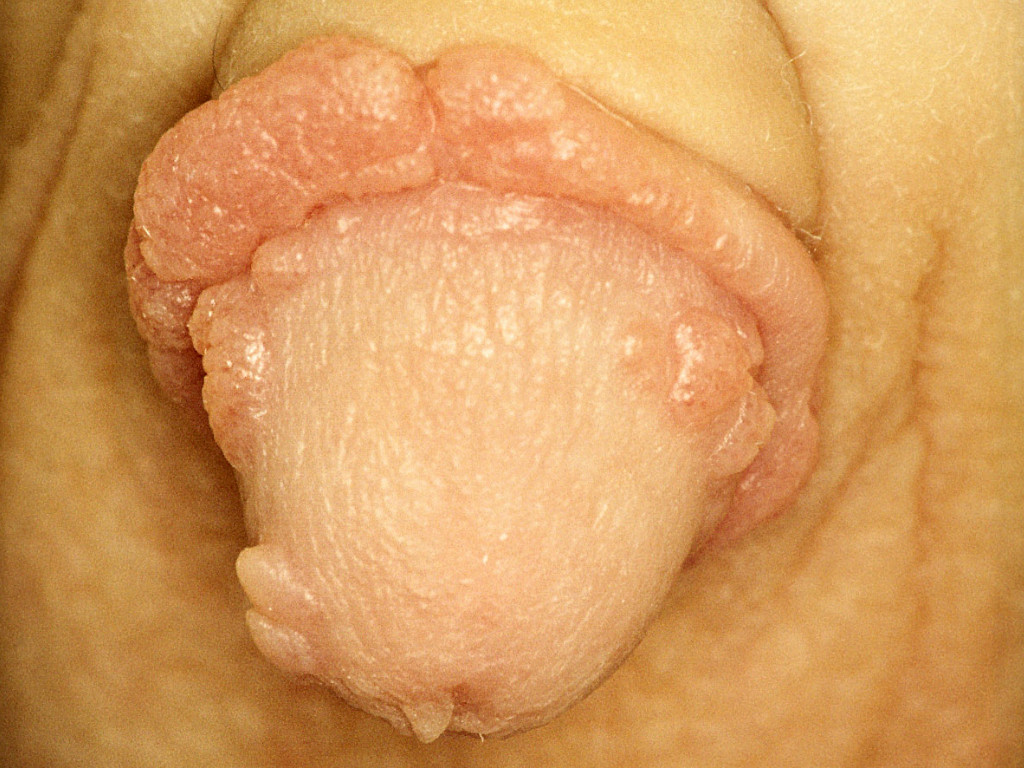
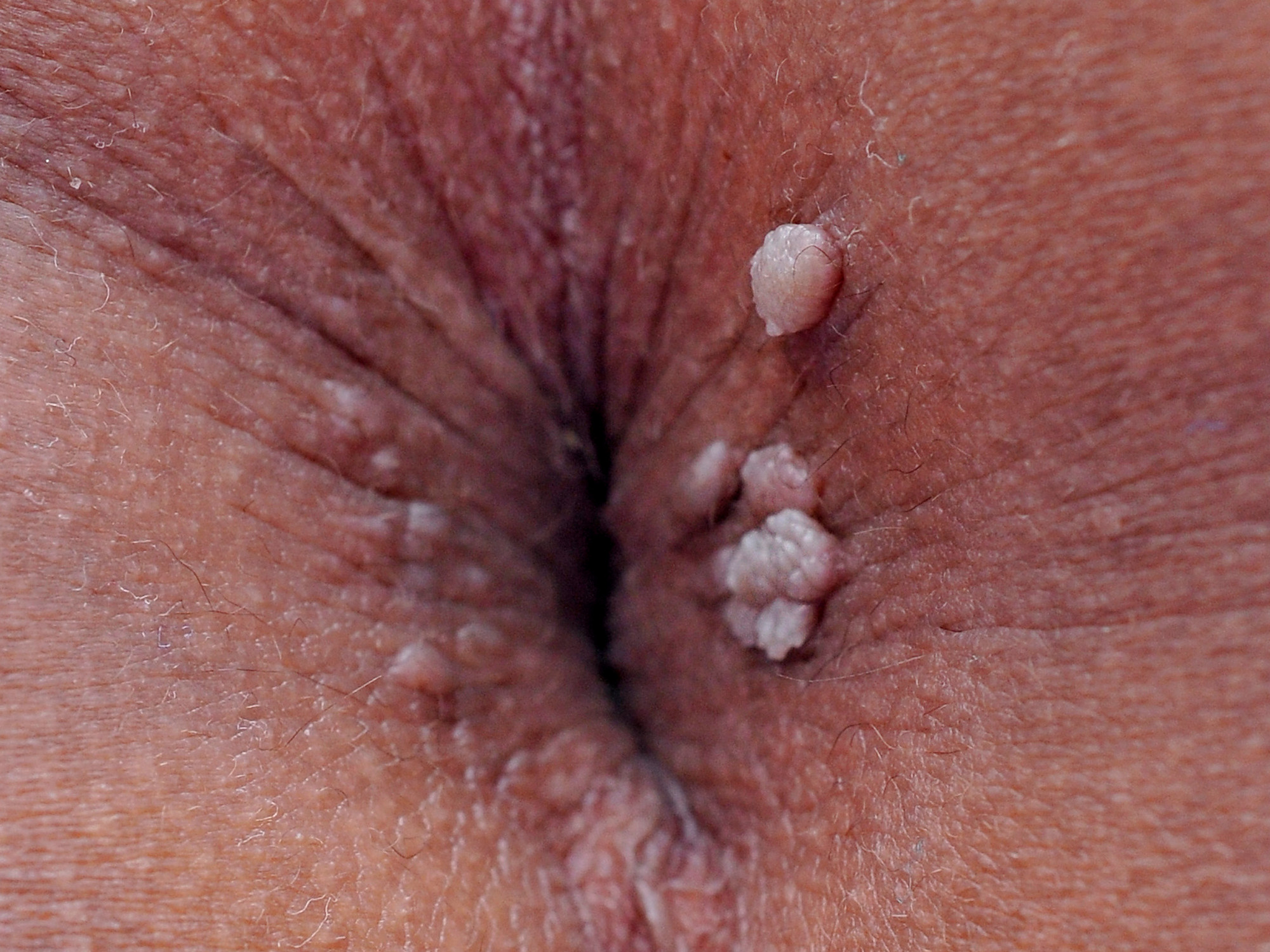
Warts are benign and develop after a viral infection at the site of the infection. Warts can be flat or raised above the skin's surface. They can be small or large; they often take on small, cauliflower-like shapes. Sometimes they are isolated, and sometimes they occur in clusters. Anogenital warts are found in the genital area. They can be found on the genitals themselves, but also in the urethra and in or around the anus. In women, they can also appear in the vagina. Anogenital warts mainly occur in adults.
 |
 |
| genital warts |
perianal warts |
WHAT CAUSES ANOGENITAL WARTS?
Anogenital warts are common. In the Netherlands, they are diagnosed over 20,000 times a year. The cause of the warts is an infection of the skin or mucous membranes with the Human Papilloma Virus (HPV). There are different types of HPV (each with its own number), but not all types cause anogenital warts. Not everyone infected with HPV will develop anogenital warts; there are also so-called silent carriers.
These people carry the virus but are unaware of it and do not experience any symptoms. HPV is often transmitted through sexual contact. Therefore, anogenital warts are considered a sexually transmitted infection (STD) or, in other words, a sexually transmitted disease.
The virus is highly contagious and can also be transmitted in other ways, for example, through sharing a towel or washcloth and possibly during diaper changes. In this way, (young) children can also become infected and develop warts.
HPV can remain in the skin for many years and, after the anogenital warts initially heal, can reappear years later. This naturally makes it difficult to determine who infected someone and when.
WHAT ARE THE PHENOMENA?
The warts are sometimes barely visible, especially if they are internal, such as in the vagina, urethra, or anus. Your doctor can then make a diagnosis. Anogenital warts often resemble small cauliflowers, with the edges resembling rooster combs. Shortly after developing, the warts are usually a bit spongy, but as they develop, they keratinize and harden. Anogenital warts often have a psychological burden on the patient. They cause shame and sometimes remind them of having (another) STI. These feelings of shame can also hinder their sexual experience. In addition, anogenital warts can also cause physical symptoms. The symptoms depend on the extent of the warts, both in number and size. The warts can be very itchy and also cause bleeding. Anogenital warts are usually painless.
HOW IS THE DIAGNOSIS MADE?
Your doctor can usually make a diagnosis at first glance. If it's not immediately obvious, a small piece of skin can be removed (biopsy) or a skin smear can be taken for further examination. Generally, making a diagnosis is straightforward.
SOMETIMES FURTHER RESEARCH IS NECESSARY
It may be wise to conduct further testing for the possible presence of (other) sexually transmitted infections. It is important to have your partner tested as well.
WHAT TREATMENTS ARE THERE?
The treatment for anogenital warts aims to eliminate the virus that causes them.
This can be achieved through caustic solutions, certain creams, or various surgical methods. The choice of the following therapies depends on factors such as the location of the warts, the extent of the warts, and the preference of both the doctor and the patient. There is always a chance that the warts will return after treatment.
ELECTROCOAGULATION
During electrocoagulation, the anogenital warts are burned away after anesthesia.
PODOFYLLIN
Podophyllin is a substance derived from a specific type of resin. It inhibits the growth of dividing cells in anogenital warts. This method cannot be used in pregnant women. Podophyllin is a highly concentrated solution applied by a doctor. Because podophyllin can be very irritating, it must be washed off four hours after application.
PODOPHYLLOTOXIN (CONDYLINE, WARTEC)
A milder form of podophyllin is podophyllotoxin. This can be in a topical solution or a cream. Podophyllotoxin is suitable for home use. This method cannot be used during pregnancy.
TRICHLOROACETIC
ACID Trichloroacetic acid is a highly irritating liquid that destroys wart cells. Due to its strong caustic effect, this product should only be applied by a doctor.
CRYOTHERAPY:
Cryotherapy freezes anogenital warts with liquid nitrogen. This therapy can be used for warts on the skin and mucous membranes. This method can also be used during pregnancy.
LASER TREATMENT:
Using a CO2 laser, warts can also be burned away. This technique is used to treat warts in hard-to-reach places, such as the urethra or anus.
SURGICAL
Large anogenital warts can be surgically removed after local anesthesia.
IMIQUIMOD (ALDARA)
This is the newest treatment for anogenital warts. It's a substance that helps the body's immune system fight the HPV virus, which causes anogenital warts. This treatment is available as a cream and is suitable for home use. Imiquimod can work somewhat slower than other treatments; sometimes treatment takes eight to ten weeks. However, the chance of warts returning is lower than with other treatments.
NOTE:
Treating anogenital warts always takes a lot of time and energy, as healing is often not expected after one or a few treatments.
If you are pregnant, tell your doctor before starting treatment.
If the warts disappear after treatment, this does not automatically mean the virus has disappeared from your skin. Therefore, there is still a chance that the warts will return over time. In addition, there is, of course, the risk of being reinfected and developing new warts. It
is generally considered that you are no longer contagious if you have not developed any new anogenital warts within six months.
If new warts do reappear, treatment will have to be restarted.
ANOGENITAL WARTS, HPV AND CANCER
Some types of HPV can cause warts on the cervix. A woman with anogenital warts should have regular Pap smears. However, in the Netherlands, every woman aged 30 and over is invited to participate in the cervical cancer screening program. If you always get a Pap smear after being invited, there's no reason to worry, even if you have warts on your cervix. Therefore, if you have anogenital warts, either external or internal, you don't need to have Pap smears more often than people who don't have anogenital warts.
WHAT ABOUT INFERTILITY?
HPV doesn't spread beyond the cervix and therefore doesn't come into contact with the uterus itself, the fallopian tubes, or the ovaries. Therefore, HPV infection does not lead to infertility.
AND IN CASE OF PREGNANCY?
Anogenital warts can grow during pregnancy and cause bleeding. In pregnant women, treatment is often preferred after pregnancy due to potential side effects. The risk of the baby becoming infected at birth is minimal.
CAN FURTHER CONTAMINATION BE PREVENT?
People who practice safe sex and have few sexual partners are less likely to develop anogenital warts. People who use condoms are also less likely to develop anogenital warts. Condoms likely provide reasonably good protection for the skin they cover. However, using condoms cannot always prevent infection of other areas of the skin or mucous membranes. Nevertheless, it is still advisable to use condoms if you or your partner have anogenital warts.
DISCUSS WITH YOUR PARTNER!
If there's a chance one partner could infect the other, it's strongly recommended to protect each other. This can be a difficult topic for people, but a well-informed conversation between both partners can provide clarity and prevent a lot of (relationship) unrest. The public health nurse at the Municipal Health Service (GGD) can help you with this. |