|
VASCULITIS |
 |
 WHAT IS VASCULITIS? WHAT IS VASCULITIS?
Vasculitis is an inflammation of the blood vessels. Various diseases and conditions can inflame the blood vessels. Both large and small arteries can be affected. The inflammation damages the blood vessels. They start to leak, blood leaks
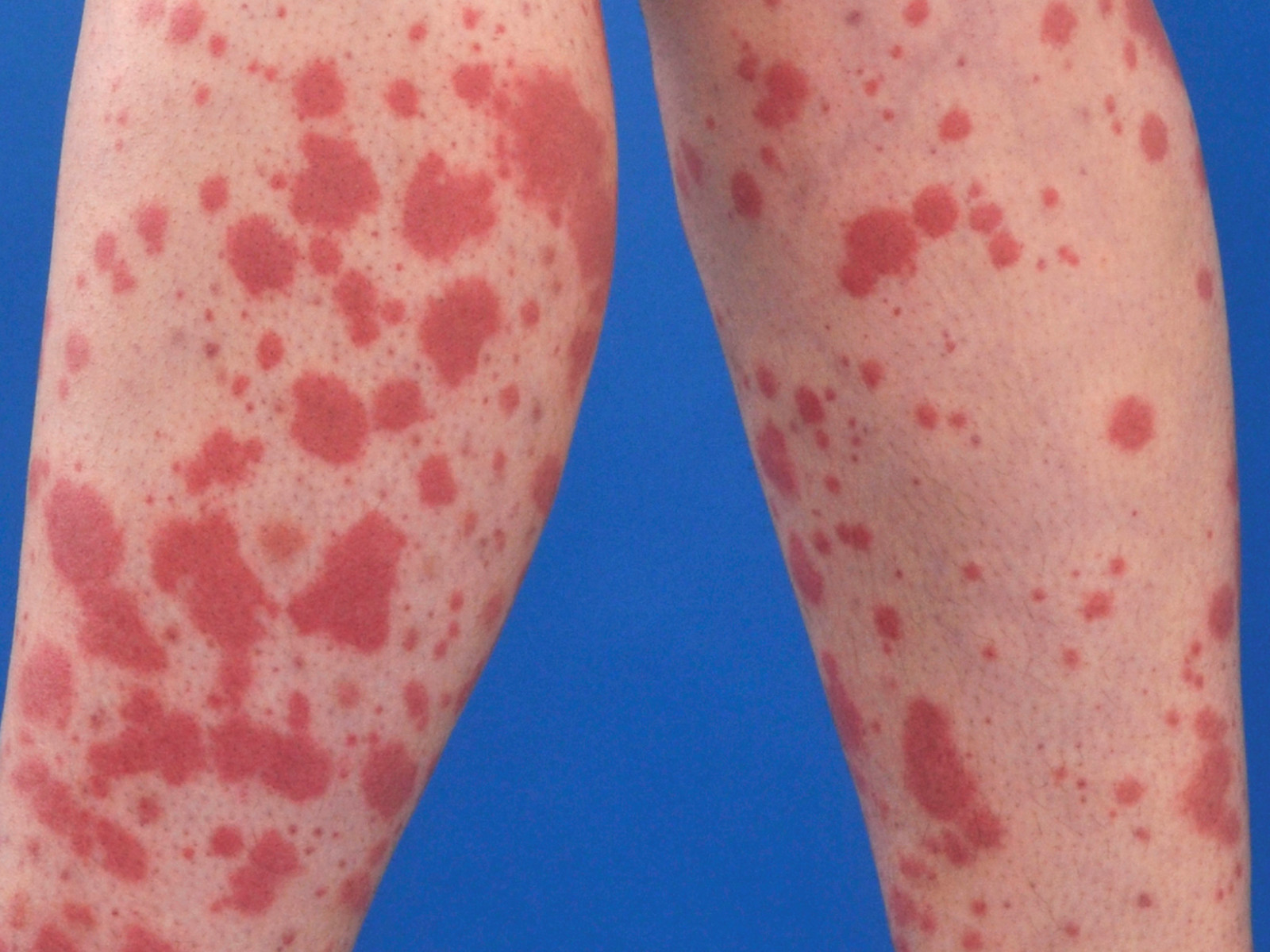
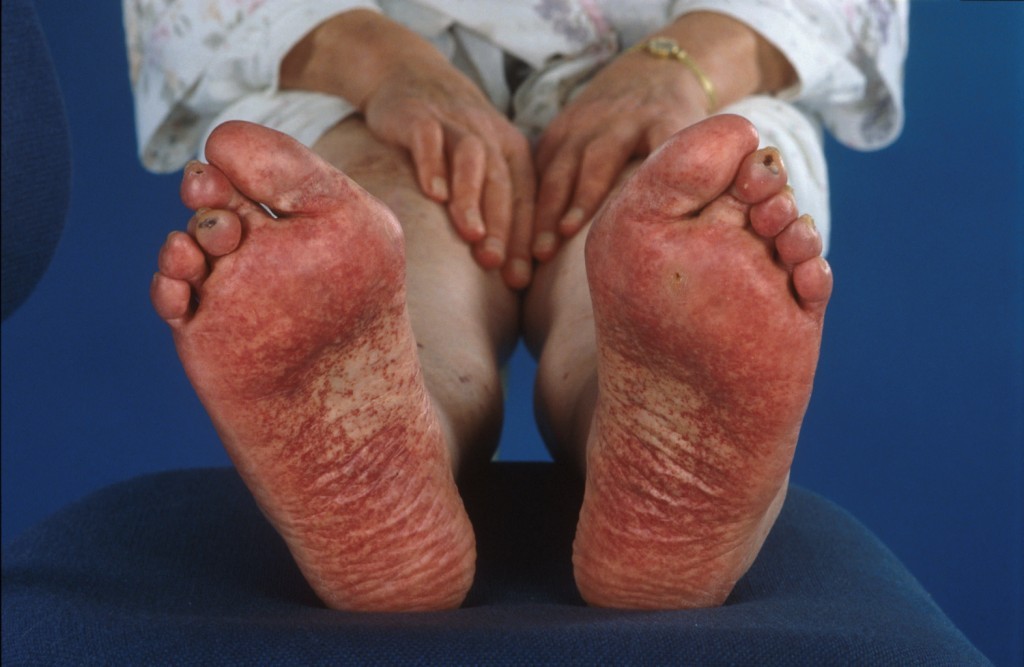
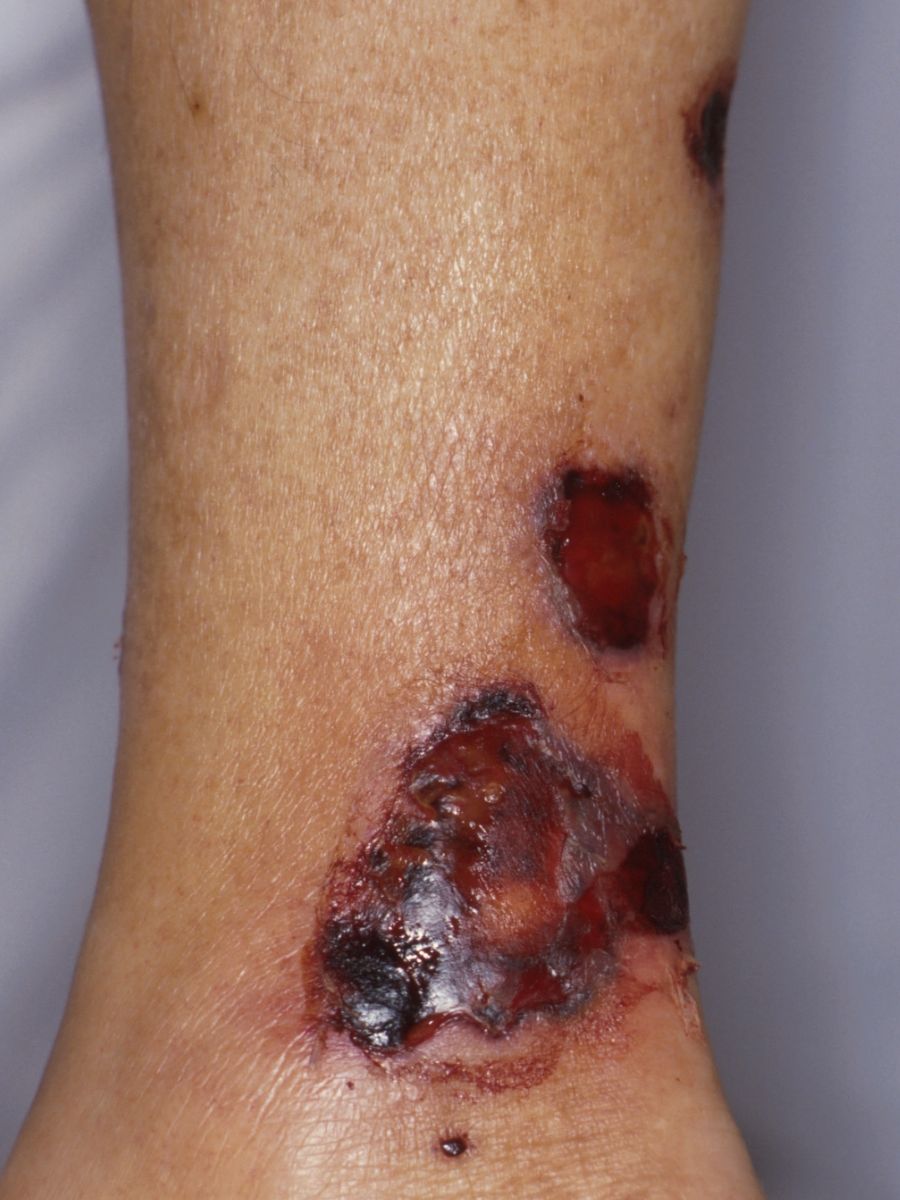
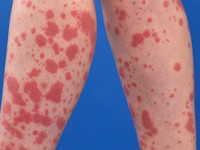
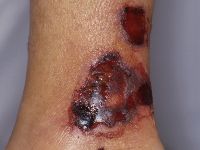
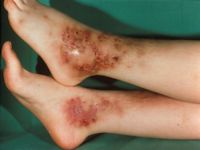
out of the vessel. This appears as red, blue, purple, or black discolorations
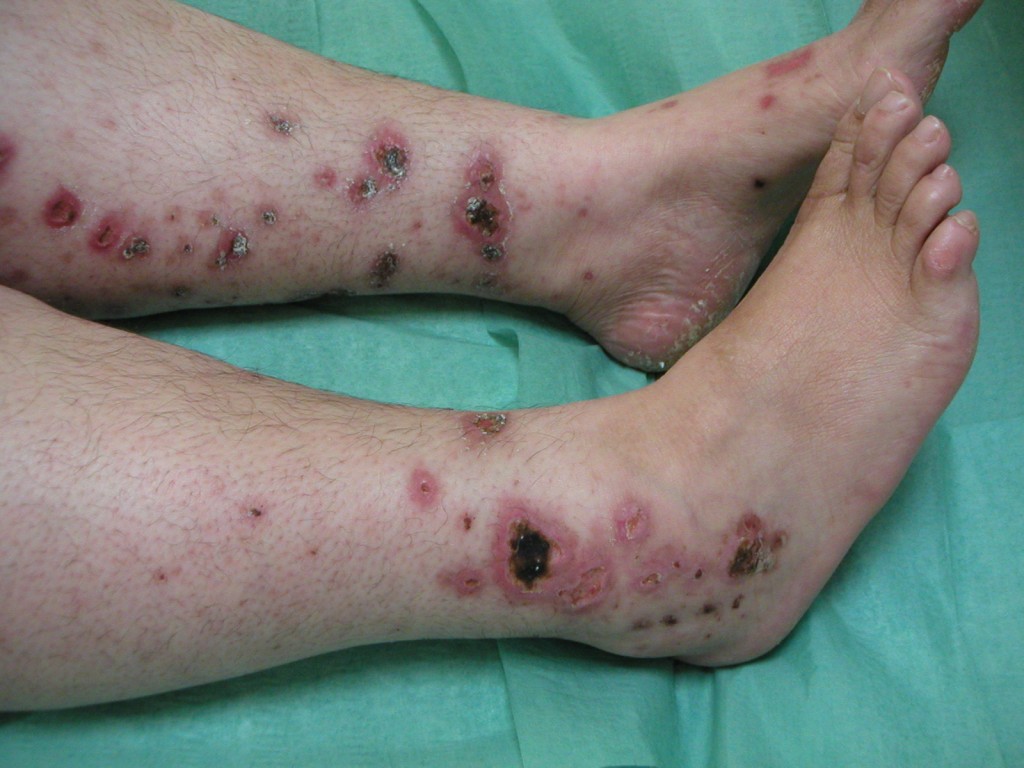
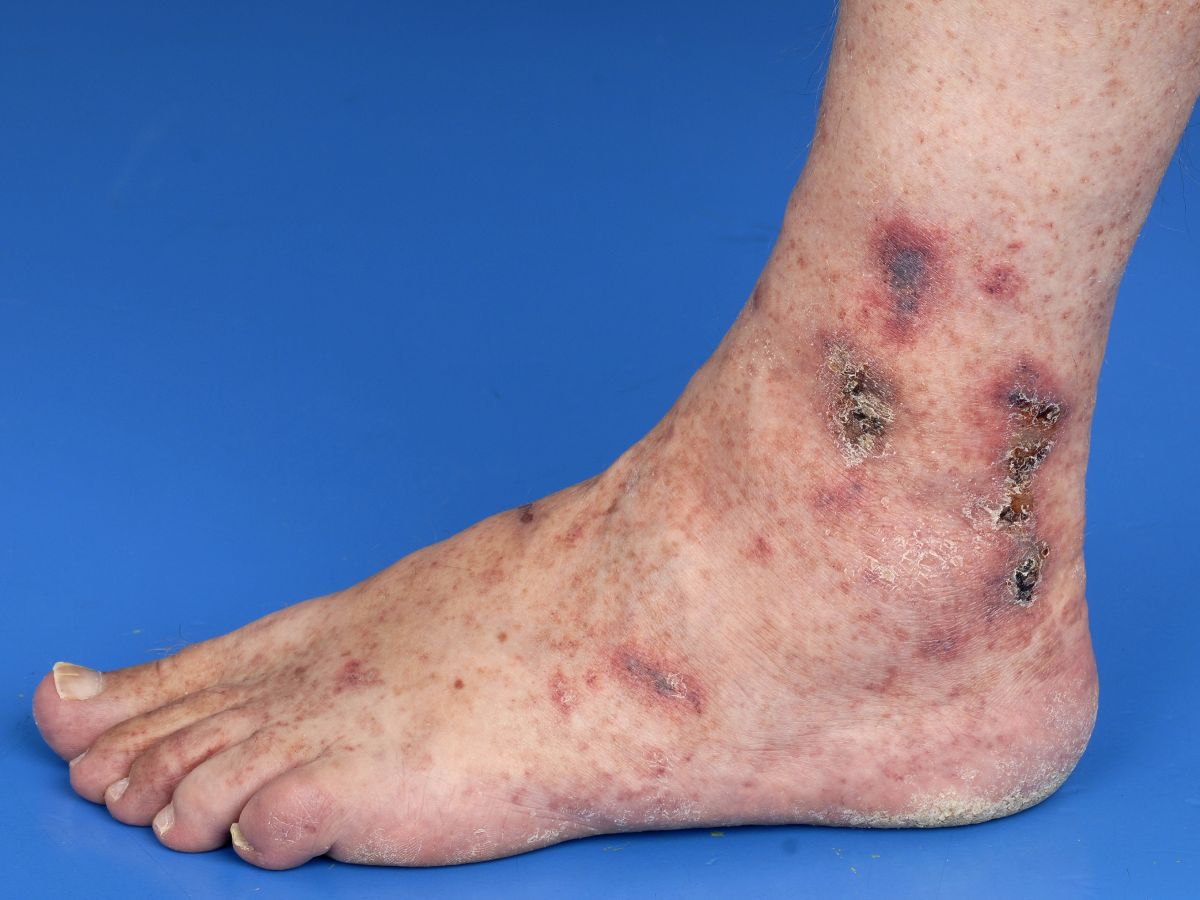
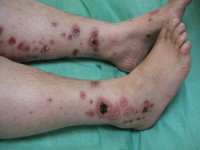
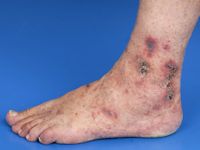
of the skin, resembling bruises. Sometimes the vessel becomes blocked by vasculitis. This can cause large or small wounds. Not only can vasculitis damage the blood vessels in the skin, but it can also affect the blood vessels of organs such as the kidneys or lungs. If vasculitis causes significant damage to the skin, kidneys, lungs, or other organs, it is necessary to
start anti-inflammatory medication, usually prednisone.
 |
 |
 |
|
vasculitis |
vasculitis |
vasculitis |
 |
 |
 |
|
vasculitis |
vasculitis |
vasculitis |
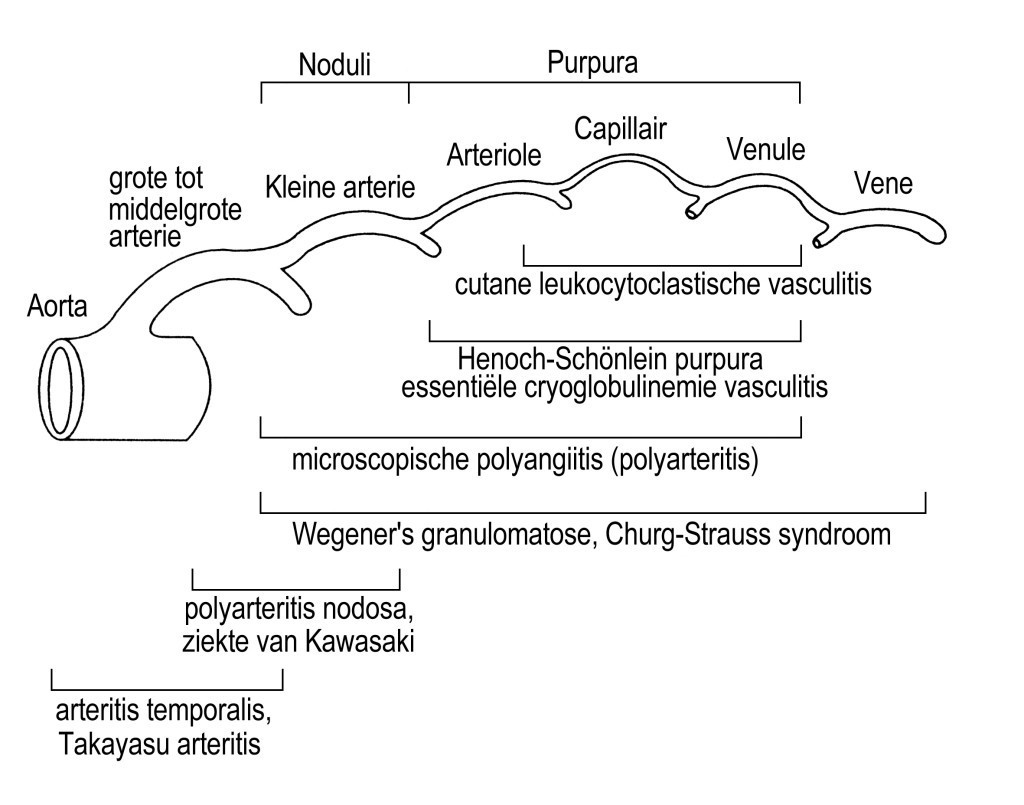
There are many different types of vasculitis. Their classification is complex. They are usually classified according to the size of the vessel. Some forms of vasculitis damage a large vessel, for example, in Takayashu's vasculitis, the aorta (main artery) is damaged. And in Henoch-Schönlein disease, the small capillaries are primarily damaged.
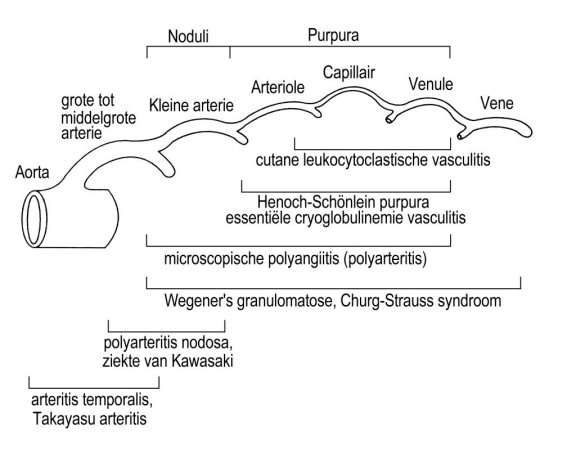
Classification of the different types of vasculitis based on the size of the vessels
WHAT CAUSES VASCULITIS?
Vasculitis is usually a reaction to something that has happened in the body, such as a bacterial or viral infection, or
the prescription of a medication. It can also develop spontaneously. In about half of the patients with vasculitis, a cause can be found. In the other half, however, this is not the case! It's important to remember this. Many patients confronted with a strange condition like vasculitis want to know how they got it and
expect that their doctor investigates the cause. Keep in mind that in half of the cases, nothing can be found, even if they examine you completely and order every conceivable test. Vasculitis can also be the result of a virus you had weeks ago. In that case, no trace of that virus can be found. Fortunately, in most cases, vasculitis resolves on its own.
WHAT DAMAGES THE BLOOD VESSELS?
There are several mechanisms by which blood vessels can become damaged. Vasculitis usually arises from the formation of
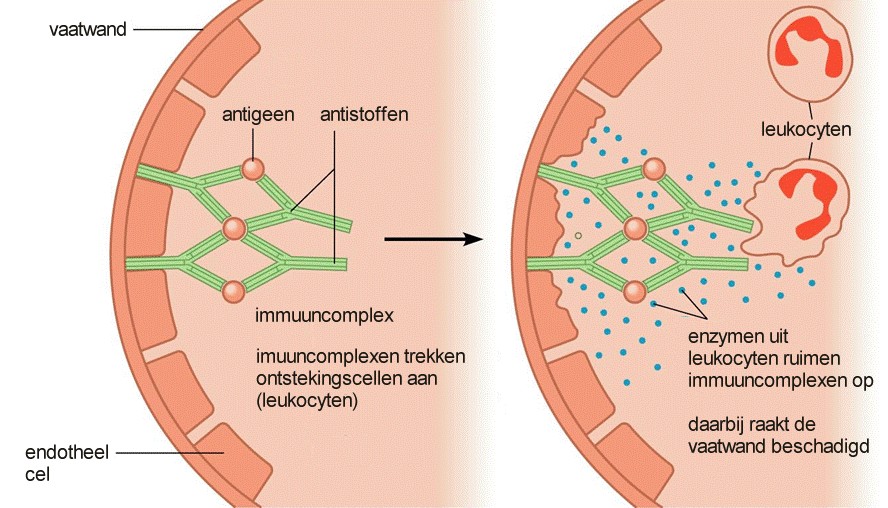
antibodies. Antibodies are produced by our immune system to neutralize invaders, such as bacteria. Suppose you become infected with a bacterium, such as the streptococcus bacteria that can cause throat infections and sore throats. The body then produces antibodies that fit perfectly on the surface of this bacterium. The antibodies stick to it.
Clumps of bacteria and antibodies are formed in the
bloodstream. These clumps may adhere to the walls of
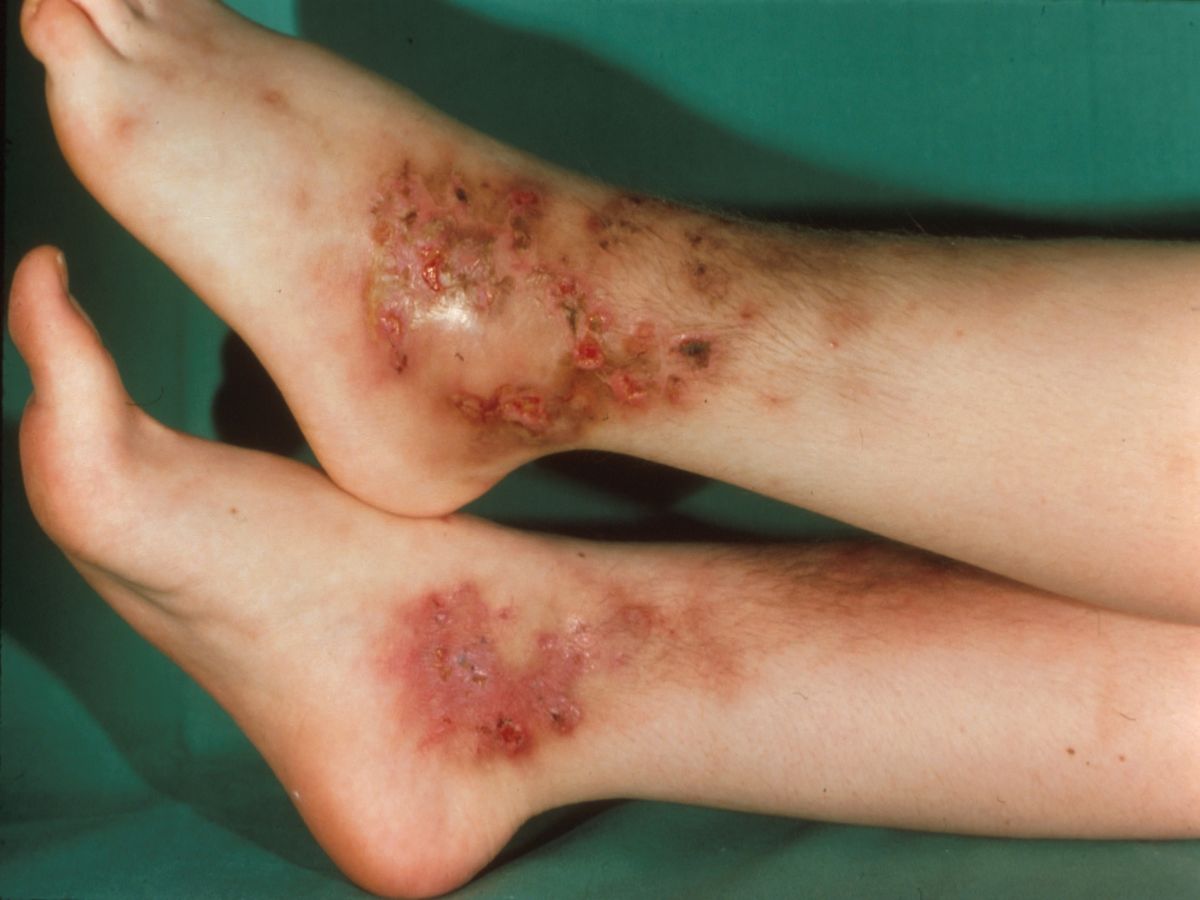
the blood vessels. This occurs mainly in the smallest blood vessels, such as the capillaries of the skin and in the kidneys, and they settle primarily at the lowest points of the bloodstream where the flow rate is lowest. That is why vasculitis often affects the lower legs, feet, toes, or fingers.
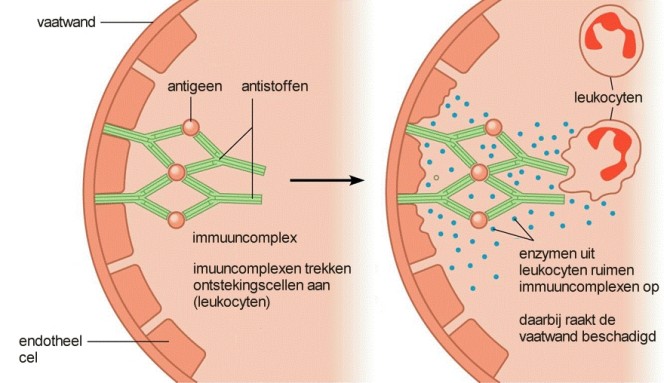
The clumps of antibodies and antigens (antigen = something the antibodies target, such as a bacterium, virus, or medication) are called
immune complexes. These immune complexes are eventually
removed by the cells of our immune system (white blood cells: leukocytes, lymphocytes, and macrophages). When the immune complexes
are removed, the vessel wall can become damaged. This causes leakage and also blood clots within the vessel.
VASCULITIS IN AUTOIMMUNE DISEASES
The antigen against which the antibodies are directed isn't always a foreign substance like a bacterium; it can also be a component of the body itself. This is the case with internal diseases such as rheumatism and SLE (systemic lupus erythematosus). These are also called autoimmune diseases. Autoimmune diseases such as rheumatoid
athritis may cause a vasculitis.
WHAT ARE THE SYMPTOMS OF VASCULITIS?
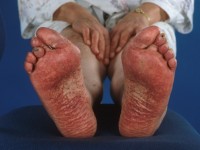
Symptoms can vary widely. Red or purple-blue spots are usually visible on the body, especially on the feet and lower legs. These spots are non-blanchable: pressing on them doesn't remove the redness because there's blood outside the vessel. These purple spots are also called
purpura. They can be very small if the vasculitis only affects small capillaries, or they can be large if larger vessels are also involved. The skin can also
be damaged, small or larger wounds (ulcers) can develop. Fortunately, this is less common.
The vasculitis is visible on the skin, but blood vessels can also be damaged elsewhere in the body. If vasculitis affects not only the skin but also the rest of the body, it's called systemic vasculitis. Systemic vasculitis can affect multiple organs, such as the kidneys, joints, intestines, lungs, heart, nerves, and brain.
Systemic vasculitis often presents with general symptoms such as fever, general malaise, fatigue, weight loss, and flu-like symptoms. Symptoms may also include joint pain (especially in the knee, elbow, and smaller joints of the hands and feet), muscle pain, abdominal pain, nausea, and vomiting.
HOW IS THE DIAGNOSIS MADE?
The diagnosis can sometimes be made based on the
clinical picture, its appearance, and the symptoms.
However, it's often necessary to confirm this by
taking a skin biopsy. The biopsy, under a microscope, clearly shows whether the blood vessels are damaged and inflamed. In that case, the diagnosis of vasculitis is made.
The next question, of course, is what the cause is. Sometimes this can be determined through blood tests. Urine is also often tested to see if it contains protein or inflammatory cells. If so, it's a sign that the kidneys are also involved (systemic vasculitis).
Most types of vasculitis are mild and only affect the small capillaries in the skin. No damage is caused to internal organs and it usually resolves on its own. In such cases, it's possible to simply wait for the condition to resolve on its own. Therefore, there's no need to order hundreds laboratory tests that usually yield no results.
If the vasculitis is severe, doesn't resolve on its own, or causes wounds, the underlying cause is often investigated. This investigation can be extensive and specialized. It may involve extensive blood tests, cultures, X-rays, and further biopsies. Sometimes you need to be referred to other medical specialists, such as a rheumatologist or an internist. Sometimes, a biopsy of an internal organ is even necessary (for example, a kidney or lung biopsy, or a muscle biopsy). The type of investigation required depends on the type of vasculitis and your symptoms.
Possible causes of vasculitis:
- infections with bacteria and viruses
- medications
- autoimmune diseases such as rheumatoid arthritis and SLE
- blood disorders
- cause unknown
HOW IS VASCULITIS TREATED?
For small vessel vasculitis, where only the skin is affected and there are no other systemic symptoms, treatment is not necessary. It resolves on its own within a few weeks. If there is a lot of fluid in the legs due to the vasculitis, temporary bandages or elastic stockings can be used.
If the cause is known and can be treated, then that should of course be done. If the vasculitis appears to be caused by a throat bacterium, a course of antibiotics is advisable. If it is suspected to be caused by a medication, then that
medication should be stopped. If it was a virus, then it is a matter of waiting and letting it run its course. If the cause is unknown, then nothing can be done. And if the cause is an autoimmune disease such as rheumatoid arthritis or SLE, or another internal condition, then it must be treated.
If the vasculitis is severe, does not resolve on its own, or causes damage to the skin or internal organs, then an anti-inflammatory drug should be started. This is usually prednisone.
Prednisone is initially given in a high dose to halt the disease progression, and if all goes well, the dose is gradually reduced. Other anti-inflammatory drugs are also used for vasculitis. Some examples include dapsone, methotrexate, azathioprine,
cyclophosphamide, or combinations.
WHAT CAN YOU DO YOURSELF?
In general, it's important to get plenty of rest, as this promotes the healing process. Sit comfortably on a couch with your legs elevated. Do gentle calf exercises regularly to maintain blood circulation and prevent deep vein thrombosis.
WHAT IS THE PROGNOSIS?
Small-vessel vasculitis without other organ involvement usually resolves on its own after a few weeks, with or without treatment. However, there are also forms of vasculitis that can damage the kidneys: one example is
Henoch-Schönlein vasculitis. And there are forms of vasculitis that can last months to years, such as
cutaneous polyarteritis nodosa. If internal organs are affected, the vasculitis usually lasts longer and is also more difficult to treat. Long-term use of anti-inflammatory drugs such as prednisone may then be necessary. The prognosis therefore depends greatly on the type of vasculitis.
DIFFERENT TYPES OF VASCULITIS
There are many different types of vasculitis. The key characteristics of some
subtypes are listed below:
Small vessel vasculitis
The most common form of vasculitis is cutaneous small vessel vasculitis, an inflammation of the small arteries, capillaries, and veins. This form is also known as "allergic vasculitis," "leukocytoclastic vasculitis," or "small-vessel disease." This form of vasculitis primarily affects the lower legs but can also spread to the buttocks, trunk, and arms. Sometimes organs are affected, usually without damage. Sometimes the cause can be found: a medication, a foreign protein, a bacterium. It usually resolves on its own without the need for treatment.
Henoch-Schönlein purpura
Henoch-Schönlein vasculitis is characterized by skin lesions (purpura), kidney damage (protein in the urine), joint pain, and abdominal discomfort (abdominal pain). It occurs primarily in children (half of those under 5 years old) and young adults and is often preceded by a respiratory infection. It can be caused by a streptococcal infection (Streptococcus pyogenes, beta-hemolytic streptococcus). It can cause permanent kidney damage. Henoch-Schönlein is easily recognized under a microscope because special antibodies can be seen in the vessels: IgA (Immunoglobulin type A). Treatment consists of prednisone or dapsone.
Polyarteritis nodosa (PAN)
Another form of vasculitis is polyarteritis nodosa. This affects the larger blood vessels.
Ulcers can develop on the legs. Polyarteritis nodosa can affect multiple organs. Typically, the kidneys and internal organs are affected, but muscles and joints can also be affected. The average age at onset is 45, and the disease is almost three times more common in men than in women. Sometimes only the skin is affected; in that case, it is called cutaneous polyarteritis nodosa.
Allergic angiitis and granulomatosis (Churg-Strauss syndrome)
This form of vasculitis resembles polyarteritis nodosa, but often also affects the pulmonary vessels. A separate type of inflammation can also be seen around the blood vessels, called granulomatous inflammation. Other symptoms include severe asthma, an increased number of eosinophils (a type of white blood cell involved in allergies) in the blood, and eosinophil infiltration into the tissues. The disease occurs at approximately the same age as polyarteritis nodosa and is slightly more common in men than women. It is rare.
Wegener's granulomatosis with polyangiitis
This is a disease of unknown origin, characterized by granulomatous vasculitis of the upper and lower respiratory tract, glomerulonephritis (kidney inflammation), and varying degrees of inflammation of the small blood vessels. It is a rare disease, affecting men slightly more often than women. It usually begins with inflammation of the upper respiratory tract (coughing, shortness of breath, chest pain) and the sinuses (sinusitis, rhinitis, nasal congestion, nosebleeds). Other symptoms may include a sore throat, ear infection, and inflamed gums. The diagnosis can be confirmed by blood tests. Very special antibodies called ANCAs (anti-cytoplasmic antibodies) are found in the blood. These are autoantibodies directed against components of white blood cells, and this is very characteristic of Wegener's granulomatosis. Wegener's granulomatosis is a serious disease that requires intensive treatment with prednisone and Endoxan (cyclophosphamide).
Vasculitis in rheumatism
Rheumatoid arthritis causes joint pain, and rheumatoid factor is found in the blood: these are also immune complexes. It's therefore not surprising that rheumatoid arthritis can also lead to vasculitis. Treatment consists of treating the rheumatoid arthritis itself; sometimes, prednisone is necessary.
Giant cell arteritis
This form of vasculitis affects the largest arteries and can be divided into two groups:
Temporal arteritis, a systemic arteritis of the large and medium-sized arteries, occurring primarily in older individuals. The arteries in the head are often affected, sometimes causing sudden blindness. Other arteries throughout the body can also be affected in rare cases. This can lead to insufficient blood supply to the extremities and sometimes also to internal organs.
Takayasu arteritis, characterized by inflammation and narrowing of the large and medium-sized arteries, such as the aorta (main artery) and its branches. The disease usually occurs in young women. The cause is unknown.
Thromboangiitis obliterans or Buerger's disease
This is a vasculitis that affects and obstructs the medium-sized and small arteries and veins. It primarily affects the blood vessels of the hands and feet. There is a clear link with smoking. Quitting smoking is therefore the only and usually effective treatment.
Erythema nodosum
Erythema nodosum is a condition characterized by attacks of painful, red bumps, located somewhat deeper under the skin, warm and tender to the touch, usually located on the front of the lower legs. It can resolve spontaneously. A cause is only identified in half of cases. Possible causes include tuberculosis, streptococcal infections, other infections, intestinal inflammation, sarcoidosis, and Behçet's disease.
Behcet's disease
Behcet's disease is characterized by episodes of aphthous ulcers (sores) in the mouth and on the genitals, and damage to the skin and eyes (uveitis). The underlying problem is vasculitis that primarily affects small veins.
THROMBOPHLEBITIS
Thrombophlebitis
is not a vasculitis. Phlebitis, a somewhat confusing term, refers to a clot in a vein (a blood vessel that drains blood, a varicose vein).
In thrombophlebitis an elongated cord at the site of a vein
is visible. It is often red, painful, and warm, but it is located in only one location in one blood vessel. While vasculitis can affect various locations, for example, both legs and arms, and
affects usually arteries and not veins.
|