WHAT IS SARCOIDOSIS?Sarcoidosis(Besnier-Boeck disease) is a disease in which inflammation occurs in the skin and often also in internal organs such as the lungs, liver, spleen, and lymph nodes. In sarcoidosis of the skin, bumps and thickenings appear in various places. These bumps consist of accumulations of immune system cells , primarily lymphocytes and macrophages. Lymphocytes are white blood cells that travel from the bloodstream when something happens somewhere in the body. They cause an inflammatory response at that location. Macrophages are specialized inflammatory cells whose job it is to clear away things, such as bacteria or dead cells. They are large cells (macro = large) that can "gobble up" debris (phagy = eat).
Sarcoidosis is a systemic disease . This means that it can occur not only in the skin, but anywhere in the body. The lungs are most commonly affected. In about a quarter of sarcoidosis patients, the skin is also affected. This brochure focuses primarily on cutaneous sarcoidosis. Anyone wishing to learn more about pulmonary sarcoidosis is advised to browse the websites of pulmonologists.
Sarcoidosis is not contagious . It is also not malignant . However, it is a very unpleasant condition that causes numerous symptoms, especially when the lungs are affected. It is also a long-lasting condition requiring the prescription of strong medications with numerous side effects, such as prednisone.WHAT IS THE CAUSE OF SARCOIDOSIS?The cause of sarcoidosis remains unknown. The inflammatory response that develops, with lymphocytes and macrophages accumulating in certain areas, could well be due to an infection. For example, with a bacterium belonging to the group that also causes tuberculosis. But to date, no such bacterium has ever been found. The latest DNA techniques have been used to search for bacteria, but nothing has been found. It's possible that there is no actual cause for the inflammation, but that it's the immune system itself going haywire. This sometimes occurs; it's called an autoimmune disease.WHAT DOES SKIN SARCOIDOSIS LOOK LIKE?Sarcoidosis can cause various skin abnormalities, such as bumps ranging from 1 to 10 millimeters in size, larger bumps ranging from 1 to 2 cm in size, large scaly patches, purple patches on the face with scarring, painful red bumps on the lower legs (erythema nodosum), and even wounds and ulcers.
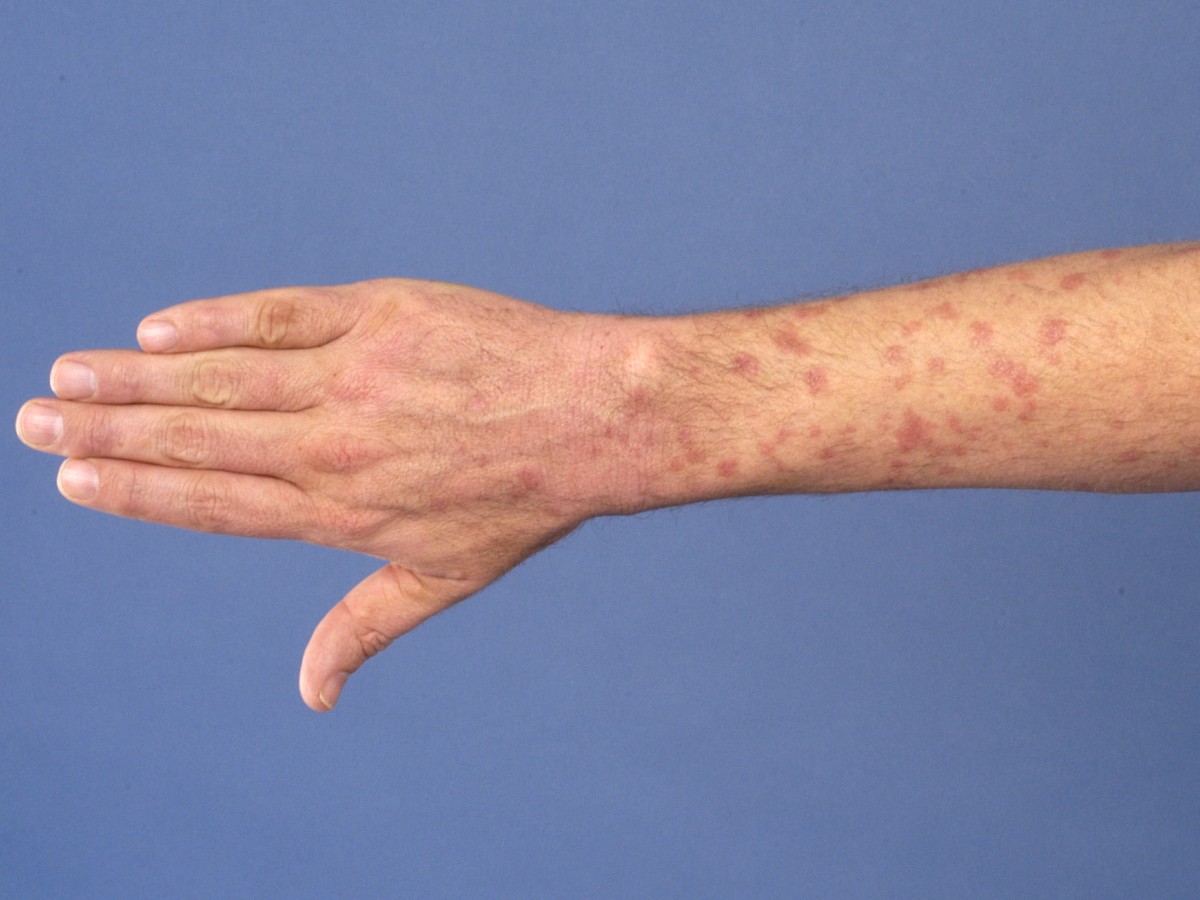
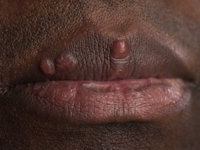
Small bumps
Sarcoidosis can cause small bumps ranging from 1 to 10 millimeters in size. This is called micronodular sarcoidosis . There can be one or a few, or even hundreds. They can be various colors, such as skin-colored, reddish-brown, purple, light brown, dark brown, yellowish, or lighter in color than the surrounding skin. On darker skin, they can be much darker. Sarcoidosis in the form of small bumps is often found on the face, around the nose, and around the eyes.
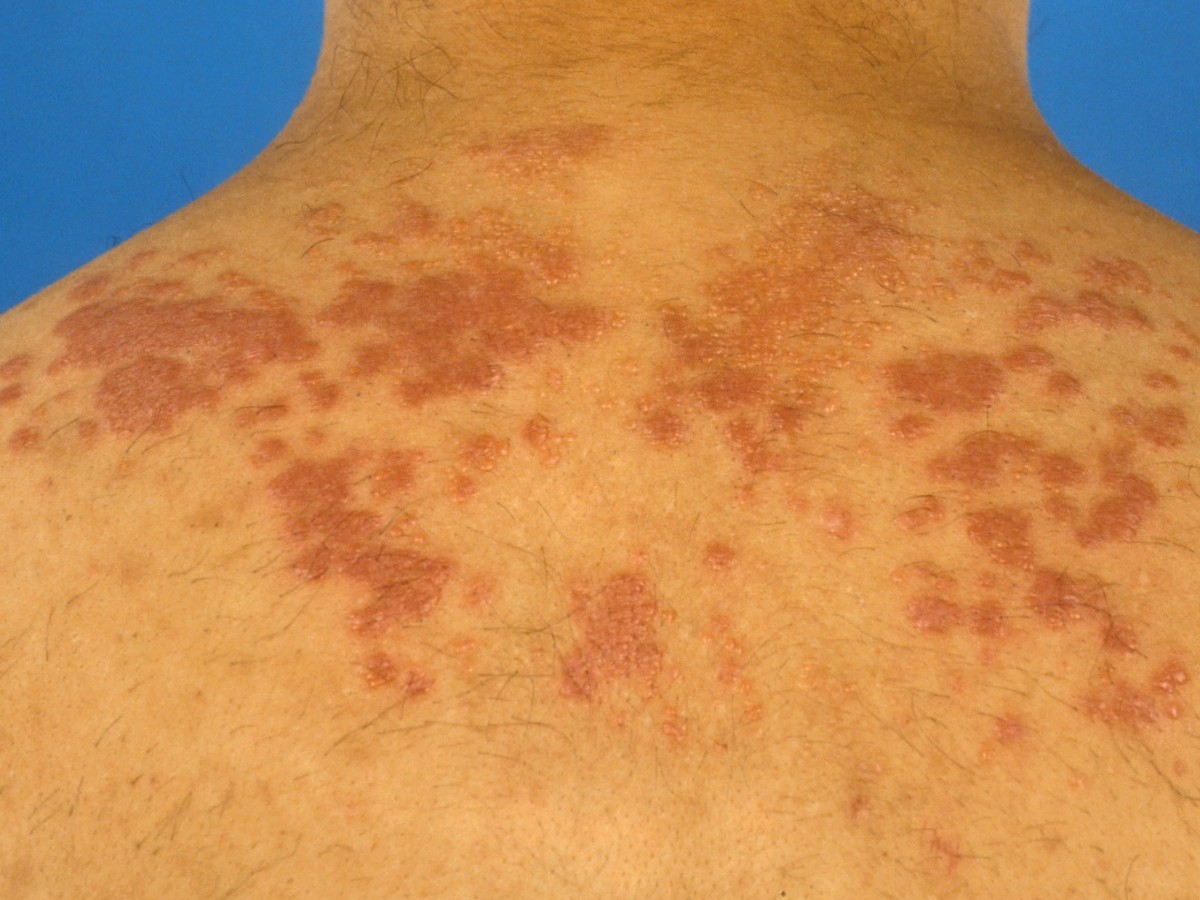
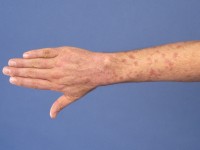
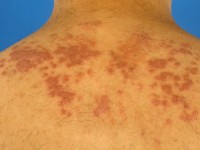
Larger bumps and patches
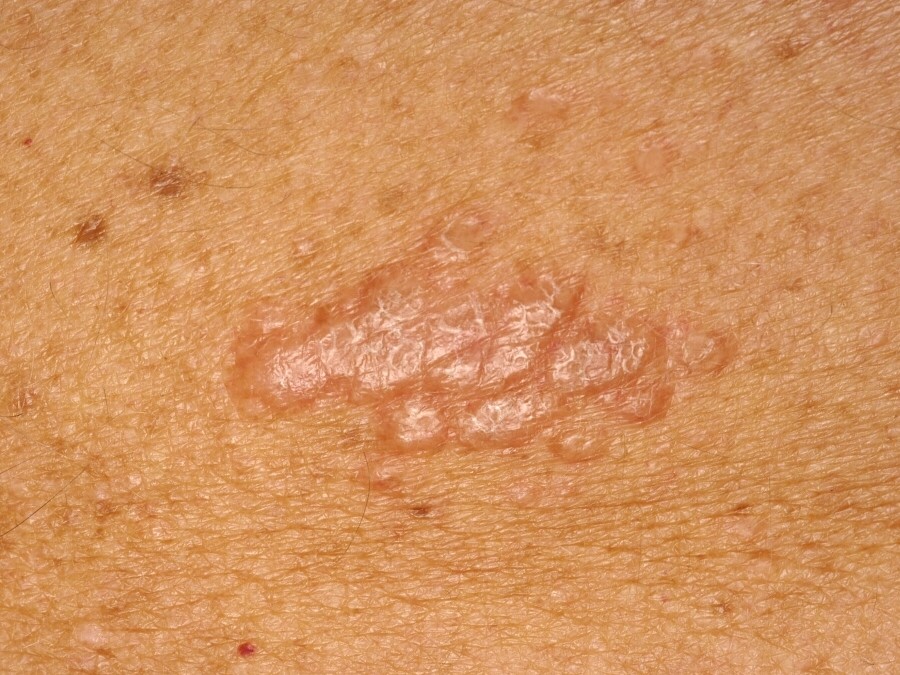
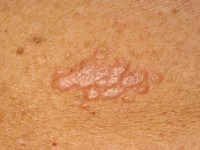
Sometimes large skin-colored, red, or reddish-brown bumps (1 to 2 cm in size) or large scaly patches develop. This is called macronodular sarcoidosis . It usually affects the shoulders, arms, and legs, or the trunk (back, buttocks).
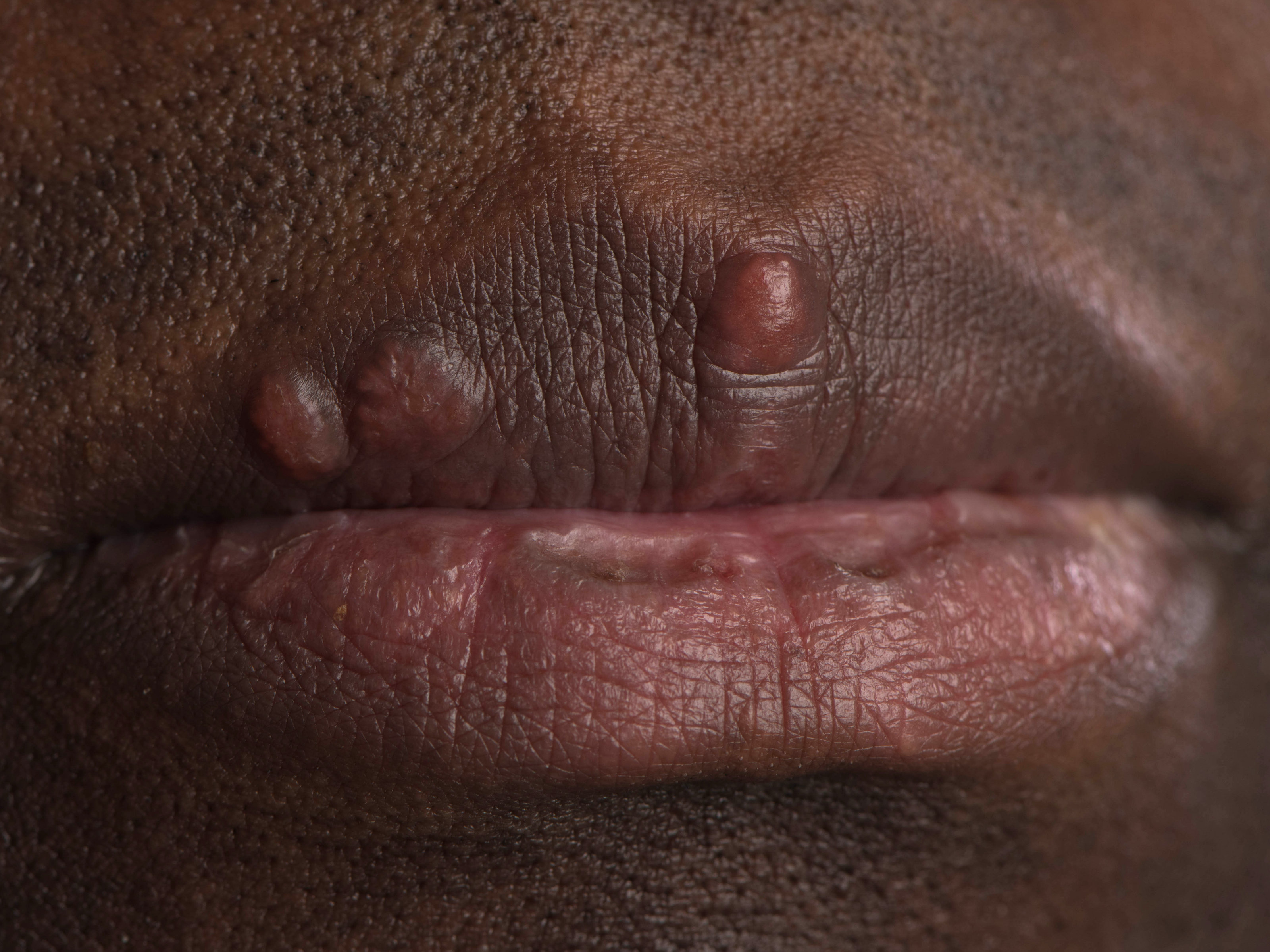
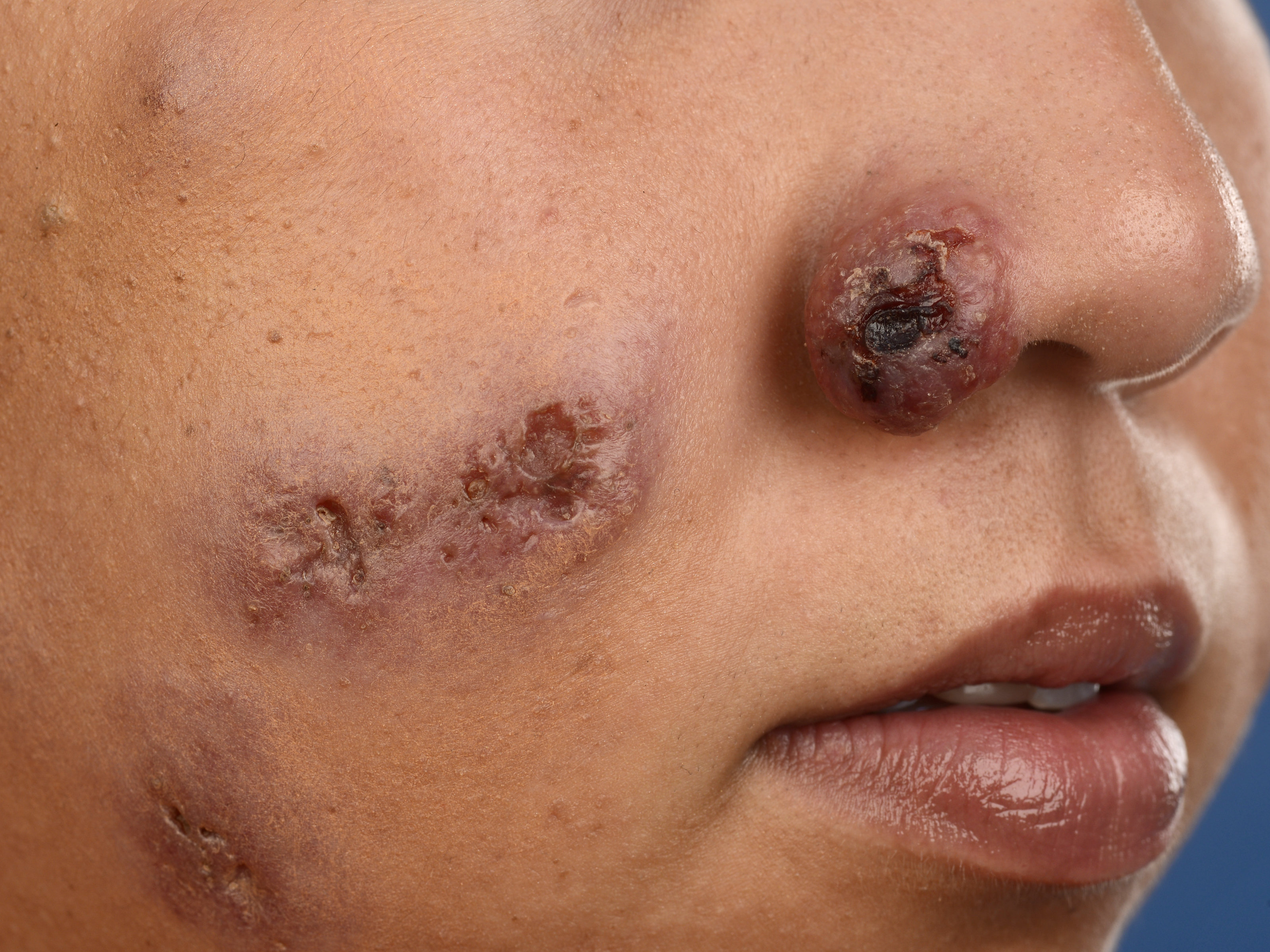
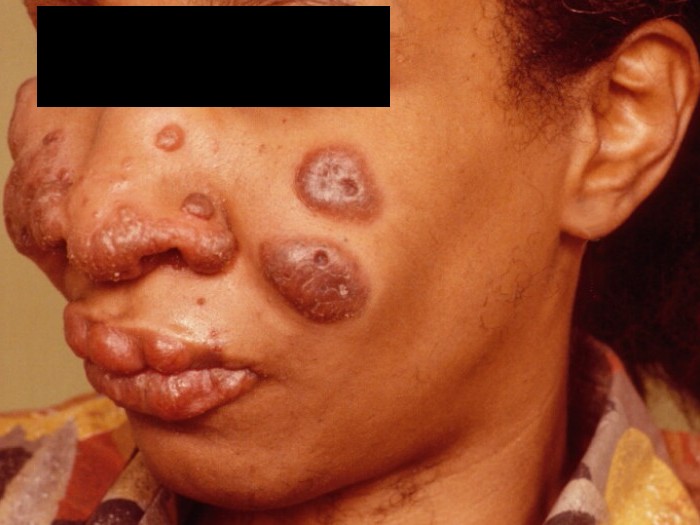
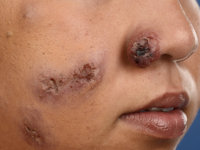
Purple or red swellings appear on the face.
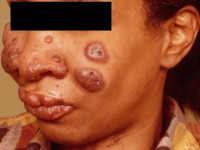
Purple or red swellings can appear on the nose, cheeks, lips, chin, and ears. This is called lupus pernio . These spots can cause damage and leave scars if they disappear.
 |
 |
 |
| sarcoidosis |
sarcoidosis |
sarcoidosis |
 |
 |
 |
| sarcoidosis |
sarcoidosis |
sarcoidosis |
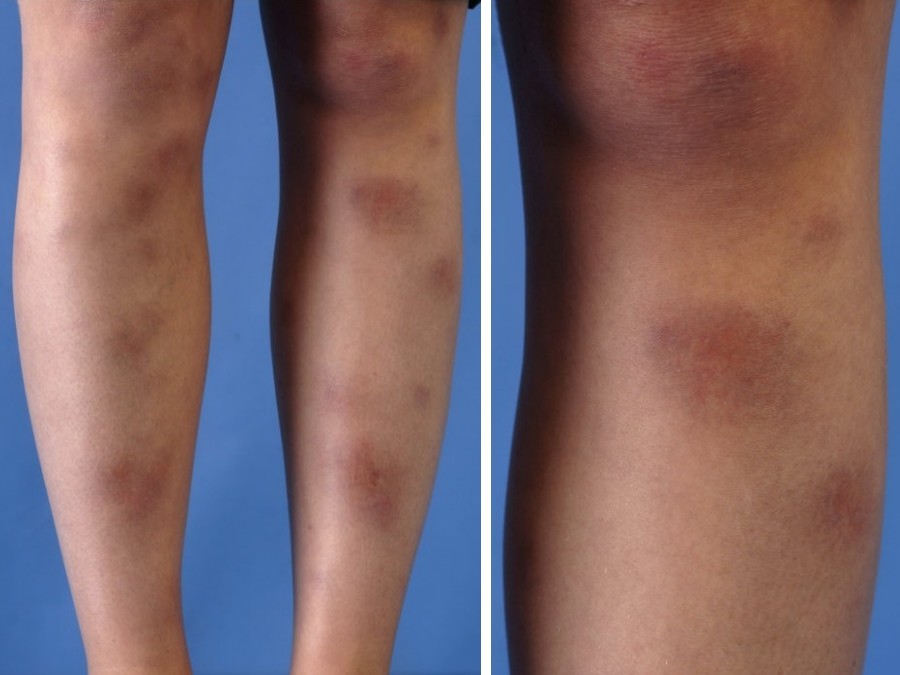
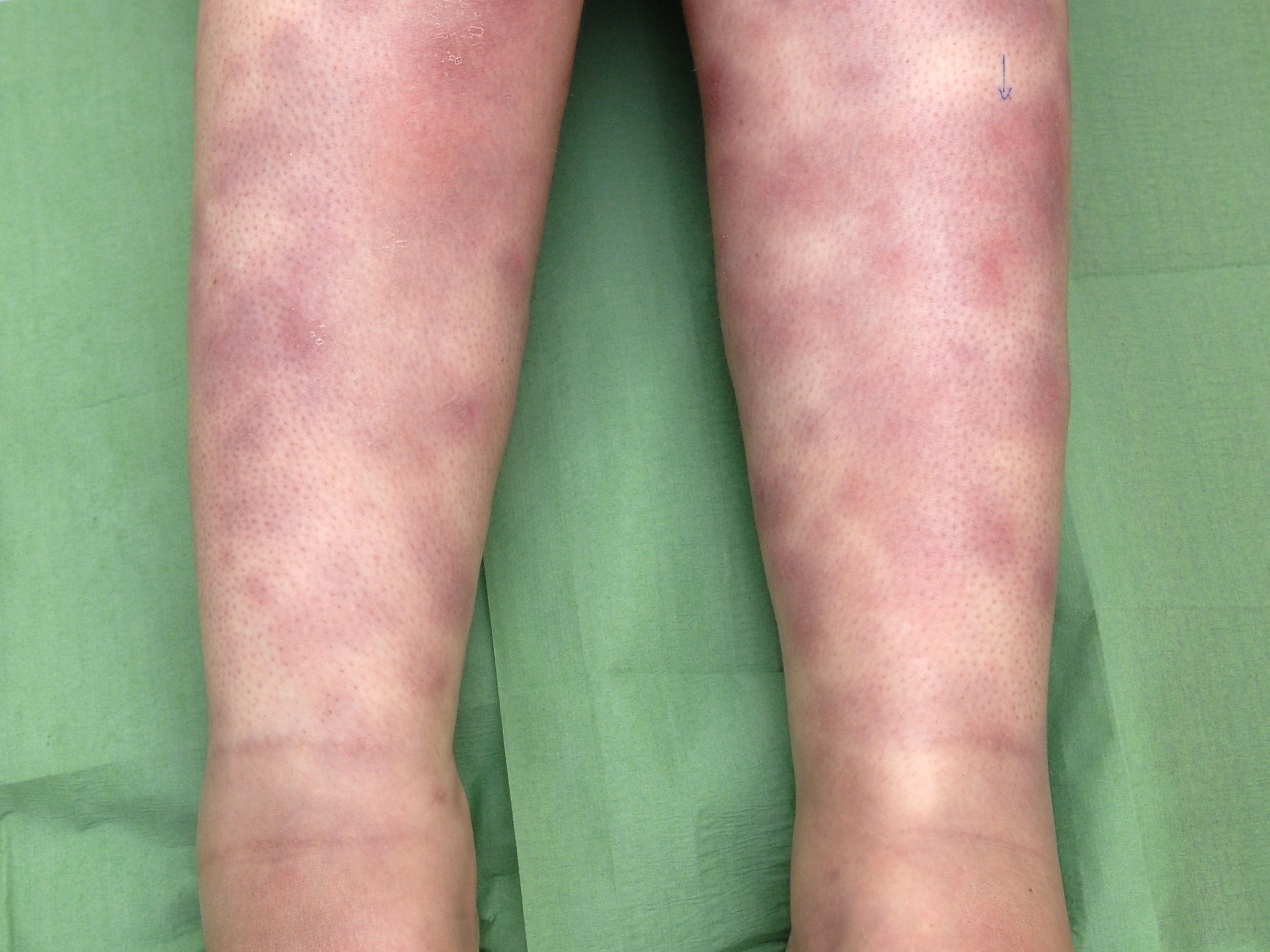
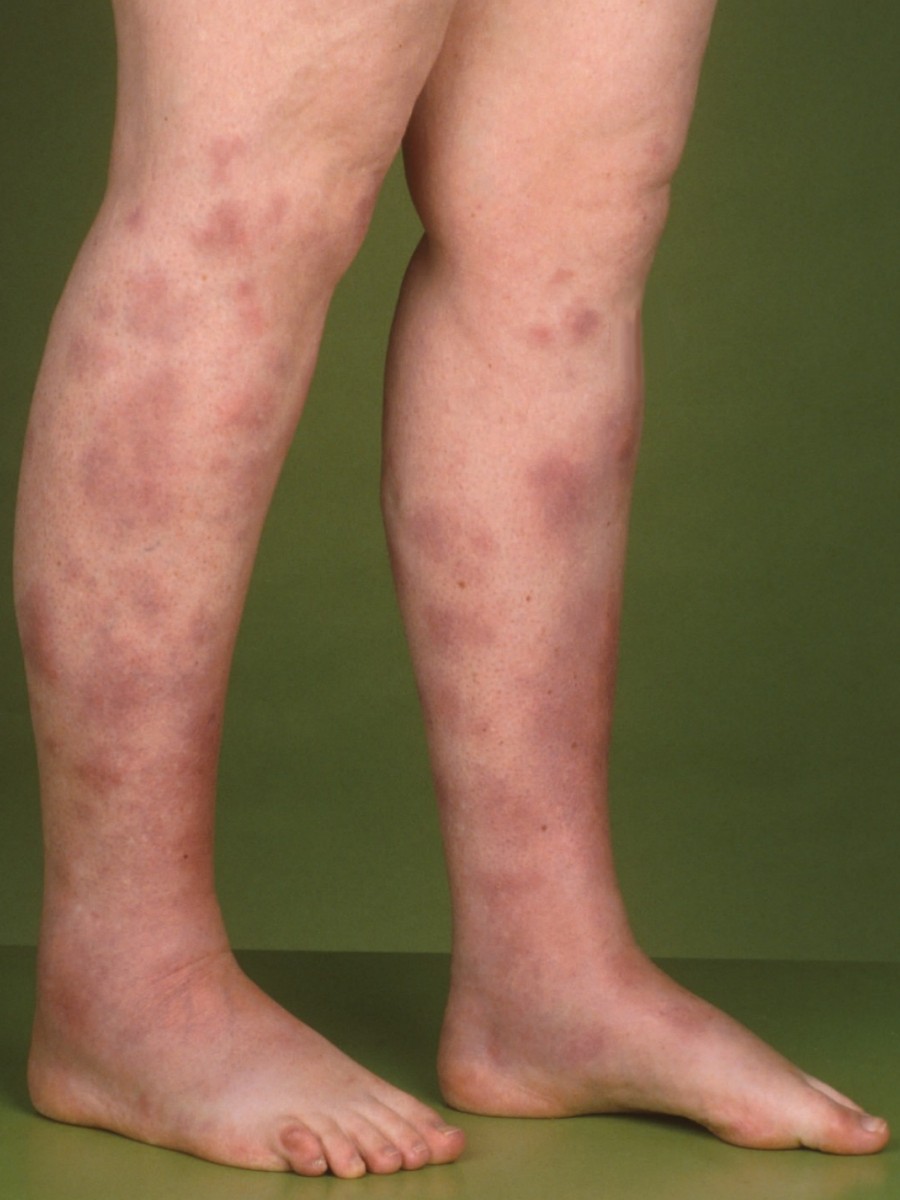
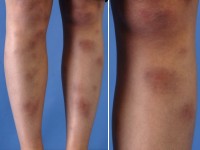
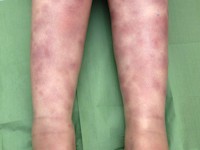
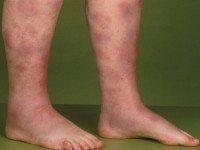
Erythema nodosum in sarcoidosis
Erythema nodosum is not a form of sarcoidosis, but it is a skin condition with painful, red, and hard bumps on the lower legs, usually at the front, often seen in sarcoidosis (in approximately 25% of patients). It is a kind of reaction to having sarcoidosis. Erythema nodosum also occurs in other conditions and can also develop without an obvious cause. The appearance of erythema nodosum can precede the development of sarcoidosis. If someone develops erythema nodosum, it can therefore be a sign of the onset of sarcoidosis.
 |
 |
 |
| erythema nodosum |
erythema nodosum |
erythema nodosum |
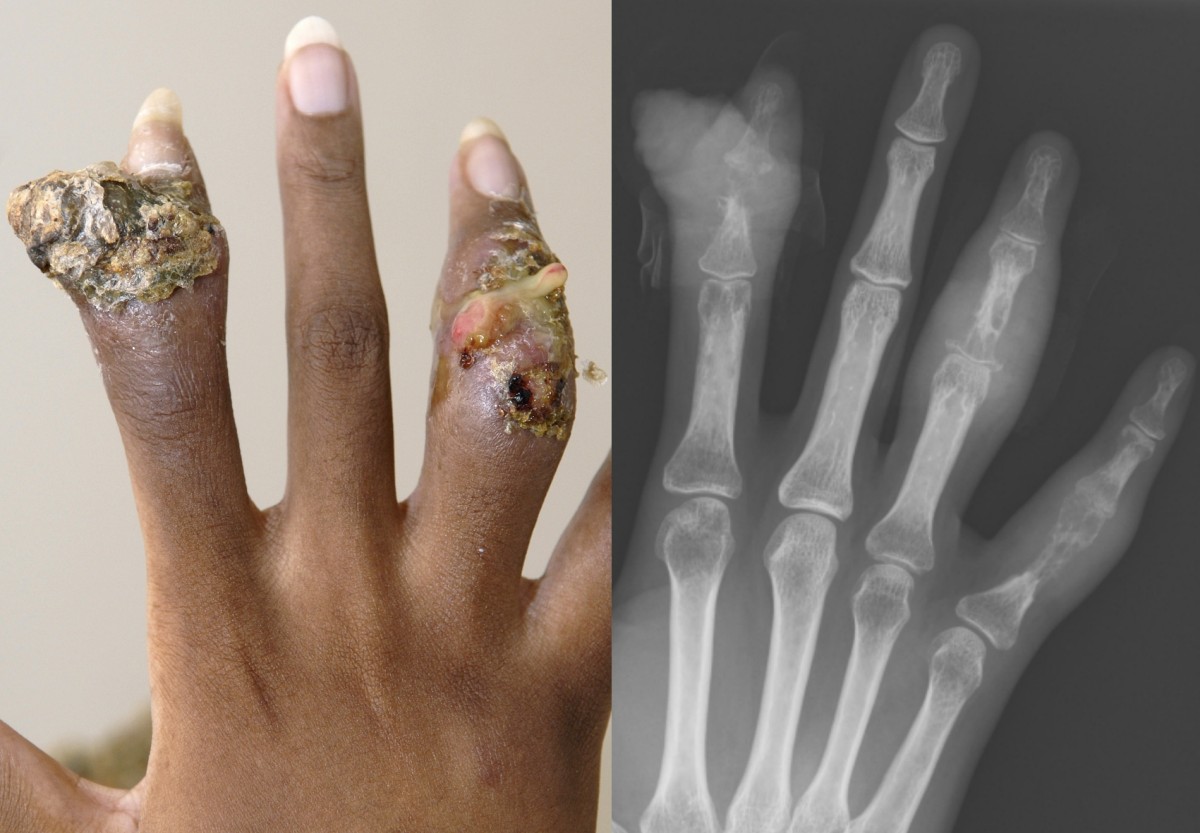
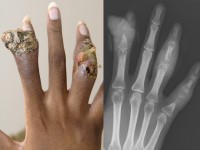
Bone abnormalities
Sarcoidosis can also affect the bones. This occurs primarily in the hand, in the bones of the fingers. The fingers can become swollen and deformed. The abnormalities (damage to the bone tissue) are visible on an X-ray.
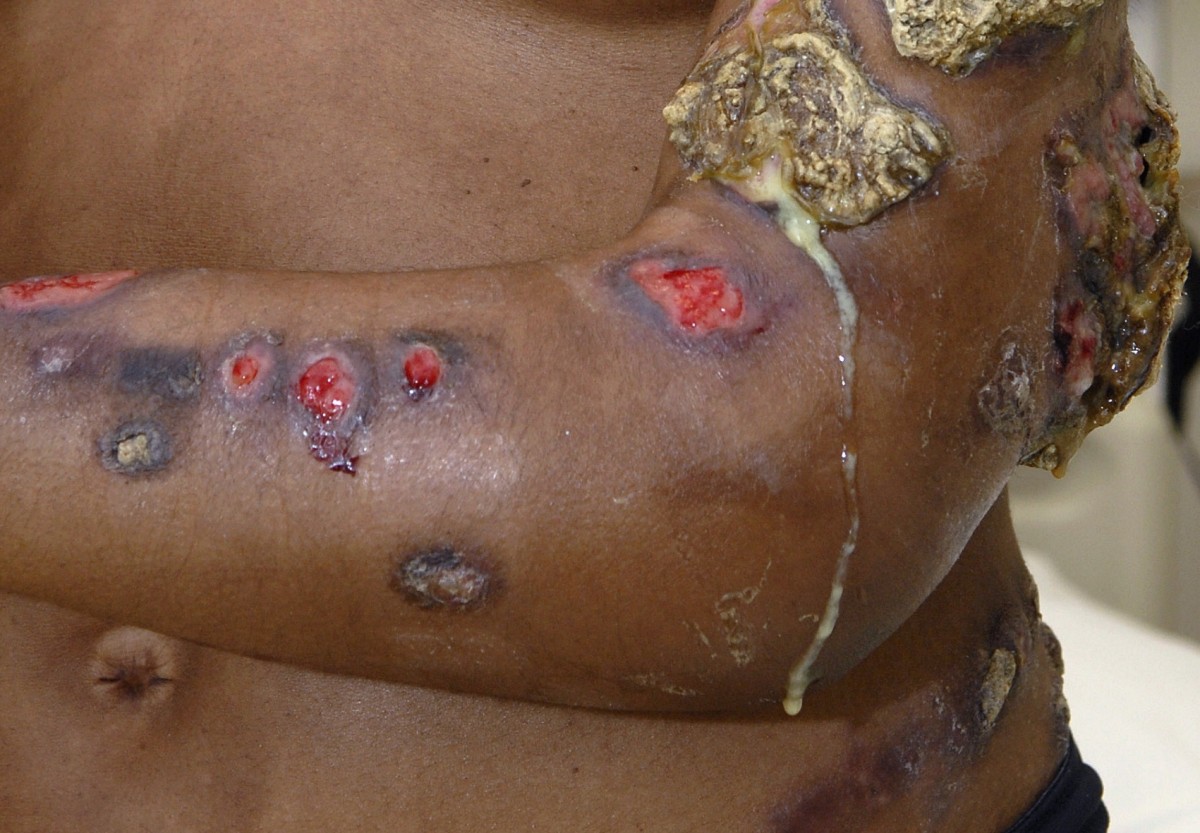
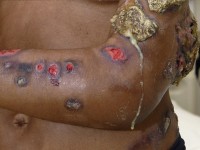
Wounds
In very rare cases, wounds and ulcers can develop. These are initially bumps or plaques of sarcoidosis, which later break down.
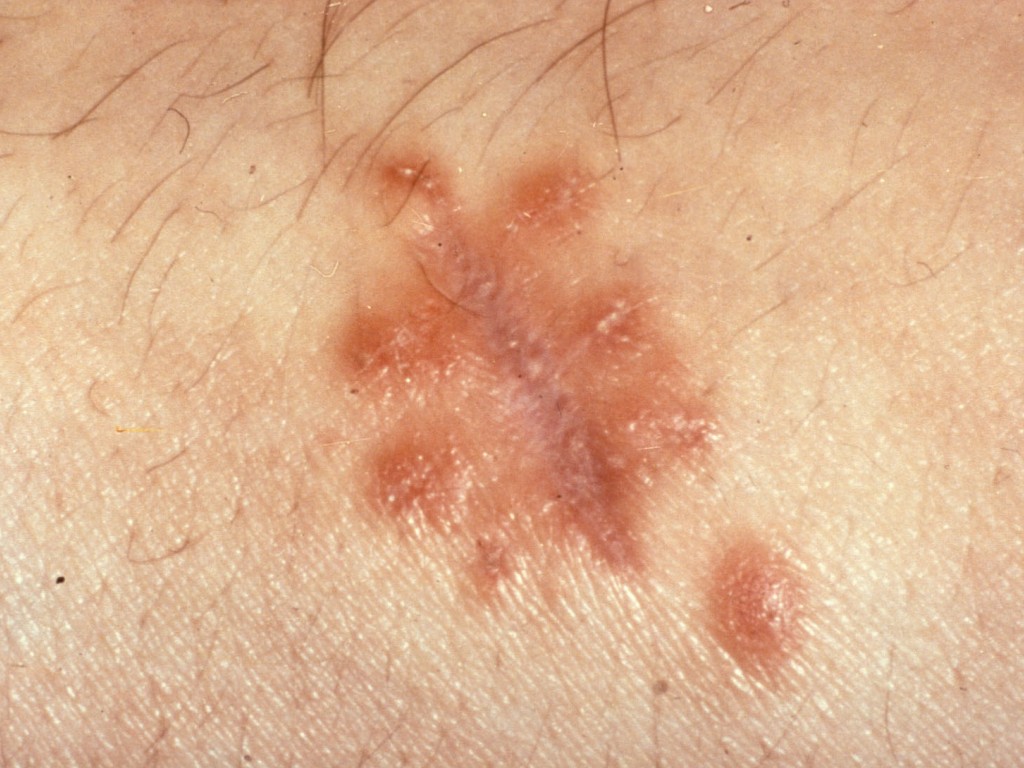
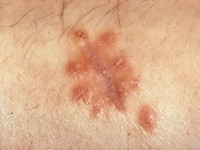
Sarcoidosis in scars
Sarcoidosis can develop in scars, but also in other skin injuries, such as a tattoo. It can also develop in scars from many years ago.
Other abnormalities
Sarcoidosis can also cause nail abnormalities, hair loss with bald patches on the head, enlarged lymph nodes, and painful inflammation of the joints.
 |
 |
 |
| bone abnormalities |
wounds |
sarcoidosis in scar |
WHO CAN GET SARCOIDOSIS?In principle, anyone can get sarcoidosis. It is relatively rare, affecting approximately 10-20 per 100,000 people. It is most commonly seen between the ages of 20 and 40, and less frequently after age 60. It is thought that there is a genetic predisposition; some people are predisposed to developing sarcoidosis. People with darker skin tones have a higher risk of developing sarcoidosis. They develop sarcoidosis at a younger age, and its course is also more severe.OTHER COMPLAINTS OF SARCOIDOSISSarcoidosis affects not only the skin but can affect any part of the body, including
the lungs, lymph nodes, eyes, heart, nerves, bone marrow, liver, spleen, kidneys, and intestines. The severity varies; some people experience minimal symptoms and don't even realize they have sarcoidosis, while others feel very ill, have a fever, fatigue, muscle weakness, difficulty exercising, and weight loss. This can last for months. Lung
abnormalities in sarcoidosis:
The lungs are most often affected by sarcoidosis, in approximately 90% of patients. The inflammation occurs in the lungs and in the lymph nodes located in the chest cavity around the large airways and trachea. Symptoms that may develop include shortness of breath, coughing, chest pain, and sometimes coughing up blood.
Enlarged lymph nodes in sarcoidosis.
Sarcoidosis can also affect the lymph nodes, both in the skin and in lymph nodes deeper in the body. This causes the lymph nodes to become enlarged. The lymph nodes can be felt as hard bumps under the armpits, in the groin, or in the neck. Lymph nodes deeper in the body, for example in the lungs, can be seen on an X-ray or CT scan.
Eye abnormalities in sarcoidosis
. In approximately 12% of sarcoidosis patients, the eyes also become inflamed. This is called uveitis. The eyes can become red and painful. Tear production can decrease, resulting in dry eyes. Inflammation of the conjunctiva can cause a burning or gritty sensation, as if there is sand in the eyes. Inflammation of the retina can cause a haze before the eyes, resulting in poorer vision. Sometimes treatment is necessary to prevent vision loss.
Heart abnormalities in sarcoidosis:
In approximately 2% of patients with sarcoidosis, inflammation also develops in the heart muscle. This can cause arrhythmias (a heart that beats too fast, too slow, or irregularly). This can be diagnosed with an ECG (electrocardiogram). Sarcoidosis can damage the heart muscle, which can impair the heart's pumping function. If there is significant sarcoidosis in the lungs, the right ventricle of the heart can become enlarged because it struggles to pump blood through the inflamed lungs. The end result of all these changes is a heart that no longer pumps properly (heart failure). This can cause shortness of breath during exertion.
Nerve damage in sarcoidosis
The inflammation in sarcoidosis can also affect the nerves and the central nervous system. This can cause a variety of symptoms such as headaches, nerve damage, difficulty swallowing, paralysis of facial muscles, visual field loss, hearing problems, numbness, tingling, convulsions, or strokes.
Kidneys, liver, and spleen:
Kidney stones can form in the kidneys. This is triggered by the often excessively high calcium levels in the blood in sarcoidosis. Sarcoidosis can also develop in the liver and spleen, resulting in enlarged livers and spleens. Problems with blood clotting (proteins for blood clotting are produced in the liver) can occur, and anemia can develop due to impaired production or increased breakdown of blood cells in the spleen.HOW IS THE DIAGNOSIS MADE?To confirm the diagnosis of cutaneous sarcoidosis, a skin biopsy is necessary. Under a microscope, it can be determined that the condition is sarcoidosis. If the diagnosis of sarcoidosis has already been made based on other symptoms, such as pulmonary sarcoidosis, and the skin lesions are very typical of sarcoidosis, a biopsy is not always necessary. The diagnosis of erythema nodosum in sarcoidosis is based on the clinical picture, i.e., its appearance.
To determine whether sarcoidosis is also present in other organs, additional testing is necessary. This is usually requested by a pulmonologist or internist. This involves tests such as chest X-rays or CT scans, pulmonary function tests (spirometry), biopsies of lung tissue or lymph nodes, an ECG (electrocardiogram), blood tests, urine tests, and an ophthalmologist's examination.HOW IS SARCOIDOSIS TREATED? Sarcoidosis doesn't always require treatment. It resolves on its own, although this can take months to years. And if symptoms are minimal, treatment isn't necessary. Things become different if disfiguring or damaging skin lesions develop, or damage to the lungs or other organs occurs; in that case, treatment is necessary.
Skin lesions can be treated with topical corticosteroids in the form of a cream or ointment. If this isn't effective enough, the affected areas can be injected with a corticosteroid solution. If this isn't effective enough, medications can be prescribed, the same products used for pulmonary sarcoidosis.
Sarcoidosis of the lungs or other organs can be treated with medications that suppress or influence the immune system. Examples of these medications include prednisone, methotrexate, hydroxychloroquine, azathioprine, minocycline, tetracycline, thalidomide, and infliximab. These medications can also be used for severe cutaneous sarcoidosis. The effects must be weighed against the side effects.WHAT IS THE PROGNOSIS?The prognosis is fair for most patients. It resolves spontaneously. However, it can also recur. Some patients develop severe symptoms that require treatment with medications that can have numerous side effects, such as prednisone, which can cause weight gain and diabetes and osteoporosis. Sarcoidosis can lead to people being unable to work due to fatigue or other symptoms. It also has a significant psychological impact. Ultimately, after months to years, the condition resolves, and people can resume their normal lives. In approximately 10% of patients, the condition is chronic. |