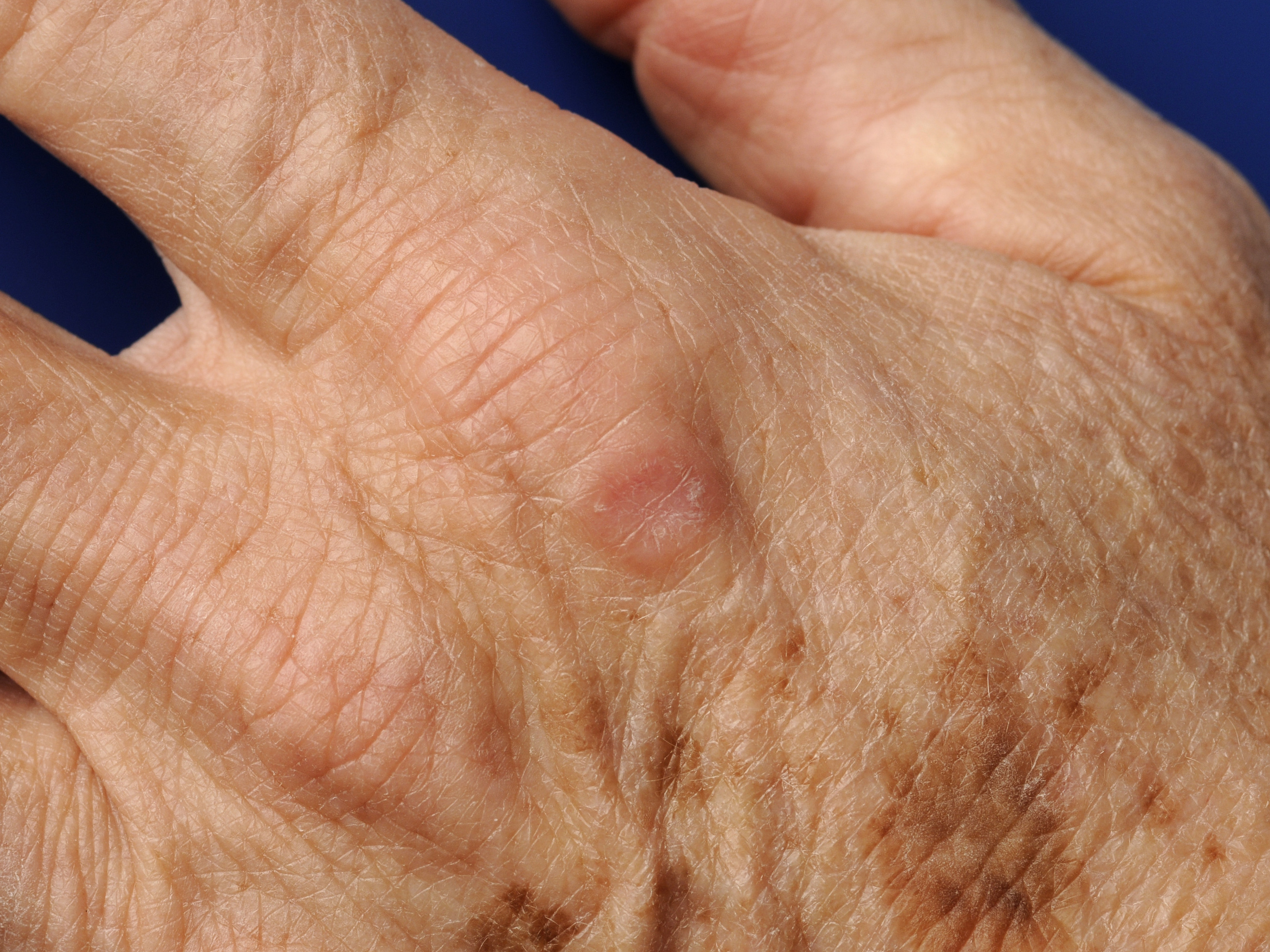
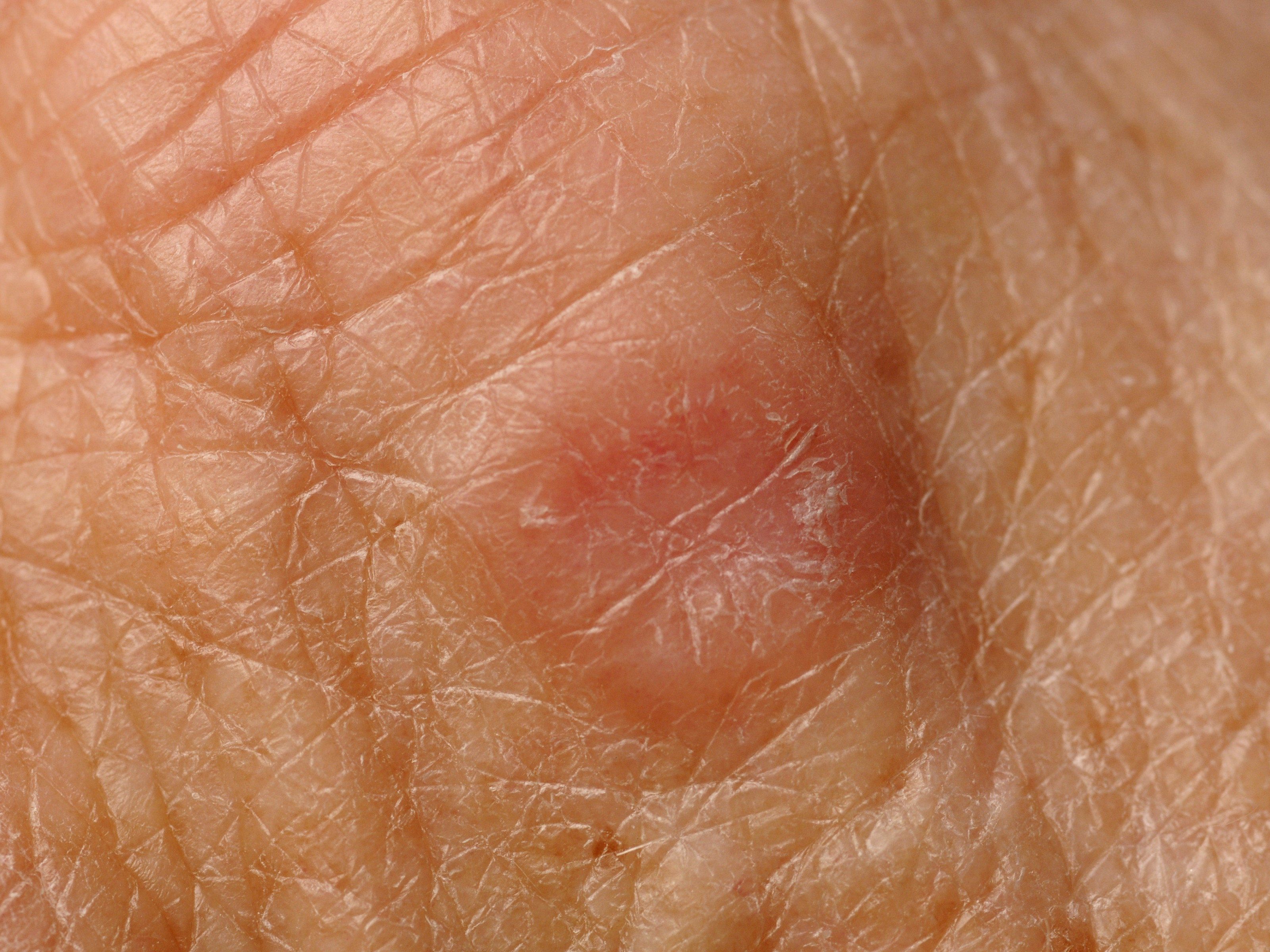
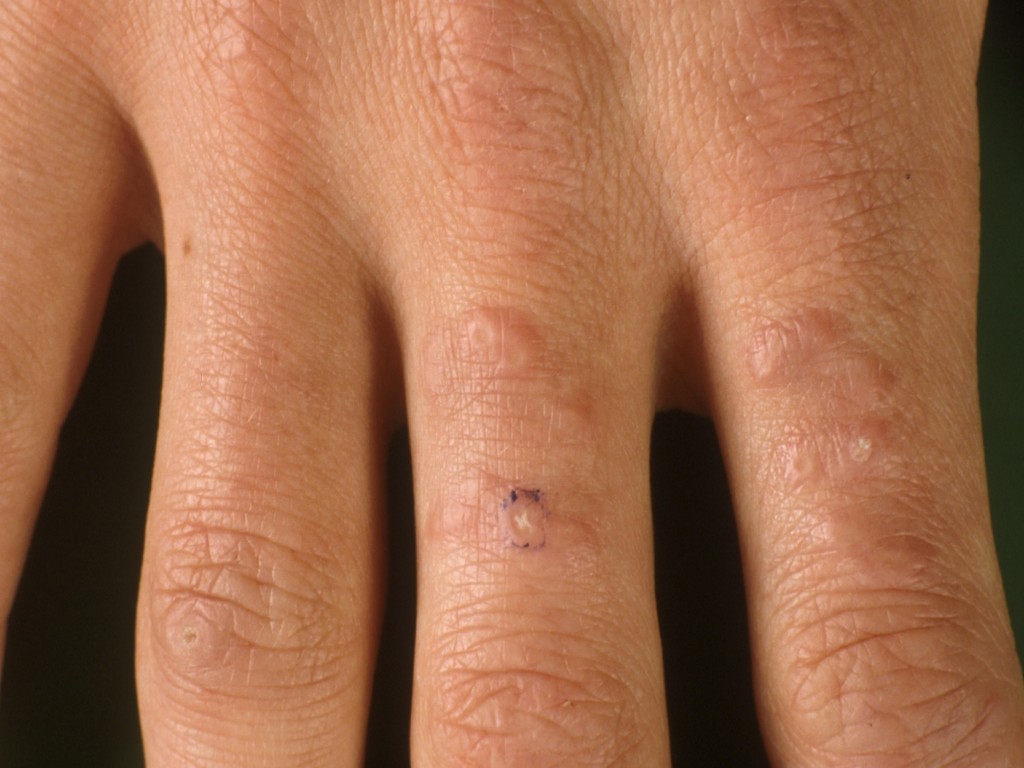
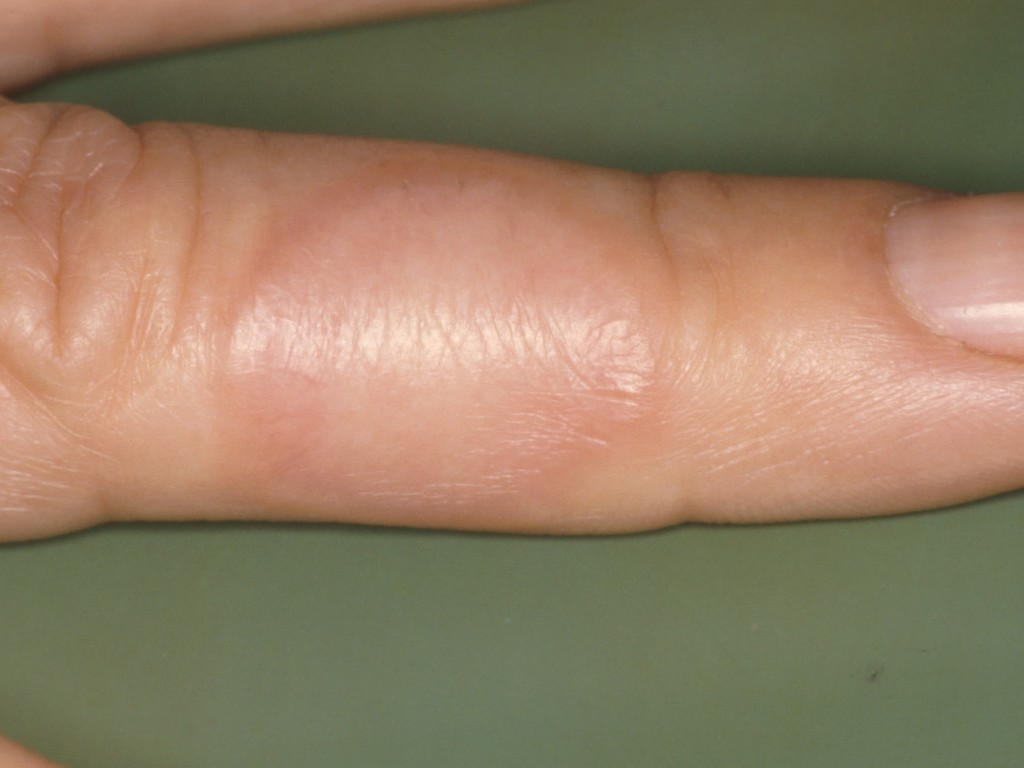
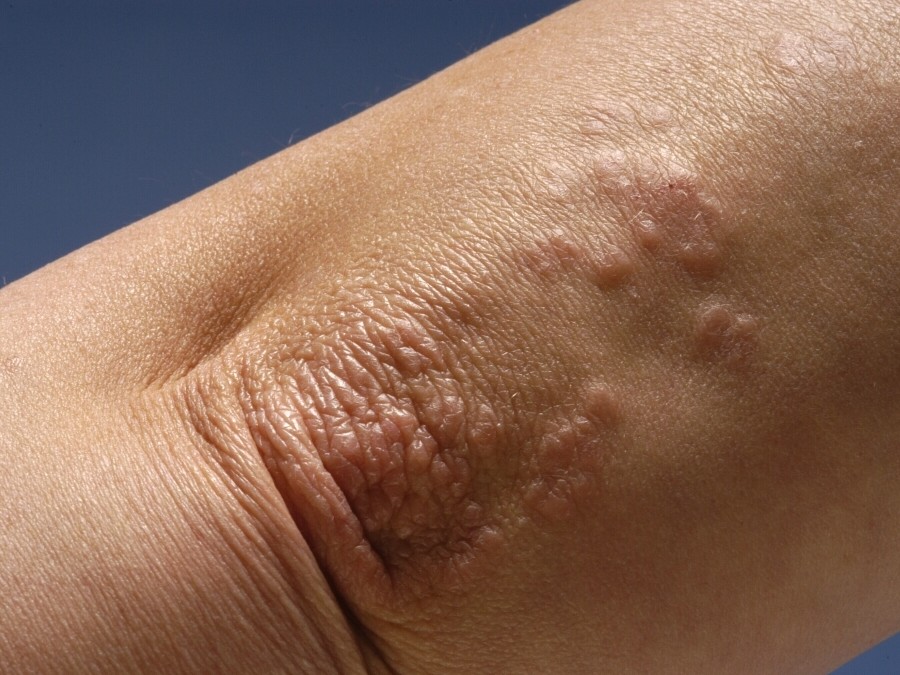
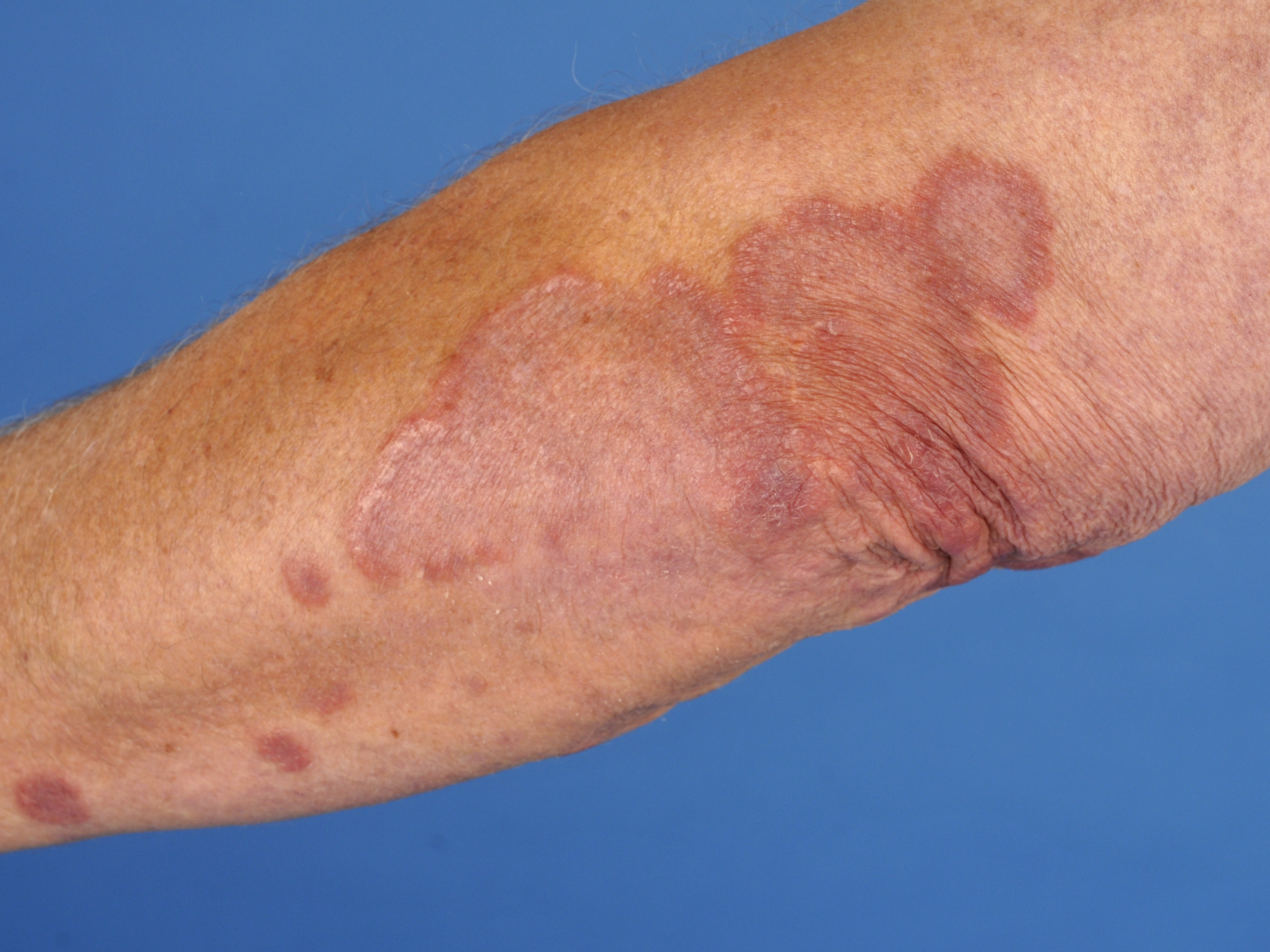
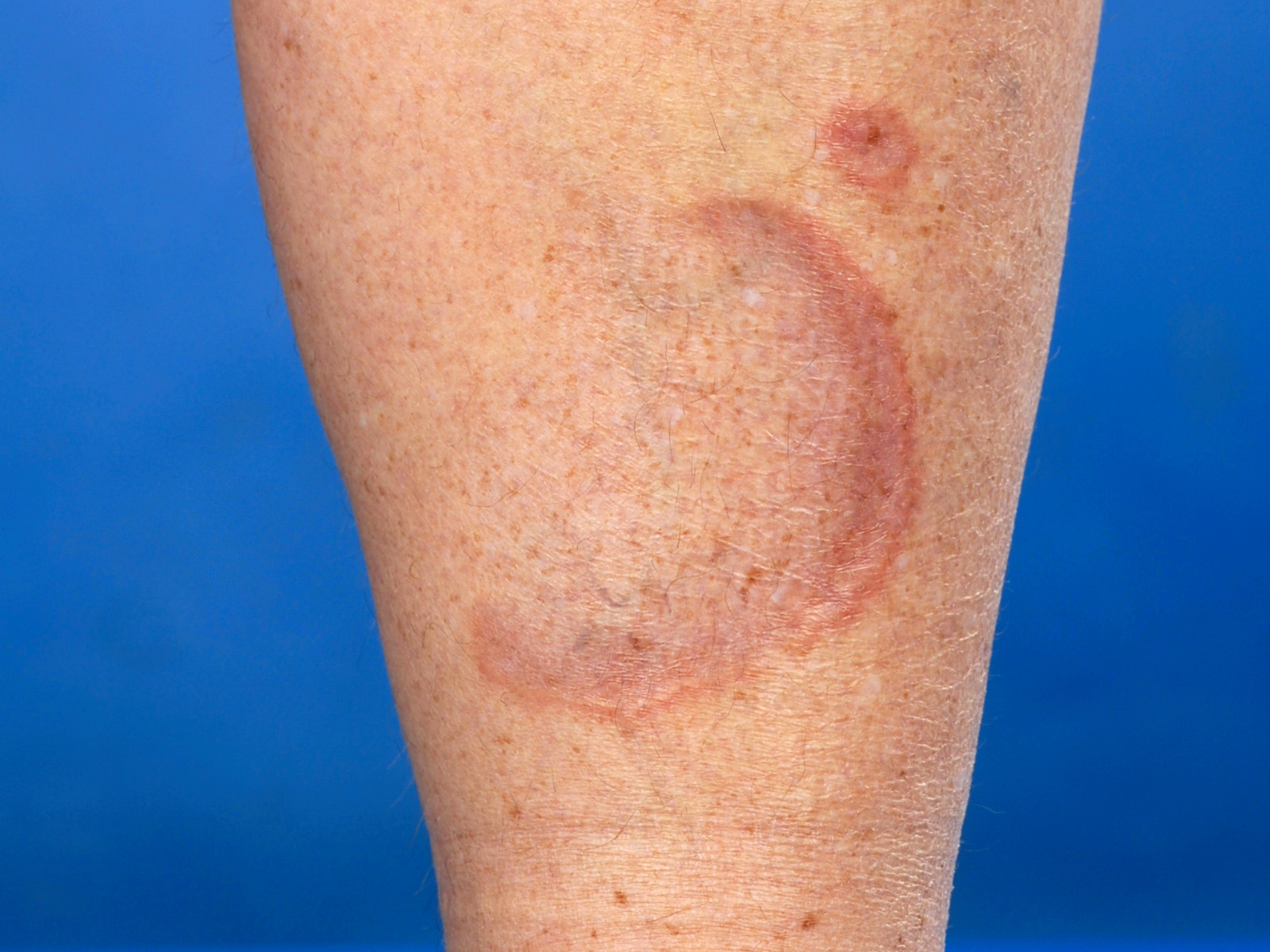
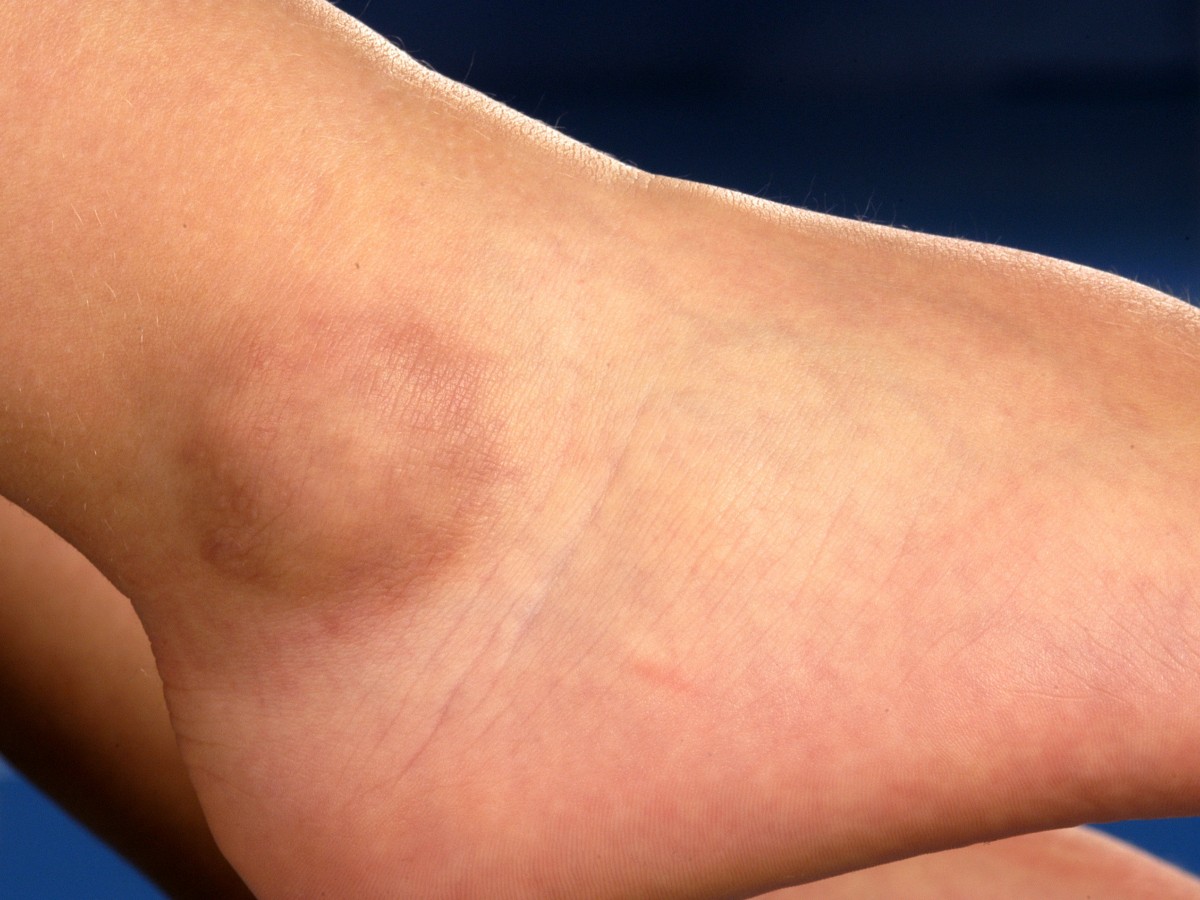
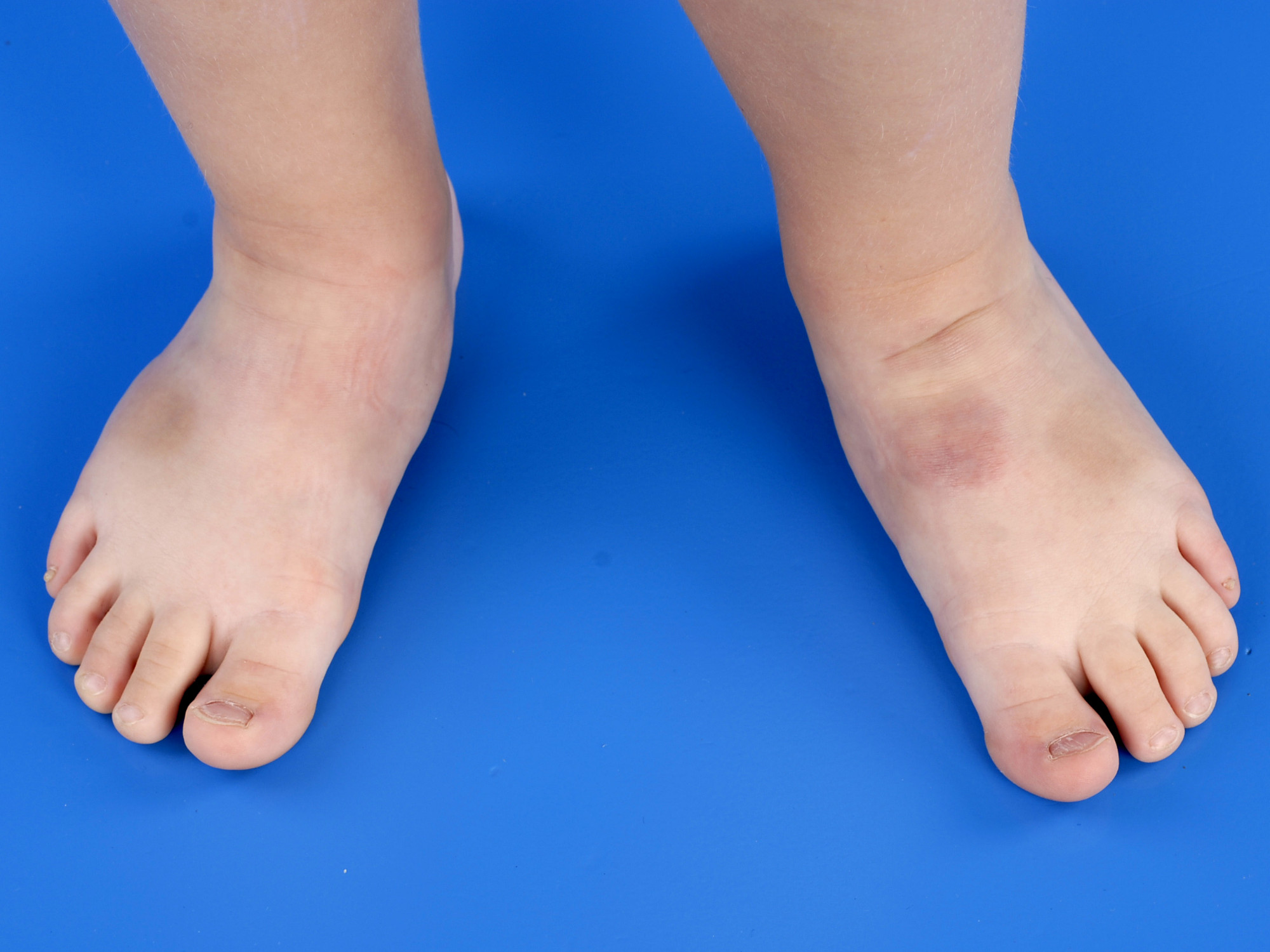
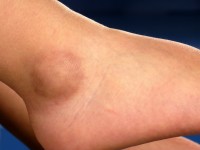
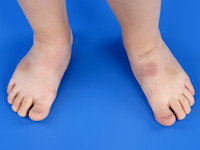
WHAT IS GRANULOMA ANNULARE?Granuloma annulare is a swelling of the skin, often shaped like a ring or circle (annular means ring-shaped), caused by inflammation in the subcutaneous connective tissue. It usually begins as a small red bump, which can gradually enlarge. It expands at the edges while the center heals, creating the ring shape.
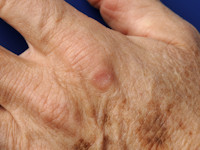
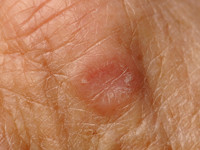
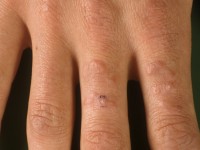
It is a benign condition. It is common, especially at a young age (under 30), and occurs slightly more often in women than in men. The exact cause of the inflammation in granuloma annulare is unknown. Pathogens such as bacteria or viruses have never been found in the spots. It is not contagious. In most patients, it resolves on its own within 1-2 years. Treatment is difficult; although several treatment methods are known, they are not equally successful in everyone.WHAT ARE THE PHENOMENA?Classically, one sees annular, red or pinkish-red raised areas, without scaling or itching, primarily on the backs of the hands and feet. Other common areas include the fingers, toes, and arms (especially around the elbows). It appears primarily near the joints. Two main forms are distinguished: the localized form, in which one or a few spots are seen, primarily in the aforementioned areas, and the widespread form (granuloma annulare disseminata). The widespread form is more common in adults. In the widespread form, large numbers of granulomas can develop, distributed throughout the body (trunk, arms, legs).
 |
 |
 |
| granuloma annulare |
granuloma annulare |
granuloma annulare |
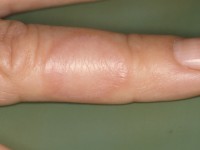 |
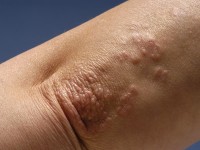 |
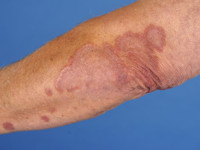 |
| granuloma annulare |
granuloma annulare |
granuloma annulare |
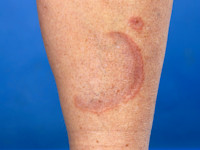 |
 |
 |
| granuloma annulare |
granuloma annulare |
granuloma annulare |
HOW IS THE DIAGNOSIS MADE?Often, the picture is so clear that no further examination is necessary, especially if the typical ring shape is present. Fungal infections with a ring-shaped pattern (ringworm) can resemble this, but they are often more flaky and itchy. If the picture is unclear, a biopsy can be taken. Under local anesthesia, a small 3-4 mm circle is removed from the area with a punch. This piece of skin tissue is examined in the laboratory. A definitive diagnosis can be made through microscopic examination. A so-called 'granulomatous' inflammation is seen, meaning that cells specialized in clearing away damaged material are visible. With granuloma annulare, the connective tissue (collagen) is damaged, which can also be seen under the microscope. The cause of the damage to the connective tissue and the surrounding cleanup reaction is completely unknown.IS THERE A RELATIONSHIP WITH DIABETES?Granuloma annulare is slightly more common in patients with diabetes than in patients without diabetes. However, the reverse is not true. In patients with the localized form of granuloma annulare, meaning one or a few spots, diabetes is not much more common than in people without granuloma annulare. Therefore, it is not necessary to routinely screen for diabetes in every patient with the localized form of granuloma annulare. With the extensive form of granuloma annulare, there is a slightly higher risk of diabetes or other internal disorders (such as high cholesterol). In that case, it is advisable to test the blood and/or urine. Because testing for diabetes is simple and early detection is important, many doctors will be inclined to perform a diabetes test for both forms of granuloma annulare just to be sure.WHAT IS THE TREATMENT?Because granuloma annulare usually disappears spontaneously, although this can take a long time, there's also the option of leaving it untreated and allowing it to heal spontaneously. If treatment is chosen, there are several possibilities:
Localized form, limited number of lesions:
| - |
Topical corticosteroids. A strong corticosteroid cream or ointment is applied to the area daily or every other day. The corticosteroid hormone in the cream inhibits the inflammatory response. To allow the active ingredients to penetrate more deeply, this treatment is preferably combined with an occlusive patch. |
| - |
Intralesional corticosteroids. This treatment involves injecting a small amount of a corticosteroid solution, usually mixed with an anesthetic, into the affected area. The treatment is repeated after a few weeks if necessary. |
| - |
Cryotherapy (freezing). Using liquid nitrogen, the entire area is superficially frozen. The treatment is repeated after a few weeks if necessary. The damage caused by freezing often has a beneficial effect. It is known that granuloma annulare can disappear after all kinds of skin damage. It also sometimes disappears on its own after a biopsy. |
Extended form:
| - |
Light therapy. Various therapeutic light treatments are available (PUVA, UVA-1, Re-PUVA). |
| - |
Medicines such as dapsone (diaphenylsulfone, DDS) and nivaquine (chloroquine). These are antibiotics that originally target microorganisms (for example, nivaquine is an antimalarial drug) and also have a distinct anti-inflammatory effect. |
| - |
Immunosuppression. For very severe forms, strong anti-inflammatory drugs such as prednisone or cyclosporine are sometimes prescribed. |
| - |
Other agents: several other medications (antibiotics, anti-inflammatories, cytostatics) are known that could be tried in exceptional cases. The problem is that there are no reliable studies demonstrating their effectiveness in the extensive form of granuloma annulare. |
When prescribing medications, a careful balance must always be struck between the severity of the granuloma annulare and the side effects of the medication. It is important to avoid a situation where "the cure is worse than the disease." |