WHAT ARE SWEATY FEET?Sweaty feet usually refers to feet that emit an unpleasant odor (English: stink foot ). The foul stench is caused by odors produced by bacteria and/or fungi. Stinking socks and toe cheese are common terms associated with this. Bacteria thrive in places that are moist and warm, and where there are sufficient nutrients in the form of skin flakes. The feet are therefore the ideal habitat for bacteria.
But sweaty feet can also mean feet that sweat excessively. The medical term for this is hyperhidrosis . Hyperhidrosis is a condition in which abnormal amounts of sweat are produced. This can occur in the armpits ( hyperhidrosis axillaris ), on the palms of the hands ( hyperhidrosis palmaris ), and on the soles of the feet ( hyperhidrosis plantares ). Hyperhidrosis feet are constantly soaked with sweat and often cold. The skin becomes softened and wrinkled due to the excessive sweat production. Of course, the moist conditions associated with hyperhidrosis are ideal for developing smelly feet, and hyperhidrosis patients often experience this as well. However, hyperhidrosis is distinct from what is normally understood as normal sweaty feet.
For more information about excessive sweating, see hyperhidrosis .HOW DO SWEATY FEET DEVELOP?The feet, like the palms of the hands, are abundantly provided with sweat glands. They also have a thick stratum corneum, the top layer of skin consisting of flaking dead cells. These dead cells, especially in combination with a moist environment, create an ideal breeding ground for bacteria and fungi.
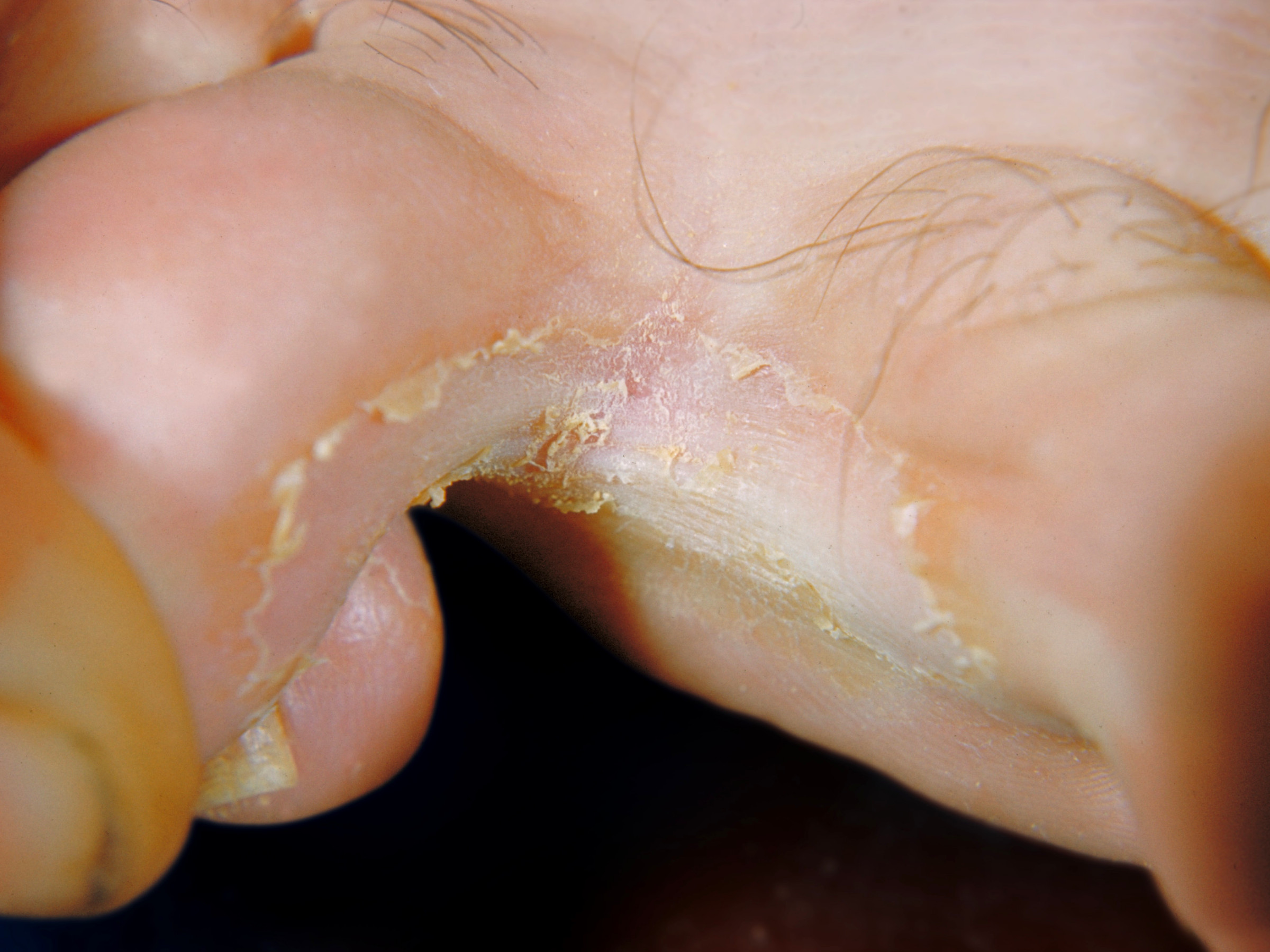
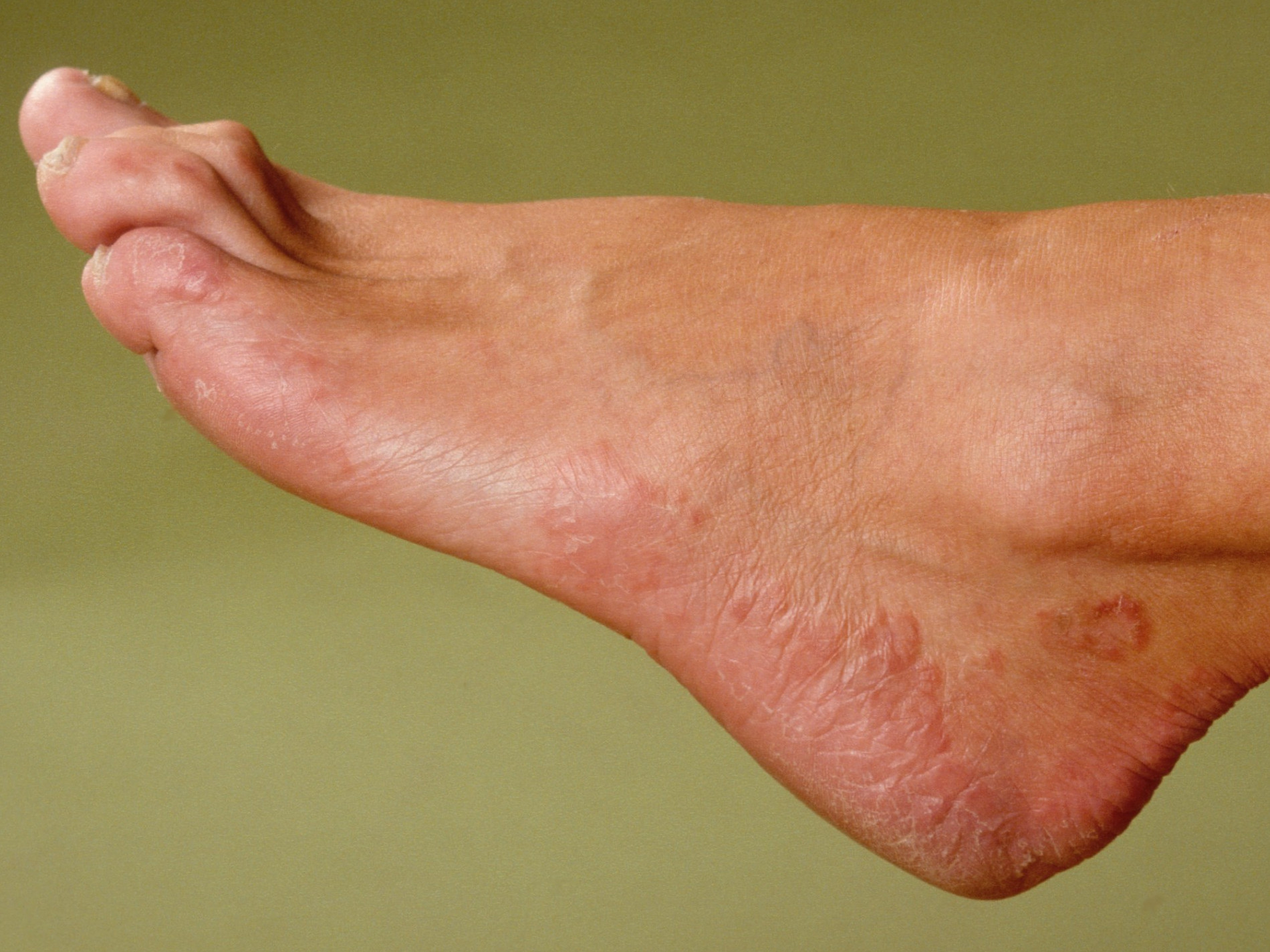
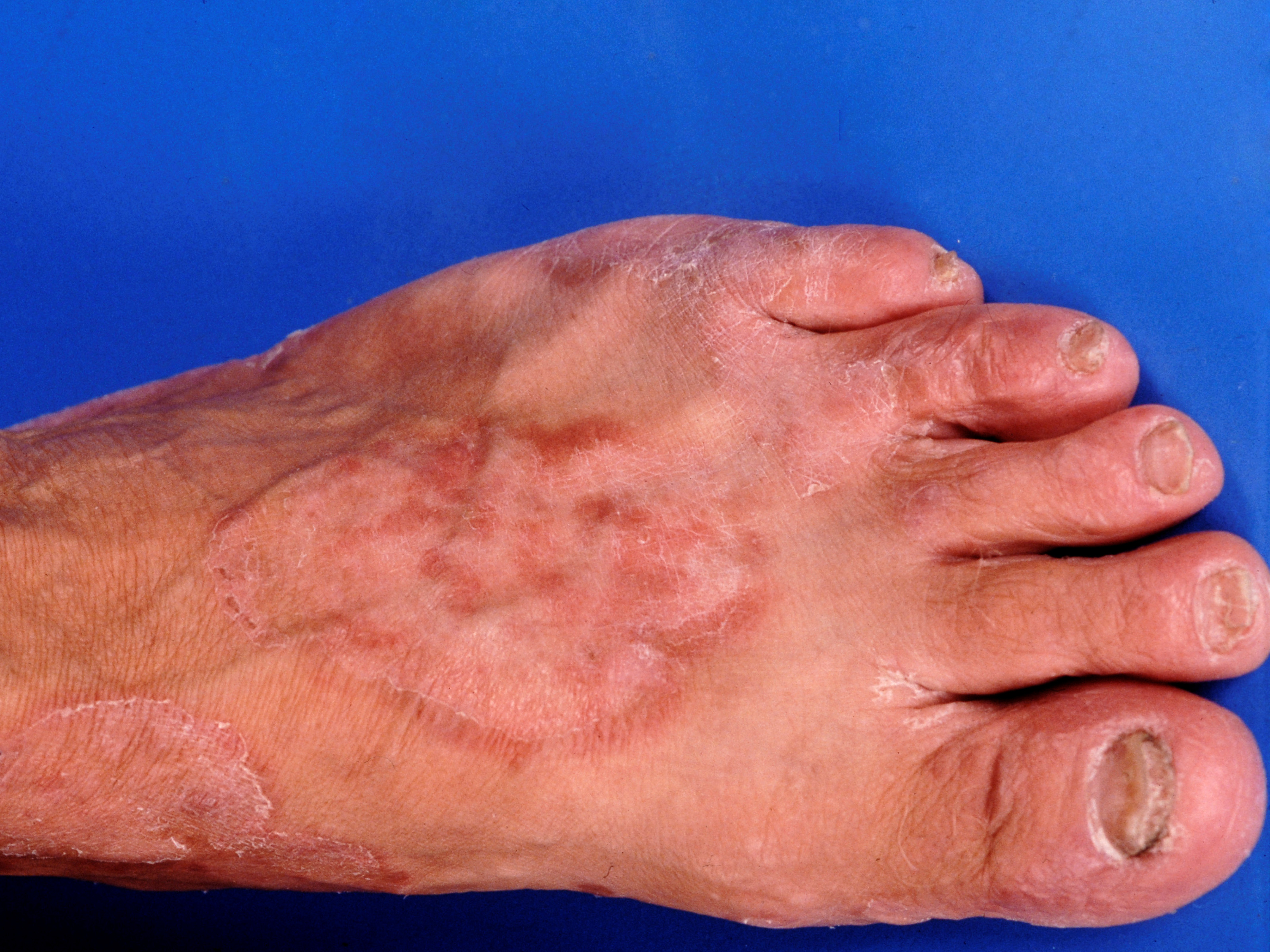
Research has been conducted on bacteria that grow on feet. Many different species have been found. The most common are Staphylococcus epidermidis , Bacillus subtilis , and Microccoccus sedentarius . Fungi and yeasts such as Trichophyton and Candida species can also occur. Fungal overgrowth is most commonly seen between the toes. This can cause the skin to flake, resulting in loose flakes between the toes. This is also called athlete's foot, but it is actually a type of foot fungus .
Because Westerners spend a large part of the day encasing their feet in airtight and waterproof shoes, often with warm socks, temperatures hover between 30 and 40 degrees Celsius. These moist and warm conditions are perfect for bacterial growth. Bacteria produce waste products and unpleasant odors. Sweat doesn't stink when it leaves the body, but common skin bacteria, normally found on the skin, can convert components of sweat into foul-smelling odors.
The odor is therefore caused by these bacteria. By reducing the number of bacteria on the skin, sweaty feet can be combated.WHAT CAN BE DONE ABOUT IT?Wash your feet!
Washing your feet thoroughly and frequently is the best remedy. Several times a day, if necessary. You can simply use soap and water. A fifteen-minute soak in a foot bath at the end of the day is often also pleasant. Sea salt or an antibacterial agent can be added to the bathwater.
Antibacterial products:
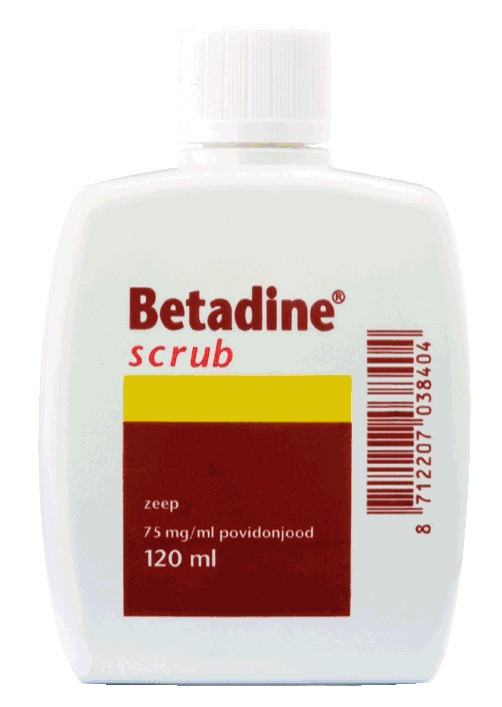
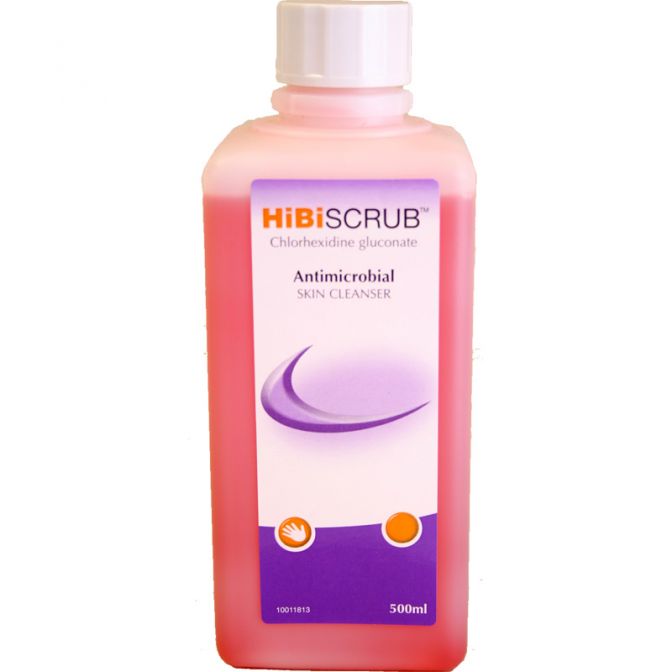
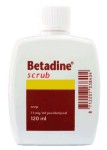
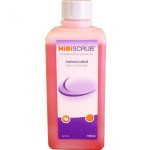
Bacteria can be combated even more effectively by using an antibacterial soap. This can be done by washing your feet in a bowl containing Betadine scrub (povidone-iodine soap solution) or Hibiscrub (chlorhexidine soap solution). These products are available over the counter at pharmacies or drugstores. Betadine iodine is also available as an aqueous solution and as an ointment.
Tips for using Betadine: in severe cases, apply Betadine iodine ointment to the entire foot, including between the toes, once or twice a day. Iodine stains, so wear an old sock over it. This reduces the number of bacteria. In addition, as a maintenance treatment, take a foot bath with betadine iodine scrub 2-3 times a week.
 |
 |
 |
| Betadine scrub |
Hibiscrub |
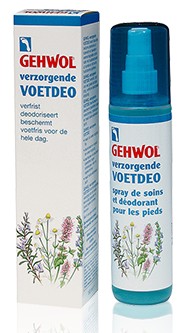
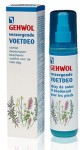
Gehwol spray |
Other products that can be added to the bath include sodium bicarbonate (baking soda) and vinegar. These substances make the water acidic, which certain bacteria cannot tolerate.
Sodium bicarbonate: dissolve 1 tablespoon of baking soda in 1 liter of water. Soak your feet in this for 15 minutes twice a week.
Vinegar: dissolve 125 ml of vinegar in 1 liter of water. Soak your feet in this for 15 minutes twice a week.
Keeping feet dry:
Dry your feet thoroughly after washing, including between the toes. Let them air dry.
Wear socks made of cotton or wool instead of polyester.
Wear well-ventilated shoes. Avoid synthetic materials such as rubber and nylon.
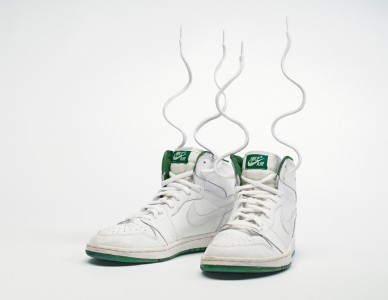
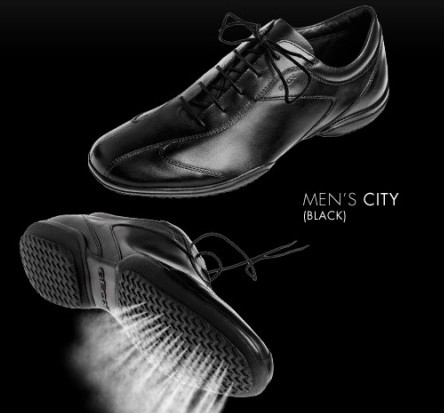
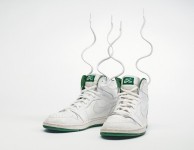
Bad shoes are sneakers without ventilation in the fabric. Good shoes are leather shoes with ventilation, or special ventilated shoes (for example, Nike Air Max or Geox shoes). And flip-flops, sandals, and open loafers. At home, walk without shoes as much as possible. Let your shoes dry.
 |
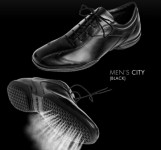 |
| Nike Air Max |
Geox |
Talcum Powder:
Use talcum powder to keep your feet dry. Regular talcum powder is fine. There are also talcum powders containing anti-fungal or anti-bacterial agents.
Deodorant for the feet:
An example is Gehwol foot spray (commercial product). This is a foot deodorant that also disinfects and protects against fungus. You can also use armpit deodorant on your feet. Use a stick deodorant, not a spray. The deodorant inhibits sweat production and kills the bacteria that convert sweat into odor.
Anti-sweat products for the feet:
Liquids and creams containing aluminum hydroxide or aluminum chloride hexahydrate are available from a dermatologist to reduce sweat production. This may be necessary for excessive foot sweating (hyperhidrosis).
Clean and dry socks!
Wear clean socks every day. Change them several times a day if necessary. Wear socks made of cotton or wool instead of polyester; they absorb better and keep your feet dry. A thicker sock provides better ventilation than a thinner sock. Two pairs of socks on top of each other is also an option (first a cotton one, then a wool one). This may seem contradictory, but this helps wick away moisture. There are also socks with woven silver. This is said to have an effect on bacteria. It's not entirely clear whether this actually works against sweaty feet.
Keep shoes dry
. Don't wear the same shoes every day so they can dry. Buy multiple shoes and alternate them so they can air dry thoroughly (for three days).
Insoles.
To protect the inside of your shoes, insoles can be used. Insoles come in all shapes and sizes, both thick and thin, and some regulate moisture or neutralize odors with activated carbon (odor absorbers).
Care for your feet
. Combat athlete's foot (athlete's foot) with antifungal creams and dusting powder. Take good care of your feet and remove old skin cells and calluses (callus rasp). |