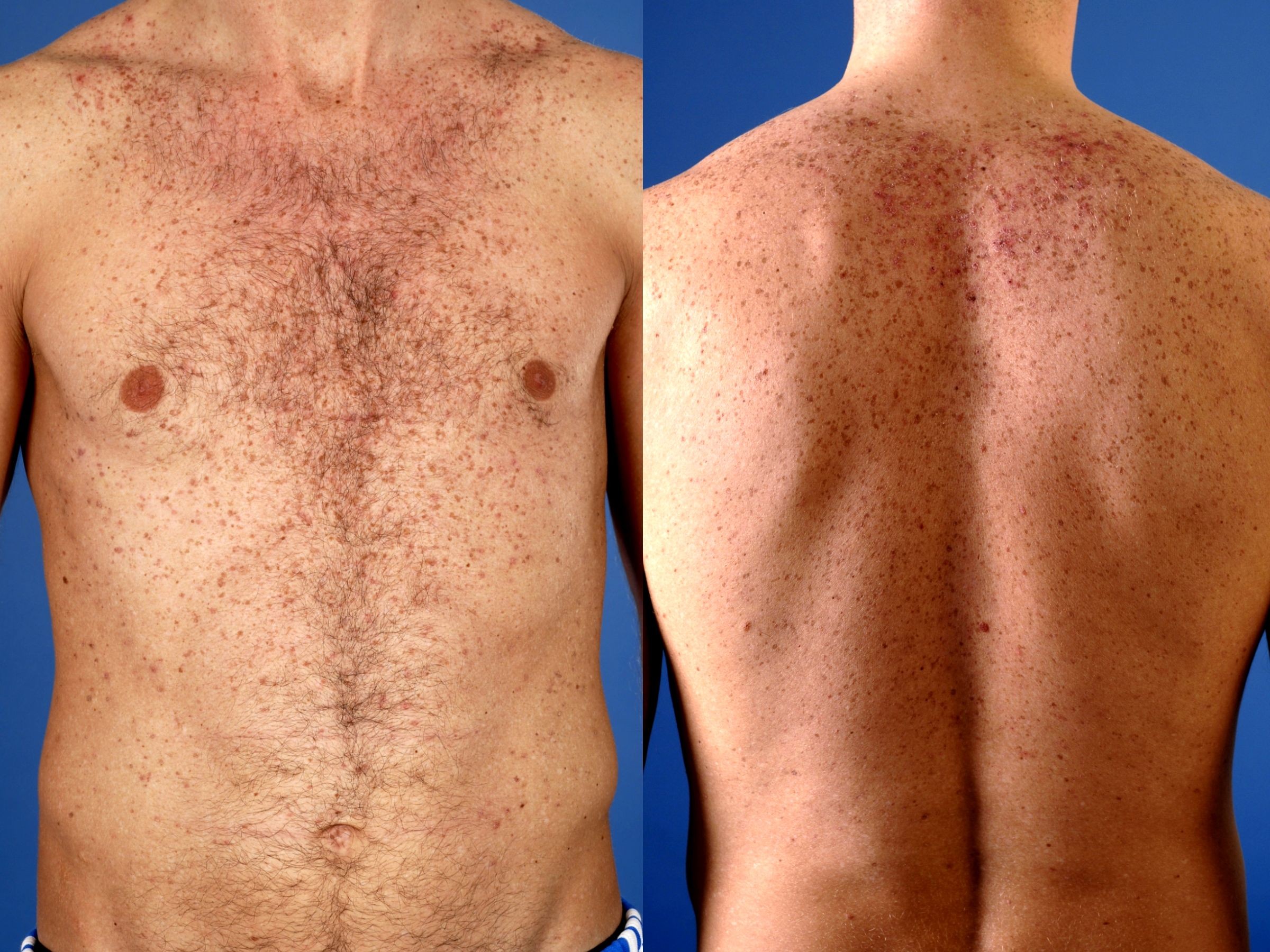
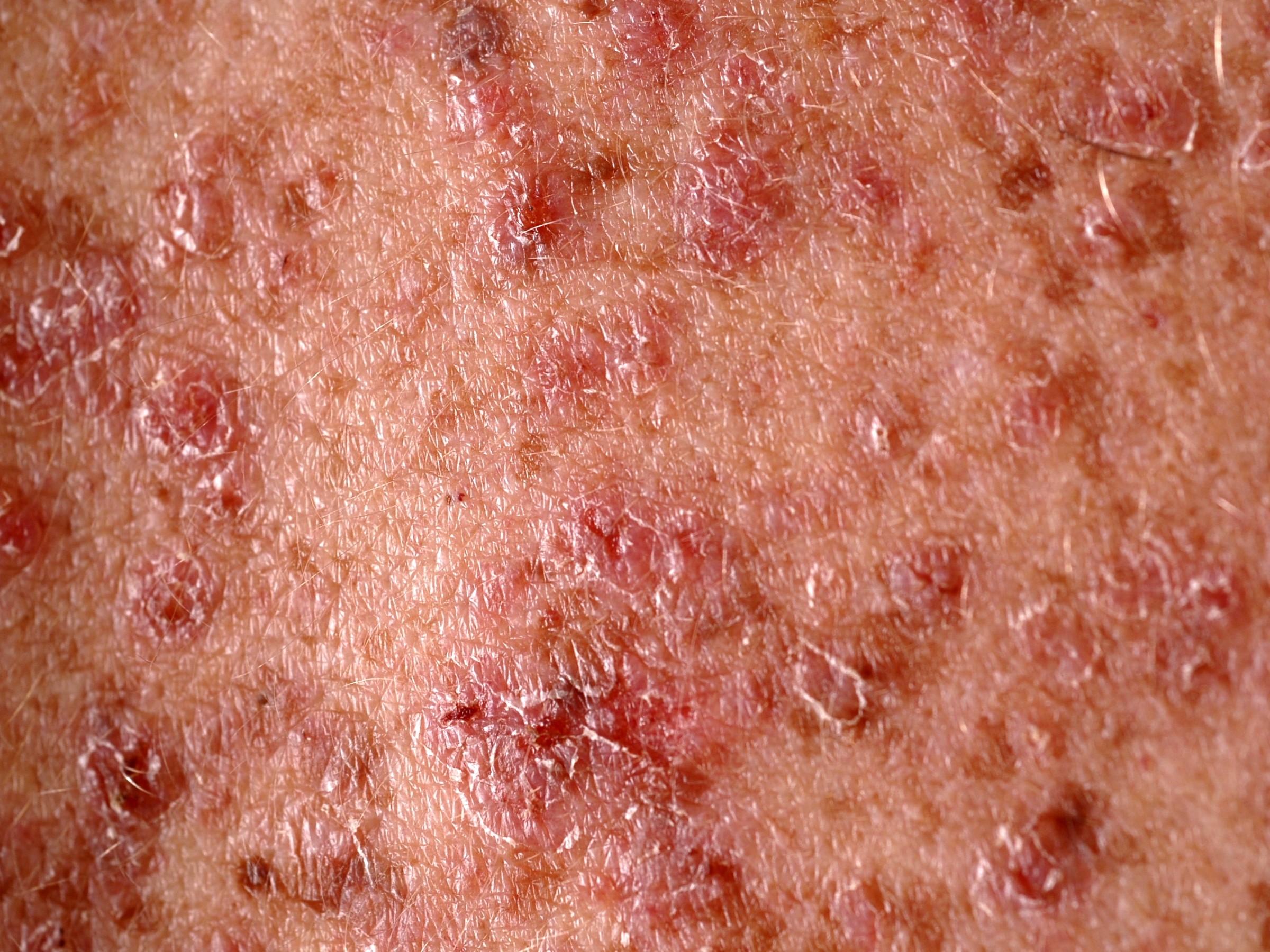
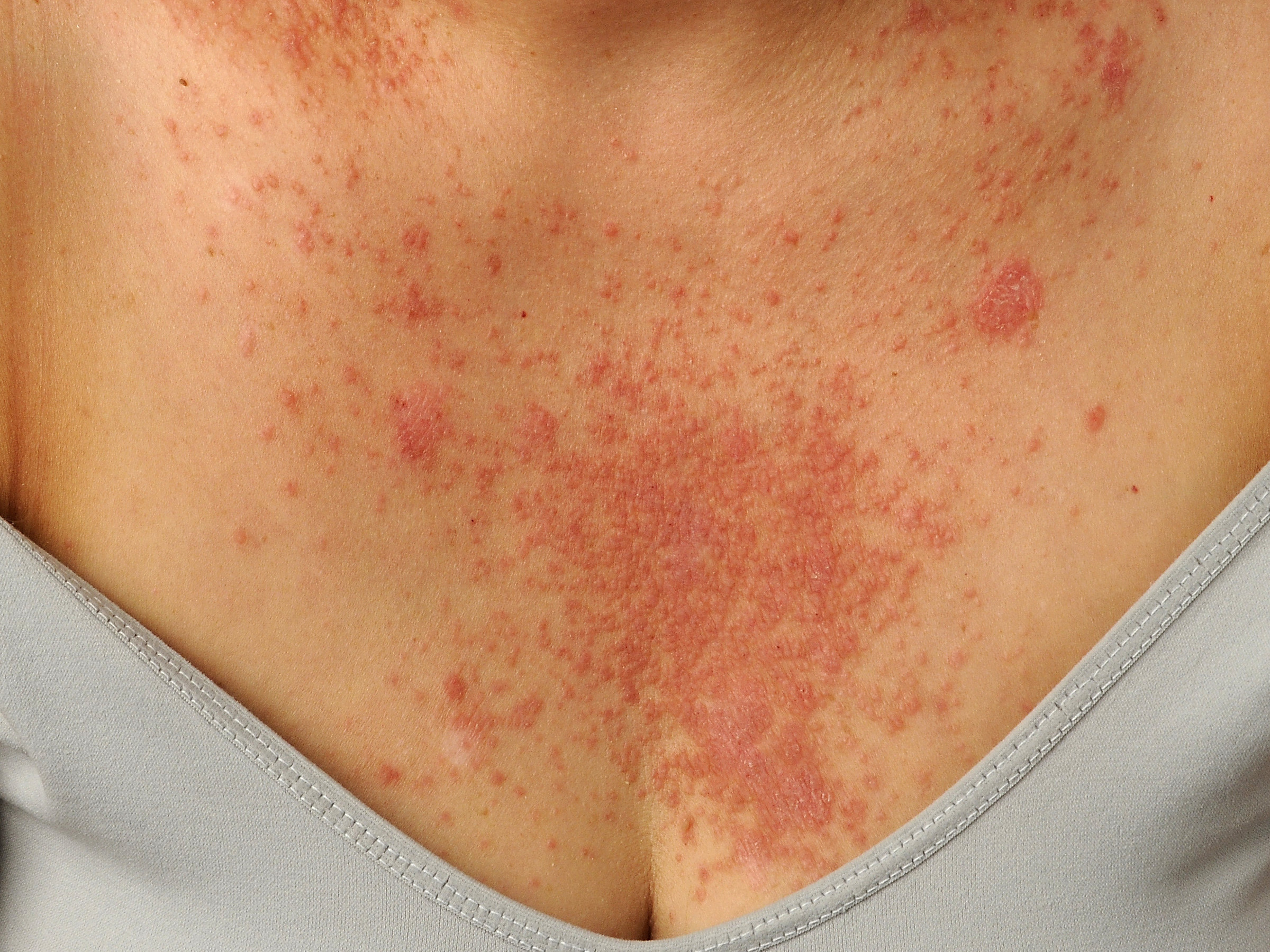
WHAT IS DARIER'S DISEASE?Darier's disease is a hereditary condition that causes small red or brown scales and scabs to develop on the chest and back. The disorder affects the upper layers of the skin. The skin cells don't grow normally; they don't connect properly, causing scabbing. Localized thickening of the outer layer of skin, the stratum corneum, also occurs, resulting in scabs.
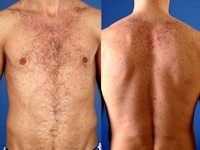
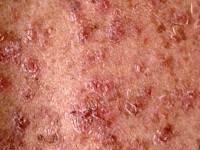
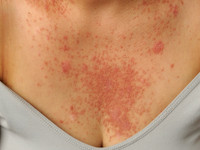
The medical name is dyskeratosis follicularis or keratosis follicularis . Dyskeratosis means a cornification disorder, and keratosis means a thickened stratum corneum. Darier's disease affects approximately 1 in 60,000 people in the Netherlands. Both men and women can develop it. It usually doesn't begin until adolescence.WHAT DOES DARIER'S DISEASE LOOK LIKE?Small, flaky patches and crusts develop on the chest and back, particularly on the shoulder blades. Besides these areas, it can also appear on the scalp or neck. Sometimes it also occurs in the folds of the body (the armpits, groin, and under the breasts). Some patients have only a few patches, while others are completely covered.
 |
 |
 |
| Darier's disease |
Darier's disease |
Darier's disease |
Sometimes a skin infection develops in the areas where the spots are located. The skin is not intact, so bacteria, fungi, or viruses can easily enter. Symptoms of such an infection include redness, swelling, pain, sometimes an unpleasant odor, and fever.
The skin lesions can worsen under certain conditions, such as exposure to sunlight, heat, high humidity, sweating, and mechanical irritation (e.g., chafing or tight clothing).
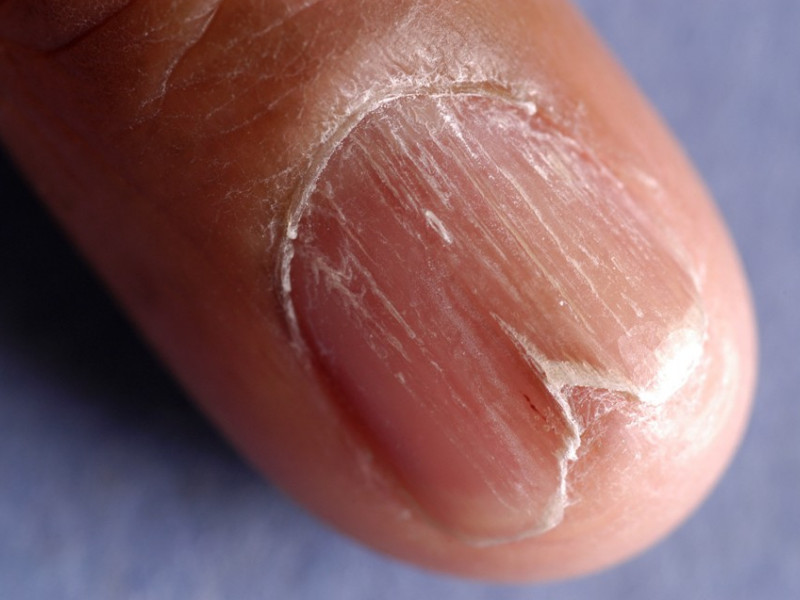
Darier's disease can also affect the nails. Red or white lines or grooves may develop along the length of the nail. The tip of the nail may become loose, and wedge-shaped cracks (triangular dents) may develop.
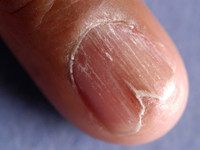 |
| grooves and splits |
Other unusual abnormalities that patients with Darier may sometimes have include wart-like spots and pits on the palms of the hands.WHAT CAUSES DARIER'S DISEASE?It was already known that Darier's disease is a hereditary condition because it runs in families. More recently, it was discovered that Darier's disease is caused by a mutation (abnormality) in the DNA. This mutation affects the ATP2A2 gene. People with this DNA abnormality can develop Darier's disease. However, there are also people who have the mutation and experience no symptoms.
Due to the DNA defect, the proteins that normally ensure that skin cells adhere properly are not produced properly. This results in flakes and scabs. Because the cells of the upper skin layer are not properly attached to each other, bacteria, fungi, and viruses can easily penetrate the skin. Therefore, patients with Darier's disease are prone to skin infections. These skin infections can occur in the area where the abnormalities are located.HOW IS THE DIAGNOSIS MADE?The diagnosis can be made based on the clinical picture, i.e., the appearance. If there is any doubt, a small piece of skin can be taken under local anesthesia for further examination under a microscope ( skin biopsy ).
DNA testing can also be performed in certain specialized laboratories. This is not common practice, as it is expensive and unnecessary for a diagnosis. There is also little point in knowing, as it is common for patients who carry the Darier disease gene to have no symptoms at all.WHAT IS THE TREATMENT FOR DARIER'S DISEASE?Patients with Darier's disease should try to avoid conditions that aggravate the condition (heat, high humidity, sweating, sweltering, sunburn). In addition, apply a moisturizing cream or ointment to the affected area to prevent flaking. The crusts can be treated by applying creams containing ingredients that thin the thickened stratum corneum. Examples include moisturizers containing urea, lactic acid, or vitamin A (tretinoin).
If infections occur, they should be treated with creams or ointments that target bacteria or fungi. Severe infections may require antibiotic treatment or tablets to treat fungal or viral infections.
Patients who notice their condition worsens in the sun should avoid the sun or use a high-factor sunscreen with a high SPF (30-50).
For severe forms of Darier's disease, the medication Neotigason (acitretin) is sometimes prescribed. Neotigason is a vitamin A-like medication that has a beneficial effect on skin conditions involving a keratinization disorder (thickened stratum corneum). It may take several weeks for the effect to become noticeable. The medication does not work for everyone. Side effects may occur, such as dry skin, dry lips, and dry eyes. Women must absolutely not become pregnant while taking this medication, even for two years after stopping, as it is harmful to the unborn child.OVERVIEW OF POSSIBLE PRODUCTS:Nourishing ointments and creams- lanette cream, lanette ointment, fatty creams
- Nivea moisturizing cream and other moisturizing cosmetics.Products that thin thickened skin- ointments with urea such as Calmurid or Calmurid HC
- tretinoin cream (vitamin A cream)Products against bacteria- Bactroban ointment, Fucidin (fusidic acid) cream or ointment, Flammazine (silver sulfadiazine) cream
- Betadine iodine Scrub, Hibiscrub (chlorhexidine)
- in case of severe superinfection antibioticsProducts that reduce redness and irritation (inflammation)- local corticosteroids
- combination of a corticosteroid and an antibiotic (for example triamcinolone-tetracycline cream)Medicines that affect thickened skin- Neotigason (acitretin) capsulesWHAT ARE THE OUTLOOK?Darier's disease usually begins around puberty, worsens slightly, and improves somewhat with age in one in three patients. It doesn't disappear completely. It's not a dangerous condition, but it is a nuisance. |