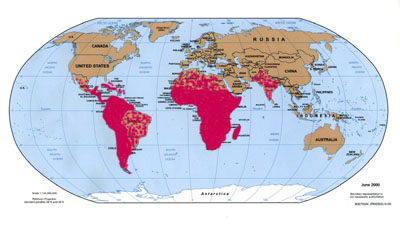
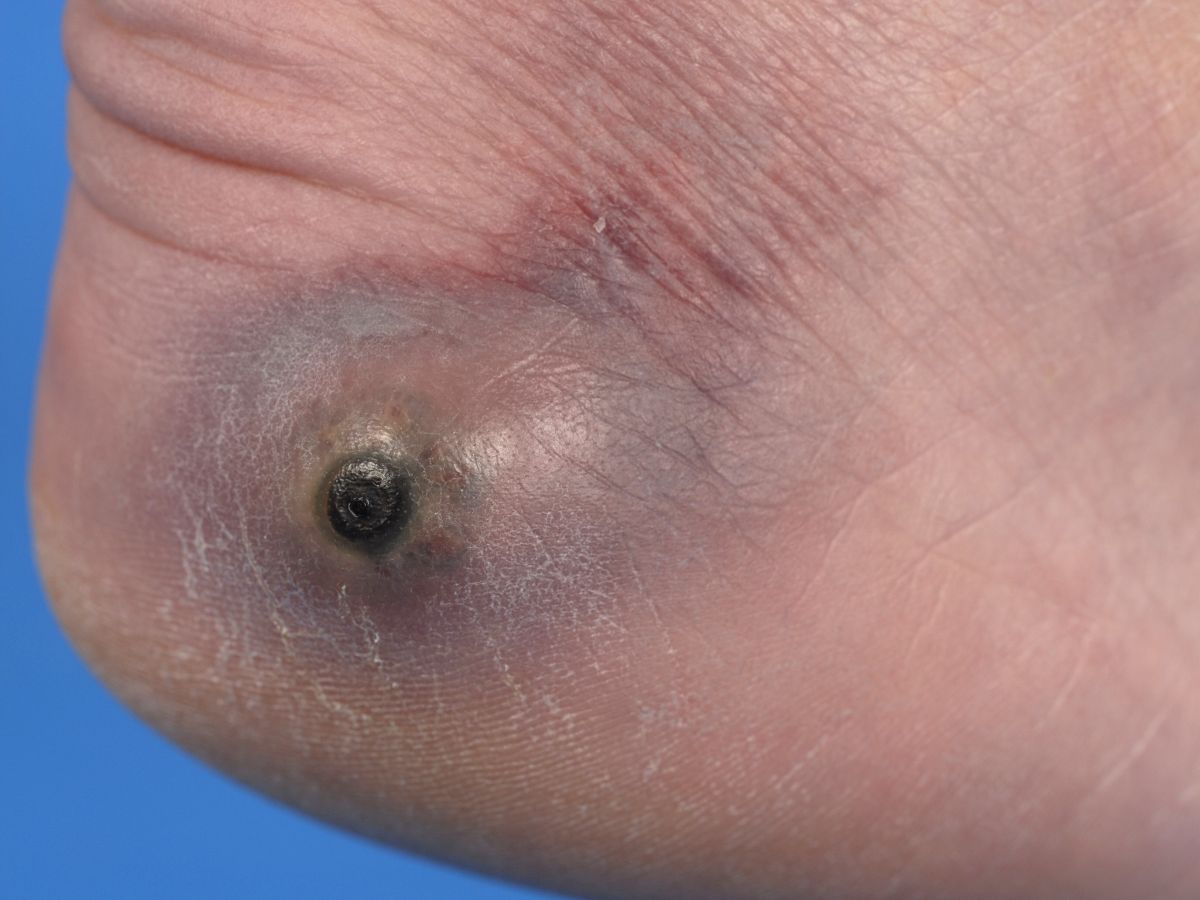
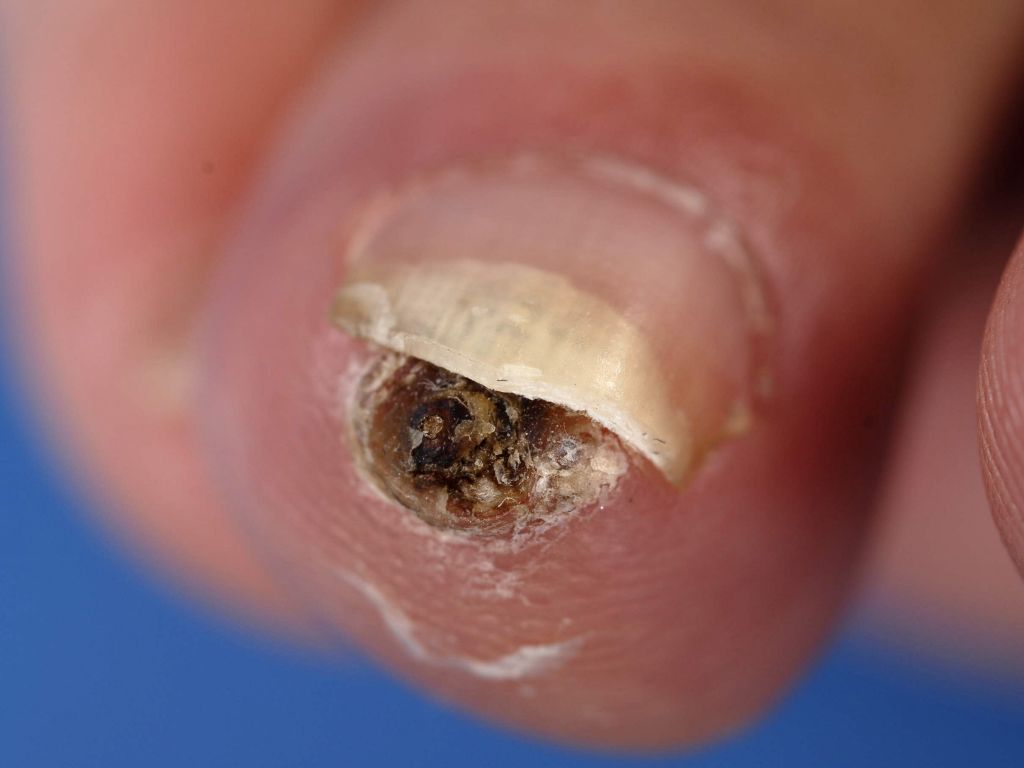
WHAT IS TUNGIASIS?Tungiasis is a skin disease caused by the penetration of the skin by the pregnant females of the sand flea Tunga penetrans . This flea is not found in the Netherlands. Therefore, tungiasis is only seen in travelers who have recently visited tropical regions where the sand flea occurs: South and Central America, the Caribbean, Africa, Pakistan, and India.
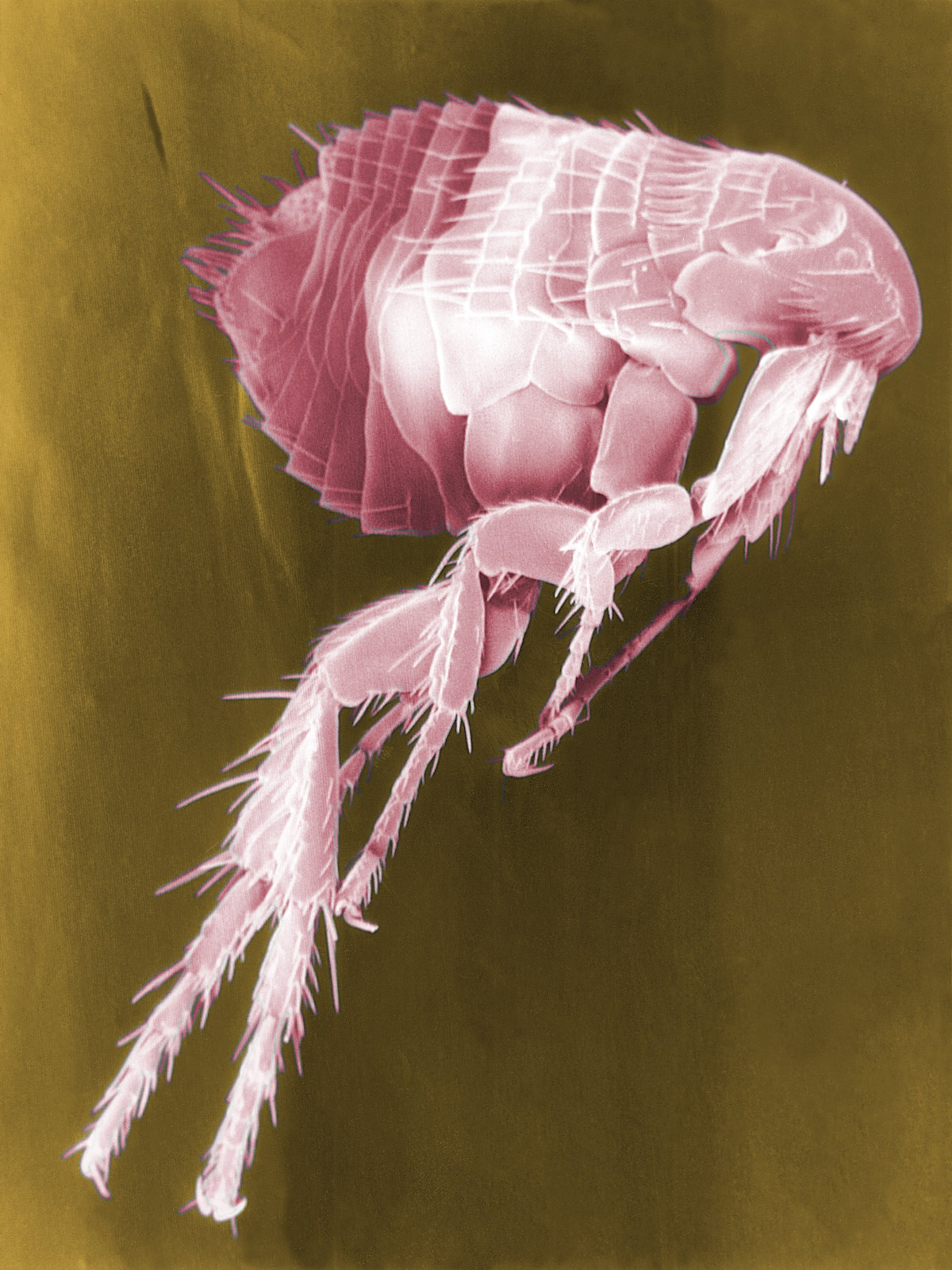
The adult flea is reddish-brown; the male is about 0.5 mm long, the female 1 mm. They prefer warm, dry, shady, and sandy soil, in dusty huts, barns, and other animal enclosures. They are excellent jumpers, capable of jumping up to 250 times their body length. They primarily jump onto the legs of people and animals and suck blood. This leaves itchy bumps, similar to mosquito bites. The Latin name for the sand flea is Tunga penetrans ; other names include "jigger" (English), "chique" (French), "sika" (Surinamese), and "bicho de pe" (foot flea, Portuguese).
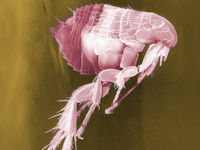 |
| sand flea |
Photo: Janice Haney Carr - CDC Atlanta - Wikimedia (Public Domain Image).
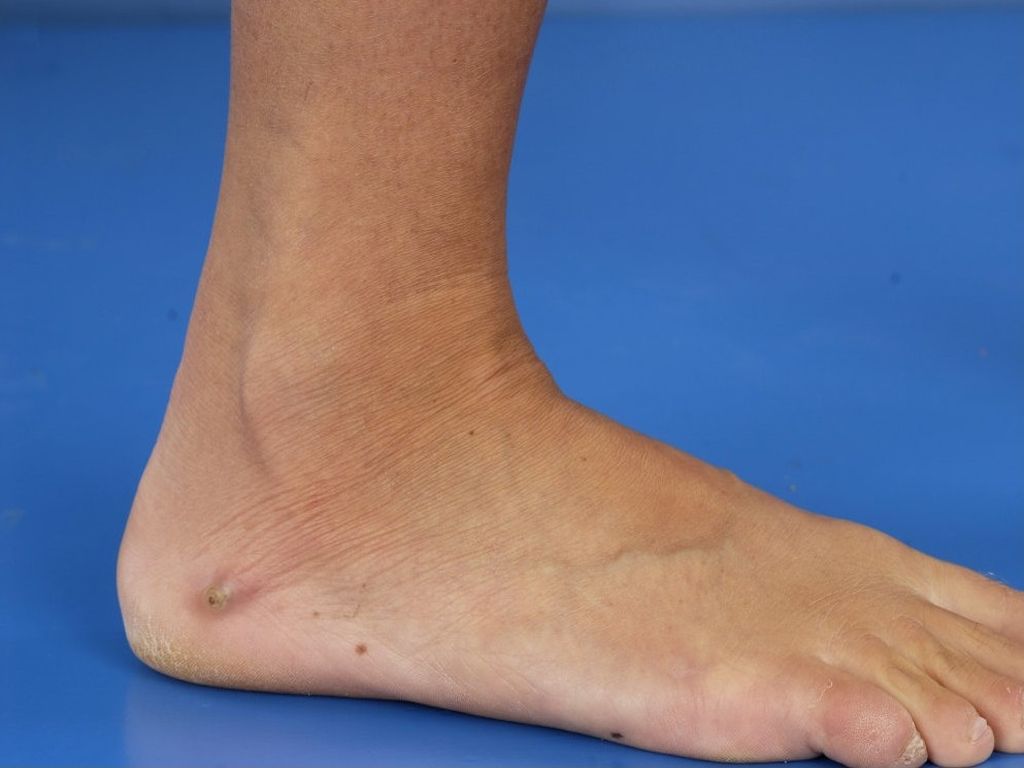
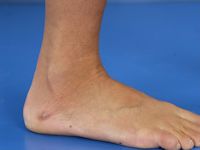
Tungiasis is caused by the female flea, which, when pregnant, tries to burrow into the skin of humans or animals. The feet are the primary target, especially the area between and under the toes and along the edge of the foot. Tourists contract it by walking around barefoot or in open sandals.
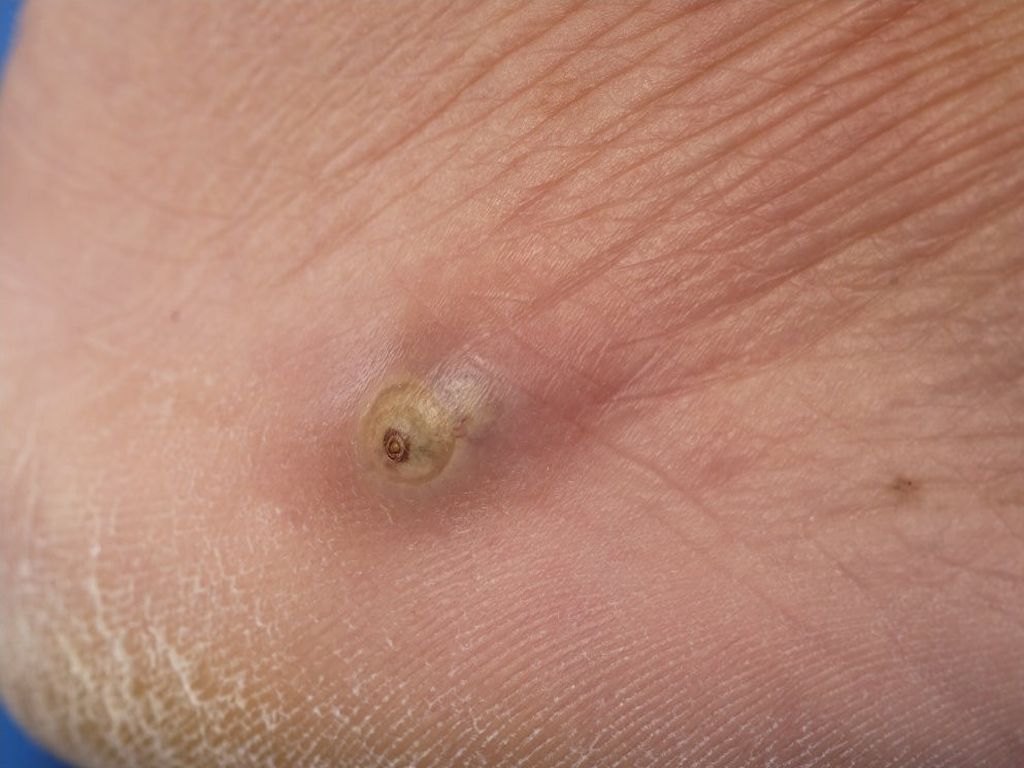
The female burrows deep, head down, down to the subcutaneous tissue and feeds there by sucking blood. The flea then begins to grow, primarily because the eggs in its abdomen become larger. The flea's abdomen expands and can grow up to a centimeter in size. This causes a painful swelling in the skin. In the center of this swelling, a small hole is visible in the skin, containing the flea's rear end. Through this hole, the flea can breathe, but also excrete feces and, eventually, the eggs when they are fully developed. Hundreds of eggs are expelled this way over a period of about three weeks. After the eggs are expelled, the female dies and shrivels. Ultimately, the flea's remains are expelled naturally through a cleanup reaction and because the skin regularly renews itself. The entire process, from burrowing to complete disappearance, takes about six weeks.COMPLAINTS AND SYMPTOMSIntensely itchy and painful bumps develop, each with a hole inside. They are primarily found on the feet, around the toes, but the sand flea can also be found on the hands, elbows, buttocks, and groin.
These bumps can become severely inflamed with bacteria. An abscess can develop, which can ooze pus. The bacteria that can grow there (including staphylococci and streptococci) can cause nasty local infections that spread to the foot and lower leg. Tetanus can also develop in people who are not vaccinated against it. Furthermore, a scar can remain afterward.
 |
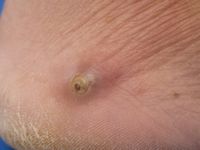 |
| Tungiasis |
Tungiasis |
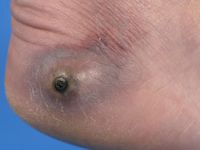 |
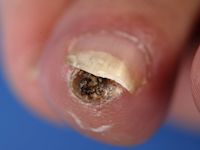 |
| Tungiasis |
Tungiasis |
TREATMENTTreatment consists of removing the flea. In the tropics, the flea is usually removed with a (sterile) needle, possibly after cleaning with alcohol or ether (which kills the flea). To remove the flea cleanly without leaving any residue, it's necessary to slightly enlarge the opening.
This can be done (if necessary, under local anesthesia) with a razor blade or skin punch (biopsy). Afterward, it's important to thoroughly clean the area to prevent infection.
An antibacterial ointment such as Betadine iodine ointment or Flammazine ointment can then be applied.WHAT CAN I DO TO PREVENT IT?It is recommended to wear closed shoes and not to walk barefoot on sandy soil, where sand fleas are common. Good insect repellents are also somewhat effective. |