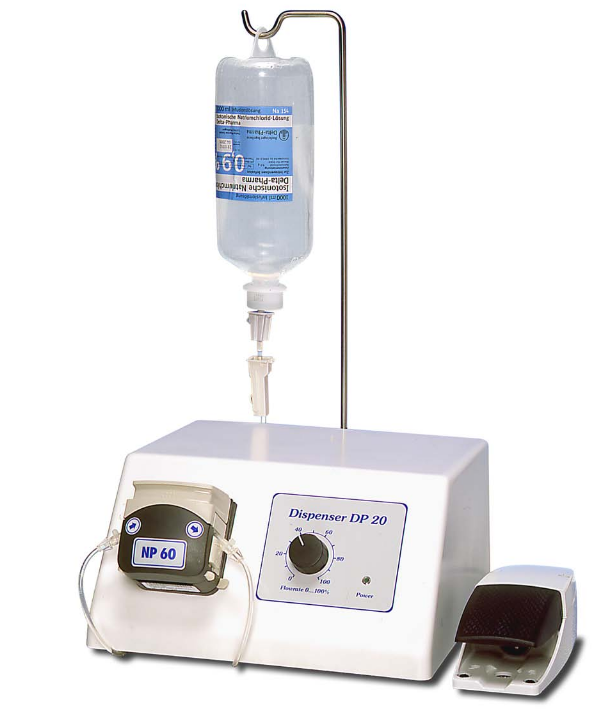
WHAT IS TUMESCENT ANESTHESIA?Tumescent anesthesia is a method of local anesthesia of the skin in which a large amount of anesthetic fluid is injected under the skin. So much so that a visible swelling occurs as a result of the injection. Tumescent means swollen or inflated, and anesthesia means numbing. The anesthetic fluid used is highly diluted. Normally, the skin is numbed with 2% lidocaine; the strength of the tumescent anesthetic fluid is 0.1%, so 20 times less potent.WHAT IS TUMESCENT ANESTHESIA USED FOR?Tumescent anesthesia is used when a large area needs to be numbed. Too much lidocaine should not be used at a time. For large areas (approximately the size of a palm), the safe amount is sometimes exceeded when using the standard strength 2% lidocaine. By using a highly diluted solution, much more anesthetic fluid can be used (20 times as much). The diluted fluid is just as effective but takes longer to take effect, approximately 10 minutes. In dermatology, tumescent anesthesia is used, among other things, for surgery for hidradenitis suppurativa (fistulas under the skin). It is also used to remove varicose veins. Plastic surgeons use tumescent anesthesia for the removal of abdominal fat (liposuction).WHAT ARE THE ADVANTAGES AND DISADVANTAGES COMPARED TO NORMAL ANESTHETIC?The advantage is that less lidocaine is needed, which is safer. Using too much lidocaine can cause side effects such as palpitations or trembling limbs (due to the adrenaline it also contains). It also requires fewer skin punctures, making it less painful. And the large volume injected compresses the blood vessels, reducing bleeding during the procedure. The disadvantage is that it takes a little longer because it takes longer to take effect. Injecting a large volume of fluid can also feel strange, tight, and sometimes painful. However, most patients who have previously been anesthetized with regular injections find the tumescent anesthesia method less painful than the individual injections. After the procedure, fluid may leak from the wound for another half hour to an hour, the anesthetic fluid leaking out again.HOW IS THE TUMESCENT ANESTHESIA FLUID INJECTED?The 2% lidocaine solution is diluted by adding it to an IV bag containing 500 ml of fluid (NaCl solution). A small amount of sodium bicarbonate is also added to reduce the burning sensation of the anesthetic as it flows. From the IV bag, the fluid flows through a tube, through a pump, and then to the needle at the end of the tube. The pump speed can be adjusted. The needle is then inserted at a point adjacent to the area to be operated on, and the fluid is injected. A visible swelling should occur, indicating that sufficient fluid has been injected. The needle is then moved to the next area and filled completely. Ultimately, the entire area to be operated on should be swollen with the injected fluid. If the injection is painful, the pump speed can be reduced. After this, it takes a while for the fluid to take effect. The first injected area is already numb, the last is not. If pain is still felt somewhere during the procedure, additional numbing can easily be done by injecting more fluid into that area.
|