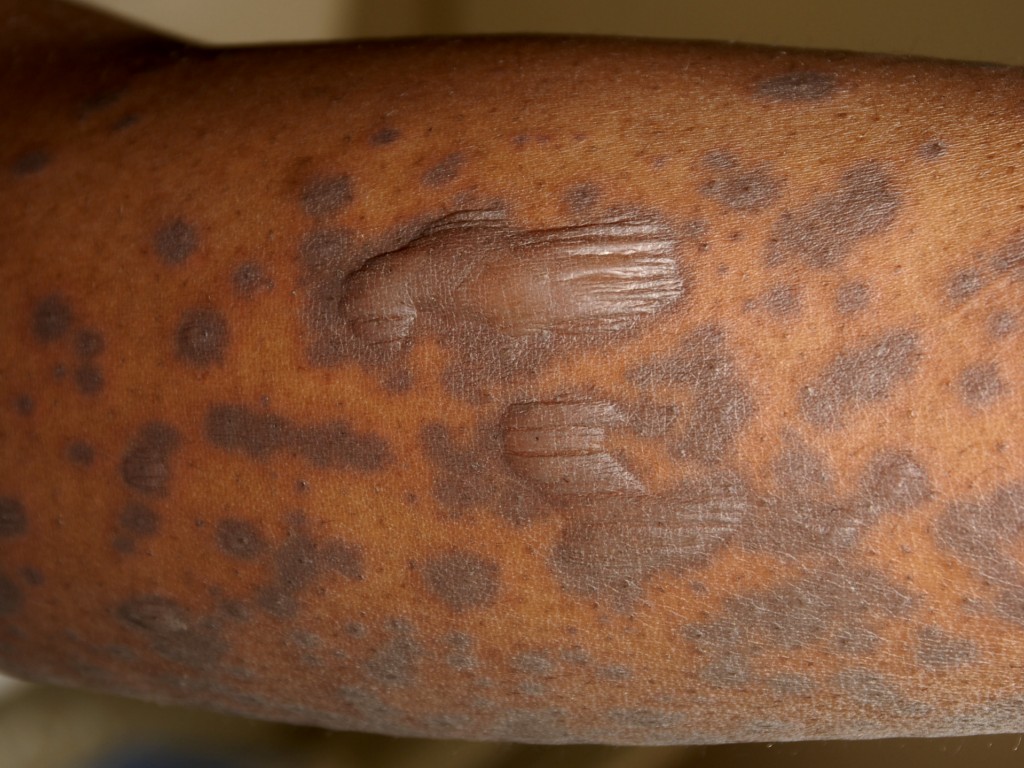
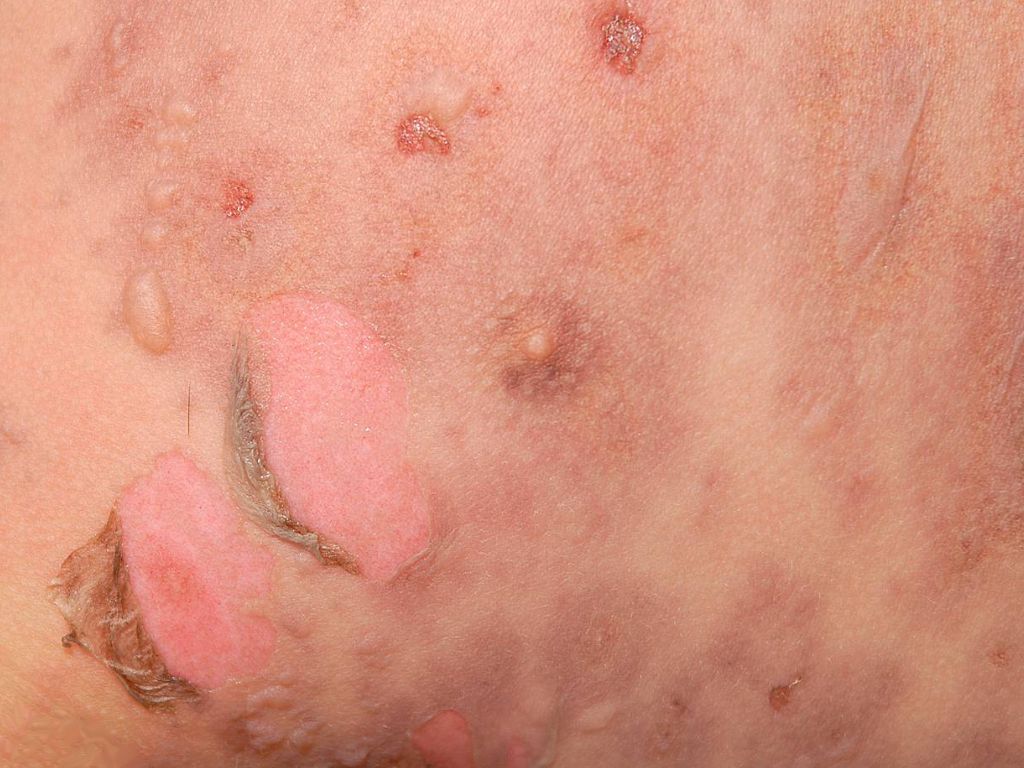
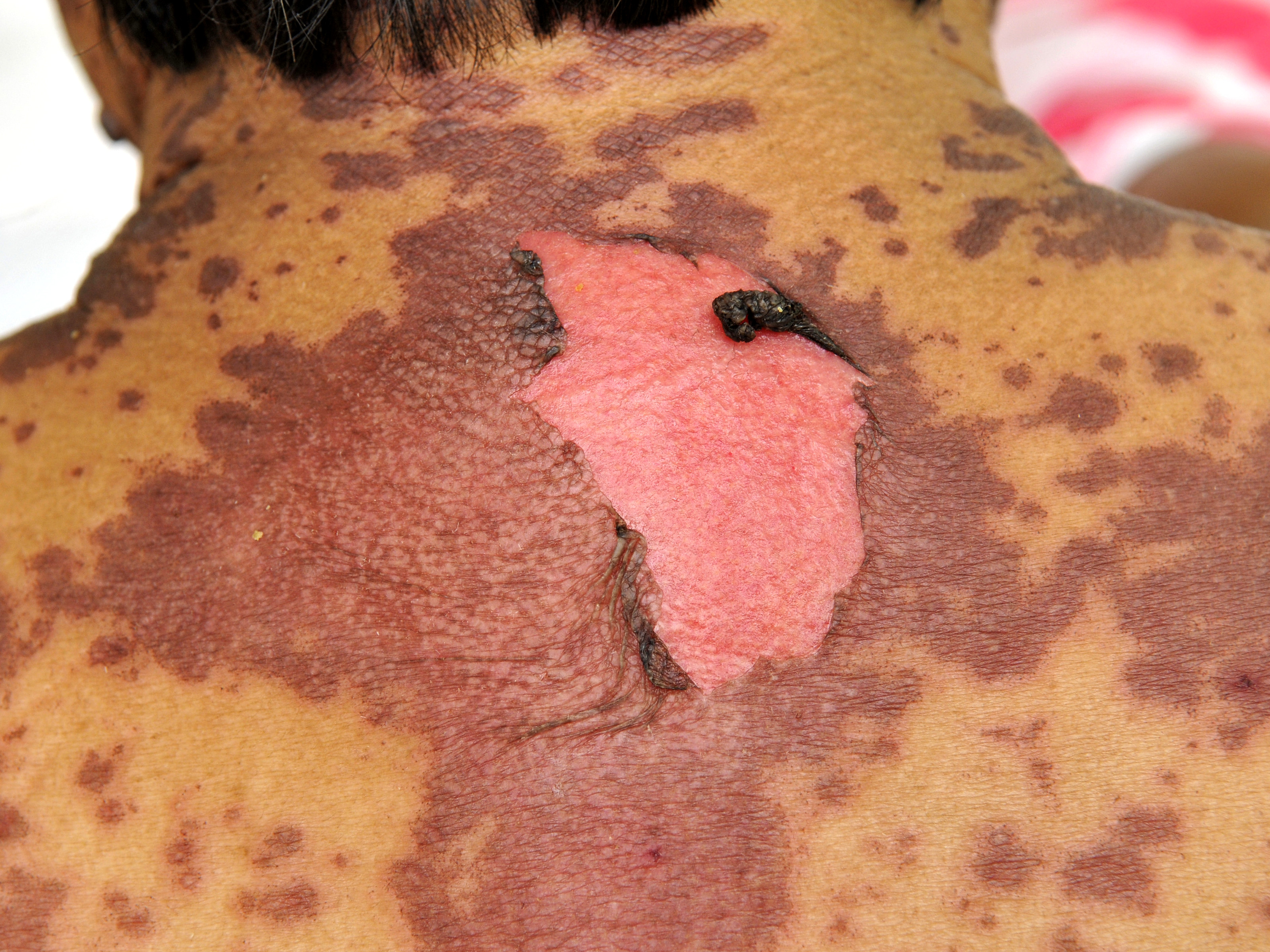
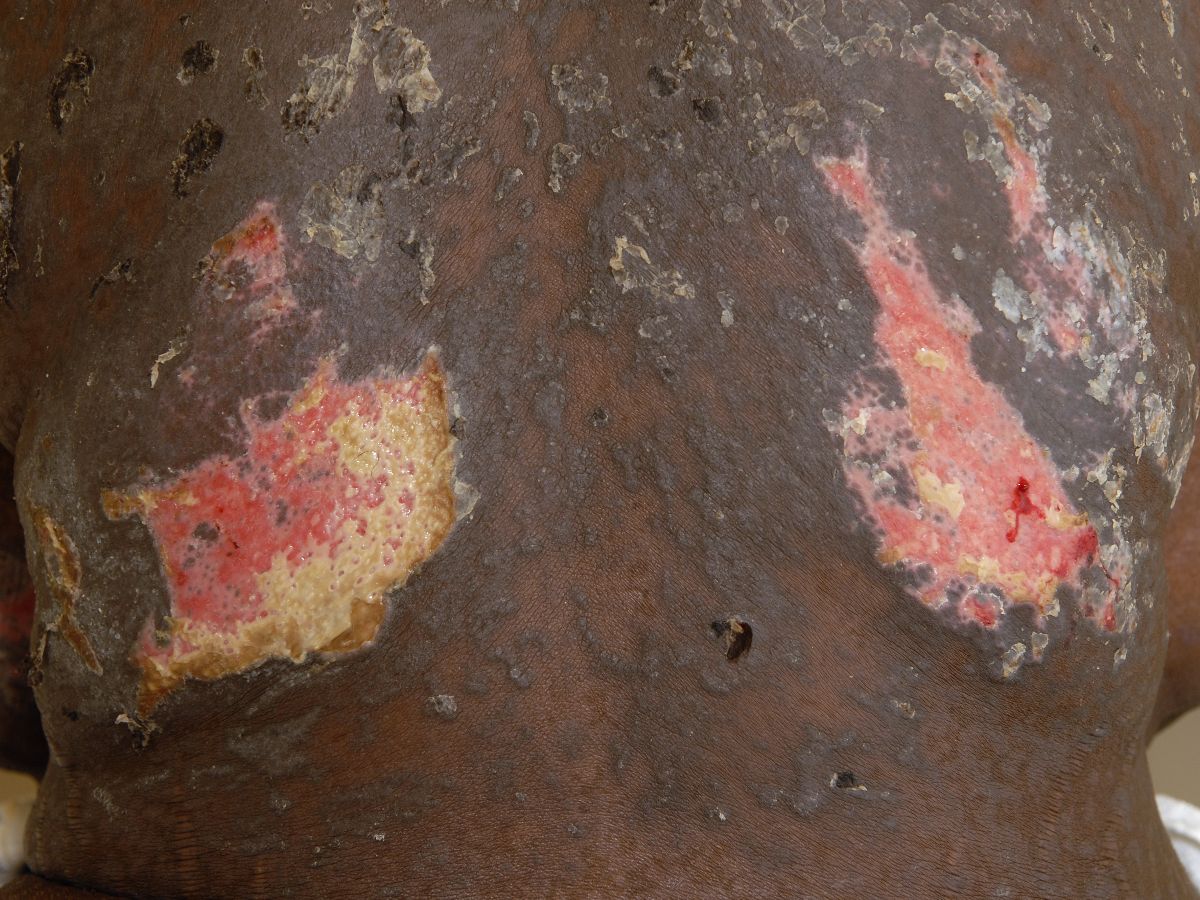
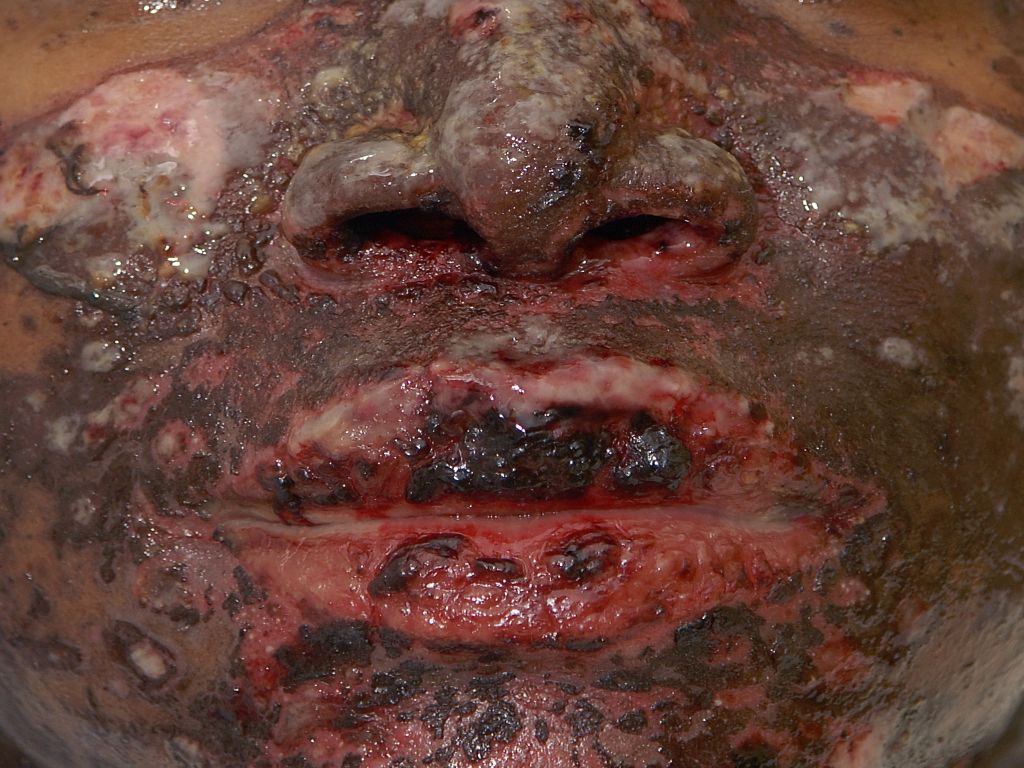
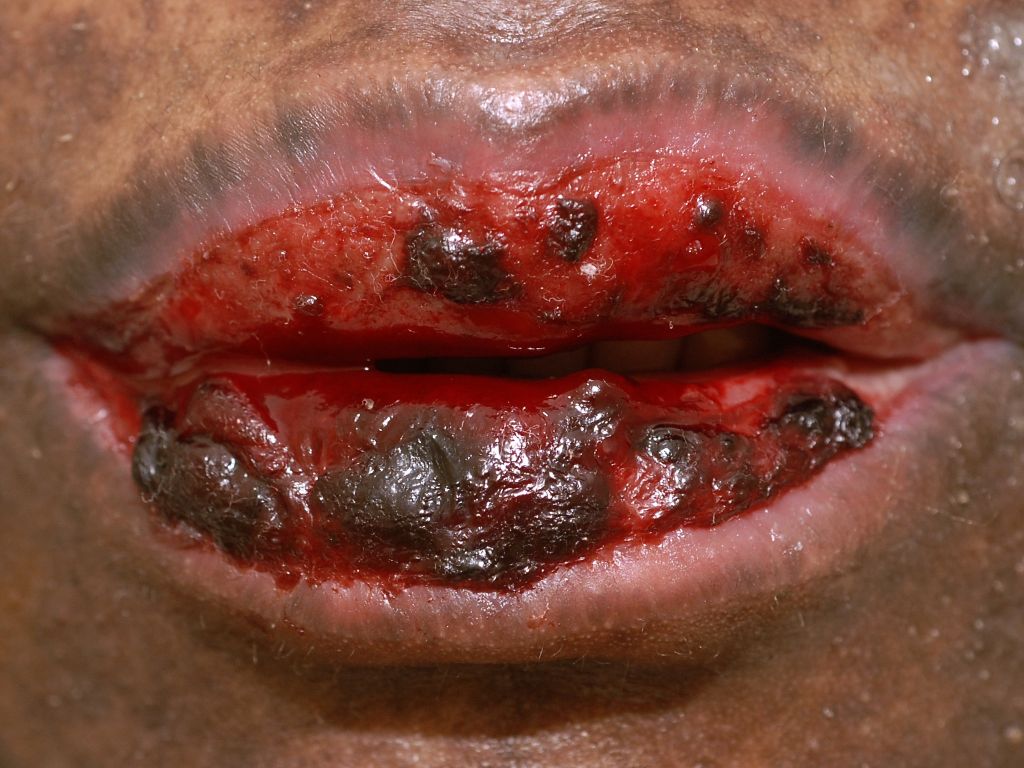
WHAT IS TOXIC EPIDERMAL NECROLYSIS?Toxic epidermal necrolysisToxic epidermal necrolysis ( TEN ) is a rare but very serious skin disease in which large areas of skin and mucous membranes can detach. This creates a situation similar to that of a burn patient. Toxic epidermal necrolysis can even be fatal due to loss of fluid and protein, or due to infection of the large open wounds that develop, or due to damage to the lungs. Toxic epidermal necrolysis is caused by an allergic reaction to a medication; antibiotics and anti-epileptic drugs are particularly notorious.
Toxic epidermal necrolysis is also called Lyell's syndrome , and another name used is Stevens-Johnson syndrome ( SJS ). Stevens-Johnson syndrome was formerly used for a variant that primarily affected the lips, with limited skin lesions. Nowadays, the disease is called SJS when less than 10% of the skin is affected, and TEN when more than 30% of the skin is affected. If it's between 10 and 30%, it's called SJS-TEN. Another condition that can closely resemble it is erythema exsudativum multiforme (EEM).WHAT DOES TOXIC EPIDERMAL NECROLYSIS LOOK LIKE?Toxic epidermal necrolysis usually develops 1-3 weeks after the first use of the medication that causes it. Before the skin lesions appear, general symptoms such as fever and malaise may occur. Toxic epidermal necrolysis begins as a rash on the body, with multiple pink, dark red, or purple spots. Blisters then develop in these spots, and the skin peels off. Even where no blisters have yet formed, the skin is no longer properly attached to the underlying layer and can easily slide off. The skin is painful to the touch, and the slightest friction can cause the affected skin to peel off.
In addition to the skin, the mucous membranes are also affected. Often, there are chapped lips with crusts, peeling skin, sores, and bleeding. The tongue, gums, palate, and buccal mucosa, and even the lining of the throat and trachea, are affected, making it impossible to eat solid food or even drink. Blisters can also develop in the vagina or on the penis, and in and around the anus. The eyes are often affected, causing damage to the conjunctivitis, and the cornea can also be affected. Permanent damage, adhesions, and even blindness can result.
In severe cases, the entire skin can detach, creating a dangerous situation. The speed at which this happens is unpredictable. In some patients, it happens very quickly, within 24 hours, while in others, it takes 2-15 days. Toxic epidermal necrolysis is rare, occurring in approximately 1 in 200,000 people.
 |
 |
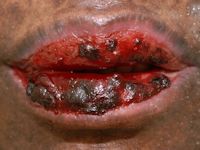 |
| SJS / TEN |
SJS / TEN |
SJS / TEN |
WHY IS TOXIC EPIDERMAL NECROLYSIS SO DANGEROUS?If the skin peels off over such a large area, the same life-threatening situation arises as in someone with burns over their entire body. The skin barrier is gone. Fluid and proteins leak out. If the level of protein (albumin) in the blood becomes too low, even more fluid leaks out. The defense against bacteria is gone, and infection can easily occur. The risk of infection is further increased because high-dose prednisone often has to be administered. In addition, other organs, such as the intestines, lungs, and liver, can also be involved. Ulcers and bleeding can develop in the intestines. The alveoli can also become involved in the inflammation, resulting in acute shortness of breath and pneumonia, sometimes with fatal consequences. On average, 25-35% of patients with toxic epidermal necrolysis die.HOW DOES TOXIC EPIDERMAL NECROLYSIS OCCUR?Toxic epidermal necrolysis is caused by medications. The exact mechanism is unknown, but the medication triggers a severe hypersensitivity reaction in which lymphocytes (white blood cells, part of the immune system) suddenly attack the skin. The skin cells attacked by the immune system die, and the skin becomes loose.
Many medications can cause TEN. Any medication started within the last 8 weeks, and especially within the last 3 weeks, should be considered suspicious.
Medicines that often cause a TEN include:
- antibiotics , especially sulfonamides such as trimethoprim/sulfamethoxazole, sulfasalazine, but also penicillins, amoxicillin, tetracyclines, quinolones (particularly ciprofloxacin), cephalosporins, isoniazid, nitrofurantoin, clioquinol
- antiepileptics , especially carbamazepine, phenytoin, primidone, and phenobarbital
- painkillers of the NSAID type, such as ibuprofen, indomethacin, aspirin; codeine
- antiretroviral agents (nevirapine, abacavir)
- miscellaneous: allopurinol, lamotrigine, chloramphenicol, isoprenaline, promethazineHOW IS THE DIAGNOSIS MADE?The diagnosis of toxic epidermal necrolysis can be suspected based on the clinical picture and its appearance, but a biopsy is necessary for confirmation. This biopsy will be examined urgently by a pathologist.HOW IS TOXIC EPIDERMAL NECROLYSIS (TEN) TREATED?If TEN is suspected, the patient should be seen by a dermatologist as soon as possible, and an urgent biopsy should be taken. If the suspicion is high, the results of this biopsy are not awaited, but treatment is initiated immediately. Patients with TEN are often very ill and experience significant pain from the peeling skin. They should be admitted urgently to a hospital, preferably an intensive care unit, and if possible, a burn center with experience in treating large wound areas and providing adequate pain relief. It is often necessary to place a ventilator and administer general anesthesia. The significant loss of fluid and protein must also be replaced.
The first step in treatment is to immediately discontinue all suspected medications. Even medications the patient supposedly cannot do without must be discontinued, as there is a risk of fatality if not stopped.
The second step is to start intravenous corticosteroids (prednisone or dexamethasone) at a very high dose, especially for the first three days, followed by maintenance therapy that is gradually tapered off if things go well.
Specialists should also be consulted, such as an ophthalmologist who will try to minimize damage to the eyes, an ENT specialist who will examine the oral cavity and throat, a pulmonologist, the pain team, and internists and intensivists/burn specialists to monitor overall health.
Regular cultures should be taken. Antibiotics can be administered preventively.WHAT IS THE PROGNOSIS FOR TEN?As mentioned previously, TEN is a serious skin condition that is fatal in 25-35% of cases. This figure comes from world literature; it's possible that the situation in the Netherlands is somewhat better due to the well-equipped intensive care units and burn centers in Beverwijk, Groningen, and Rotterdam. Surviving patients may have residual abnormalities. Approximately 10% suffer permanent eye damage. Blindness also occurs; it should be noted that ophthalmologists can often treat this these days with a corneal transplant. After discontinuing the suspected drug, the condition will improve slowly, but not immediately. The damage to the skin is caused by lymphocytes that attack and kill skin cells. These lymphocytes don't disappear immediately when the suspected drug is stopped; they remain present in the blood, but their numbers gradually decrease. The disease can flare up again if prednisone is tapered off too quickly. TEN will not recur if you are very careful to NEVER use the suspected drug again, or any similar drugs. This must be noted in all your records, including at the pharmacy. A history of TEN can leave scars on the skin and mucous membranes. In pigmented skin, large areas can become completely depigmented. Adhesions can develop on the eyelids, in the intestines, in the vagina, in the urethra, or on the penis. Nails can fall out completely, but a completely new nail often grows out later. |