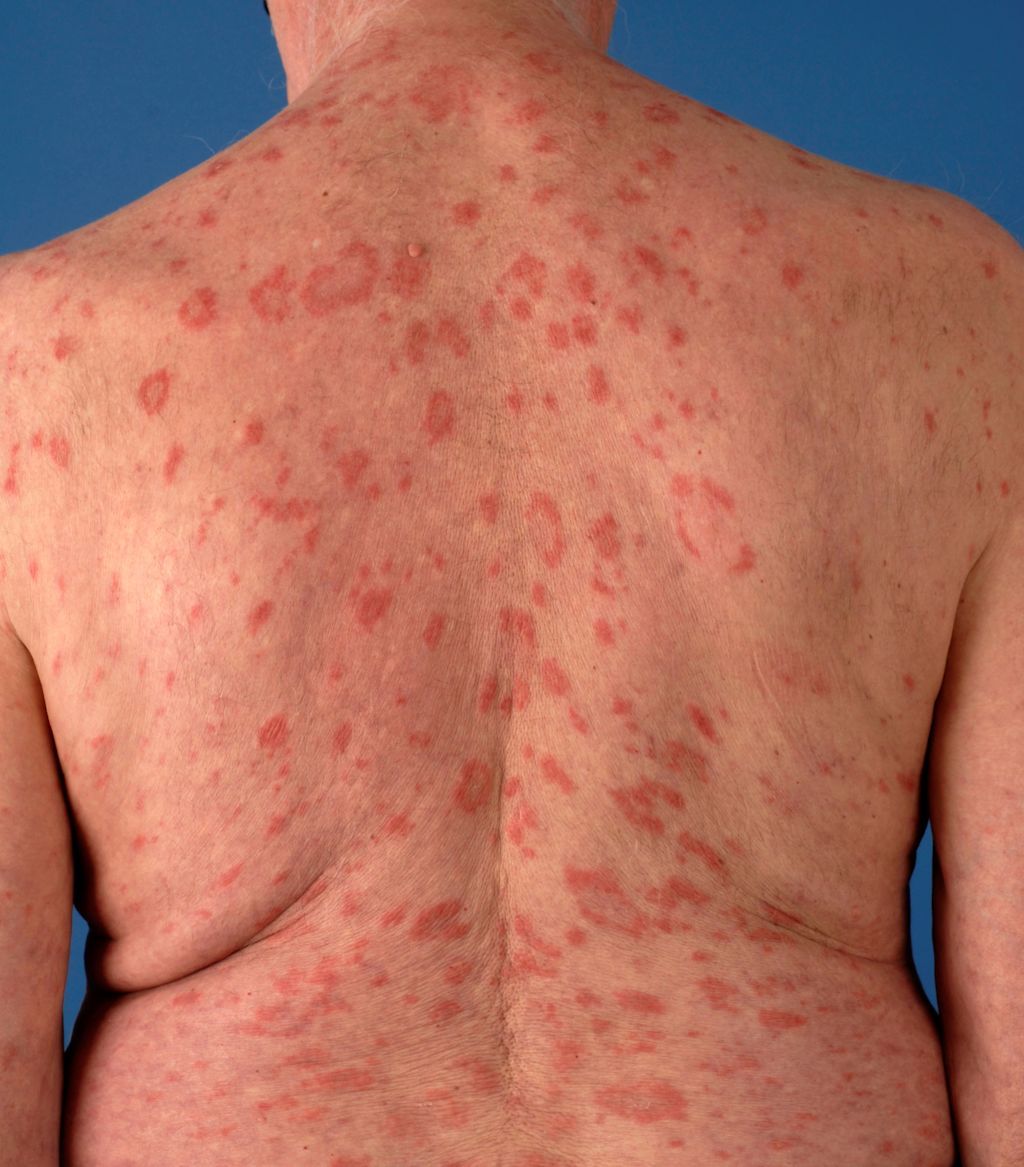
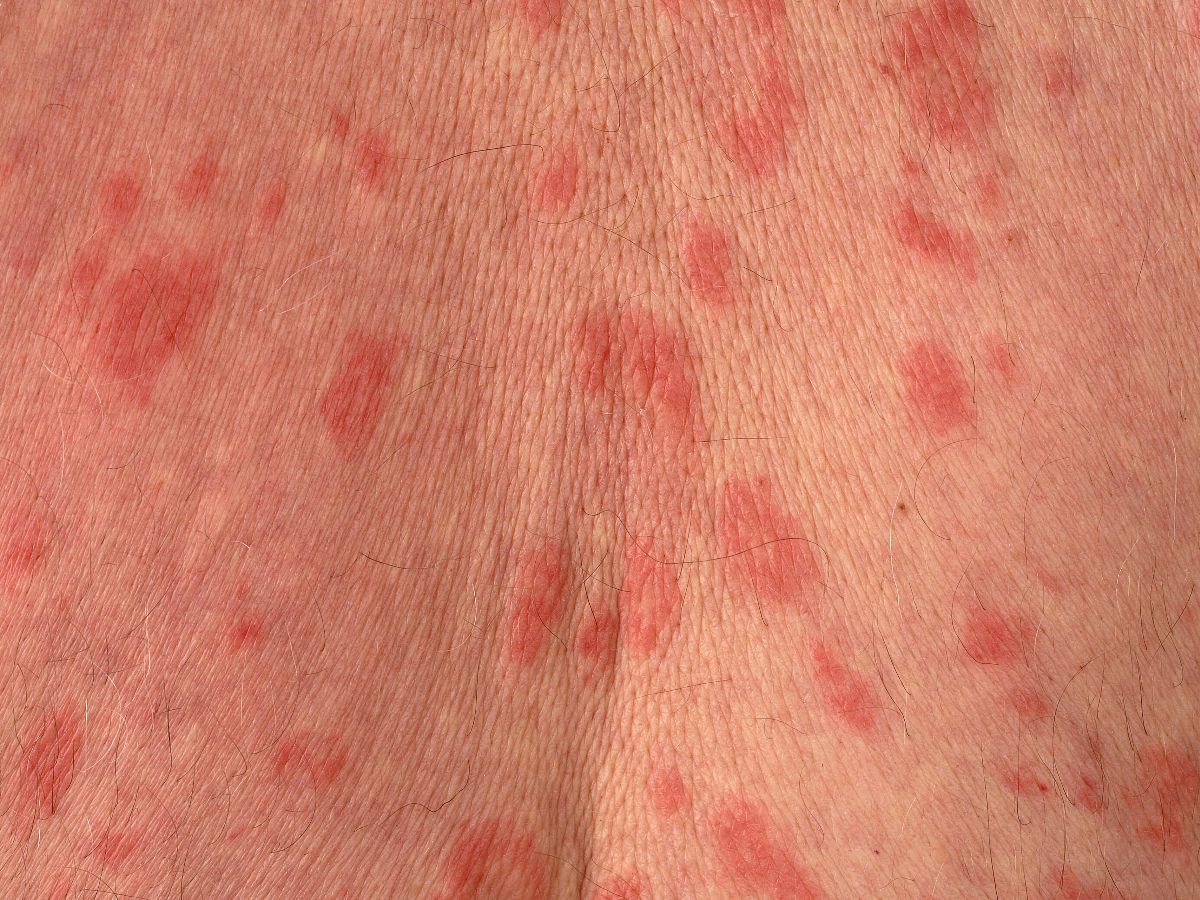
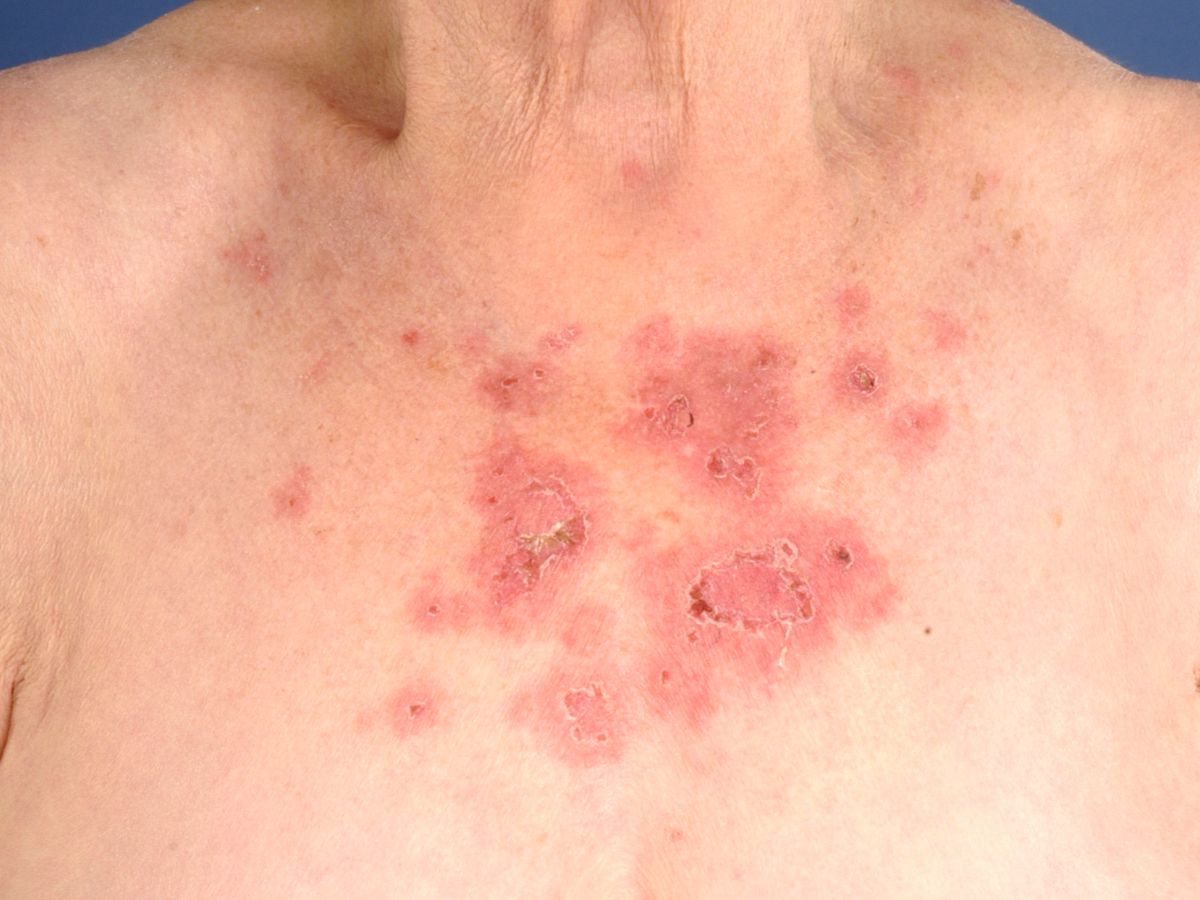
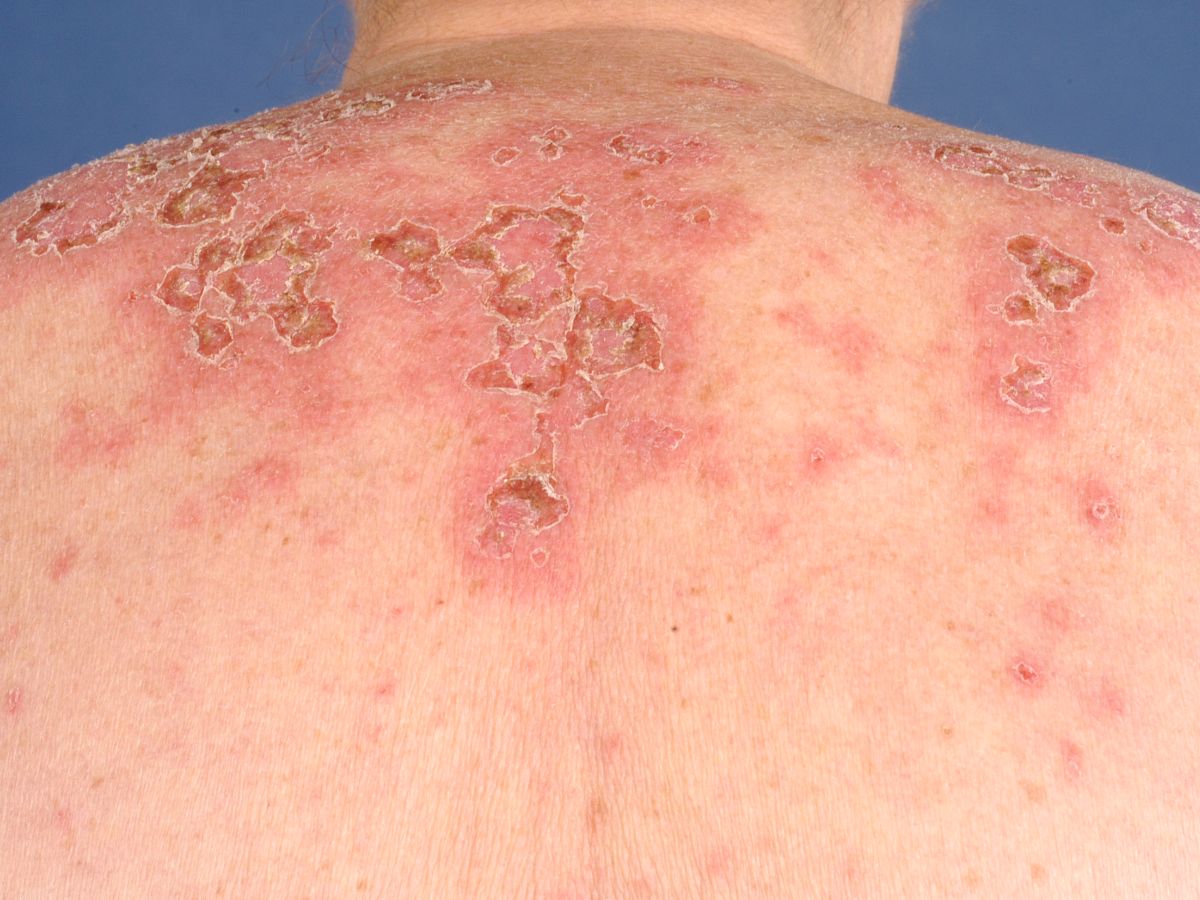
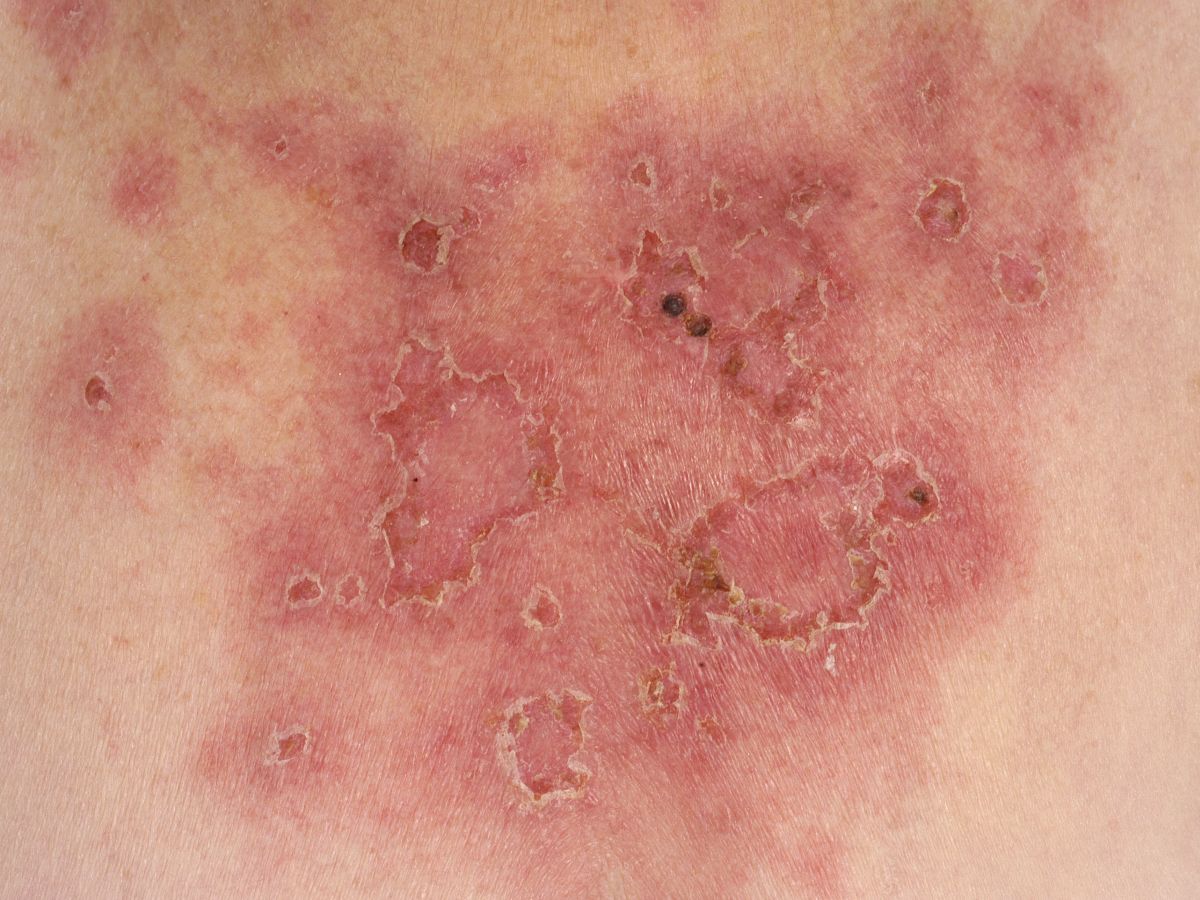
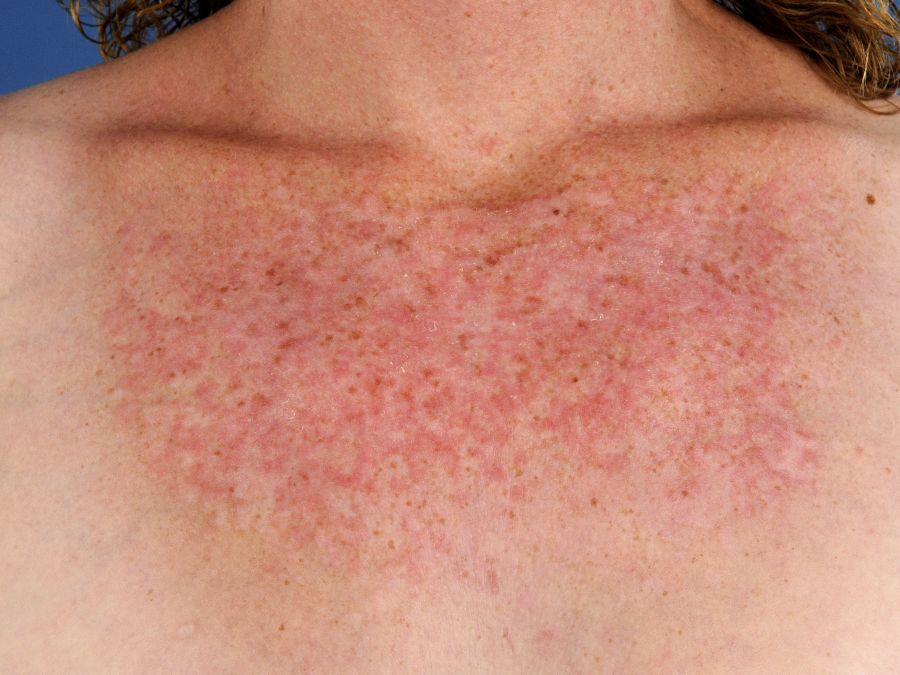
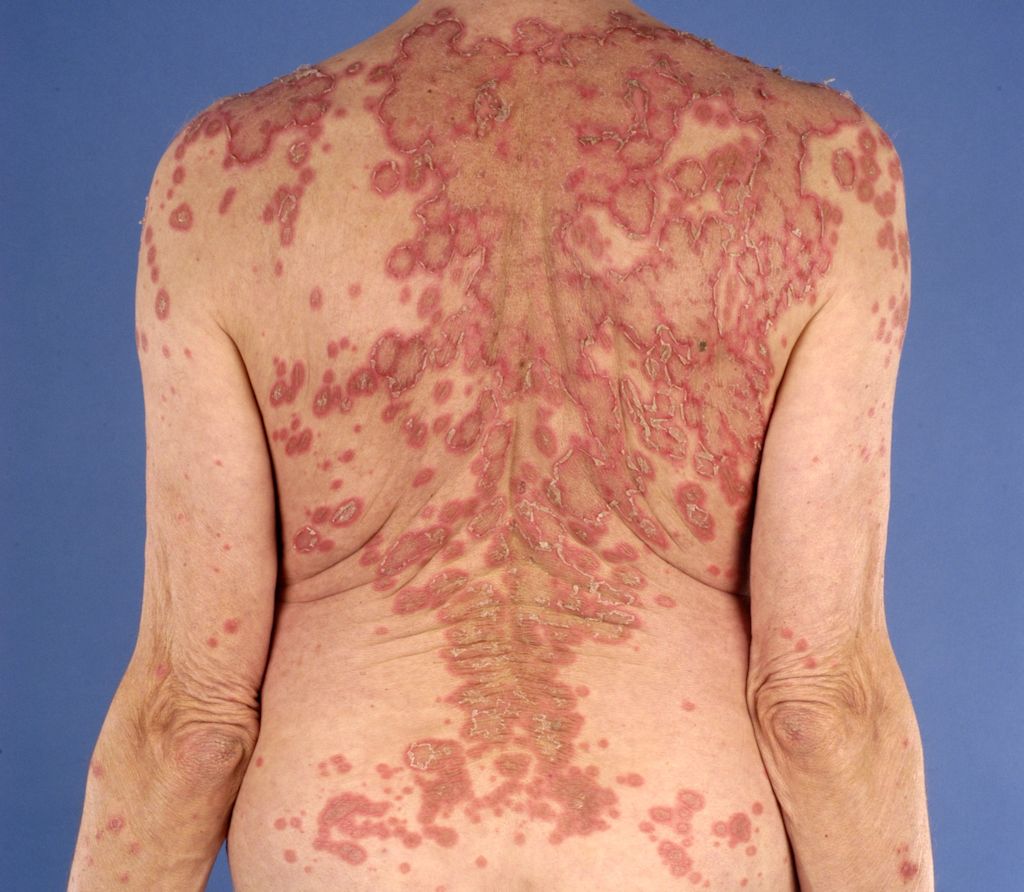
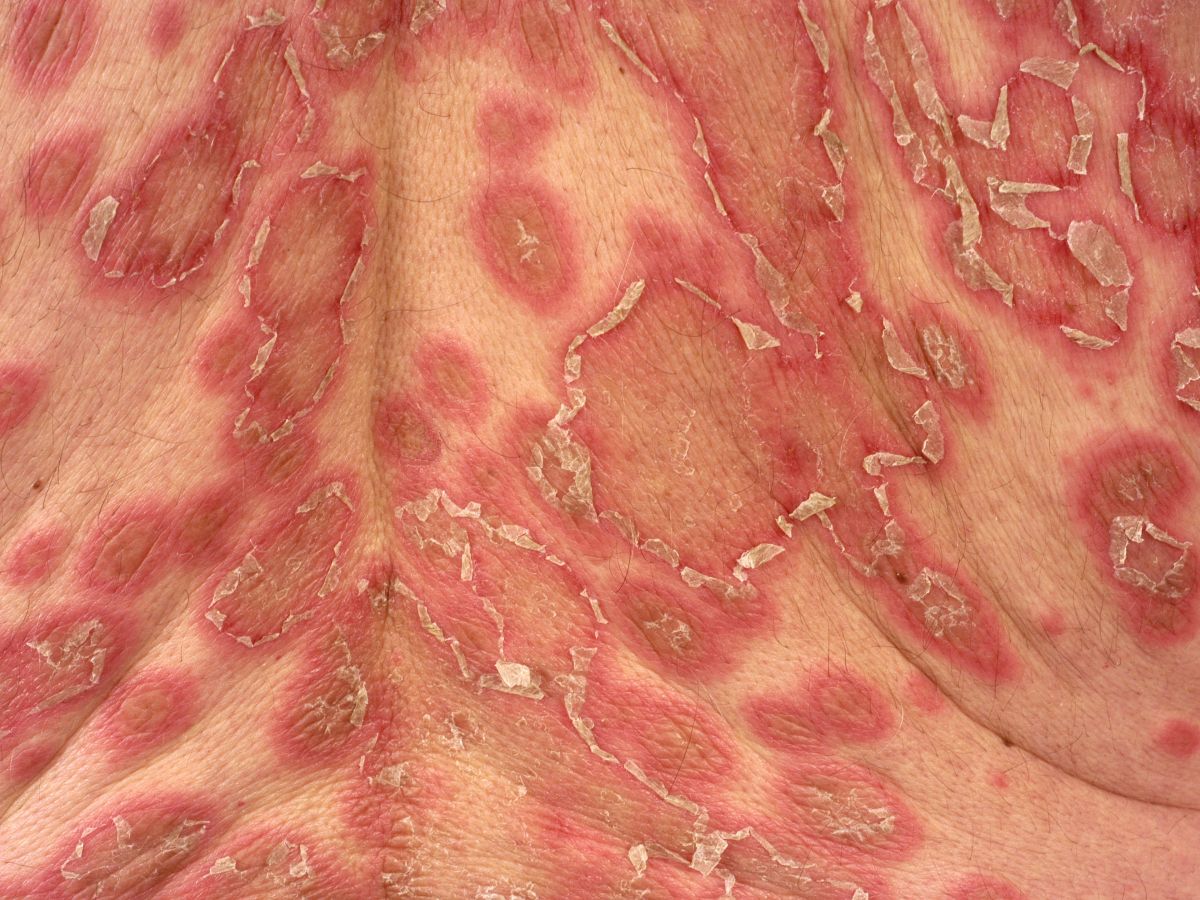
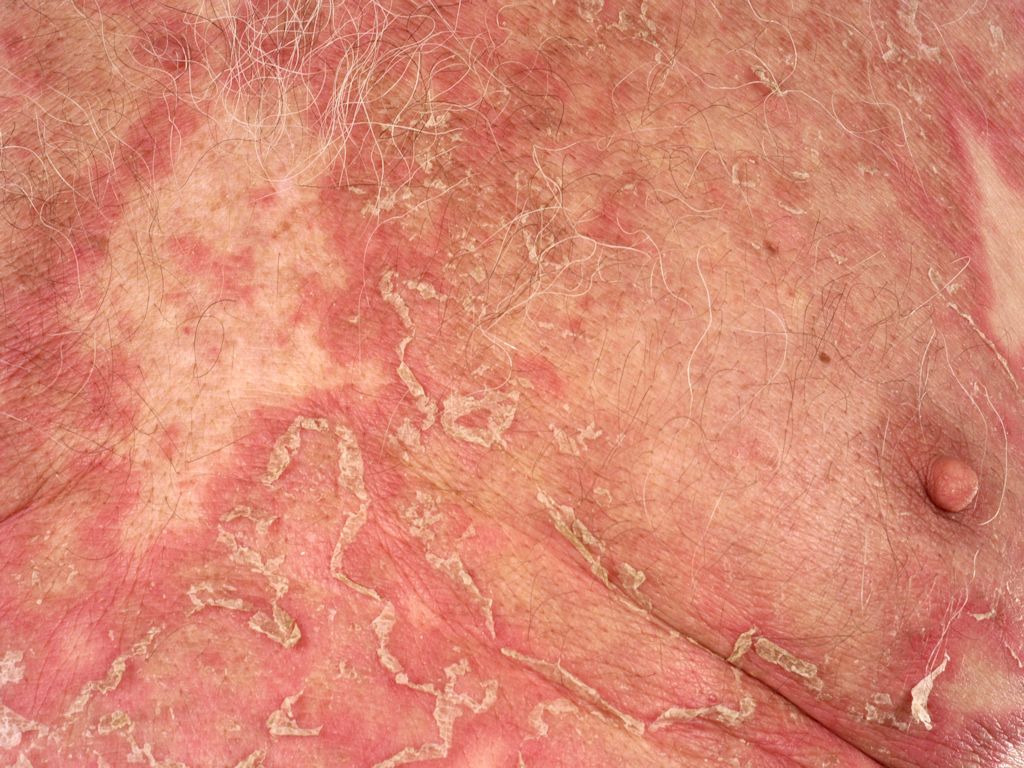
WHAT IS SUBACUTE LUPUS ERYTHEMATOSUS?Subacute lupus erythematosus(SCLE) is a skin disease in which round or ring-shaped, red, scaly patches appear on the body. Subacute lupus erythematosus (SCLE) is one of the forms of lupus erythematosus (LE) of the skin.
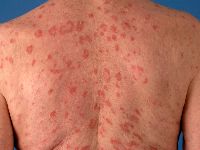
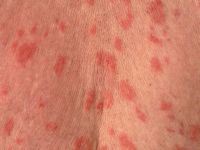
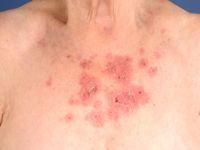
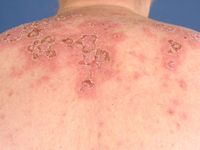
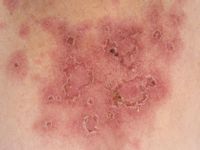
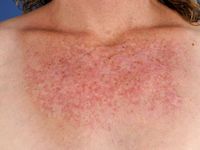
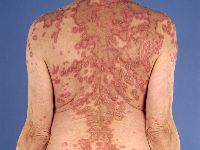
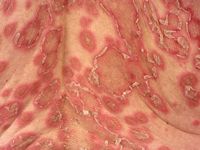
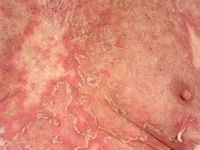
Various skin lesions can develop with lupus erythematosus. Not only SCLE (red, ring-shaped, scaly patches on the trunk), but also CDLE (chronic discoid lupus erythematosus, scaly patches with scarring, especially on the face) and butterfly-shaped erythema (red patches on the face, on the cheeks, in the shape of a butterfly). Other skin lesions can develop with lupus erythematosus, but these are the three most common. The skin lesions are triggered by sunlight. See also the leaflet on cutaneous lupus erythematosus .WHAT DOES SUBACUTE LUPUS ERYTHEMATOSUS LOOK LIKE?Red, circular or ring-shaped patches appear on the body, particularly on the back and chest. These patches may flake and crust over. They can mimic other skin conditions such as psoriasis, eczema, or a drug allergy. The patches gradually increase in size. They can be triggered by sunlight and may disappear spontaneously. However, they are usually a chronic condition, with patches recurring, especially in spring (due to sun exposure). They heal without scarring, though some discoloration may remain.
 |
 |
 |
| subacute cutaneous LE |
subacute cutaneous LE |
subacute cutaneous LE |
 |
 |
 |
| subacute cutaneous LE |
subacute cutaneous LE |
subacute cutaneous LE |
 |
 |
 |
| subacute cutaneous LE |
subacute cutaneous LE |
subacute cutaneous LE |
WHAT CAUSES LUPUS ERYTHEMATOSUS?Lupus erythematosus is an autoimmune disease . An autoimmune disease occurs when a glitch occurs in the immune system. Normally, the immune system only attacks invaders like bacteria and viruses. In an autoimmune disease, the immune system begins attacking the body's own cells. Antibodies are produced that target components of cells and their nuclei. This abnormal autoimmune response causes inflammation, which causes the symptoms.IS THERE A RISK OF DEVELOPING SYSTEMIC LUPUS ERYTHEMATOSUS WITH SCLE?Yes, there is a chance. Approximately 10-50% of patients develop SLE ( systemic lupus erythematosus ). The diagnosis of SLE can often be made when the first SCLE lesions appear. The diagnosis of SLE is made when several characteristics are present, including abnormalities in blood tests. Symptoms consistent with SLE, such as muscle pain, joint pain, and fatigue, may also occur. SCLE sometimes coexists with rheumatoid arthritis or Sjögren's syndrome (dry mouth and eyes).HOW IS THE DIAGNOSIS MADE?A biopsy is usually necessary to confirm the diagnosis of SCLE. Blood tests are also performed. These tests look for antibodies in the blood that indicate SLE. Anemia, a low white blood cell count, or a low platelet count are also examined. Urine tests are often performed as well. Rheumatologists have developed a list of 11 characteristics (the ARA criteria) that point to SLE. If 4 of the 11 characteristics are present, the diagnosis of SLE can be made. See also the brochure on cutaneous lupus erythematosus . While new, alternative criteria have been introduced to diagnose SLE, the ARA criteria are still widely used.HOW IS SLE TREATED?Corticosteroid creams are often used as a starting point.
If these are insufficient, tablets are prescribed. The most commonly used tablets are Plaquenil (hydroxychloroquine) and prednisone. Plaquenil was originally a malaria drug, but it was accidentally discovered that it also works against several autoimmune diseases. Prednisone is a powerful anti-inflammatory drug that suppresses the immune system. It also has many side effects.
If hydroxychloroquine and prednisone are ineffective, or if they have too many side effects, other medications may be prescribed. Various medications are available, all of which suppress or affect the immune system.PROTECT FROM SUNLIGHTFor all forms of cutaneous LE (CDLE, butterfly-shaped erythema, and SCLE), it is necessary to protect the skin from sunlight, as the skin lesions are aggravated by the sun. Use a sunscreen with a high protection factor, SPF 30 in the Netherlands and SPF 50 in sunny areas or at high altitudes.WHAT IS THE PROGNOSIS OF SCLE?The prognosis is fair to good. The skin lesions can be treated and sometimes disappear spontaneously. Symptoms typical of SLE may occur, but these are usually mild. |