WHAT IS SYPHILIS?Syphilis (also called lues) is a serious STI (sexually transmitted infection). If caught early, it is easily curable. The disease is caused by bacteria that settle in the vagina, penis, or anus, and sometimes in the mouth. Where the infection is located depends on how you had sex. The bacteria can later spread throughout the body via the blood.Phenomena in men and womenGenital Ulcer:
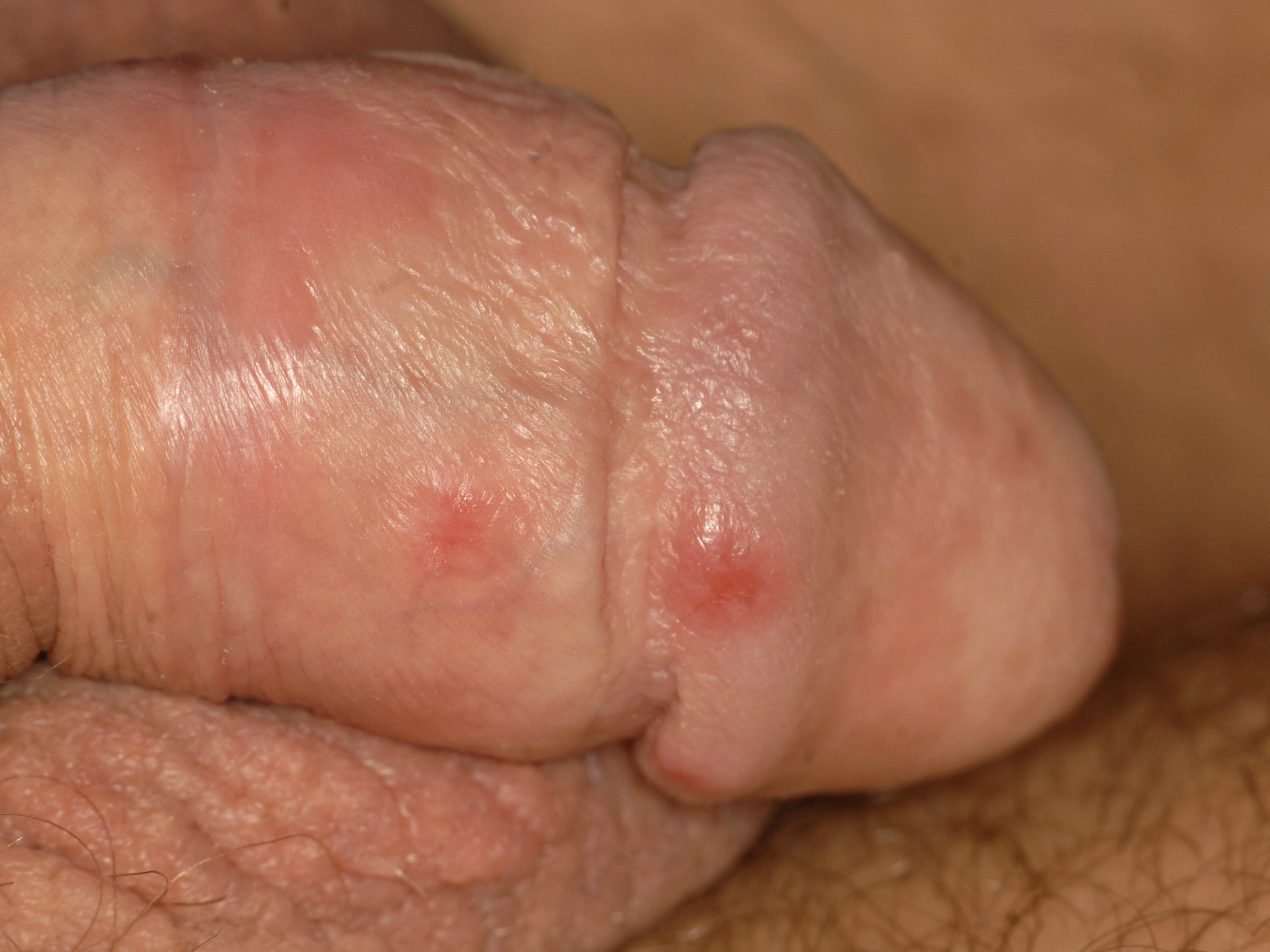
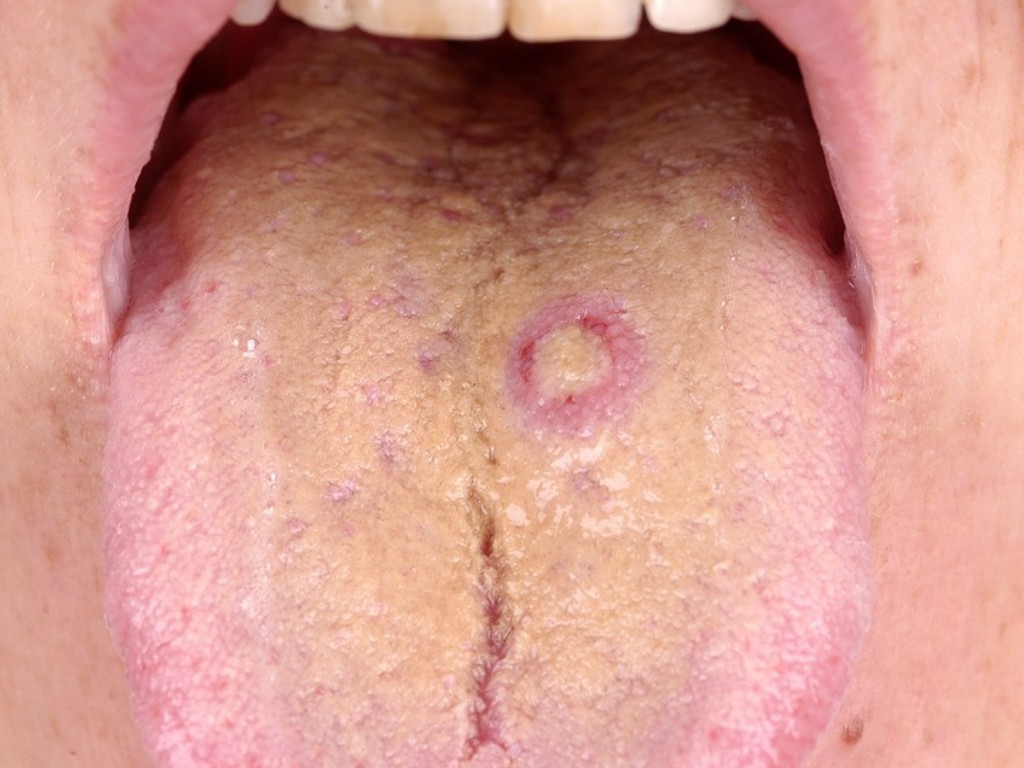
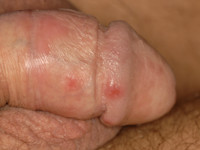
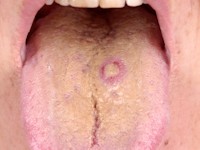
Two to twelve weeks after infection with syphilis, one or more ulcers appear at the site of infection. This can be on or in the penis, vagina, anus, or mouth. The ulcer can grow to about a centimeter in size, feels hard, and is usually painless. The ulcer is sometimes difficult to see because it can be in the vagina or anus. The lymph nodes near the ulcer are swollen. Even without treatment, the ulcer disappears on its own within two to three weeks. However, the disease is not completely gone. A few weeks to months later, the second stage of the disease begins. The bacteria have then spread throughout the body via the bloodstream.
 |
 |
 |
| wound |
ulcer |
ulcer on the tongue |
You may then experience the following symptoms:
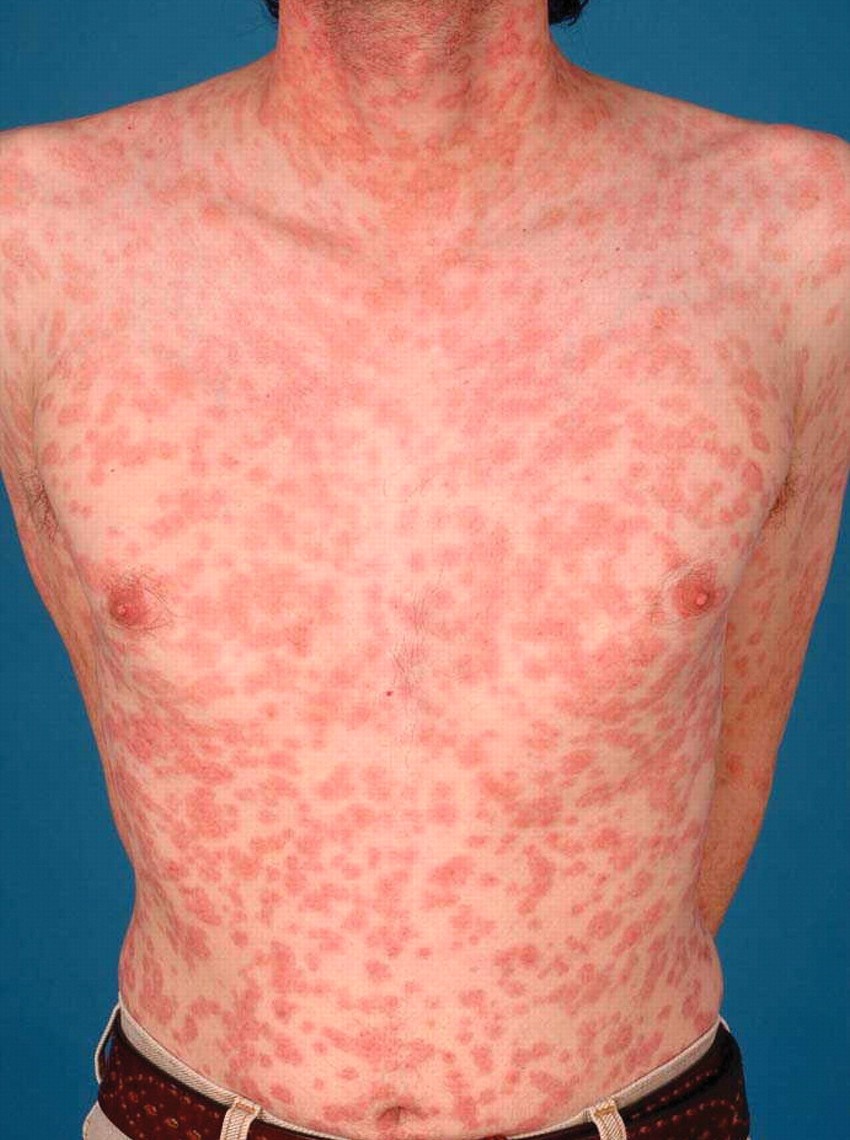
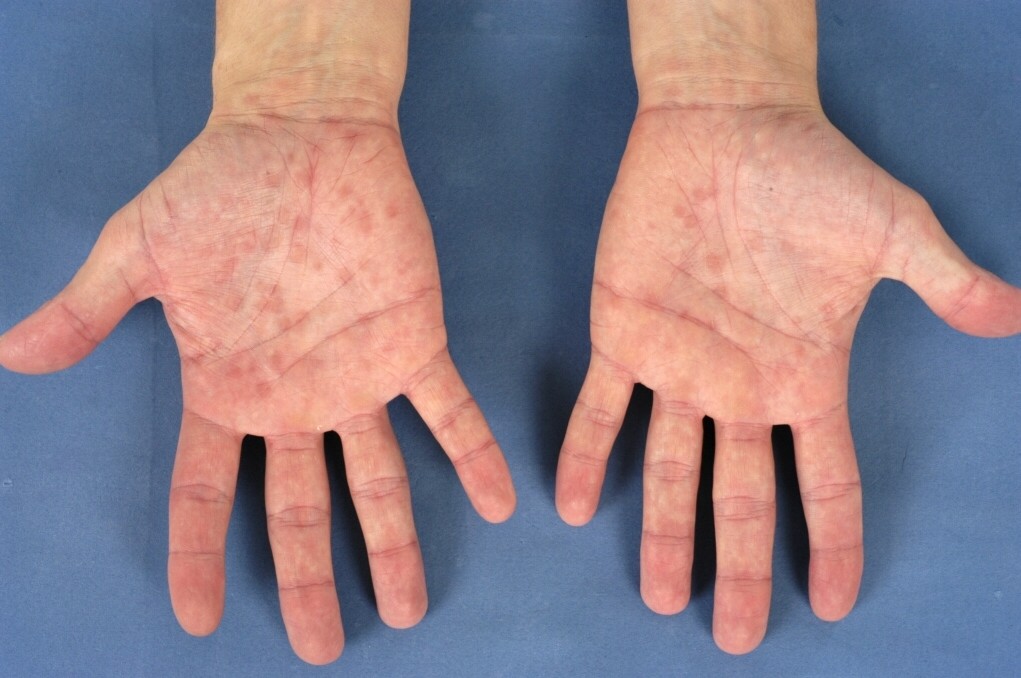
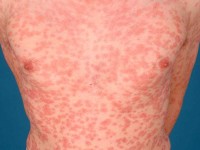
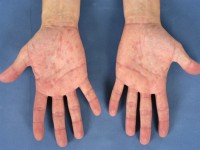
- Spots on the skin all over the body, especially on the palms of the hands and the soles of the feet. These spots are also not always clearly visible and disappear on their own. However, the illness does not go away;
- Flu-like feelings: headache, sore throat, fatigue, fever;
- Hair loss, causing bald patches on the head;
- Eye problems with inflammation of the eyeball and loss of vision;
- Wart-like growths near the genitals or anus.
 |
 |
| spots on the hull |
spots on palms |
POSSIBLE EFFECTS IN MEN AND WOMENIf you haven't been treated during the first two stages of syphilis, you enter the so-called dormant stage. The bacteria are still present in the body without the patient necessarily noticing anything. During the first year, and possibly the second year as well, you can transmit the disease to others. At this stage, the disease can only be detected through blood tests. Later, often after years, various organs can become damaged: the heart and aorta (vascular changes), the brain (mental decline), the spinal cord (which can cause paralysis), and the bones (inflammation). A person can only discover they were infected at some point without any clear signs of infection. That risk is now lower than before World War II, when effective antibiotics were not yet available, because many people occasionally receive a course of antibiotics (for something other than syphilis), which also (coincidentally) kills the syphilis bacteria.RESEARCHTo diagnose syphilis, the doctor will take a blood sample and, if necessary, a smear of fluid from the sore. In consultation with you, the doctor will also request a blood test for possible HIV infection (the cause of AIDS). You usually have to wait about a week for the results. The first blood test may not reveal any abnormalities, and you may need to return for a second test. Infection can be confirmed no later than three months after unprotected sexual contact. During the first pregnancy checkup, the blood will be tested for syphilis. A syphilis infection can be transmitted to the unborn child through the placenta during pregnancy. Prompt treatment can prevent this.TREATMENTTreatment consists of one or more penicillin injections. After the first injection(s), a flu-like reaction may occur due to the death of the syphilis bacteria. After the last injection, you will need to return several times over the next 1-2 years for blood tests and monitoring of any symptoms. These follow-up checks are very important, especially for HIV-infected individuals. Once you have had all the necessary injections, you can no longer infect others. Only then is sexual contact risk-free. It is best to avoid sex during treatment. This prevents you and your partners from re-infecting each other. If you do want to have sex, use a condom.
It is important to check who you have had sexual contact with since the infection. If the infection is dormant and there were no obvious symptoms beforehand, it is crucial that your partner (if applicable) and any children are tested. |