WHAT IS SCABIES?
Scabies (official name: scabies) is a contagious skin disease caused by the itch mite. This is a tiny insect (arachnid) that lives in the superficial layer of the skin (the stratum corneum). The itch mite burrows into the stratum corneum and lays eggs, which then hatch into young itch mites. The enzymes and other products secreted by the mites cause severe itching, and sometimes a widespread itchy rash. The condition is extremely itchy, especially at night.
Scabies is an unpleasant but not serious disease. The condition is easily treated. It is very important, however, that people in the immediate vicinity of the patient with scabies also receive treatment, even if they have no itching or skin lesions. Scabies does not indicate a lack of hygiene. Anyone can get it.
 |
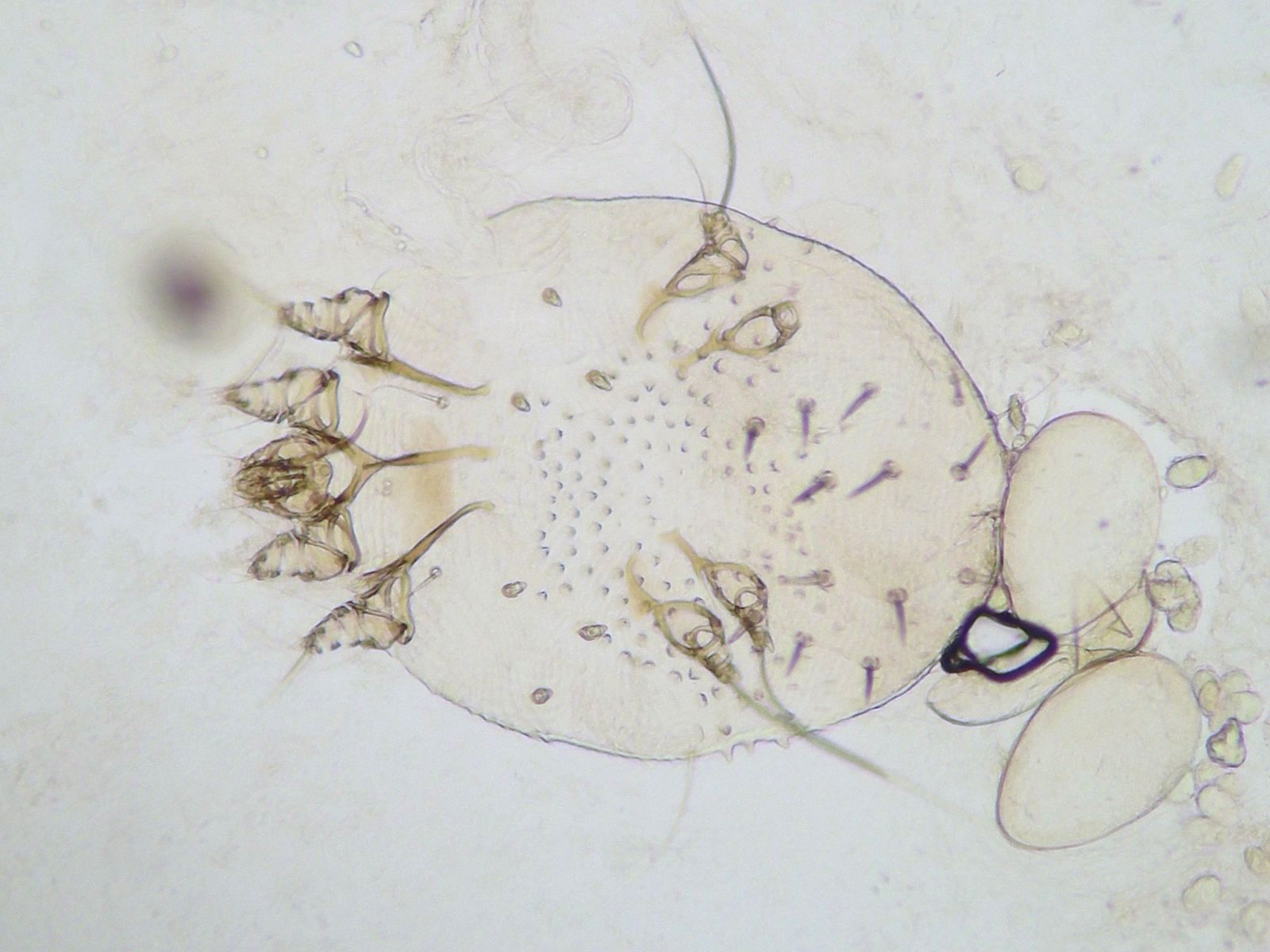
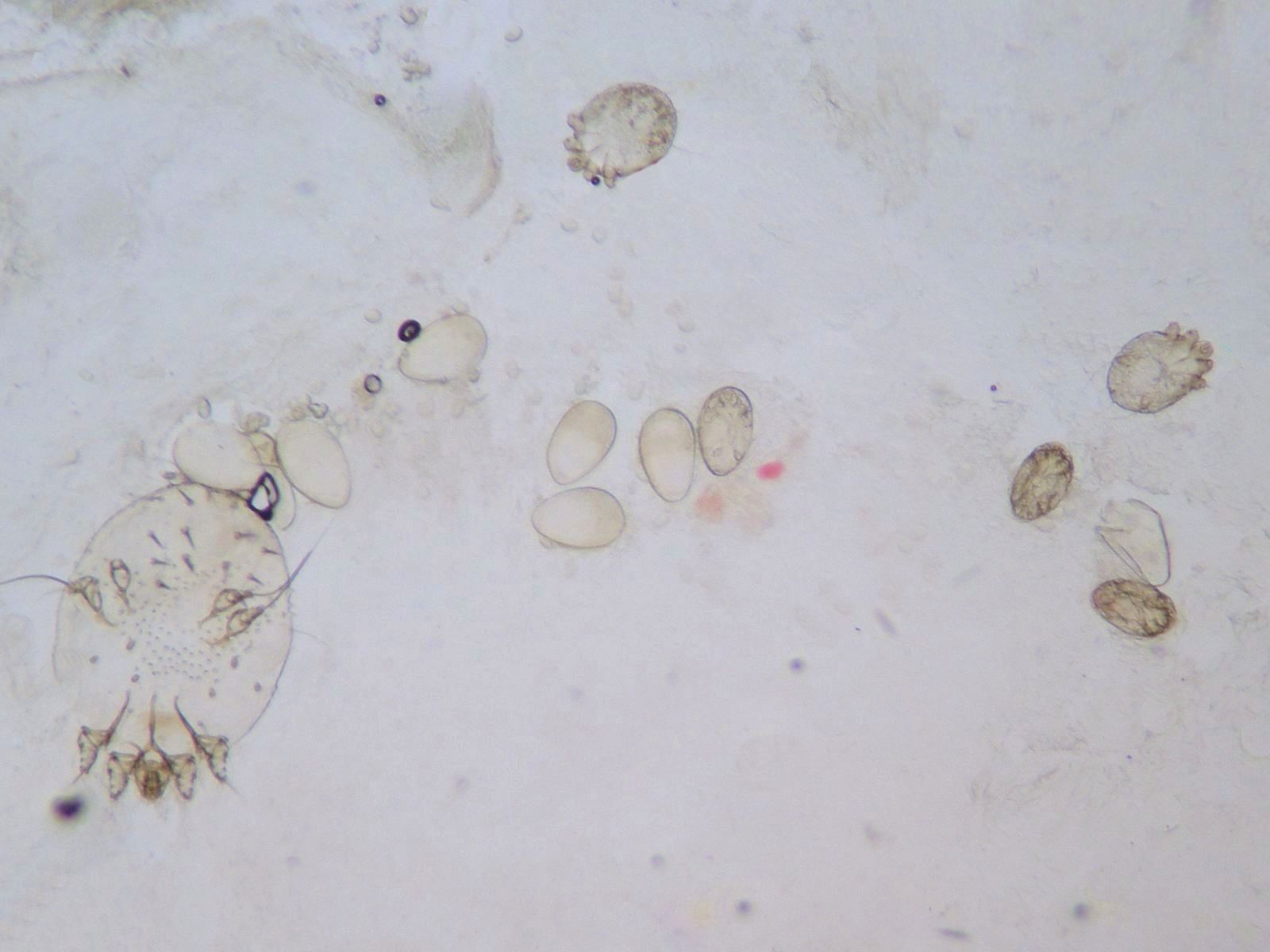
| scabies mite in the skin |
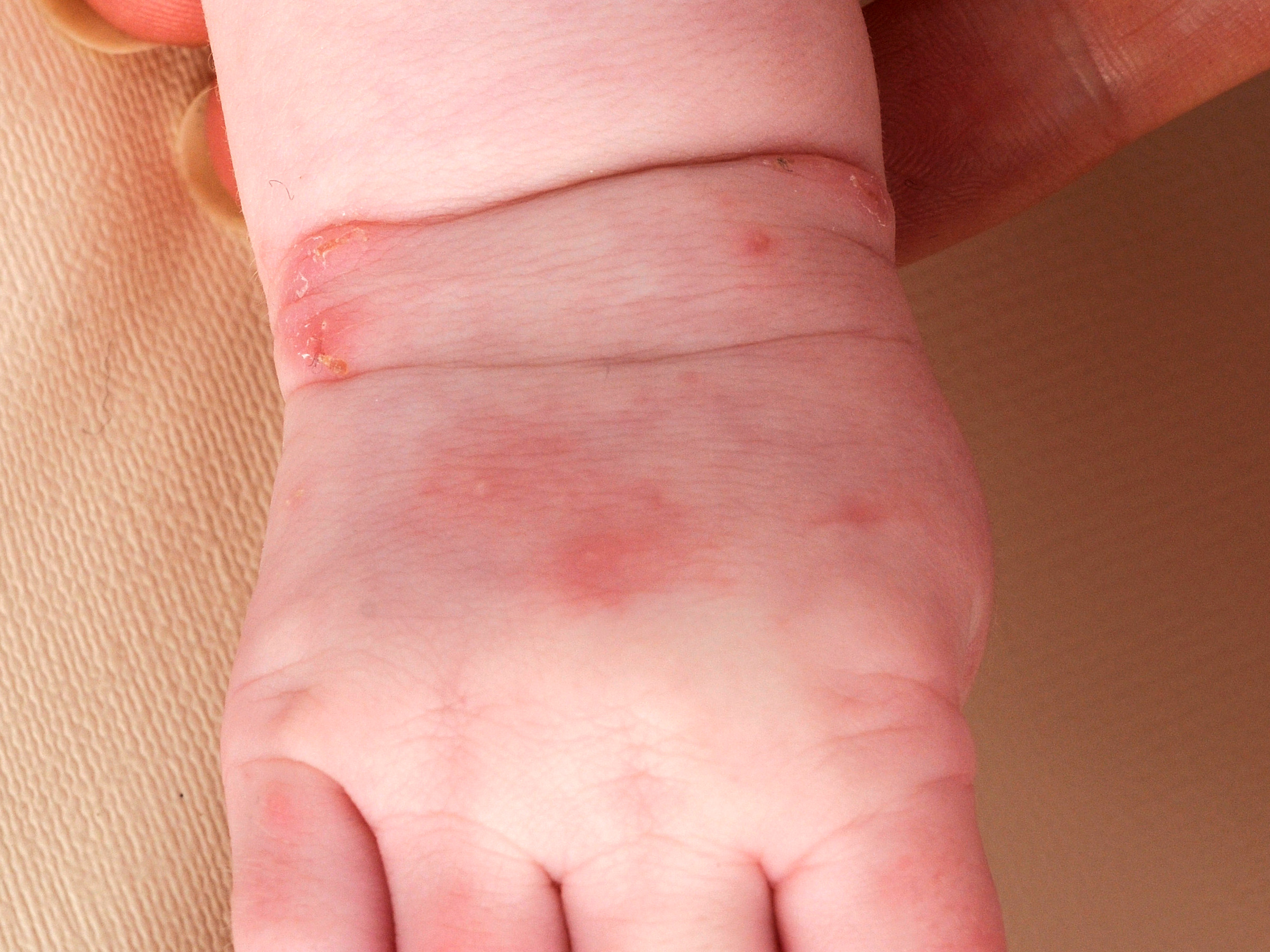
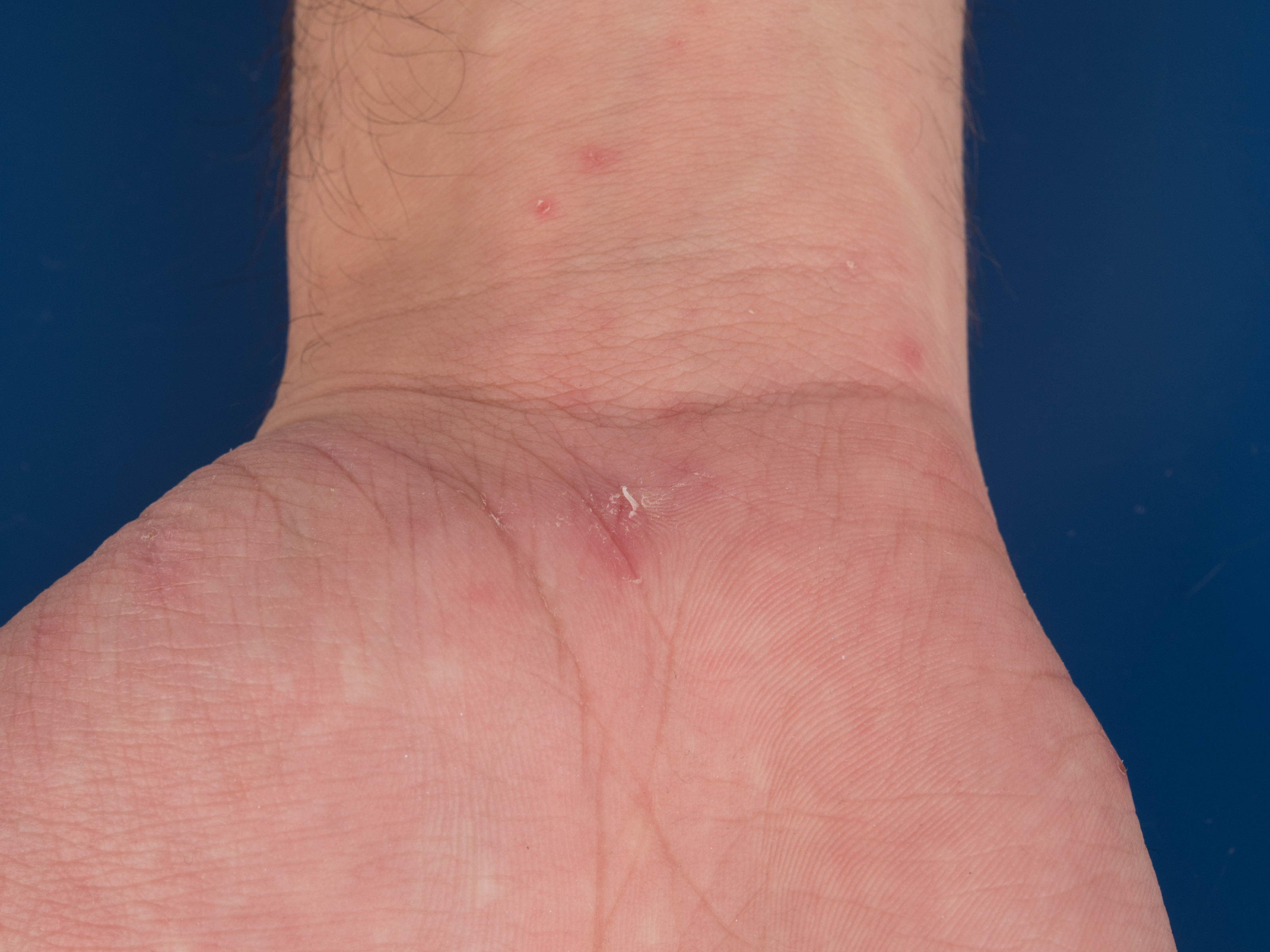
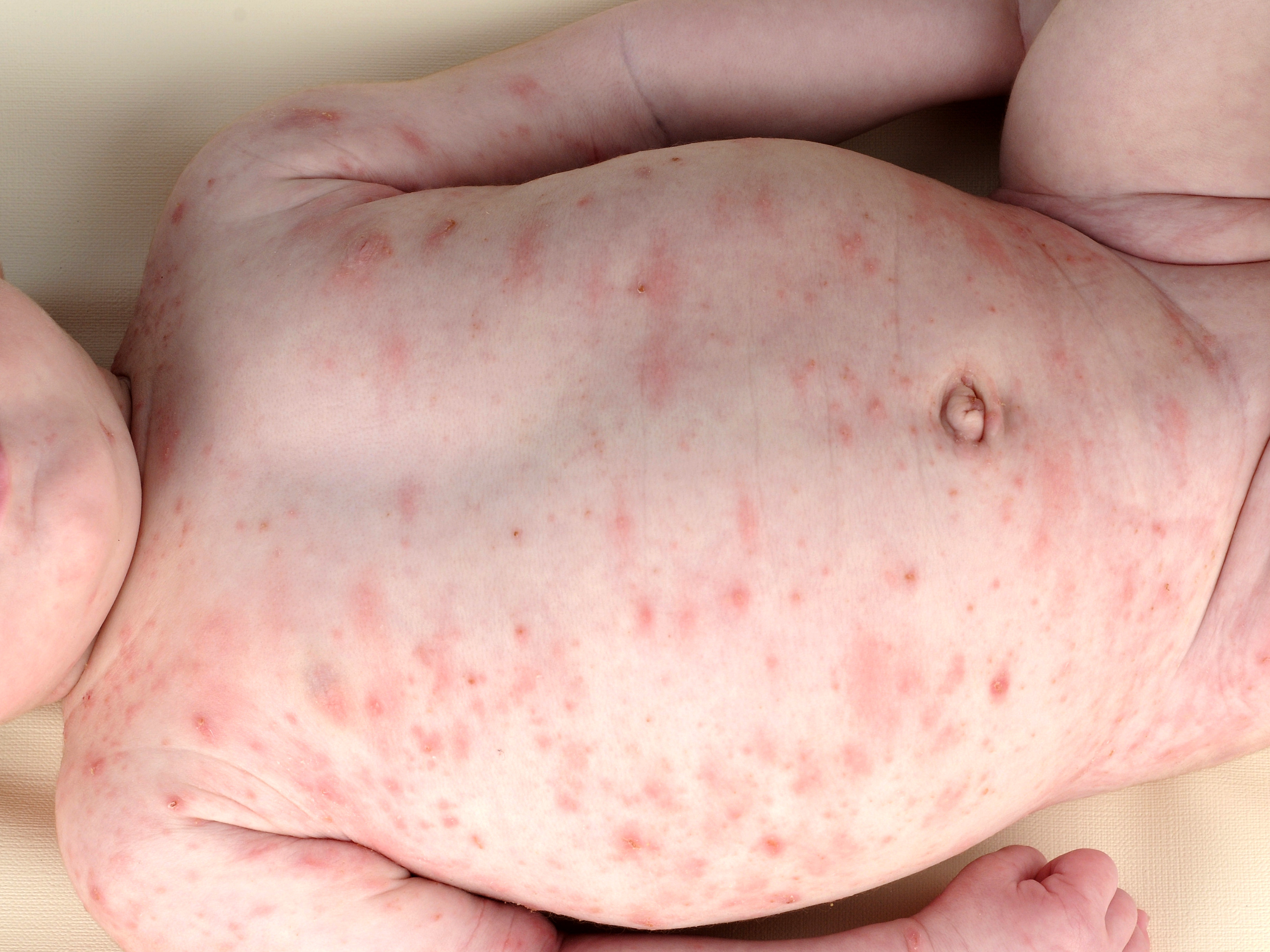
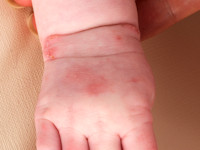
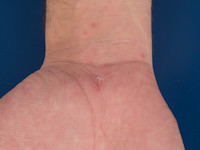
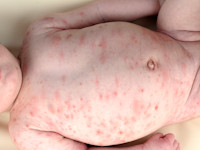
HOW DOES SCABIES DEVELOP?Scabies is caused by the scabies mite Sarcoptes scabiei . This is a parasite that only affects humans. The female mite is about 0.4 x 0.3 mm in size, just too small to be seen with the naked eye. These female mites dig a tunnel about 1 cm long in the stratum corneum of the skin, where they lay eggs. The itching is caused by the body's immune response to the scabies mite's feces. Generally, a person with scabies has between 10 and 15 live adult female scabies mites on their body.HOW CAN YOU GET SCABIES?The scabies mite is usually transmitted through direct skin contact with an infected person. Children in a family are often all infected. Sleeping together in the same bed—with or without sexual contact—can result in infection. Scabies can also be contracted by sleeping in a bed with contaminated bedding and by wearing contaminated clothing from someone with scabies. A sleepover with family or a visit to a simple hotel where the bedspread is never washed is enough to contract the disease. Scabies epidemics are often seen in hospitals, nursing homes, and assisted living facilities. The close contact between many people plays a significant role in this. It also occurs frequently in student housing.WHAT ARE THE PHENOMENA?Two to six weeks after infestation with the scabies mite, skin lesions develop, which itch intensely, especially at night. The most characteristic is a scaly tunnel of up to 1 centimeter, sometimes with a small blister at the end. These tunnels are most commonly seen on the hands but may also be absent in scabies. Small papules also appear, often scratched open and inflamed. Blisters, pustules, and larger papules can also occur. Sometimes a widespread rash develops that can resemble eczema. Scratching can lead to bacterial infections.
The skin lesions associated with scabies are primarily located between the fingers, on the underside of the wrists, in the armpits, on the flanks, on the feet, and ankles. They also frequently occur on the buttocks. In men, the penis and scrotum are often affected, and in women, the skin around the nipples. In adults, there are almost never any abnormalities in the face or on the scalp, but this does occur in very young children.
 |
 |
 |
| wrist joints |
wrist joints |
scabies in babies |
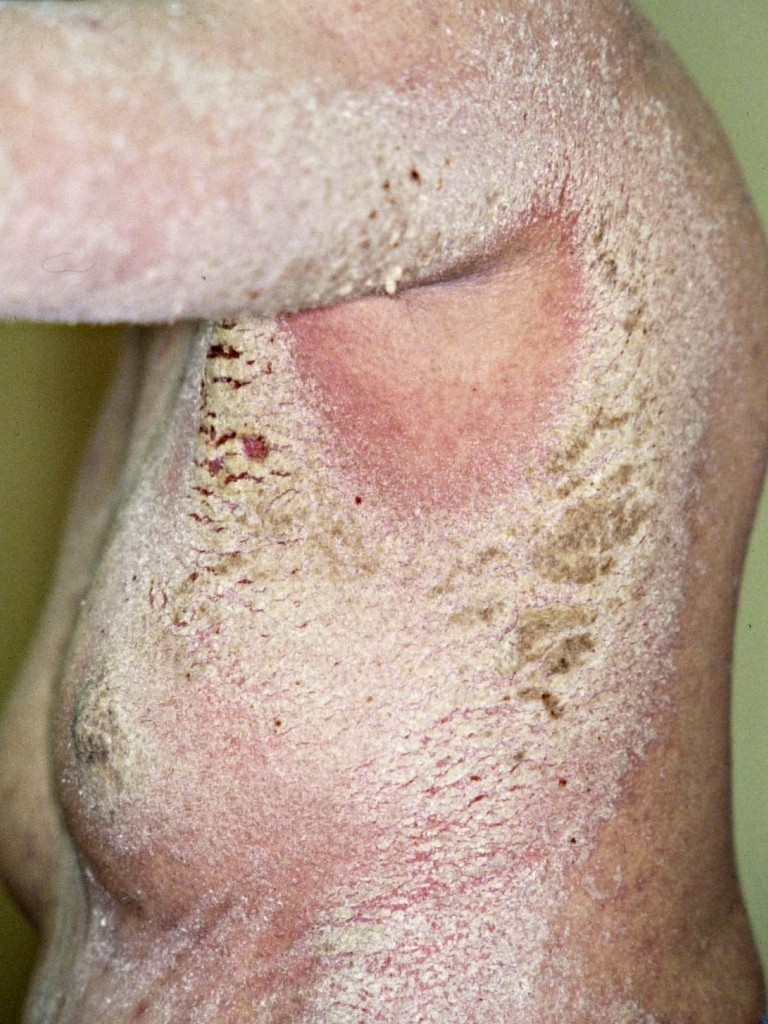
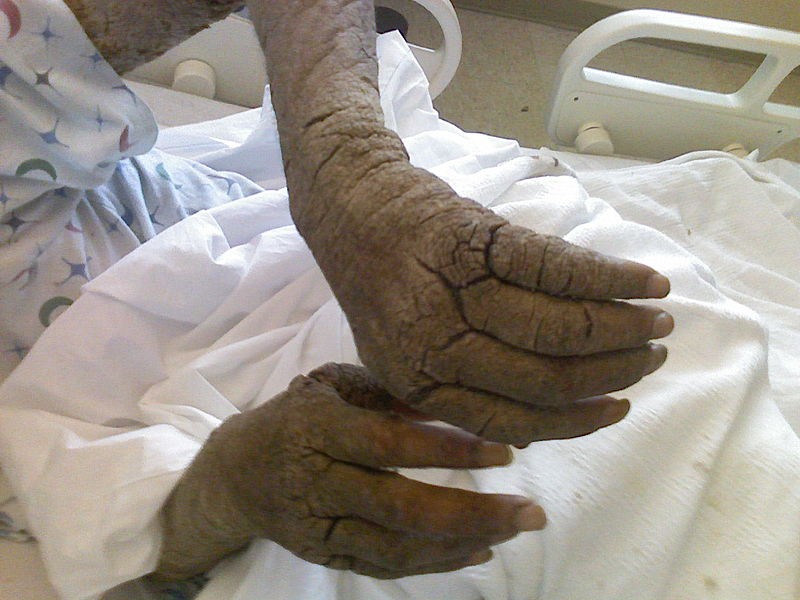
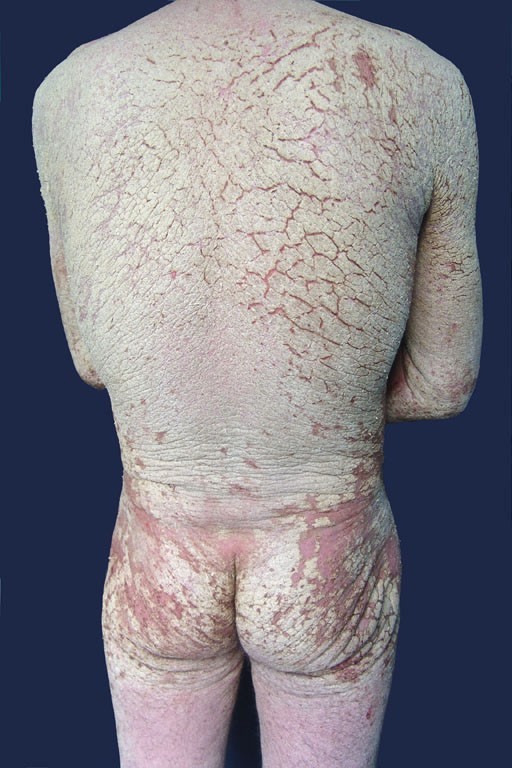
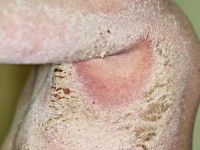
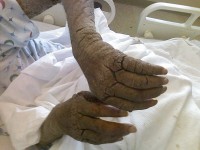
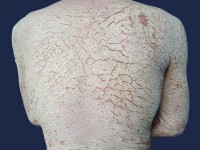
A severe form of scabies is called scabies Norvegica (named after Norway, where it was first observed). This form of scabies is seen in people with weakened immune systems, for example, due to AIDS, the use of medications that suppress the immune system, and in the very elderly. These patients sometimes have thousands of mites on and in their skin and are therefore highly contagious, but due to their weakened immune system, they do not experience itching.
 |
 |
 |
| scabies Norvegica in HIV |
scabies Norvegica |
scabies Norvegica |
Photo scabies Norvegica center: Ukster1 - Wikimedia (Creative Commons License 1.0 - Public Domain Image).
Photo scabies Norvegica right: Ekmekci TR, Koslu A. Dermatology Online Journal 2006;12(6):23. (Creative Commons License 4.0 - Public Access Journal ).
HOW IS THE DIAGNOSIS MADE?In patients with the characteristic appearance of burrows on the hands, the diagnosis is easy, especially when people around them appear to be itchy. Inflamed itchy bumps on the penis and scrotum are also very characteristic of scabies. However, it's not always that easy. Because scabies can resemble many other skin conditions, people sometimes suffer from it for weeks or even months before anyone considers the possibility of scabies. Sometimes scabies is suspected, but it can't be proven with certainty. If it looks very similar, scabies treatment is administered as a precaution.
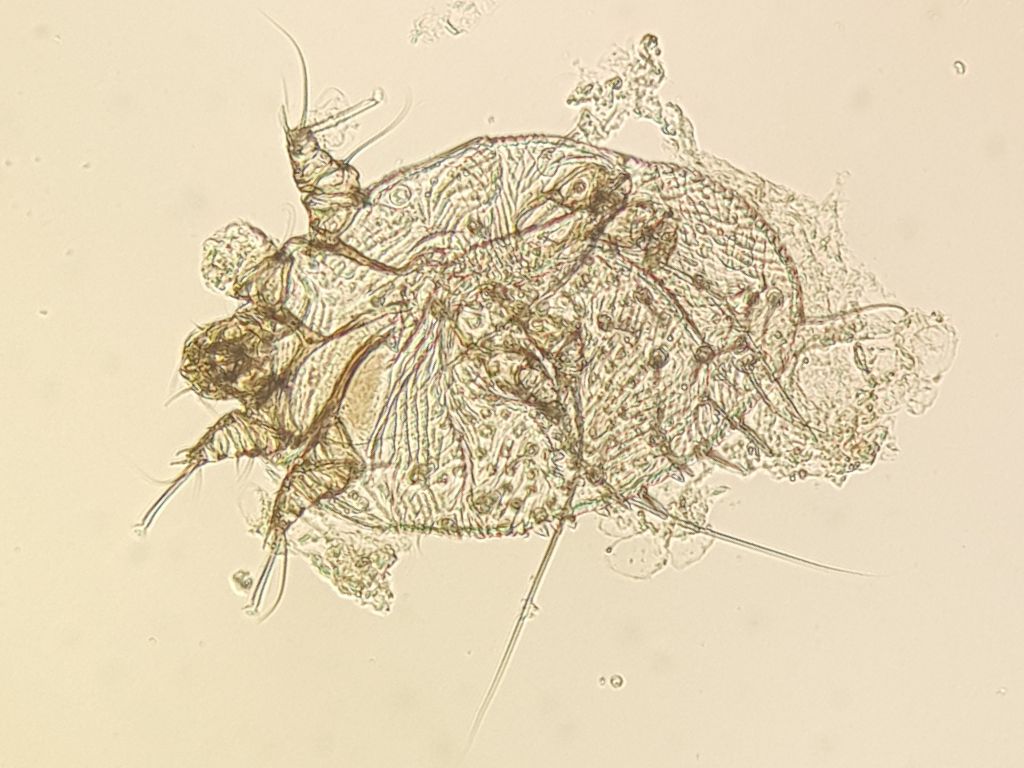
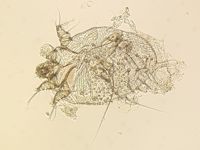
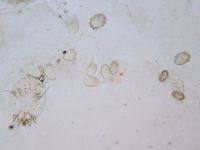
Scabies can be definitively proven by visualizing the scabies mite under a microscope in a skin scraping. For this, a small piece of the stratum corneum is scraped or cut off with a knife from the most suspicious areas. This scrap of skin is then soaked for fifteen minutes in a KOH (potassium hydroxide) solution. This causes the cells to fade, making any mites or eggs clearly visible under a microscope. Another method is to examine the skin very closely with a dermatoscope (a lighted magnifying glass) and a drop of oil underneath. With this dermatoscopy, larger mites can sometimes be seen easily.
 |
|
 |
| adult scabies mite |
adult scabies mite |
egg-laying female |
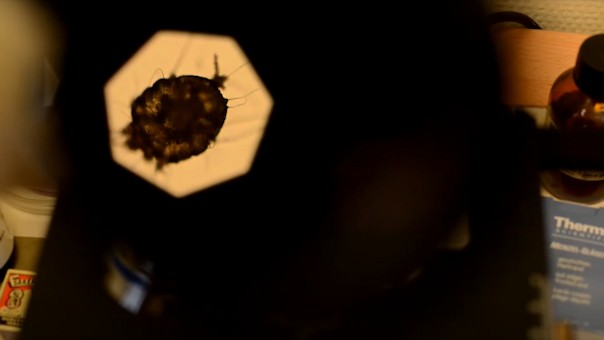
Scabies mite (live) filmed through the microscope.
HOW IS SCABIES TREATED?Scabies can be treated by applying permethrin cream (Loxazole) to the entire body or by taking ivermectin tablets (Stromectol).
It is important that all family members and people in contact are treated at the same time, and that all clothes and bedding are washed. After applying the cream to the entire body or taking the tablets, put on clean, washed clothes and get into a clean bed!WHAT CAN I USE DURING PREGNANCY AND BREASTFEEDING?Permethrin is the preferred treatment during pregnancy. Permethrin is not absorbed through the skin in large doses, which is why it is now also prescribed for scabies in pregnant and breastfeeding women. There are no indications that it is harmful. Permethrin is also used for head lice. The advice for this is: do not use during pregnancy. This may seem contradictory, but it isn't: there are good alternatives for head lice, namely mechanical removal of the lice and nits by combing thoroughly every day with a nit comb.
There is another safe alternative for treating scabies in pregnant women and young children: 25% benzoyl benzoate ointment. However, this is less effective and therefore requires three applications.
Ivermectin should not be used during pregnancy and lactation, nor in children weighing less than 15 kg.PRODUCTS AGAINST SCABIESPermethrin 5% Cream (Loxazole).
Required amount for the whole body: 2 months-1 year: 5 g, 1-5 years: 10 g, 5-12 years: 15 g, adults: 30 g.
Do not use in case of hypersensitivity to any of the ingredients.
Permethrin should be left on for 8-12 hours and can then be rinsed off with soap and water. Repeat after 1 week.Benzyl benzoate 25% Ointment FNAAmount needed for 4 applications of the entire body: 250 ml .
Benzyl benzoate must be left on for 24 hours and must be reapplied after 24 hours. After 1 week, apply again twice with 24 hours in between (for a total of 4 applications: on day 1, day 2, day 8, and day 9).Ivermectin tablets (Stromectol)à 3 mg.
Required amount (single dose):
15-24 kg: 1 tablet
25-35 kg: 2 tablets
36-50 kg: 3 tablets
51-65 kg: 4 tablets
66-79 kg: 5 tablets
> 80 kg: 6 tablets
Repeat after 1 week.
Do not use in case of hypersensitivity to any of the ingredients, pregnancy or breastfeeding. Do not use in children weighing less than 15 kg and/or under 5 years of age (in some cases smaller children may use it, consult your doctor).HOW SHOULD I APPLY THE CREAM?It is absolutely essential that all family members receive treatment, even if they themselves do not have any itching or rash. The partner of the scabies patient should also be treated. Everyone should be treated as soon as possible and at the same time.
A good time for treatment is in the evening. By the next morning, the mites in the skin will be dead, and any remaining mites can be removed in the shower to prevent them from burrowing back into the treated person after the cream has been removed. Make sure all clothing is washed before showering so that "dirty" laundry is not touched afterward. Reinfection can occur after the cream has been removed.
Apply the cream to clean, dry, and cooled skin. Do not shower beforehand, as the ingredients are partially absorbed into the body when the skin is wet and warm, which is not the intention. Only wash beforehand if the skin is very dirty (wanderers). In that case, wait until the skin is completely dry before applying the cream.
Apply the product to the entire body, except the head, from the jawline to the soles of the feet. For children up to four years old, people with crusted scabies or a weakened immune system, and bedridden individuals, also treat the head, especially behind the ears. Pay special attention to all skin folds, especially those of the fingers and toes and around the genitals.
Trim nails short and apply the product under the nails as well. Use a soft toothbrush if necessary.
Avoid contact with eyes, mouth, or other mucous membranes (avoid skin-to-mouth contact; for example, put gloves and socks on babies). If contact does occur, rinse with plenty of water.
It is impossible to apply the product completely (your back!). The person applying the product should wear disposable gloves.
The cream is intended to remain in contact with the skin for extended periods. Therefore, reapply after washing hands, using the toilet, or changing diapers or incontinence pads.
Do not use any beauty products or creams during the treatment.
The morning after applying the cream (8 to 12 hours after application), wash your entire body thoroughly in the shower.
After showering, dry your body with a clean towel and put on clean clothes.HOW SHOULD I TAKE THE TABLETS?Take all tablets at once. It doesn't matter what time of day, but you should take ivermectin with water on an empty stomach. You should also not eat or drink anything (water is fine) for two hours after the treatment. The dosage depends on your body weight.
Then, shower and change into clean clothes. Shower again after 24 hours and change into clean clothes.WHAT SHOULD I DO WITH THE CLOTHES AND BEDDING?All clothes worn in the past three days and washable at 60°C should be washed, as well as bed linens. Washing or tumble drying at a temperature above 50°C for at least 10 minutes will kill any existing mites.
Clothes that cannot be washed at this temperature (or at all) should be aired at room temperature for a week. Alternatively, they can be stored in a tied garbage bag (also suitable for stuffed animals) for a week.
The mite's survival depends on the ambient temperature and humidity. Generally, mites do not survive for three days at room temperature (18-20°C). Young mites can survive for a week.
After treatment, get into a clean bed, i.e., with clean pillowcases, sheets or duvet cover, and mattress protector. The mattress and pillow do not need to be cleaned. Leave the mattress and pillow unmade during the day until bedtime. Turn the mattress over. Blankets should be aired for a week before being used again.
In case of extensive scabies (scabies Norvegica) it is advisable to air the duvets for a week first.REPETITION OF THE TREATMENT AFTER 1 WEEKIf the scabies has been treated with permethrin cream, ivermectin tablets, or two doses of benzyl benzoate ointment, and all cleaning measures are carefully followed as described above, the scabies will almost certainly be gone. Because sometimes things go wrong, for example, a patch of skin that wasn't properly treated, or re-infestation by clothing, furniture, or housemates, it is often recommended to repeat the treatment after one week. Afterward, wash your clothes and bedding again.
The itching usually improves significantly within three days, but it can take three to four weeks for the skin lesions and the itching to completely disappear. The itching is caused by various products left by the mites in the top layer of the skin, the stratum corneum. The skin renews itself in about two weeks, so this will grow out naturally. Wait patiently for this to happen; don't think the treatment hasn't worked! For severe itching, a corticosteroid cream can be prescribed. The creams prescribed for scabies can sometimes also cause irritation and itching. Be aware that some of the itching is psychological. As soon as the word "scabies" is mentioned, everyone starts itching.
SCABIES NORVEGICA (CRUSTOSA) AND EPIDEMICS
In cases of scabies norvegica and in epidemics, for example in a hospital, ivermectin tablets are often used for treatment. In persistent cases, both the creams and tablets are sometimes used simultaneously. When controlling scabies in larger groups, such as an epidemic in a nursing home or care home, the Municipal Health Service (GGD) is contacted.
WHAT CAN YOU STILL DO YOURSELF?Many people feel embarrassed when scabies is discovered in their family. This is understandable, but unnecessary. For example, contracting scabies doesn't indicate a lack of hygiene. However, it seems wise not to tell everyone around you that you've had scabies. Experience shows that many people then experience itching and fear they've contracted it, even though that's not necessarily the case.WHAT ARE THE OUTLOOK?Scabies can be completely cured with simple remedies. If it does return, it may be because the treatment wasn't applied accurately enough or because someone close to you wasn't treated. Keep in mind that it can take several weeks after treatment for all symptoms to completely disappear.SUMMARY: WHAT SHOULD I DO?This brochure contains a large amount of information. The most important steps are summarized below:
Treatment with permethrin cream:
| 1. |
I warn all my housemates and others who may be infected |
| 2. |
I collect enough cream to treat everyone at once |
| 3. |
I'm putting all the clothes I've worn over the past three days, along with the bedding, in the wash at 60 degrees Celsius. Anything that can't be washed that hot I'll put in a sealed garbage bag for a week. |
|
I cover myself from head to toe with the cream (do not shower beforehand). |
|
Then I put on clean clothes. In the evening, I get into a clean bed. |
| 4. |
The next morning (after 8-12 hours of application) I rinse off the cream in the shower and put on clean clothes again. |
| 5. |
I'm washing all the bedding and worn clothes again at 60 degrees Celsius. If the duvet or blankets can't be washed at such high temperatures, I hang them up to air (for a week). I turn the mattress and don't make the bed until the evening. |
| 6. |
After a week, I cover myself again from head to toe with the cream. |
|
Then I put on clean clothes and get into a clean bed. |
Treatment with ivermectin tablets:
| 1. |
I warn all my housemates and others who may be infected |
| 2. |
I collect enough tablets to treat everyone at the same time |
| 3. |
I take the tablets, put all the clothes I've worn in the past three days and the bedding in the wash at 60 degrees Celsius, and take a shower. Anything that can't be washed at such high temperatures I put in a sealed garbage bag for a week. |
|
Then I put on clean clothes. In the evening, I get into a clean bed. |
| 4. |
The next morning, I wash all the bedding and worn clothes again at 60 degrees Celsius. If the duvet or blankets can't be washed at such high temperatures, I hang them up to air (for a week). I turn the mattress and don't make the bed until the evening. |
| 5. |
24 hours after taking the tablets I shower again and then put on clean clothes again. |
| 6. |
After a week I take the tablets again. |
|
Then I put on clean clothes and get into a clean bed. |
|