WHAT IS PITYRIASIS RUBRA PILARIS?Pityriasis rubra pilaris (abbreviated PRP) is a rare scaly skin disease that resembles psoriasis but is distinct from it. Pityriasis rubra pilaris causes red, scaly patches to appear on the body. These patches can spread over the entire body. If the entire body is red, it is called erythroderma. The skin on the palms of the hands and soles of the feet can become very thick and cracked. Small, scaly bumps can also develop, surrounding a hair. If these four specific characteristics (scaly patches, erythroderma, thickened palms, and bumps around the hairs) are present, the diagnosis of pityriasis rubra pilaris is likely. Pityriasis means scaly skin disease, rubra means red, and pilaris means around the hairs.WHAT ARE THE PHENOMENA?There are several variants of pityriasis rubra pilaris. The most common variant, the classic form, has the following characteristics:
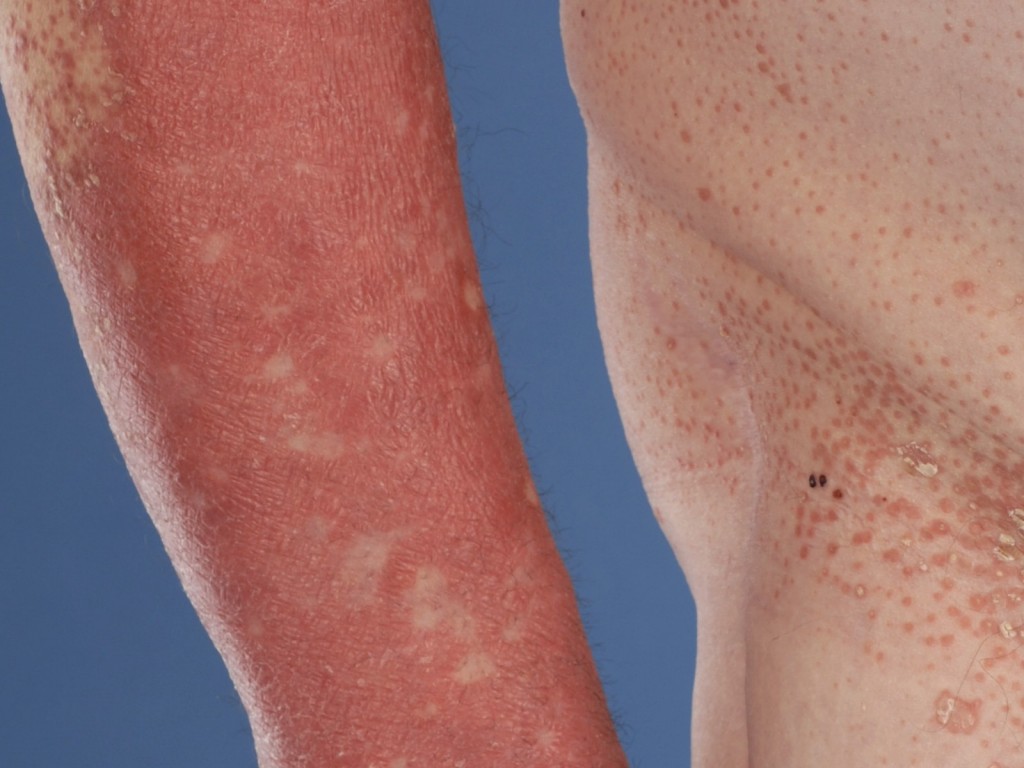
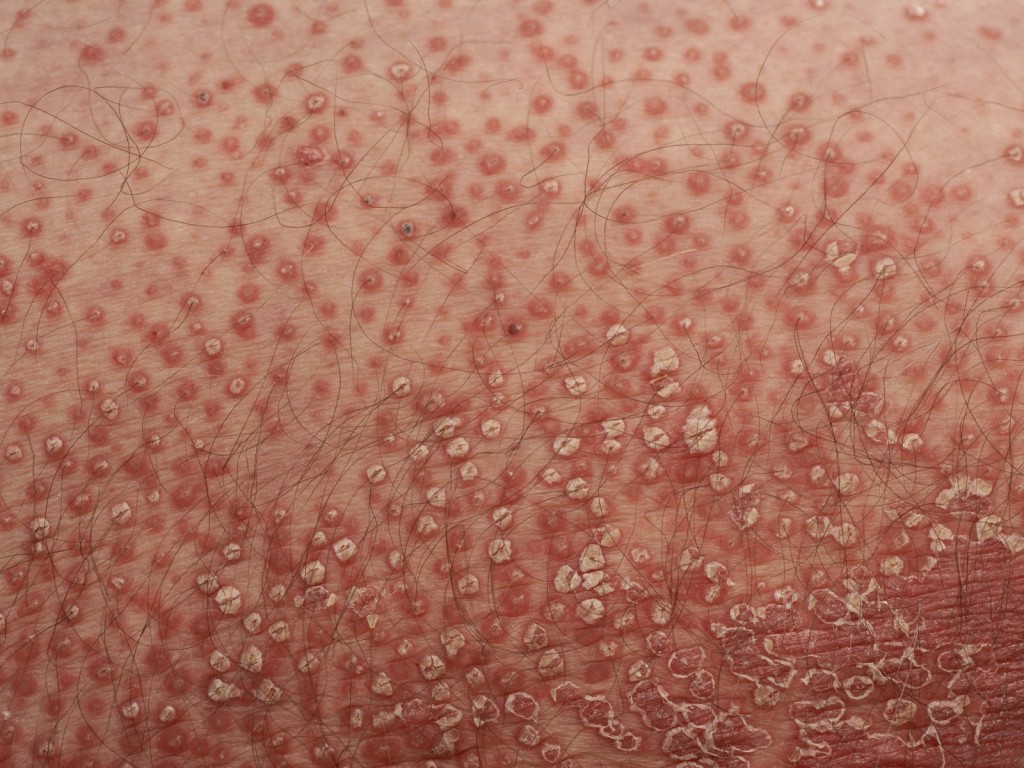
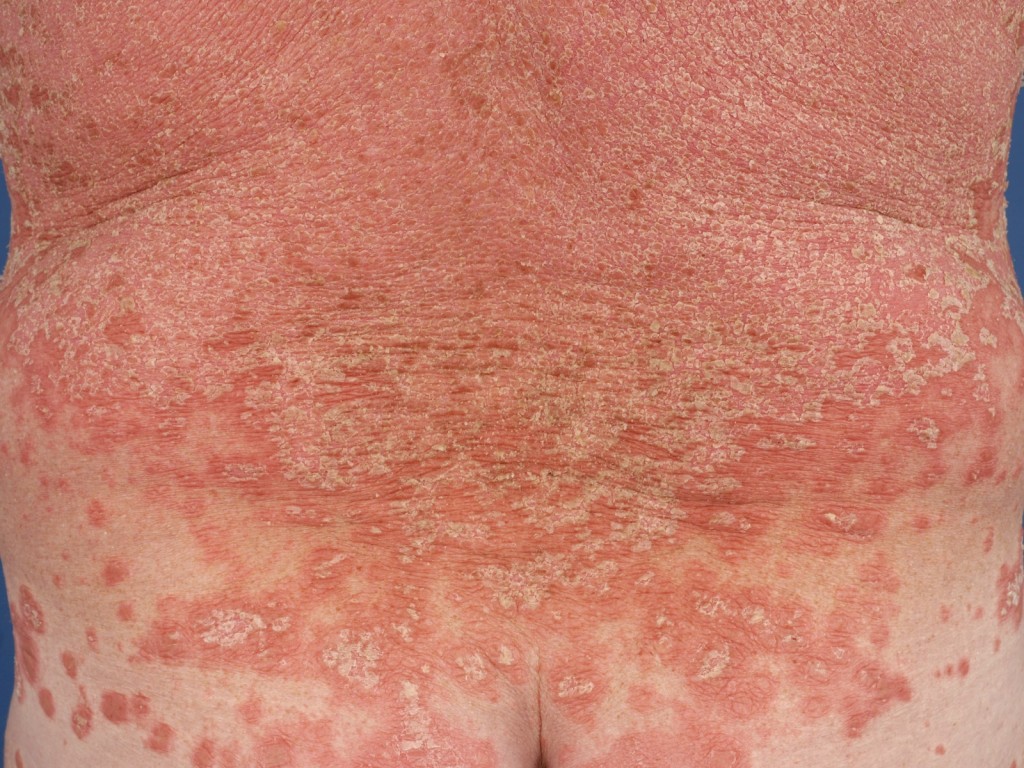
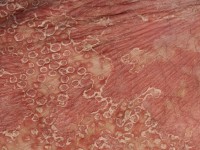
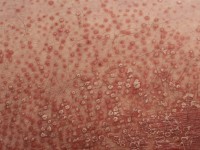
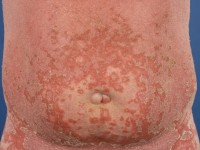
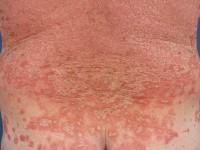
1. Small, scaly bumps that initially surround a hair follicle. Later, they enlarge and coalesce into larger patches. It then becomes impossible to tell that they originated from a hair follicle.
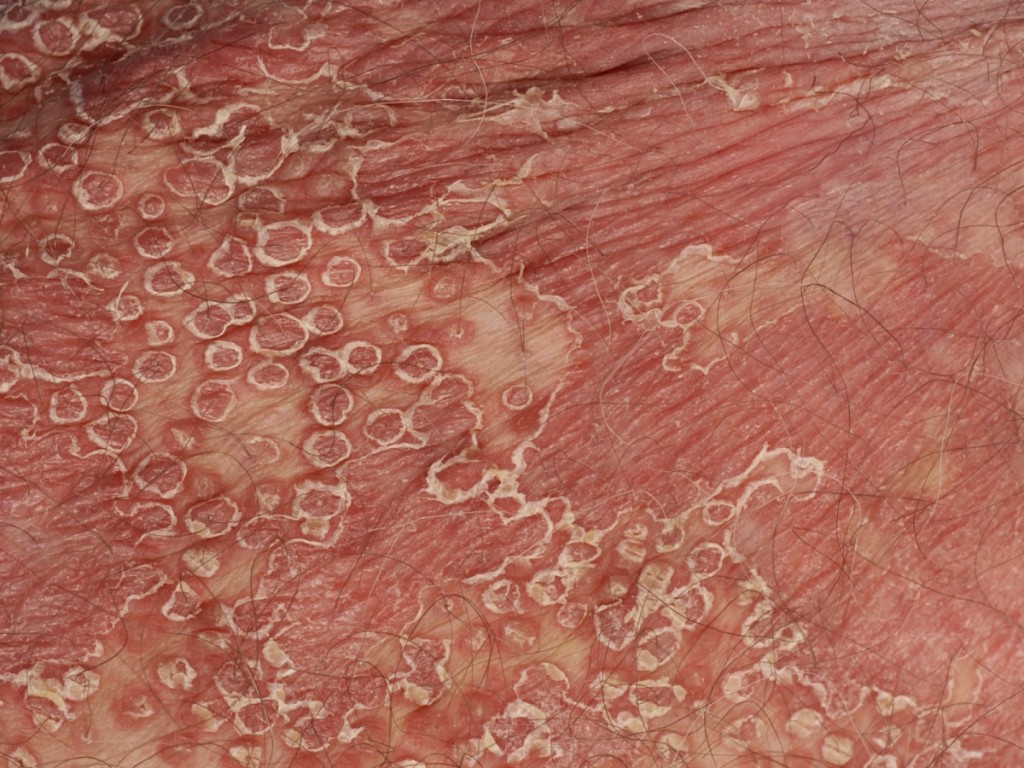
2. Scaly patches over the entire body that gradually enlarge. It resembles psoriasis, but the scales are thinner. The scaly patches are red, sometimes with an orange tinge. They are slightly raised compared to the surrounding area. They can be itchy. The patches do not respond well to corticosteroid creams or ointments; they do improve somewhat, but the effect is not as good as with other skin conditions such as eczema or psoriasis.
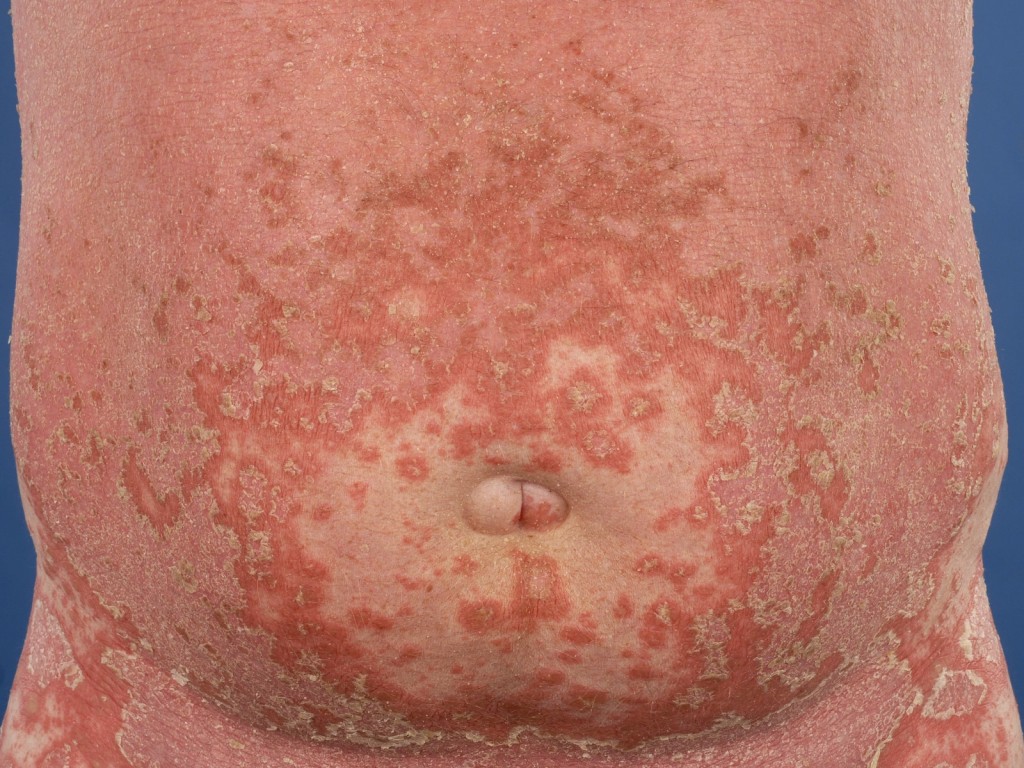
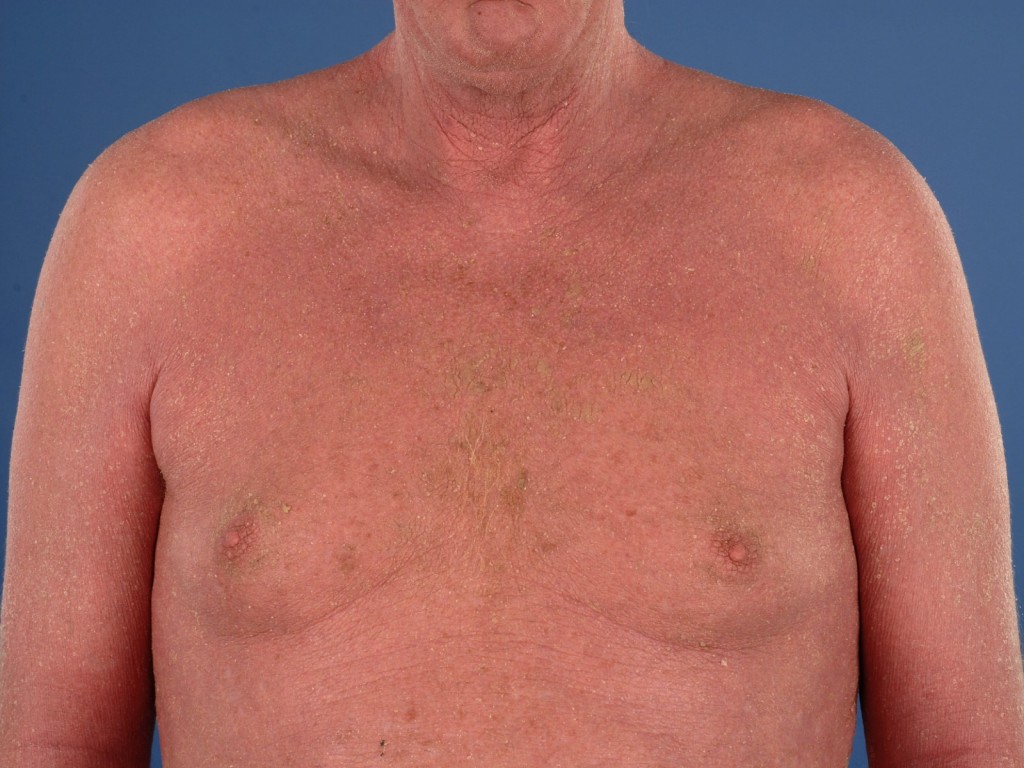
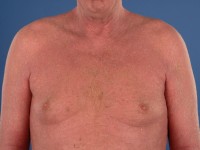
3. Expansion of the scaly patches over almost the entire body. If the entire body is red and/or scaly, it is called erythroderma. With erythroderma, heat is lost because the blood vessels in the skin are dilated. The body compensates for this heat loss by producing more heat. Temperature regulation is disrupted: chills, fever, or even a low body temperature may occur. Furthermore, red and inflamed skin evaporates more fluid: this makes you feel thirsty, and drinking plenty of fluids is necessary to prevent dehydration. Sometimes, even an IV with fluids is necessary. If the skin flakes heavily, protein is also lost (the flaking skin layers contain a lot of protein). This can lead to a protein deficiency. The loss of protein and energy must be compensated for by eating plenty of food. Long-standing erythroderma can cause weight loss and fatigue. Swollen ankles or lower legs (edema) can also develop with erythroderma.
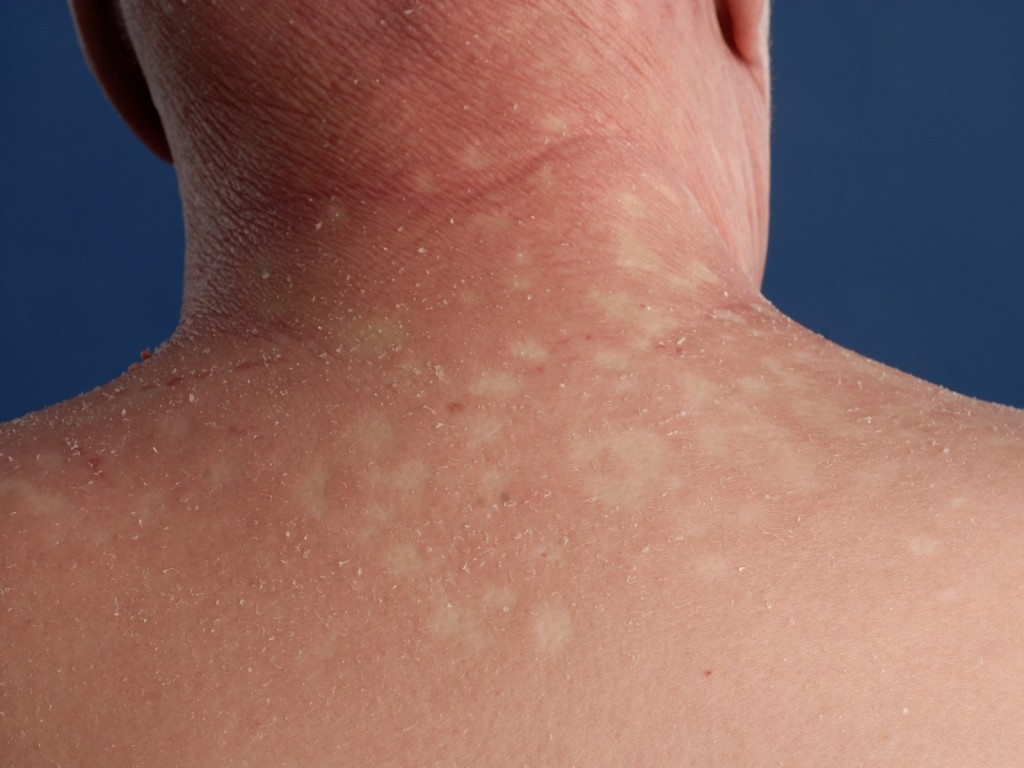
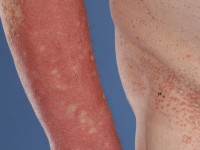
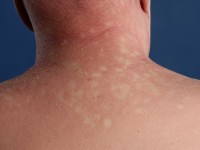
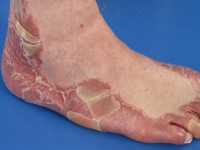
4. Revealed areas: in the initial phase, but also when the skin is completely red, small islands of unaffected skin sometimes remain. These can then be seen as white/pinkish white spots on completely normal skin, surrounded by affected red skin. This is called 'skipped lesions' in English.
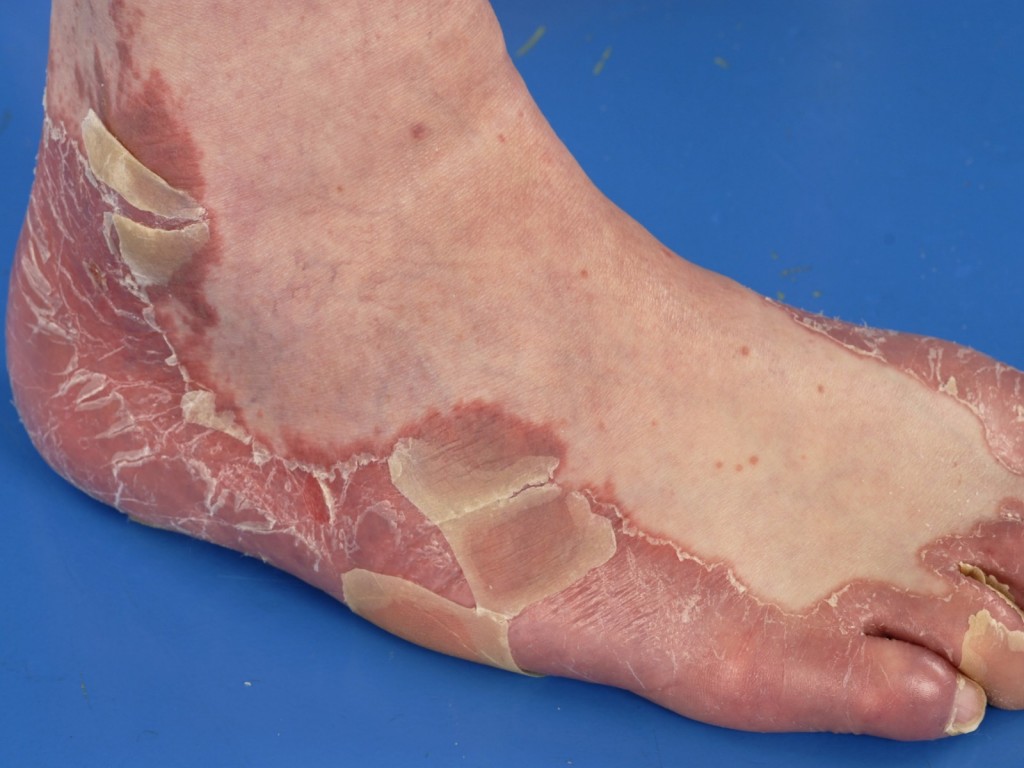
5. Thickening of the skin of the palms of the hands and soles of the feet. The skin becomes hard and thick, especially the top layer (the stratum corneum). Sometimes the thicker skin takes on an orange or yellow tinge, and painful cracks may develop.
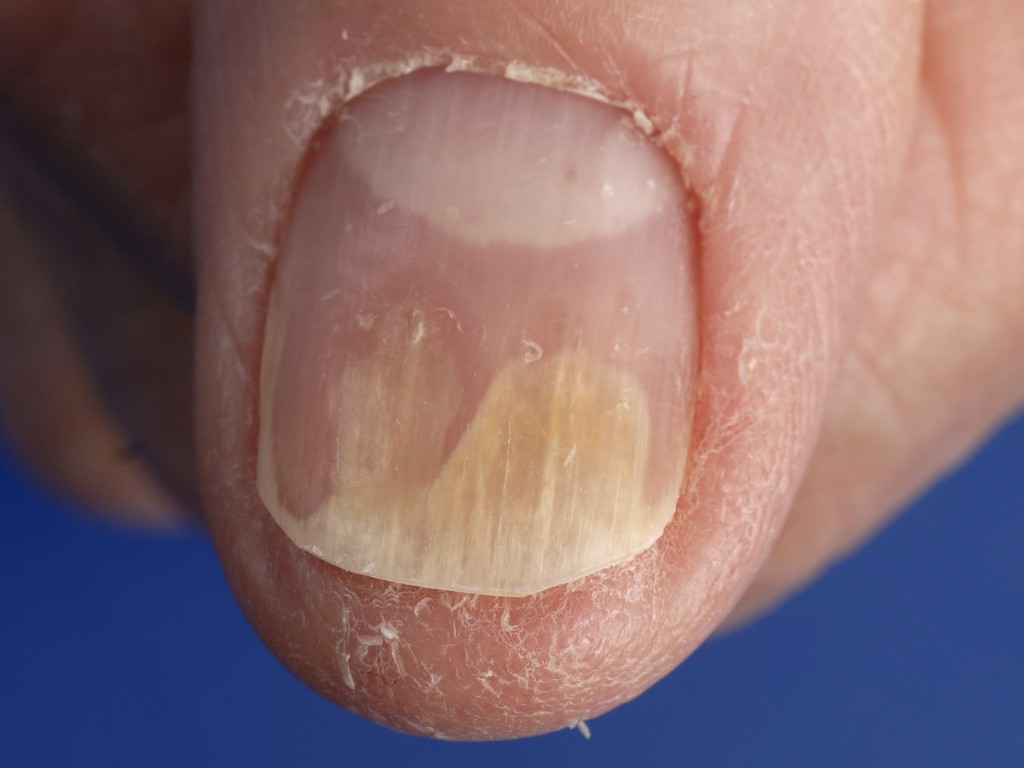
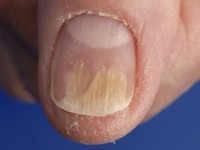
6. Nail abnormalities. The nails can become thicker and ridged. Split nails and yellowish discoloration also occur.
7. Eye abnormalities. The lower eyelid may curl outward and become red.
 |
 |
 |
| red spots and bumps |
sometimes starts around hairs |
sometimes starts around hairs |
 |
 |
 |
| sometimes starts around hairs |
sometimes starts around hairs |
erythroderma (red skin) |
 |
 |
 |
| spared white spots |
thickened soles of the feet |
split nails |
OTHER FORMS OF PITYRIASIS RUBRA PILARISBesides the classic form, described above and the most common, there are other variants of PRP. Adults can have a different form that looks more like eczema and lasts longer, also involving hair loss. Children can have the classic form, which looks exactly like adults but starts at a young age. Children can also have a different variant, which doesn't affect the entire body, but where bumps appear around hair follicles only on the knees or elbows. There is also a hereditary form of PRP that starts at an early age and is persistent.WHO CAN GET PITYRIASIS RUBRA PILARIS?In principle, anyone can get PRP. The classic form of PRP usually develops in old age, around 50, or in children under 10.WHAT IS THE CAUSE OF PITYRIASIS RUBRA PILARIS?The cause of PRP is unknown. For the hereditary form, a genetic defect (the CARD14 gene) has recently been discovered to cause the disease. However, most forms of PRP are not hereditary and develop spontaneously, without an identifiable cause, at an older age. There may be a predisposition to developing PRP, but it only develops when there is a trigger, such as an infection with bacteria like streptococcus. If you were ill, had a cold, or had a sore throat prior to developing PRP, inform your doctor.HOW IS THE DIAGNOSIS MADE?If it looks very typical, with bumps around the hairs and white patches that have been removed, then the diagnosis can be made based on the clinical picture, the appearance. But if the skin is completely red and flaky, it's impossible to determine what the cause is. With other skin conditions such as eczema, psoriasis, or drug allergies, the skin can also become completely red (erythroderma), including swollen palms and nail abnormalities. A skin biopsy is usually necessary to confirm the diagnosis. Sometimes multiple biopsies are needed to determine the cause.IS FURTHER RESEARCH NECESSARY?In addition to a skin biopsy, blood tests are usually performed to rule out other causes of red, flaky skin. Sometimes a lung x-ray or other additional tests (scans, ultrasounds) are also performed to assess general health. In cases of long-standing erythroderma, occasional blood tests are also necessary to monitor fluid or protein loss.HOW IS PITYRIASIS RUBRA PILARIS TREATED?For mild forms limited to the knees and elbows, as can occur in children, simply keeping the skin moist is sufficient. Substances such as salicylic acid, lactic acid, or urea can be added to ointments to soften the stratum corneum. Combination preparations such as Diprosalic ointment (a mixture of a corticosteroid ointment and salicylic acid) can also be used for this purpose.
For more extensive forms with red, scaly patches all over the body, more intensive treatment is required. Corticosteroid ointments are usually used first. If the skin on the palms is thick (increased stratum corneum), ointments containing salicylic acid can also be used. Corticosteroid ointments do help somewhat, but are not strong enough to completely control pityriasis rubra pilaris. This also applies to corticosteroid tablets (prednisone). If the results are insufficient, other tablets such as Neotigason (acitretin) or methotrexate are prescribed. Neotigason is a vitamin A-derived substance that inhibits the formation of corneal cells. Methotrexate is a drug that inhibits cell growth, affecting all body cells. It reduces skin inflammation and inhibits the rapid division of the skin. Light therapy (PUVA therapy) is also an option. The results of PUVA light therapy vary: it helps some patients, while it appears ineffective in others. Combination treatments are also used: Neotigason and PUVA therapy combine well, and methotrexate is sometimes added to neotigason. Neotigason and methotrexate can have side effects, requiring regular blood tests. Neotigason is dangerous for the unborn fetus. Women taking the drug must absolutely avoid becoming pregnant and must wait two years after discontinuing the drug before becoming pregnant.
Pityriasis rubra pilaris can be difficult to treat. It's also possible that treatments like Neotigason and/or methotrexate are effective, but only at high doses, which in turn cause more side effects. Furthermore, the treatments take time to take effect. Neotigason can take 1-2 months to start working.WHAT ARE THE OUTLOOK?In the classic form, which primarily affects the elderly, approximately 80% of patients are completely or almost completely free of the condition after three years. The classic form, which begins in childhood, usually lasts shorter, approximately one to two years. The other PRP variants last longer. The most significant problems are caused by the variant in which the entire skin becomes red (dehydration, weight loss, fatigue). And the medications can have unpleasant side effects (see the package inserts for Neotigason and methotrexate). |