|
MOLLUSCA CONTAGIOSA (WATER WARTS) |
 |
 WHAT ARE MOLLUSCA CONTAGIOSA? WHAT ARE MOLLUSCA CONTAGIOSA?
Mollusca contagiosa (water
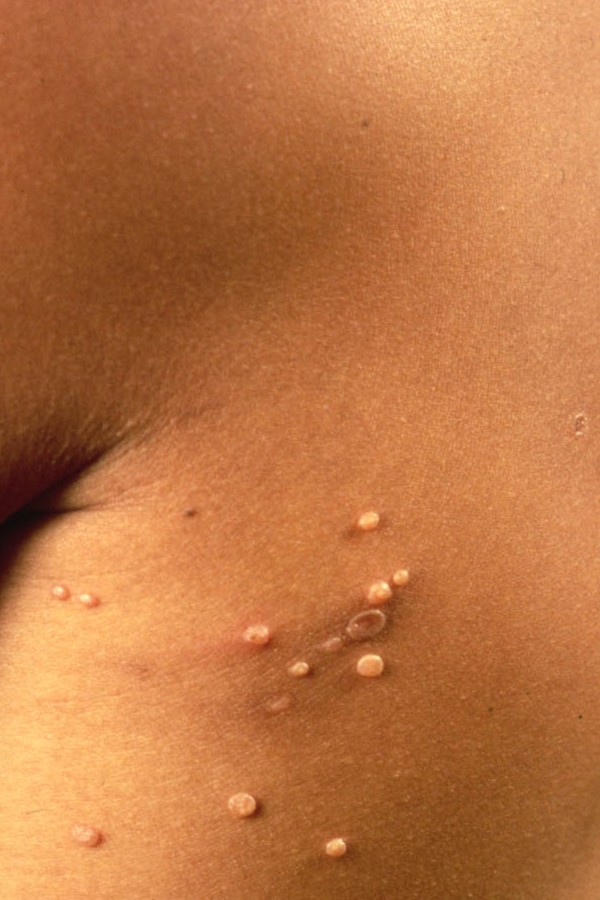
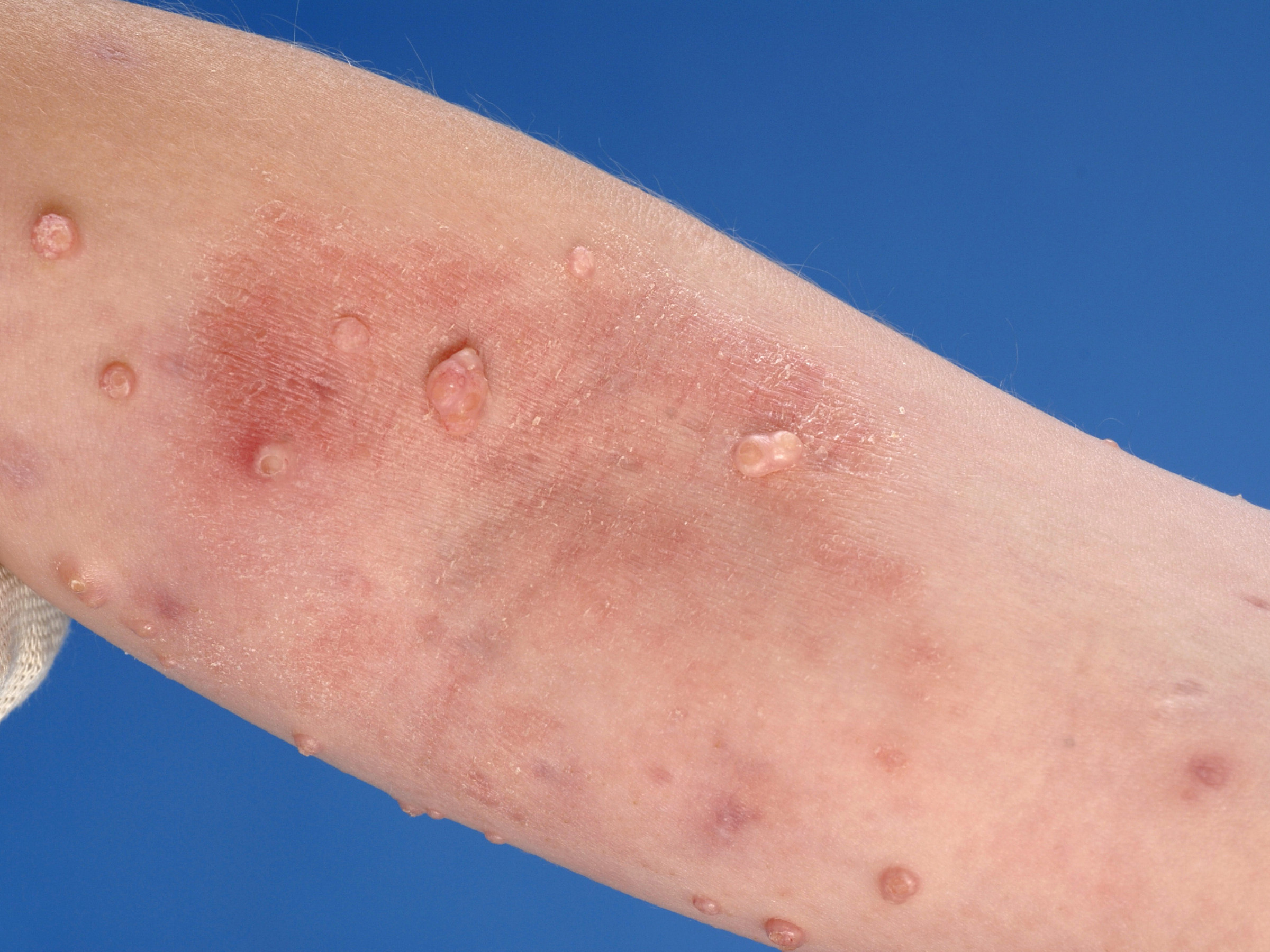
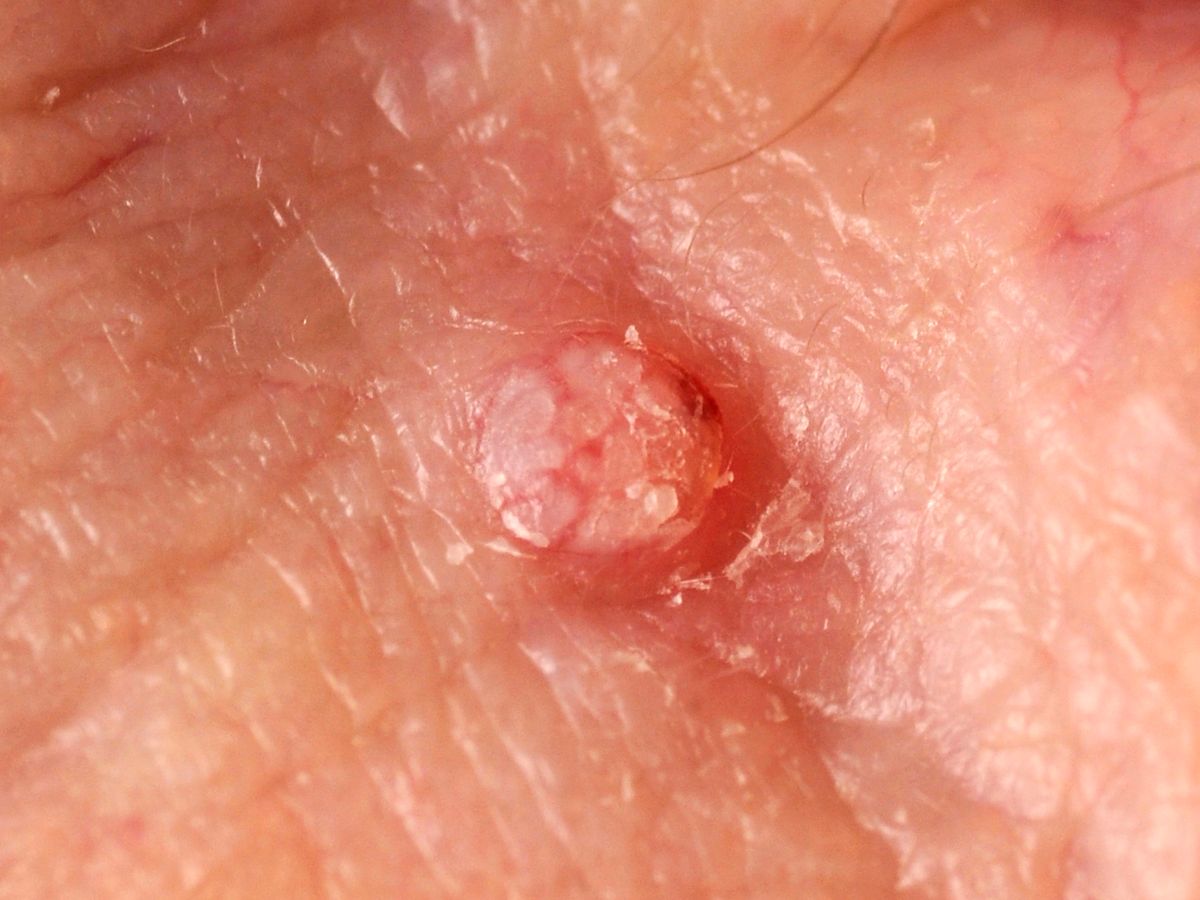
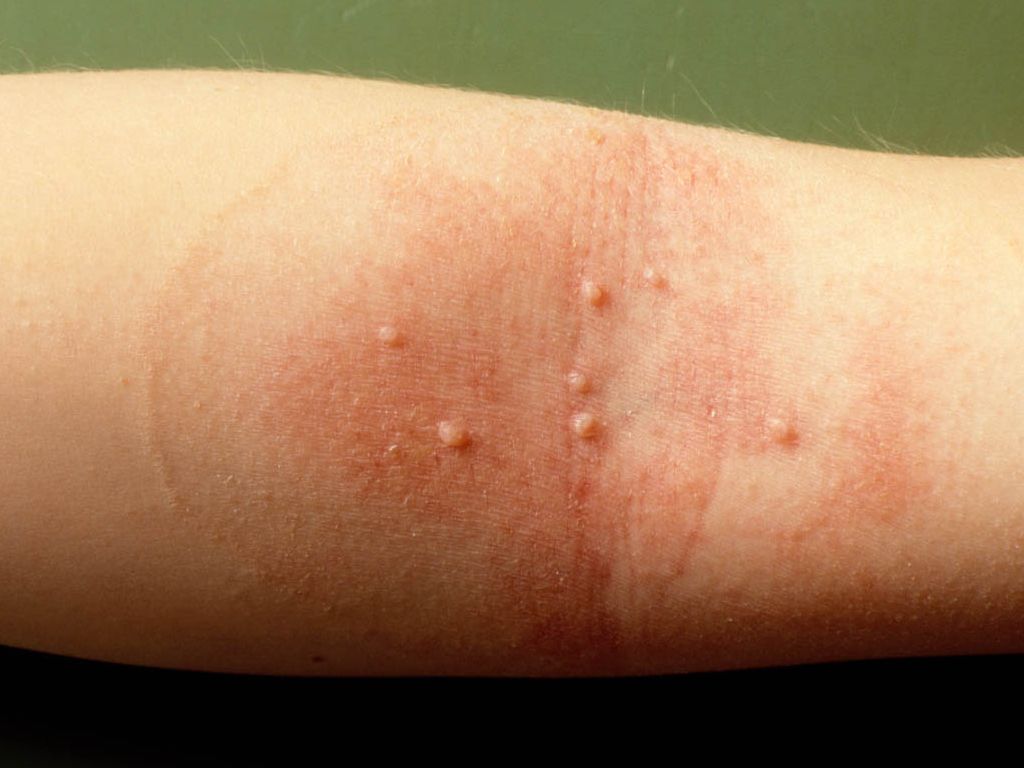
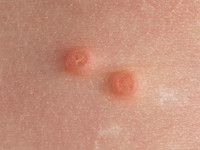
warts) are warts on the skin, caused by a virus. It is a contagious condition that is mainly seen in children, from about the age of 1 year. Skin-colored, spherical bumps appear on the body. Molluscum contagiosum looks very different from regular warts, which usually appear on the hands and feet, and they are caused by a different virus. They disappear
spontaneously, usually within 13 months. It is a harmless condition.
 |
 |
 |
|
mollusca contagiosa |
mollusca contagiosa |
mollusca contagiosa |
HOW DO YOU GET MOLLUSCA CONTAGIOSA?
Water warts are caused by an infection with the molluscum contagiosum virus, also known as the Molluscipox virus. This virus belongs to the poxvirus group. Young children, especially those aged 1 to 5, do not yet have immunity to this virus and can easily contract it through contact with
other kids who have the virus. The virus can be transmitted through direct skin contact, through play and sports, but also via objects such as toys, towels, or swimming pool visits. The risk of infection is higher if the skin is damaged, for example, by scratches. Children with atopic eczema have a higher risk of infection.
Adults can also get mollusca contagiosa, but this is less common. It can occur in adults who never had them as children or whose immune system is weakened. Adults can contract
mollusca from children, but also through sexual contact with someone infected with the virus. When an adult has a very high number of
water warts, one should be aware of the possibility of reduced resistance to infection. This occurs when taking medications that suppress the immune system, such as prednisone, but also in diseases where the immune system is compromised, such as HIV infection.
WHAT ARE THE SYMPTOMS?
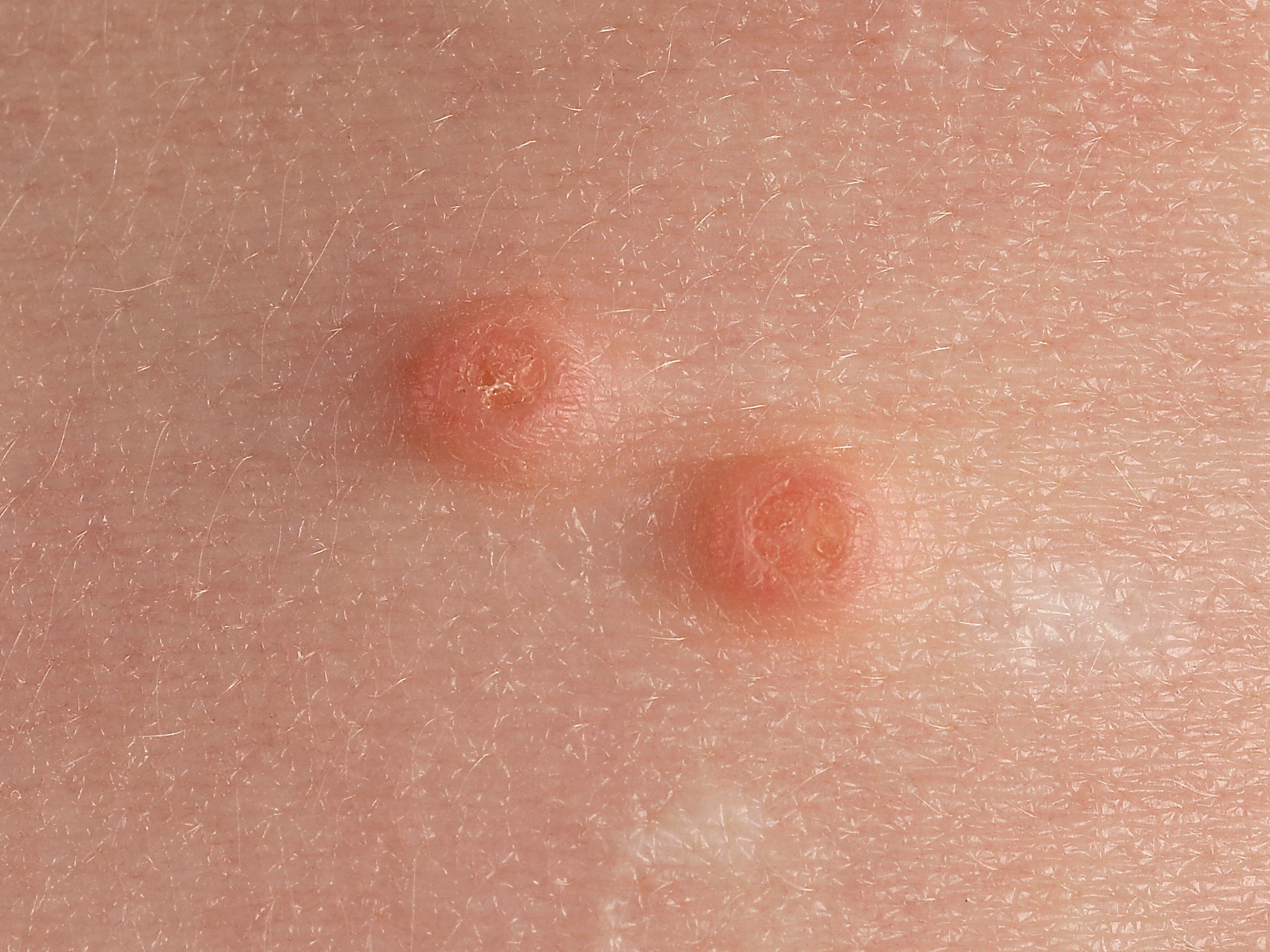
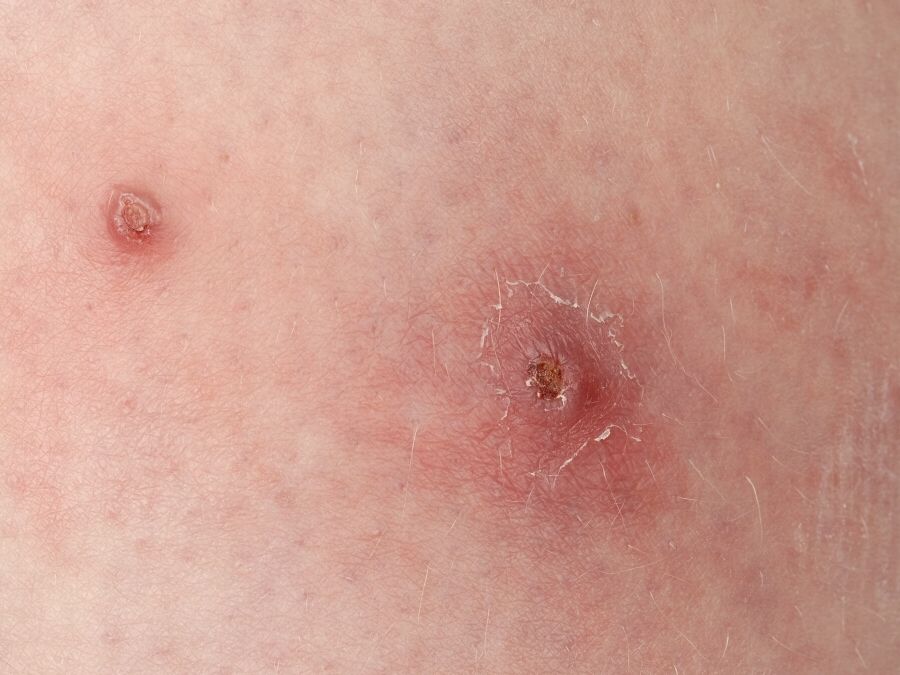
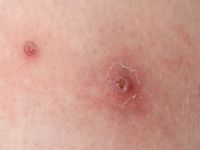
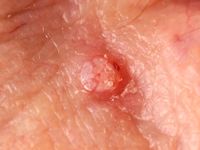
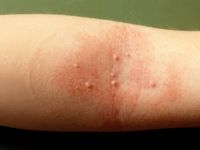
Water warts develop within 2 weeks to 6 months after infection with the mollusc virus. They are spherical bumps, 3-10 mm in size, skin-colored or white, sometimes slightly shiny. The surface is flattened, sometimes with a small indentation. It takes 6-12 weeks for them to reach their maximum size. There may be just a few, but also very many, for example, 100. They mainly appear on the trunk, neck, and around the armpits. They can also appear on the face, for example, on the eyelids. Eczema can develop around mollusca. This is especially common in children with atopic eczema. Mollusca can open spontaneously or by scratching. This releases their content, a white substance. The warts can become infected. Later, a scab forms and the area heals. This usually doesn't leave a scar, but it can happen.
In adults, molluscum contagiosum is usually contracted through sexual contact and is not found on the torso, but around the genitals or anus. A condom doesn't protect, because the molluscum usually lives on the surrounding skin, not on the genitals.
 |
 |
 |
|
mollusca contagiosa |
molluscum contagiosum |
mollusca contagiosa |
HOW IS THE DIAGNOSIS MADE?
Molluscum contagiosum (molluscum spp.) is recognized by its appearance. Occasionally, it is difficult to identify, requiring further examination.
If necessary, the spot is removed (skin
biopsy) under local anesthesia and sent to the laboratory for further analysis.
WHAT IS THE TREATMENT?
Because molluscum contagiosum usually disappear on its own within about 13 months without leaving a scar, treatment is not necessary, and spontaneous healing can be expected. This is the
best decision for children, as the removal methods are all painful and can leave a scar. Furthermore, the treatments are traumatic for young children, while molluscum contagiosum does not cause any discomfort.
Tips to prevent the spread:
If
a molluscum contagiosum is open and located in areas not covered by clothing, cover it with a bandage. Allow children to use their own towel and washcloth, and change them daily. Do not bathe with other children. After a shower or bath, dry the areas with mollusca contagiosa last. Don't scratch, keep nails short. If your child has atopic eczema, try to treat it as best as possible. Children don't need to stay home from school, daycare, or swimming pool.
There may be reasons to treat it, for example, if there
is a large number of mollusca in persons with a compromised immune system, mollusca in adults on cosmetically unsightly areas, or large numbers of mollusca around the genitals or anus.
There are several methods for removing them:
Scraping (curettage) with a sharp spoon
A molluscum contagiosum can be scraped off with a sharp spoon (curette). This is too painful without anesthesia. In children, the skin can be numbed beforehand with anesthetic cream (EMLA cream). This should be applied an hour beforehand, a thick layer, covered with plastic wrap. Tegaderm patches are included in the package for this purpose. Plastic cling film can also be used. This cream should remain in place until just before the procedure. The doctor removes the plastic and immediately scrapes away the wart behind it. Despite this anesthetic, it can still be too painful and traumatic for young children. If this proves to be the case, it's best to abandon the treatment and wait for spontaneous healing. In adults, a molluscum can be effectively numbed with an anesthetic injection and removed with a spoon.
The aftercare consists of washing with betadine iodine soap for two days to prevent infection. Scraping away a mollusc can leave a small scar.
Freezing with liquid nitrogen
In this case, the wart is frozen, just like with regular warts. A blister may develop. The wart will later fall off. Liquid nitrogen is very cold (196 degrees below zero). Sprays are also available at the drugstore that you can use to freeze a wart yourself. These do not freeze as deeply as liquid nitrogen. It is not yet clear whether this works as well as the actual liquid nitrogen used in a doctor's office. Freezing can also leave a scar.
Burning (electrocoagulation)
A wart can be burned away with a device called an electrocoagulator by briefly touching it with a needle or a small ball. An electric current generates heat, which burns the wart. This requires anesthesia, either with anesthetic cream or injections with anesthetic fluid.
Burning (laser)
A water wart can also be burned away with a laser, for example, a CO2 laser. This also requires anesthesia. The effect is the same as burning with the electrocoagulation device.
Applying wart solutions
The same wart solutions used for common warts can
also be used for mollusca contagiosa. Examples include Wartec, Condyline, and Podophylline collodion.
Applying creams
Imiquimod cream and tretinoin cream (vitamin A acid 0.05 or 0.1%) are also used for mollusca contagiosa. Both creams can irritate the surrounding skin.
WHAT IS THE PROGNOSIS?
Mollusca contagiosa generally disappear on their own within 13 months. However, some people may continue to have them for several years.
|