| MASTOCYTOMA |
 |
 WHAT IS A MASTOCYTOMA? WHAT IS A MASTOCYTOMA?
A mastocytoma is a benign, rare skin disorder, often a red or pink bump somewhere on the body of children younger than 2 years of age, caused by a local accumulation of excess
mast cells in the skin. It appears spontaneously and also disappears on its own.
Mast cells are part of the immune system and are found throughout the skin. They are filled with substances that play a role in the immune system, such as
histamine. The mast cells can release histamine in response to intruders. Histamine release has a direct effect on the blood vessels, which widen and leak, resulting in redness, swelling (edema), but also itching and a burning sensation, as if you had come into contact with stinging nettles. Opening up and clearing the blood vessels allows other cells of the immune system, such as white blood cells (leukocytes, lymphocytes), to travel to the problem area to clear away intruders.
WHO CAN GET A MASTOCYTOMA?
A mastocytoma mainly occurs in children under the age of 2. Most children are younger than 6 months. Mastocytomas are rare in adults.
WHAT DOES A MASTOCYTOMA LOOK LIKE?
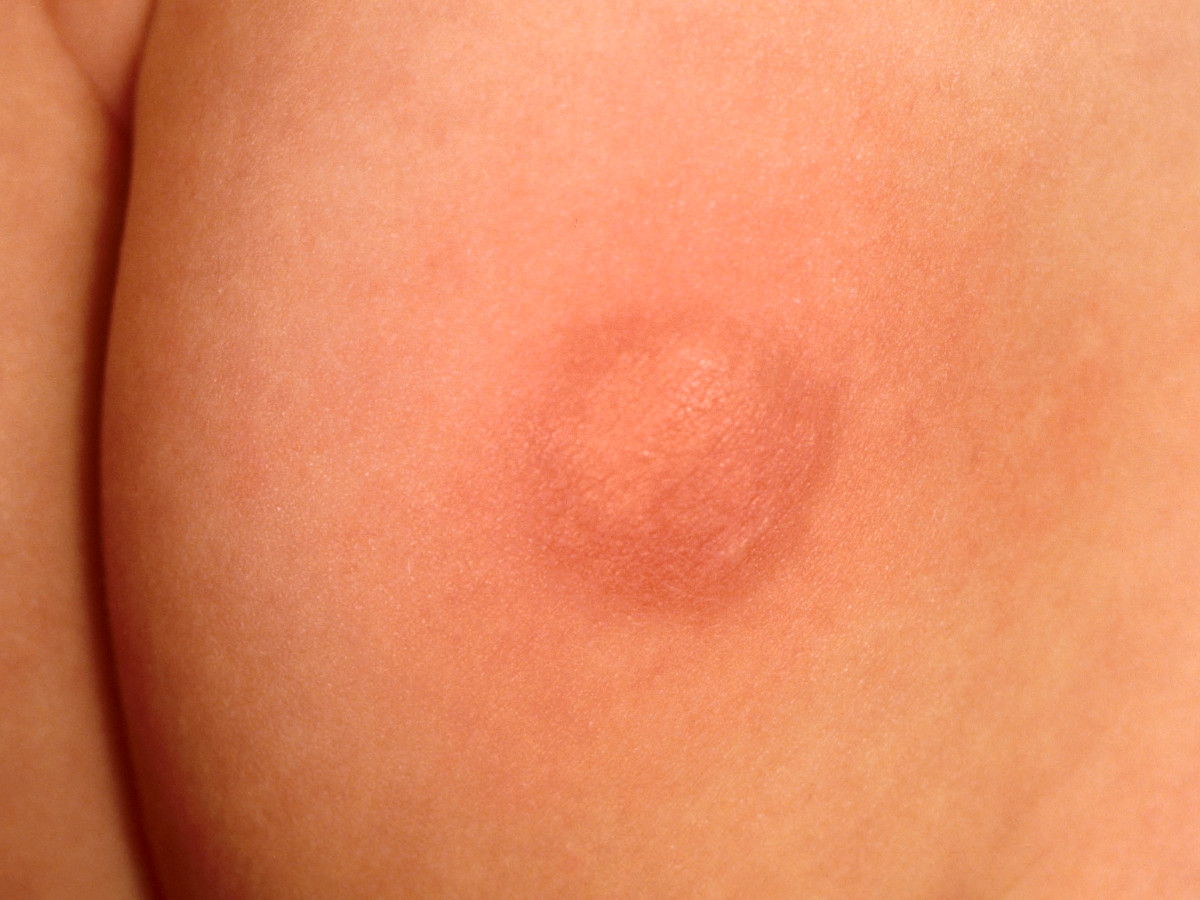
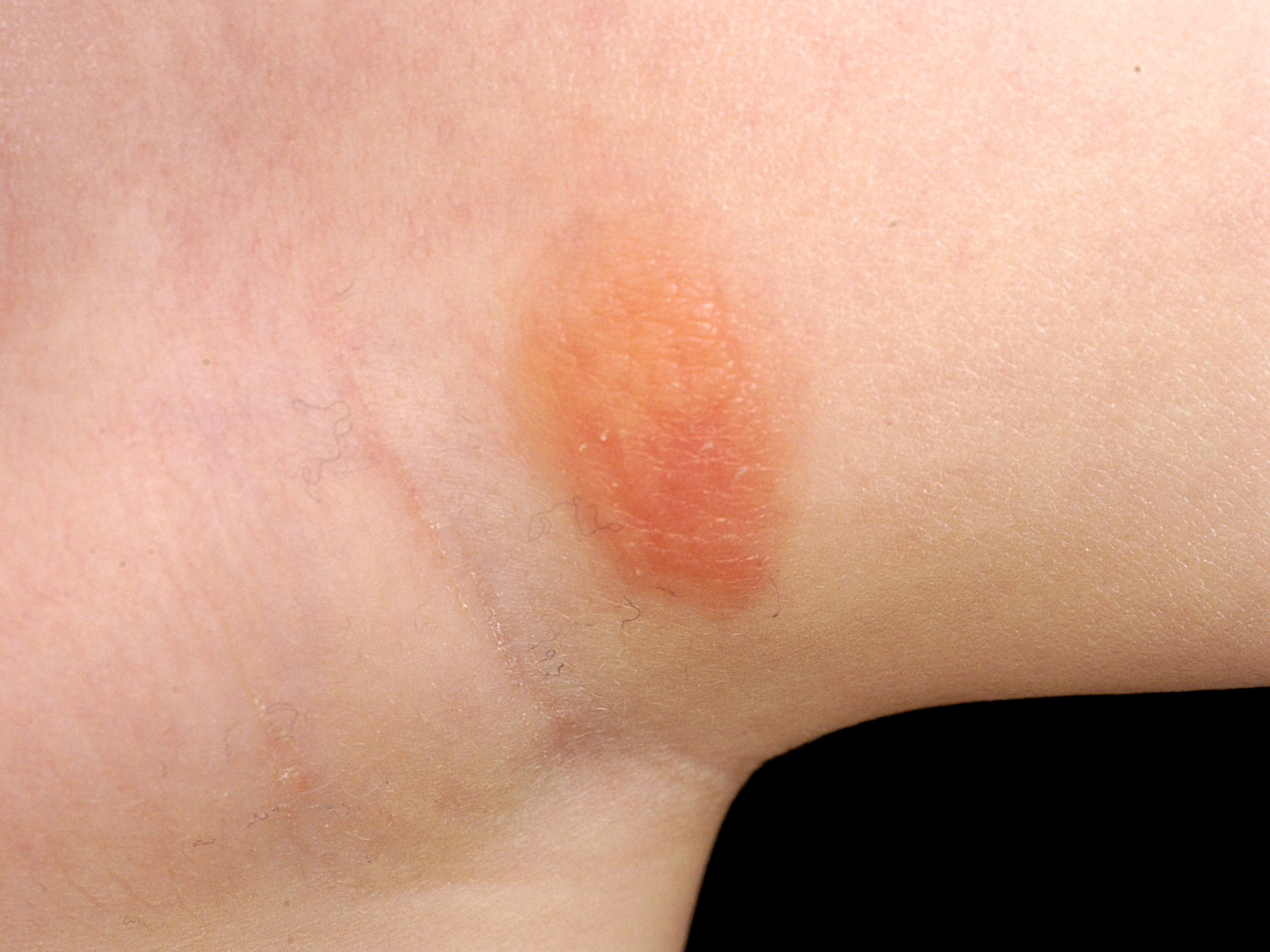
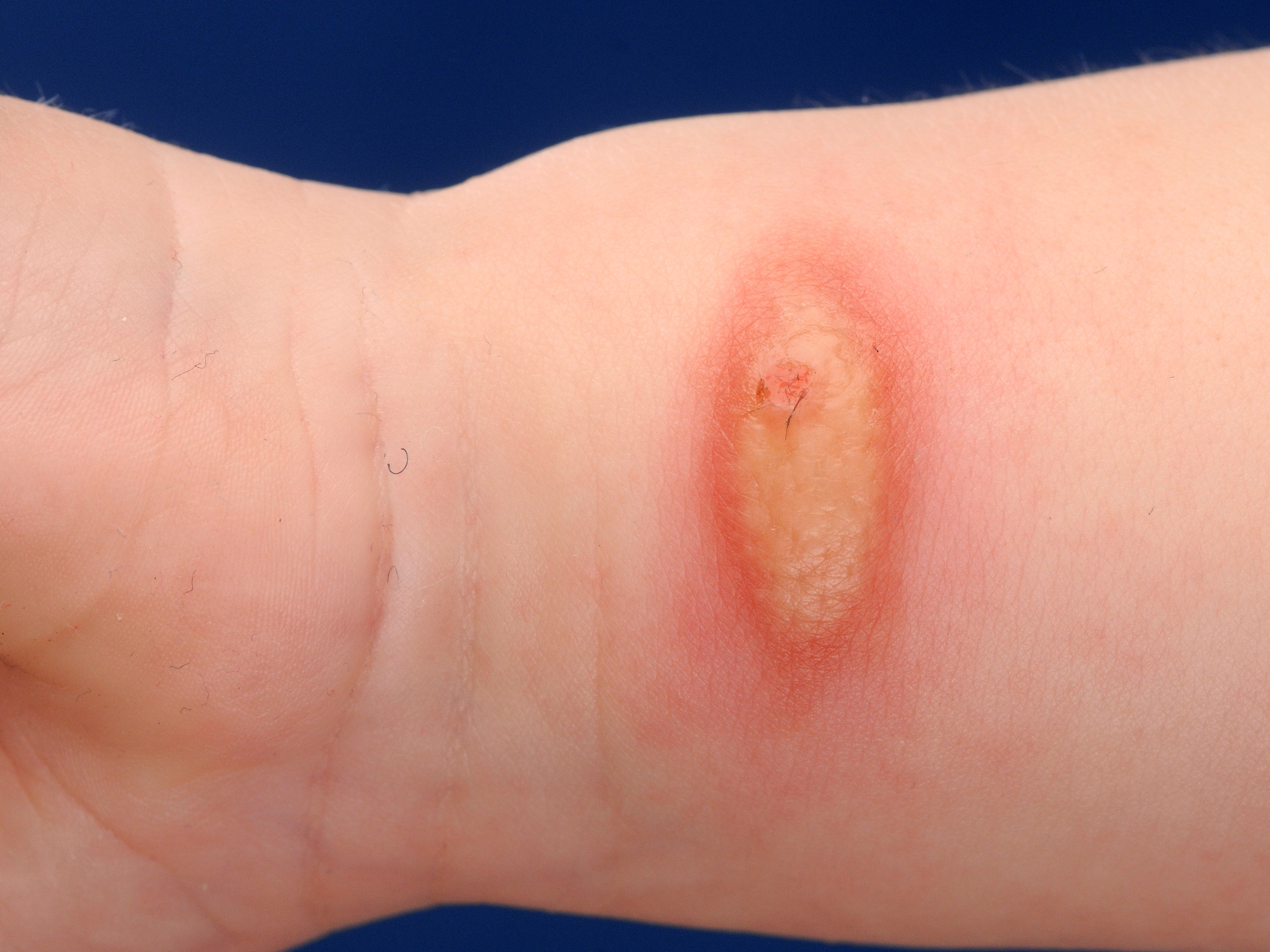
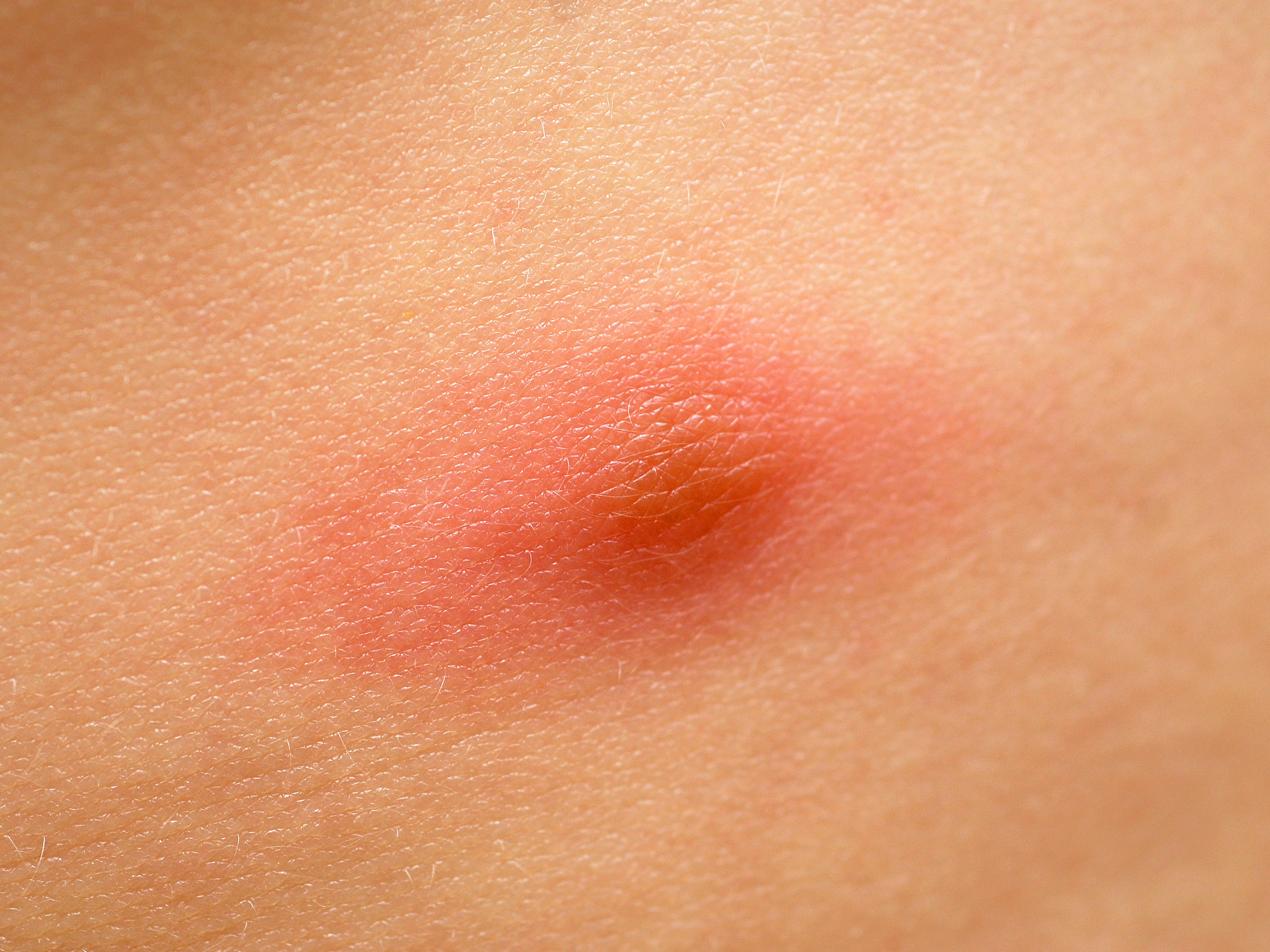
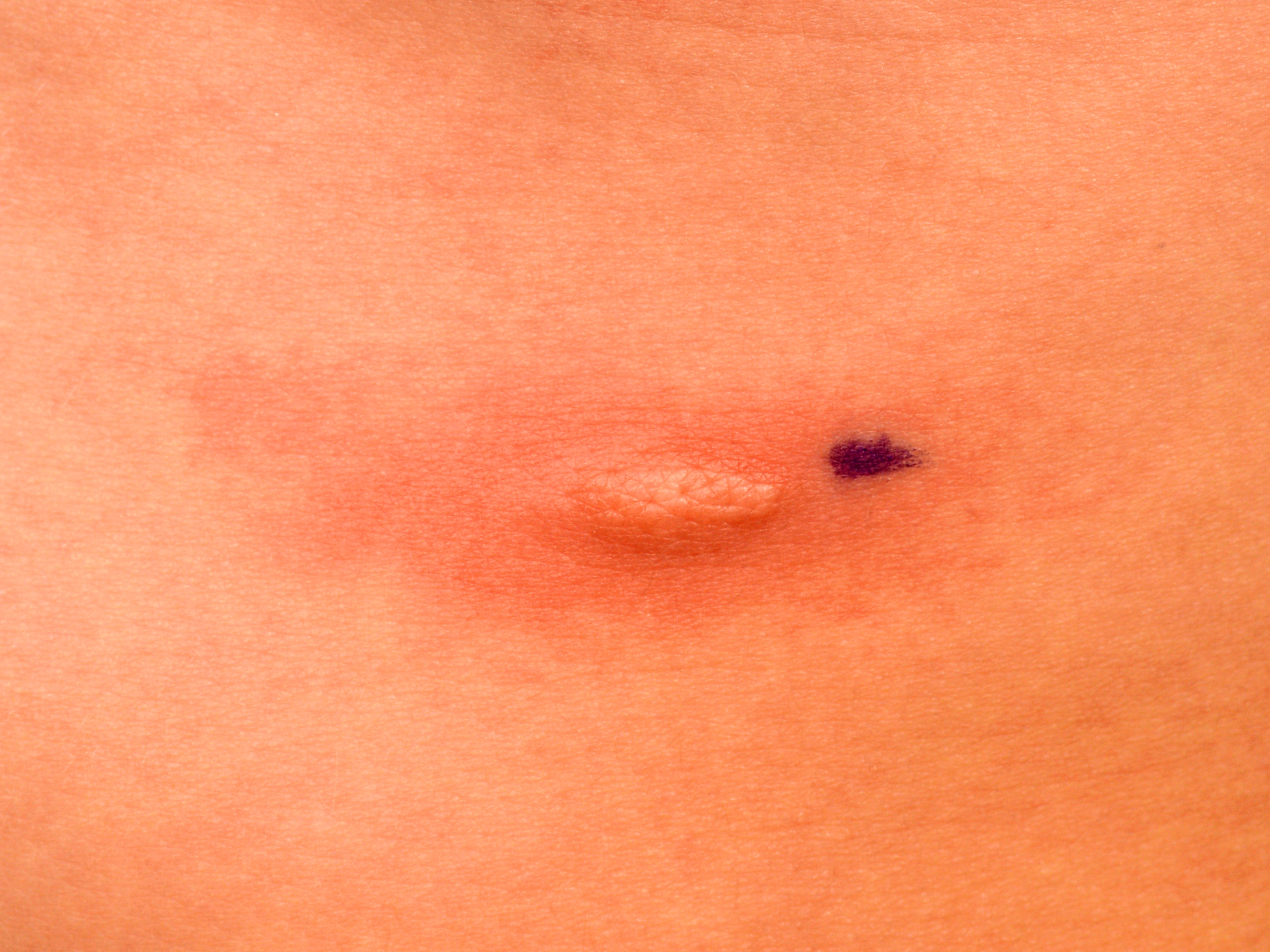
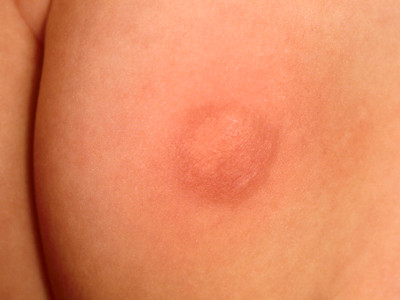
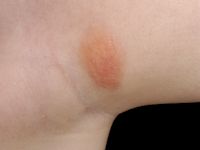
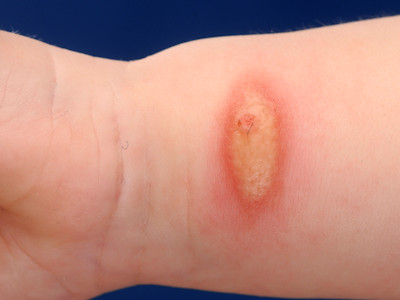
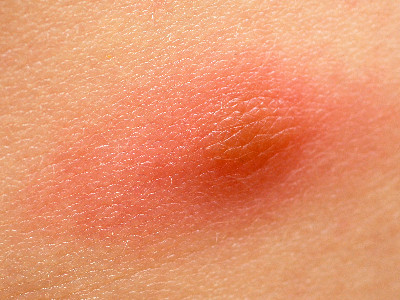
Mast cell tumors are pink-red or red-brown, sometimes yellowish, round or oval, 1 to 5 cm in size, firm to the touch bumps or spots on the trunk or on the arms or legs. Sometimes on the face or neck. The skin in the affected area may be bumpy, and sometimes there is itching, swelling, and redness around it, especially if it has just been scratched (Darier sign). Sometimes blisters appear. Usually there is only one mastocytoma, but sometimes there are several spots.
 |
 |
| mastocytoma |
mastocytoma |
 |
 |
| mastocytoma |
mastocytoma |
WHAT CAUSES A MASTOCYTOMA?
The cause of a mastocytoma is unknown.
CAN A MASTOCYTOMA CAUSE SYMPTOMS?
Children with a single mastocytoma on their skin usually do not experience any symptoms. However, in rare cases, especially with large mastocytomas that have been scratched, the mast cells may release their contents (histamine). If a large amount of histamine enters the bloodstream at once, it can lead to fainting or shock-like reactions, because all the blood vessels open up. This is similar to allergic reactions to a wasp sting or to food. The skin may itch all over, hives may develop, and there may be a burning sensation, as if the skin has come into contact with stinging nettles. The medical term for these types of symptoms is
anaphylactic reactions.
The symptoms can be triggered by scratching the area, rubbing, abrasive or tight clothing, temperature differences, sudden cold (cold water) or heat (hot bath), emotions and stress, sometimes by foods to which mast cells can react by releasing histamine, and sometimes by wasp or bee stings.
HOW IS THE DIAGNOSIS MADE?
The diagnosis is made based on the clinical picture, on how it looks. Children are usually referred to a pediatric dermatologist for assessment. The dermatologist may draw a line across the bump with a ballpoint pen or test pen or rub it. In about half of mast cell tumors, Darier's sign is positive: swelling, itching, and redness develop around the bump. If the diagnosis is unclear, it may be necessary to take a
skin biopsy.
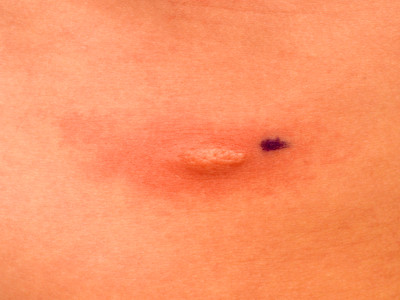 |
| Darier's sign |
HOW IS A MASTOCYTOMA TREATED?
A mastocytoma does not need to be treated; it will disappear on its own, usually before puberty. If anaphylactic reactions (see above) occur, medications such as antihistamines and an Epipen (adrenaline emergency pen for allergic reactions) must be prescribed. Fortunately, this is rarely necessary in children with a mastocytoma.
WHAT CAN YOU DO YOURSELF?
Try to prevent the child from scratching or rubbing the area. Do not wear tight or abrasive clothing. When drying, pat dry rather than rubbing with a towel. Avoid large temperature differences (cold water or excessively hot water). Avoid wasp and bee stings.
|