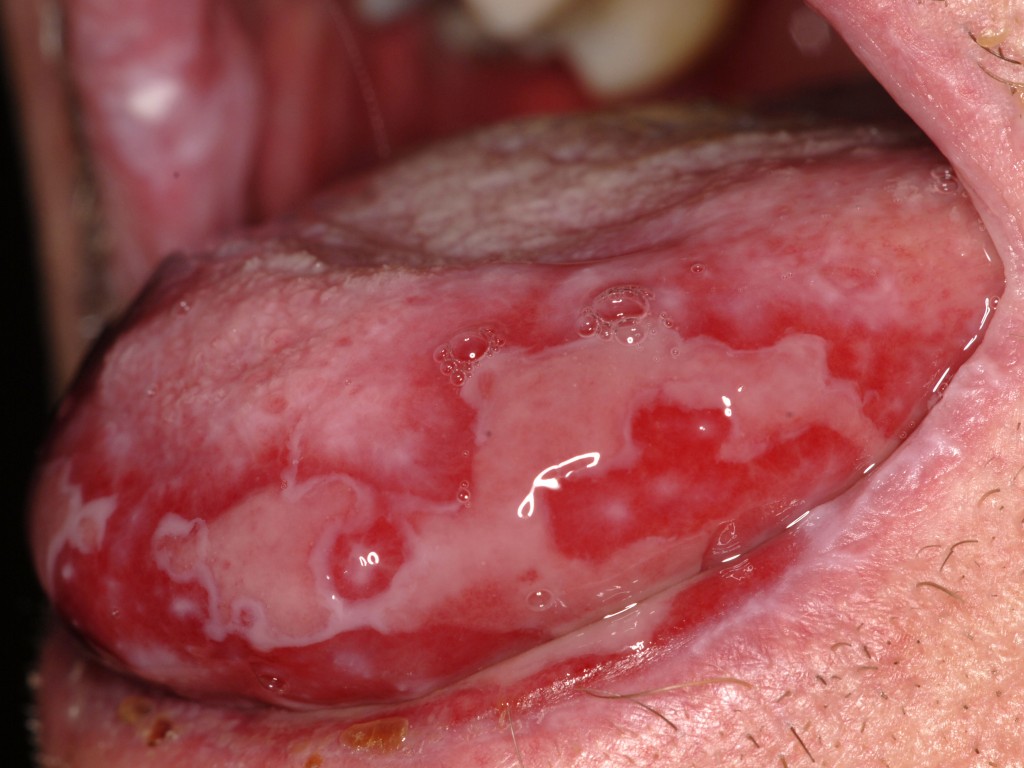
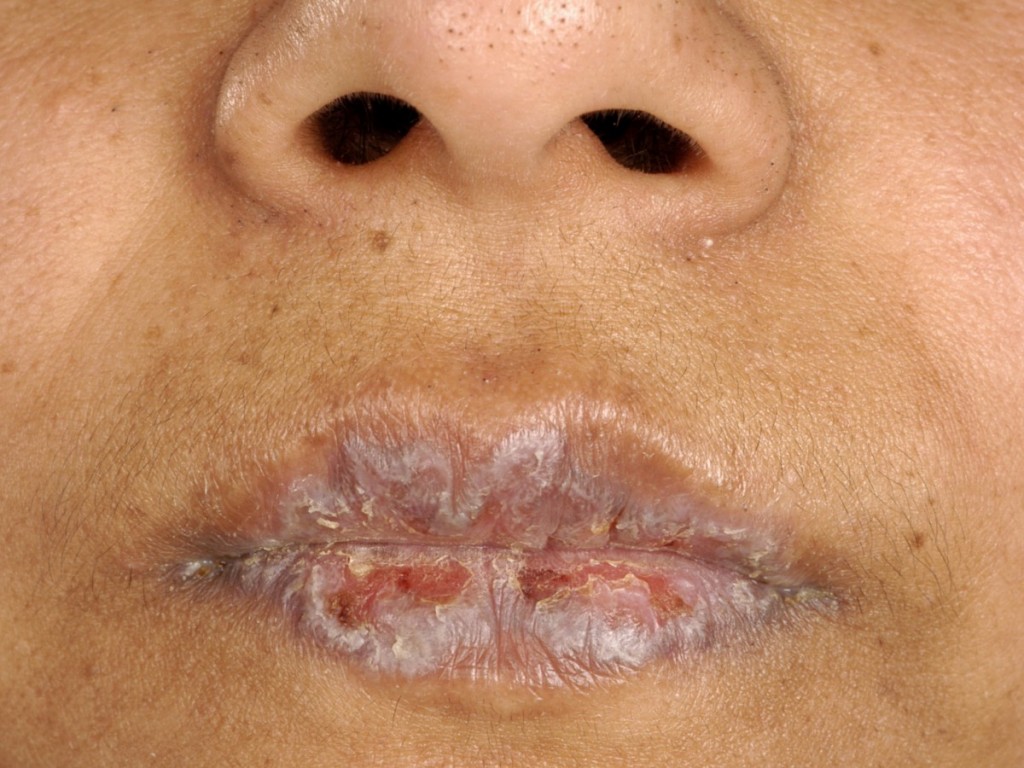
WHAT IS IT?Lichen planus, also called lichen ruber planus, is an inflammatory reaction of the skin and mucous membranes. Both men and women can develop this condition, usually around middle age. Lichen planus is not contagious and not hereditary.HOW DOES IT COME ABOUT?There are many possible explanations for the development of lichen planus, but the causes are largely unknown. Most data indicate that lichen planus is a type of autoimmune disease. This means that inflammatory cells, which would otherwise fight bacteria and viruses, now attack certain areas of the skin and mucous membranes.
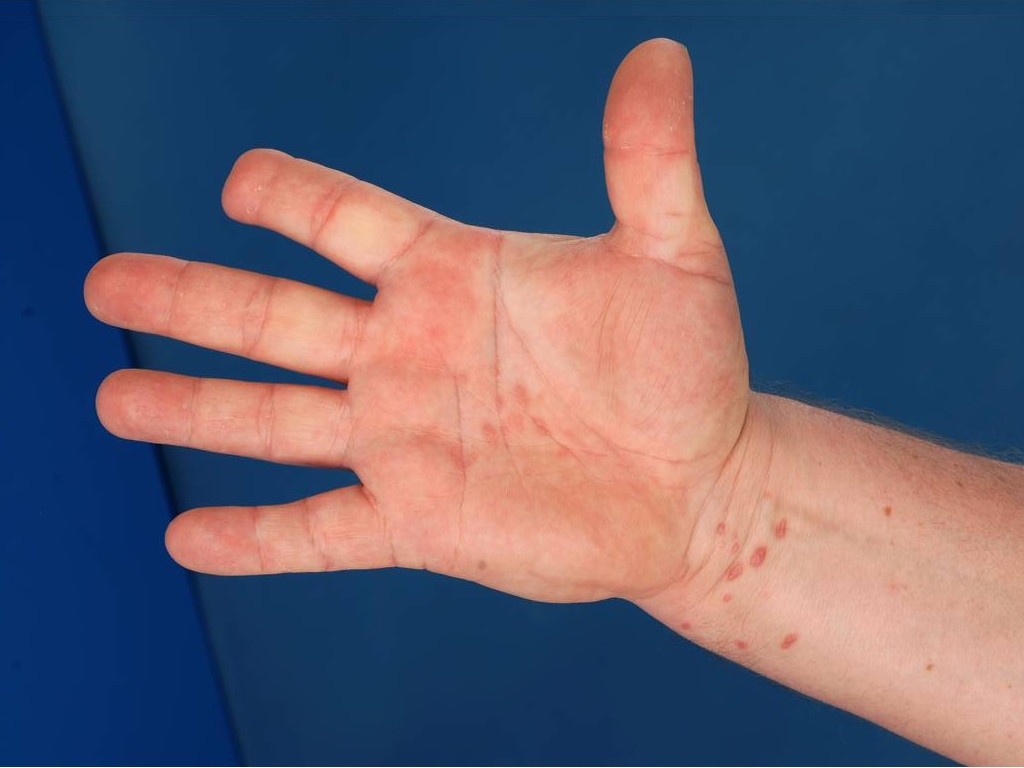
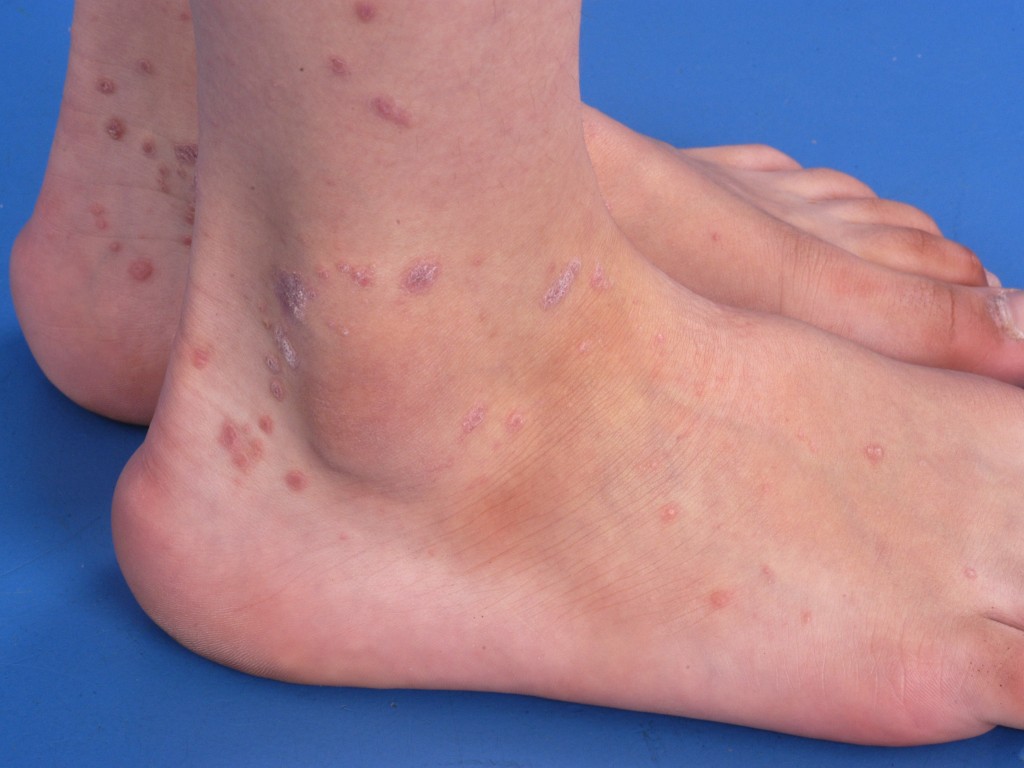
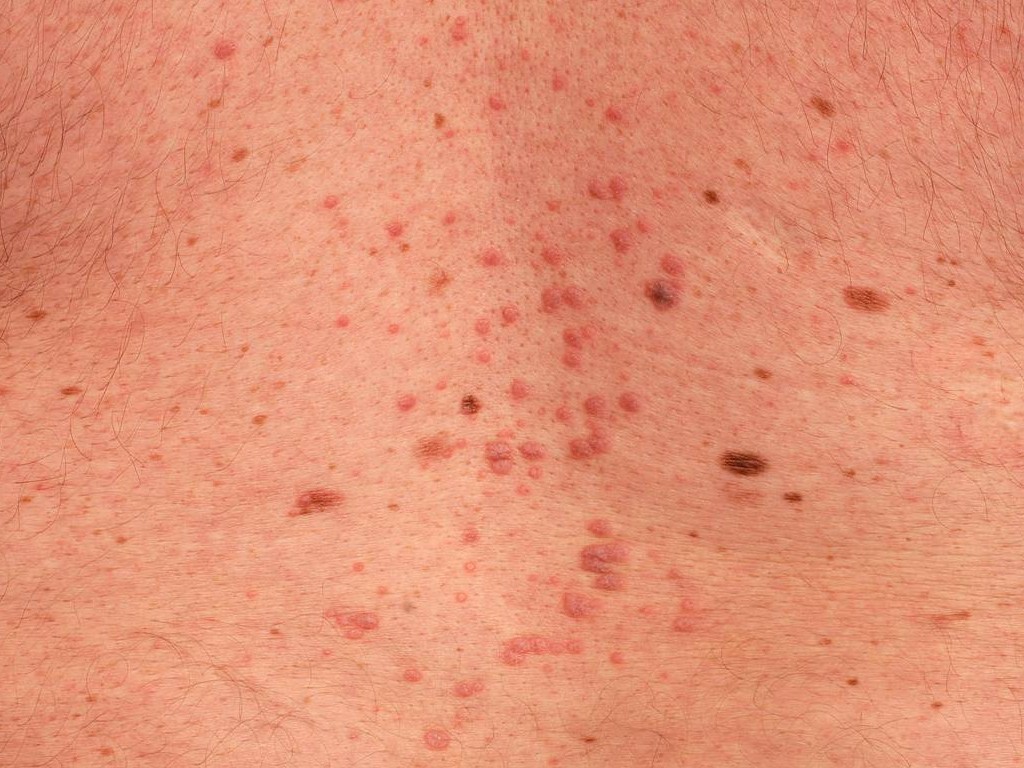
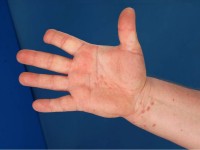
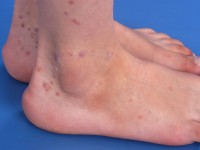
There are also known cases of lichen planus developing in response to medications for high blood pressure, heart conditions, and joint pain.WHAT ARE THE PHENOMENA?Lichen planus is characterized by purple-red bumps that are flattened on top. They can appear anywhere on the body, including the lower back, neck, and genitals, but are most common on the inside of the wrists and ankles. Raised areas are sometimes seen on the shins and ankles.
In about 20% of cases, the lesions cause virtually no symptoms and are also minor. In the other 80%, itching is the most common symptom. This itching can be very severe.
 |
 |
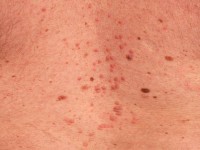 |
| lichen planus |
lichen planus |
lichen planus |
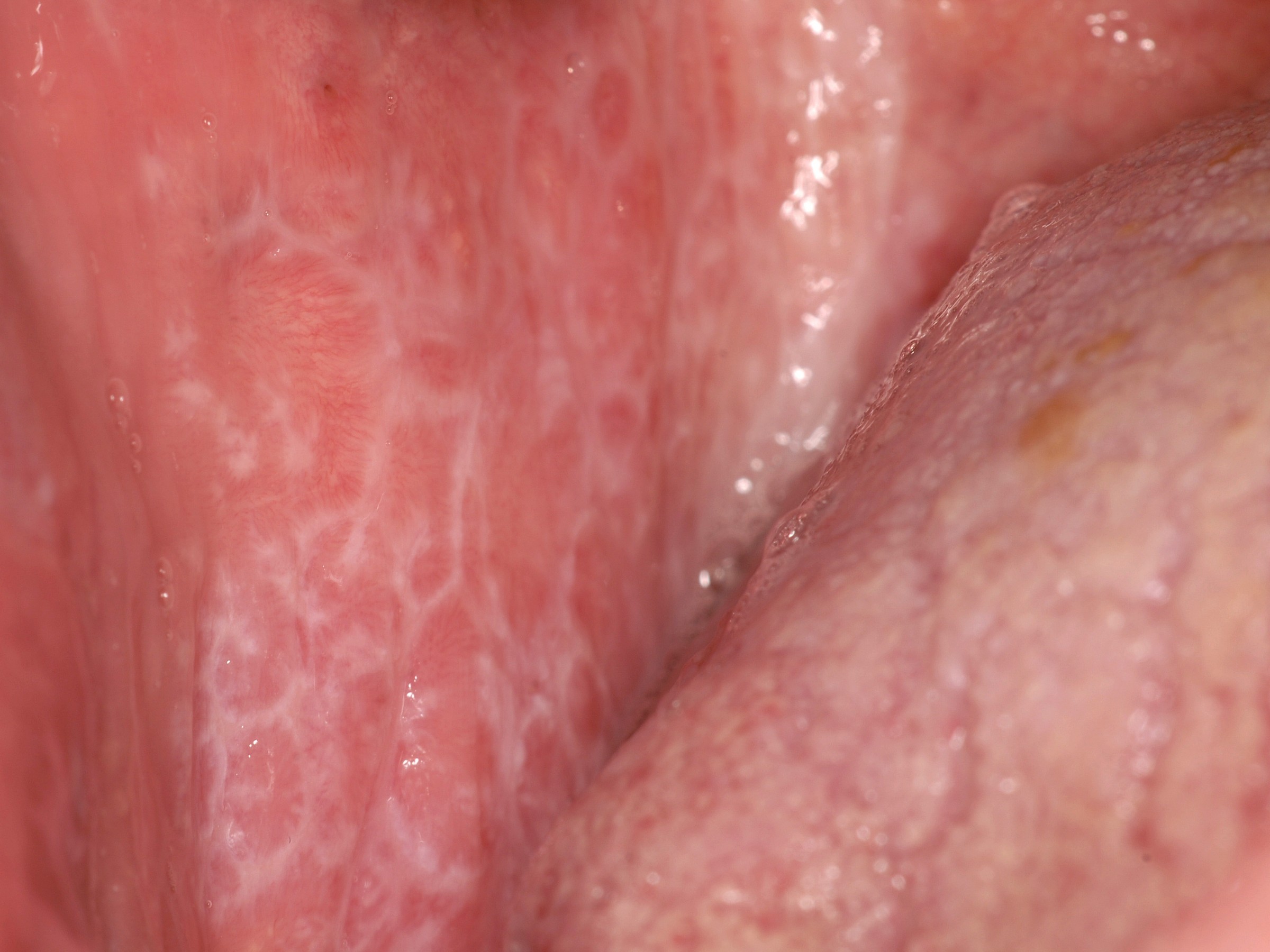
A variant of lichen planus primarily occurs on the mucous membranes, such as the mouth and genitals. Often, spots appear on the inside of the cheeks, gums, or tongue, unnoticed. It's not uncommon for these spots, consisting of fine white lines and dots, to be first noticed by chance during a dental checkup or by a dermatologist. However, lichen planus on the mucous membranes can also be very painful, especially when it causes sores and ulcers.
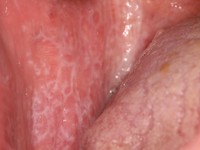 |
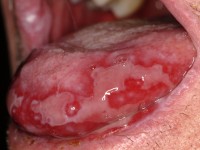 |
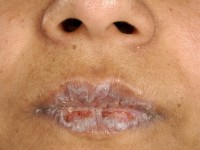 |
| lichen planus mucous membrane |
lichen planus mucous membrane |
lichen planus mucous membrane |
In approximately 10% of patients with lichen planus, the nails are also affected. The changes consist of lengthwise ridges, grooves, and fissures. In severe cases, the nail can even fall off and not grow back.HOW IS THE DIAGNOSIS MADE?Most forms of lichen planus are easy for a dermatologist to recognize. Sometimes a tissue examination (skin biopsy) may be necessary to confirm the diagnosis.WHAT IS THE BEST TREATMENT?Skin abnormalitiesA milder form of lichen planus without itching or cosmetic concerns usually does not require treatment. If lichen planus is suspected of being a reaction to a medication, it is advisable to temporarily discontinue the medication in consultation with your GP or specialist. The rash may then disappear within a few weeks.
There is no known definitive treatment for lichen planus of the skin, but treating the accompanying symptoms is often effective because it can relieve the itching and control the rash. Corticosteroid-containing creams or ointments are the most commonly used medications. They inhibit inflammation and suppress the itching.
In severe cases of lichen planus, stronger medications are administered, such as prednisone tablets or capsules containing a vitamin A-like medication. Ultraviolet light treatment, combined with tablets that increase the skin's sensitivity to light (PUVA), can also sometimes yield good results. This therapy is administered in a hospital and is only necessary in exceptional cases.Abnormalities of the mucous membranesTreating lichen planus of the mucous membranes of the mouth or genitals is often very difficult, but if the condition does not cause any symptoms, treatment is usually unnecessary.
For symptoms such as pain, burning, blisters, wounds, and ulcers, corticosteroids are initially used, just as with skin conditions. Unfortunately, this is often insufficient; an experimental treatment is tacrolimus ointment.
In cases of a proven allergy to mercury in amalgam, where the lichen planus is adjacent to the fillings, replacing the filling with composite can resolve the problem.
WHAT CAN YOU STILL DO?
| - |
Anyone with lichen planus is advised to be careful with their skin and damage it as little as possible. Damaged skin can lead to new lichen planus lesions. |
| - |
With extensive and long-standing lichen planus on the underside of the tongue or the floor of the mouth, there is a slightly increased risk of cancer developing in the mucous membrane of the floor of the mouth.
Because this risk is also increased by smoking and alcohol consumption, it is recommended to avoid these. |
| - |
Spicy foods, citrus fruits, tomatoes, caffeinated drinks like coffee and cola, and crunchy foods like toast and chips can aggravate lichen planus in the mouth. If you feel this is the case, it's best to avoid these foods. |
| - |
Lichen planus, if accompanied by poor oral care, can also affect the gums and teeth. Therefore, if you have lichen planus in your mouth, it's recommended to visit your dentist or dental hygienist regularly for checkups and dental cleanings. |
WHAT IS THE OUTLOOK?Lichen planus is usually a stable condition. Its severity and spread across the body rarely change after the first two months. However, most cases of lichen planus resolve spontaneously within two years.
Both during treatment and after spontaneous resolution, dark brown discolorations often remain visible on the skin. Like the bumps, these spots can disappear on their own over time.
About one in five people (20%) will develop lichen planus a second time. |