| IMPETIGO
(SCHOOL SORES) |
 |
 WHAT IS IMPETIGO? WHAT IS IMPETIGO?
Impetigo
is a superficial bacterial skin infection. It is
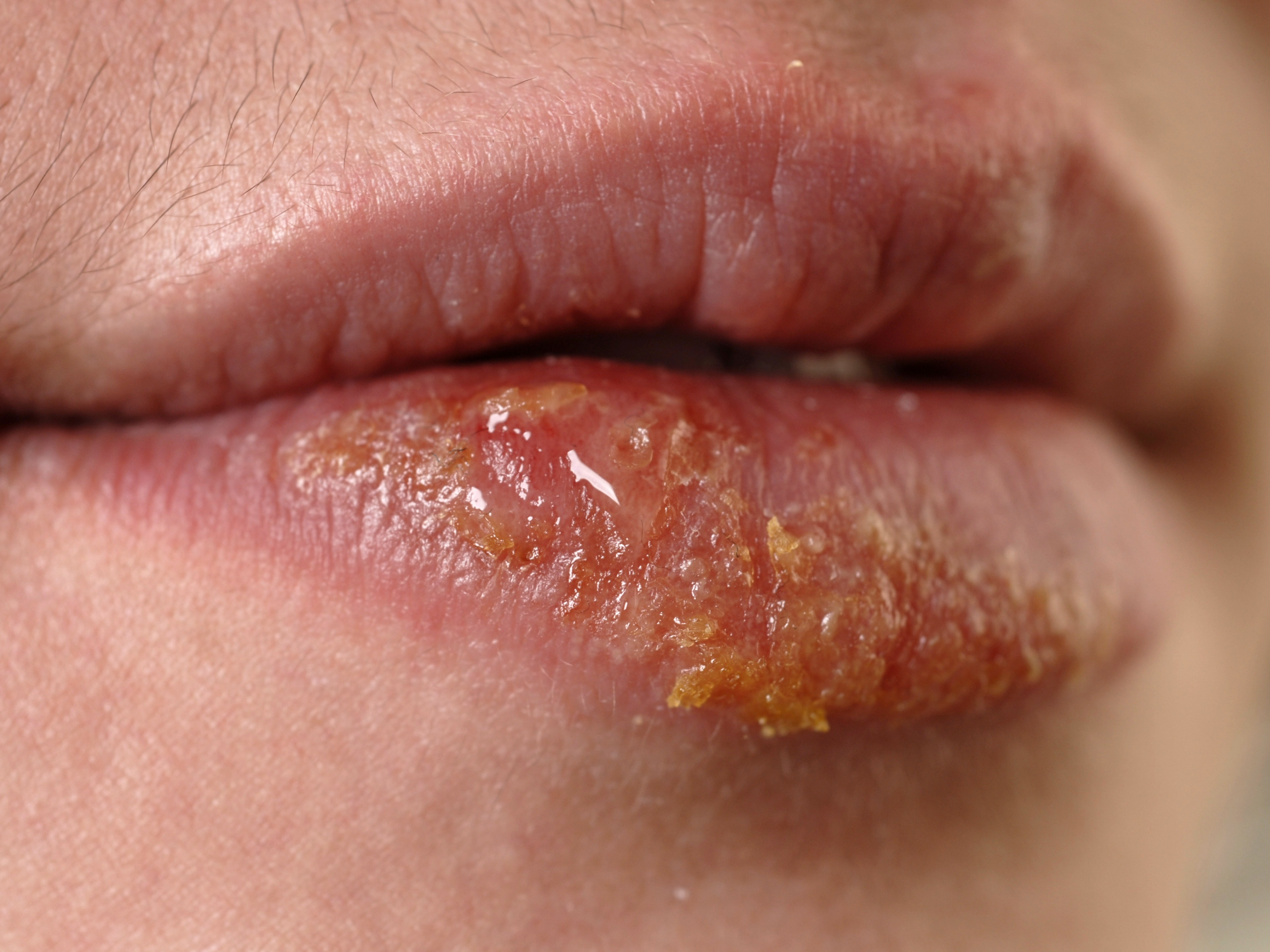
characterized by the formation of yellow crusts. Blisters may also develop. It occurs primarily in children and is often found on the face. It is also called "school
ores". Impetigo is contagious and can be easily spread to other children in the vicinity. It is not dangerous, and children do not become ill from it.
 |
|
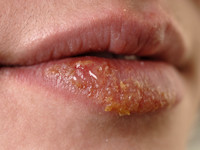
impetigo
with yellow crusts |
HOW DOES IMPETIGO DEVELOP?
Impetigo is a skin infection caused by bacteria, usually by skin bacteria called
staphylococci (Staphylococcus aureus). Less commonly, impetigo can also be caused by streptococci (Streptococcus pyogenes). There are several types of staphylococci, and some species can produce a substance that causes blisters. The form of impetigo that causes small or large blisters is called
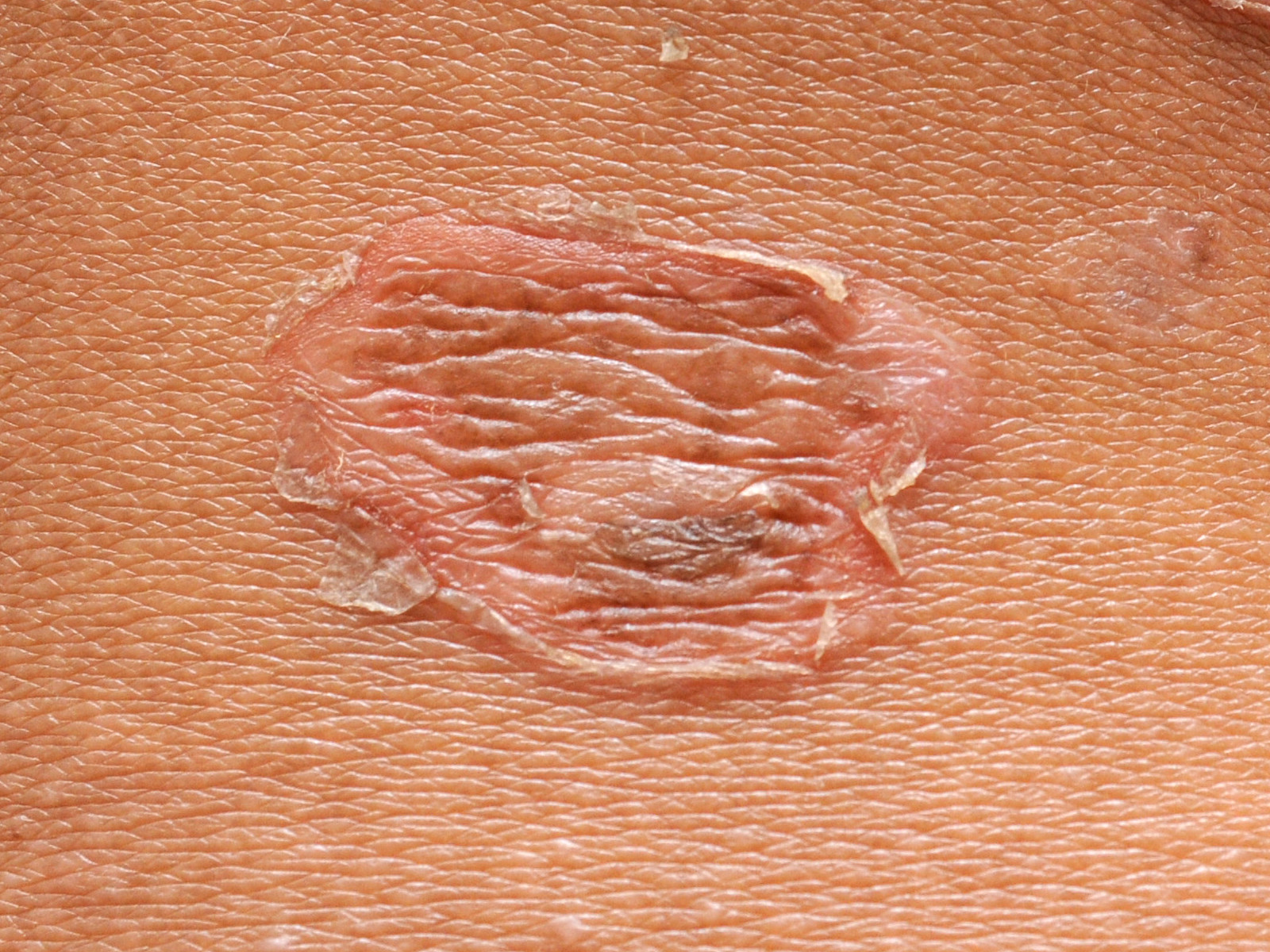
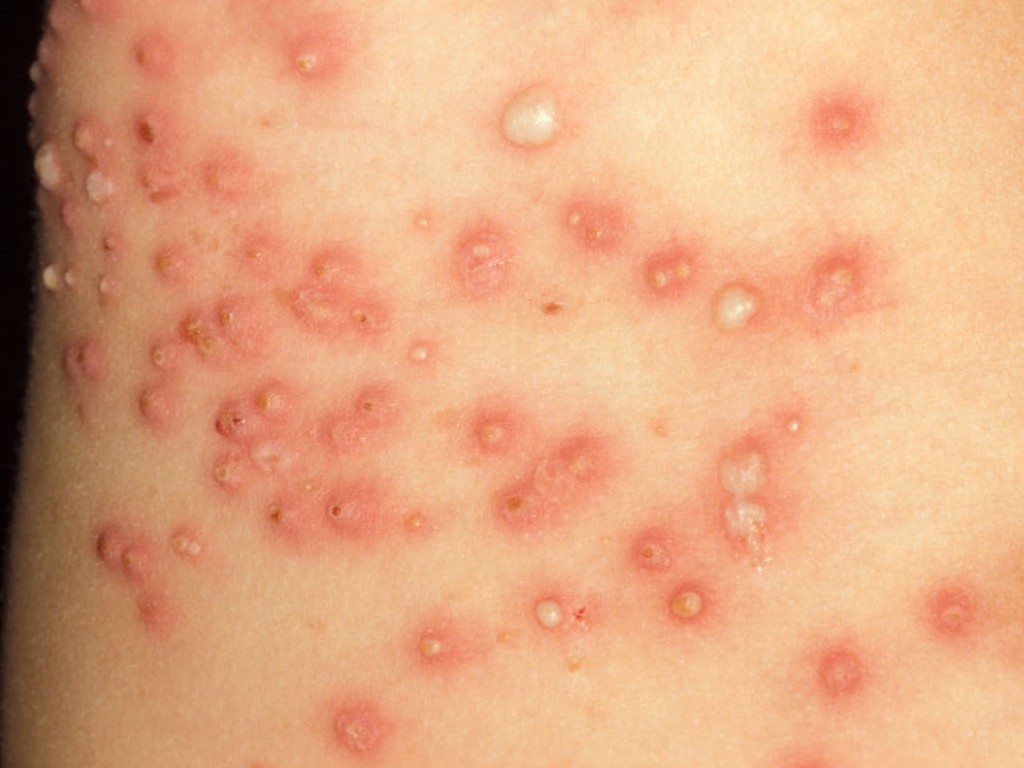
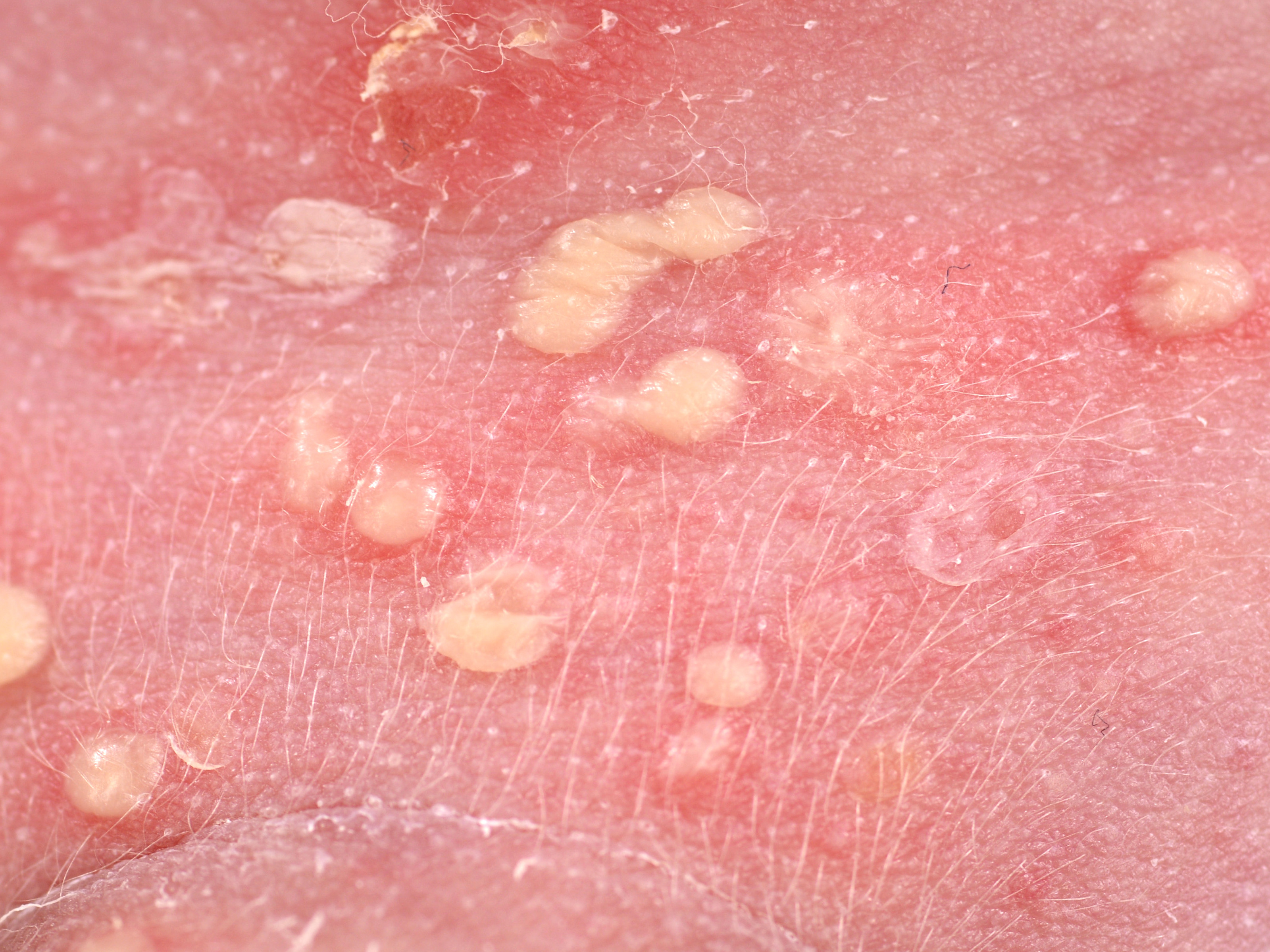
impetigo bullosa. In very young children, superficial abrasions can even develop over large areas. This involves redness and blisters, a condition called
staphylococcal scalded skin syndrome (SSSS).
Impetigo is highly contagious. It is easily spread to other children via hands, towels, or objects. Sometimes an outbreak occurs at school, when the entire class or preschool group suddenly walks around with yellowish crusts or blisters. Adults can also get impetigo, but much less often. Apparently, people build up a certain resistance to the bacteria.
Impetigo is more likely to develop if the skin is damaged. For example, the skin under the nose of a child with a cold and a runny nose can be irritated and damaged. Atopic eczema also increases the risk of impetigo. And after chickenpox, for example: the chickenpox virus causes blisters and open wounds, which can subsequently become infected with staphylococcus bacteria. Insect bites, abrasions, and wounds from scratching can also become infected with
staphylococci. Scratching can spread the bacteria to other areas.
WHAT ARE THE SYMPTOMS, WHAT DOES IMPETIGO LOOK LIKE?
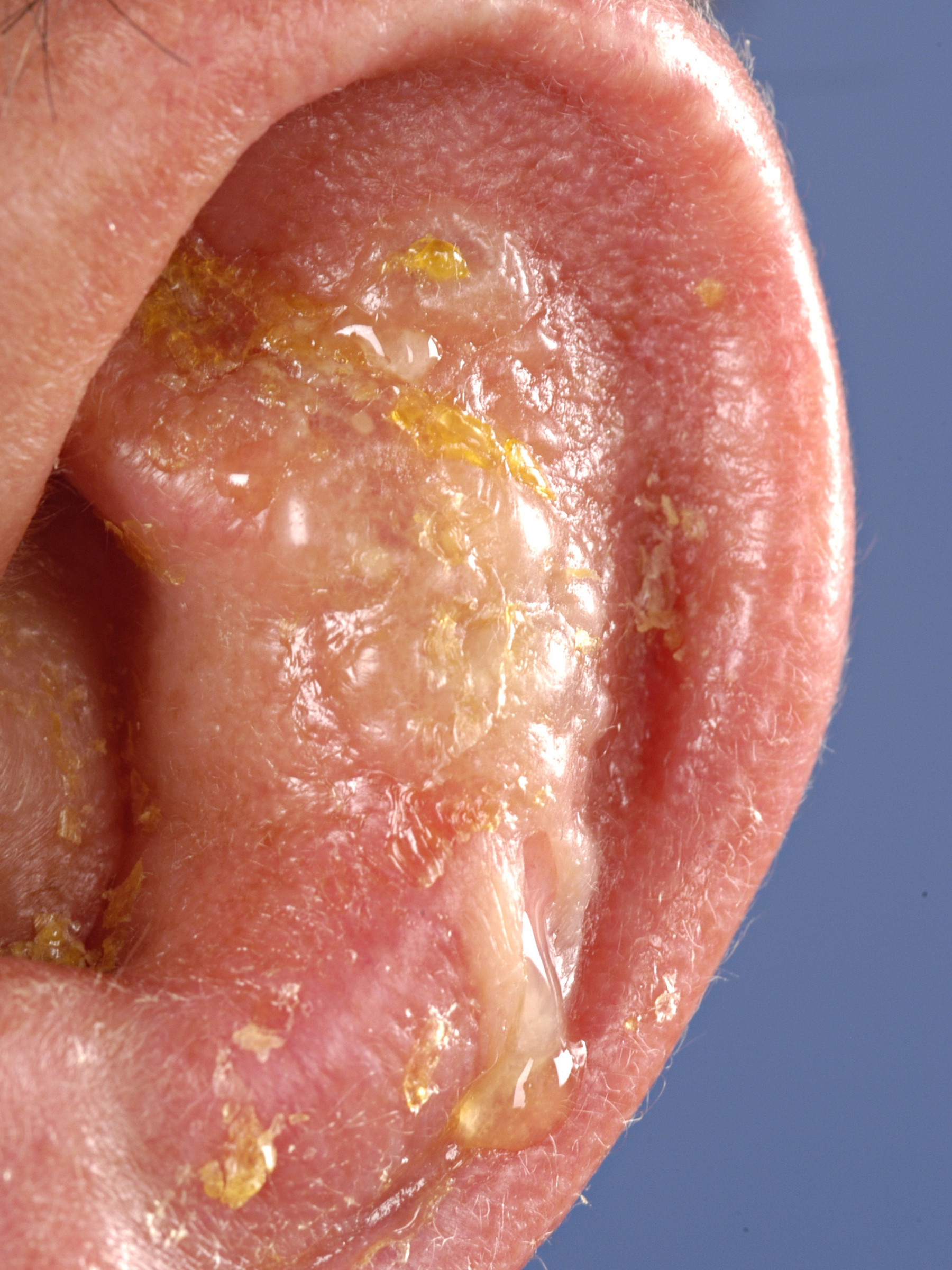
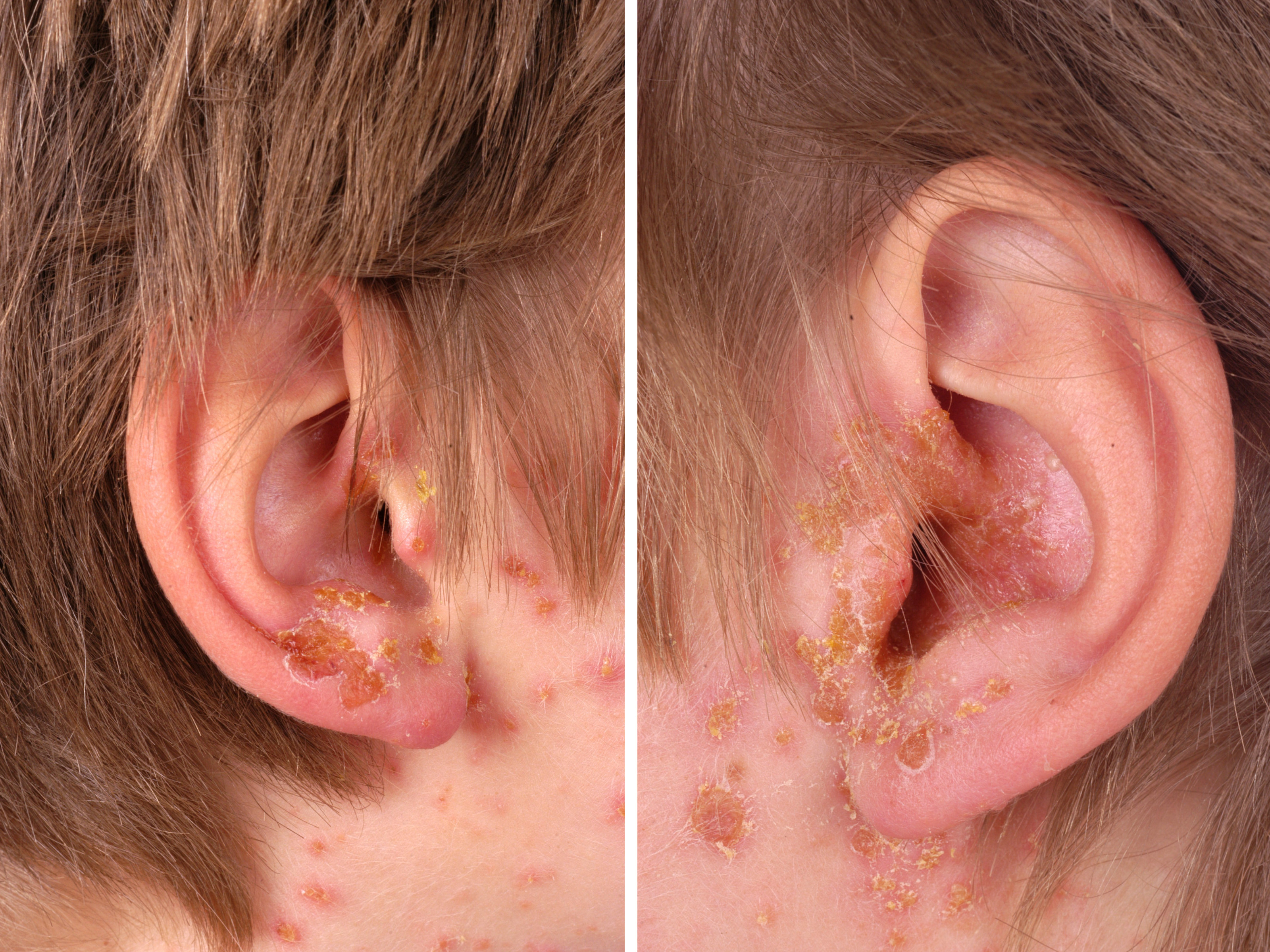
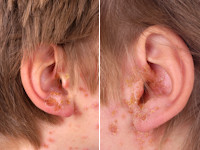
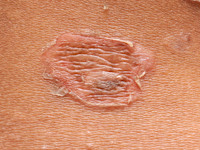
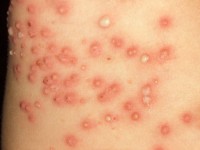
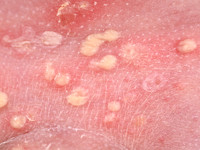
Impetigo causes superficial skin lesions, such as abrasions or small blisters that break easily. Fluid leaks from the abraded areas or blister bases, which dries out into a yellow (honey-yellow) or brown crust. The skin is often light red. The crusts can become larger. Over time, the crusts dry up and fall off on their own. The skin underneath remains red for some time but eventually heals without leaving scars.
|
|
 |
 |
|
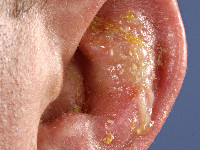
honey-yellow crusts |
honey-yellow crusts |
honey-yellow crusts |
 |
 |
 |
|
impetigo with blisters |
impetigo with blisters |
impetigo with blisters |
The infection is usually mild and without many symptoms. Occasionally, children become ill with fever and swollen lymph nodes. In healthy people, the infection resolves spontaneously within 2-3 weeks, even without treatment. However, if treated with antibacterial agents (ointments or a course of antibiotics), it heals much faster.
HOW IS THE DIAGNOSIS MADE?
The diagnosis can almost always be made based on the appearance of the spots. In case of doubt or in severe infections, a culture can be taken with a cotton swab. If the picture is unclear, and it could be something
else than impetigo, a tissue sample (skin biopsy) is sometimes taken for microscopic examination.
WHAT IS THE TREATMENT?
In mild cases, impetigo is treated with an antibacterial cream or ointment. Examples include fucidin cream, chlorhexidine cream, and Bactroban ointment (mupirocin). Other products with antibacterial properties may also be used, such as honey ointment, betadine ointment, or betadine scrub.
In more severe cases, a course of antibiotics may be prescribed in the form of tablets, capsules, or oral solution. Several antibiotics are effective against staphylococci and streptococci, such as flucloxacillin, Augmentin (amoxicillin with clavulanic acid), Klacid (clarithromycin), or Zithromax (azithromycin).
SHOULD I KEEP MY CHILD HOME FROM SCHOOL OR DAYCARE?
Not everyone agrees on this. Children with an
infection are sometimes kept home to prevent
infecting other children. In the case of impetigo,
this is of little use, because the skin is
contagious long before the yellowish scabs develop,
so other susceptible children have likely already
contracted it. Therefore, keeping a child home will
not prevent an impetigo outbreak in a classroom. The
official advice from general practitioners and
organizations such as the Municipal Health Service is therefore: a child with impetigo does not need to stay home.
However, there may be other reasons to keep a child home for a few days, for example, because they are
ill, or because it is unpleasant for childcare workers and other parents to be confronted with a child covered in highly contagious, yellowish scabs. Therefore,
it is an option to keep a child with multiple spots home for a few days, if it is not too complicated to arrange. Two days after starting treatment with creams or tablets, the child can then return to school or daycare.
In any case, notify the staff if your child has impetigo. They can then be alert to the possibility of infecting other children and advise the parents on what to do.
WHAT IS THE PROGNOSIS?
Impetigo usually heals on its own within 2-3 weeks without scarring. Persons with darker skin may temporarily develop lighter or darker patches.
|