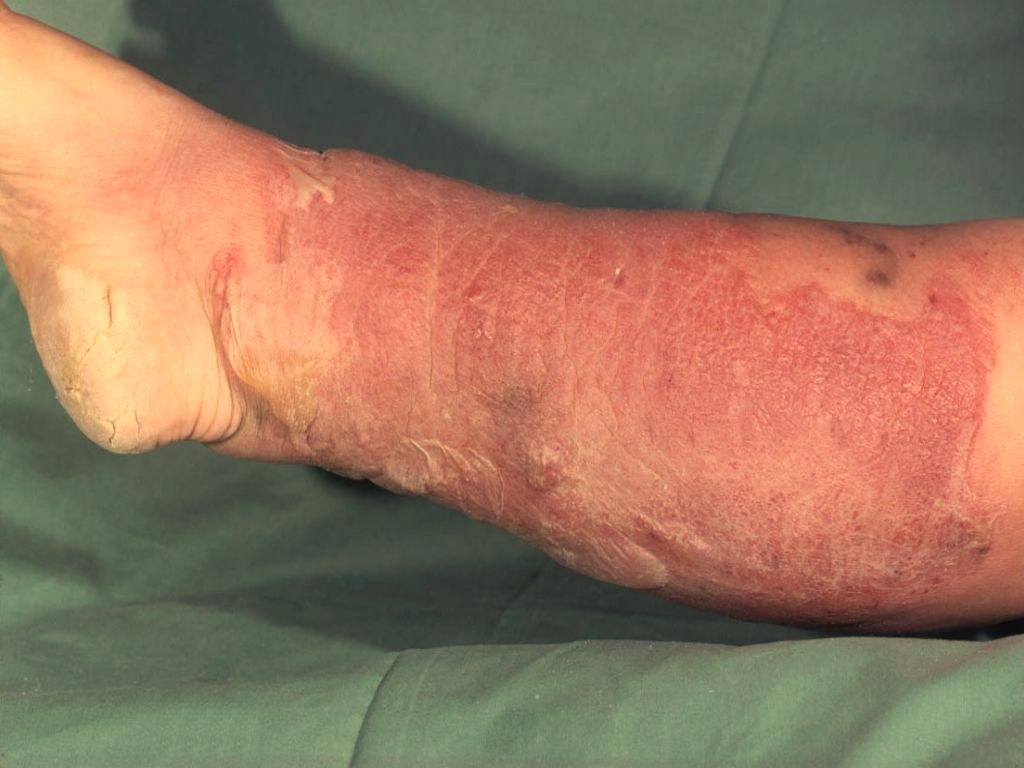
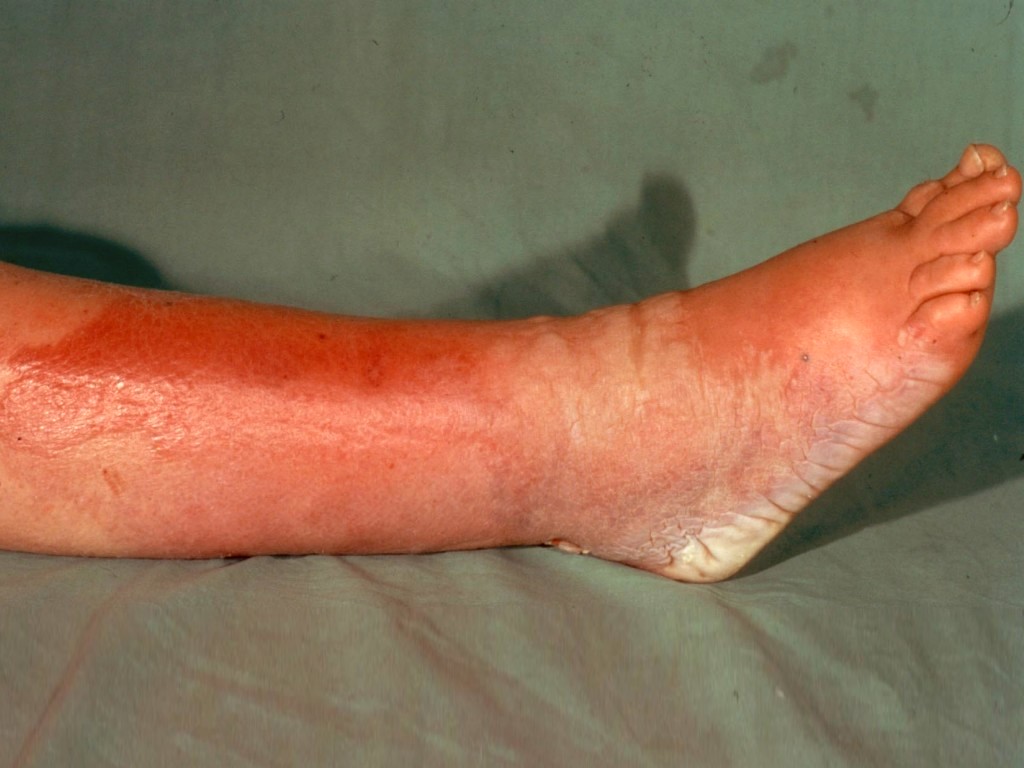
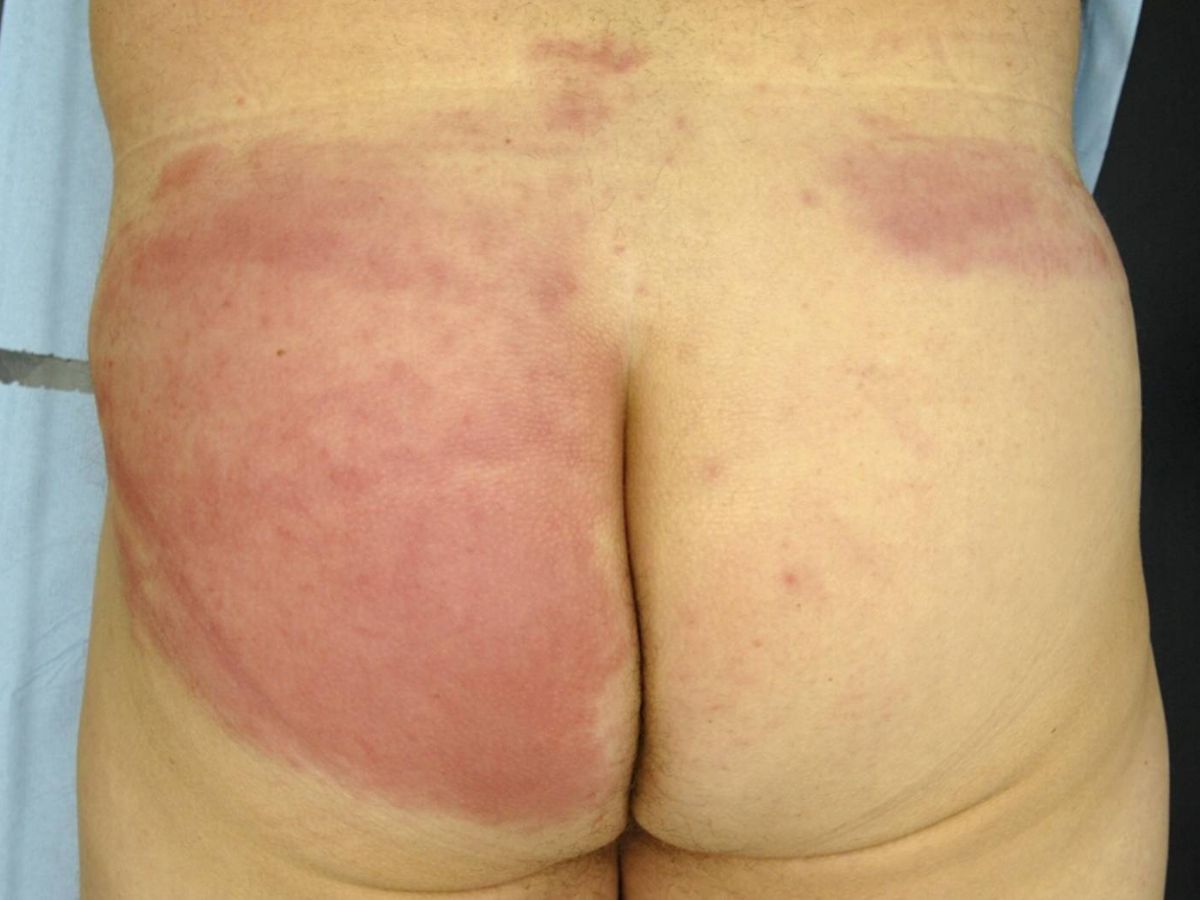
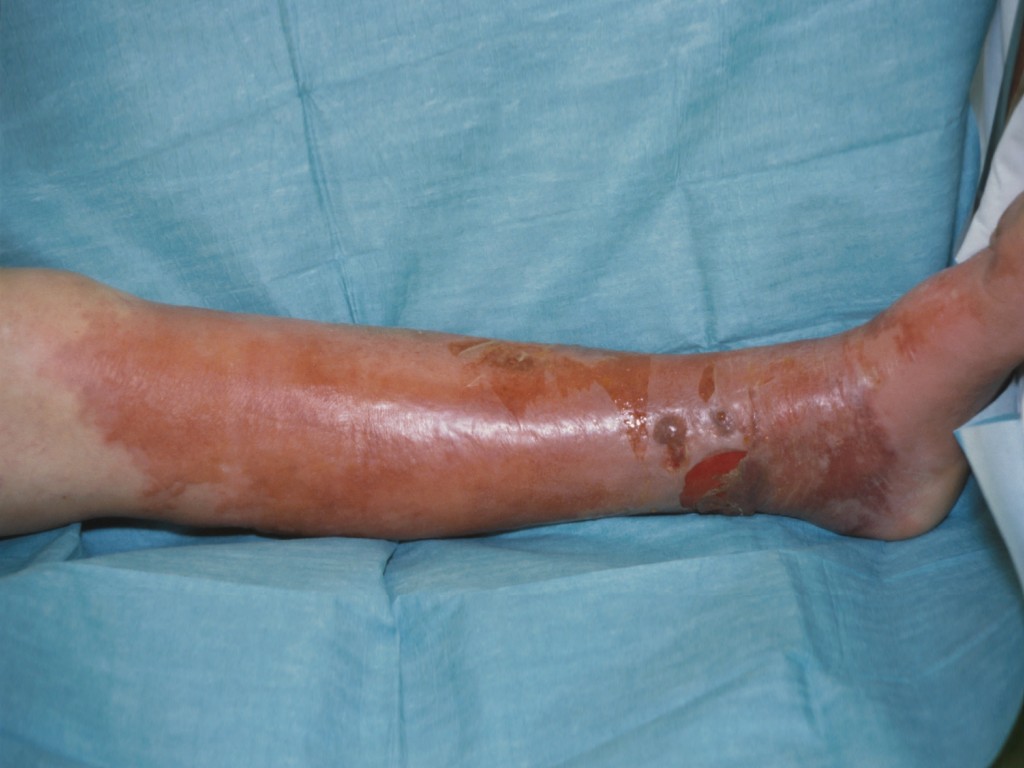
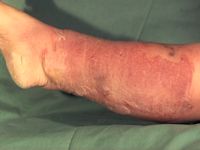
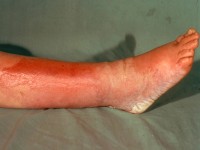
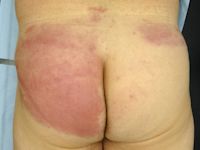
WHAT IS ERYSIPELAS?Erysipelasis a bacterial skin infection characterized by a bright red and warm appearance. The infection is also accompanied by fever and sometimes nausea. The bacteria often enter the skin through a wound (which can be a very small wound or a superficial injury), which is why it is also called erysipelas . The term "erysipelas" refers to the bright red color.
 |
 |
 |
| erysipelas |
erysipelas |
erysipelas |
WHAT CAUSES ERYSIPELAS?Erysipelas is usually caused by bacteria called streptococci . These bacteria are also known as Streptococcus pyogenes , Streptococcus hemolyticus , beta-hemolytic streptococci , group A streptococci , and "flesh-eating streptococci." This streptococcus is notorious for its ability to cause significant damage, not only erysipelas but also other symptoms such as a rash all over the body (scarlet fever), damage to the skin and deeper tissues, and damage to the kidneys or other internal organs. Besides streptococci, erysipelas can sometimes be caused by other bacteria, such as staphylococci.WHAT IS THE DIFFERENCE BETWEEN ERYSIPELAS AND CELLULITIS?The distinction between these two terms is not so clear, and in some countries, these terms are used interchangeably. Erysipelas usually refers to an infection of the superficial layers of the skin, characterized by a bright red color, sharp borders, rapid spread, and fever. This is the classic erysipelas, which is usually caused by streptococcus and sometimes by staphylococcus. Cellulitis refers to an infection of the skin, including the deeper layers, where the surface is not always so bright red, and where the bacteria can cause significant damage deep down. Cellulitis can also be caused by streptococcus, but also by staphylococcus, and by many other bacteria, sometimes several at once. Classic erysipelas, caused by streptococcus, is a serious infection that must be treated immediately with antibiotics. Fortunately, streptococcus is very sensitive to simple antibiotics such as penicillin. Cellulitis is an infection in the deeper layers of the skin. It's difficult to determine the severity of the infection or which bacteria are causing it. Therefore, strong antibiotics are often administered, often intravenously, sometimes with combinations of antibiotics, to ensure that all (unknown) bacteria are affected.
The term cellulitis is sometimes also used for "orange peel" (another name: cellulite) of the thighs and buttocks, which is quite different, a cosmetic problem caused by fat deposits in the skin (see cellulite ).WHO CAN GET IT?Anyone can get it; the bacteria that cause it, streptococci and staphylococci, are everywhere.
Streptococci are particularly susceptible when there's a skin injury that allows the bacteria to enter. This could be a wound, large or small, skin damage from scratching or eczema, a crack in the skin, cracks between the toes caused by athlete's foot, cracks behind the ear, ear canal infections, boils, insect bites, blisters—basically any skin injury, regardless of the cause. Therefore, in every patient, careful attention must be given to the site of entry (called the " porte d'entree "), and measures must be taken to ensure the skin heals.
Some patients are very susceptible and develop erysipelas repeatedly.WHAT DOES IT LOOK LIKE?Erysipelas usually affects the legs, usually one leg at a time because it spreads from a single location. It can also appear on an arm, the face, or elsewhere on the body (trunk, abdomen, buttocks). Classically, it starts around a wound, a crack between the toes, or another skin lesion. The surrounding skin becomes bright red, warm, and slightly swollen. The redness gradually spreads. Fever develops, and general symptoms may occur, such as nausea or general malaise.
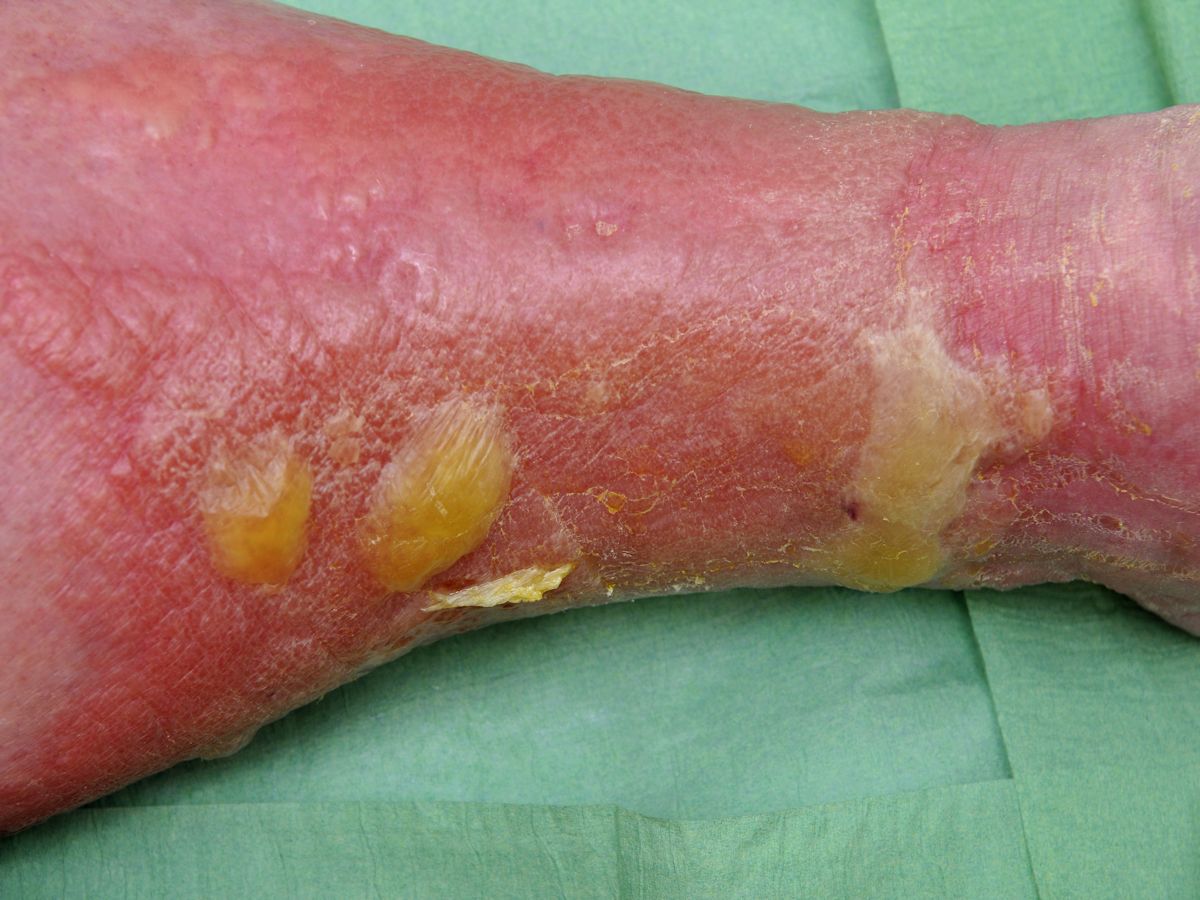
At this point, the doctor usually intervenes, prescribing antibiotics to clear the infection. However, sometimes the bacteria spread, causing further problems. Below is a list of various problems (complications) that strep can cause:blisters (erysipelas bullosa)Streptococci can cause blisters. Large blisters filled with clear, yellowish, or whitish fluid develop in an area of redness. This is called erysipelas bullosa. Staphylococci can also cause blisters, which is also called impetigo or impetigo bullosa.
 |
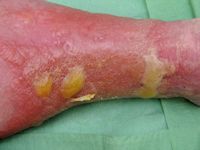 |
| erysipelas bullosa |
erysipelas bullosa |
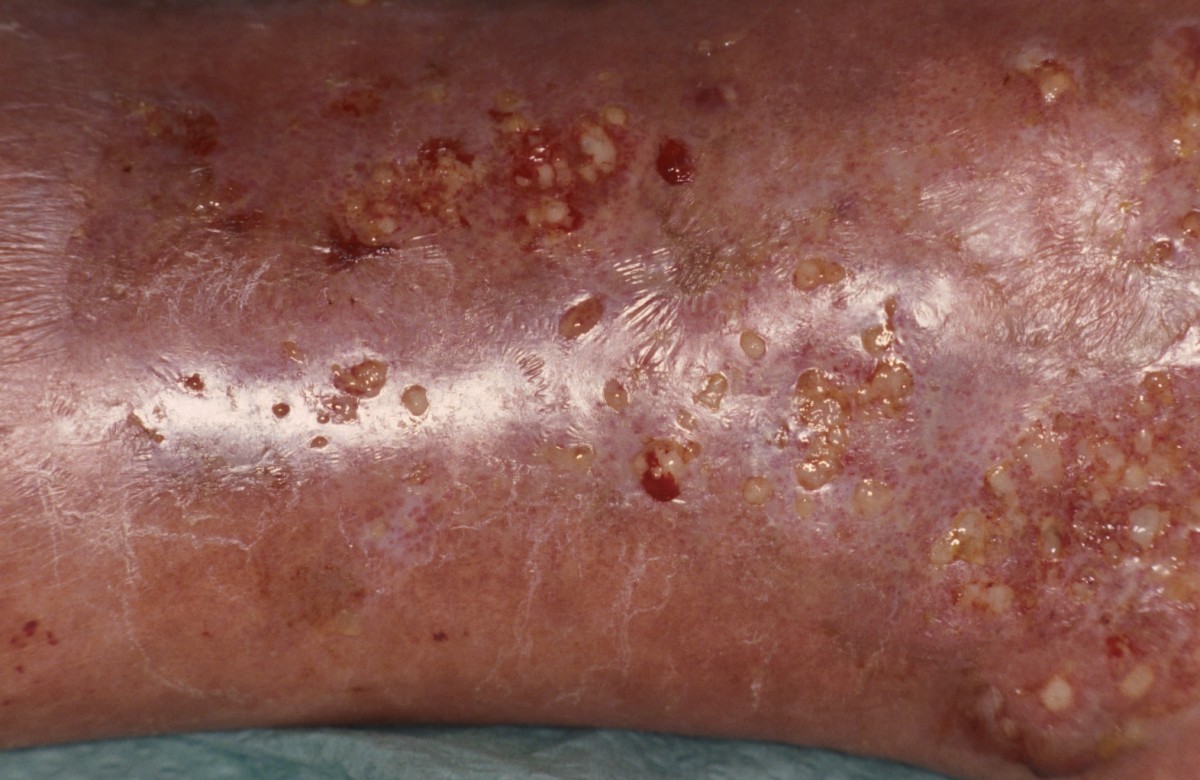
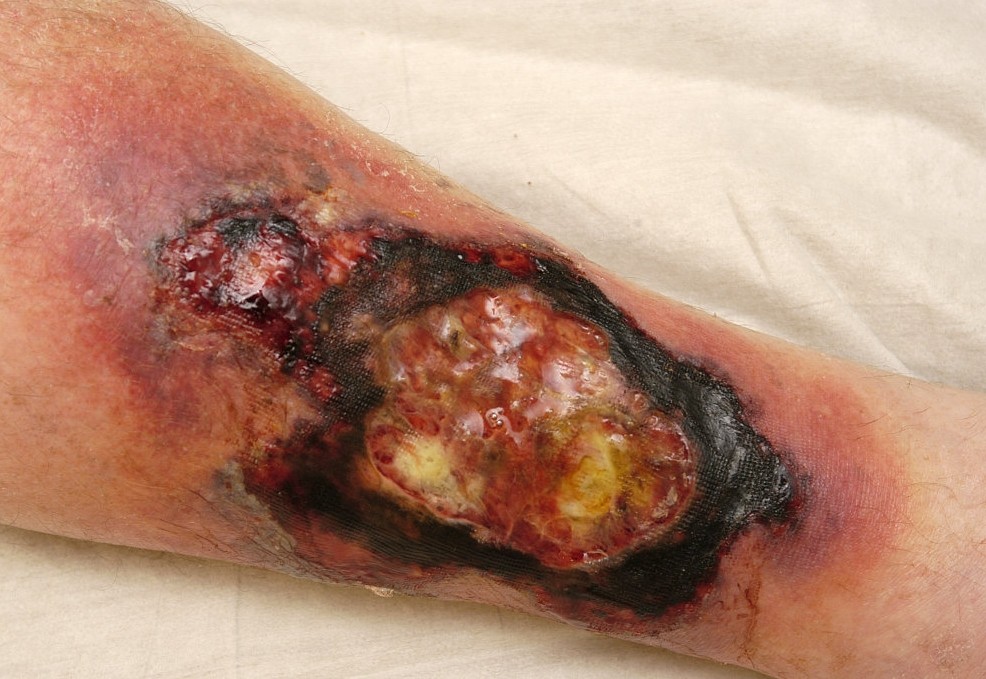
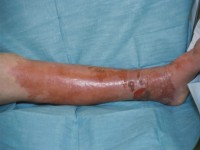
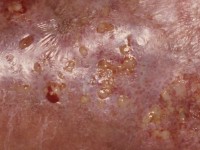
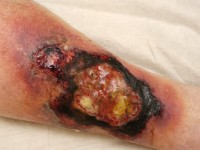
small holes or sores in the skin (ecthyma)A streptococcal infection can cause wounds in the skin. Small, deep, round wounds are called ecthyma. Ecthyma is the medical term for a skin ulcer caused by strep.large ulcers and wounds (ulcus cruris due to streptococcal infection)Streptococcus can cause tissue damage, both superficially and deeply. It can break the skin or the layer of fat beneath the skin. A deep wound (an ulcer) then develops in the area that was previously red. Sometimes this is preceded by a blister.
Early in the infection, when the skin is completely red, it's difficult to predict whether the skin will break. This can also take a week, even if the infection has been effectively treated with antibiotics from the start. Patients with poor blood circulation are more likely to develop wounds.
 |
 |
| ecthyma (ulcers) |
streptococcal ulcer |
Deep inflammation extending to the fascia (necrotizing fasciitis).
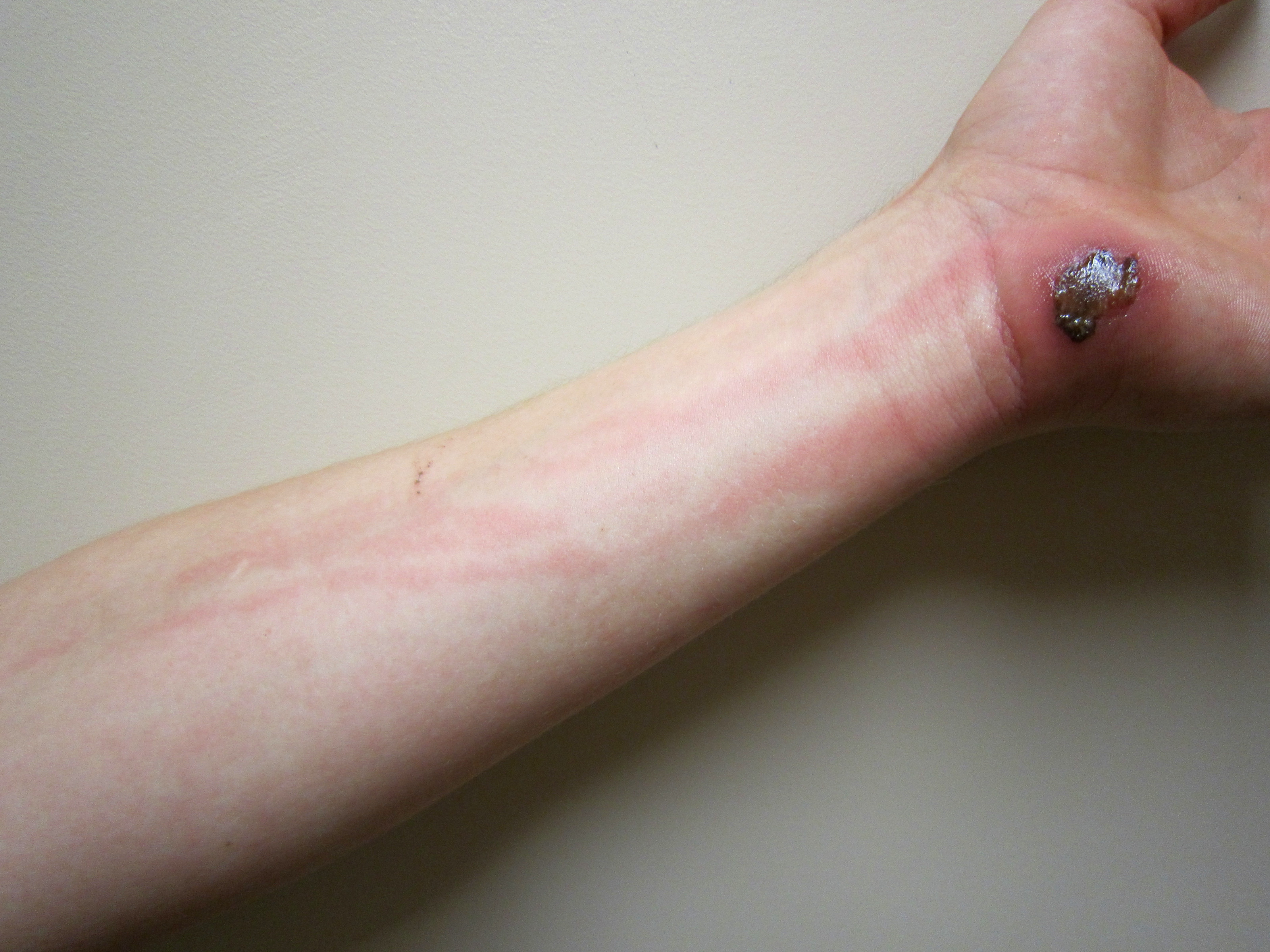
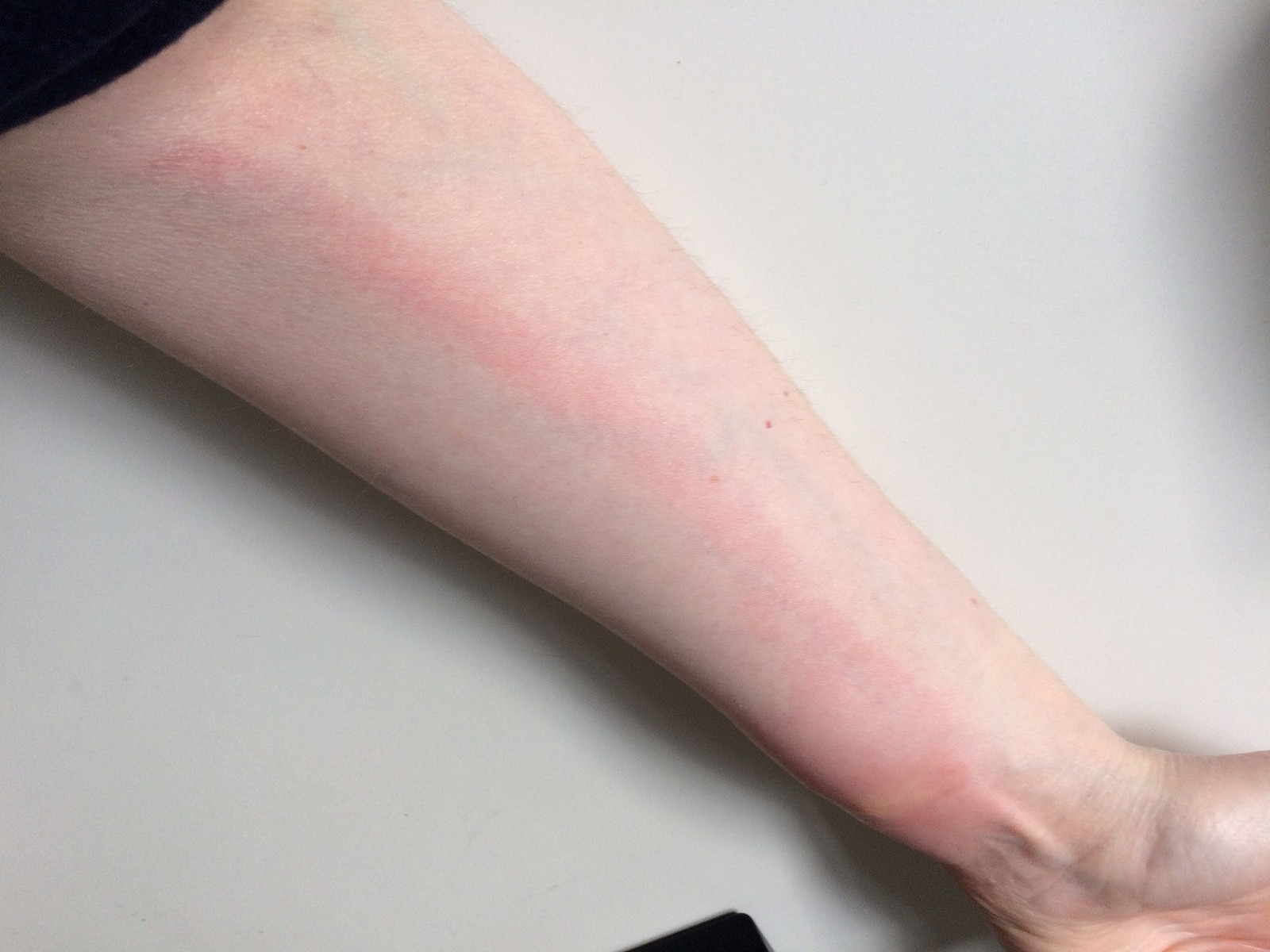
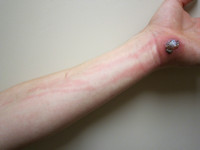
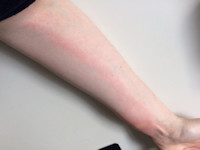
The streptococcal infection can affect the entire skin and subcutaneous fat. The bacteria can also penetrate even deeper, to the fascia. The fascia is a layer of connective tissue that surrounds the muscles of the leg. The fascia itself can also become damaged and die. This is called necrotizing fasciitis. Necrotizing fasciitis is a severe and deep form of infection that must be treated quickly with high doses of antibiotics administered intravenously. The dead tissue must also be surgically removed.inflammation of the muscles in the depths of the leg (compartment syndrome)The streptococcal infection can also infect muscles through the fascia. The muscles in the lower leg and forearm lie within the fascia. The fascia is a strong sheet of connective tissue that wraps around the muscles like a sheath. When the muscles become infected, they swell. However, they don't have much space within the fascia. The swelling causes blood vessels to be pinched off, and the muscles die. This is called compartment syndrome. Treatment involves the surgeon cutting open the fascia with a long, deep incision along the entire side of the lower leg or forearm. This gives the muscles room to expand again.inflammation of the lymphatic vessels (lymphangitis)Bacteria can also spread upward from a wound, the entrance to the lymphatic system. This is called lymphangitis. Painful red streaks may appear, extending upward from the wound, for example, towards the armpit or inguinal glands. The patient may also have a fever and feel unwell.
 |
 |
| lymphangitis |
lymphangitis |
Photos: James Heilman and Akinerov - Wikimedia (Creative Commons License 3.0 / 4.0 ).
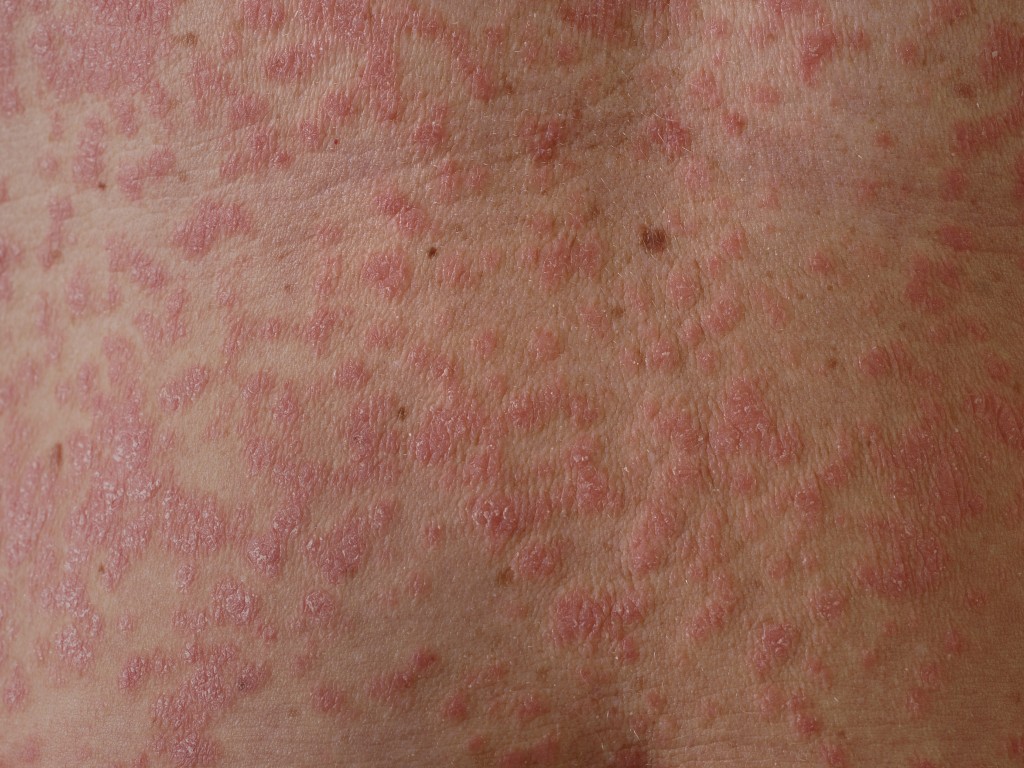
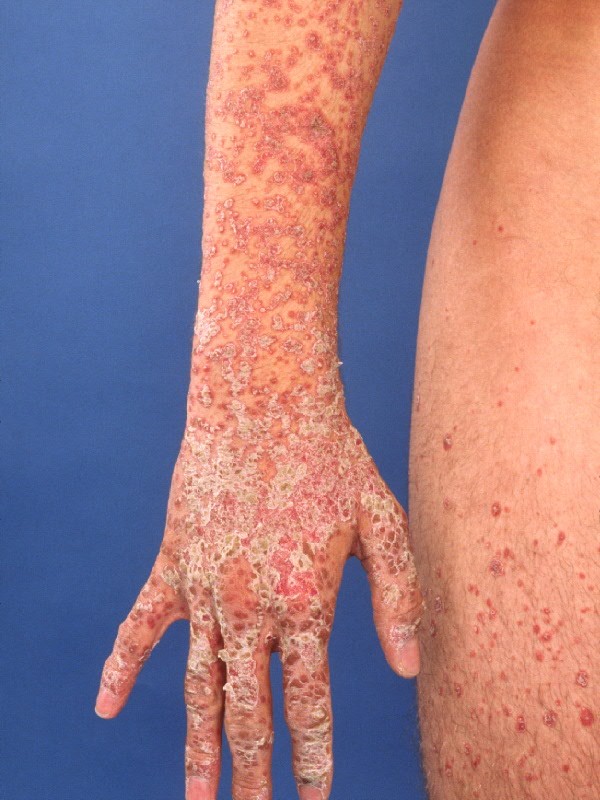
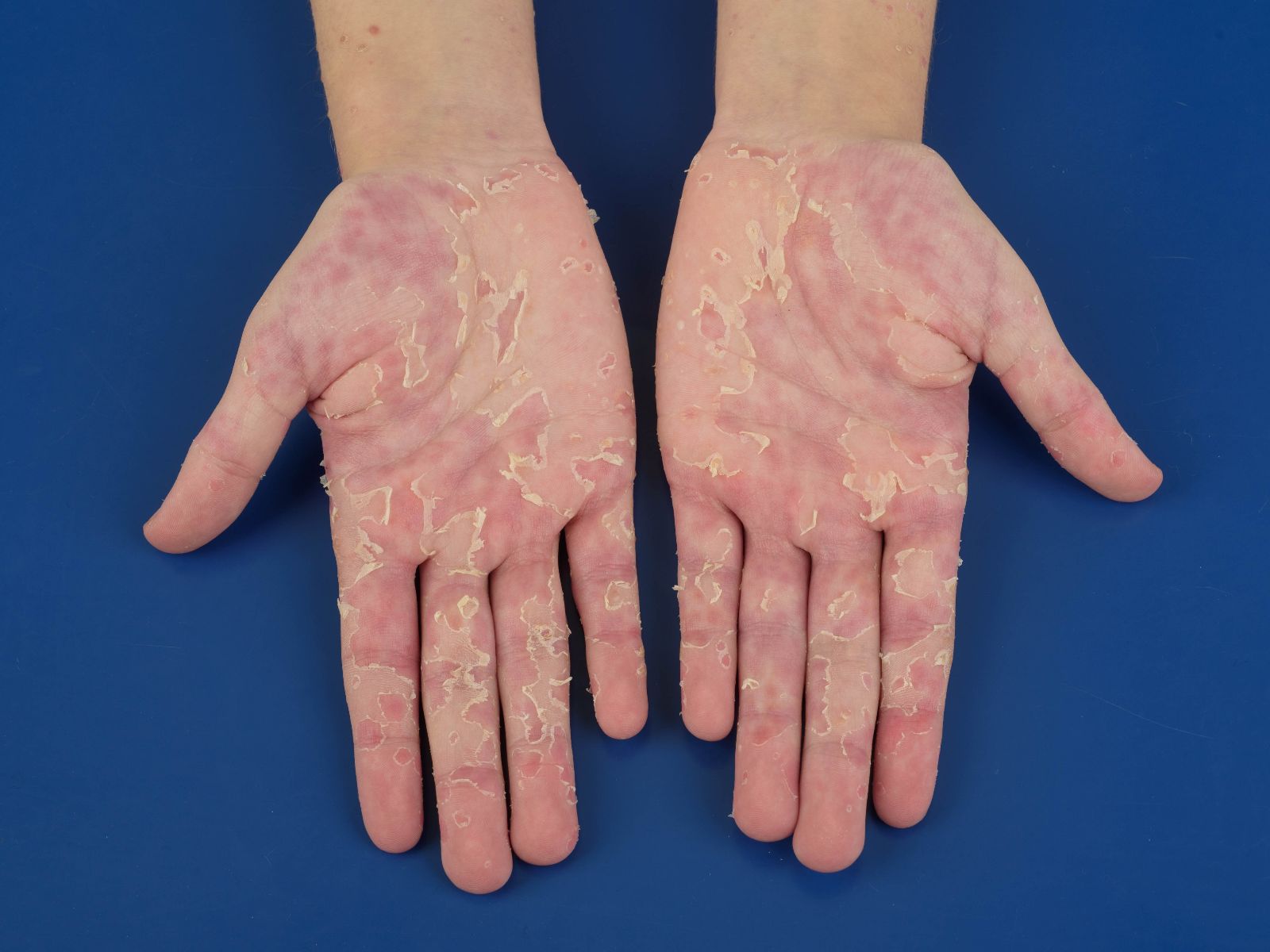
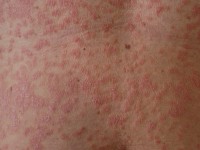
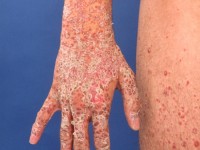
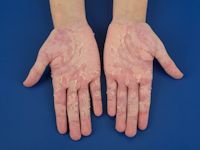
damage to the lymphatic vessels (lymphedema)After an erysipelas episode, the lymphatic vessels can be damaged. The lymphatic vessels transport excess fluid, proteins, and inflammation breakdown products to the lymph nodes. These tiny and fragile vessels are easily damaged. As a result, excess fluid drainage is reduced, which can lead to chronic swelling of a leg or arm. This is called lymphedema. People who have had more than one erysipelas have a higher risk of developing lymphedema. It also develops more quickly in overweight people.blood poisoning (sepsis)If the bacteria enter the bloodstream in large numbers, blood poisoning occurs. This often results in a high fever, and patients become very ill. Blood pressure can drop dangerously low, potentially leading to shock.kidney damage (streptococcal glomerulonephritis)Streptococci can damage the kidneys. Streptococcal infections are a leading cause of kidney disease in children.damage to other organs (multi-organ failure)In very severe infection with blood poisoning and shock, vital organs such as the heart, kidneys, liver can be damaged, and even thrombosis in the brain and meningitis is a possible complication.skin reactions after a streptococcal infectionAfter a streptococcal infection, a flare-up of psoriasis can occur, often in small patches. This is called guttate psoriasis . Other skin reactions include scarlet fever (a rash across the body), vasculitis, hives (urticaria), and peeling skin on the fingertips or palms a few weeks after the infection.
 |
 |
 |
| guttate psoriasis |
guttate psoriasis |
molting |
HOW IS THE DIAGNOSIS MADE?The diagnosis is based on the clinical picture, its appearance: intense redness, fever, nausea, and general symptoms. A swollen, red, and warm leg usually has only one other condition that can mimic it: a thrombosis of the leg. A thrombosis of the leg can be diagnosed through examination in the hospital (duplex examination, blood tests). If there is a wound, a culture can be taken from that area. However, it's not often that the bacteria that are deeply present can be cultured from this wound. Therefore, culture results cannot be relied upon. Blood tests can sometimes be used later to determine whether a streptococcal infection was present.IS IT REQUIRED TO BE BANDAGED?It's often argued that bandaging (applying a pressure bandage to the leg) is necessary for erysipelas to remove fluid from the leg and thus speed up healing. In recent years, there has been increasing systematic research into the evidence for the effectiveness of medical treatments. There appears to be no evidence that bandaging contributes to healing. Doctors with extensive experience in treating erysipelas (experts) warn that it's better not to start bandaging in the early stages of severe erysipelas. Bandaging causes pressure, which can constrict blood vessels and sometimes be counterproductive. It's safer to initially rest the patient in bed, with the leg elevated, and to first thoroughly treat the infection with high-dose antibiotics and/or intravenous fluids. Only after a few days should bandaging or fitting an elastic stocking be started.
If the infection is under control and the patient has recovered and is walking again, applying a pressure bandage (compression bandage, bandage) or fitting an elastic stocking can help: the fluid drains more quickly, and it is more comfortable for the patient to walk with a fluid-free leg. It may also prevent the development of lymphedema.
In all cases, a bandage or elastic stocking should only be used if it is absolutely certain that the supplying vessels (arteries) are healthy. In patients with arteriosclerosis in the large or small vessels, the blood supply to the leg is often already poor. If a serious infection, such as erysipelas, develops, the situation can worsen.HOW IS IT TREATED?Treatment consists of prescribing antibiotics. For classic erysipelas, caused by streptococci, this can be a standard penicillin, such as Broxyl (pheneticillin). If it's not entirely clear which bacteria are involved, an antibiotic that also works against staphylococci can be used, such as flucloxacillin or Augmentin (amoxicillin/clavulanic acid). However, there are numerous alternative antibiotics. For penicillin allergies, medications such as clindamycin, erythromycin, azithromycin, or clarithromycin can also be used.
For mild infections, you can take tablets and simply stay home. The dose must be high enough, and you should take the pills for at least 10 days, sometimes even longer. For severe infections, it's better to be admitted to the hospital for bed rest and intravenous treatment. Your GP will assess the best course of action and, if necessary, consult with the dermatologist or another specialist at the hospital.WHAT ARE THE OUTLOOK?Usually, the infection heals easily within a few days. Sometimes complications arise, including all the problems mentioned above. The examples mentioned above demonstrate that erysipelas is a serious condition that requires proper treatment. It's important to take the antibiotics as prescribed and complete the course. Even if it's treated effectively, damage to the skin or subcutaneous tissue can still occur. This damage may only become visible after several days or weeks. By then, the bacteria will have died, but the wounds still need to heal.
Sometimes it's wise to wear a compression stocking as a follow-up treatment to control drainage.
Some patients develop erysipelas not just once, but several times in a row (recurrent erysipelas). In that case, you may be given maintenance antibiotic treatment. You'll then need to visit your doctor once a month for a penicillin injection.WHAT CAN YOU STILL DO YOURSELF?Make sure your skin stays intact. If there are wounds, they need to heal. Don't scratch the skin, scabs, or sores. If there are cracks between your toes caused by athlete's foot, they should be treated. If there is eczema with skin damage and scratching, apply a good anti-eczema ointment. Keep your feet clean, dry the skin between your toes thoroughly, and wear clean socks. If you are overweight, try to lose weight. Being overweight can make erysipelas much more severe, cause more damage, and recur. |