Everyone has a physical sensitivity to something. These days, the term "allergy" is used. One particular form of allergy is eczema, which causes inflammation of the skin. This skin inflammation can occur in various forms.CAUSESThere are various causes of eczema. Not all causes are clear, but it is certain that predisposition plays a significant role. Two types of eczema that are quite common are:
Hereditary eczema (atopic or constitutional eczema).
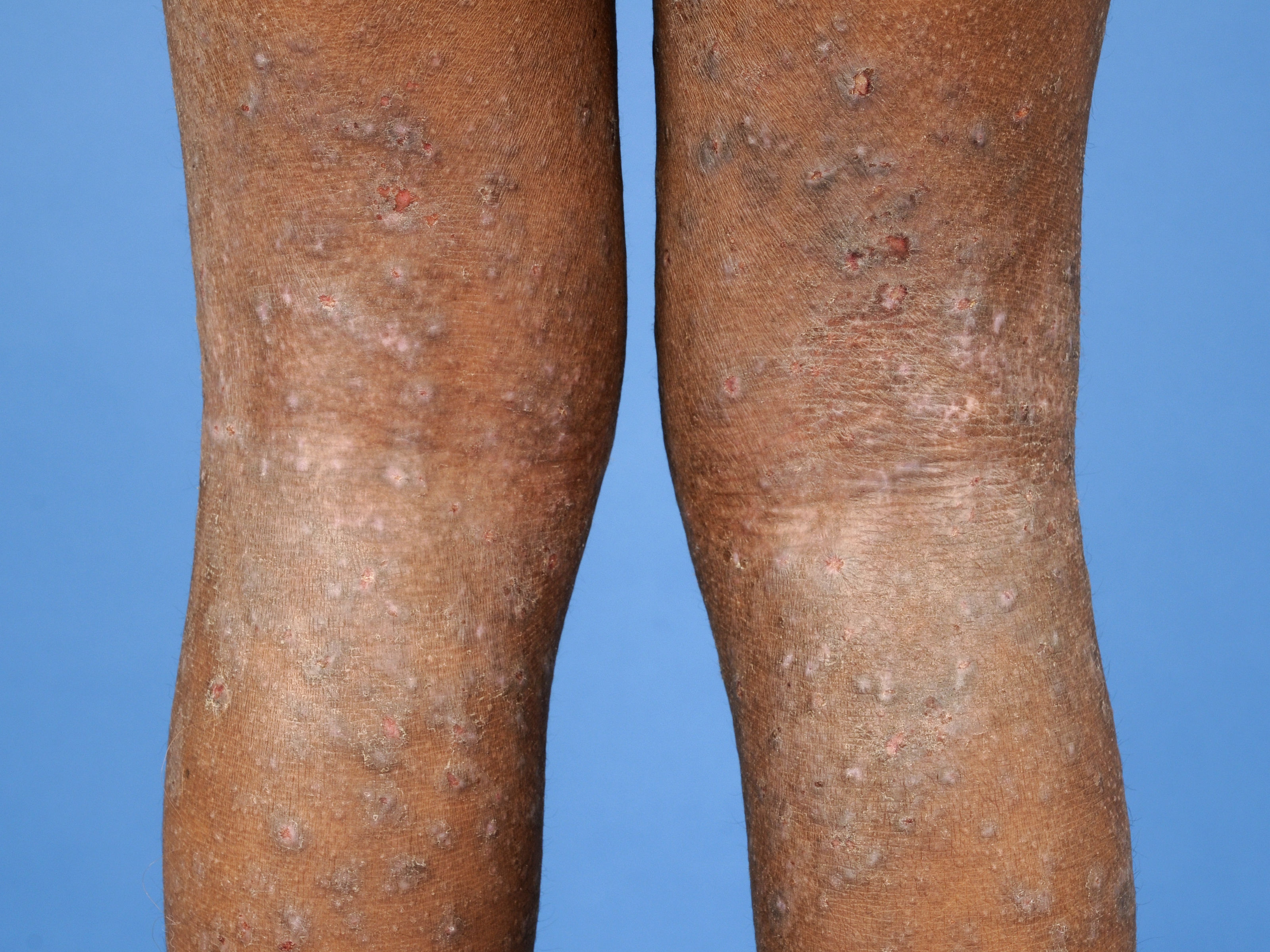
This form of eczema is present from birth: the cause comes from within.
Contact eczema.
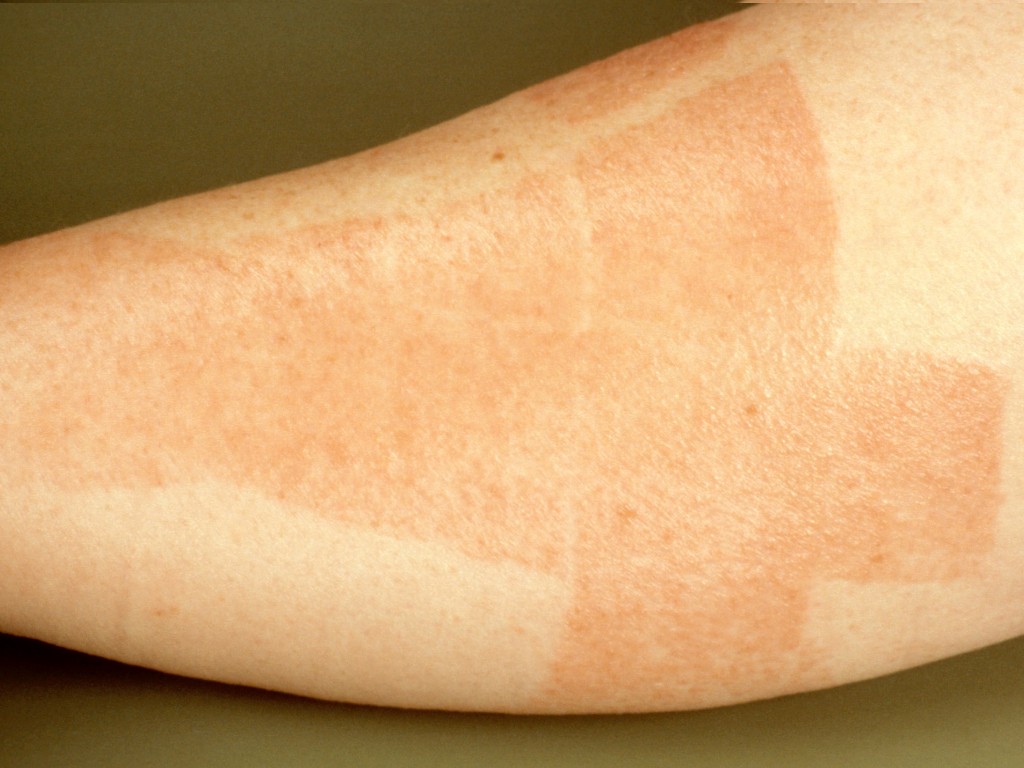
The cause comes from outside, i.e., from substances you come into contact with and to which you are allergic, such as nickel. There are also substances such as shampoo, soap, dish soap, etc. that are mildly irritating. Eczema can develop if the skin comes into frequent contact with these (orthoergic eczema). You will then notice that the skin gradually becomes rougher and cracked, eventually developing eczema. Personal predisposition plays little role in this, and almost anyone can get this eczema.
 |
 |
| atopic eczema |
contact dermatitis (patches) |
to worsenEczema can be aggravated by various factors, such as water, bright sunlight, cold weather, and dry, warm air. These conditions have a drying effect on the skin, leading to flaking. The skin's natural protective function diminishes, and irritation increases.HOW TO TREAT?Treating eczema involves three steps:
1. First, reduce the skin's inflammatory response;
2. Simultaneously, make the skin soft and supple again;
3. Help the skin heal completely, even if symptoms have subsided significantly.
To begin, the skin's inflammatory response must be reduced. A corticosteroid ointment or cream is best used for this. There are four different groups of corticosteroids, categorized by strength. The more severe the inflammation, the stronger the corticosteroid cream you need. However, you may have heard that there is a risk of side effects when using a corticosteroid cream. This is not entirely true. If you follow your doctor's instructions, there is little chance of any problems.
While treating the inflammatory response, the skin must become soft and supple again. Various types of cream are used for this. For successful treatment, the cream must be used regularly over a long period of time. Even though the skin may seem better after three or four weeks, it can take up to four to five months for it to heal completely.PRACTICAL TIPSThe most important thing is to avoid contact with the substances that could be the cause of your eczema. There are reasonable alternatives for most substances.
After a few weeks, your skin will look better. However, don't stop treatment. Follow your doctor's instructions and continue with the treatment plan. Otherwise, there's a chance the eczema will return, and then you'll have to start all over again.
Always apply the cream thoroughly after a bath or shower to keep your skin smooth. Water and especially soap dry out the skin. It's good to use bath oil. It's best to dry yourself by patting your skin dry with a towel; don't rub.
Wool and synthetic textiles worn against the skin can often cause itching. Choose cotton clothing for the parts of your body where you have eczema.
Be aware that cold and dry air have a drying effect on the skin. This can manifest as flaking. The protective function is reduced, and irritants or allergic substances can penetrate more easily. So, in winter, apply plenty of sunscreen to exposed areas of your body, especially your face and hands!
Follow your doctor's instructions carefully. Don't hesitate to ask if you don't understand anything. Both your doctor and pharmacist will be happy to answer your questions. |