WHAT ARE XANTHOMAS?Xanthomasare fatty deposits in the skin. They are visible as yellow or orange-yellow bumps, lumps, or plaques.
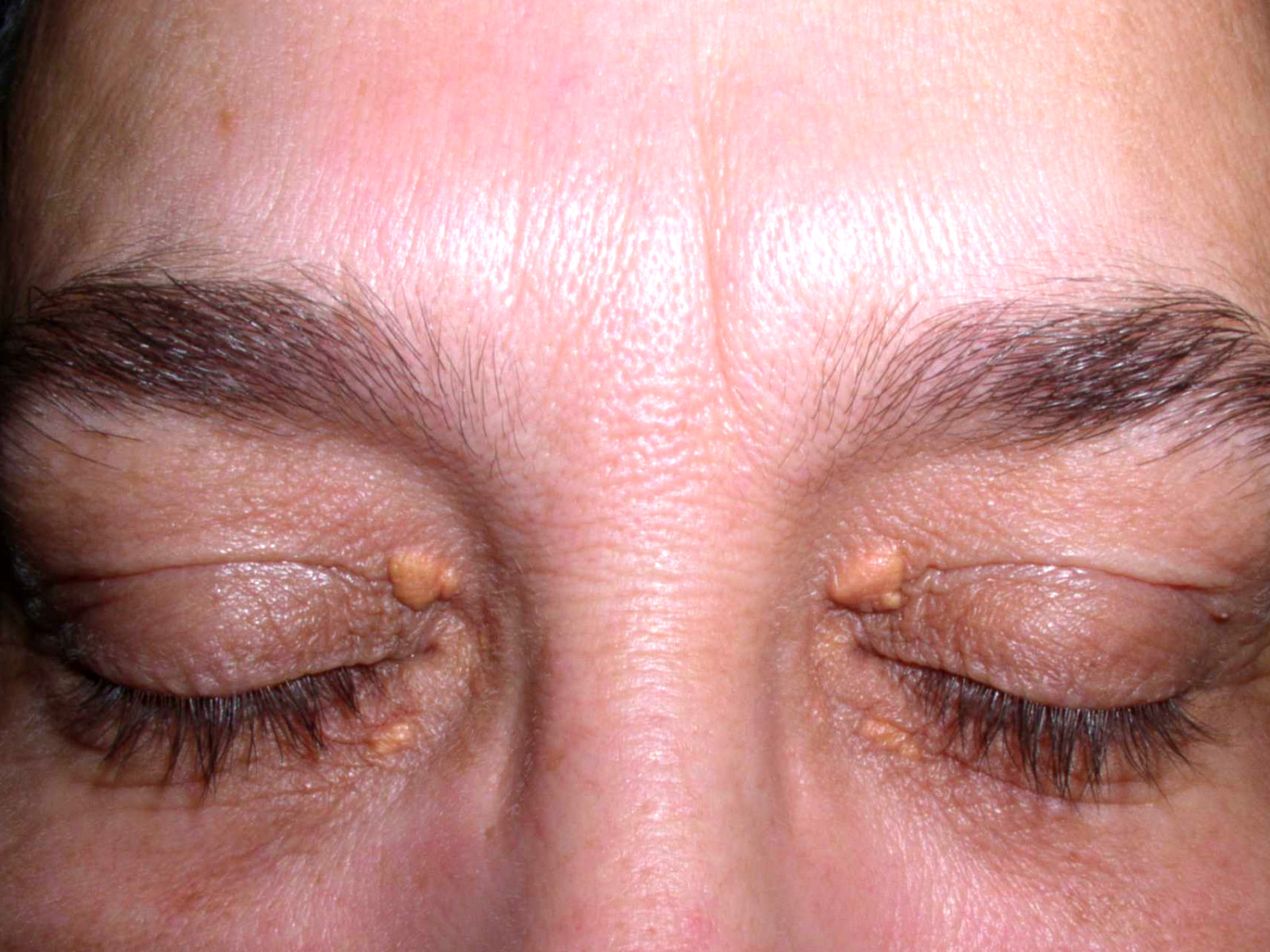
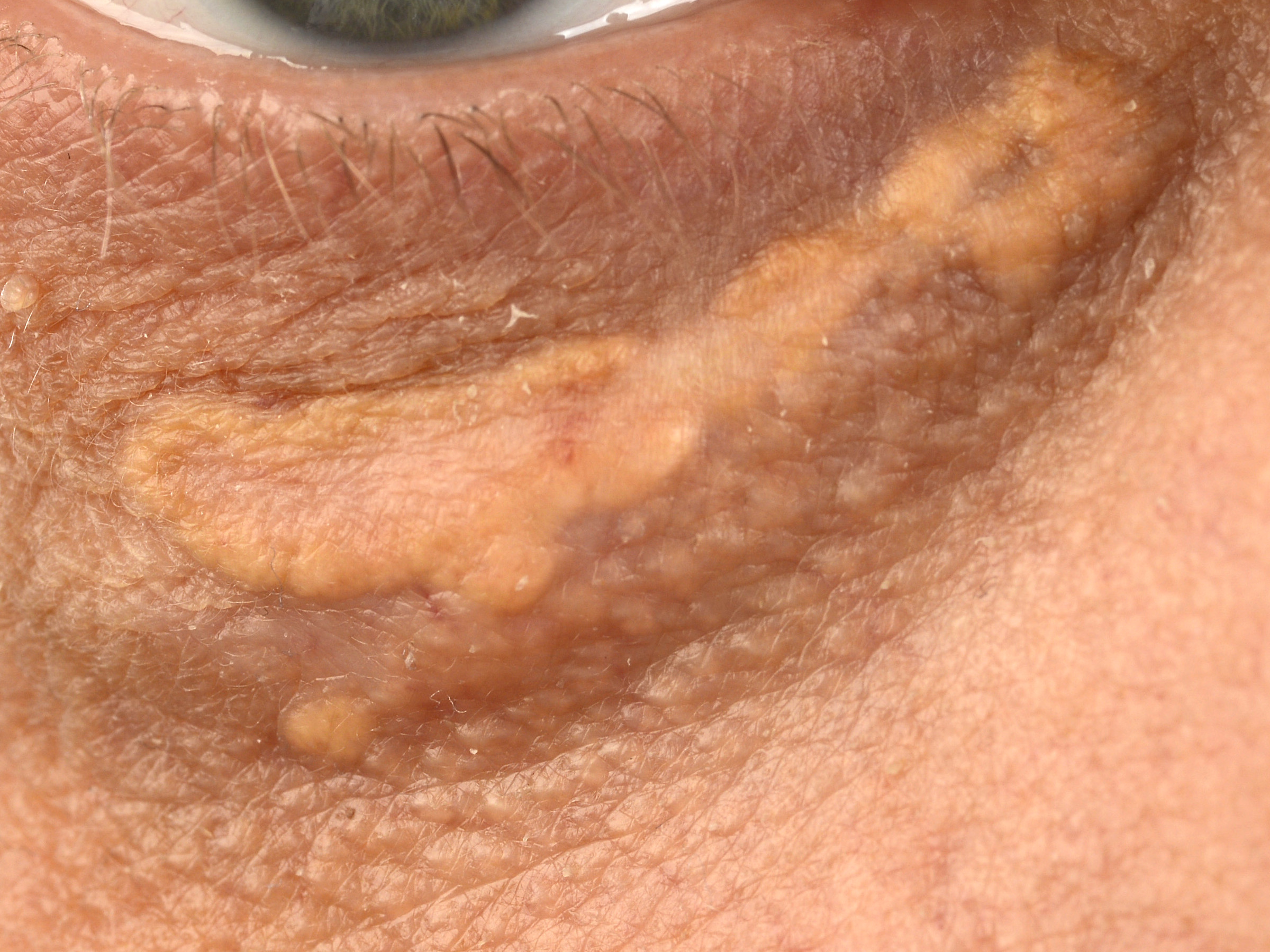
The most common type of these fatty deposits are small yellow fatty bumps that develop on the upper and lower eyelids, on either side of the nose. This type of small xanthomas on the eyelids is called xanthelasma palpebrarum . Other types of xanthomas can occur anywhere on the body.XANTHELASMA PALPEBRARUMThe term xanthelasma comes from the Greek words xanthos and elasma , which mean yellow and flattened metal plate, respectively. Palpebrarum means of the eyelid. Xanthelasmata are yellow discolorations and bumps caused by fat that accumulates in one spot on the skin. They often first develop symmetrically in the upper eyelid, at the inner corner of the eye. They gradually enlarge. Their size varies from a few millimeters to almost the entire eyelid. They can feel soft or hard. In people who wear glasses, they sometimes extend to areas where pressure is exerted on the nose.
Xanthelasmata can develop spontaneously, without any cause. But they can also develop in patients with elevated cholesterol levels. Therefore, it is wise to have your blood checked for xanthelasmata to see if the amount of cholesterol (and other fats) is too high. It is unknown exactly why the fat accumulates only in the eyelids.
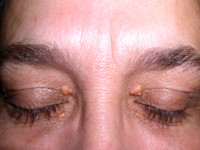 |
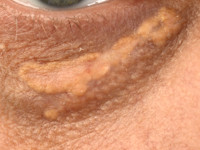 |
| xanthelasmata palpebrarum |
xanthelasmata palpebrarum |
Photo left: Klaus D. Peter - Wikimedia (Creative Commons License 2.0 ).
TREATMENT OF XANTHELASMATAElectrocoagulation (burning away)The area is locally anesthetized with injections of anesthetic fluid. Then, the skin containing the fat is burned away with a small electric bulb. The fat deposits are then wiped away with a coarse gauze. The skin then heals from the edges. Scabs and wounds will remain for a while after this procedure.Dab with trichloroacetic acidTrichloroacetic acid is a powerful acid that breaks the skin. This technique can also be used to superficially break the skin and remove the fat. Of course, the eyes must be well protected (closed and covered with gauze) during this procedure; no drop should accidentally enter the eye.Laser therapy (fractional laser)Laser can achieve the same results as burning or spot-on removal, which involves superficial removal of the epidermis. Even with laser, the eye must be properly protected.To operateThe area is locally anesthetized with injections of anesthetic fluid. Then, the skin containing the fat is cut away and sutured. This is only possible if there is sufficient space within the eyelid skin to do so.
With all techniques, the fat can reappear in the same location after the treatment. This may mean that the treatment needs to be repeated, every few years.Treating high cholesterolIf blood tests show that your cholesterol or other blood fats are too high, you will be treated with cholesterol-lowering tablets. Sometimes you will need to be referred to an internist to determine the cause of your high cholesterol.OTHER TYPES OF XANTHOMASThe other xanthomas occur in all kinds of different forms such as:
- xanthoma tuberosum (tuberous xanthomas)
- xanthoma tendineum (tendon sheath xanthomas)
- xanthoma planum (flat xanthomas)
- xanthoma striata (yellow discoloration of the hand lines)
- xanthoma eruptiva (an eruption of xanthomas)
- xanthoma disseminatum (xanthomas over the entire body)
Xanthoma tuberosum
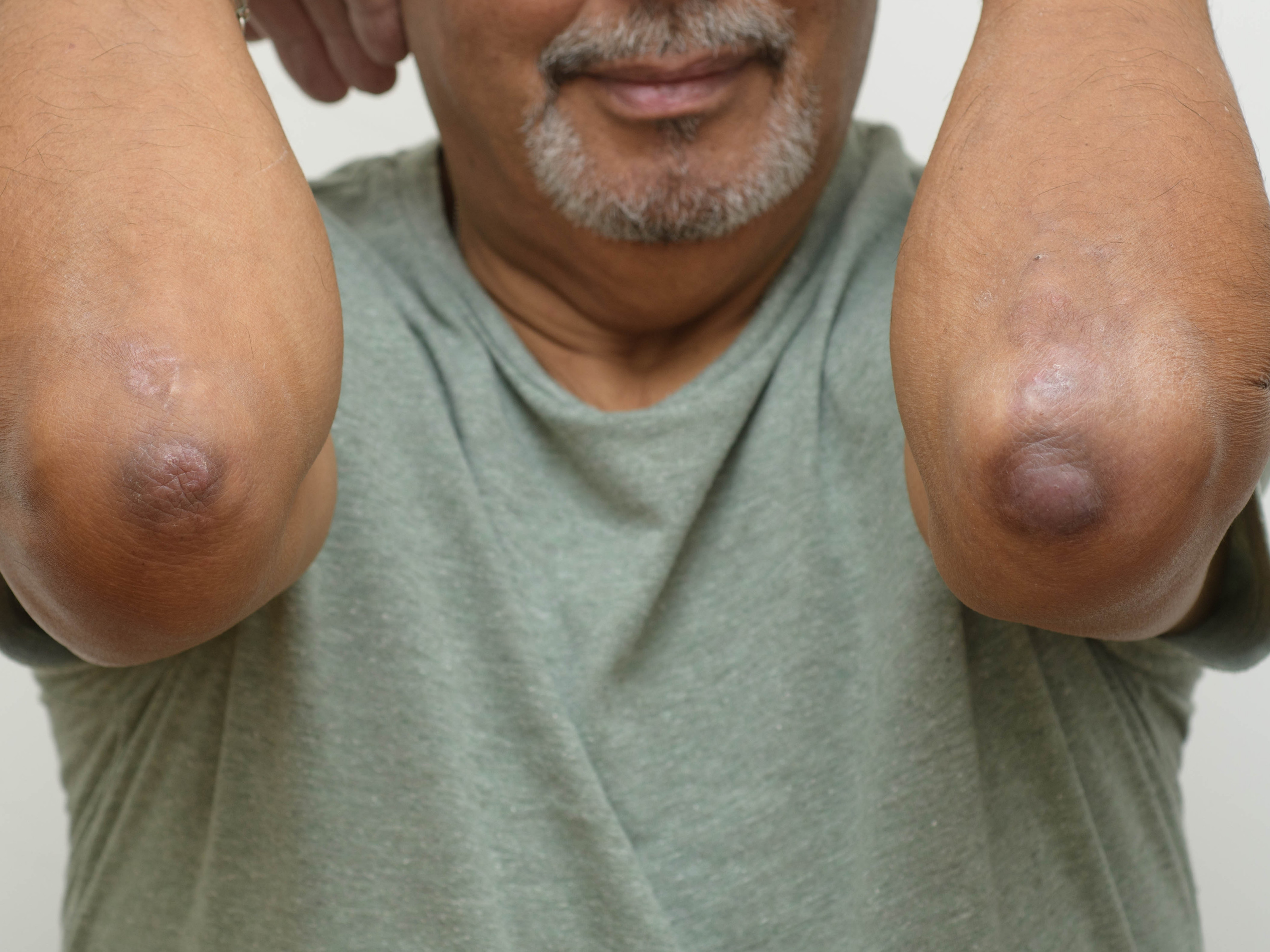
Tuberous xanthomas are firm yellow to yellow-red or orange-colored painless protruding bumps. They mainly occur on pressure points. Preferred locations: extensor side of the knees and elbows, buttocks. Tuberous xanthomas occur in hypercholesterolemia and familial hyperlipidemias type II and III. There is a very high risk of cardiovascular disease.
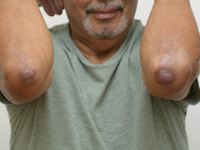 |
| xanthoma tuberosum |
Xanthoma tendineum
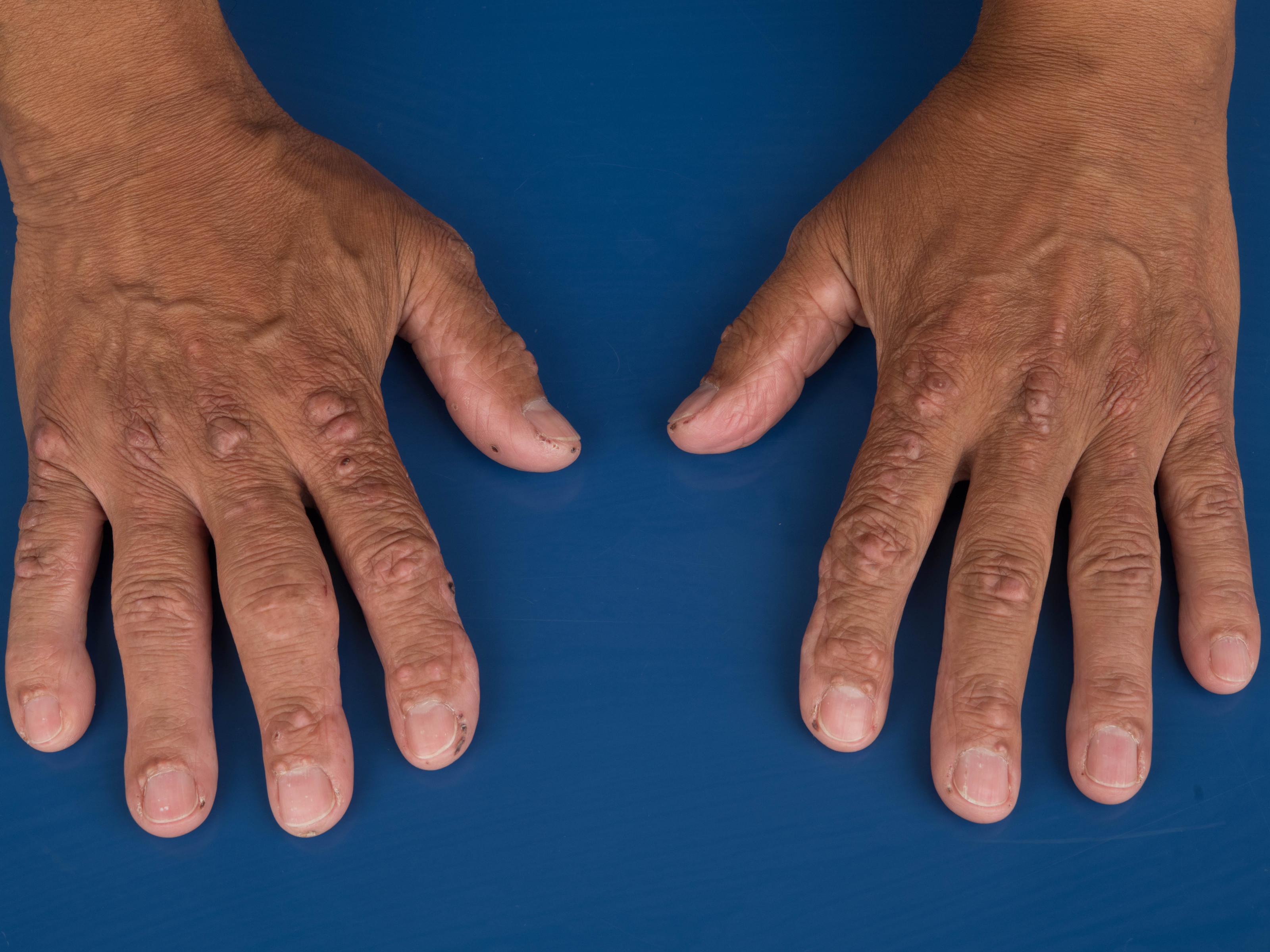
Xanthoma tendineum (tendon sheath xanthomas) are located around the tendons, especially around the extensor tendons of the hands and feet, and around the Achilles tendon. Occurs in hypercholesterolemia and familial hyperlipidemia types IIa, IIb and III.
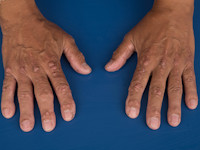 |
| tendon xanthomas |
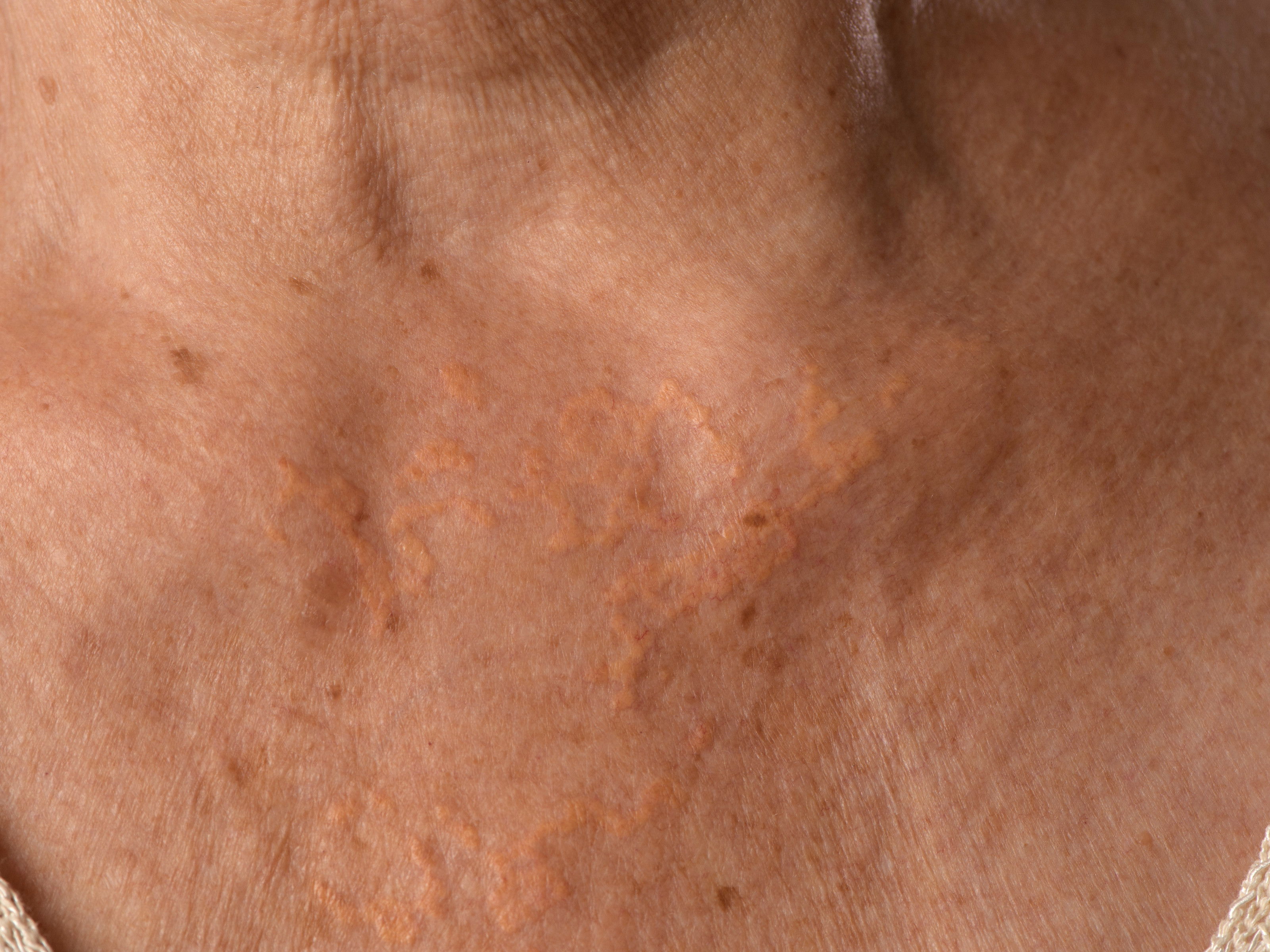
Xanthoma planum
Xanthoma planum are yellowish spots, sometimes slightly raised. They can occur all over the body and can be very large. They are mainly seen on the face, neck, chest, armpits and groin. Occurs in familial hyperlipidemia, especially hypertriglyceridemia.
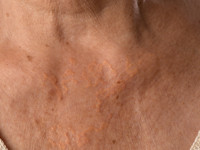 |
| flat xanthomas |
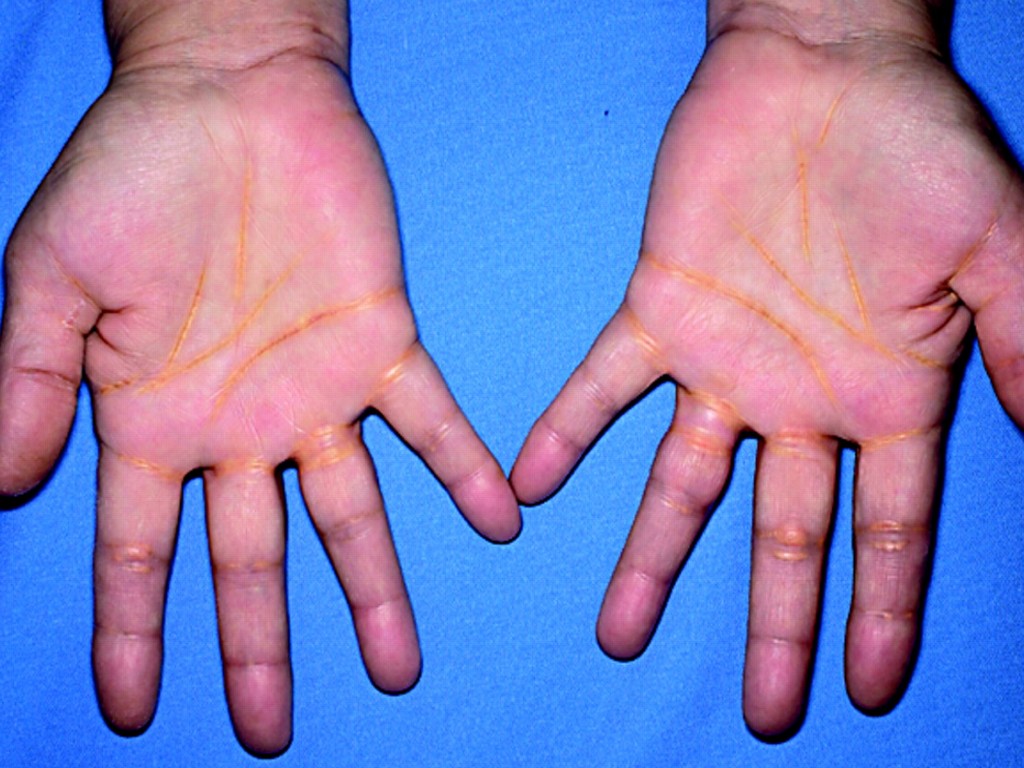
Xanthoma striata
Xanthoma striata is a variant of xanthoma planum that is confined to the grooves of the hand. It occurs in familial hyperlipidemia, especially type III dysbetalipoproteinemia.
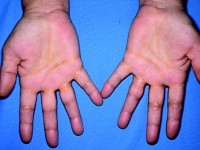 |
| xanthoma striata |
Photo: Nagarajan DV. et al. Postgrad Med J 2003;79(938):690 (Creative Commons License 4.0 - Public Access Journal ).
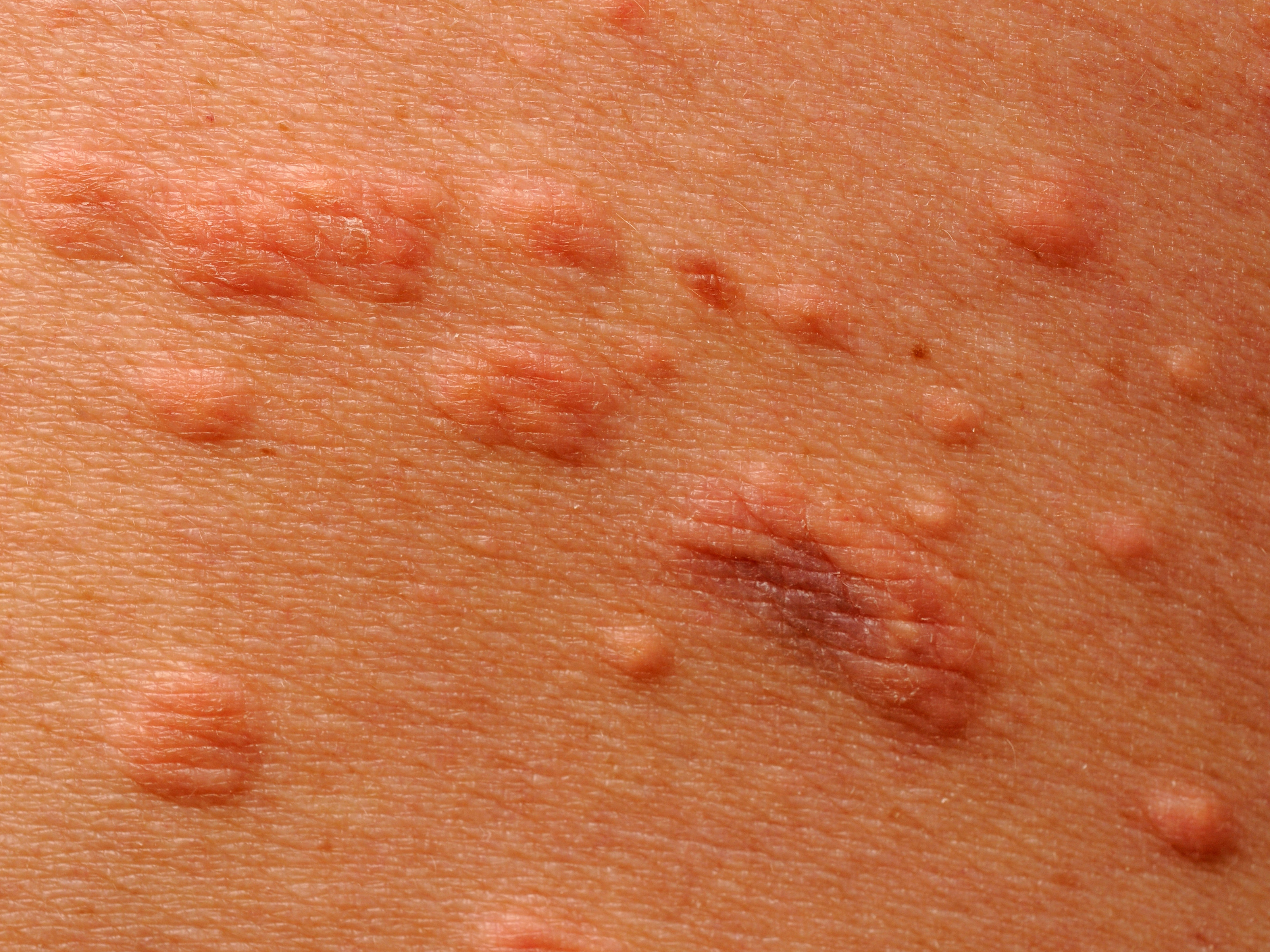
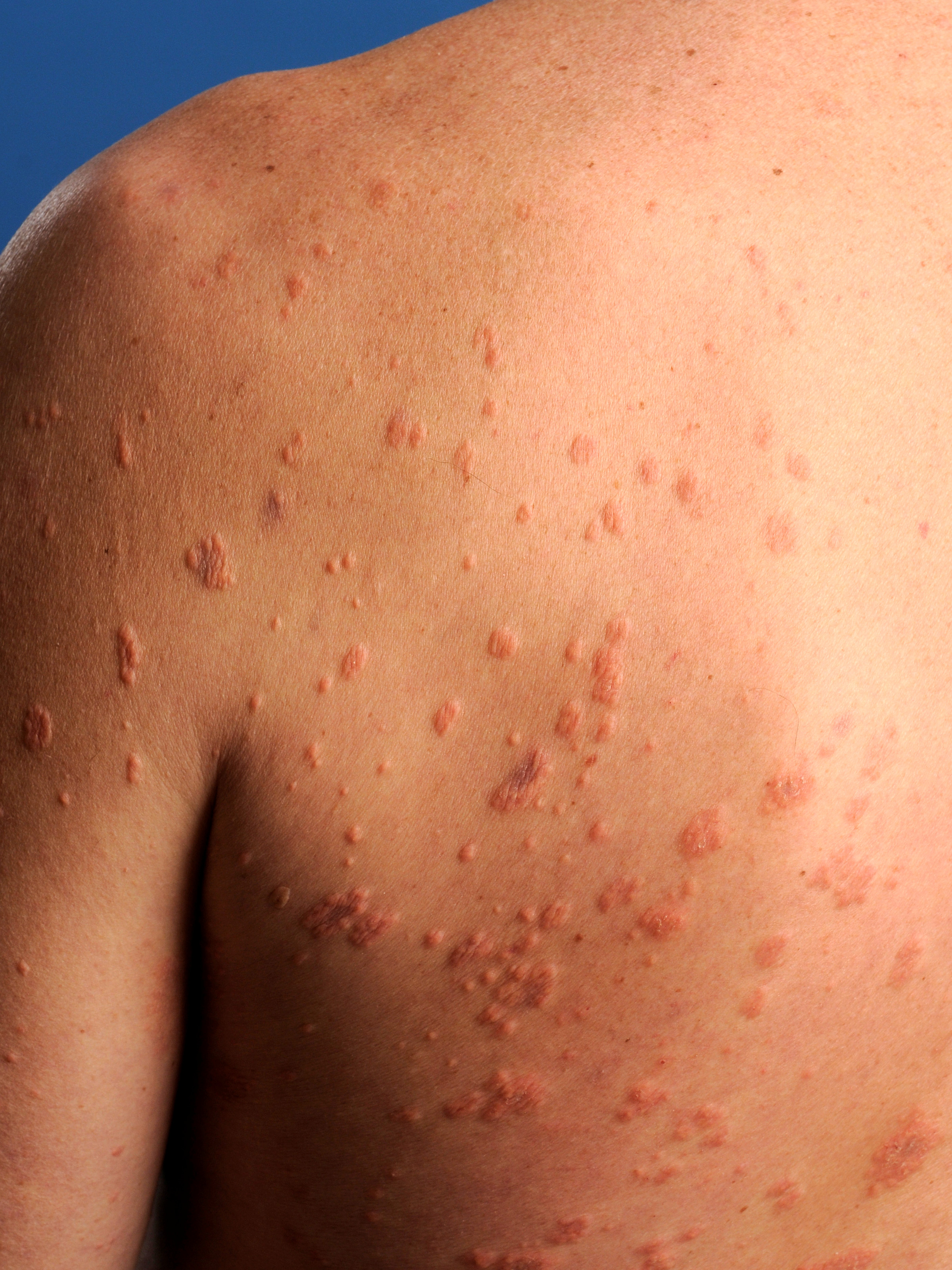
Xanthoma eruptiva (eruptive xanthomas)
Eruptive xanthomas are eruptions of small, yellow or orange-yellow, itchy bumps. They mainly occur in hypertriglyceridemia. They may also disappear within a few weeks when the triglyceride level decreases. Preferred locations are the buttocks, shoulders, and the extensor surfaces of the extremities. Also occurs in diabetes.
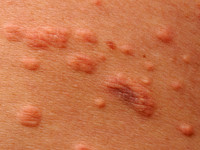 |
| xanthoma eruptiva |
Disseminated xanthoma (normolipaemicum)
Disseminated xanthoma are yellow or yellow-red papules that can occur all over the body, but mainly in the folds. The oropharynx is also affected. It is a benign condition that usually resolves on its own. There are no lipid metabolism disorders.
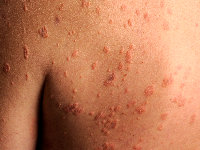 |
| xanthoma disseminatum |
WHAT CAUSES XANTHOMAS?The presence of xanthomas can be a sign of lipid metabolism disorders such as high cholesterol (hypercholesterolemia) or high levels of other fats (hyperlipidemia/hyperlipoproteinemia). There are several causes of high cholesterol. It can be related to your diet, but there are also inherited lipid metabolism disorders in which cholesterol is too high (familial hypercholesterolemia). It also occurs with obesity, diabetes, pregnancy, liver disease, and other illnesses.
If you have xanthomas, blood tests should be performed to determine the cause. This is usually done by an internist. If familial hypercholesterolemia is found, other family members should also be checked. High cholesterol is a risk factor for cardiovascular disease and must be treated.HOW IS THE DIAGNOSIS MADE?The diagnosis is based on the clinical picture (the appearance). Sometimes a skin biopsy is also taken (not for xanthelasmas, but is for other xanthomas). In addition, the blood is tested for elevated cholesterol and elevated triglycerides (other fats). For the blood test, you must have fasted for 12 hours. Therefore, the blood is often drawn in the morning. You should not eat breakfast before the blood test is taken.TREATMENT OF OTHER XANTHOMASSome xanthomas that are very bothersome, such as large protruding tuberous xanthomas or tendon xanthomas, can be surgically removed. Furthermore, it is necessary to find out what exactly is elevated in the blood and the cause (is there perhaps a case of familial hypercholesterolemia / hyperlipidemia?).
High cholesterol levels can be lowered with cholesterol-lowering drugs (simvastatin, pravastatin, ezetimibe, ciprofibrate), sometimes in combination with dietary measures. |