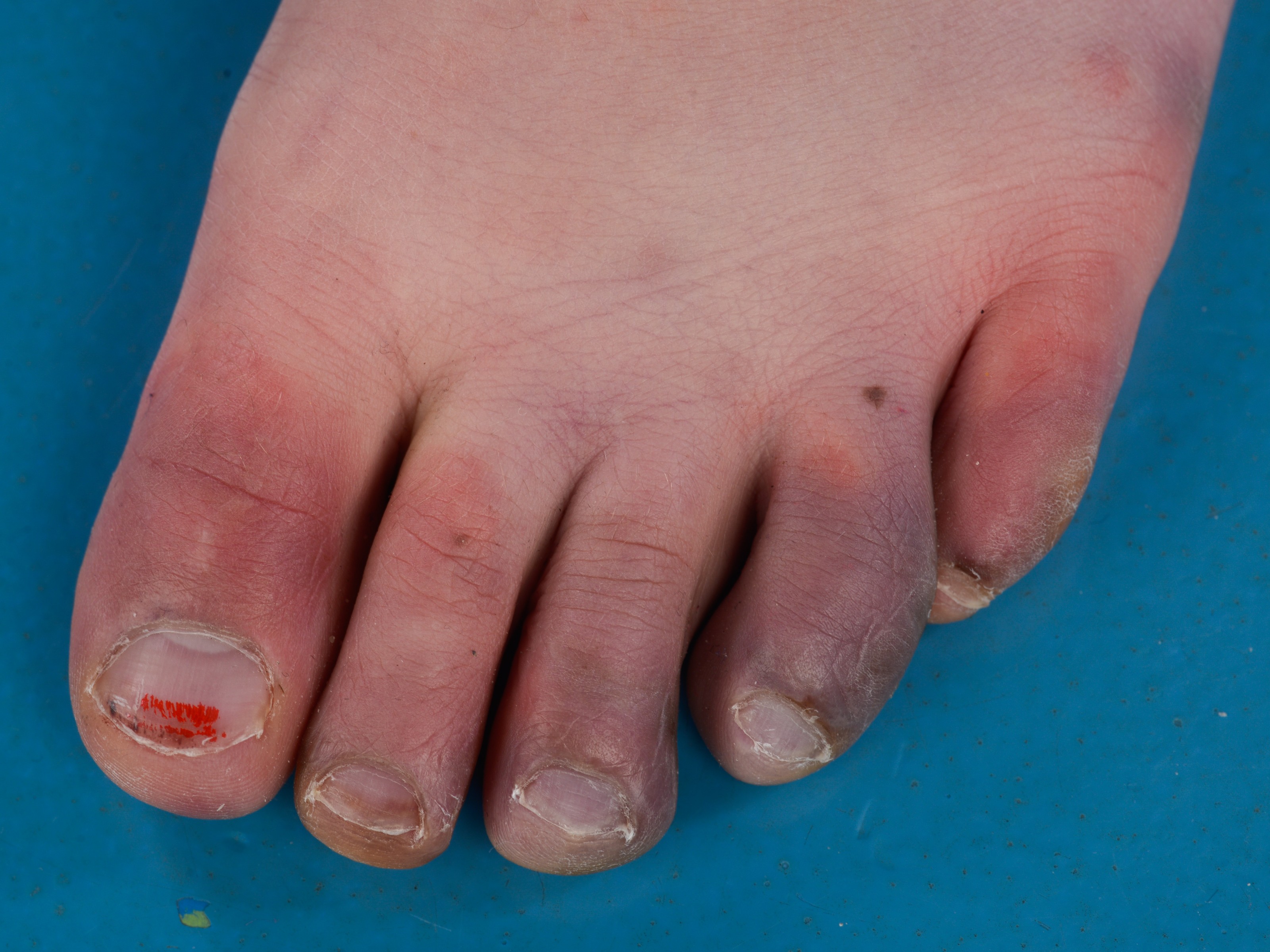
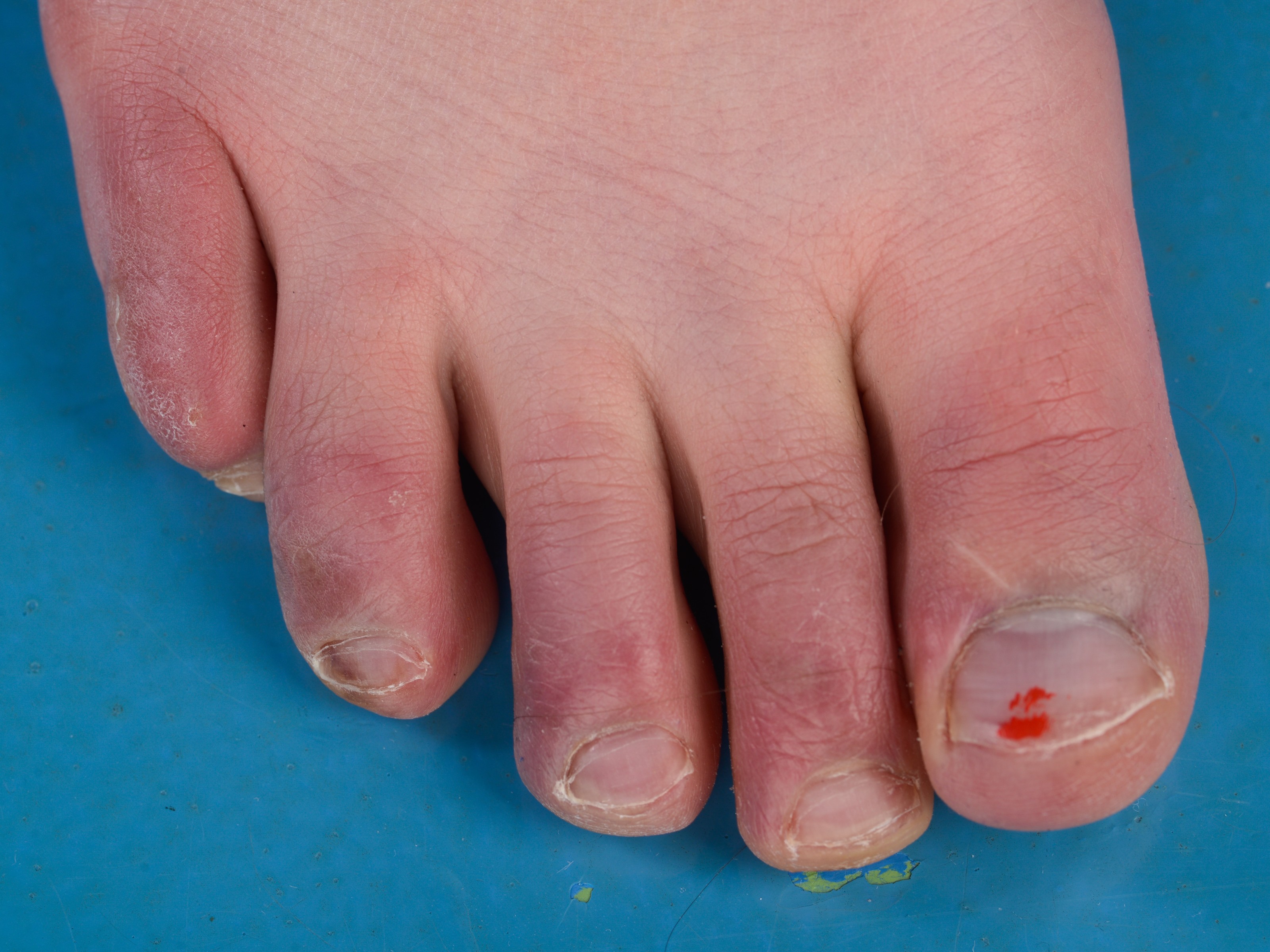
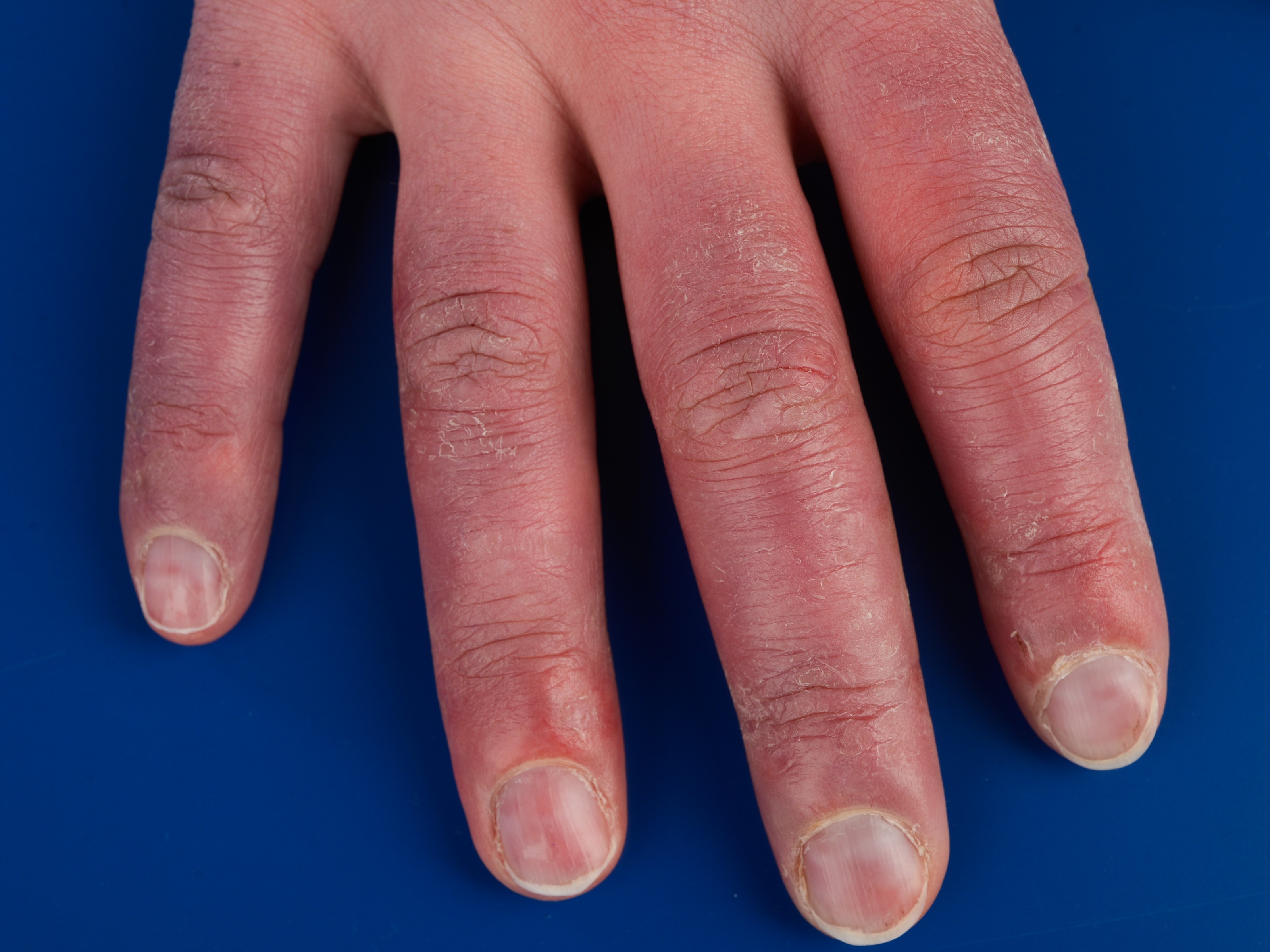
Chilblains (chilblains, chilblains) are caused by an abnormal reaction of the small blood vessels in the skin when exposed to cold.
The normal reaction to exposure to a cold environment is that the superficial small blood vessels become less permeable (vasoconstriction), so less blood flows to the skin. This maintains the body's core temperature, while the skin temperature decreases. If the skin temperature drops too low, a protective mechanism kicks in: the blood vessels dilate (vasodilation), and the skin warms up quickly, becoming red and warm, and glowing.
With chilblains, the blood vessels react differently. In the larger vessels (arterioles) in the deeper layers of the skin, a prolonged, persistent vasoconstriction (closing of the blood vessels) occurs after exposure to cold, which is not automatically followed by vasodilation (widening of the blood vessels). The small capillaries in the superficial layers of the skin do dilate to their maximum capacity, in an attempt to compensate for the deep blockage. This results in red, glowing, often itchy, or burning patches on areas exposed to the cold, especially the fingers, hands, toes, feet, heels, and lower legs. It can also occur on the thighs, tips of the nose, and the edges of the ears. Occasionally, blisters or sores may develop in the affected areas. The patches usually resolve on their own within a week, or a maximum of three weeks.
 |
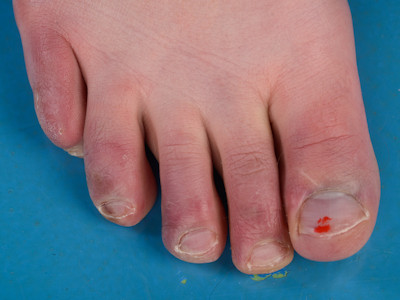 |
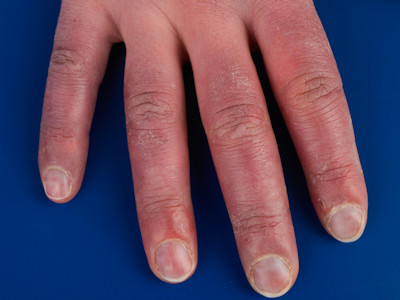 |
| pernions |
pernions |
pernions |
The cause of this abnormal reaction pattern is unknown. A hereditary predisposition plays a role, as it runs in families. It is also seen more frequently in people with poor nutrition, such as those with anorexia nervosa.
Treatment is difficult; it is best to avoid exposure to the cold. Wear thick socks and warm, roomy, well-insulated shoes, gloves, and other protective clothing. Ensure socks and shoes stay dry. Do not wear shoes that are too tight or constricting. Also, ensure a warm environment at home. Avoid extreme cold, and in particular, prevent temperature fluctuations.
Some patients benefit from attempts to improve local blood flow with alternating baths (briefly immersing the feet in cold water for a maximum of 2-3 minutes, followed by warm water) and/or massage, performed before the winter season begins. Whether this is truly effective has not been systematically investigated, and cold baths are not without risk for patients prone to chilblains.
Medicinal treatment: the affected areas can be treated with topical agents that improve skin circulation. This can be tried safely. Examples include capsicum cream 0.075% FNA, which is available by prescription, or Midalgan Forte, available over the counter at drugstores or pharmacies. These medications are not covered by insurance.
In addition, there are several medications that dilate the superficial blood vessels. However, these medications are not without side effects and are therefore prescribed with caution. |