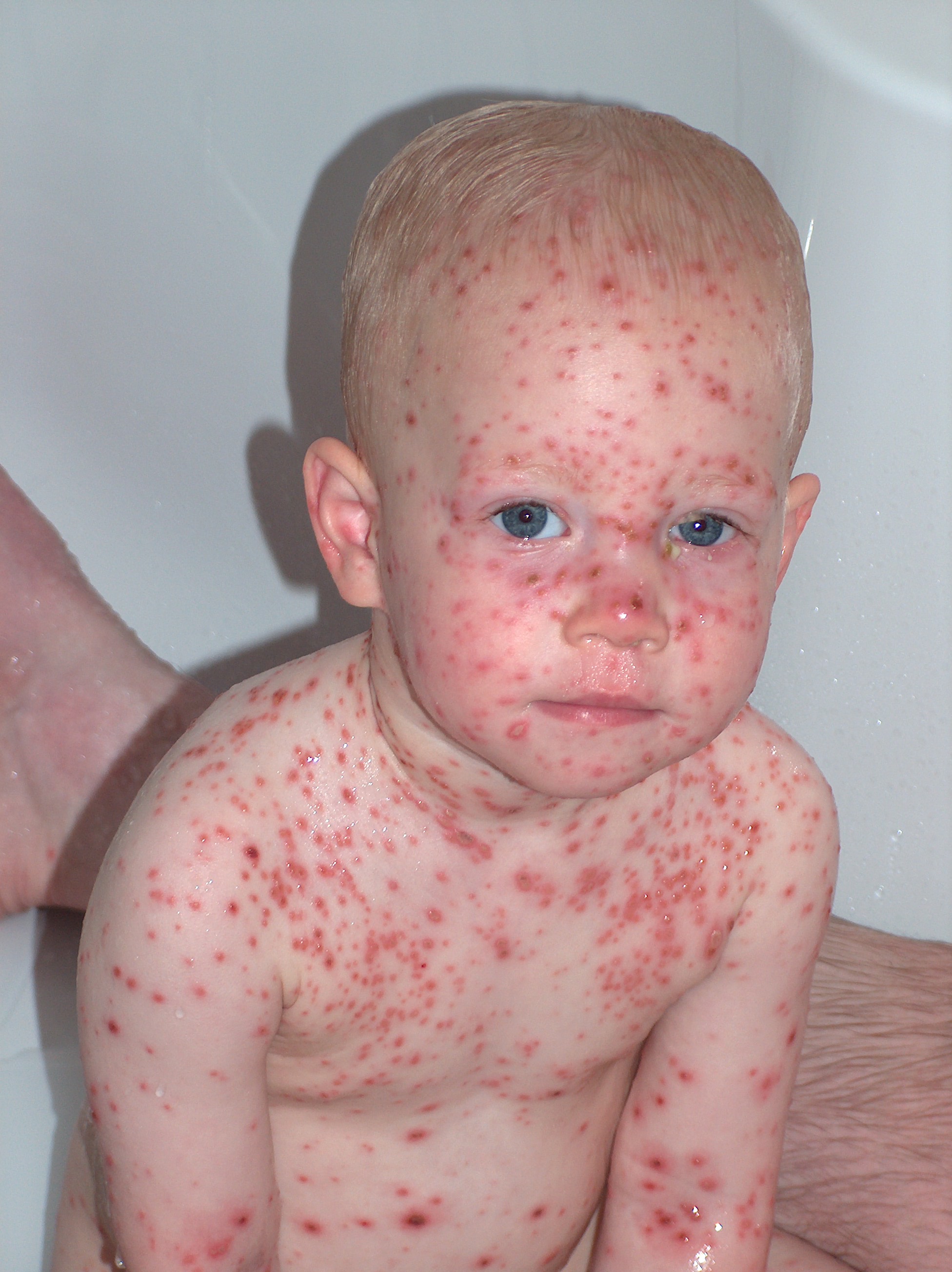
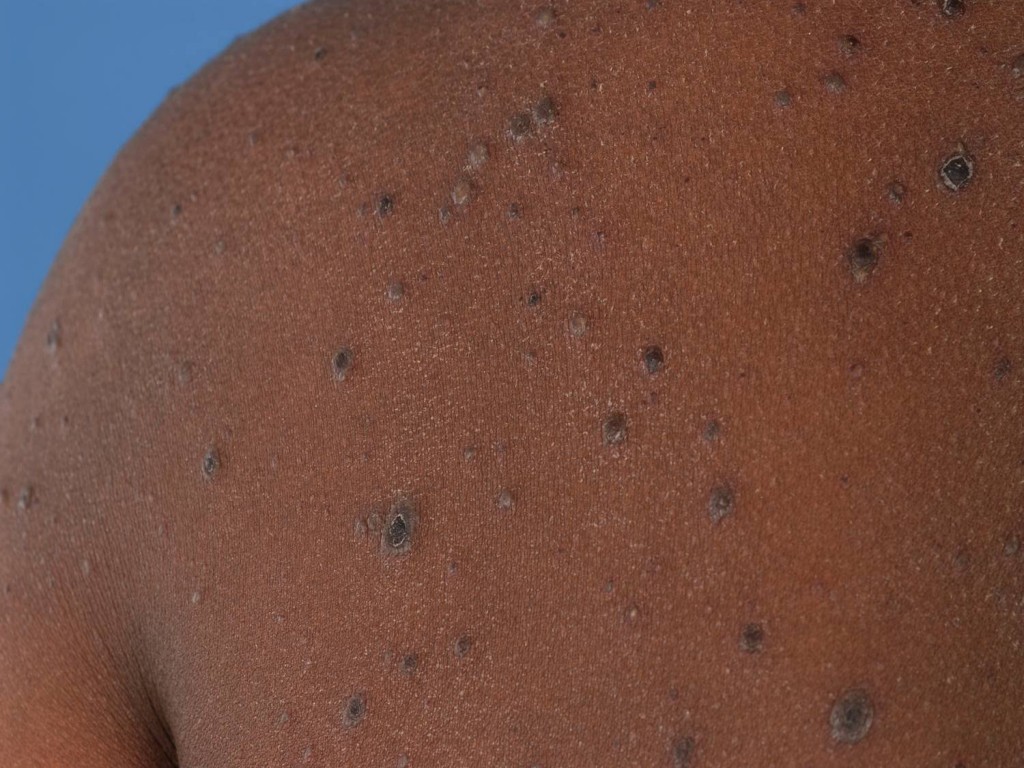
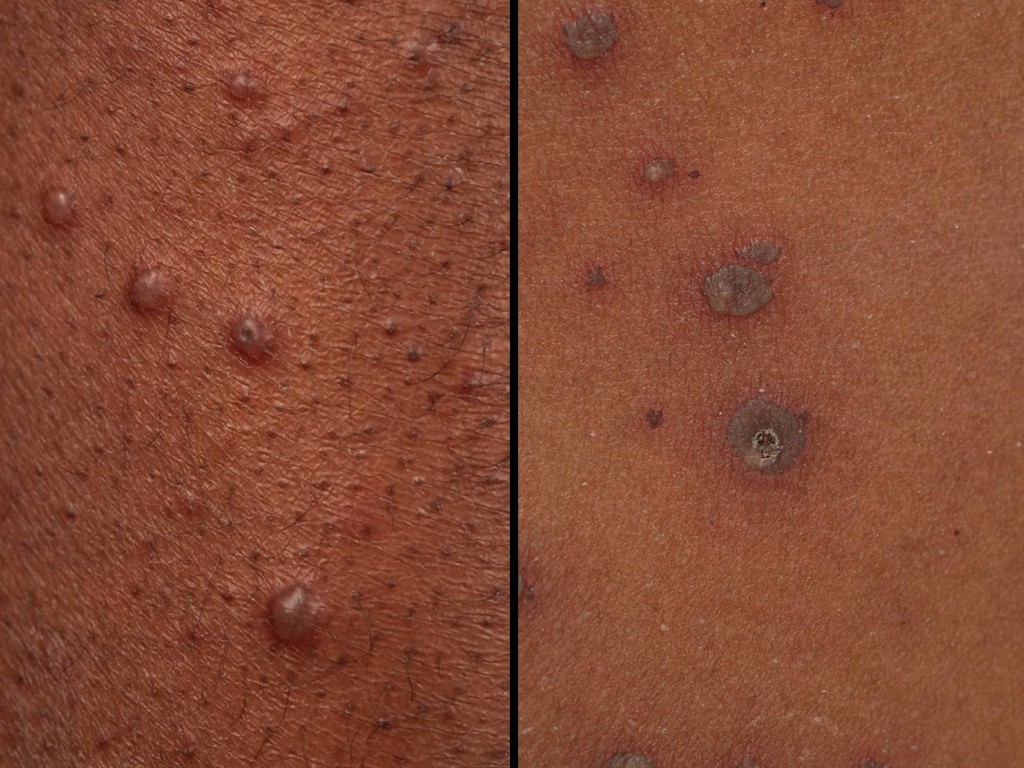
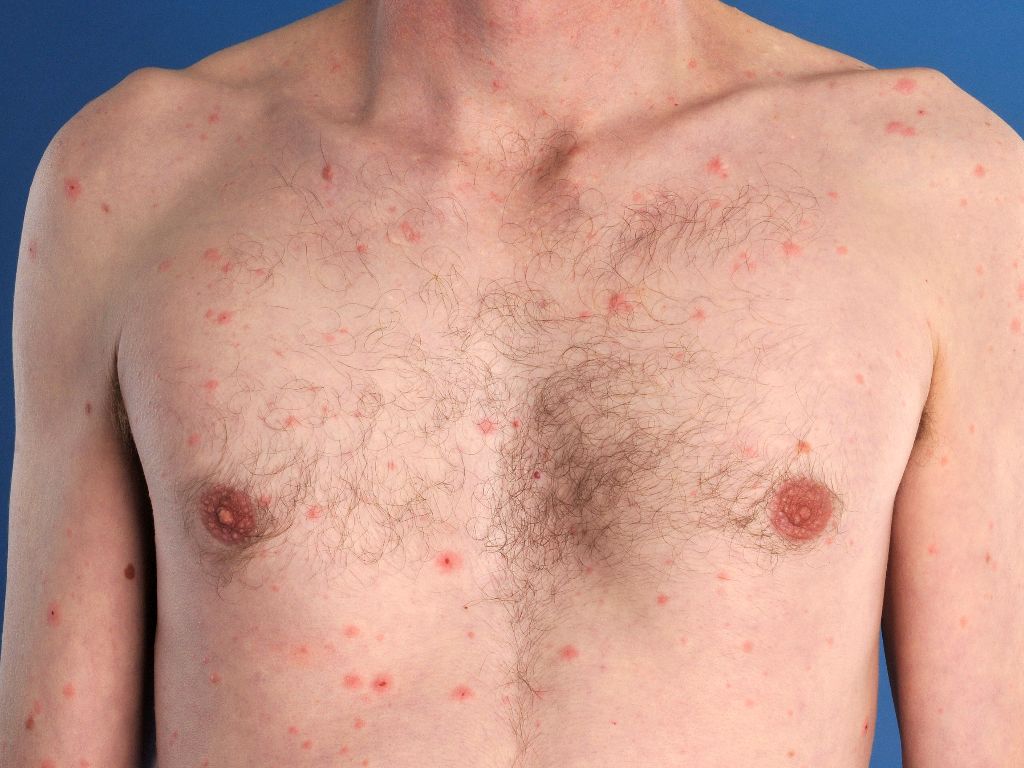
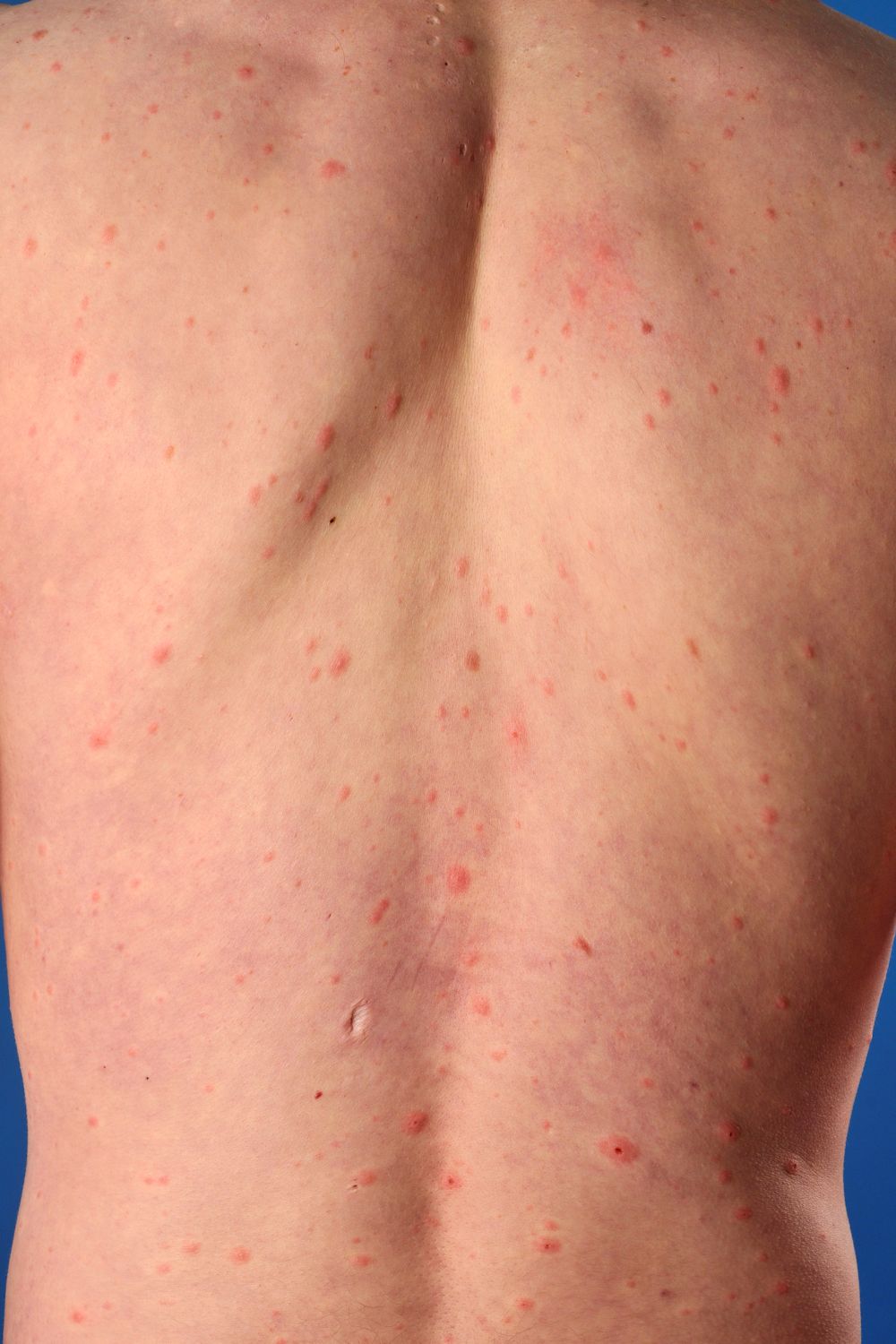
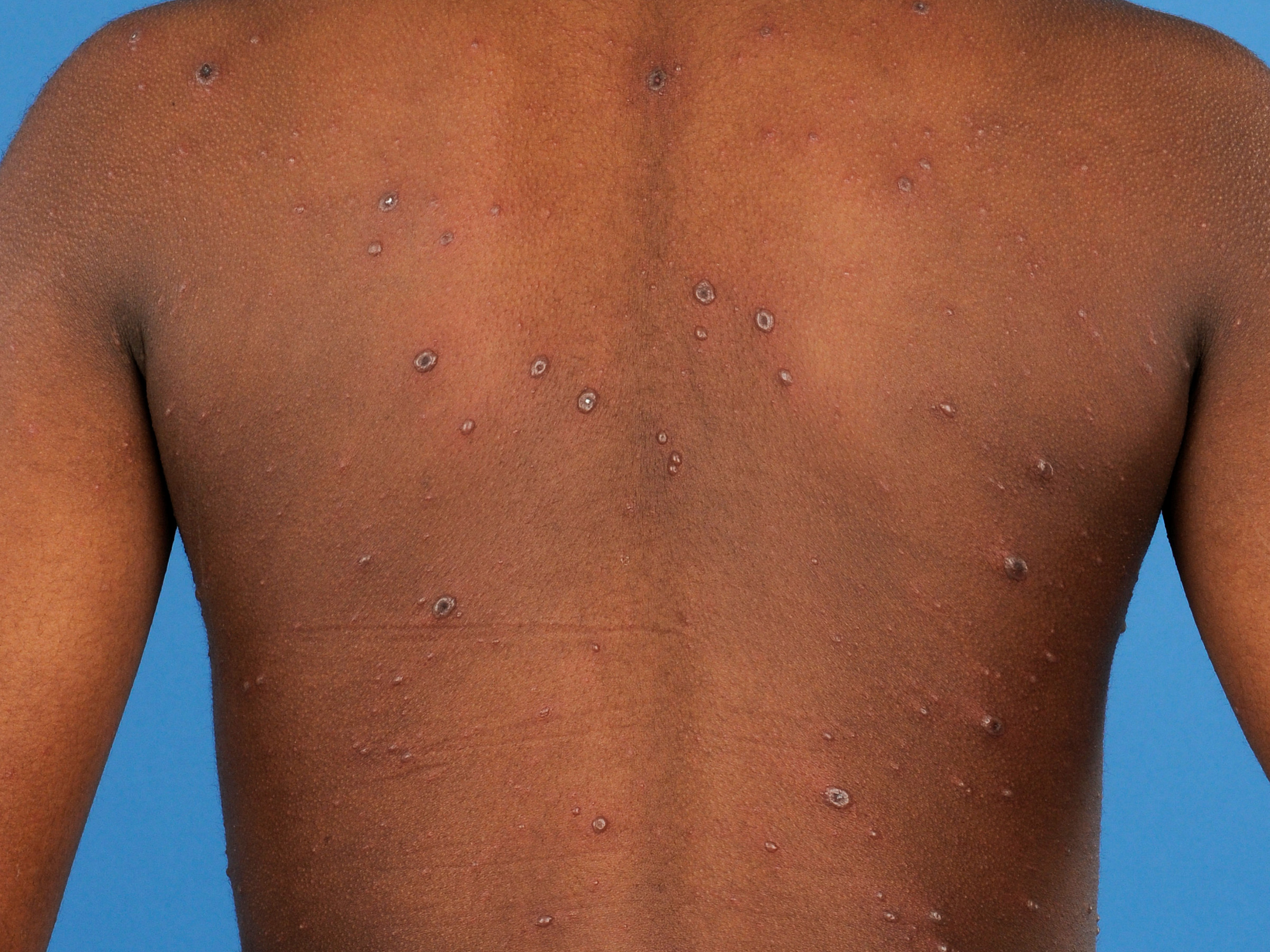
WHAT IS CHICKENPOX?Chickenpox is an infectious disease caused by a virus. It is one of the classic childhood illnesses. Almost everyone gets chickenpox as a child, usually in winter or early spring. First, the child gets a cold. Then, spots and blisters appear all over the body, often also in the mouth, in the hair, and on the eyelids. The rash is itchy and may be accompanied by a mild fever. The blisters dry up into crusts. The crusts disappear after ten days.
The virus that causes chickenpox (medical name: varicella) is called the varicella zoster virus. This same virus can also cause shingles (herpes zoster) later in life. The varicella zoster virus belongs to the herpes viruses and is related to the herpes simplex virus, which can cause cold sores.HOW CAN YOU GET CHICKENPOX?The chickenpox virus is transmitted through airborne droplets during coughing and talking. Contact with the fluid from the blisters can also transmit the virus. It then takes two to three weeks for the spots to appear. The disease is highly contagious, lasting from the day before the spots appear until the blisters have dried up. This takes about ten days. In temperate climates, almost all people (over 95%) have contracted the disease before their twelfth birthday. In the (sub)tropics, this figure is only fifty percent. In the Netherlands and Belgium, chickenpox primarily affects children between the ages of two and eight.WHAT ARE THE PHENOMENA?Before the spots appear, there is usually a mild fever and some cold-like symptoms. After a few days, small red spots appear, which after about a day turn into small, fluid-filled blisters on a red background, anywhere on the body, often starting first on the neck. The blisters on the scalp are characteristic. The number can vary from fewer than ten to hundreds. After a few days, the blisters dry up and form scabs. These scabs disappear on their own, but sometimes leave a small scar. After about a week, most blisters have disappeared; what remains is a single, shallow pimple, especially where a bump has become infected by bacteria, for example, as a result of scratching. Another common symptom is itching. A sore throat can also develop, and sometimes a mild fever. Incidentally, children are usually not seriously ill.
IS CHICKENPOX DANGEROUS?The disease is only dangerous for people with a weakened immune system, for example, because they are taking medication to prevent kidney transplant rejection. Transmission usually occurs through the respiratory tract. Children who contract chickenpox as infants (up to 1 year old) sometimes have a mild form because they still carry antibodies from their mother. However, this weakens their own defenses against the disease and they can then contract it again later, again generally not severely.SHOULD YOU STAY AWAY FROM SOMEONE WITH CHICKENPOX?There's no need to keep children away from a person with chickenpox. It's almost certain they will contract the disease at some point, and it's better to contract it as a child than as an adult, because adults are usually much more susceptible to it (much sicker). Furthermore, it's difficult to prevent infection. Chickenpox is highly contagious, and patients are contagious several days before the blisters appear.
Pregnant women who didn't have chickenpox as children are particularly at risk. The child then runs the risk of being born with chickenpox, which poses a significant risk to the baby. The maternity ward of a hospital is therefore a place where children with chickenpox definitely do not belong. Pediatric wards in hospitals also prefer to keep children with active chickenpox away to try to prevent the infection of children who already have another illness. Furthermore, people with weakened immune systems (HIV, chemotherapy) are better off staying away from people with chickenpox, even if they had the disease as children.CAN YOU GET VACCINATED AGAINST CHICKENPOX?Vaccination is possible, but not routinely administered in the Netherlands and Belgium. It is done in other countries, primarily to limit the consequences of shingles later in life.ADVICEKeep their nails clean and short, and make sure your child doesn't scratch. Scratching worsens the itching and can lead to infections and scarring. Your child can take a bath or shower. For painful blisters in the mouth, a popsicle or cold drink can temporarily relieve the pain. Your child may be a little lethargic, but is usually not seriously ill. If your child is feeling well, they can go to school or daycare. Children often infect each other before the illness is visible. Other parents or staff may sometimes object.TREATMENTUsually, no treatment is necessary; it's simply a matter of letting it run its course. You can apply a cooling liquid (lotio alba) to the spots. This reduces the itching and helps the blisters dry up faster. You can buy lotion alba at your drugstore or pharmacy. Menthol talcum powder or menthol gel can also be applied to the chickenpox. If the blisters are infected with a bacterial infection, a disinfectant or antibiotic cream can be applied.
If severe symptoms and/or a high fever develop, the body's immune system may be underactive or a complication may have occurred: it is important to consult your doctor promptly. In severe cases, antiviral medications are sometimes used.WHAT ARE THE OUTLOOK?Your child will usually recover within ten days. After that, they will be protected against the disease. Their body will have developed antibodies against the virus. Getting chickenpox a second time is very rare. The virus can remain in the body and cause a localized rash years later. This is called shingles.
Make a note of your child's chickenpox history and keep this information safe: it can be important for your child to know for sure later on whether they actually had the infection. |