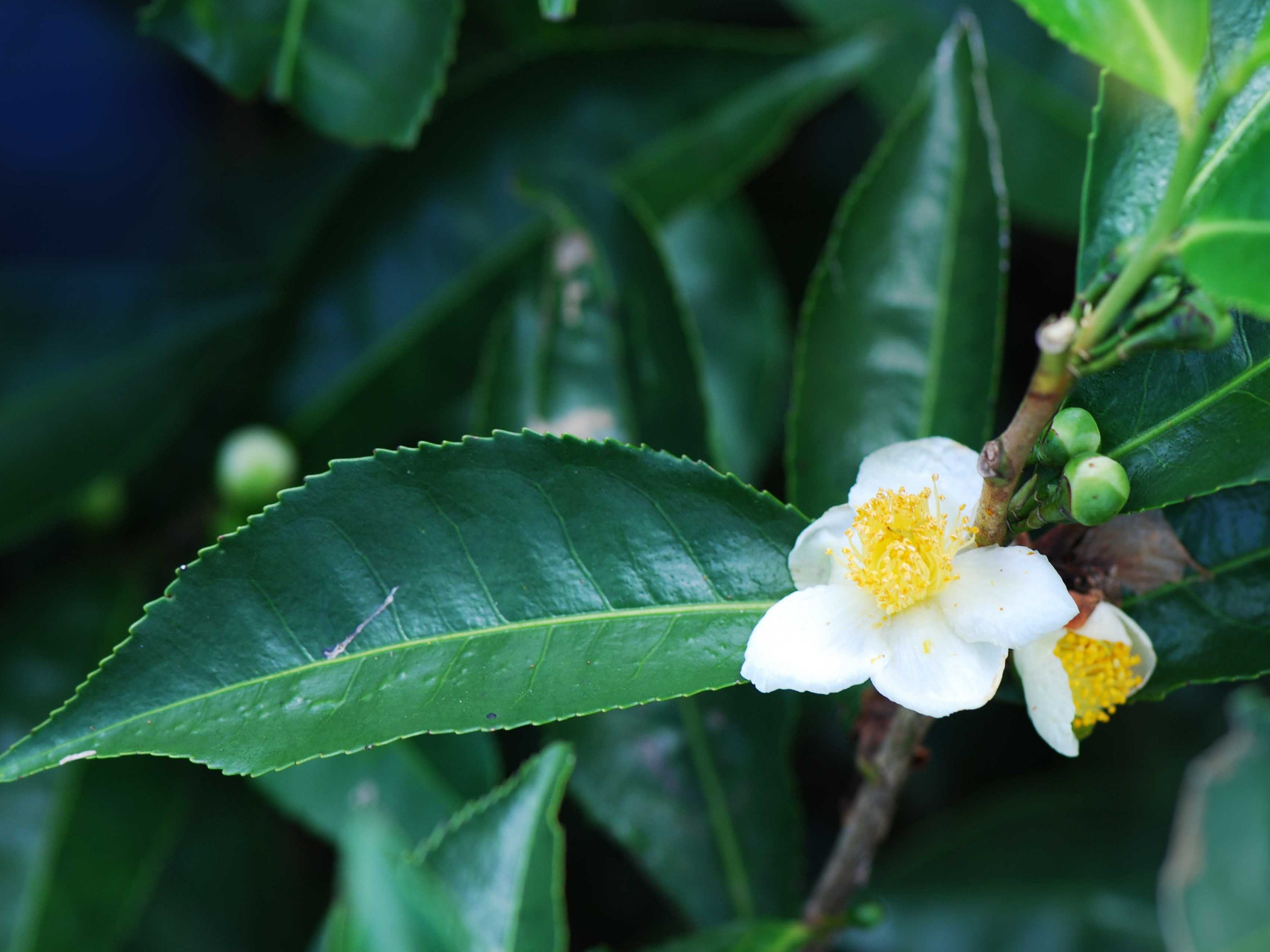
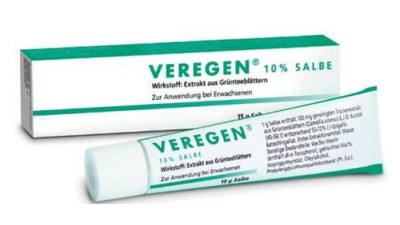
Veregen ointment 10%Veregen ointment is an ointment for the treatment of genital warts (condyloma acuminata). The active ingredient in Veregen is a herbal extract made from green tea leaves ( Camellia sinensis ). The ointment, containing 10% of this herbal extract, has been shown to be effective against genital warts. The product is registered as a valid medication for this condition in the Netherlands. The precise mechanism of action of green tea extract is unknown. It may have a local irritant effect that stimulates the immune system, causing the immune system cells to clear the warts. Veregen 10% is a smooth, brown ointment, free of grainy particles, available in a tube in two sizes: 15 g and 30 g.
 |
 |
| Veregen ointment |
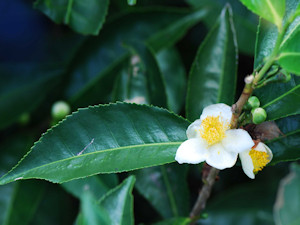
Camellia sinensis |
Green tea plant photo: Pancrat - Wikimedia (Creative Commons License 1.0 - Public Domain Image)
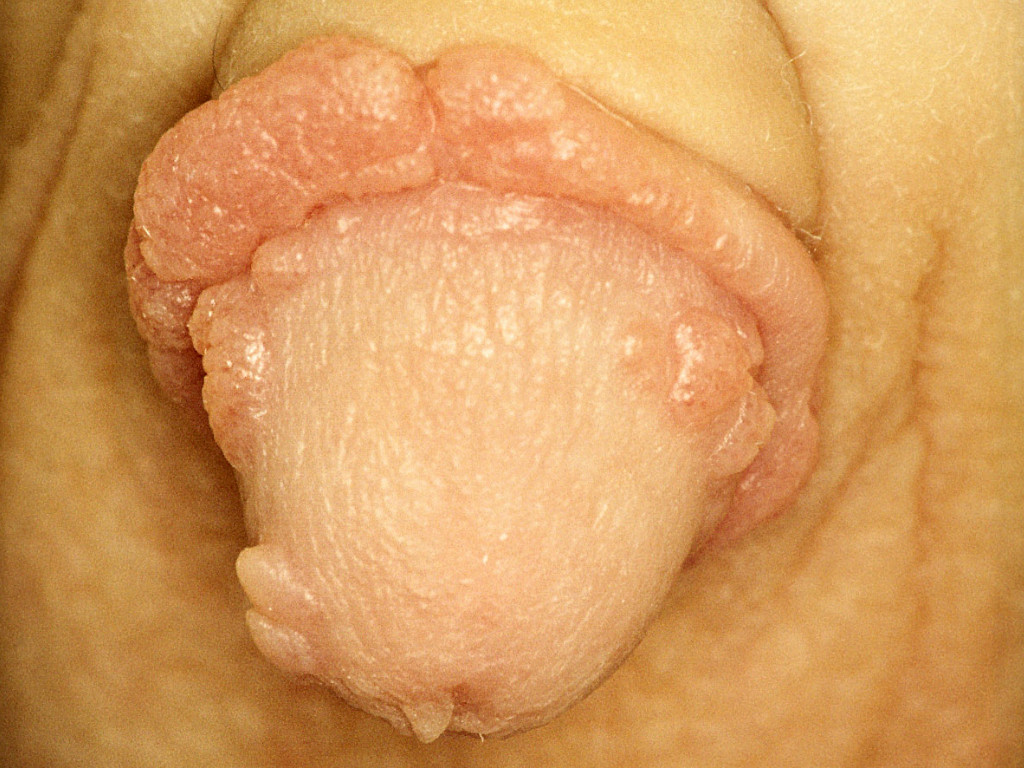
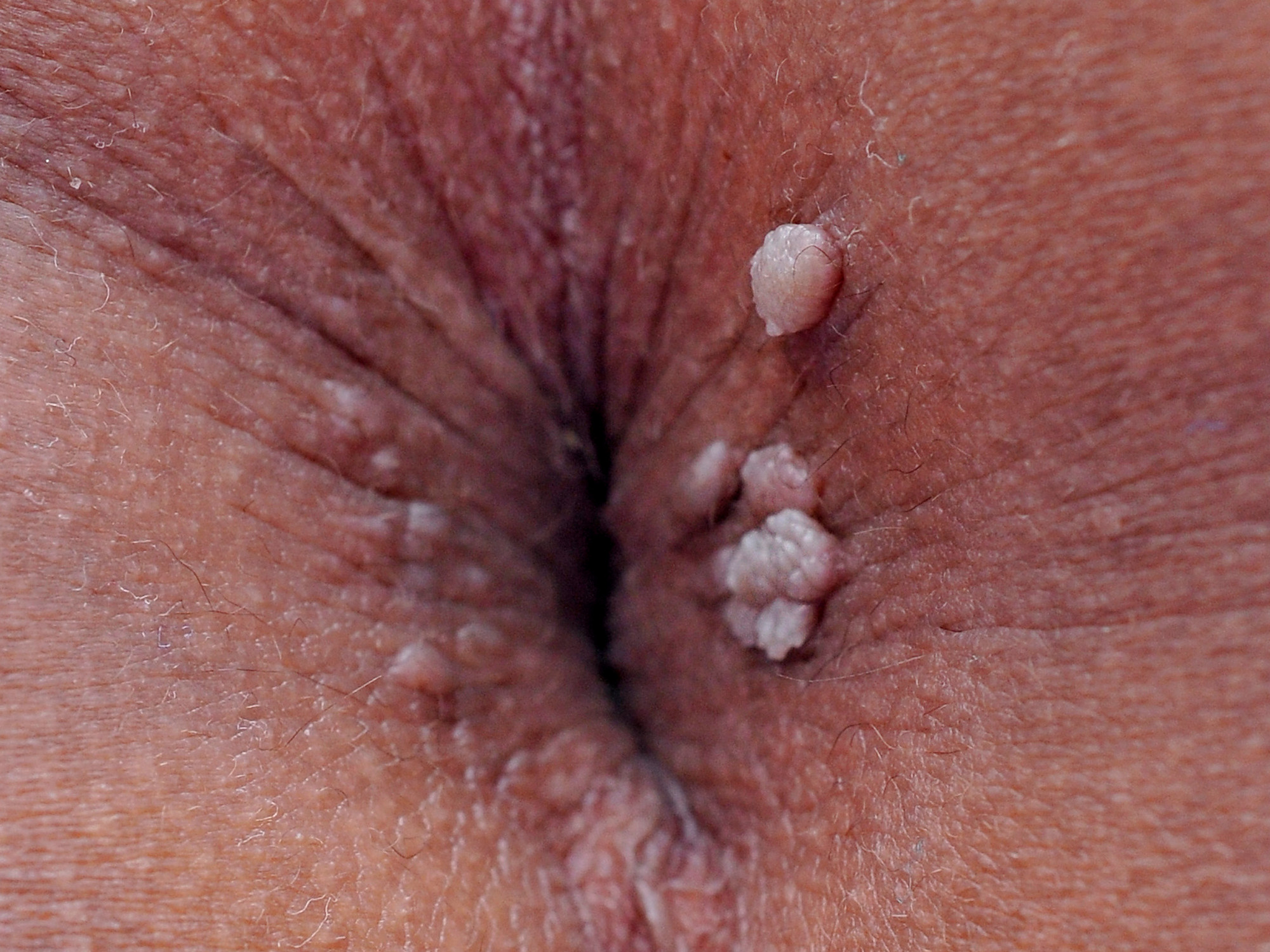
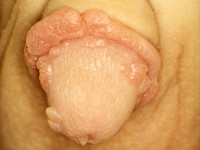
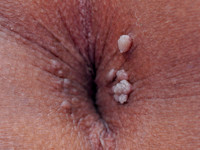
Genital wartsGenital warts (condyloma acuminata) are very bothersome and can be difficult to treat. They are transmitted through sexual contact. They occur on the genitals, the penis, or in and around the vagina and anus. These genital warts can disappear on their own, but this can take a very long time, sometimes years. In HIV patients, they can be chronically present, often in the anal mucosa.
 |
 |
| condyloma acuminata |
condyloma acuminata |
Genital warts are contagious: if warts are present, you must use a condom during intercourse, otherwise your partner will also become infected. Most patients want to get rid of their condylomas as quickly as possible and not wait two years for them to heal spontaneously. This can be done in several ways. There are self-applied solutions available, such as Wartec (podophyllotoxin) and Aldara (imiquimod). A doctor can freeze the warts with liquid nitrogen, apply them with trichloroacetic acid, or cauterize them electrically. And now there's also the option of self-applied green tea extract.Treatment with Veregen 10% green tea extract ointmentThe ointment should be applied to the warts three times a day. Veregen should not be applied to mucous membranes, only to the skin (otherwise it will irritate too much). This means, for example, that it should not be used on warts located inside the vagina, but it should be used on the external surfaces of the labia. It should also not be used inside the anus, but it should be used around the anus. It is likely not effective in HIV patients and other patients with weakened immune systems.Apply veregen
| - |
Wash your hands before and after applying the ointment. |
| - |
Apply a small amount of ointment (maximum 0.5 cm of ointment for all warts together) to the warts, ensuring that a thin layer remains on the wart. |
| - |
Do not cover the treated skin with gauze or a bandage. Covering increases the risk of side effects. |
| - |
You don’t need to wash your skin every time before applying a new layer. |
| - |
Reapply the ointment after washing or showering the treated skin. |
| - |
Try applying the ointment three times a day, spread out over the day: morning, afternoon, and evening. |
| - |
Use the ointment until the warts have disappeared, but not for longer than 16 weeks in a row. |
If the warts reappear or have not disappeared after 16 weeks, consult your doctor.Warnings and precautions:
| - |
The ointment can damage a condom or diaphragm. First, remove the ointment with warm water and mild soap, then put on a condom. |
| - |
For women who use tampons during menstruation: insert the tampon before applying the ointment. If you want to change the tampon while the ointment is still on the skin, make sure the ointment cannot enter the vagina. If this does happen, wash the vagina immediately with warm water and mild soap. |
| - |
Do not use if you are allergic to any of the components. The active substance in this product is an extract of green tea leaves. 1 g of the ointment contains 100 mg of extract (as dry extract), refined, from Camellia sinensis (L.) O. Kuntze leaf (green tea leaf) (45-56:1), corresponding to: 55-72 mg of (-)-epigallocatechin gallate. First extraction solvent: Water. The other ingredients are: white soft paraffin (contains dl-α-tocopherol), white beeswax, isopropyl myristate, oleyl alcohol, propylene glycol monopalmitostearate. |
| - |
You should not use Veregen 10% if you have reduced liver function or a weakened immune system (due to illness or other medications you are taking). Contact your doctor if you have any liver or immune problems. |
| - |
Do not use Veregen 10% until the area to be treated has completely healed after previous surgical or medicinal treatment. |
| - |
Avoid contact with eyes, nostrils, lips, and mouth. If the ointment accidentally gets on or in these areas, wipe it away and/or rinse with water. |
| - |
Do not apply to an open wound or broken or inflamed skin. |
| - |
Female patients with genital warts around the labia should apply the ointment very carefully as serious local side effects may occur more frequently when treating this area. |
| - |
Uncircumcised men treating warts under the foreskin should retract the foreskin and clean the area thoroughly daily to prevent phimosis (narrowing of the foreskin). If the first signs of obstruction appear (e.g., open sores, hardening of the skin, or increasing difficulty retracting the foreskin), you should stop treatment and contact your doctor. |
| - |
Veregen 10% does not kill the human papillomavirus (HPV) or prevent transmission of the disease (infection), so you should take extra precautions before having sexual contact. |
| - |
If your sexual partner is infected with genital warts, it's advisable for them to also be treated. This can prevent you from becoming infected again. Ask your doctor for advice. |
| - |
Do not expose the area to be treated to sunlight and do not use sunbeds or tanning beds. |
| - |
Veregen 10% leaves stains on clothing and bedding. |
| - |
Mild local skin reactions such as redness, itching, irritation (especially a burning sensation), pain, and swelling at the application site are common and are not a reason to stop treatment. These reactions should subside after the first few weeks of treatment. |
Side effects:Like all medicines, this medicine can cause side effects, although not everyone experiences them. Most side effects of Veregen 10% are due to its local effect on the skin and occur on or around the wart area being treated. Many patients experience redness, itching, irritation, pain, and swelling in the first few weeks of treatment. Mild reactions are expected and should subside after the first few weeks of treatment. However, if the intensity of the local skin reactions interferes with your daily activities or if blisters appear, contact your doctor. In such cases, treatment may need to be interrupted. Once the skin reaction has subsided, treatment can be continued. If skin reactions with blisters occur in the treatment area, contact your doctor. If you experience severe local side effects that cause unacceptable discomfort, such as local inflammation/infection, open sores, swelling of the lymph nodes, or other serious side effects (e.g., narrowing of the foreskin or urethra, difficulty urinating, or severe pain), you should stop treatment, remove the ointment with warm water and mild soap, and contact your doctor immediately. The following frequency percentages were used to assess side effects:Very often:
| - |
Local skin reactions in the wart area where you applied Veregen 10%, such as: redness, itching, irritation/burning, pain, swelling, open sores, hardening of the skin and blisters. |
Often:
| - |
Local skin reactions such as flaking, discharge, bleeding, swelling |
| - |
Swelling of the lymph nodes in the groin |
| - |
Narrowing of the foreskin of the penis |
Sometimes:
| - |
Local scar tissue, cracks, dry skin, discomfort, loss of epidermis, increased or decreased sensitivity, lumps, bumps, skin inflammation and skin discoloration at the application site, local skin necrosis, eczema. |
| - |
Pustules at the application site, infections at the application site, genital herpes infection (inflammation of the skin with blisters), staphylococcal infection, yeast infection of the vagina, inflammation of the urethra, labia and vagina. |
| - |
Pain when urinating (urination), needing to urinate more often or feeling the urge to urinate more often. |
| - |
Inflammation of the foreskin and glans, pain during intercourse. |
| - |
Rash, hypersensitivity. |
| - |
Narrowing of the urethra and/or difficulty urinating, vaginal discharge. |
Are you experiencing any of the side effects? Or do you notice a side effect not listed in this leaflet? Contact your doctor or pharmacist.PregnancyIt is best NOT to use this medication if you are pregnant or planning to become pregnant soon. Few pregnant women have used this medication. Therefore, the risks for pregnant women and their babies are unknown.BreastfeedingIt is unknown whether this medication passes into breast milk or whether it is harmful to the baby. Your doctor may be able to prescribe a different medication (temporarily) that is known to be safe to use. |