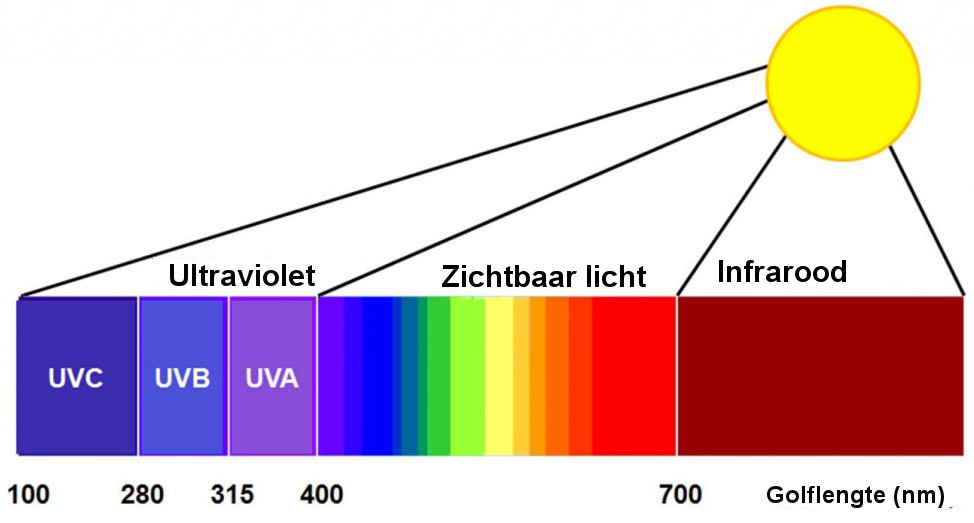
WHAT IS UVB PHOTOTHERAPY?UVB (ultraviolet B) light is a component of natural sunlight. The sun emits various types of light and heat, including white light (visible light, daylight), heat (infrared rays), UVA light, which gives you a tan, and UVB light, which can cause sunburn if you stay exposed to it for too long without sunscreen.
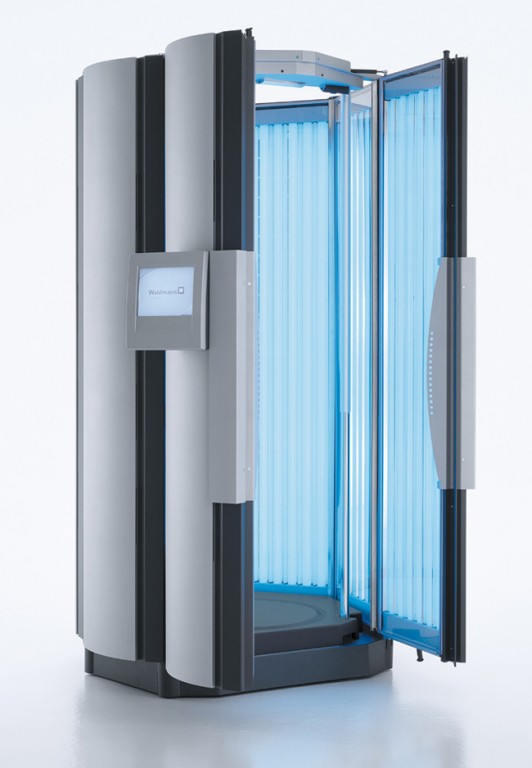
Sunlight, especially the UVB and UVA components, appears to have a healing effect on numerous skin diseases. Therefore, most hospitals have various types of light booths in their dermatology departments. The most common are light booths that emit narrow-spectrum UVB . These booths contain UVB lamps that primarily emit the healing component of UVB, while the component that can cause sunburn is filtered out. These are very different from those used in tanning salons for tanning, which primarily contain UVA lamps. UVA light is also used to treat skin diseases, but this only works if the lamps produce a very high amount of UVA ( high-dose UVA-1 booths) or if UVA light therapy is combined with medication (psoralens) that makes the skin extra sensitive to UVA light. This combination of Psoralen pills and UVA is called PUVA therapy .HOW IS LIGHT THERAPY GIVEN?During UVB therapy, you stand in a light booth. A schedule is determined based on your skin type (light or dark, blond or brunette, easily sunburned or not). Initially, you'll be in the booth for a very short time. With each subsequent visit, the exposure time is gradually increased to prevent sunburn. The skin is exposed to the light 2-3 times a week. The duration of the UVB treatment varies from person to person but can last 2-3 months. Goggles must be worn during the light treatment to protect your eyes.
Light therapy with UVB light
Nowadays, it's also possible to receive light therapy at home. Your dermatologist will then contract a company that will deliver a unit to your home and explain how it works. The units aren't as large or powerful as those used in hospitals, meaning you'll need to spend more time in them. It's only possible if you have the space, are proficient in operating the device, and your health insurance covers it for your skin condition. Coverage is usually available for vitiligo, but sometimes not for other skin conditions. The advantages of home therapy are the absence of travel, privacy, and flexibility. The disadvantages are a longer exposure time, the risk of sunburn if not performed correctly, and the lack of supervision and guidance. If you have light therapy performed in the hospital, you can always consult a dermatologist to adjust the treatment if it doesn't work.FOR WHICH SKIN CONDITIONS CAN UVB LIGHT THERAPY BE USED?UVB light therapy is used for the following skin diseases, among others:
- psoriasis
- eczema
- lichen planus
- vitiligo
- pityriasis lichenoides
- parapsoriasis
- itching
- light allergy (habituation)WHAT ARE THE SIDE EFFECTS?During light therapy, there is a risk of sunburn. Ideally, the light intensity of the cabinet is adjusted to your skin type, but things can still go wrong, resulting in redness and peeling skin (sunburn). This can happen if the light intensity is set too high, or if your skin is extra sensitive due to a skin condition. If the intensity is too high, the exposure time will be adjusted or you will be given a break. The goal is to gradually increase the light intensity during a treatment.
In addition to these short-term effects (sunburn), there are long-term effects. Just like with regular sunlight, too much UVB light is not good for your skin. The skin can be damaged by UVB exposure. The most significant effects of UVB are skin aging and an increased risk of skin cancer.PRACTICAL MATTERSUVB phototherapy consists of three treatments per week, for a period that depends on the skin condition and its response to the treatment. For each treatment, please report to the light therapy desk. If no one is present, please leave your appointment card on the desk and take a seat in the waiting room.
It is advisable to apply lanette/Vaseline ointment to any flaky, dry patches at home on the days you are being treated. This will help the flakes disappear, which will enhance the treatment. We can provide you with a prescription for the ointment.
Light therapy can also be combined with other ointments, such as the vitamin D preparations calcipotriol and Silkis (calcitriol). Certain medications can also be combined with light therapy and enhance the effect of the treatment. However, not all ointments and medications are compatible with light therapy: some medications can cause an allergic reaction when combined with light. Therefore, you should always inform your doctor of all medications you are taking and ask whether you can continue using any ointments. Please also check the package insert: if it states that "photosensitivity," "photoallergic," or "phototoxic" reactions may occur, there is a risk of sunburn or skin reactions.
During the light treatment in the cabinet, you must wear special goggles to protect your eyes. You will receive these goggles at the start of the therapy and must always bring them with you when you come for treatment.
You should not be treated if you have the flu or a fever. In these cases, or if you are unable to attend for other reasons, always contact the department.
Try to avoid excessive sun exposure on the days you are being treated with UVB light. The risk of sunburn is very high on these days.
In some cases, a light test is performed before starting light therapy. This is to determine how sensitive your skin is to a particular type of UVB light.
Men are advised to wear small underwear or a thong during light treatment. This is to protect the genitals from excessive UVB radiation. |