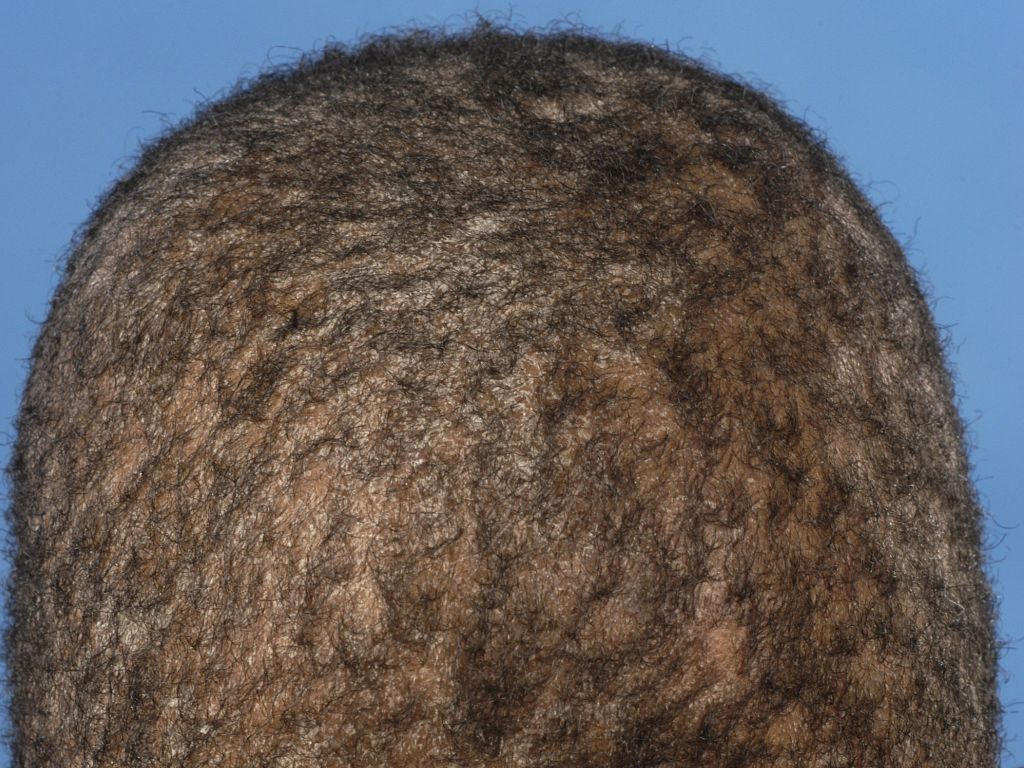
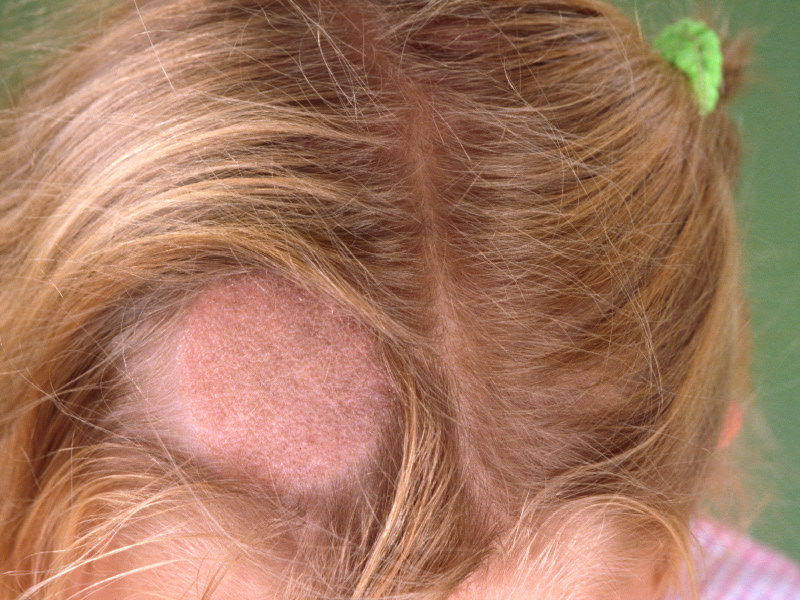
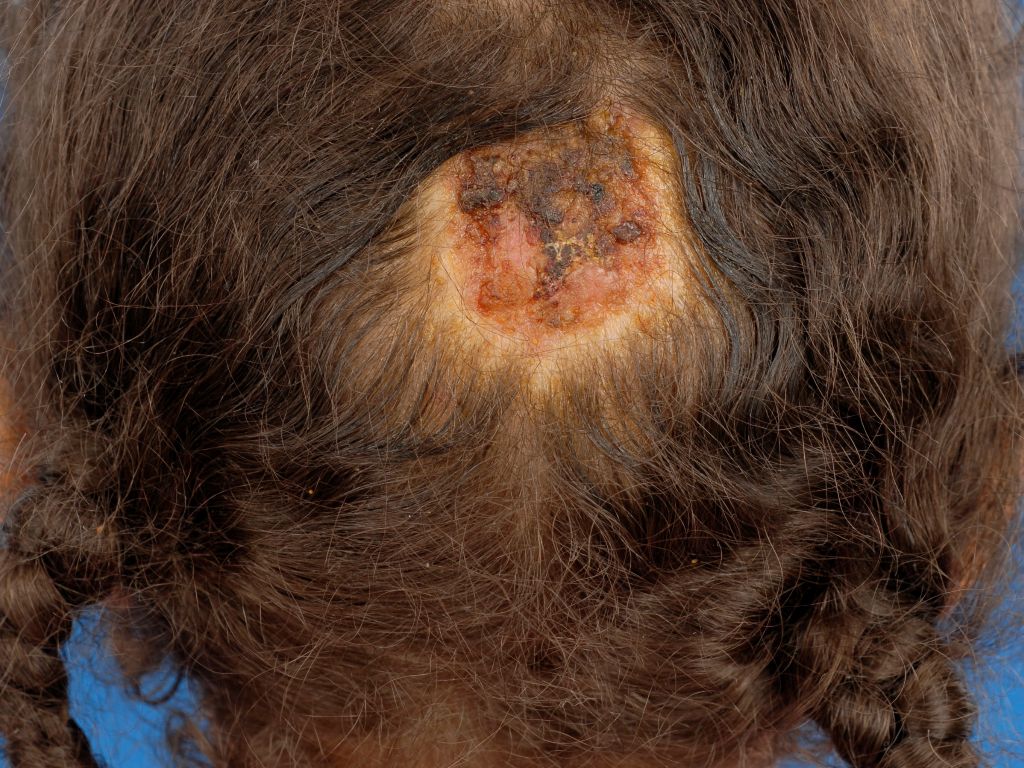
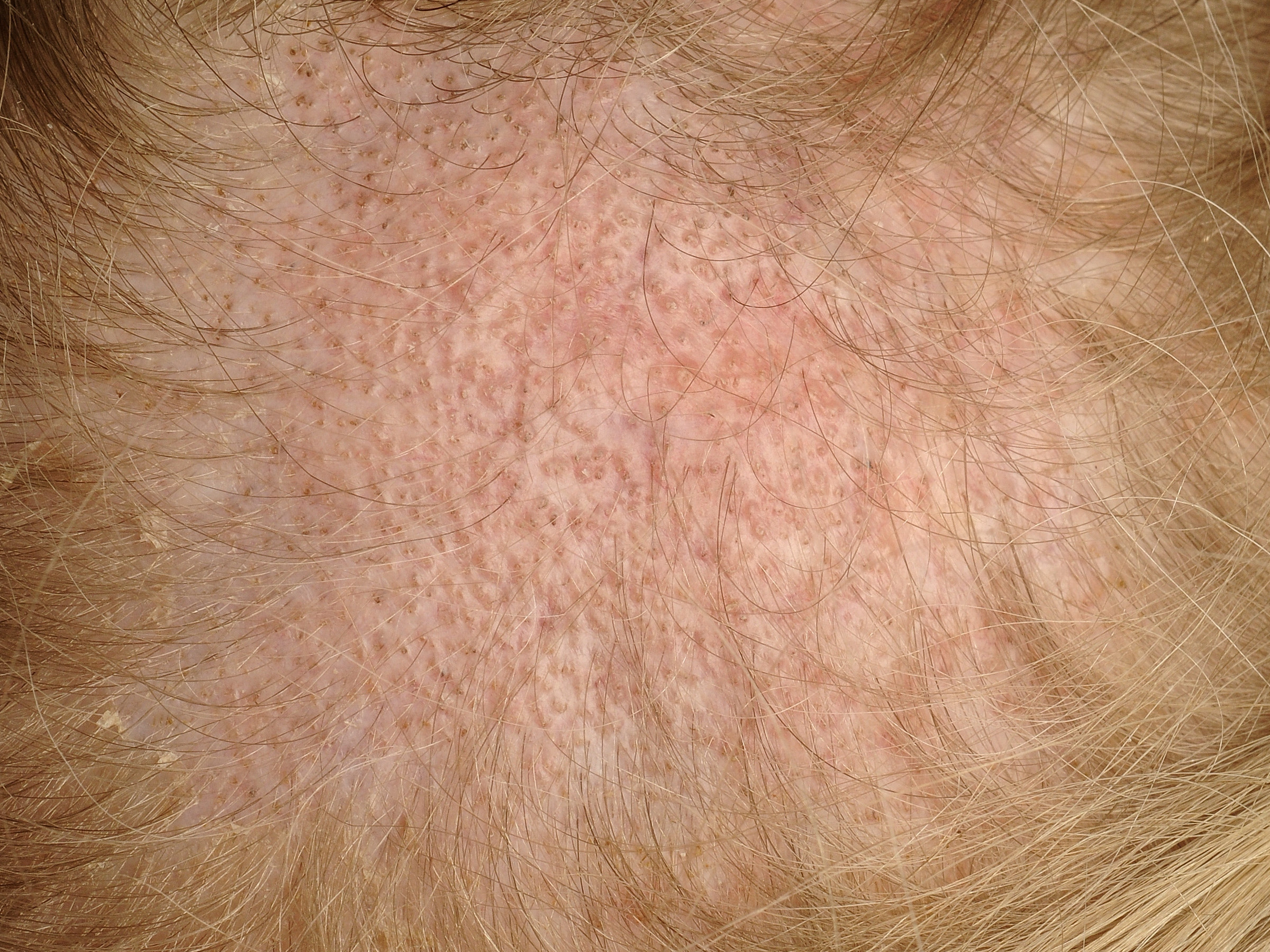
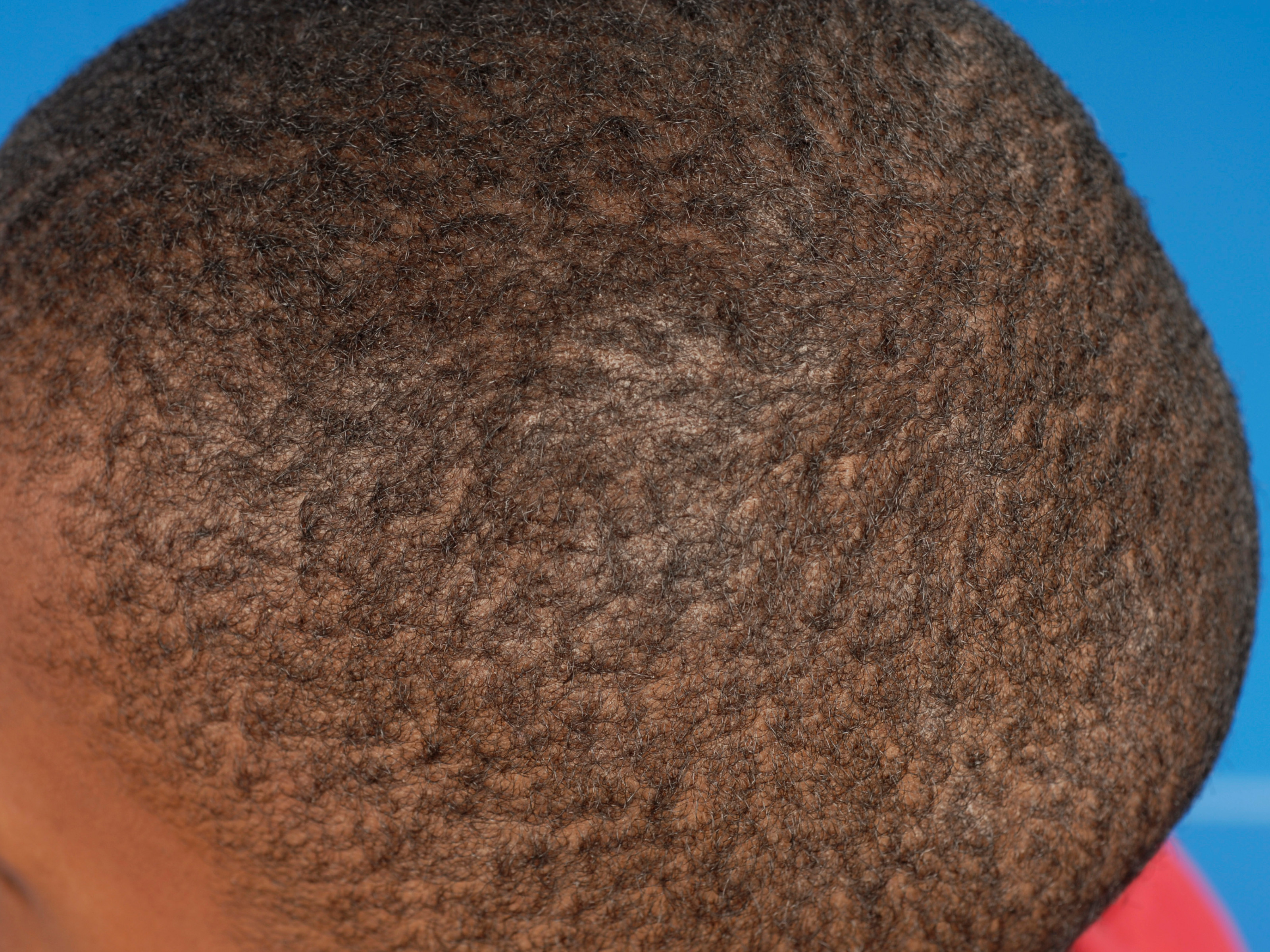
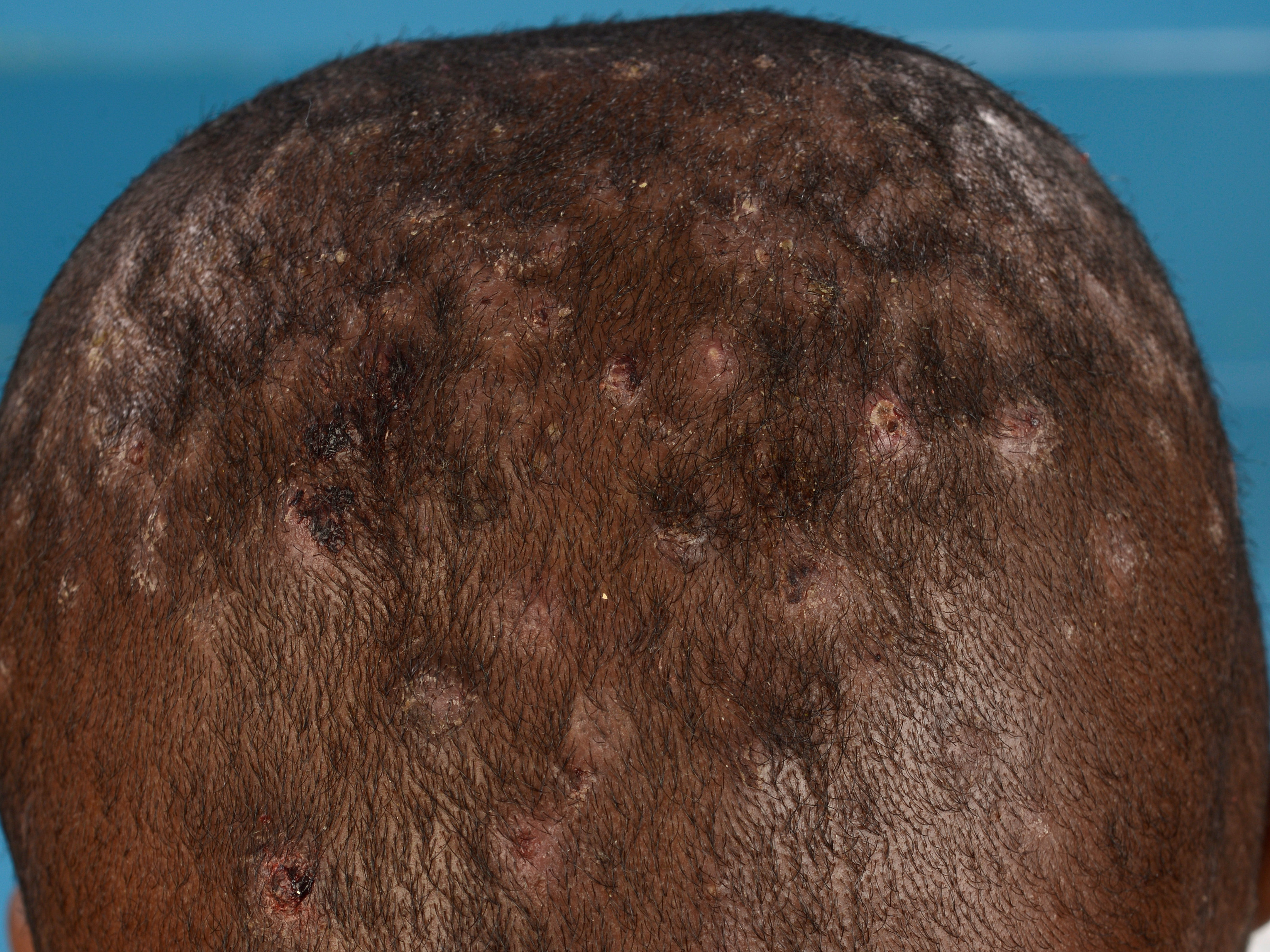
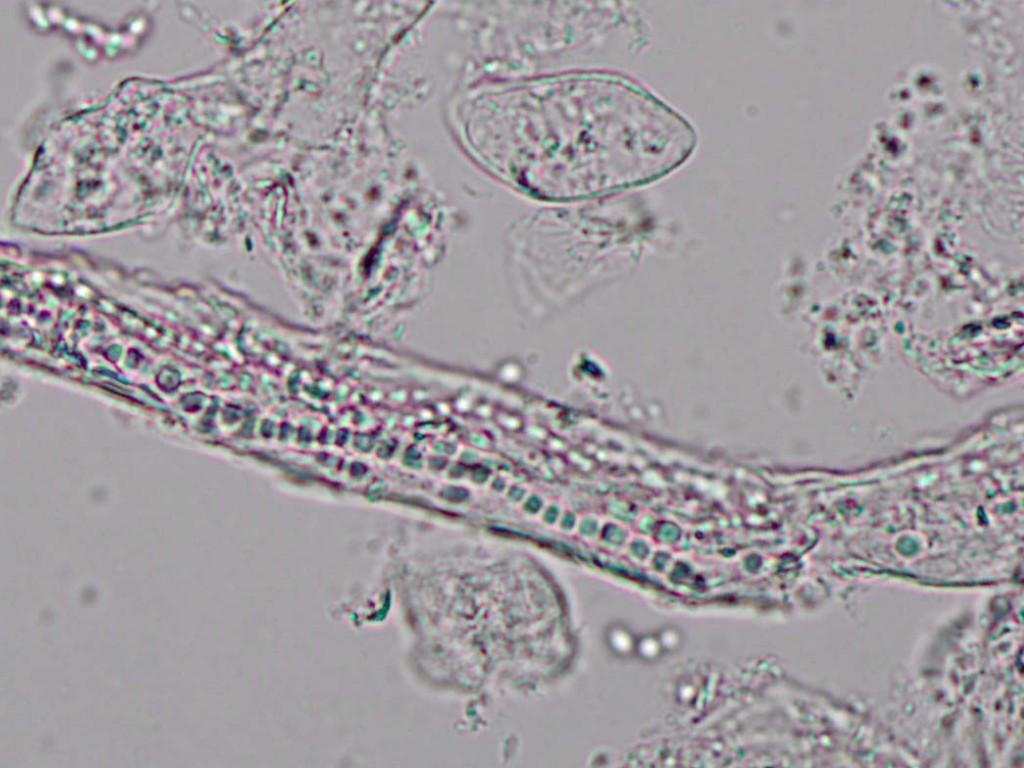
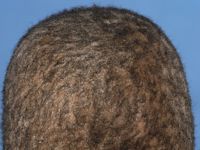
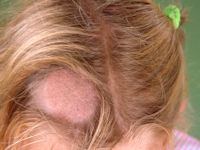
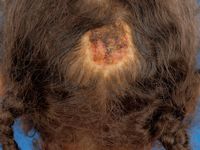
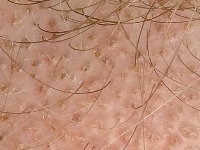
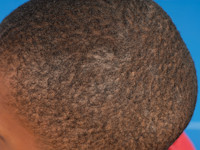
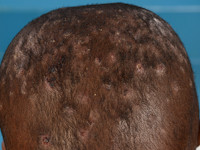
WHAT IS TINEA CAPITIS?Tinea capitisis a fungal infection of the scalp (scalp fungus). Tinea capitis occurs primarily in young children (ages 3 to 7). Tinea capitis is highly contagious. Children can contract it at school, through contact with other children who have the condition, or through contact with (domestic) animals with a fungal infection. Epidemics sometimes occur in schools, resulting in many children becoming infected simultaneously.WHAT DOES TINEA CAPITIS LOOK LIKE?Several types of fungi can infect the scalp and hair, causing various forms of ringworm. Some fungi cause one or a few bald patches with a light, grayish flaking. Others cause flaking and hair loss across the entire scalp. Patches with pustules, crusts, redness, and swelling can also develop.
 |
 |
 |
| head fungus |
head fungus |
head fungus |
 |
 |
 |
| head fungus |
head fungus |
head fungus |
HOW CAN YOU GET A FUNGAL INFECTION OF THE SCALP?Tinea capitis is caused by a fungal infection . The main causes of tinea capitis in the Netherlands are the fungi Trichophyton violaceum , Microsporum canis , Microsporum audouinii , Trichophyton tonsurans , Trichophyton mentagrophytes , Trichophyton rubrum , Trichophyton verrucosum , Trichophyton soudanense , and Trichophyton schoenleinii .
Fungi are highly contagious and can be transmitted from person to person through contact with infected hair, but also via clothing, headgear, cinema seats, car seats, bedding, towels, combs, and brushes.
After the summer holidays, epidemics can occur at school due to fungi brought by children from abroad, usually from Morocco and Turkey, sometimes from Suriname and the Antilles. Fungal species are also imported from Africa (particularly Somalia and Ghana) and the Middle East via asylum seekers. In Africa, tinea capitis is much more common than in the Netherlands.
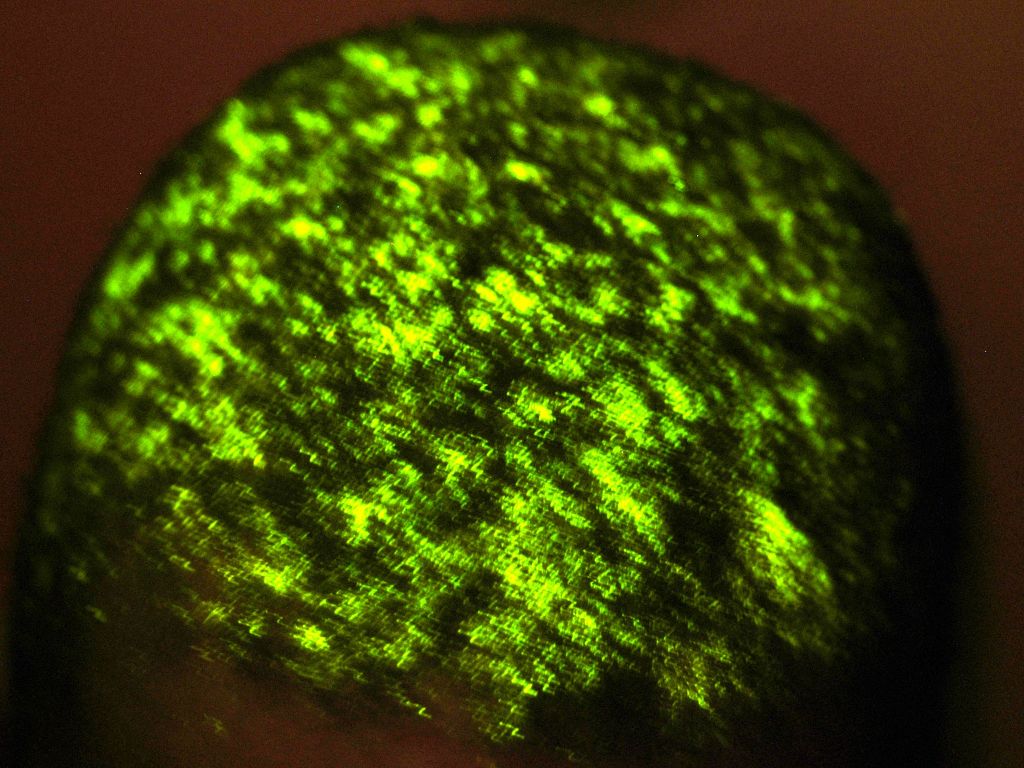
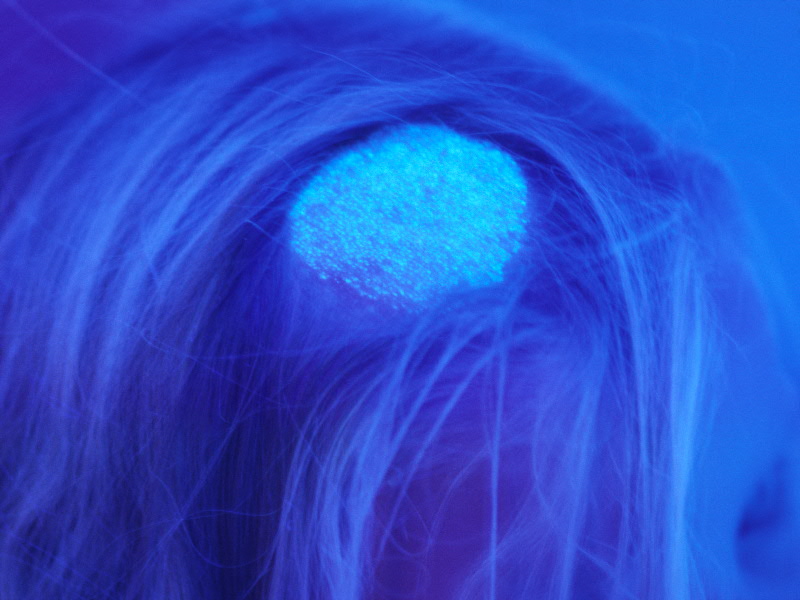
Fungi can also be contracted through contact with animals (cats, dogs, guinea pigs, cattle, sheep and goats).HOW IS IT DETERMINED THAT THERE IS A FUNGAL INFECTION?The diagnosis can be made based on the clinical picture, i.e., the appearance. In young children with bald patches on their heads, there aren't many other causes imaginable besides scalp fungus.Woods lampYou can observe the fungi with a lamp that emits ultraviolet A light (blacklight). This blue lamp is also called a Wood's lamp . Some fungi glow green when illuminated (in a dark room) with a Wood's lamp.Microscopic examinationHair or skin flakes can also be pulled off and examined directly under a microscope . Under the microscope, fungal threads or spores may be visible in or on the hair or skin flakes. If they are not visible, it could still be tinea capitis, as the fungal threads and spores are not always easy to detect under a microscope, and they can also be deep in the hair follicles.Grow on fungiA fungal culture can be performed by plucking a few hairs and sending them to the lab. A fungal culture takes a long time, and the results aren't available immediately. It can take up to six weeks for the results to be available. If it strongly resembles a fungal infection, there's no need to wait for the results; treatment with antifungal tablets or capsules can be started immediately. If you're unsure and have few symptoms, you can also wait until the culture is available. The culture will reveal whether it's a fungal infection, and also which type of fungus it is.
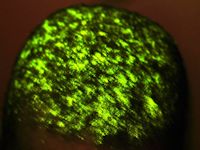 |
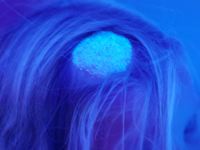 |
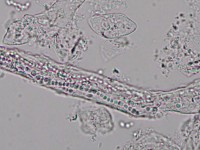 |
| Woods lamp |
Woods lamp |
microscope |
HOW IS TINEA CAPITIS (THINK OF THE SCALE) TREATED?Tinea capitis should always be treated with antifungal agents in tablet or capsule form. Topical agents such as antifungal creams or lotions do not penetrate the hair and hair follicles well. Various antifungal agents (antimycotics) are available in the Netherlands, such as terbinafine, itraconazole, fluconazole, and griseofulvin. Treatment should be continued for a long period (6 to 12 weeks).
In addition to treatment with tablets or capsules, the scalp can also be treated with a topical agent such as Nizoral (ketoconazole) scalp gel, Selsun shampoo, or betadine iodine shampoo. This can help prevent the spread of the fungus.WHAT MEDICINES ARE THERE FOR SCALP THROAT?terbinafineAdults: 250 mg once daily for 4-8 weeks.
Children: 4-6 mg per kg per day for 4-8 weeks.
This equates to approximately:
10-20 kg: 62.5 mg;
20-40 kg: 125 mg
; >40 kg: 250 mgTrisporal (itraconazole)Adults: 100 mg once daily for 4-8 weeks.
Children: 5 mg per kg per day for 4-8 weeks.Diflucan (fluconazole)Adults: 150 mg daily for 4 to 8 weeks.
Children: 6 mg per kg daily for 4 to 8 weeks.
This equates to approximately:
1-3 years (10-15 kg): 60-90 mg daily.
3-6 years (15-20 kg): 90-120 mg daily.
6-10 years (20-30 kg): 120-150 mg daily.
>10 years (>30 kg): 150 mg daily.GriseofulvinAdults: 500-1000 mg daily for 6-8 weeks, longer if necessary.
Children: 10-20 mg/kg/day for 6-8 weeks, longer if necessary.
This equates to approximately:
< 1 year (< 10 kg): 125 mg daily;
1-3 years (10-15 kg): 200-300 mg daily.;
3-6 years (15-20 kg): 300-400 mg daily.;
6-10 years (20-30 kg): 400-500 mg daily.;
> 10 years (> 30 kg): 500 mg daily.As a supportive treatment against the spread of spores:Nizoral (ketoconazole) head gel.
Selsun shampoo.
Betadine iodine shampoo.WHAT ARE THE OUTLOOK?With proper treatment, continued for a sufficient period, the fungal infection will resolve. It usually doesn't recur afterward. Fungal infections of the scalp in adults are rare, but they can occur, especially if the immune system is compromised, such as due to HIV infection or the use of immunosuppressive medications.WHAT CAN I STILL DO MYSELF?Ensure the tablet treatment is administered correctly and completed, even if the symptoms appear to have subsided. Fungal spores can still be present deep in the hair follicles and within the hair itself, allowing the fungus to regrow.
Spread within a family can be prevented with hygienic measures. Brushes and combs should be disinfected and not shared with others. Bedding, towels, and clothing should also not be shared and should be washed at a minimum of 60°C. Vacuum car seats thoroughly. Wash any covers. Pay attention to whether other family members are also infected; if so, they should also be treated. Pets with skin lesions should be treated by a veterinarian.SHOULD I KEEP MY CHILD HOME IF THEY HAVE TINEA CAPITIS?That's not necessary. It's enough to ensure the head fungus is treated. However, it is necessary to inform the school. If there are multiple cases simultaneously, the school administration may decide to take measures such as thorough wet cleaning, washing costumes at 60°C, checking children, notifying parents, etc. |