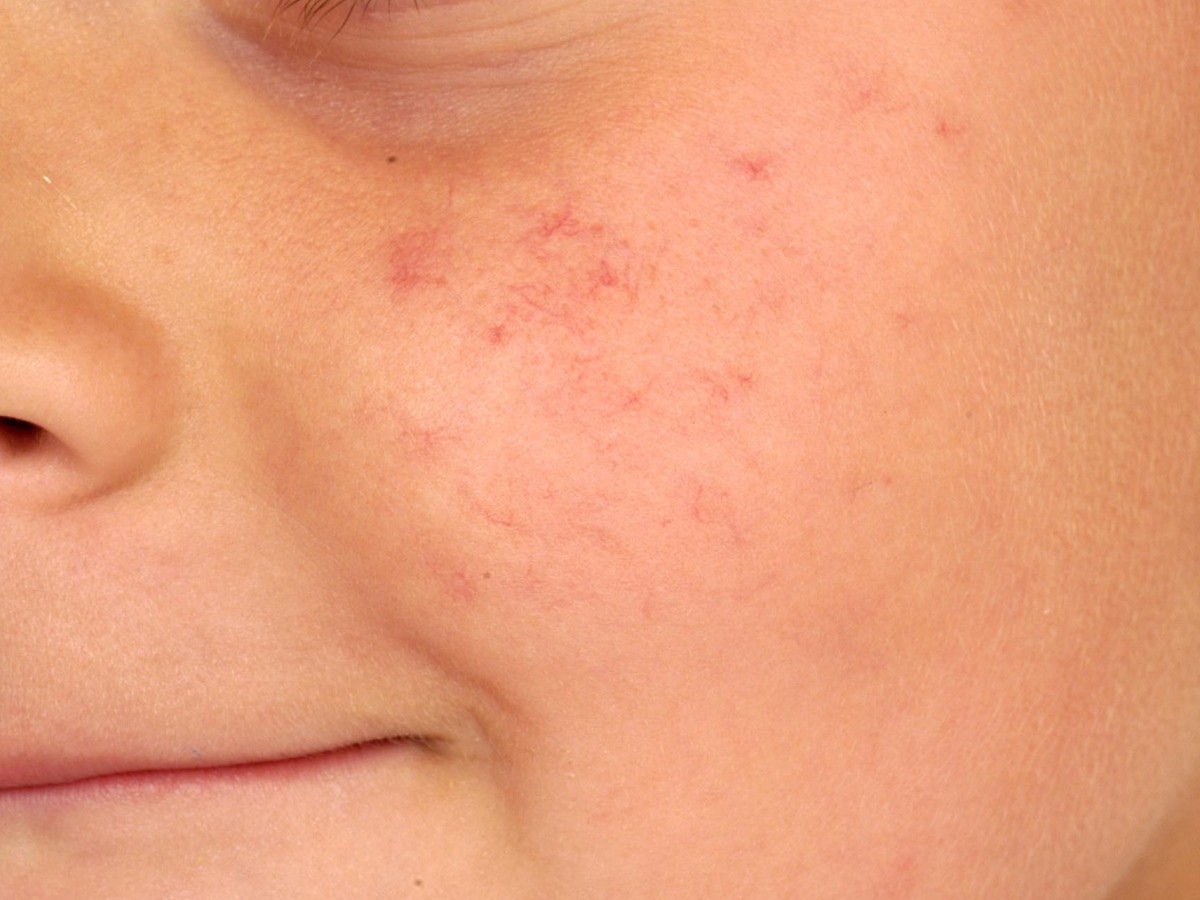
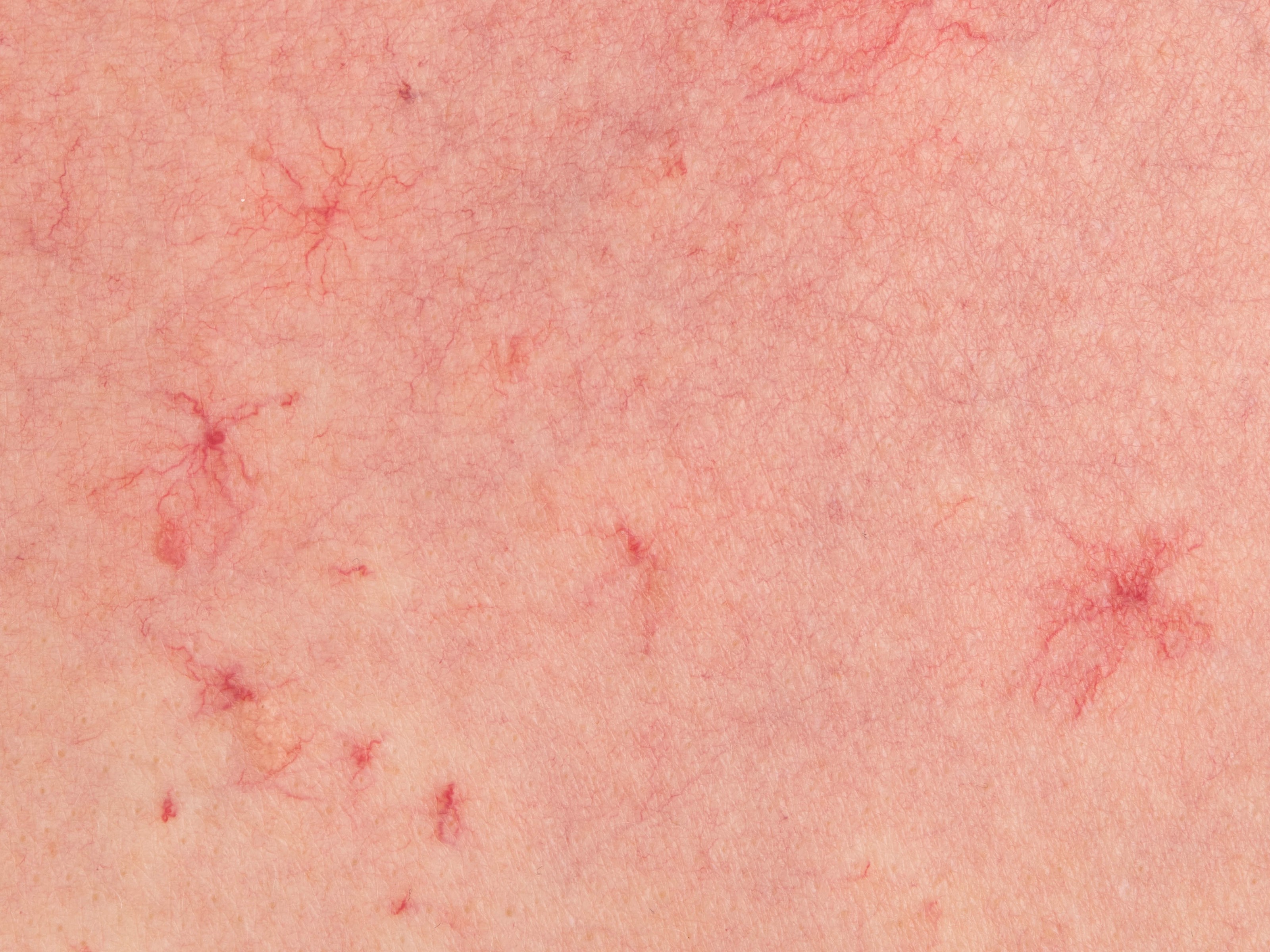
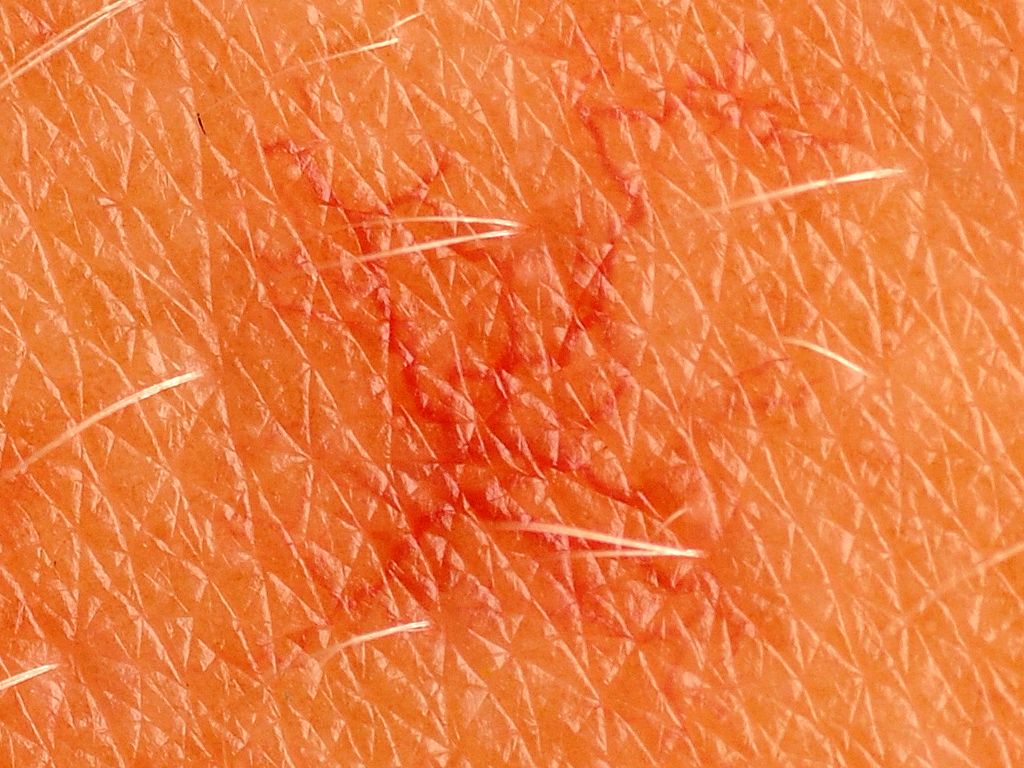
WHAT IS A SPIDER NAEVUS?A spider nevus (spider, spider head, nevus araneus) is a red spot caused by dilated blood vessels, in a spider-shaped or star-shaped pattern. Nevus means birthmark, but it's not a mole; it's a vascular abnormality of the tiniest blood vessels in the skin. Often, a spider nevus fills with blood from a single central vessel. If this vessel is pressed, the entire spider nevus disappears. If you release it, the entire spot fills again from the center. Spiders are usually found on the face. Sometimes they are on the neck or the backs of the hands or forearms. It's also possible for people to be completely covered in spiders.
 |
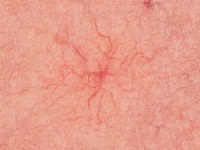 |
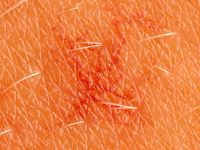 |
| spider nevus |
spider nevus |
spider nevus |
HOW DOES A SPIDER NAEVUS DEVELOP?A spider nevus can develop spontaneously throughout life. Spider nevi often develop spontaneously in children, and they also develop during pregnancy, influenced by hormones. The contraceptive pill is also mentioned as a possible cause of spider nevi. Spider nevi in children disappear spontaneously after puberty. Pregnant women also often develop spider nevi; this occurs in approximately 40% of women. They are not only found on the face but also on the trunk. Spider nevi that develop during pregnancy often disappear spontaneously a few months after delivery. In older age, spider nevi develop spontaneously, often on the face, especially around the nose. The exact cause is unknown. The disorder involves the central afferent vessel, which becomes dilated, putting pressure on the vessels in the superficial skin, causing them to widen. There is also a variant in which many spider nevi develop simultaneously; this occurs in liver disease, thyroid disease, and autoimmune diseases, among others. It can also run in families. The many blood vessel dilations that can occur with liver disease are usually not called spider nevi but telangiectasias, the medical term for blood vessel dilation.HOW IS THE DIAGNOSIS MADE?The diagnosis is based on the clinical picture and its appearance. By briefly pressing on the area, it can be determined that the area is completely removable and is therefore caused by vasodilation. Upon release, the area quickly refills from the center.HOW IS A SPIDER NAEVUS TREATED?A spider nevus can be treated by cauterizing the central vessel. This causes the entire area to disappear. This can be done electrically (electrocoagulation) with a needle or a small bead, or with a vascular laser. Treatment with a vascular laser (often a pulsed dye laser) is more expensive but more effective because the vessel can be cauterized without damaging the skin. Therefore, it heals more efficiently. The side branches can also be cauterized with a laser.WHAT ARE THE OUTLOOK?Spider nevi are completely harmless and only cosmetically disturbing. In children and pregnant women, it's best to wait until they disappear on their own. Spider nevi that develop in old age do not disappear on their own. For cosmetic reasons, they can be treated with a laser or electrocoagulation. |