WHAT IS PUBIC LICE?Pubic lice( Pediculosis pubis ) is an infection caused by biting lice in the pubic hairs. It is an annoying but harmless condition. Pubic lice are transmitted through intimate physical contact. This can include sexual contact, which is why pubic lice are also considered an STD (sexually transmitted infection), but simply being in close proximity is also enough. Pubic lice can also be transmitted via clothing, towels, bedding, or sleeping bags.
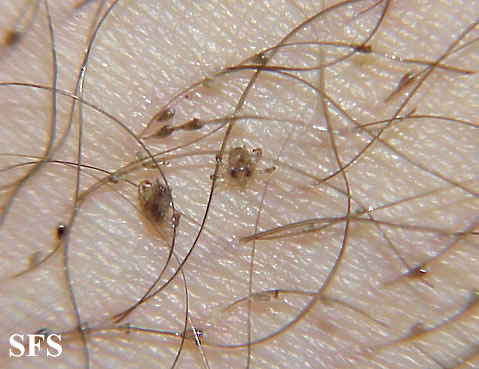
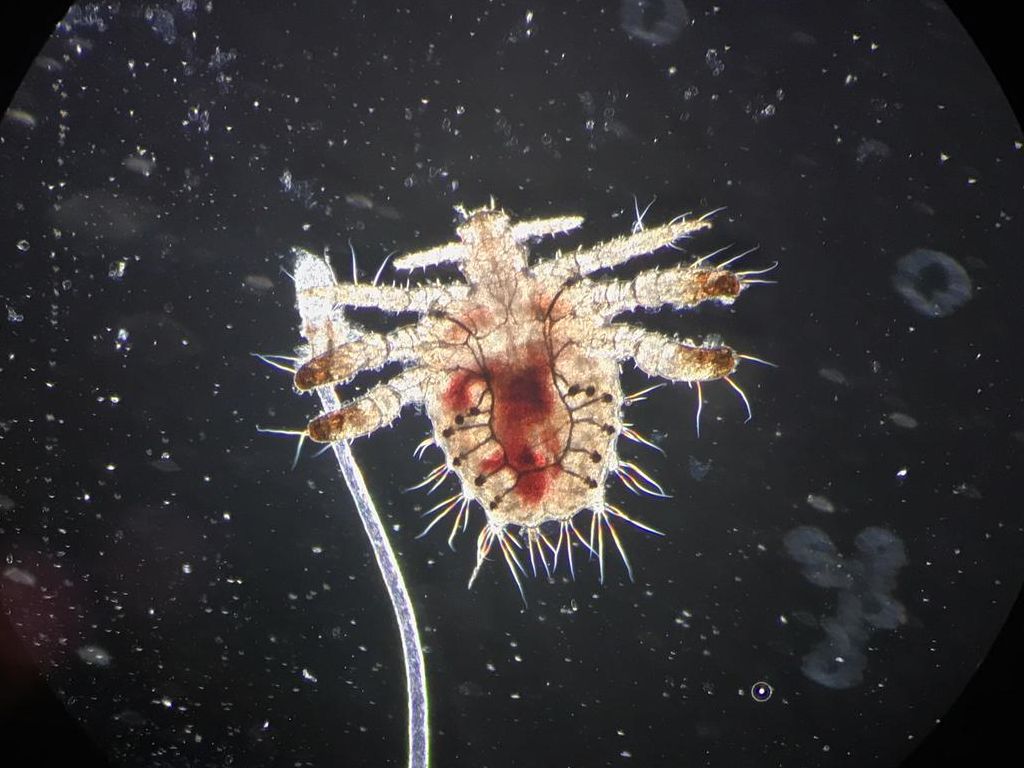
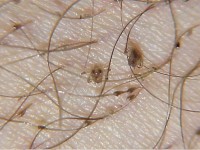
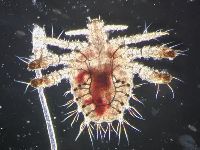
Like other lice that can sometimes infest humans, such as head lice, pubic lice primarily cause itching. The lice suck blood, and the bites cause an allergic reaction and itching. The lice lay eggs (nits), which are attached to the hair. The lice are visible to the naked eye as small, 1-3 mm long, spider-like creatures that cling to the hair. The lice live primarily on pubic hair (pubic hair), sometimes also on other areas with body hair. Because it's become fashionable to shave off all pubic hair since around 2000, pubic lice are becoming increasingly rare. They're now considered an endangered species!
 |
 |
 |
| pubic lice |
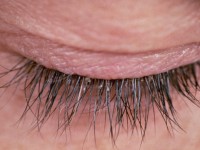
pubic lice |
pubic lice |
Photo left: Samuel Freire da Silva - Dermatology Atlas (Creative Commons License 3.0 ).
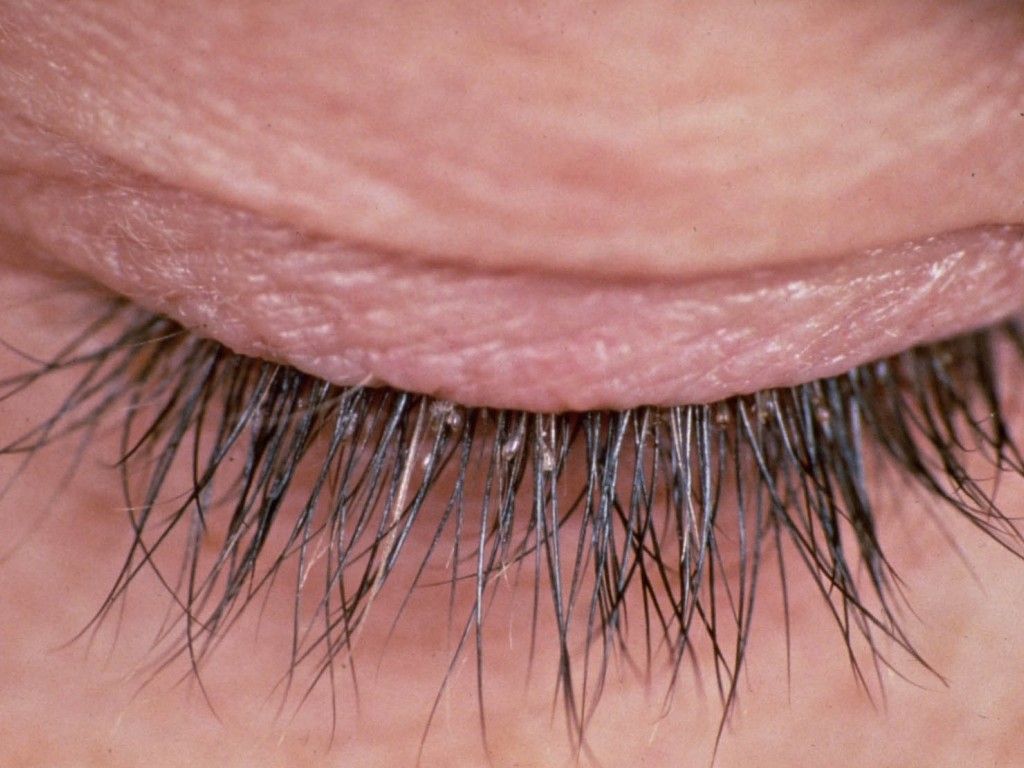
WHAT ARE THE SYMPTOMS OF PUBIC LICE?About two weeks after contact with pubic lice or their nits (eggs), itching begins in the pubic area. The itching is an allergic reaction to the lice bites. The bugs usually live on the hair around the genitals and anus, sometimes on other body hair as well. Occasionally, they can even be found in the eyelashes and eyebrows. The lice feed on human blood. They leave stains of red or brown feces on underwear. Lice bites leave grayish-blue spots on the skin. Scratching can cause the skin to become red and irritated. If this causes sores, this can lead to skin infections.HOW ARE PUBIC LICE TREATED?The treatment consists of applying an anti-lice product to the skin. The most commonly used is Loxazol (permethrin) cream. You can obtain this product from your GP or at a drugstore or pharmacy. No prescription is required. Most health insurers do not cover it, so you will have to pay for it yourself. Another anti-lice product is Prioderm lotion.
You should apply the cream to and in the pubic hair, as well as to the hair on the inner thighs. Apply liberally to the entire area, including the buttocks. Twelve hours after the treatment, all lice and nits will be dead.
If you are completely covered in lice, it is advisable to repeat the treatment after a week.
Lice and nits in the eyelashes or eyebrows can be removed by applying Vaseline to the hairs twice a day for 10 days. This suffocates the nits and makes them easier to remove. Try to remove the nits or lice with tweezers or your fingernails. Applying permethrin cream around the eye isn't a good idea; it shouldn't get in the eye.
You should also wash all your clothing and bedding at 60° Celsius. Anything that can't be washed should be steamed or dry-cleaned. Keeping textiles in a sealed plastic bag for a week, or freezing them in a sealed bag for 24 hours, also helps. The lice won't survive this.
You should also try to determine how and from whom you contracted the pubic lice. To prevent a new infection, it's important that partners also get treated, even if they don't have any symptoms yet. Try to warn anyone you've had physical contact with or slept in the past two months; they may also be infected. If you contracted pubic lice during sexual contact, it may be wise to also be tested for other sexually transmitted infections. |