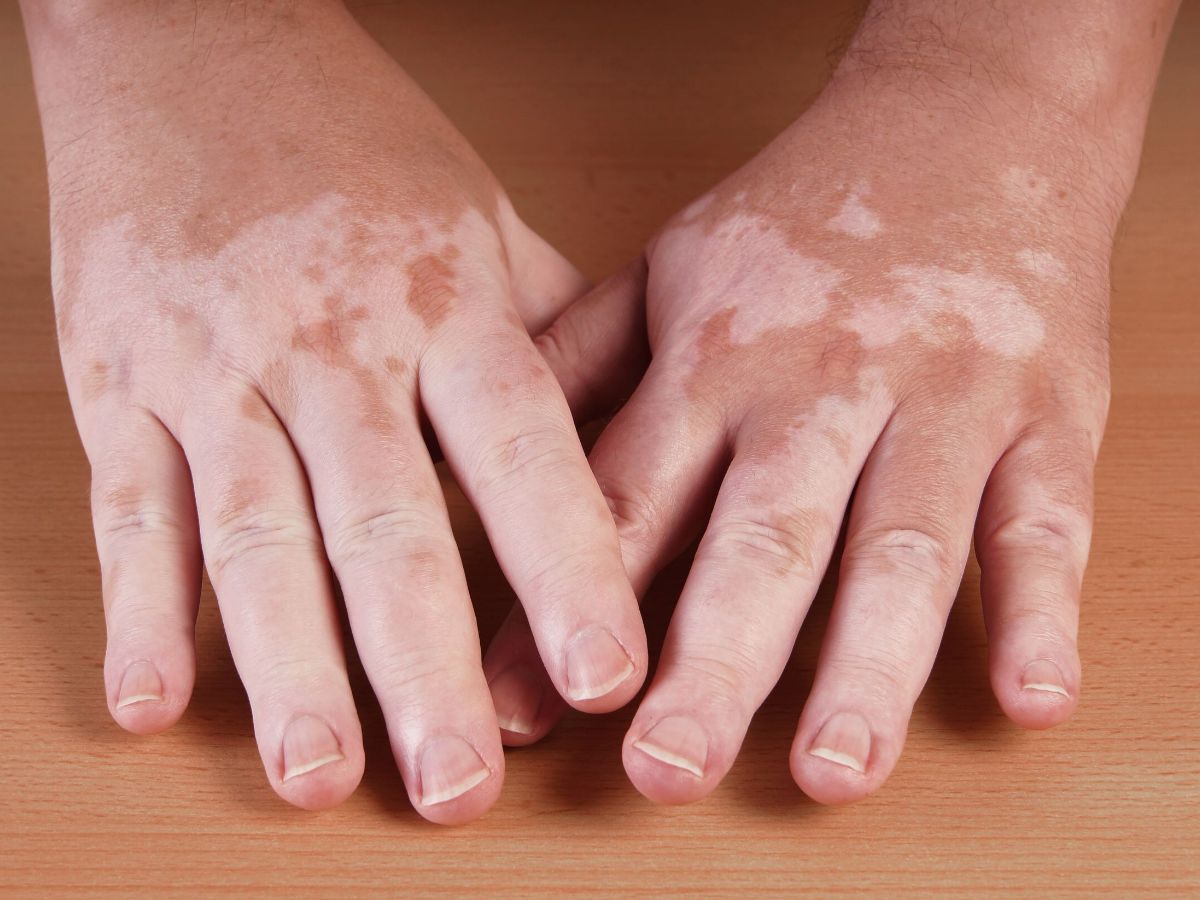
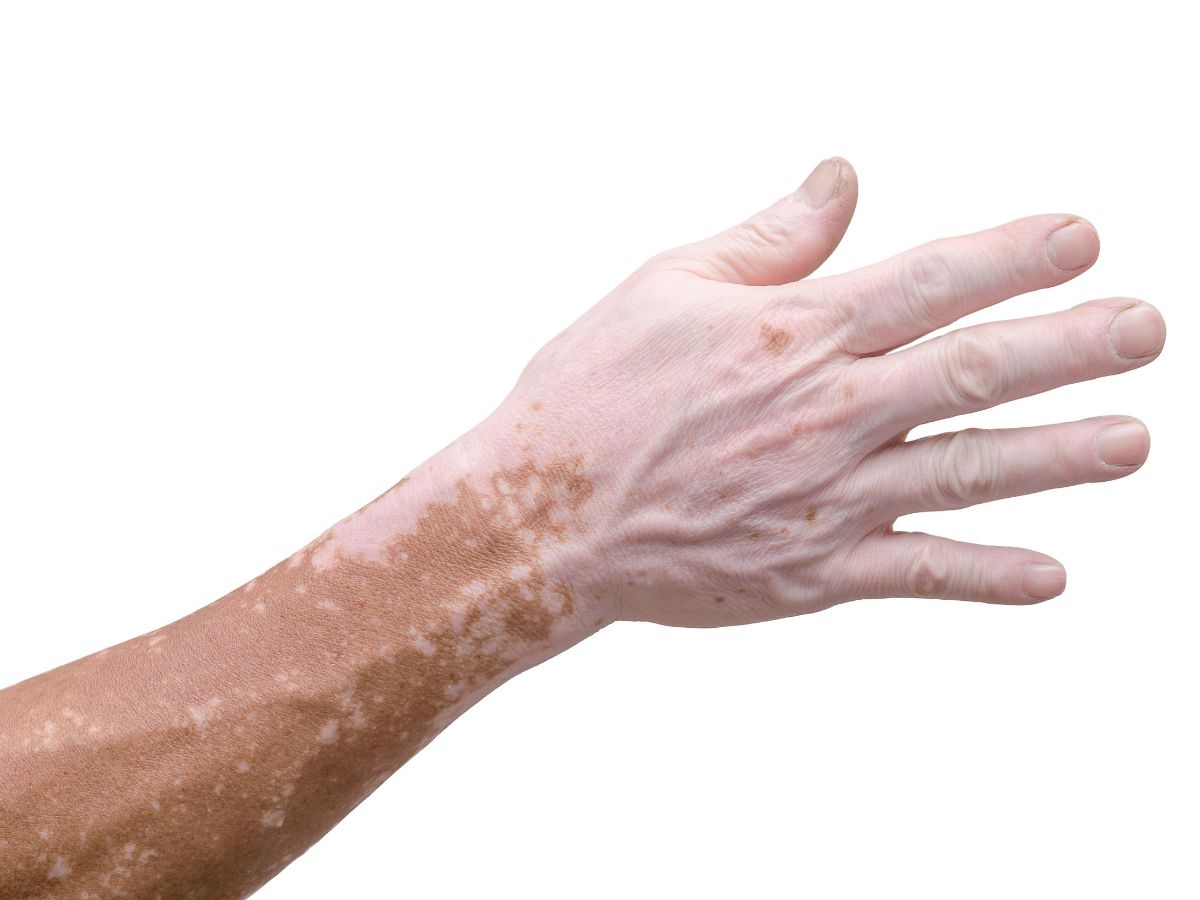
A growing number of patients in the Netherlands are experiencing pigmentation disorders . This can include darkening of the skin ( hyperpigmentation , for example, after eczema, acne, or skin inflammation), lightening of the skin ( hypopigmentation , for example, vitiligo ), or dark-colored moles and other pigment abnormalities.
There are several explanations for the increase in the number of patients with pigmentation disorders. Changes in human behavior, such as spending more time in the sun, are one explanation. The effect of this behavior may be further exacerbated by increased exposure to ultraviolet radiation due to the thinning ozone layer. Due to the increasing number of people with dark skin, the number of patients with hypo- and hyperpigmentation is rising significantly. Increasing aging, in turn, also leads to more patients with pigmentation disorders.
Pigmentation changes are often seen in people with dark skin . Many patients with dark skin are seen at the Academic Medical Center (AMC) in Amsterdam because Amsterdam is a multicultural capital and because the AMC is located in the heart of the Bijlmer district. As a result, over the past 25 years, a great deal of knowledge and experience has been built up in treating patients with dark skin and with the treatment of pigmentation disorders in general. Pigmentation disorders are not unique to dark skin. Vitiligo, for example, occurs in all skin types, as do moles, port-wine stains, congenital moles, age spots, and melasma (dark spots on the face).
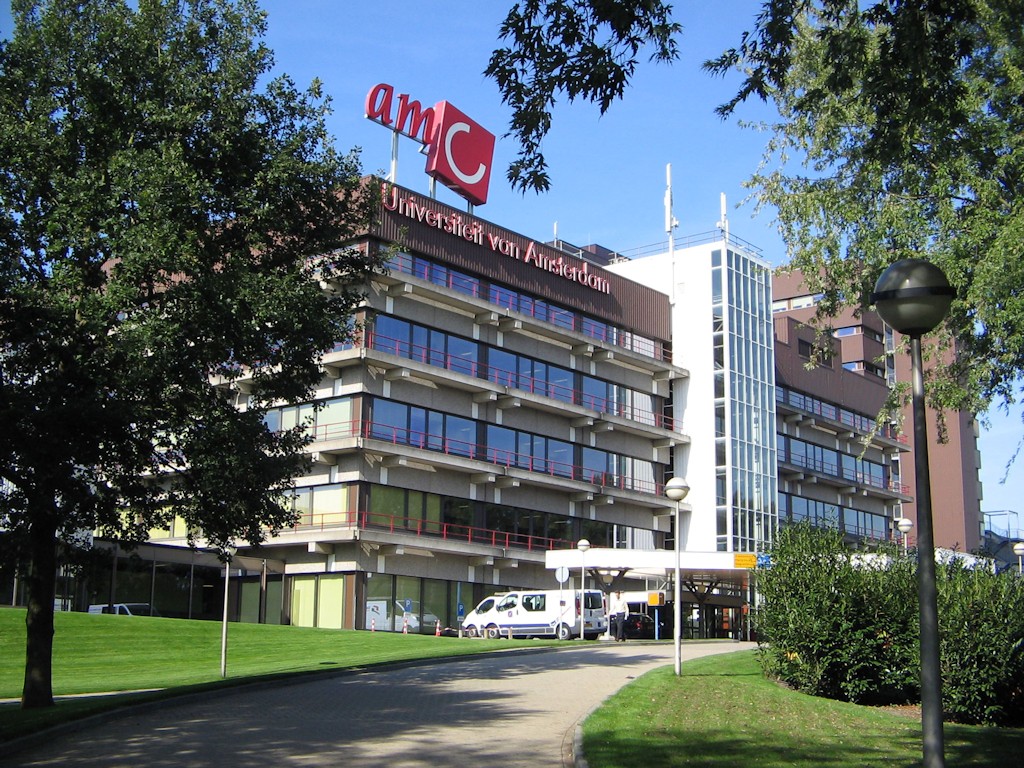
To improve the treatment of pigmentation disorders and research into pigmentation disorders, a separate foundation has been established within the Academic Medical Center: the Netherlands Institute for Pigmentation Disorders (SNIP) . Since the merger with VUmc, the name of the AMC has changed to Amsterdam UMC, Meibergdreef location . With its advanced medical care,
the SNIP meets the growing demand for treatment of patients with pigmentation disorders in the broadest sense of the word. In addition, the institute conducts scientific research into the causes and mechanisms of development of pigmentation disorders and into the development of new diagnostic methods and therapies.
The years of experience at the Amsterdam UMC with pigment problems, in combination with the purchase by the SNIP
The use of the latest treatment equipment, including the very latest lasers for treating various skin diseases, guarantees advanced and highly specialized treatments.
The SNIP diagnoses skin pigmentation disorders using modern research methods in collaboration with the Pathology and Electron Microscopy departments of the Amsterdam UMC. Treatment is based on general dermatological principles. The latest treatment methods are employed, including light therapy, laser therapy, and plastic surgery techniques.
Statistics from previous years show that the SNIP has lived up to its reputation as a national referral center for patients with pigmentation disorders; 90% of the patients come from regions outside Amsterdam. Patients from all over the Netherlands are referred to the Pigment Cell Institute .
The SNIP strives to disseminate its expertise through scientific internships, symposia, workshops, lectures, publications in professional journals and popular magazines, and interviews on radio, television, and newspapers. The SNIP is nationally known for its fast and clear reporting to its referrers.
 |
 |
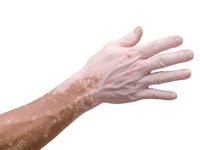 |
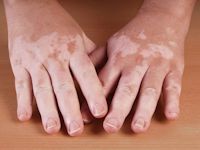
| vitiligo |
vitiligo |
vitiligo |
TREATMENT METHODSThe following treatment methods may be mentioned:
1. Light therapy, using UVB narrow-spectrum lamps, for, among others
, vitiligo
and all other forms of hypopigmentation
2. Pigment cell transplantation, for, among others,
vitiligo
piebaldism
leukoderma after burns
chemical leukoderma
3. Treatment with the pigment laser for, among others,
cafe au lait macula
lentigines
ephelides
pigmented actinic keratosis
pigmented verruca seborrhoica
congenital nevus nevocellularis (small and medium)
giant pigmented hairy nevus (Tierfell nevus)
acquired nevus nevocellularis
nevus of Ota
nevus of Ito
blue nevus
nevus spilus
nevus of Becker (with or without terminal hair growth)
minocycline-induced hyperpigmentation
ashy dermatosis
amateur and professional tattooing
-hemosiderin pigment (in chronic venous insufficiency)
4. New bleaching formulation for the treatment of:
-melasma
-post-inflammatory hyperpigmentations
5. Diagnosis of rare conditions including neurocutaneous syndromes, endocrinological and metabolic disorders, in which pigment abnormalities have a signaling function.
INFORMATION FOR REFERRERSDermatologists and other medical specialistsPatients can be referred directly to SNIP Amsterdam UMC by sending a referral letter to SNIP, Department of Dermatology, Amsterdam UMC, Meibergdreef 9, 1105 AZ Amsterdam. Or email poli.dermatologie@amc.uva.nl .General practitionersSince the transfer of basic dermatological care to the Skin Medical Center, we can no longer refer patients directly to the Dermatology department of the Amsterdam UMC. Referral letters made via zorgdomijn automatically go to the Skin Medical Center . The Skin Medical Center is located right next to the AMC and is a partnership between Amsterdam UMC and the Oosterwal center, specifically established for basic dermatology care referred by general practitioners. Most pigmentation problems can also be resolved at the Skin Medical Center, because the SNIP dermatologists also work there. However, if the explicit intention is to refer to the Pigment Cell Institute of the AMC, the first sentence in the zorgdomijn letter should state: "Please refer directly to the SNIP."ROUTE DESCRIPTIONBy car:
The Netherlands Institute for Pigment Disorders has been located at the AMC since 2012, on the ground floor of the outpatient clinic (building A0), and is part of the AMC's Dermatology department. The AMC is located along the A9 motorway. The AMC is signposted on the A9 motorway.
Public transport:
Train:
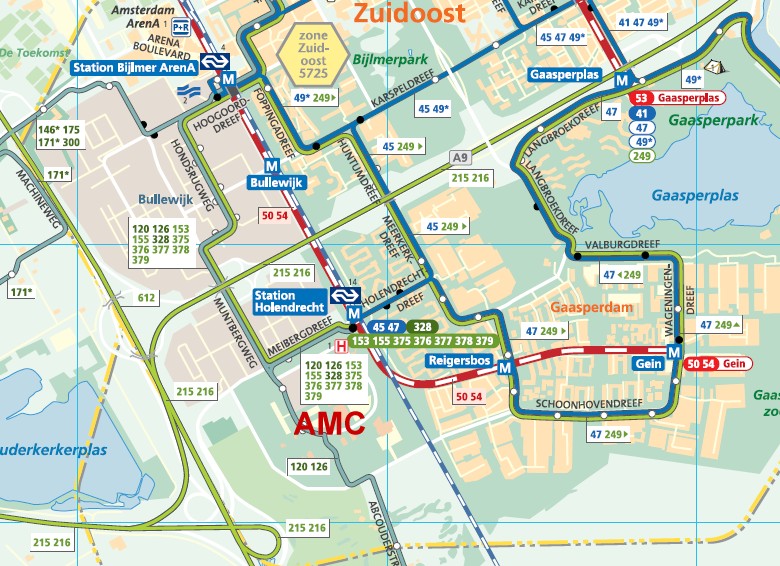
The AMC is located at Holendrecht train station. Traveling to another station in the area (Duivendrecht, Amstel Station) and then taking metro 54 towards Gein is also an option (get off at Holendrecht metro station).
Metro
: Take the metro towards Gein and get off at Holendrecht station. Lines 54 and 50 stop at Holendrecht. From here it is about a 5-minute walk to the Dermatology outpatient clinic where the SNIP is located.
Municipal transport company (GVB):
The GVB has two bus lines that go to the AMC. Lines 45 and 47 stop at the entrance of the AMC.
Midnet (VAD & Centraal Nederland):
Many local and regional bus lines go to the AMC (120, 126, 153, 155, 328, 375, 376, 377, 378, 379).
Our address:
Netherlands Institute for Pigment Disorders Foundation
Academic Medical Center
Meibergdreef 9
1105 AZ Amsterdam Zuidoost
Website: www.amc.nl
Telephone: 020-5662530
|