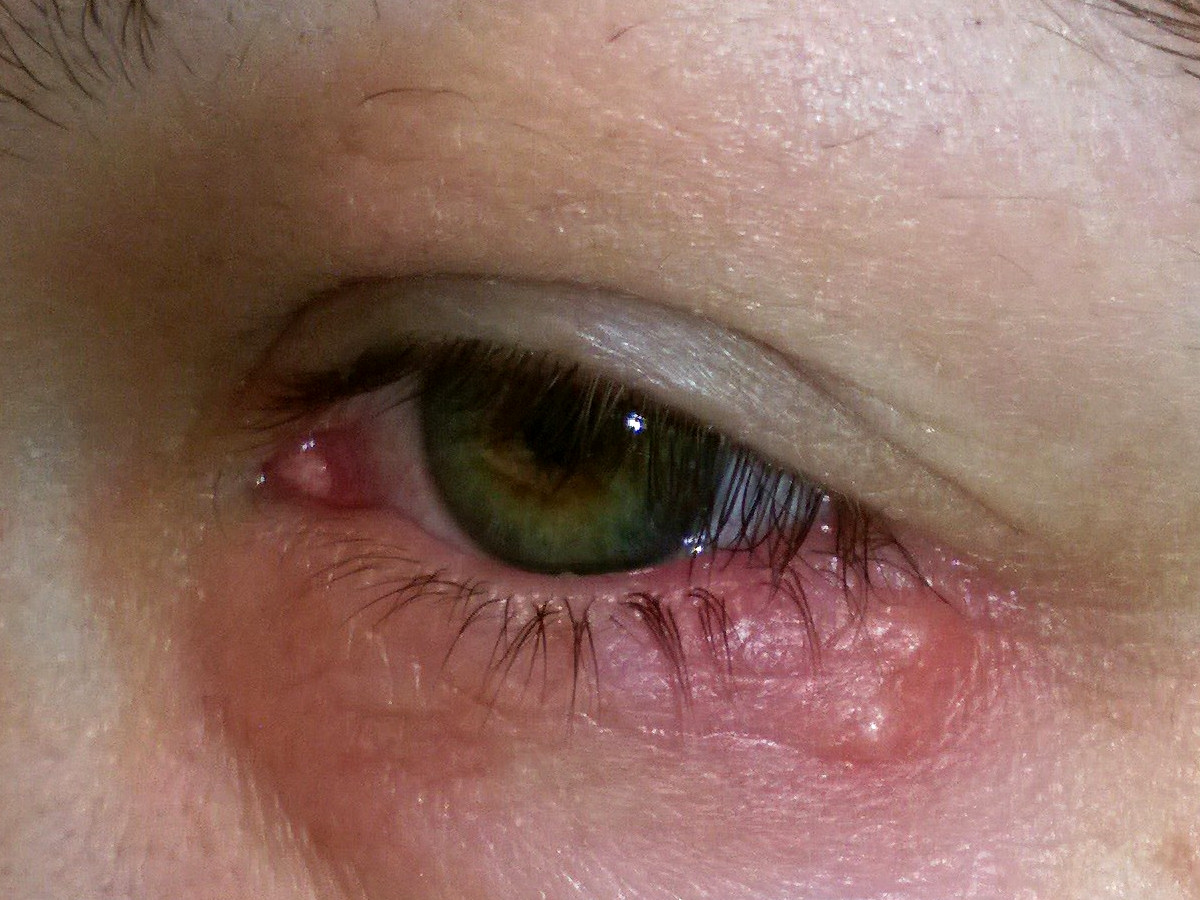
WHAT IS HERPES SIMPLEX?Herpes Simplex is a virus that can cause infections in the skin, mucous membranes, and nerves. There are two main types of Herpes Simplex Virus (HSV). Type I is the most common and is responsible for Herpes Simplex eye infection and the well-known cold sore. Type II is sexually transmitted and only rarely causes inflammation in the upper body.WHAT IS HERPES SIMPLEX EYE INFECTION?The most common Herpes Simplex eye infection caused by HSV type 1 is a recurring inflammation of the cornea, the clear front part of the eye. Scarring of the cornea can severely reduce vision.
The Herpes Simplex Virus type 1 that causes the infection has several subtypes. As a result, the duration and severity of the infection can vary. Response to treatment can also vary.PHENOMENAThe disease usually begins on the surface of the cornea. The eye becomes red, irritated, and sensitive to light. Most people do not develop a recurrence of the infection afterward. However, one in four people with corneal inflammation will develop a recurrence within two years.
 |
| herpes simplex eyelid (HSV-1) |
Photo: Powerfloh - Wikimedia (Creative Commons License 3.0 ).
WALKThe infection can penetrate deeper into the cornea, causing permanent scarring or inflammation within the eye. Sometimes, chronic ulcers develop on the cornea, which are very difficult to heal.
Herpes simplex eye infection usually affects only one eye and rarely affects the other. Spread of the virus to other people is unlikely. In people with weakened immune systems (such as patients with AIDS or those who have undergone a kidney transplant), the virus can infect other parts of the body. However, this is extremely rare.
After the initial infection, the virus enters a dormant state. It resides in the nerves that originate from the skin or eye. Occasionally, for example, during a cold, the virus reactivates and causes another eye infection or cold sore.HOW IS HERPES SIMPLEX EYE INFECTION TREATED?Treatment depends on the extent of the infection. Antiviral eye medication is often used in the form of eye drops or ointment.
Sometimes it's necessary to scrape the surface of the cornea to reduce the amount of viral particles. Corticosteroids can be used to slow the body's response. It is crucial to carefully monitor the virus to prevent its replication.
In cases of severe scarring and severe vision loss, a corneal transplant may be considered.
In the event of early signs of infection, even if you have experienced this before, it is important to contact your ophthalmologist. |