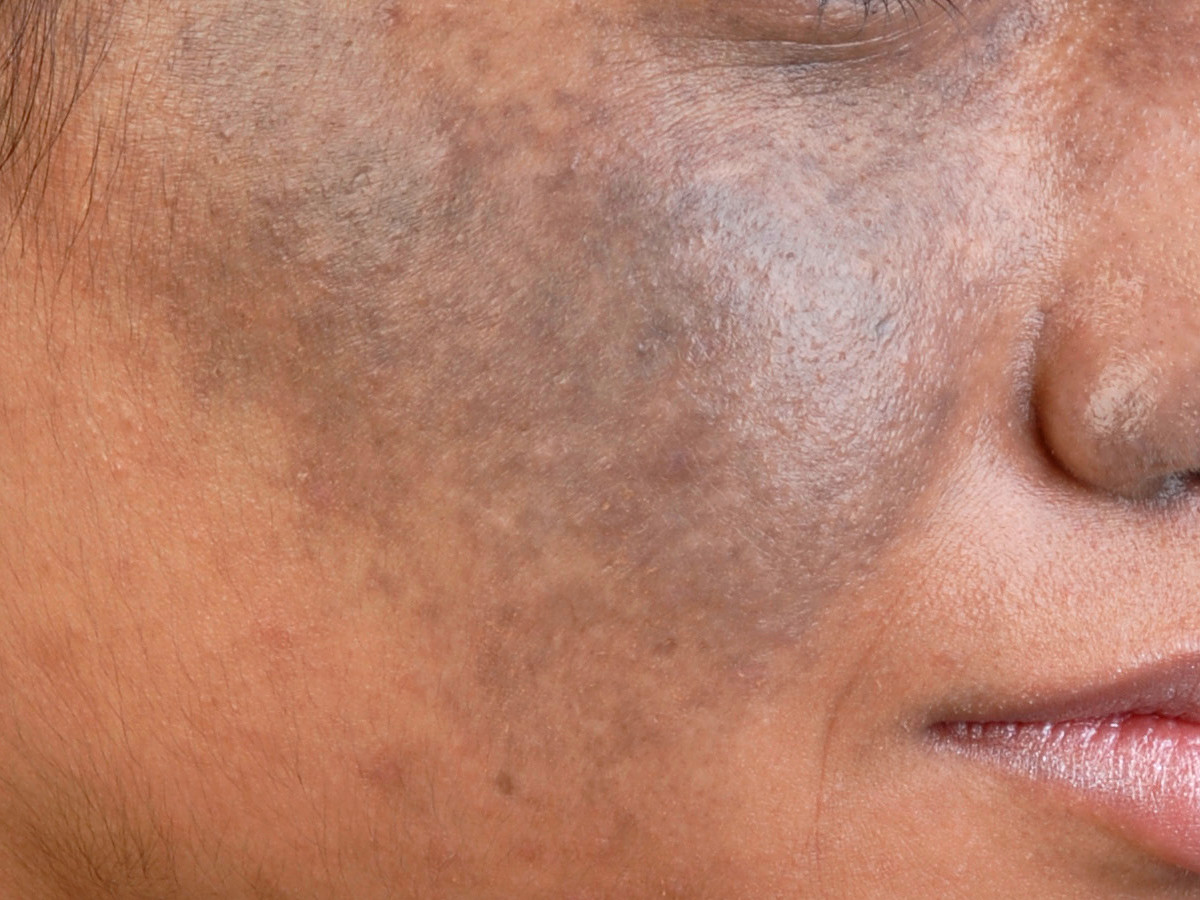
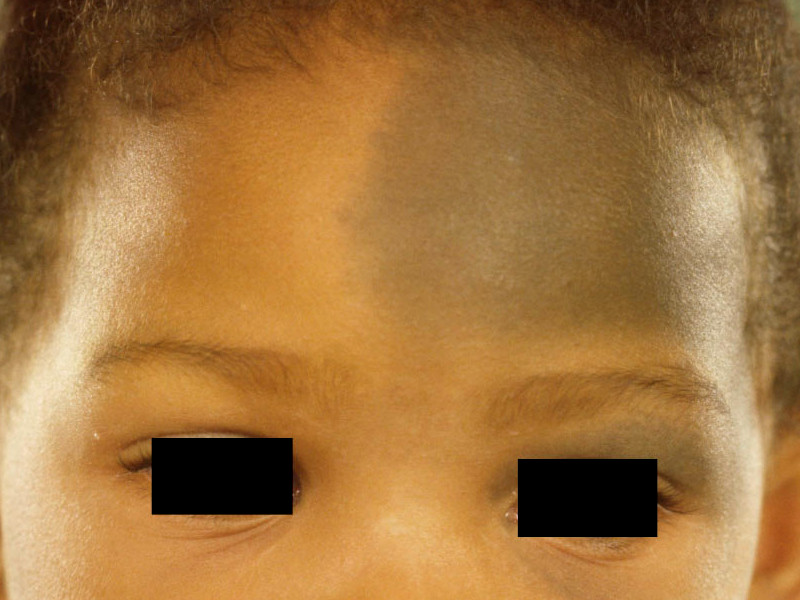
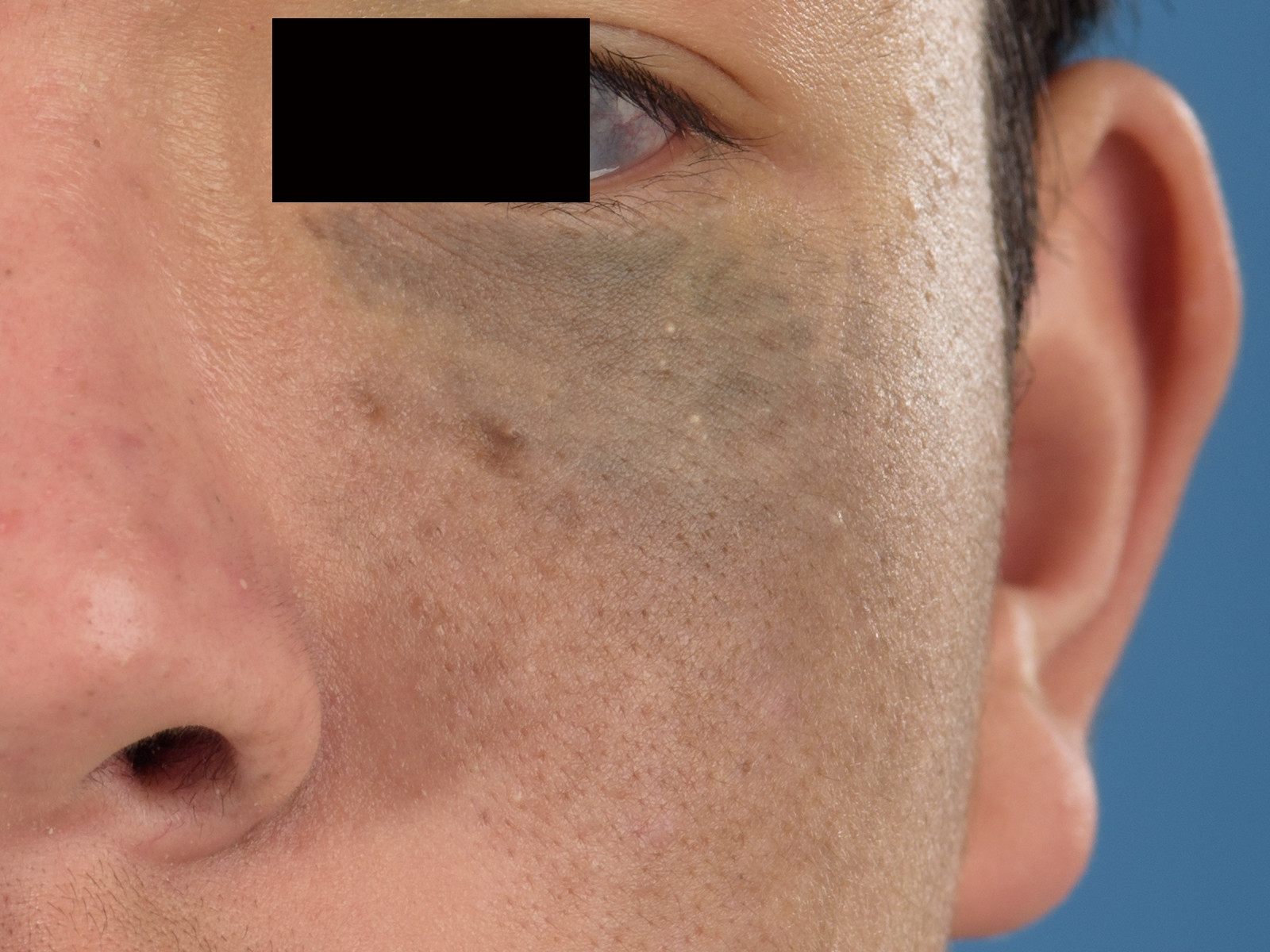
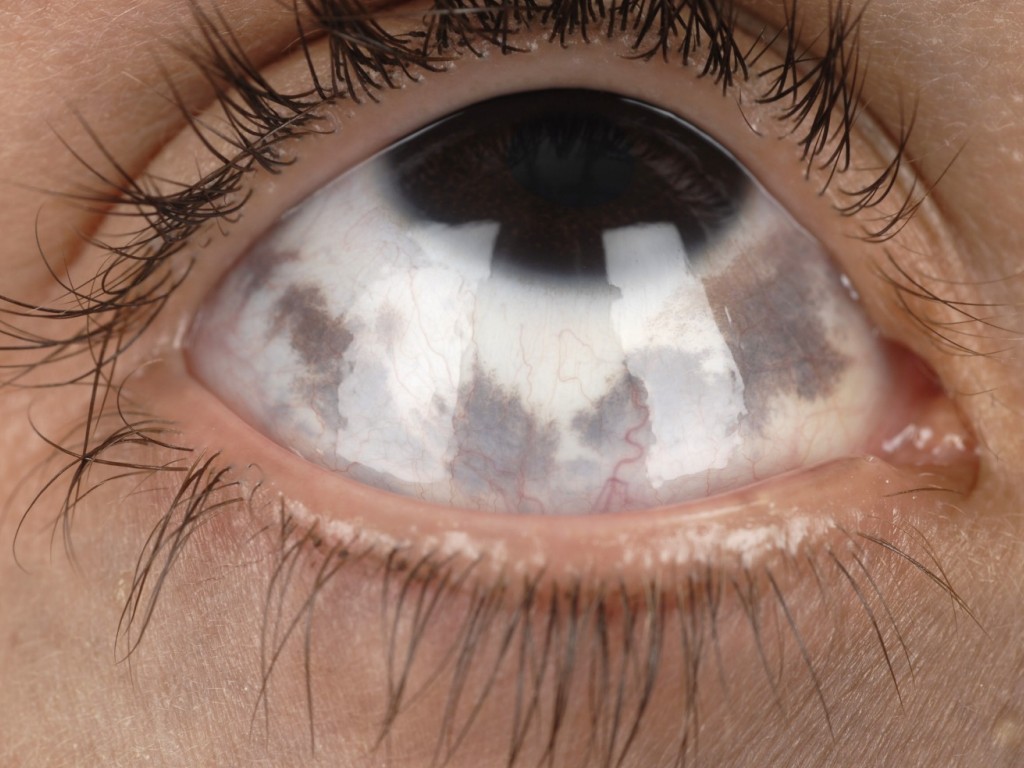
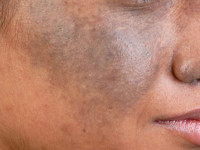
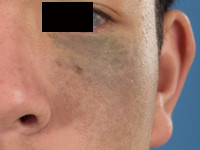
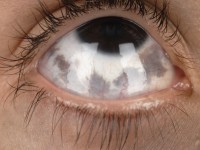
WHAT IS A NEVER OF OTA?A nevus of Ota is a blue-gray or blue-black discoloration of the facial skin, usually around the eye. It is a pigmentation disorder that develops in early childhood or young adulthood. The whites of the eyes and eyelids can also be discolored blue or brown. Nevus is the medical term for a birthmark. Ota is the name of the Japanese physician who first described the birthmark in 1939.
 |
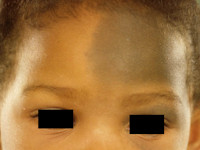 |
| nevus of Ota |
nevus of Ota |
 |
 |
| nevus of Ota |
nevus of Ota |
WHO GETS A NEVERTHELESS OF OTA?Ota nevus is most common in people of Asian descent. It's common in Japan, where approximately 5 out of every 1,000 people have an Ota nevus.HOW DOES A NEVER OF OTA OCCUR?The nevus of Ota is caused by an accumulation of pigment cells (melanocytes) in the skin. These pigment cells produce pigment. Because the pigment cells are located deep within the skin, the pigment has a bluish tinge (superficial pigment is brown, deep pigment is blue). The accumulation of pigment cells likely begins before birth but only becomes visible when the cells begin producing pigment later in life. The deep blue color of the nevus of Ota also occurs in two other related pigment disorders: the Mongolian spot, which often occurs on the rump in newborn babies, and the nevus of Ito, which often occurs on the shoulder.WHAT ARE THE OUTLOOK?A nevus of Ota does not disappear spontaneously. Usually, a nevus of Ota does not cause any symptoms and is a benign skin condition. In (very) rare cases, a malignant mole (melanoma) can develop in a nevus of Ota. This has been described primarily in patients of non-Asian descent. This is extremely rare; only a few cases have been described worldwide. With a nevus of Ota around the eye, intraocular pressure can sometimes be elevated. Therefore, it is advisable to have it checked once by an ophthalmologist or optician.HOW IS A NEVER OF OTA TREATED?Because a nevus of Ota does not cause any symptoms and is not dangerous, treatment is not medically necessary. However, some patients do request treatment for cosmetic reasons. It is possible to reduce the color of a nevus of Ota with a pigment laser. A Q-switched pigment laser is usually used, a specific type of laser that can destroy the pigment cells. After an average of 3 to 4 treatments, the discoloration will usually become less visible. However, the discoloration does not disappear completely with the laser treatment. Laser treatment is not covered by health insurance.
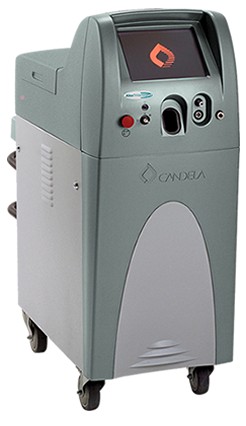
Alex Trivantage laser 532-755-1064 nm (Candela)
|