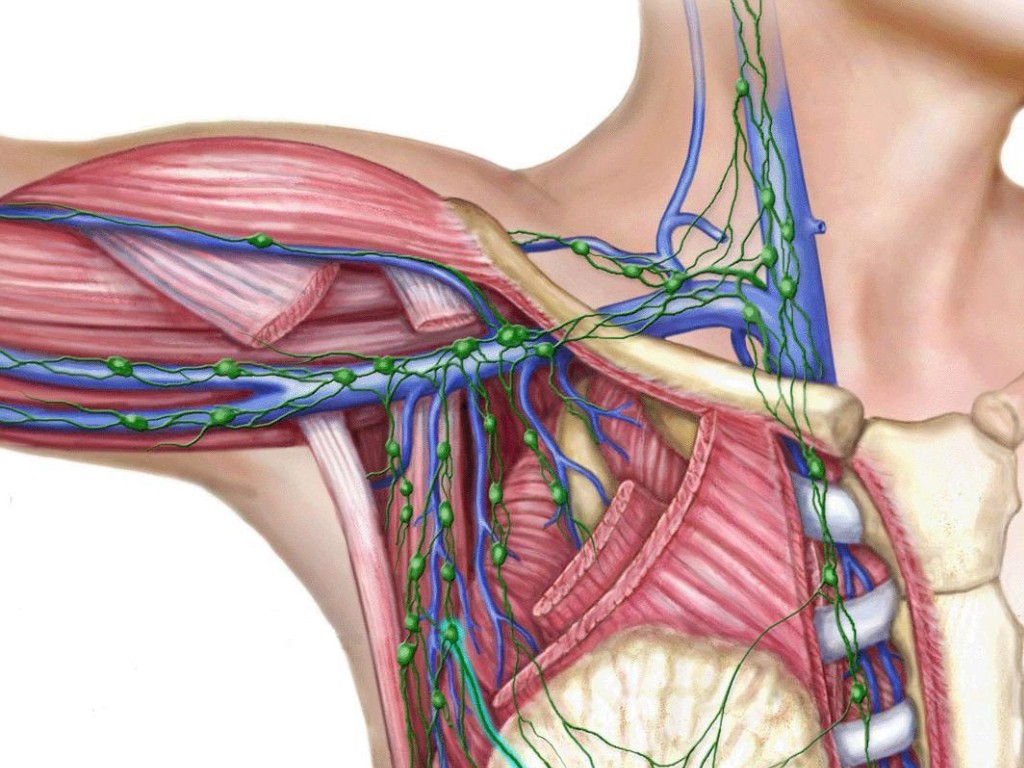
WHAT IS LYMPHEDEMA?Lymphedema is an abnormal accumulation of lymphatic fluid in a body part. It occurs when the lymphatic vessels are unable to drain this fluid. This is caused by damage to or the absence of lymphatic vessels and/or excessive lymphatic production. To understand lymphedema, it's important to understand how the lymphatic system works.
Arteries carry blood from the heart to the tissues, and most of this blood is returned to the heart via veins. A small portion of the blood fluid (serum) escapes from the smallest blood vessels and enters the tissues as lymphatic fluid. The lymphatic fluid is returned by the lymphatic vessels to a large vein near the heart. As the lymphatic vessels travel, they pass through numerous lymph nodes. The lymph nodes contain many white blood cells, which can eliminate any pathogens (bacteria, fungi, etc.).
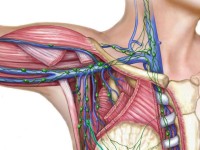 |
| axillary lymph nodes |
HOW DOES LYMPHEDEMA DEVELOP?In principle, lymphedema can be caused by any damage to the lymphatic vessels and lymph nodes. If excessive lymphatic fluid is also produced, for example, by strenuous physical exertion, external influences (such as hot weather), or an infection, it becomes even more difficult to drain. There are two types of lymphedema: primary and secondary. Making this distinction is important because there are sometimes differences in treatment plans and future prospects.
Primary Lymphedema:
Sometimes lymphedema can be congenital. This is called primary lymphedema. From birth, fewer lymphatic vessels are present or they function less well than normal, which can lead to swelling later in life. This usually occurs in the legs and sometimes also in the arms. There may be a hereditary predisposition to primary lymphedema. As a result, several people in some families may suffer from lymphedema.
In the early years, the swelling is often not recognized as lymphedema because its presence is still variable. However, this is already early lymphedema, for which treatment is desirable. Without treatment, the swelling will not disappear after several years and the edema will be permanent.
In mild forms, lymphedema only develops between the ages of 18 and 35. In more extensive forms, it can also be present from a young age.
Secondary Lymphedema
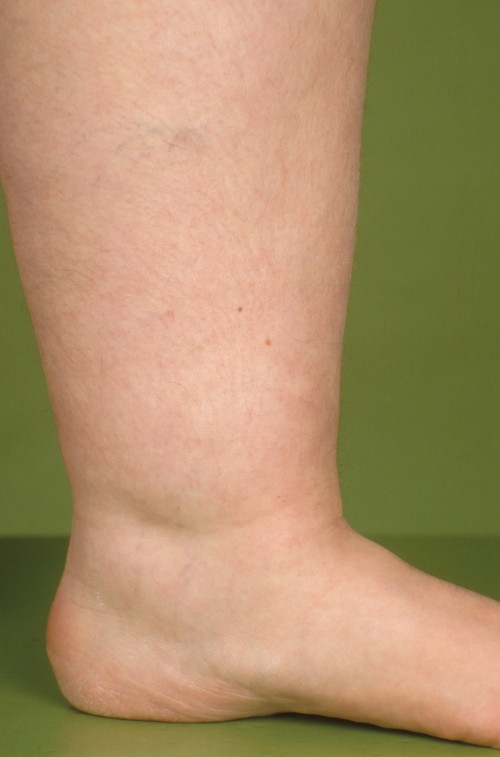
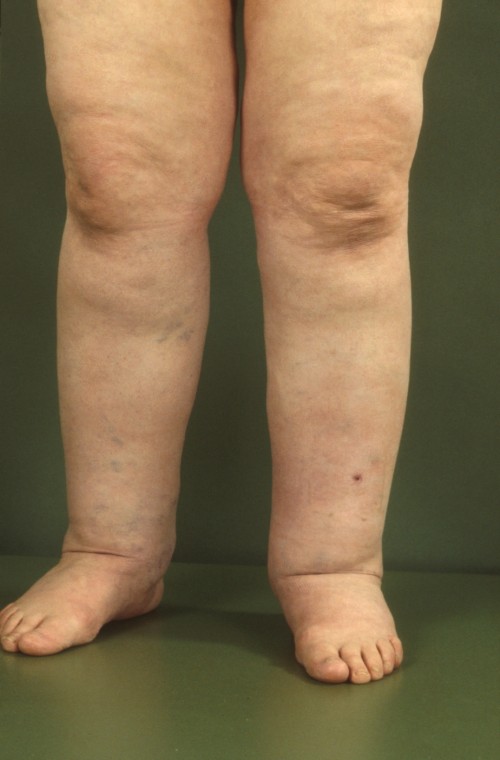
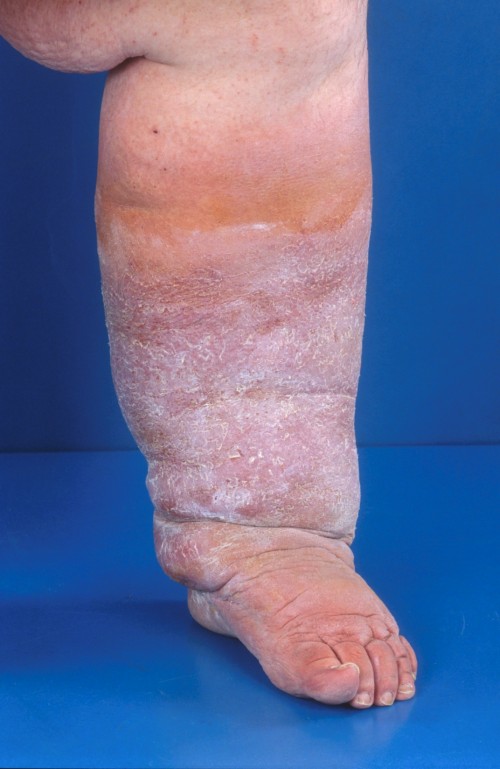
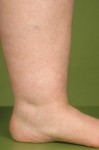
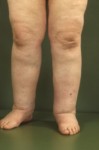
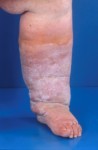
Secondary lymphedema is more common than primary lymphedema. Secondary lymphedema is caused by damage to the lymphatic vessels or lymph nodes. In the arms, this can occur, for example, after removal of axillary lymph nodes for breast cancer or melanoma (malignant mole, see also the brochure "Melanoma"). Lymphedema in the legs can develop, for example, after surgery to remove lymph nodes in the groin or abdomen, or after radiation therapy in those areas. Lymphedema in the legs can also be caused by thrombosis in one of the deep veins of the leg, long-standing varicose veins, or previous infections (erysipelas, see also the leaflet "erysipelas"). Lymphedema can also develop after an accident or major surgery.WHAT ARE THE PHENOMENA?Symptoms of lymphedema include swelling, a feeling of fatigue or heaviness, pain, tingling, limited movement, limitations in daily functioning, skin abnormalities, and an increased risk of infection (erysipelas). Initially, the skin abnormalities consist only of a pale thickening and blemishes in the folds; later, wart-like keratinizations or ulcers with leaking lymphatic fluid may develop. Swelling of the forefoot, which prevents the skin in front of the toes from being lifted into a fold, almost always indicates lymphedema of the leg.
 |
 |
 |
| lymphedema |
lymphedema |
lymphedema |
HOW IS THE DIAGNOSIS MADE?Lymphedema can be suspected in all forms of swelling in the legs without a clear cause related to the heart or kidneys. If the diagnosis is uncertain, a referral to a dermatologist can be made. If the dermatologist is unsure whether the swelling is lymphedema or another type of swelling, a special form of lymphoscintigraphy may be performed. This involves injecting a radioactive substance between the toes or fingers, and instructing the patient to perform certain movements. Because the substance can only be transported via the lymphatic vessels and lymph nodes, a scanner can be used to determine whether—and how quickly—the lymphatic system is functioning and whether there are any abnormalities.WHAT IS THE TREATMENT FOR LYMPHEDEMA?There are various options for treating lymphedema. It is important that a treatment plan is developed in which the various treatments are well-coordinated. In the initial phase of treatment, fluid is actively expelled, and a tight bandage is applied after each treatment to limit the development of new lymphedema. It is important to closely monitor the progress of the treatment during the maintenance phase to maintain the achieved results.
Manual lymphatic drainage:
Using special grips and massage techniques, the lymphatic vessels are stimulated to improve fluid drainage.
Outpatient compression therapy:
This involves the use of various types of bandages, which are applied quite tightly (with compression) using special techniques. This also promotes lymphatic drainage and prevents new swelling. Outpatient means that you can walk normally with the bandages in place.
Exercise therapy:
Exercise therapy focuses on maintaining the use of all your muscles. This is important because the drainage of blood and lymph is promoted by muscle movements of the arms and legs.
Pressotherapy (lymphatic pressure)
Pressotherapy is primarily used when compression bandages fail to reduce swelling. Pressotherapy involves placing an air cuff around the leg or arm, containing numerous separate chambers that are inflated alternately and at short intervals. This massages fluid away from the arm or leg. This treatment is typically performed one to three times a week, after which the bandage is applied. Naturally, this cannot be performed if the lymphatic vessels are completely blocked.
Elastic stockings
Once the swelling has largely subsided, wearing an elastic stocking is necessary to maintain the achieved results. For lymphedema, seamed stockings ("flat-knit") are more effective than circular-knit stockings, and the higher the compression class (III or IV), the better. It is important to always wear the therapeutic elastic stocking from the moment you wake up until you go to bed. The stocking does not need to be removed during any midday rest, but you should sleep without it at night. Irregular wearing of the stocking can cause the arm or leg to become larger, making it unfit. This can lead to renewed complaints and worsening of the lymphedema. It is always important to keep moving.
Some advice about elastic stockings
: - Prevent damage to the stockings by putting them on and taking them off properly.
- Avoid contact between the stockings and greasy creams. If desired, you can apply moisturizer to the skin in the evening after removing the stockings.
- Follow the manufacturer's washing instructions.
- A stocking only works well if it has an optimal fit. Always have your stockings re-measured when you are given a new one.
- The choice of a type of therapeutic stocking depends on the shape of the leg or arm and the materials used. For lymphedema, a seamed stocking is therefore always used. Seamless stockings are usually unsuitable.
- The lifespan of a stocking is limited (maximum 1 year). Always have new stockings fitted in a timely manner.
Surgical treatment.
In the past, surgeries were performed in which a lymphatic vessel was connected to a blood vessel ("lymph shunt"). Research has shown that this technique is unfortunately ineffective.
If the swelling is primarily caused by connective and fatty tissue, a special surgical excision can be performed. This treatment should preferably take place in a specialized center where dermatologists and surgeons work closely together and have extensive experience in this field.WHAT SHOULD I PAY ATTENTION TO IF I HAVE LYMPHEDEMA?Wounds
Every wound is an open door for bacteria and can lead to infection, with the risk of worsening lymphedema. Wounds should therefore be prevented as much as possible.
The following advice can help:
- wear gloves when doing dirty housework and gardening;
- never walk barefoot (not even at home), but always wear shoes or slippers;
- try to avoid insect bites; do not scratch them;
- ensure good skin and nail care;
- moisturize your skin regularly; this prevents rough, dry skin and cracks (cracks provide an entry point for bacteria);
- treat a fungal infection on the feet as soon as possible, as this can also provide an entry point for bacteria;
- use a cream instead of a razor when removing hair;
- be careful with pricking, cutting, and burning;
- contact a doctor if
you have bruises, sprains, or inflammation in the affected area; - if a wound does occur, disinfect it with a disinfectant and apply a bandage;
- Do not have blood drawn from the affected side; the same applies to inserting an IV, giving an injection, performing a finger prick, measuring blood pressure, performing acupuncture, and so on.
Nail Care:
Nails that are too long, too short, or poorly trimmed can cause injuries and infections. Never use pointed scissors, cutting pliers, or metal files. These objects can cause wounds. Cut nails with scissors with a rounded tip. Cut toenails straight across, but round the corners with a cardboard file.
Overexertion/Overweight:
It is often difficult to determine when someone is overexerting themselves, as this can vary from person to person. In general, daily activities can be carried out normally, but it is recommended to spread activities throughout the day. If an arm or leg shows signs of swelling, pain, or a feeling of fatigue after a certain amount of exertion, this indicates that the strain was too much. The arm or leg can then be temporarily elevated, for example, on a pillow.
Being overweight will also lead to increased fluid production. It is advisable to consult a dietitian to reduce calorie intake responsibly. Calorie burning can also be increased by participating in (more) sports, such as aqua jogging. Of course, the arm or leg with lymphedema should not be subjected to excessive strain.
Infection
If symptoms of infection occur in an arm or leg with lymphedema (redness, warmth, swelling, pain, and a high fever, especially the first time), it is advisable to consult a doctor promptly. After a previous erysipelas, it is advisable to always take a course of antibiotics when traveling abroad. This allows you to start taking them immediately in the event of an unexpected infection at your destination.WHAT ARE THE OUTLOOK?Because lymphedema is a chronic condition, lifelong support and monitoring will be necessary. New therapeutic elastic stockings will need to be fitted periodically.
If the lymphedema worsens, it is crucial to consult your doctor.ADDITIONAL INFORMATION ABOUT LYMPHEDEMASelf-management courses are organized in several locations in the Netherlands, where patients with lymphedema are taught how they can actively contribute to their treatment.
Information about this and other reliable supplementary information can be found on the website of the patient organization the Dutch Lymphedema Network: www.lymfoedeem.nl |