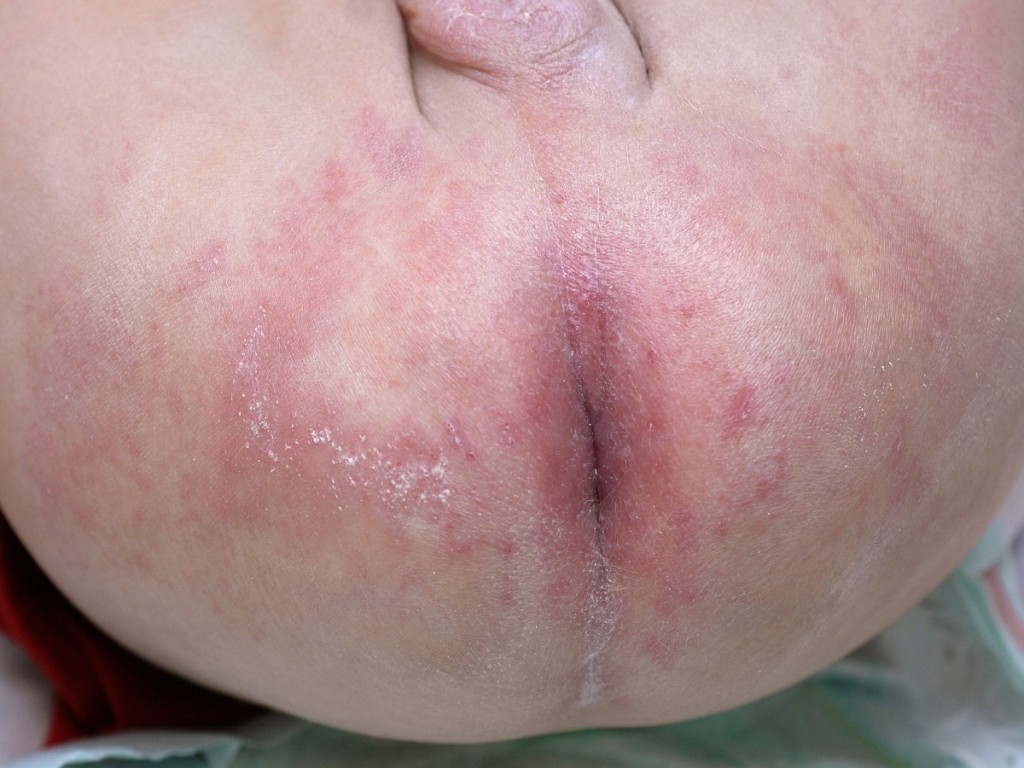
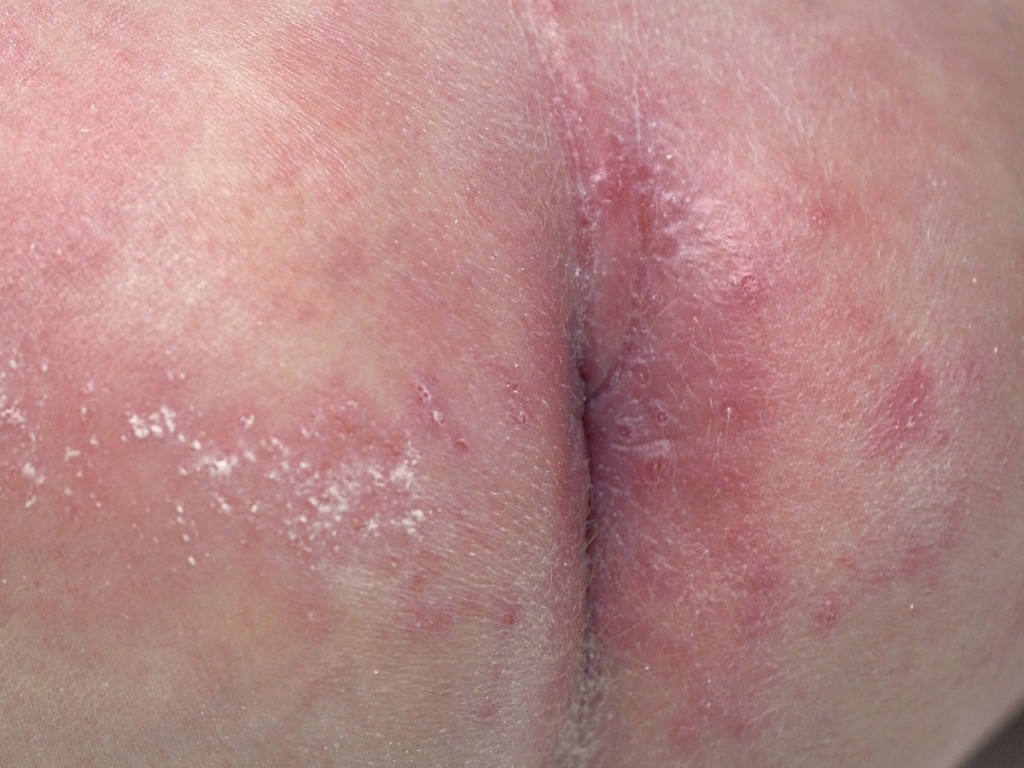
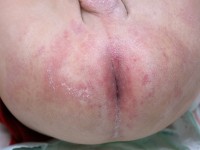
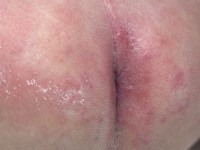
WHAT IS DIAPER RASH?Diaper rash (diaper eczema) is a red skin rash that occurs in babies under their diapers. It is caused by a combination of factors. The main cause is the contact of moisture on the skin from a wet diaper. In the past, when cloth diapers were used, it was much more common than it is today, in the era of super-absorbent disposable diapers. However, it is still common, with about half of all babies experiencing it.WHAT DOES DIAPER RASH LOOK LIKE?The skin in the diaper area is red and sometimes flaky. There may be bumps and blisters, and sometimes even cracks in the skin. It can be itchy and painful, especially if the skin is damaged.
 |
 |
| diaper rash |
diaper rash |
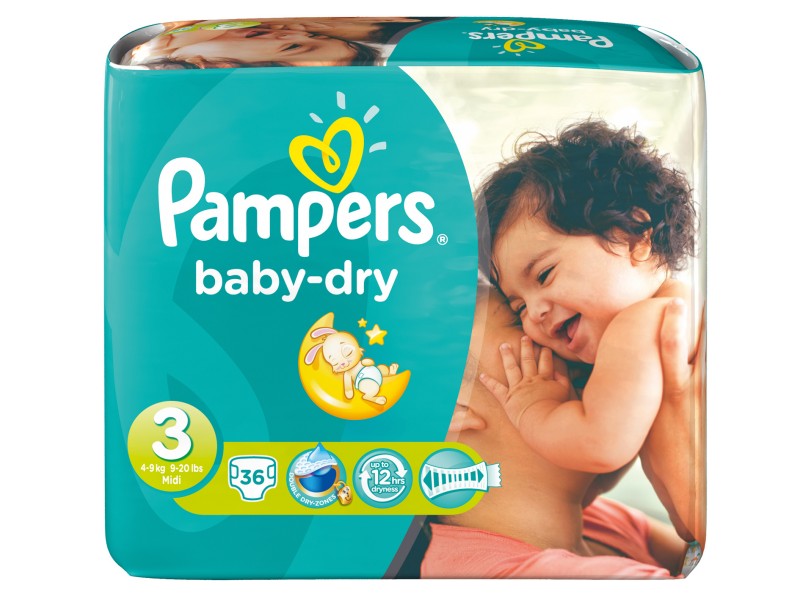
WHO GETS IT?In the first two years of life, about half of babies and infants develop diaper rash. It usually doesn't occur in the first three weeks after birth. The peak is between six months and one year of age. Babies with atopic eczema are more susceptible. Children with chronic diarrhea also often suffer from diaper rash.HOW DOES DIAPER ECZEMA DEVELOP?Wet diaper is the biggest culpritThe main cause is the maceration of the skin by urine. Urine contains irritants like ammonia and chemicals that affect the skin's acidity, but the greatest damage is caused by the moist conditions. Modern diapers contain highly absorbent layers that can absorb a large amount of moisture, but at some point, the diaper becomes saturated. Then the diaper turns into a wet rag under a plastic covering. Prolonged contact with moisture softens the skin, and this is enough to cause eczema.stoolFeces are also harmful to the skin. Feces are low in acidity and contain various digestive enzymes that can damage the skin. Therefore, it's important to change dirty diapers as soon as possible and to thoroughly clean the skin with a damp washcloth or a special cleansing wipe for baby bottoms.Yeast overgrowthDiaper rash is very often accompanied by an overgrowth of yeasts on the skin, in approximately 90% of cases. It's normal for all kinds of yeasts to be present on the skin, even in newborns. The most common yeast species is Candida albicans. Normally, this yeast causes few symptoms, but when its numbers increase, a Candida infection develops with a typical appearance: redness, a scaly border that slowly expands, and often round scaly patches beyond that border. The Candida yeast grows easily on diaper rash because the conditions are ideal for it: warm and moist. If yeasts are present (your doctor can easily identify this), they must be treated. This can be done by using a cream or ointment containing anti-yeast agents.WHAT IS THE TREATMENT FOR DIAPER RASH?Good diapers and frequent changesMake sure your baby or infant isn't exposed to wet diapers. Use good-quality diapers and change them regularly, for example, every 3 hours (7 to 8 times a day). Even the best diapers eventually become wet. Modern disposable diapers contain super-absorbent gels and fibers that can bind a lot of moisture, keeping the skin drier for longer. The inner lining is made of soft material that prevents friction between the diaper and the skin. Some models contain skin-protecting lotions. Of course, purchasing better (and more expensive) diapers and changing them more frequently comes at a price, but this is the most important part of the treatment.
 |
 |
| disposable diapers |
disposable diapers |
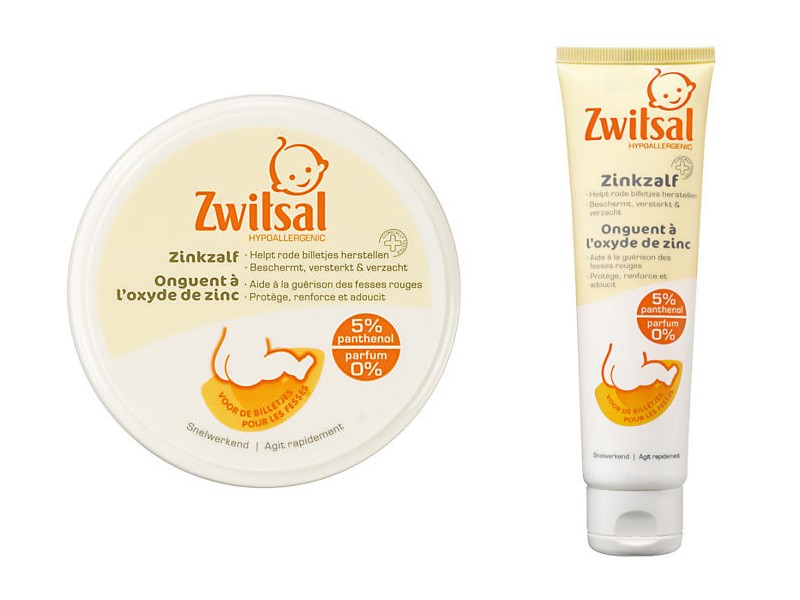
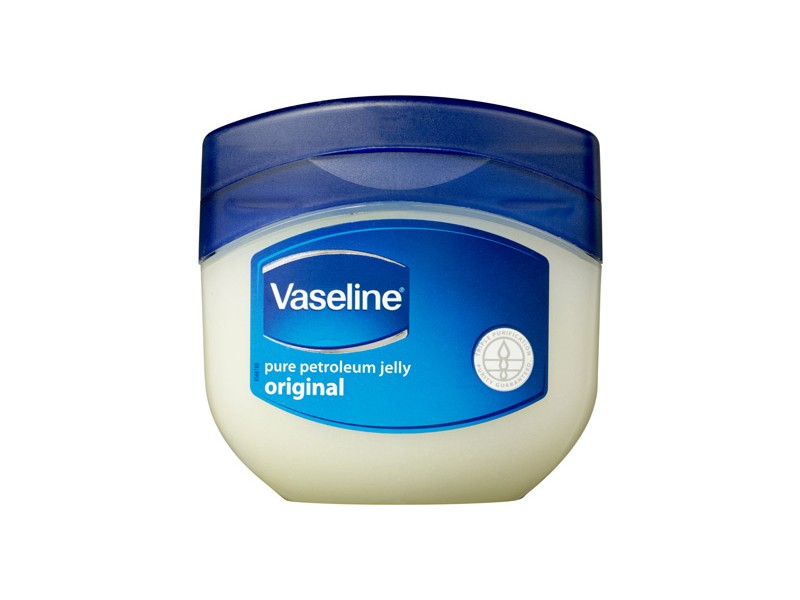
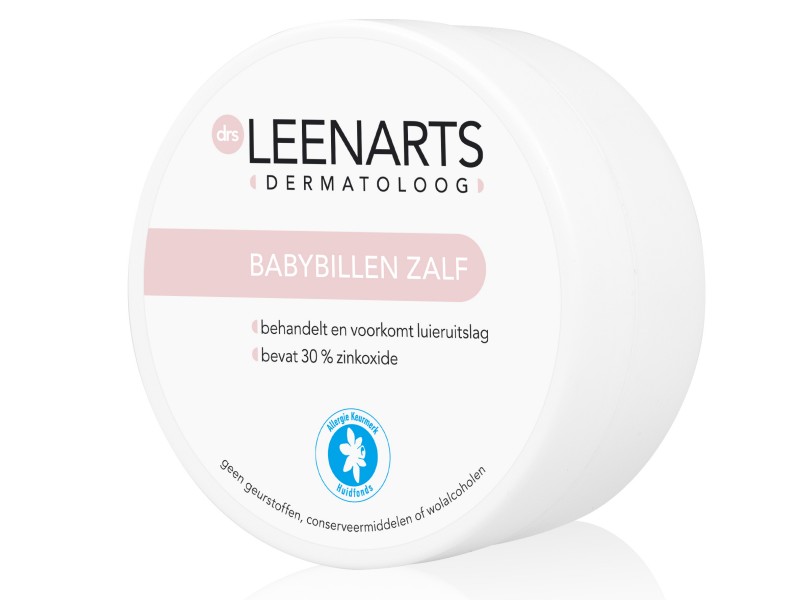
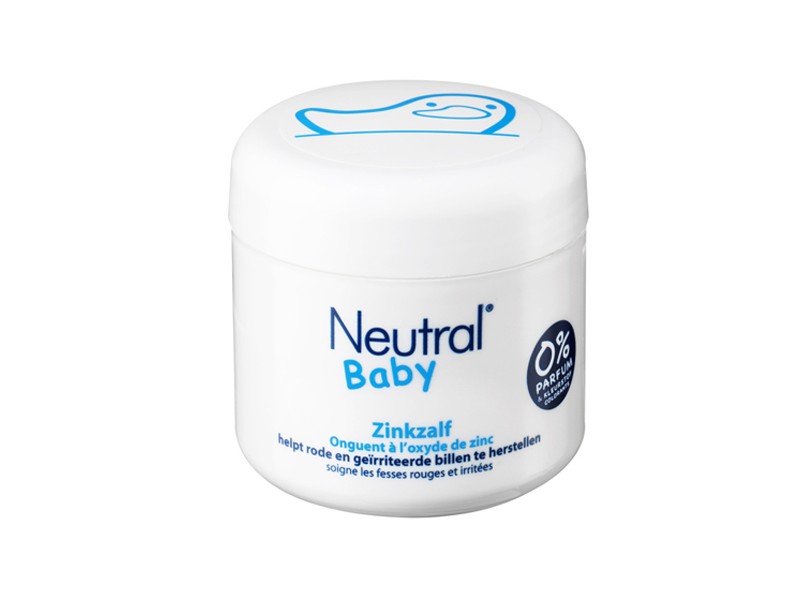
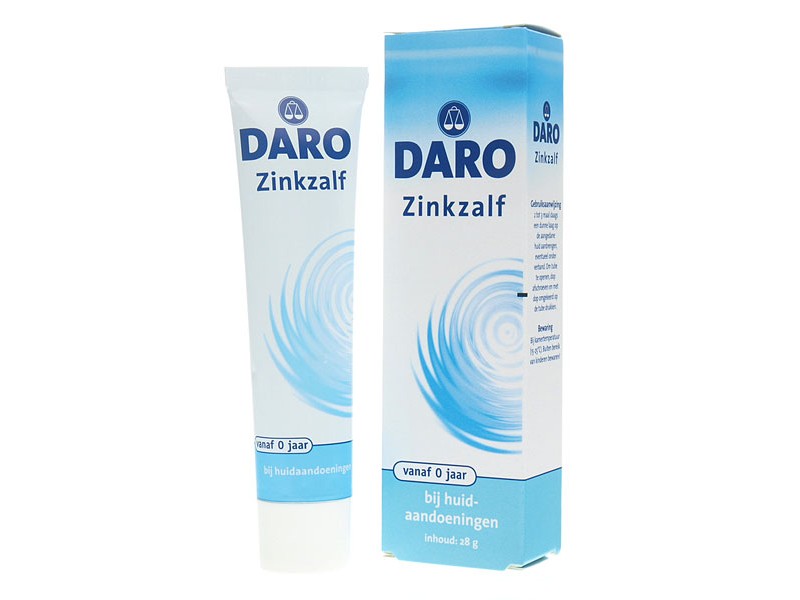
Clean the skin thoroughlyCleanse your baby's skin regularly, especially after a dirty diaper. You can cleanse with a washcloth and water, or with a special cleansing wipe. Here too, choose a reputable brand. Look for labels like "for sensitive skin," "fragrance-free," or "dermatologically tested." Allergies to ingredients in cleansing wipes, such as perfume, preservatives, and other additives, can occur. Let your baby's skin air dry thoroughly after cleaning.Use a skin protective ointmentProtect your baby's skin from moisture by regularly applying a cream or ointment. This could be plain, pure Vaseline, a zinc ointment, or a special "baby bottom cream" from one of the well-known brands.If it does not go away, go to your GP for adviceIn severe cases of diaper rash, it may be necessary to temporarily use a mild hormone ointment (corticosteroid cream). This can be prescribed by your GP. If a Candida infection is involved, an anti-yeast cream should be prescribed. This can also be obtained through your GP. Anti-yeast creams such as Daktarin are also available over the counter at drugstores or pharmacies, but it is wise to have your GP assess whether they are necessary.DIAPER RASH TREATMENT PRODUCTSSkin protection ointmentsYour GP or dermatologist can prescribe a cream or ointment that protects the skin, such as zinc ointment, zinc oxide ointment, or pure white petroleum jelly. You can also buy these products yourself at the drugstore, pharmacy, or online. Be sure to choose a reputable brand. Choose products labeled "for sensitive skin" or "fragrance-free."
 |
 |
 |
| Zwitsal baby zinc ointment |
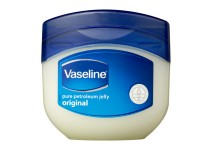
pure white Vaseline |
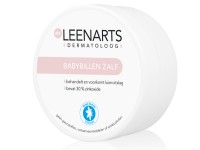
Leenarts baby bottom ointment |
 |
 |
 |
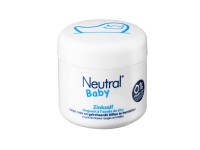
| Neutral baby zinc ointment |
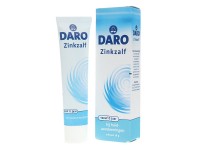
Daro zinc ointment |
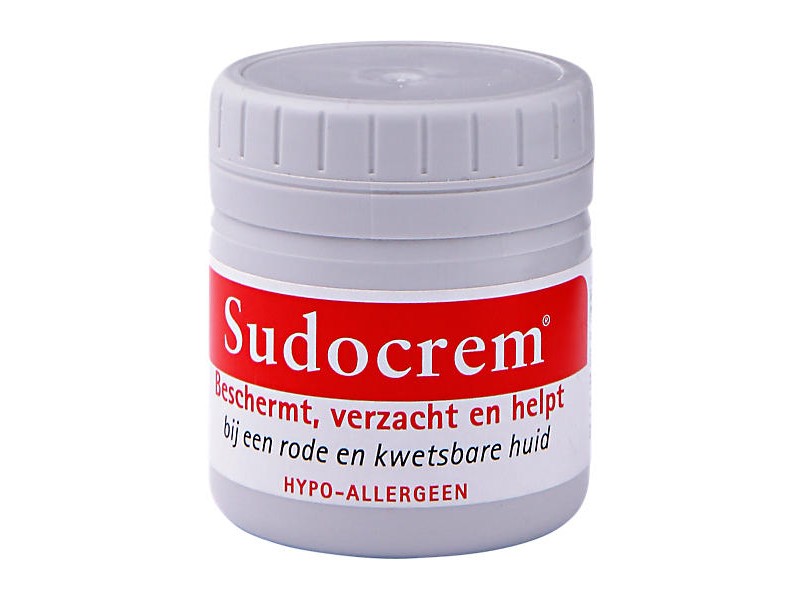
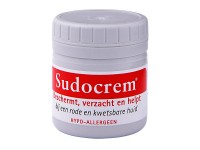
Sudocrem |
Ointments and creams against eczemaAnti-eczema ointments or creams (corticosteroids, hormone ointment) are sometimes necessary to treat diaper rash. Using the mildest form (hydrocortisone cream or ointment) is usually sufficient. These ointments are prescribed by a general practitioner, sometimes by a dermatologist. There are many variations, and there are also combinations of an anti-eczema ointment and a zinc ointment, or of an anti-eczema ointment and an anti-yeast ointment and a zinc ointment.Ointments and creams against yeastsFor a Candida infection, an anti-yeast medication is prescribed. A commonly used medication is Daktarin (miconazole) cream. This medication is available over the counter at drugstores or pharmacies. Other anti-yeast creams are also available with a prescription and are covered by insurance. Combinations with an anti-eczema medication are also available. One example is Daktacort cream: this contains miconazole for yeast and hydrocortisone for eczema (available by prescription only).WHAT ARE THE OUTLOOK?If you follow the above advice, diaper rash will usually disappear quickly. If the rash persists despite taking all the necessary measures, it's wise to see your GP, who can, if necessary, refer you to a dermatologist. It's possible it's not just a regular diaper rash, but something else entirely, such as eczema (atopic eczema, seborrheic eczema) or a serious yeast or fungal infection. |