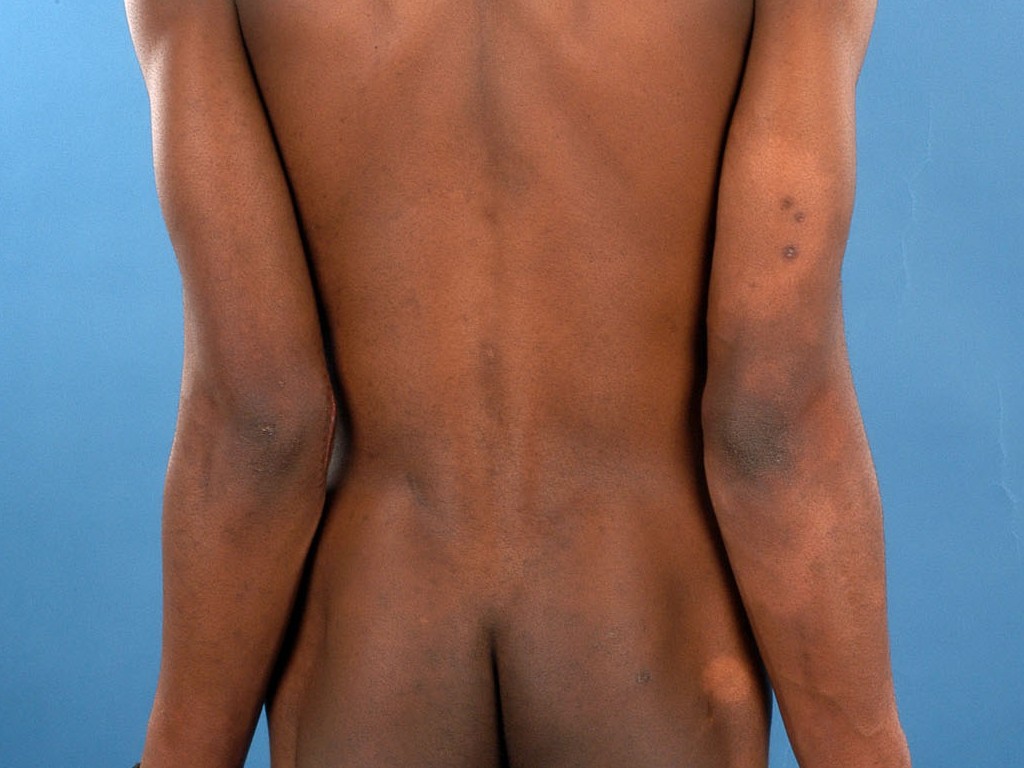
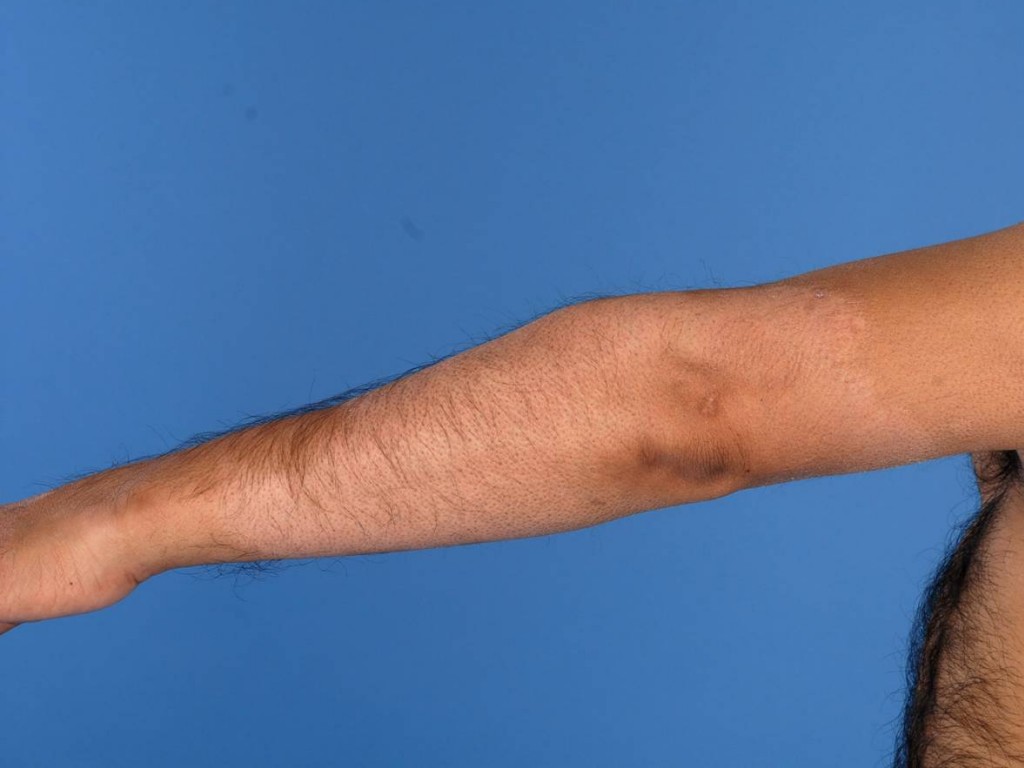
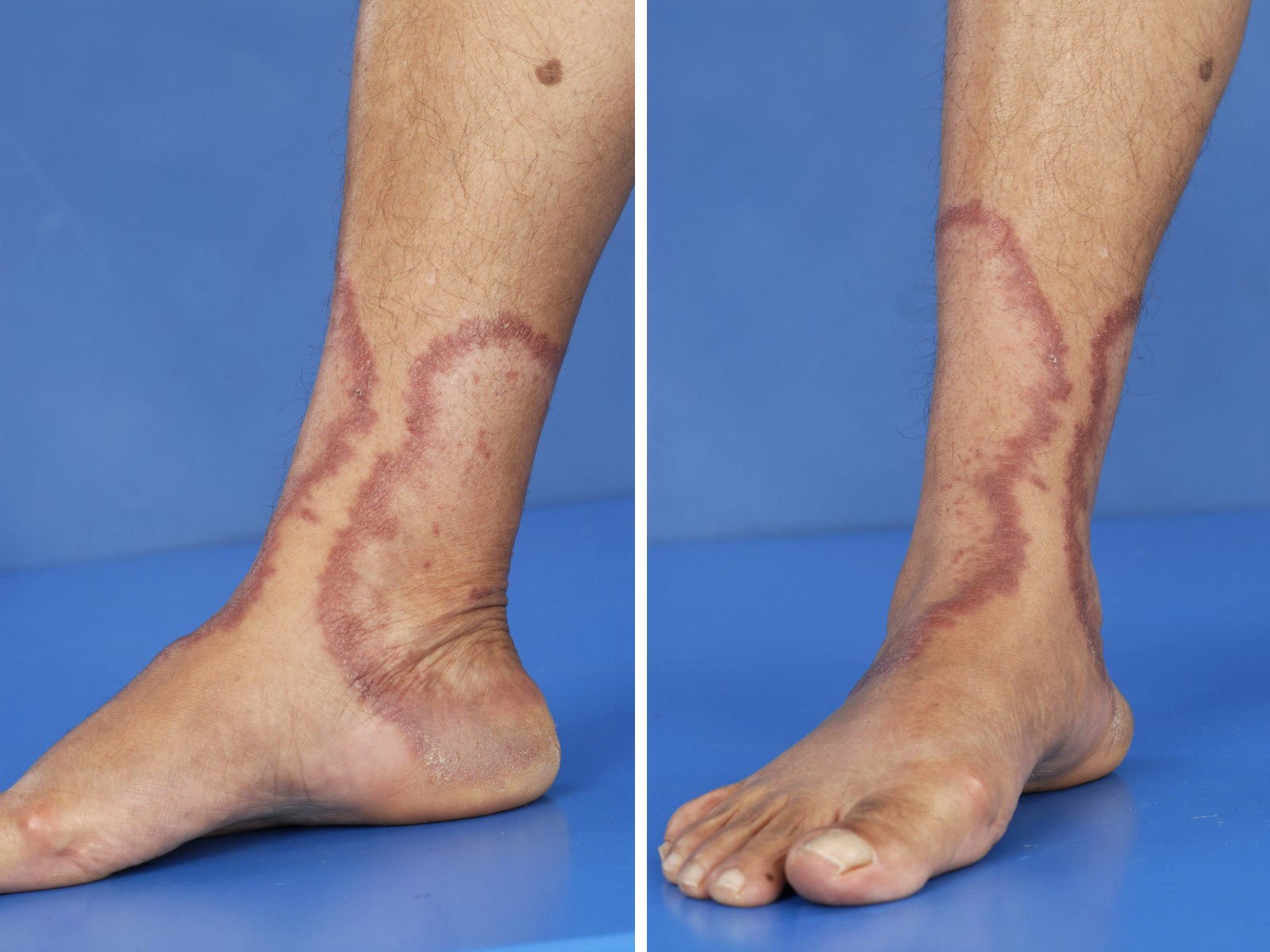
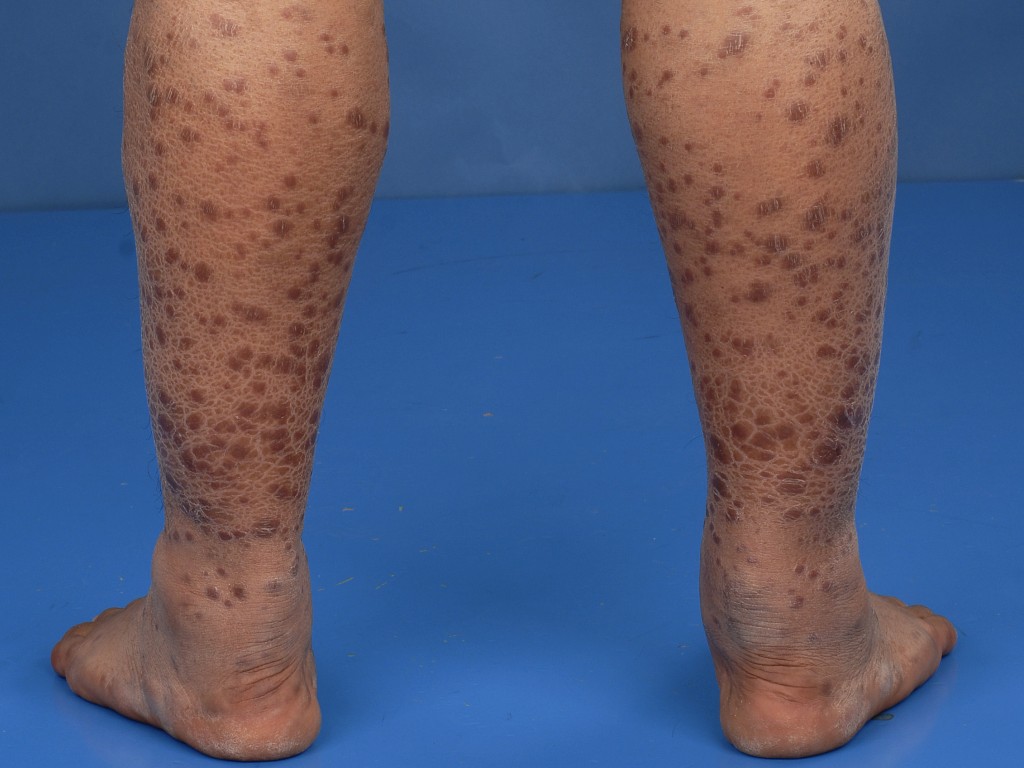
WHAT IS LEPROSY?Leprosy is a disease caused by a bacterium ( Mycobacterium leprae ). This bacterium multiplies in the skin and nerve tissue. This can lead to nerve damage, particularly in the hands, feet, and eyes. These symptoms often develop very gradually, from several months to as long as twenty years after infection. Another name for leprosy is Hansen's disease.WHAT TYPES OF LEPROSY ARE THERE?There are two types of leprosy: tuberculoid leprosy and lepromatous leprosy .Tuberculoid leprosyCauses lighter colored patches on the skin and nerve damage. This form of leprosy can affect sensation, primarily in the hand(s) and/or foot(s). You may injure yourself without realizing it. Excessive pressure and damage to the numb foot can cause wounds that are difficult to heal. If these wounds become severely infected, amputation may be necessary.
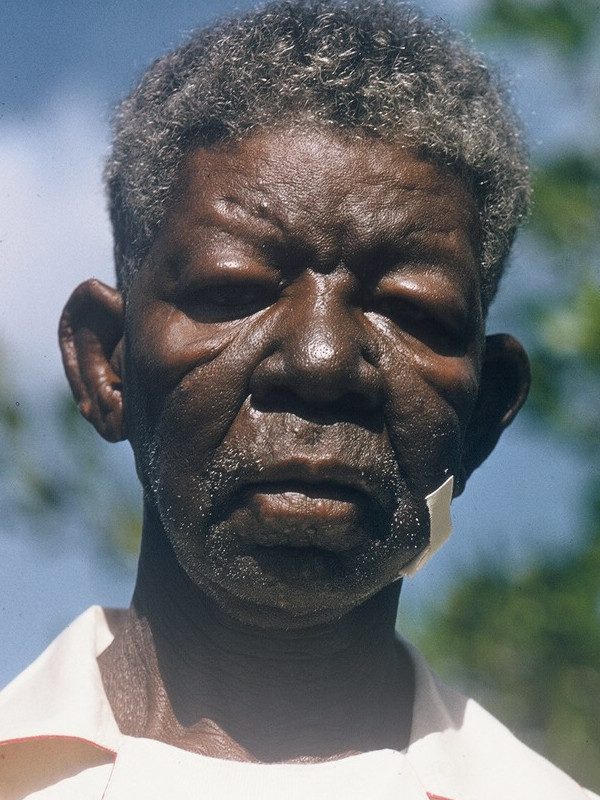
Sometimes the nerves to the muscles in the hands and/or feet are also affected, which can lead to paralysis. This leads to deformities such as foot drop or claw hand. Tuberculoid leprosy is not, or only slightly, contagious.Lepromatous leprosyis the more contagious form. It often causes lumps and swelling of the skin, ears, and nose. In addition, nerves can become swollen and painful. Only after a long period of time, and with insufficient or no treatment, can the nerves also be affected.
WHERE DOES LEPROSY OCCUR?Leprosy is most common in Southeast Asia, Africa, and Latin America. Most new cases of leprosy occur in India, Brazil, Indonesia, Congo, Ethiopia, Bangladesh, Nigeria, Nepal, Myanmar, Sudan, Tanzania, the Philippines, Sri Lanka, Madagascar, China, Mozambique, Angola, and Suriname. The disease is more common in areas with poor hygiene.
Leprosy has not been spread in the Netherlands since the Middle Ages. However, leprosy still occurs here as an imported disease, in people who contracted the disease elsewhere. A total of around 400 people who have had leprosy live in the Netherlands. Every year, 5 to 10 people are diagnosed with leprosy.HOW CONTAGIOUS IS LEPROSY?Leprosy is not highly contagious. In the Netherlands, conditions are such that leprosy infection is impossible. But even if you come into contact with untreated leprosy patients in countries where leprosy is still prevalent, the chance of contracting leprosy yourself is very small. Leprosy patients who are already receiving treatment are no longer contagious to those around them.
The leprosy bacterium is spread primarily through the air in small droplets, similar to the flu. You can become infected through contact with someone who has not yet been treated. In the contagious form of leprosy, the bacteria are primarily found in the mucous membranes of the nose and throat. Coughing and sneezing release the bacteria into the air, allowing other people to become infected.
However, most people who come into contact with the leprosy bacterium do not develop leprosy, because the immune system neutralizes the bacteria. Only if you have had frequent contact with someone who has not yet been treated for leprosy in an area where leprosy is still common do you run a risk of contracting leprosy.
Leprosy is not a hereditary disease. However, it occurs more frequently in some families than others. This is because some members of those families have little resistance to the leprosy bacterium. This lack of resistance is, however, hereditary.WHAT COMPLICATIONS CAN THERE BE?Leprosy can be effectively treated. However, if treatment is initiated only in advanced stages, the resulting disabilities are usually irreversible. Treatment can, however, limit these. To prevent further disabilities, adjustments in daily life are sometimes necessary, and regular checkups are recommended.
HOW IS LEPROSY TREATED?
Leprosy is treated with a combination of antibiotics. This combination is called multi-drug therapy (MDT). A course of these medications usually lasts no longer than 6 months to 2 years. It is important to take the medications consistently to ensure recovery and prevent antibiotic resistance.
Side effects of the medications can sometimes include symptoms such as nausea and dizziness. These symptoms usually disappear after a short time. Some people experience skin discoloration during treatment. This is temporary. If symptoms persist, consult a doctor. Regular checkups are also important.
With the right treatment, good instructions on personal hygiene, and proper care, disfigurement and deformities can be prevented. Early diagnosis and treatment are crucial.
Some people experience so-called leprosy reactions during and after treatment. These reactions cause swelling and pain in the nerves and skin. You may also experience painful lumps or red spots on your skin, fever, joint pain, or swollen lymph nodes. This does not mean that leprosy has returned. The reaction occurs because your own immune system reacts to dead bacteria. These can remain in your body for several years after treatment.
IMPORTANT:
To prevent further nerve damage, leprosy reactions must be treated quickly with anti-inflammatory drugs. Therefore, it is very important to inform your doctor immediately if you experience nerve pain, loss of strength, painful skin lesions, fever, joint pain, or eye problems during the initial stages of leprosy treatment.
Antibiotic treatment for leprosy often cannot reverse nerve damage. Any paralysis, deformities, and numbness will persist. In some cases, paralysis can be corrected surgically.
There is currently no vaccine for leprosy. Treating people with leprosy as quickly as possible is currently the best way to prevent the spread of leprosy.
WHAT HAPPENS AFTER THE TREATMENT?After treatment, an annual check-up is crucial during the initial period. In some patients, the disease may recur later, or leprosy reactions may still occur. Are you worried and think the disease is returning? Then make an appointment at the leprosy clinic of the Dermatology outpatient clinic. The outpatient clinic can be reached during office hours at 020-5662530. In the evenings and on weekends, you can reach the Dermatology ward at 020-5664066.WHAT SHOULD I DO IF I HAVE LEPROSY?If you have reduced or no sensation in your feet and/or hands, it's important to inspect and care for them daily.
Soak and wash your feet with soap and warm water and apply Vaseline daily to prevent calluses from drying out and cracking. Be careful when trimming your nails and keep your feet as callus-free as possible. Never do this with a knife or sharp object, but rather with a callus rasp. Check your feet daily for red, swollen, damaged, or painful areas. If an infection is present, it can spread to the bone if left untreated, leading to amputation of the foot. Wear well-fitting shoes with sturdy, rigid soles and low heels—no narrow or wide shoes. Never walk barefoot or wear open-toed shoes. Grains of sand or pebbles can inadvertently damage your feet.
Soak and wash your hands daily in warm water. If necessary, apply Vaseline to prevent them from drying out and cracking. Be careful with smoking and use a cigarette holder if necessary. Adjusting your tools while working is often necessary to prevent blisters; discuss this with your doctor. Also, always use cloths or potholders when handling hot objects and never use boiling or hot dishwater. Before picking up an object, consider whether it might be hot.WHAT IMPACT DOES LEPROSY HAVE ON DAILY LIFE?Leprosy is an unknown disease in the Netherlands. Some people associate leprosy with guilt and prejudice. This can lead to feelings of shame about the disease. Some people may also avoid contact for fear of becoming infected themselves. This is very distressing for you and sometimes for your family members as well. Help from a social worker or psychologist can offer relief.
If you experience numbness or limitations in your daily life, leprosy can reduce your mobility or require you to adjust your lifestyle to prevent further complications. Therefore, good information and early detection of the disease are crucial.WOULD YOU LIKE MORE INFORMATION?More information about leprosy in the Netherlands can be found at: www.leprastichting.nl |