WHAT IS COW'S MILK ALLERGY?Cow's milk allergy is an allergic reaction to proteins (usually casein) found in cow's milk. It is most common in infants. Most children outgrow it by the time they are 3-4 years old.HOW COMMON IS COW'S MILK ALLERGY?Cow's milk allergy is estimated to affect less than 1% (0.6-0.9%) of infants. Cow's milk allergy usually resolves spontaneously. It is estimated that by the age of 1 year, 75% of affected children can tolerate cow's milk normally again, and by the age of 4 years, that figure is 90%. Cow's milk allergy in adults is very rare.WHAT ARE THE SYMPTOMS OF COW'S MILK ALLERGY?Allergic reactions to cow's milk can manifest as gastrointestinal complaints, skin complaints, respiratory complaints (asthmatic complaints) and general complaints (anaphylactic shock).
The main symptoms are gastrointestinal complaints :
- intestinal cramps
- spitting up, vomiting
- restless drinking
- crying
- restless and poor sleep
- diarrhea
- sometimes constipation
- inflammation of the esophagus, gastric mucosa
- sometimes mucus or blood in stool
- retarded growth
These are not very specific complaints. Intestinal cramps, spitting up, vomiting, restless drinking, crying, and restless and poor sleep are, after all, things that every baby experiences at some point.Skin complaintscow's milk allergy may cause:
- hives (nettle rash, red itchy spots, often slightly raised)
- itching
- worsening of atopic eczema (see further)Allergic complaints of the respiratory tract(asthma attack) are rare with cow's milk allergy, but the following can occur:
- asthmatic symptoms (wheezing, shortness of breath, coughing, tightness in the chest)
- allergic reaction of the nasal mucosa (nasal congestion, runny nose, sneezing)
- allergic reaction of the eyes (red and/or itchy eyes)Anaphylactic reactions and anaphylactic shockThese are serious general symptoms that can occur with a severe cow's milk allergy, but are fortunately very rare. They occur immediately after ingestion. Symptoms range from mild to severe:
- tingling in the mouth, throat, cheeks, or tongue
- localized hives
- severe asthma (wheezing)
- drop in blood pressure
- shock (loss of consciousness due to insufficient blood flow to the brain)HOW IS A COW'S MILK ALLERGY DIAGNOSED?The diagnosis is based on clinical signs and symptoms consistent with a cow's milk allergy, such as excessive crying, vomiting, intestinal cramps, and poor growth. It is difficult to make a definitive diagnosis because the symptoms can also have other causes. The only reliable way to diagnose a cow's milk allergy is to eliminate all cow's milk from the diet and see if the symptoms disappear. Then, the cow's milk should be carefully reintroduced: if symptoms reappear, it is likely a cow's milk allergy. It is advisable to do this under the guidance of a physician (general practitioner, outpatient physician, pediatrician, dermatologist, allergist) and/or dietitian. Blood tests and skin prick tests to detect a cow's milk allergy do exist, but they are unreliable in infants and young children. There is no point in performing these tests.HOW DOES COW'S MILK ALLERGY OCCUR?Children can have an allergic reaction to the proteins in cow's milk. Infants are particularly susceptible. This is because a newborn's gastrointestinal tract is not yet fully developed. In adults, the proteins in cow's milk are broken down into small pieces by digestive enzymes in the gastrointestinal tract. These small protein fragments and individual amino acids (the building blocks of protein) cannot cause allergies, but large proteins like milk protein (casein) can. Because babies' intestines are not yet functioning optimally, larger, incompletely digested proteins can enter the bloodstream. This is harmless for most children, but in some children, the body produces antibodies against these proteins. This can lead to allergic reactions such as intestinal cramps, vomiting, crying, and poor growth. Children can have a predisposition to allergic reactions to all sorts of things: this is called atopy.CAN COW'S MILK ALLERGY CAUSE OR WORSE ATOPIC ECZEMA?This is a difficult question that experts have been debating for years. Cow's milk allergy is not the cause of atopic eczema . The cause of atopic eczema is a hereditary predisposition. Children with this predisposition (who are atopic) do have a roughly twice as high risk of developing food allergies. While the symptoms of atopic eczema and food allergies often go hand in hand, the eczema itself is not caused by a food allergy.
In other words: the hereditary predisposition, atopy, is the cause. And those with atopic eczema can develop the following symptoms throughout their lives: atopic eczema, dry skin, itching, hives, hay fever, watery eyes, asthma, and food allergies.Can cow's milk allergy worsen co-existing eczema?This can happen in infants, but it's much less common than one might think. Some children with a severe cow's milk allergy develop immediate allergic reactions after contact with cow's milk, such as itching, hives, and acute exacerbation of eczema, particularly with the appearance of red patches. Sometimes these children even develop asthma or anaphylactic shock. There are also children whose eczema flares up a few hours after ingesting cow's milk. A Dutch study of infants with atopic eczema and a cow's milk allergy found that in 6% of cases, the eczema worsened after ingesting cow's milk. In the remaining cases, the vast majority, the eczema was not aggravated by the cow's milk allergy.HOW IS COW'S MILK ALLERGY TREATED?In the case of a confirmed cow's milk allergy, treatment consists of eliminating all cow's milk from the diet by switching to a cow's milk-free infant formula from the moment breastfeeding is discontinued. There are several types of infant formulas for cow's milk allergy on the market: Hypoallergenic infant formulas
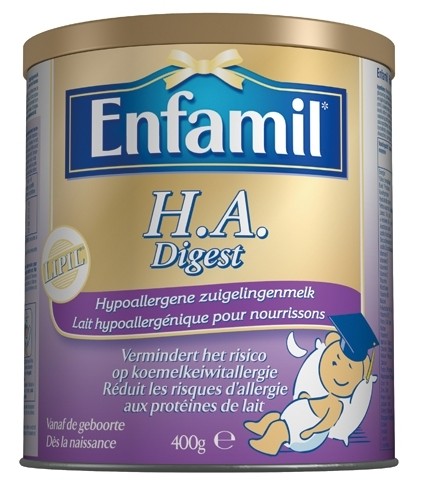
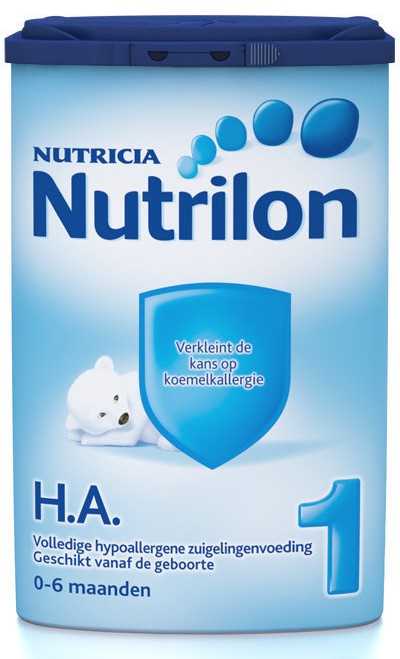
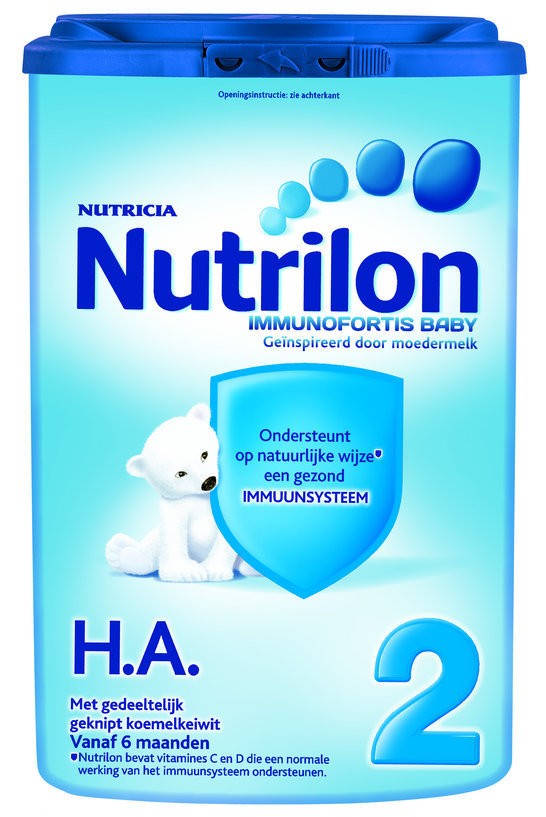
are available . These products contain cow's milk protein, but it is cut into small pieces that cause little or no allergy. These products are also called partially hydrolyzed infant formulas or whey hydrolysates . Examples include Enfamil HA, Nutrilon HA, and Frisopep, which cost around €13-15 per 500g.
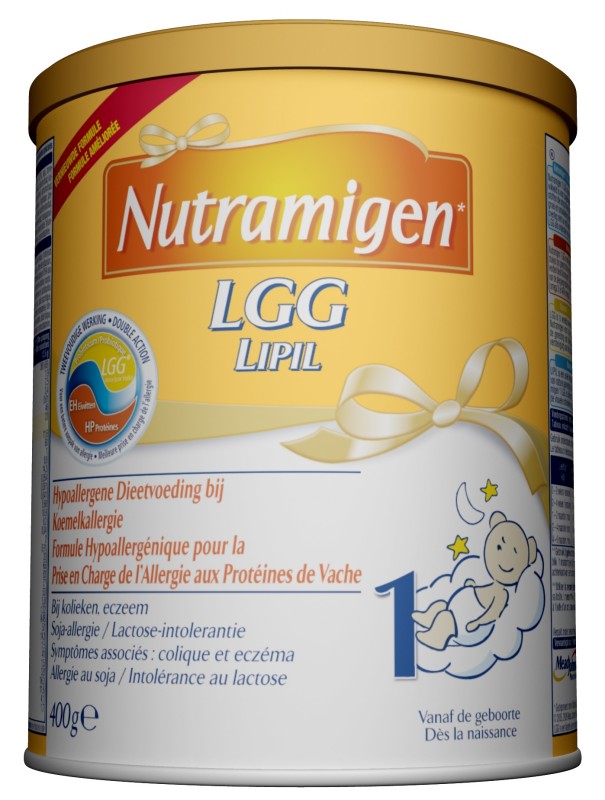
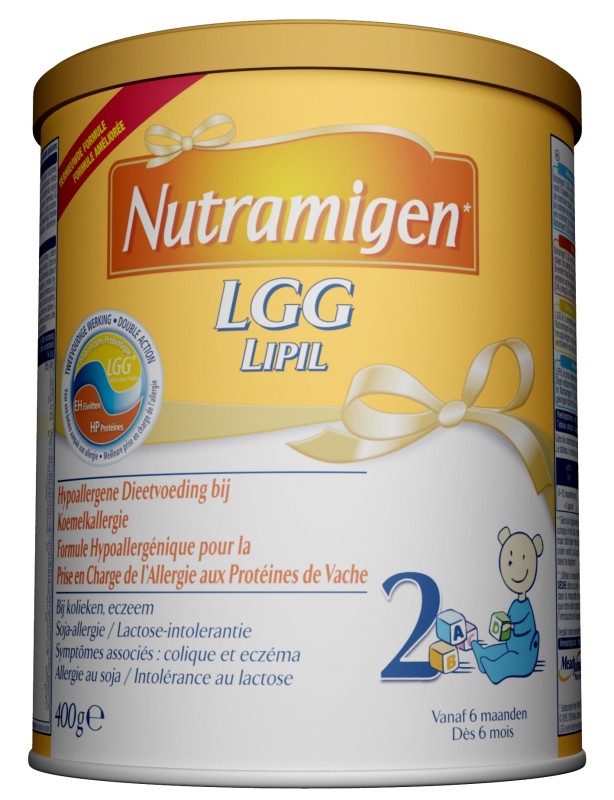
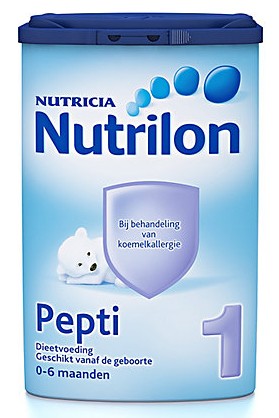
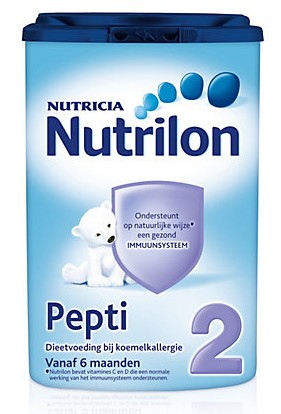
There are cow's milk protein-free formulas in which the cow's milk protein is cut into even smaller pieces. These products are also called highly hydrolyzed cow's milk protein-free formulas or casein hydrolysates . Examples include Nutramigen, Pregestimil, Nutrilon Pepti, and Friso Allergy Care, which cost around €22-27 per 500g.
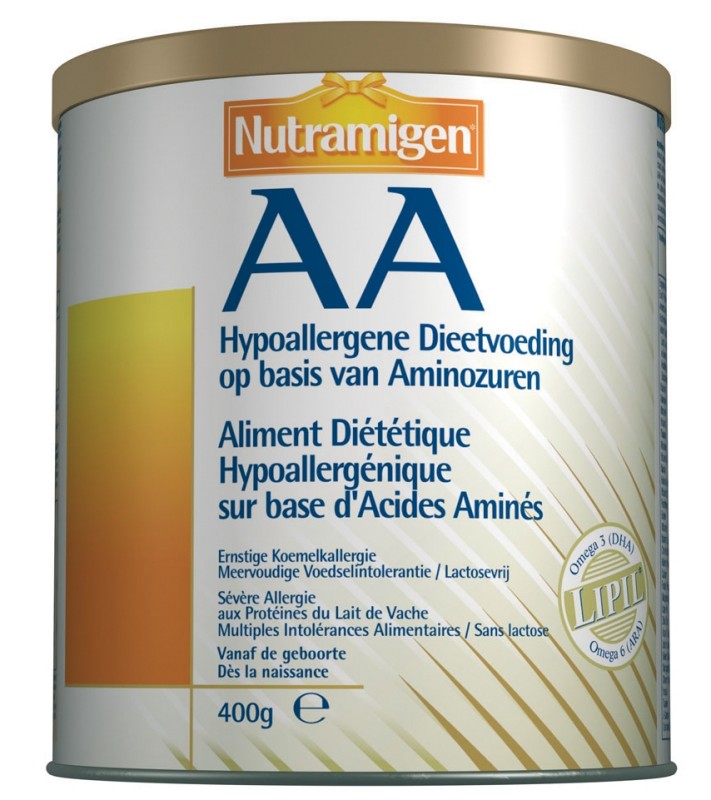
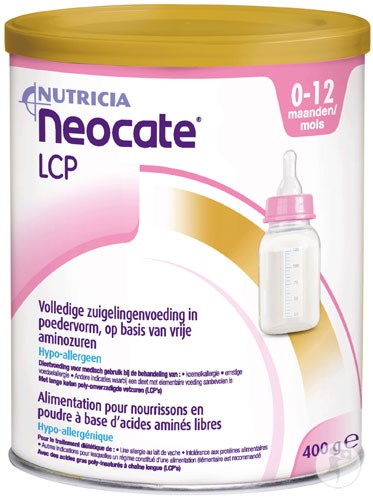
There are also completely cow's milk protein-free formulas that are made up of individual amino acids. Examples include Nutramigen AA and Neocate LCD, which cost around €81-89 per 500g.
Almost all babies with a cow's milk allergy can be effectively treated with a high-strength whey or casein hydrolysate. The much more expensive formulas based on free amino acids are reserved for children with very severe forms of proven cow's milk allergy.
Hypoallergenic infant formula (whey hydrolysates)
- Enfamil HA (Mead Johnson) (partially hydrolyzed infant formula)
- Nutrilon HA 1 (Nutricia) (partially hydrolyzed infant formula)
- Nutrilon HA 2 (Nutricia) (partially hydrolyzed infant formula)
|
Cow's milk protein-free infant formula (casein hydrolysates)
- Nutramigen 1 (Mead Johnson) (cow's milk free)
- Nutramigen 2 (Mead Johnson) (cow's milk free)
- Pregestimil (Mead Johnson) (cow's milk free)
- Nutrilon pepti 1 (Nutricia) (cow's milk free)
- Nutrilon pepti 2 (Nutricia) (cow's milk free)
|
Complete cow's milk protein-free infant formula based on amino acids
- Nutramigen AA (Mead Johnson) (cow's milk free, amino acids)
- Neocate LCP (Nutricia) (cow's milk free, amino acids)
|
IF THERE IS A HIGH RISK OF ALLERGIES AND ATOPIC ECZEMA IN THE FAMILY, SHOULD I AVOID COW'S MILK?Just a few years ago, mothers of children prone to atopic eczema were advised not to give cow's milk during the first year of life. The advice was to exclusively breastfeed or use hypoallergenic infant formula. The idea was that this could prevent the development of atopic eczema. In recent years, it has become clear that this is not the case. Therefore, this type of advice is no longer given. Therefore, children from atopic families can use regular baby food.
Breastfeeding is the best nutrition for infants during the first 4-6 months of life, but it does not protect against the development of atopic eczema. Breastfeeding mothers do not need to avoid cow's milk either.
Supplementing infant formula with cow's milk in the first few days of life is also not harmful: it does not increase the risk of allergic diseases later in life.WHEN CAN I GIVE MY BABY OTHER THINGS TO FEED?Introducing other foods to infants with a cow's milk allergy doesn't need to be delayed until after 6 months, and it doesn't have to be done cautiously or gradually. The vast majority of babies with a cow's milk allergy are only allergic to cow's milk; it's estimated that about 10% develop an allergy to another food, almost always one of the notoriously common allergic foods such as chicken eggs, peanuts, tree nuts, and shellfish. Allergies to foods typically introduced during the first few months of complementary feeding, such as vegetables, fruit, meat, rice flour, and grains, are extremely rare. Kiwi is best avoided.HOW LONG SHOULD I CONTINUE TO USE THE COW'S MILK-FREE PRODUCTS?For persistent cow's milk allergies, soy can serve as an alternative source of milk. From 6 months onwards, most infants with a cow's milk allergy tolerate formula based on soy protein. This is therefore a good alternative to more expensive, cow's milk-free formulas. Many children lose their cow's milk allergy by around 1 year, so it's helpful to occasionally reintroduce the child to cow's milk starting around their first birthday to see if the allergy persists. This prevents unnecessary dietary changes. Many children suspected of having a cow's milk allergy use expensive hypoallergenic products for too long or adhere to a strict and unhealthy diet when this is no longer necessary. People who avoid dairy products are advised to consume sufficient alternative sources of calcium, such as green leafy vegetables or oatmeal.CAN I USE MILK FROM OTHER ANIMALS?Due to the high degree of cross-sensitivity between cow's milk and the milk of other mammals, such as horses, donkeys, goats or dromedaries, the milk of such mammals is not suitable for the treatment of cow's milk allergy in infants. |