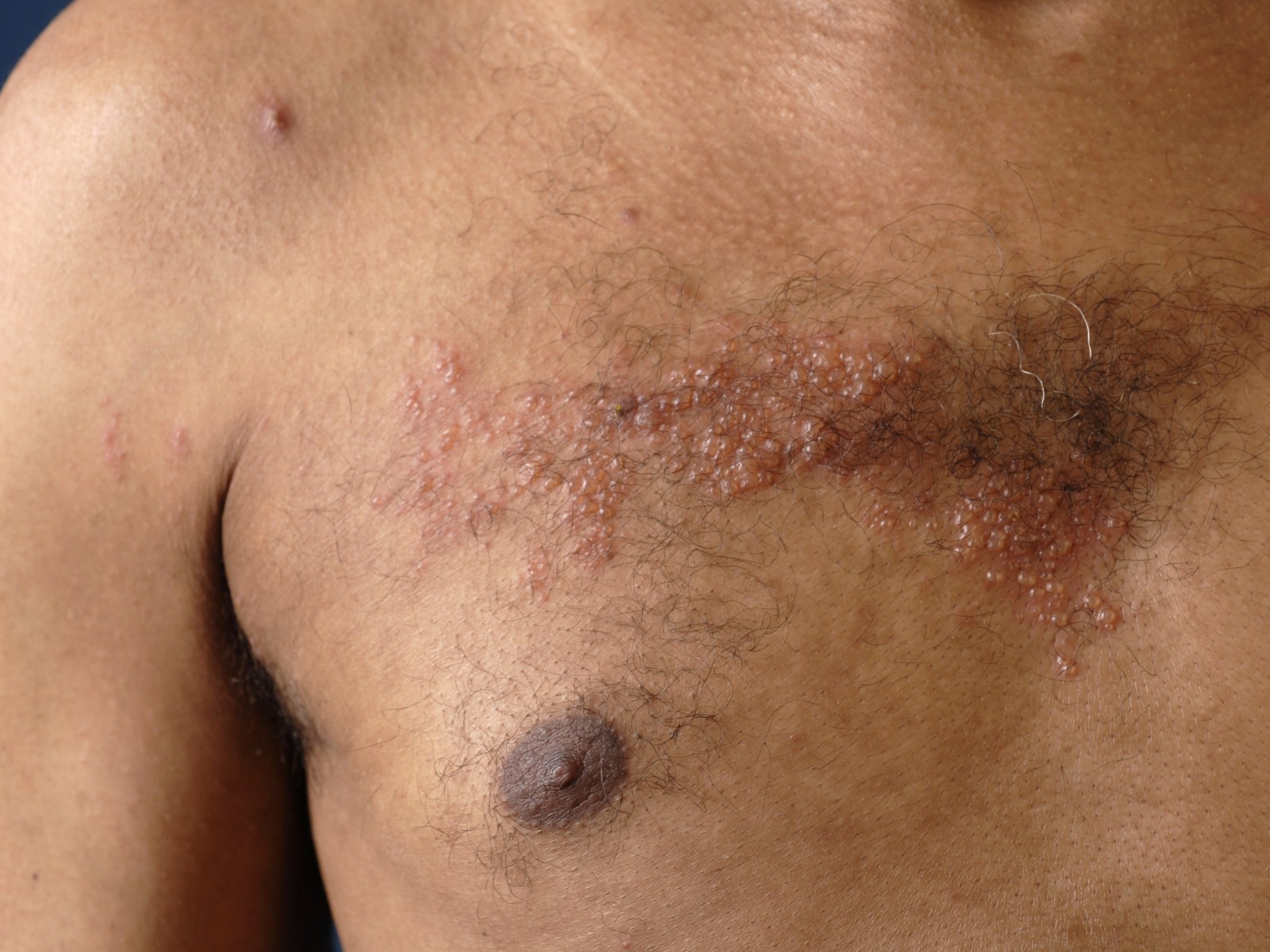
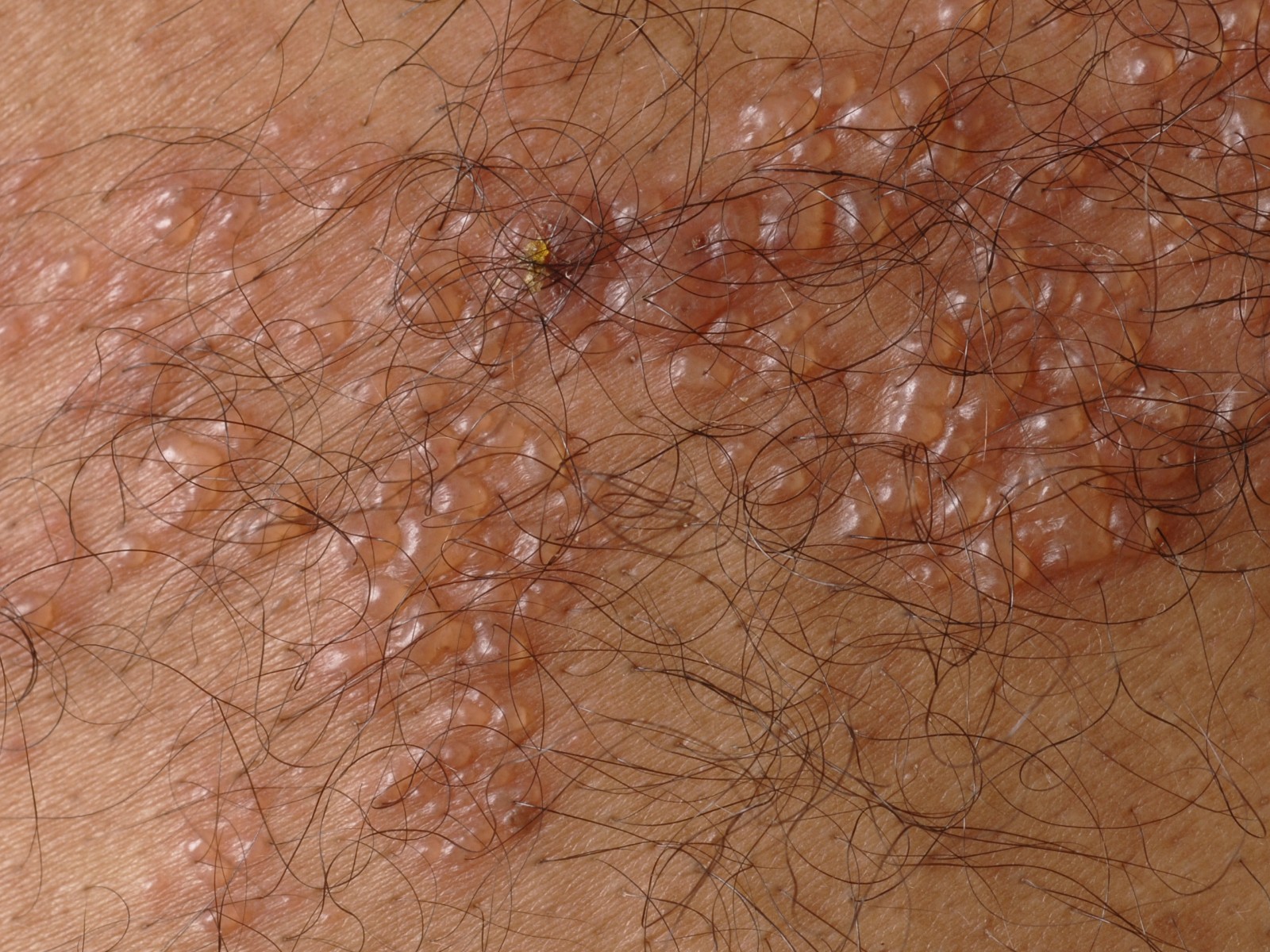
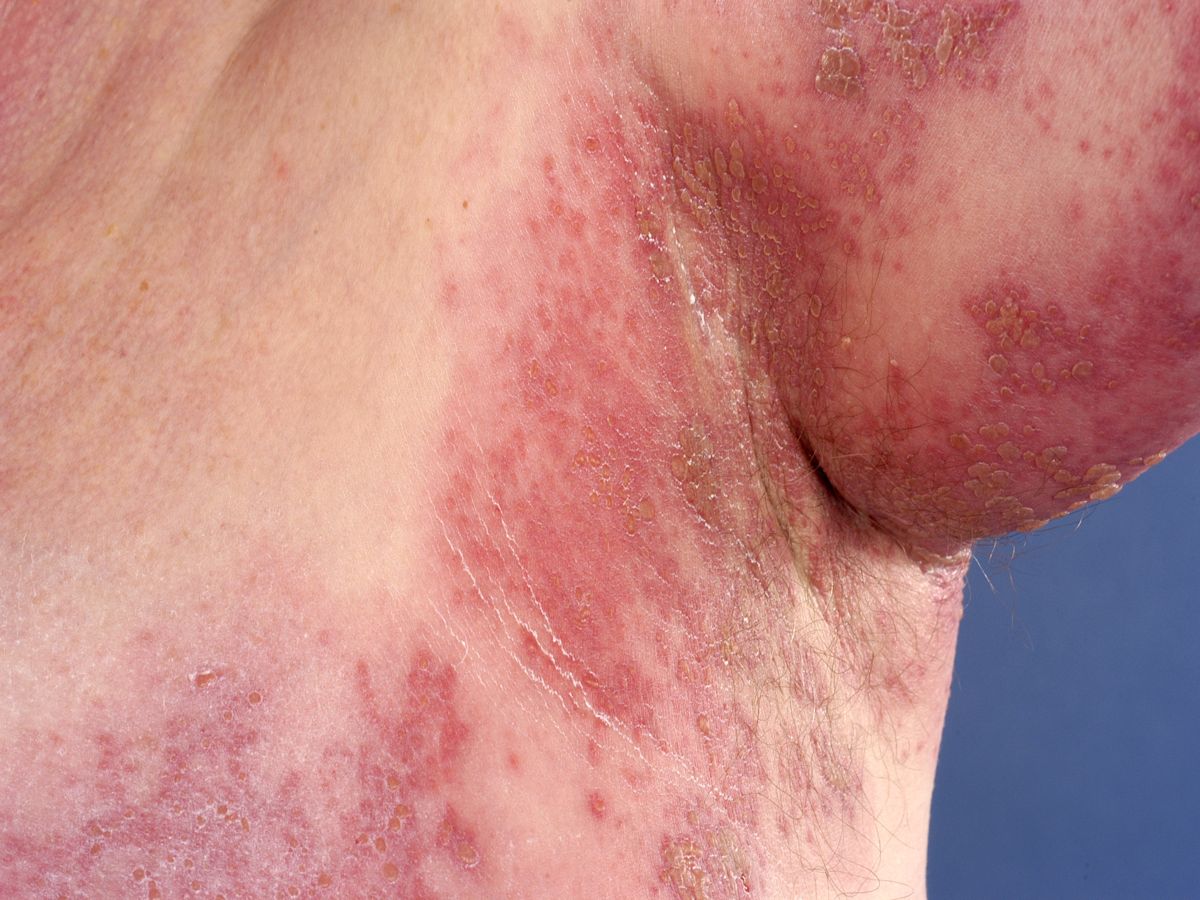
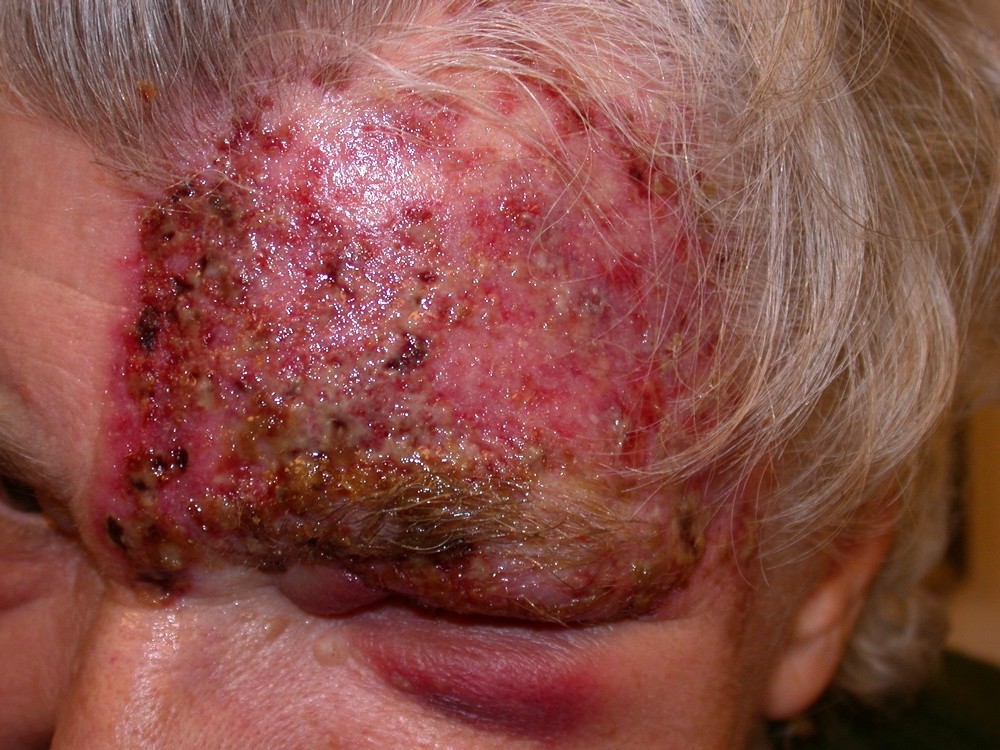
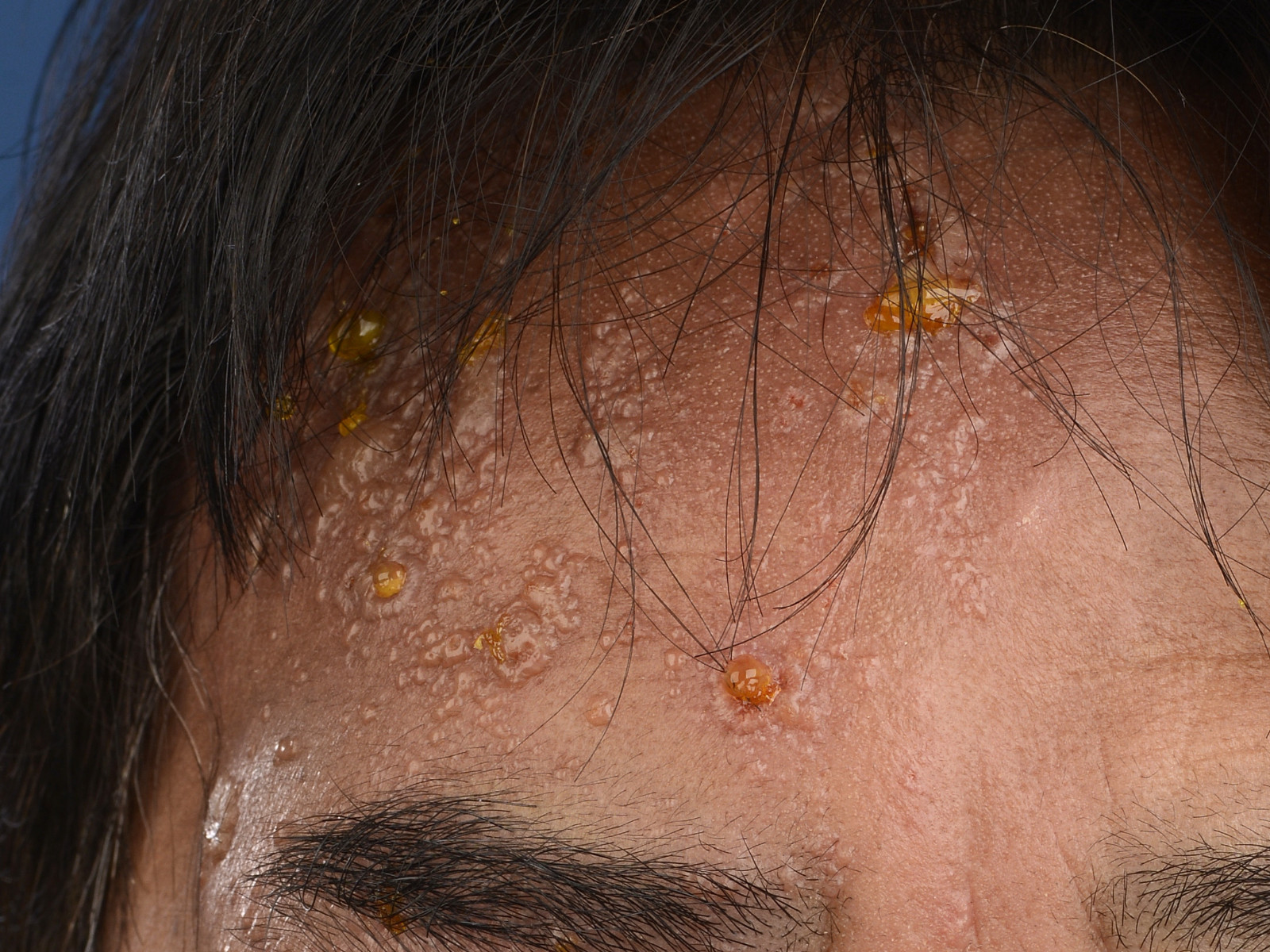
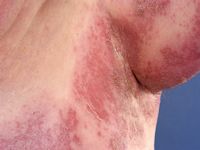
WHAT IS SHINGLES (HERPES ZOSTER)?ShinglesShingles is a skin rash caused by a viral infection. It is characterized by the development of small blisters, clustered together or in an elongated area (belt). The blisters cause itching or pain and later develop into a sore that forms a scab. Shingles occurs primarily in older patients. It usually affects the torso or face and always one side of the body.
The medical term for shingles is herpes zoster . The cause is the varicella zoster virus . The varicella zoster virus also causes the childhood disease chickenpox. Patients who develop shingles had chickenpox in childhood and still carry the virus in their bodies. After recovering from chickenpox, some of the virus remains in the nerve pathways next to the spinal column or in the facial nerves. Under certain circumstances, the virus can reactivate. This occurs primarily when a person's immune system weakens, for example, due to aging or the use of medications that weaken the immune system. The virus then multiplies again and reaches the skin via the nerve pathways. A rash develops on the skin precisely in the area supplied by the nerve. That's why shingles always affects only one area, on one side of the body. A patch of skin supplied by one nerve is also called a dermatome.
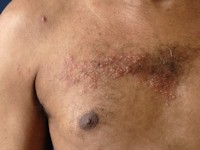
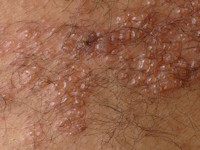
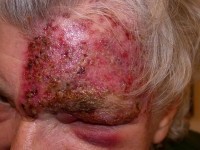
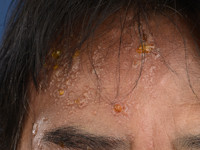
Anyone can get shingles, but the disease mainly occurs over the age of sixty. More than 20% of the population will experience it at some point. Shingles is generally not a serious condition, but it is an annoying one. It usually clears up on its own within a few weeks, but sometimes it takes a little longer. Shingles can occur repeatedly in the same person, but this is rare. After a past infection, new antibodies are produced, which often keeps the virus at bay for years. If it does occur frequently, it's a reason to investigate whether there is a weakened immune system. With very weak immunity, the virus can spread throughout the body.WHAT DOES IT LOOK LIKE?Shingles is characterized by severe, burning, or stabbing pain, sometimes accompanied by fever or a general feeling of being unwell. After a few days, small clusters of red blisters appear, initially filled with clear fluid, but later becoming cloudy (purulent). These are accompanied by severe itching or pain. After ten to fourteen days, the blisters dry up and form scabs that may leave small scars. Shingles can occur anywhere on the body, but is most commonly seen on the trunk (50% of cases), the arms (20%), and the face (15%). Occasionally, it occurs on the legs. In older patients, shingles is more common on the face, and sometimes the eye can also become infected.
 |
 |
 |
| shingles (herpes zoster) |
shingles (herpes zoster) |
shingles (herpes zoster) |
 |
 |
 |
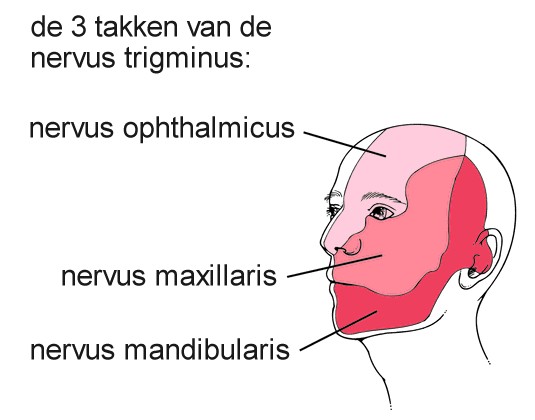
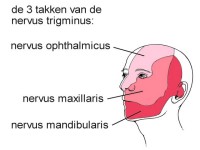
| trigeminal nerve branches |
shingles near the eye |
shingles near the eye |
A significant risk of shingles is nerve pain (post-herpetic pain) that persists for a long time, even after the blisters have disappeared. This nerve pain can be very severe and last for years. The risk of such nerve pain increases with age.CONTAGIOSINITIESShingles is contagious to others as long as blisters or open sores are present. Most adults have had chickenpox as children and have developed antibodies against it. They are immune and cannot be infected. However, those who have never had chickenpox and do not have antibodies against the virus can be infected by someone with shingles and then develop chickenpox. The virus can be transmitted through the air and also through the fluid from the blisters. Therefore, shingles patients should stay away from newborns and seriously ill patients with compromised immune systems.HOW IS THE DIAGNOSIS MADE?The diagnosis can often be made based on the clinical picture, its appearance, its typical shape, and the pain. Sometimes a sample of the blister fluid is collected for examination under a microscope or to culture for the virus, but this is usually unnecessary.TREATMENTIn healthy people with relatively mild shingles, treatment is not necessary. Treatment would typically consist of taking antiviral tablets (acyclovir, valacyclovir, or famciclovir), but in most cases, the virus is simply fought off by the immune system in healthy individuals, and taking antiviral medication doesn't significantly improve the condition.
For patients with compromised immune systems, the situation is different; it is advisable to start taking antiviral medication. These patients can become seriously ill, with fever and general symptoms, and sometimes even require hospitalization for an acyclovir infusion.
If the herpes infection breaks out around the eye, it's also wise to start taking antiviral tablets. An ophthalmologist will often examine the eyes in such cases, and an antiviral eye cream will be added to the treatment.
If the herpes infection is around the ear, prednisone is sometimes administered to prevent damage to the hearing and facial nerves.
If necessary, painkillers are prescribed, and sometimes creams are prescribed to prevent the herpes sores from becoming infected with bacteria. A dusting powder or ointment is usually given to relieve the itching.
Prescribing an antiviral is only effective if started within a week (preferably within three days) of the first symptoms. If the patient waits longer, prescribing antiviral drugs is less effective. In that case, only something to relieve the pain or itching is prescribed. Without medication, shingles also disappears on its own after about a month.
Severe and painful shingles can be treated with nerve treatment (via an injection low in the back). This treatment aims to reduce swelling in the nerve, relieve acute pain, and prevent the development of permanent nerve inflammation, which can cause symptoms for years. The nerve treatment is administered by an anesthesiologist. This treatment is only effective if it is administered within five weeks of the onset of symptoms.
Post-herpetic pain can be managed with painkillers, or with special medications usually only prescribed for epilepsy or depression.
In a growing number of countries, including the Netherlands, older people (over 50) are now being vaccinated against herpes zoster. Most people have had chickenpox at a young age and subsequently have a good immune system against the virus. But after many years, this resistance diminishes. Vaccination can restore the immune system so that older people do not suffer from painful and bothersome shingles, with potentially serious complications such as permanent scarring and chronic pain. In the Netherlands, too, the Health Council recommends vaccination against shingles from the age of 60. A vaccine (Shingrix) is available in the Netherlands. The vaccine costs approximately 175 euros per injection, and two injections are required, two months apart. The vaccination is not yet covered by health insurers, but a growing number of older people who can afford it are getting vaccinated.WHAT CAN YOU STILL DO YOURSELF?You should be aware that the blisters are full of the chickenpox virus, so you could infect others who have never had the virus. Stay away from newborns and infants, pregnant women, and people with weakened immune systems. Nurses with shingles who work in a unit caring for these patients should stay home until the infection is completely gone.WHAT ARE THE OUTLOOK?Shingles resolves on its own. In patients with weakened immune systems, the infection can leave more severe scarring. Sometimes the area where the infection occurred remains painful for a long time. This is due to nerve irritation and is called post-herpetic neuralgia. It occurs primarily in the elderly and is difficult to treat. Sometimes a referral to a neurologist or an anesthesiologist from a pain team is necessary. Medications also used for epilepsy are prescribed.
If the shingles affects the face, nerve damage can cause paralysis of the eye muscles or facial muscles. After a herpes infection around the ear, deafness or dizziness can occur. |