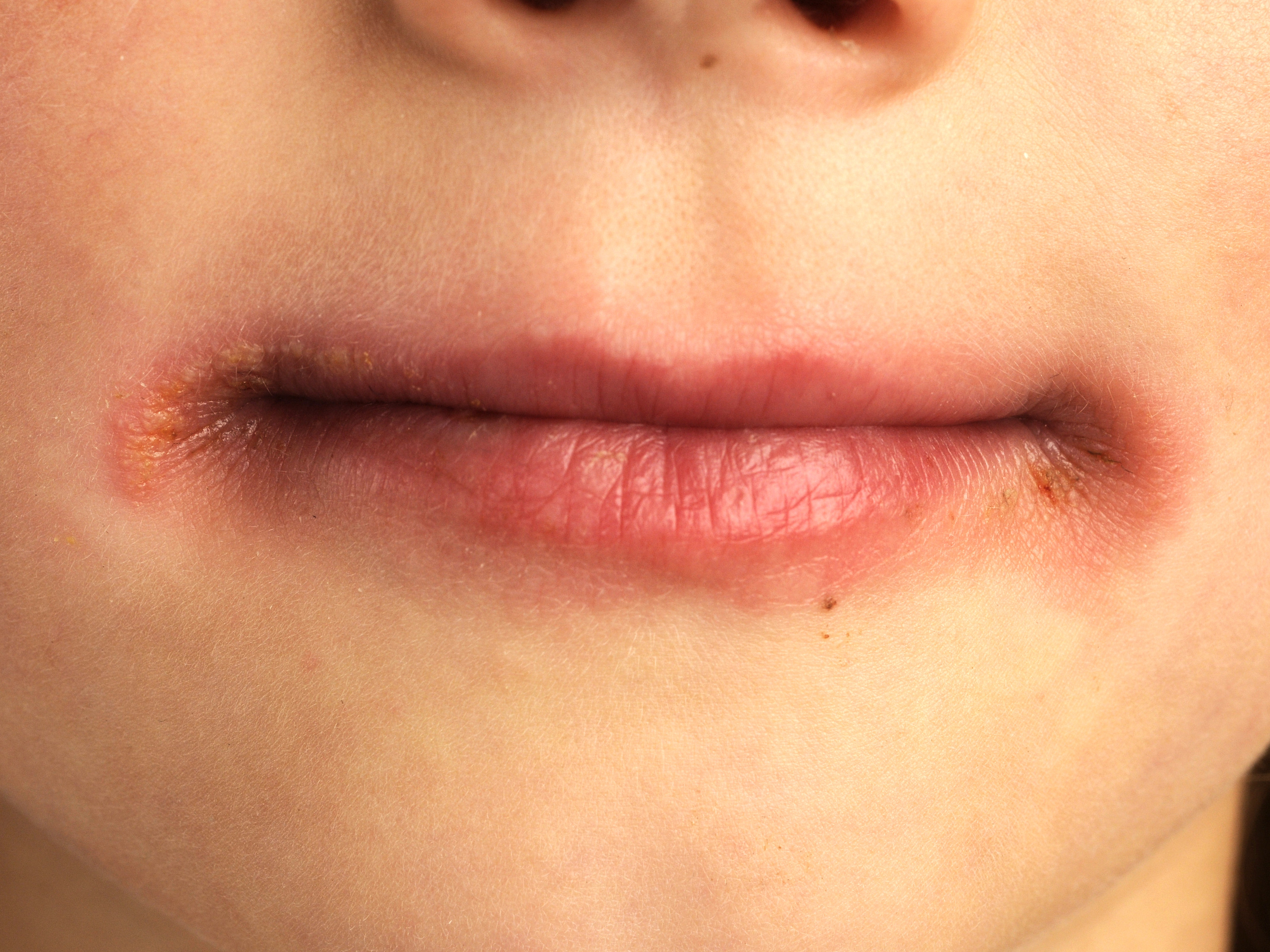
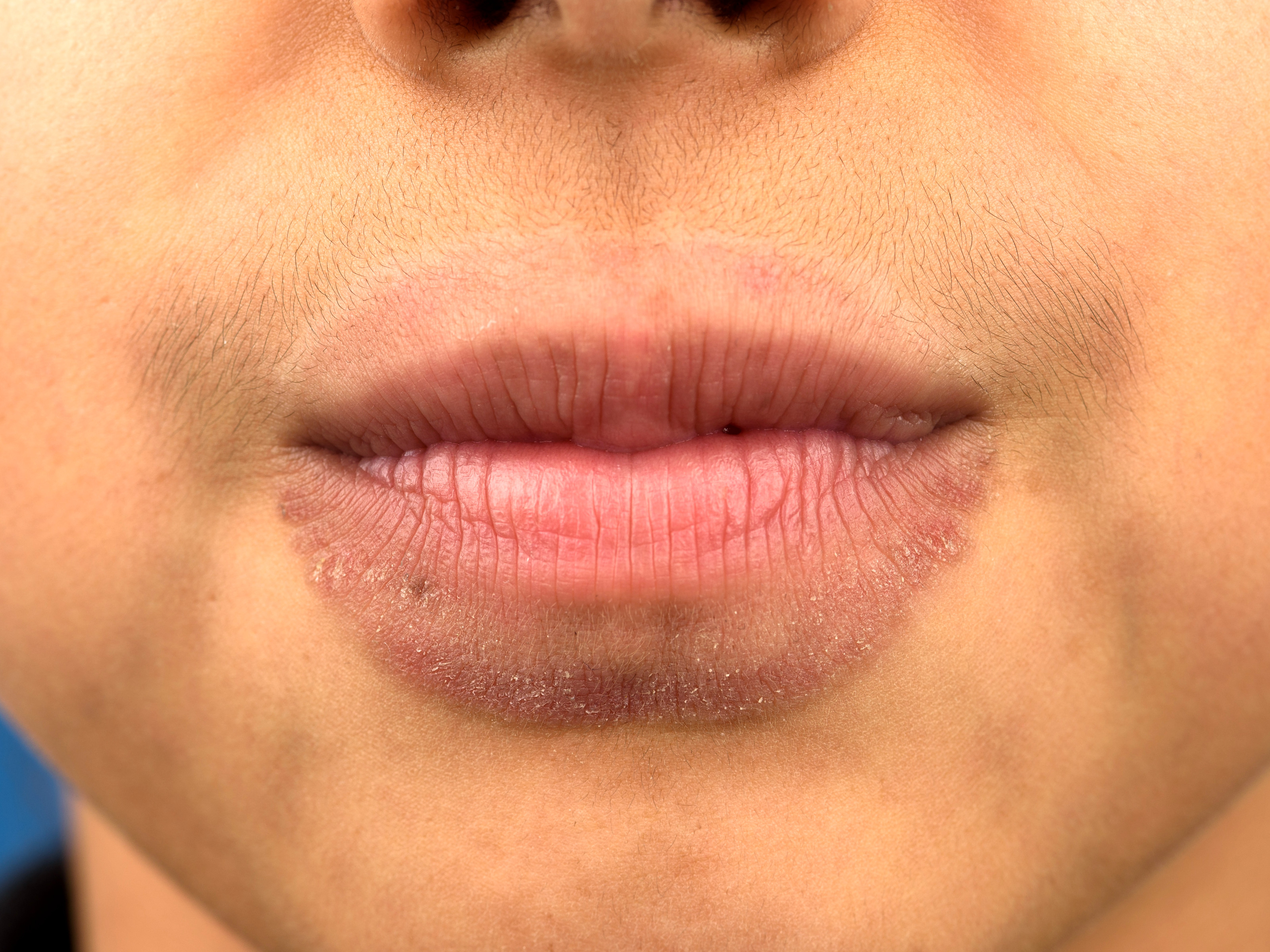
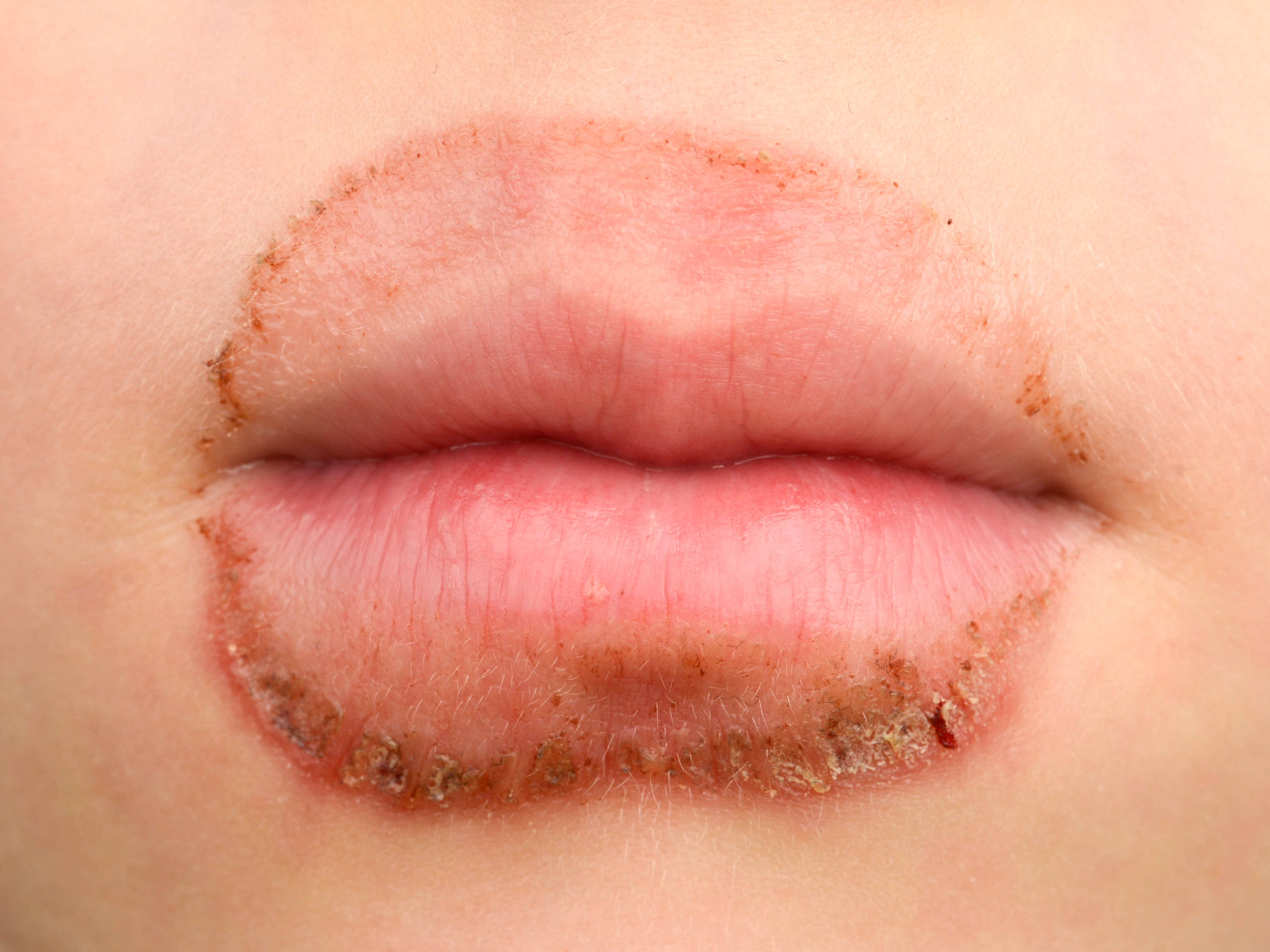
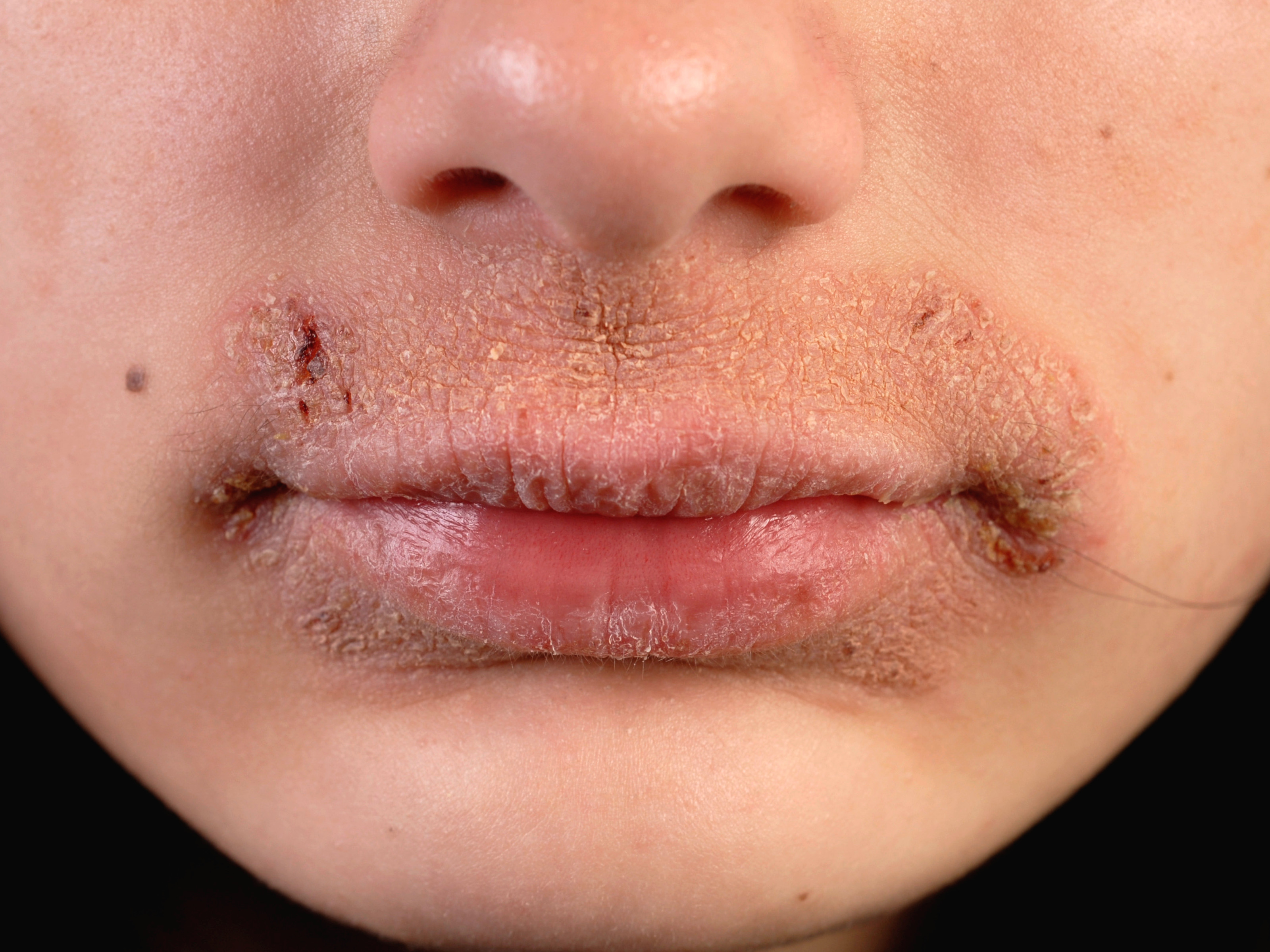
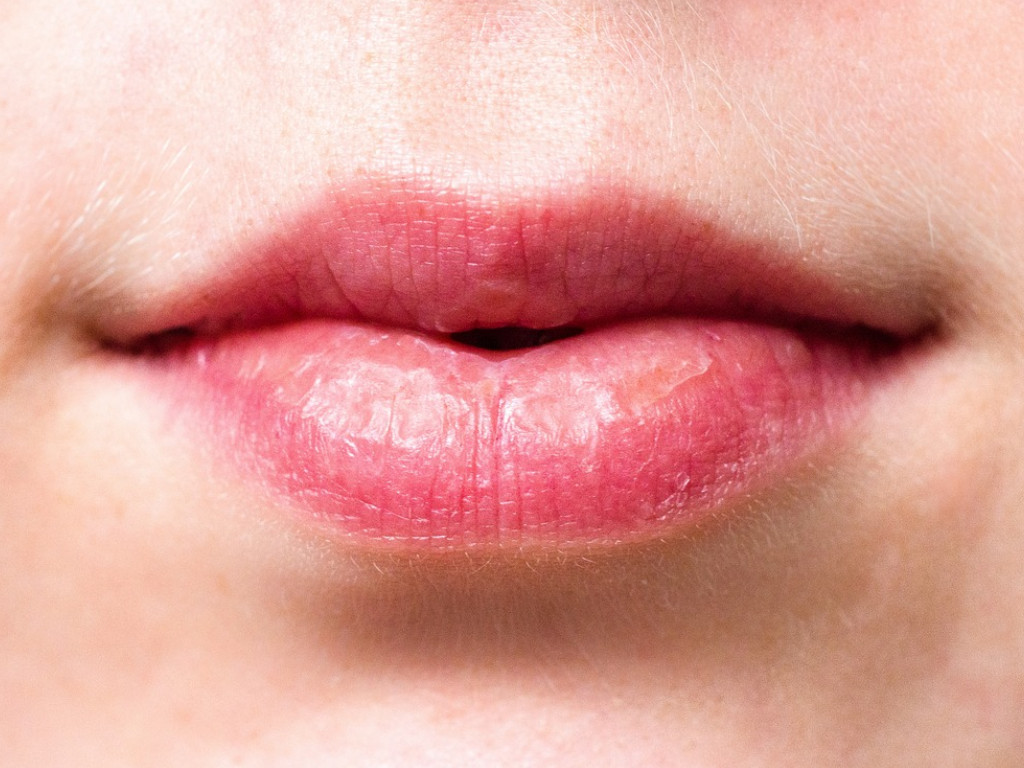
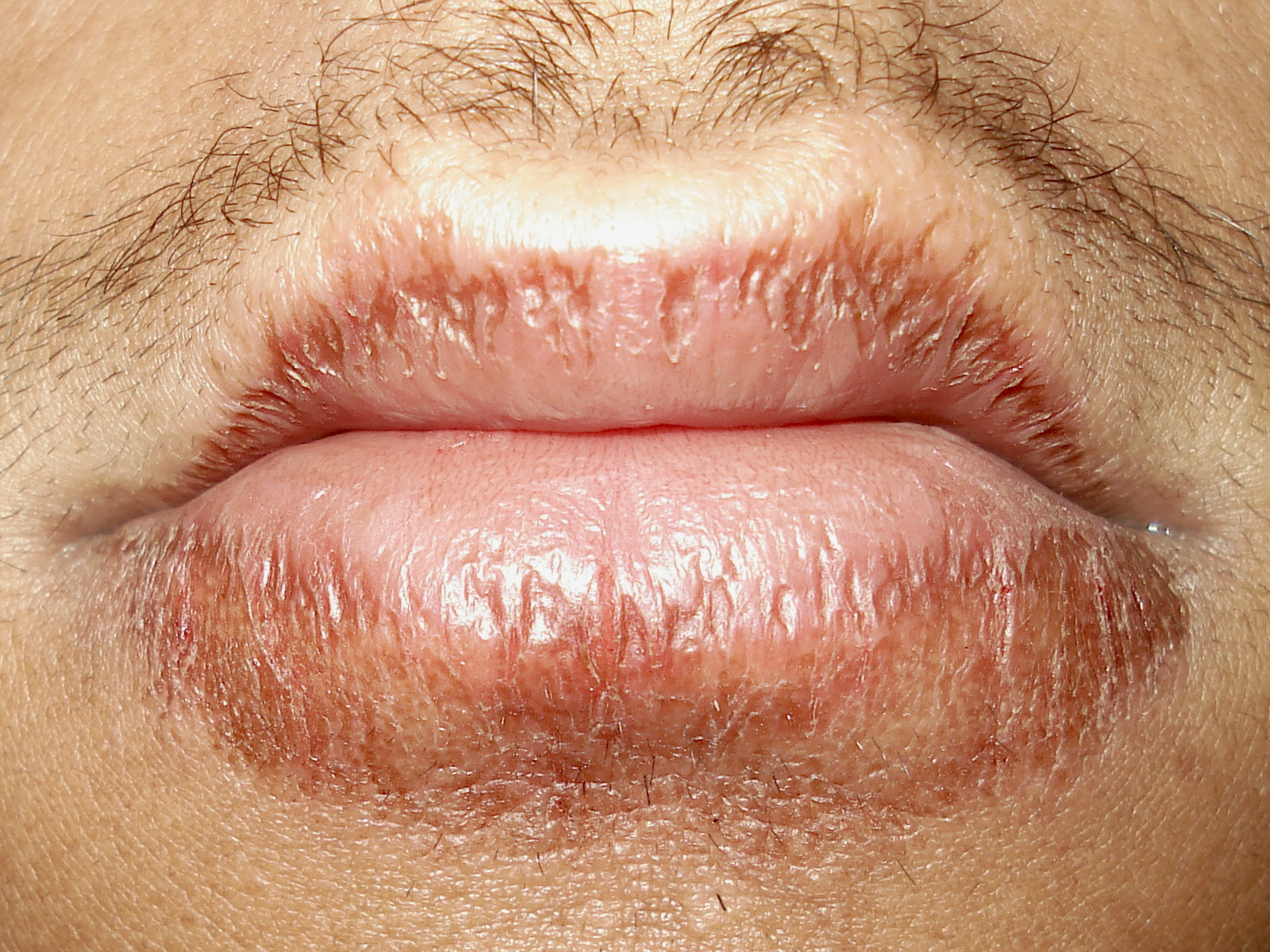
Dry, flaky, and cracked lips are common and can be very bothersome. When lips are dehydrated, most people naturally lick their lips with their tongue to rehydrate them. This doesn't really help; it actually dries out the lips even more. The skin around the lips can also become irritated by the moisture, leading to persistent eczema. This eczema is called lip-licking dermatitis.WHAT DOES IT LOOK LIKE?Dry lips are characterized by cracks, chaps, and flaking. It's also possible that there's little visible other than a slight increase in redness, but the lips still feel dry. Lip licking dermatitis involves a red, flaky border around the mouth, an area that feels irritated and can itch. It's limited to the area accessible to the tongue.
WHAT IS THE CAUSE?Dry lips can be caused by environmental factors, such as dry air. In winter, the air is often dry (low humidity), but the air in homes and offices can also be very dry at times. Another cause of dry lips is exposure to sunlight (UV radiation). This can occur in summer, but also on a sunny winter day, and especially in high mountains, for example, during a winter sports holiday. General dehydration of the body, due to insufficient fluid intake, can also be a cause. Some medications can also cause dry lips. Diuretics, for example, but also vitamin A-like medications such as Neotigason, which is prescribed for acne (pimples), cause dry lips. Finally, the habit of constantly licking your lips with your tongue is also a major cause of dry lips and of the eczema around the lips called lip-licker dermatitis.WHAT IS THE TREATMENT FOR DRY LIPS AND LIP LICKING DERMATITIS?Dry lips can be prevented by keeping them well moisturized with a lip balm in the form of a stick or a small jar of ointment.
Also pay attention to possible causes. Check whether the humidity in your home or at work is too low. Drink plenty of fluids; be careful not to dehydrate if you take diuretics. For medications that cause dry lips, such as Neotigason, the daily dose can sometimes be reduced slightly. Use a lip balm with a sunscreen factor in sunny weather and in the mountains. Sometimes irritated and flaky lips are caused by an allergy to something they come into contact with, such as lipstick, toothpaste, or certain foods and drinks.
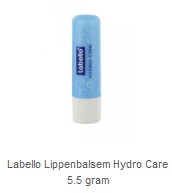
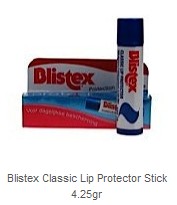
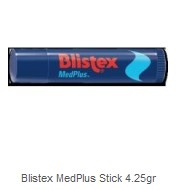
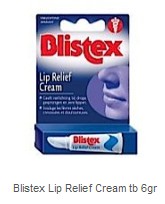
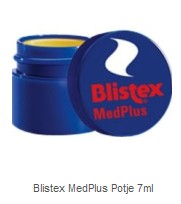
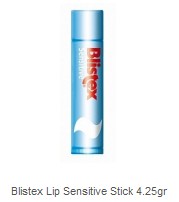
With lip licking dermatitis, it's important to realize that it's caused by licking your lips with your tongue throughout the day. You should try to stop doing this. This is difficult because it has become a habit. Instead of licking your lips constantly, apply lip balm or a lip balm stick from a reputable brand (Labello, Blistex, Blistex Medplus, Eucerin, and many others). Don't peel off the skin, as that will only make it worse. If necessary (sunny winter weather, winter sports), use a lip balm with a UV protection factor. Lip balms are available in many varieties at drugstores and pharmacies, and are often also available in supermarkets. Choose one from a reputable brand and try different ones.WHAT KIND OF PRODUCTS ARE THERE TO HELP DRY LIPS?Vaseline:
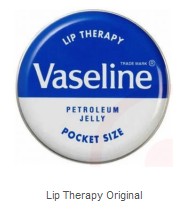
Vaseline is a very rich ointment. It's available in small tins for on-the-go use. Vaseline seals the skin and prevents it from drying out.
Lanette Vaseline:
Lanette Vaseline is slightly less greasy and contains lanolin (wool fat). This allows the ointment to absorb water, which is more moisturizing than Vaseline.
Cocoa butter:
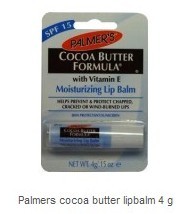
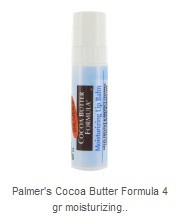
Cocoa butter is also a fat of plant origin. Various varieties are available, in the form of lipsticks/sticks and jars. One example is Palmer's Cocoa Butter.
Lip balm in the form of a stick or a small jar for on-the-go use:
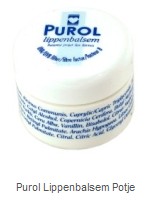
There are many varieties of this, with different compositions. Choose a well-known and reputable brand such as Labello, Purol, Blistex, Dr. Swaab, Eucerin, Lavera, etc. In high mountains and in sunny weather, especially during ski holidays, use a lip balm with a UV protection factor.
Prescription Ointments:
For persistent eczema around the lip, it may be necessary to use an anti-eczema ointment containing corticosteroids. These are prescribed by your GP or dermatologist. Hydrocortisone ointment is one example. Avoid using these ointments around the lip too often, as they can cause side effects. Maintaining good hydration is more important.
|