WHAT IS A DECUBITUS?Pressure ulcers are a common condition in people who have to lie in bed or use a (wheelchair) for extended periods. Pressure ulcers are caused by pressure, friction, and/or shear forces. These forces damage the skin and underlying tissue.
What is commonly called "bedsores" is called "decubitus" in medical terms. The term "decubitus" is derived from the Latin "decumbere," meaning "to lie down." Pressure ulcers can occur in various forms: from mild (redness of the skin) to severe (deep wound involving muscles/bones).
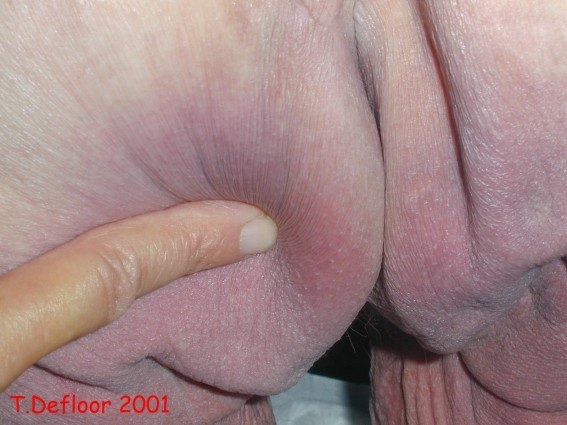
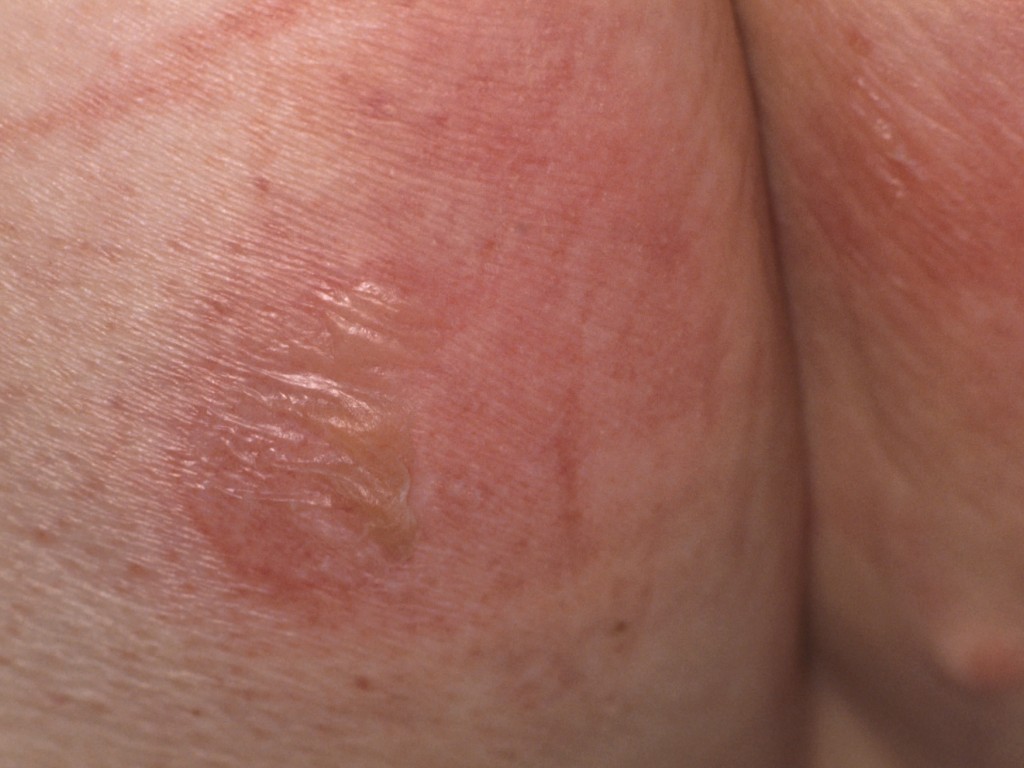
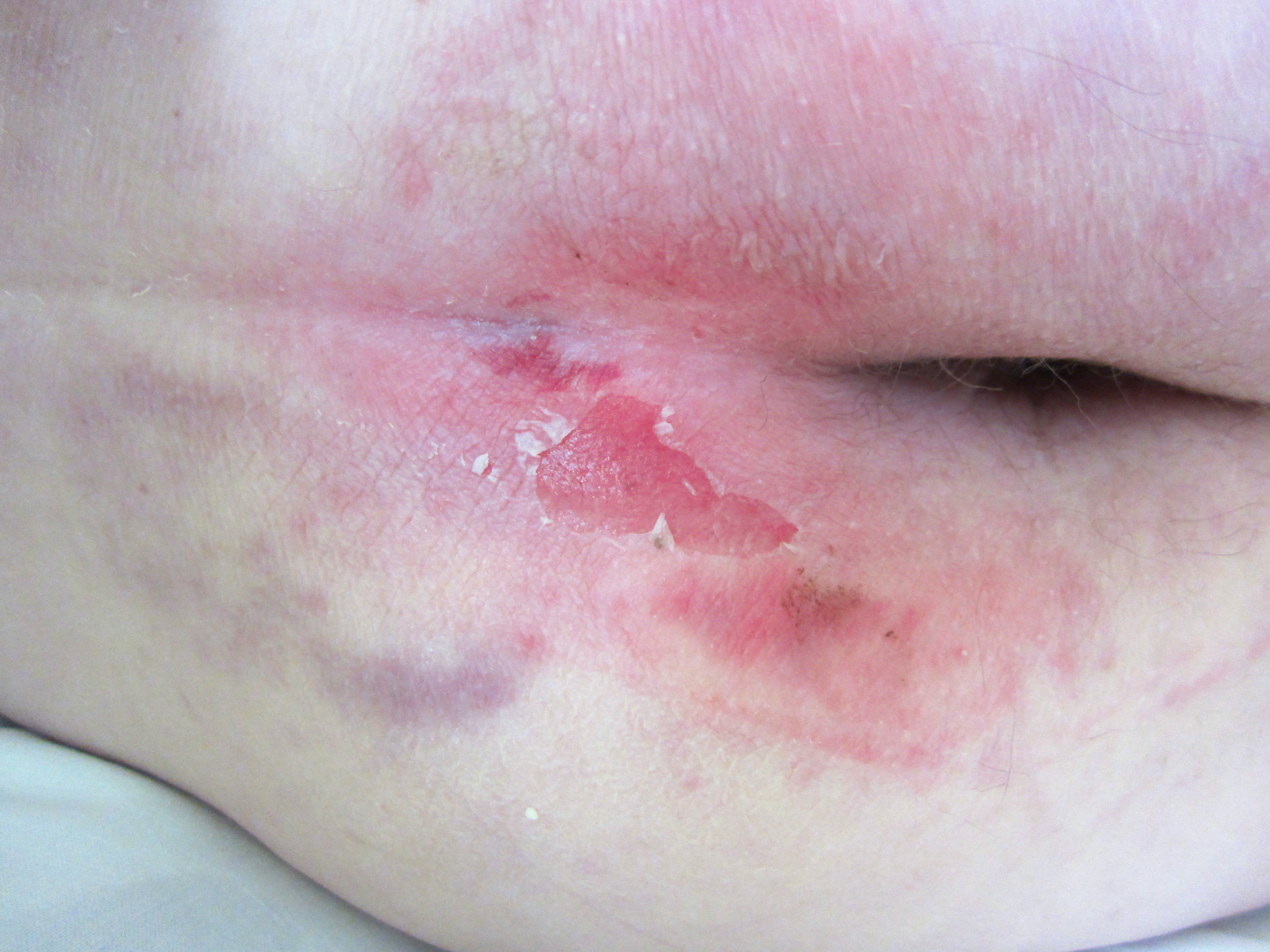
Under normal circumstances, your body automatically prevents persistent pressure in one area by moving. Even when you sleep, you constantly change position. When you are no longer able to move properly, due to illness or the anesthesia during surgery, the first signs of a pressure ulcer can appear as early as an hour afterward.HOW DO YOU RECOGNIZE THE FIRST SIGNS OF A DECURE?The first signs of pressure ulcers may include pain and red patches on the skin. This redness remains red when pressed. In bedridden individuals, these sores often appear on the heels, tailbone, and hips. In wheelchair-bound individuals, pressure ulcers can occur on the ischial tuberosities, among other places. If no precautions are taken, abrasions and blisters may develop later.
 |
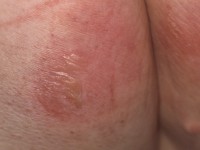 |
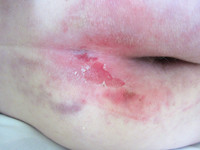 |
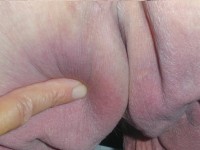
| grade 1 pressure ulcer |
grade 2 pressure ulcer, blister |
grade 2 pressure ulcer, excoriation |
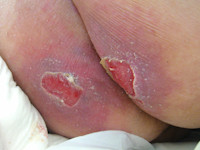 |
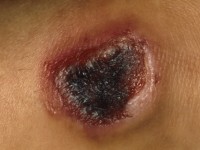 |
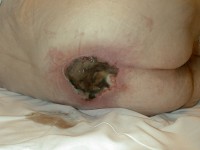 |
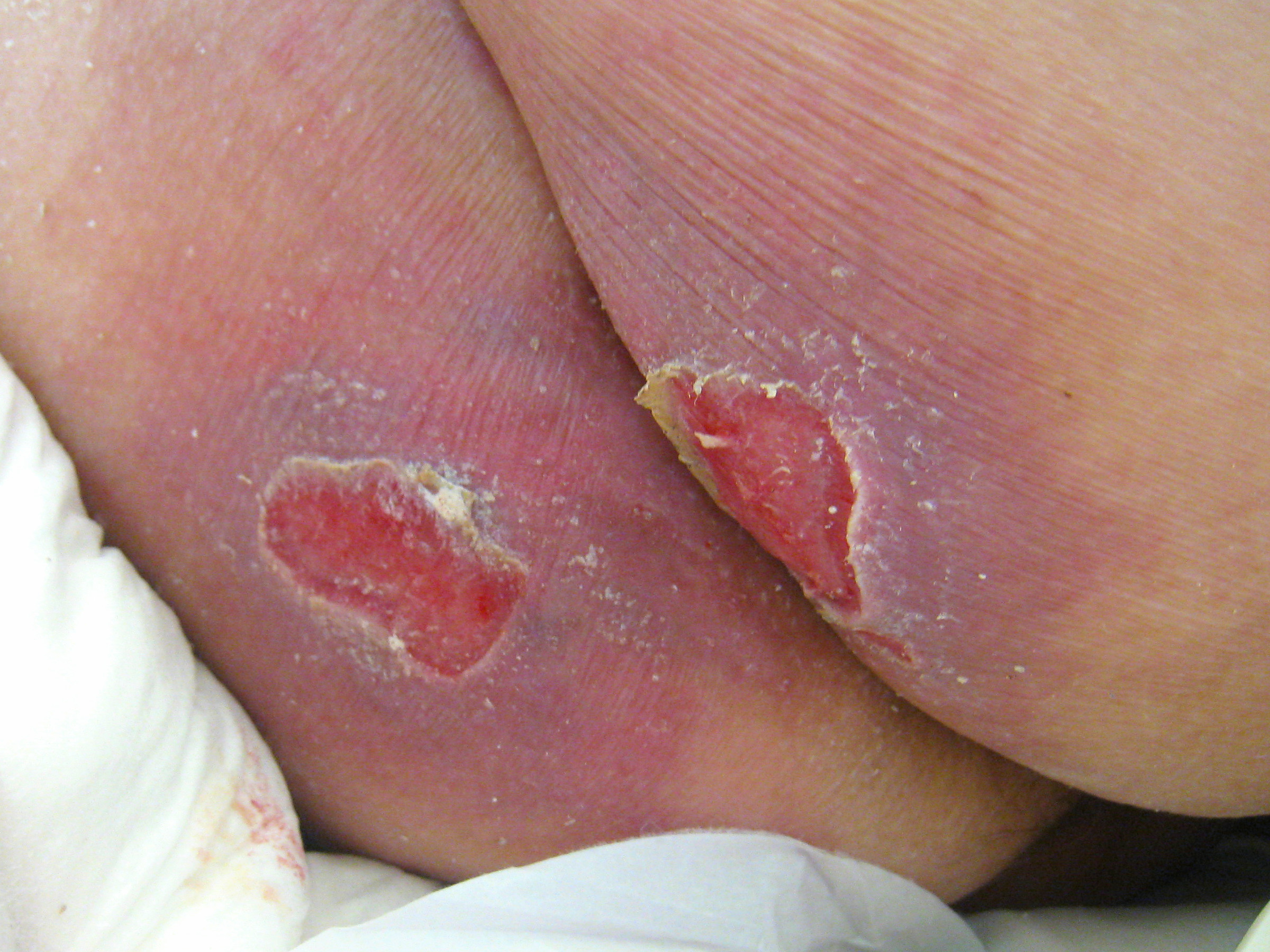
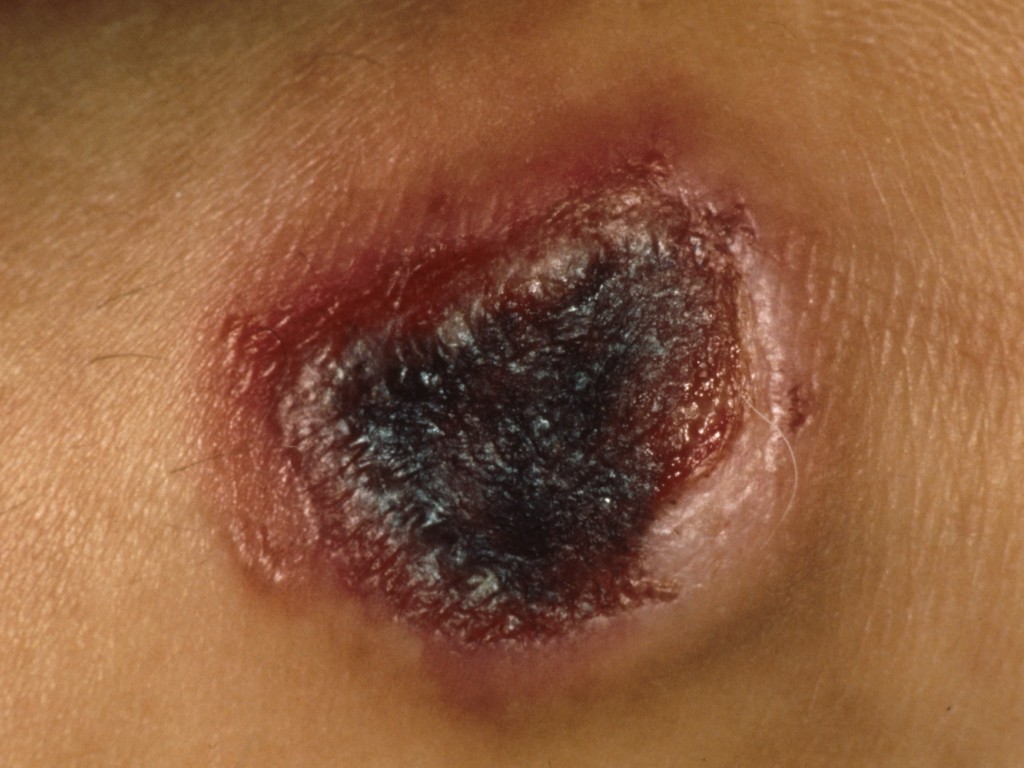
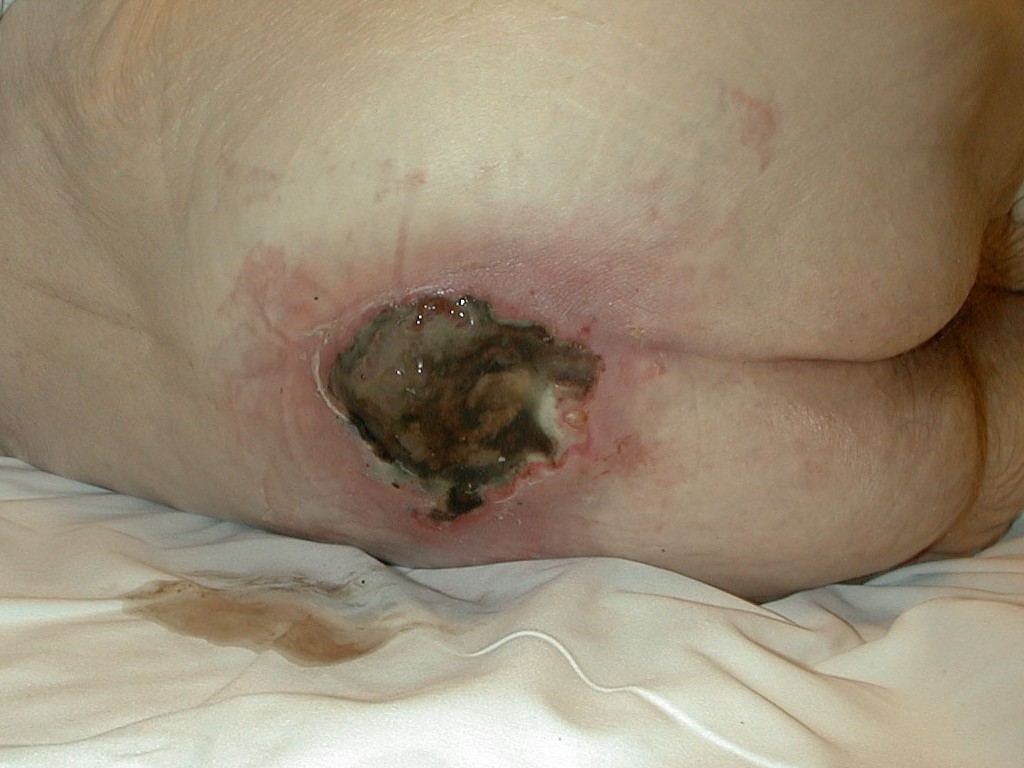
| grade 3 pressure ulcer |
grade 3 pressure ulcer |
grade 4 pressure ulcer |
WHEN IS THERE A RISK OF DEVELOPING A DEPRESSION ULCER?The following factors increase the risk of developing pressure ulcers:
- bedridden or chairbound
- inability to move (e.g. anesthesia, coma, paralysis)
- fecal incontinence or urinary incontinence
- poor nutritional status
- fever / moist skin
- diabetes
- cardiovascular disease
- having previously had a pressure ulcer.
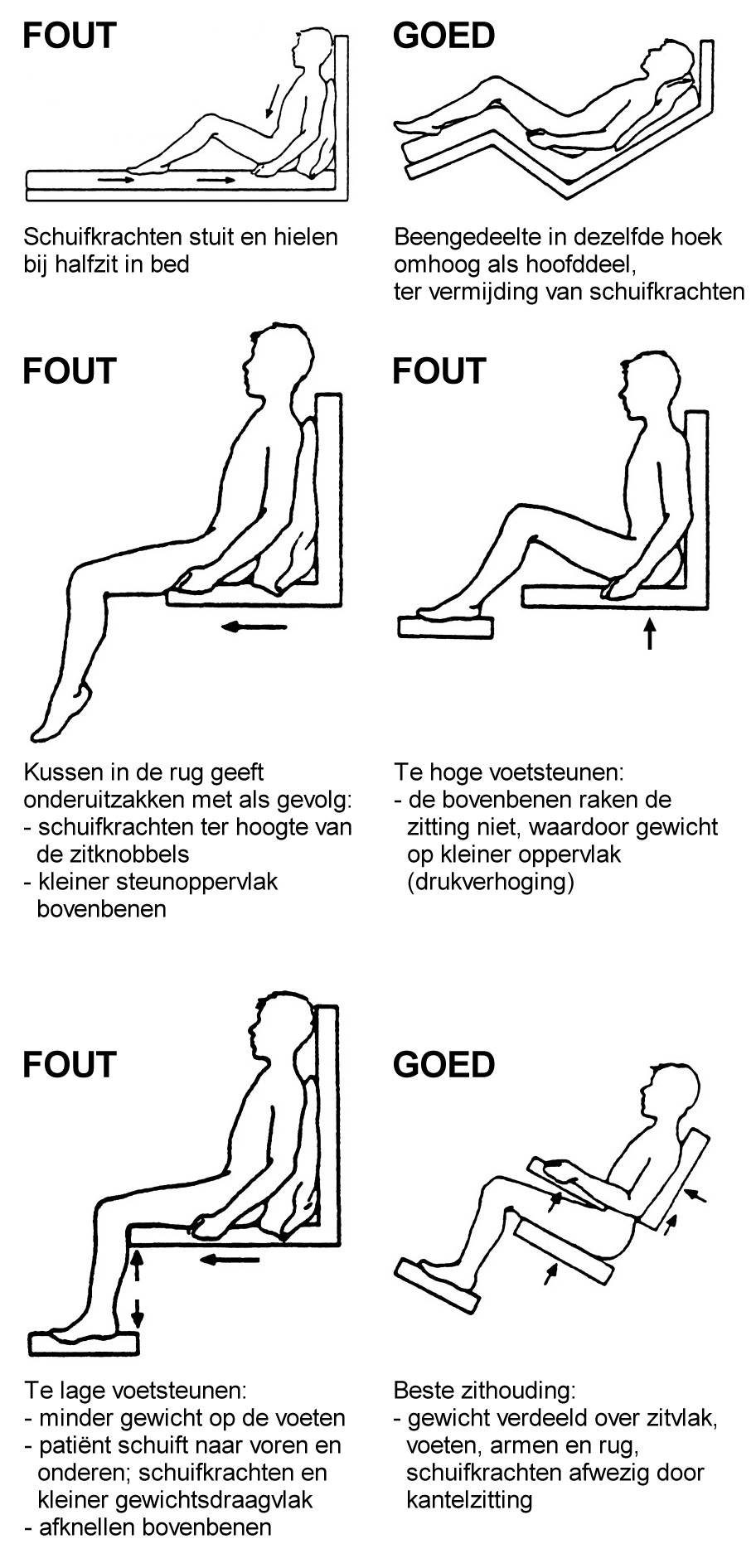
HOW CAN YOU PREVENT DECUBITUS?Changing attitudeChange your position regularly if you're bedridden. Turn from side to side, on your back and, if possible, on your stomach, about once every four hours. If your knees or ankles are touching, place a pillow between them. Sometimes a special mattress for pressure sores is necessary.Protection of heels and elbowsWearing well-fitting socks in bed can prevent skin damage from heels sliding across the sheets. It's even better to keep your heels off the bed linen. You can do this by placing pillows under your lower legs. To protect your elbows, it's best to wear long sleeves.Preventing slidingWhen you slide down in bed, your skin is more likely to get damaged. If you adjust your bed to a knee bend (or have someone adjust it) using the bed controls, you'll be better able to sit upright. If you want to move your arms or legs or sit up, lift yourself up as much as possible instead of sliding. If possible, use the bed's lifting pole.Leaning while sittingIf you sit a lot, it's important to lean forward regularly. Alternating from one buttock to the other by leaning sideways is also helpful. A special seat cushion can be helpful in some cases. Discuss this with your nurse if necessary.Power supplyTry to eat a sufficient and varied diet. This way, your body gets the energy and nutrients it needs to keep your skin in good condition. If you eat healthily and sufficiently, wounds will also heal much faster.Skin careTry to avoid getting your skin wet. If you experience incontinence, change your incontinence pads regularly and use underpads or diapers with a quick-drying surface. Protect your skin with a special ointment or spray. Wash with washing oil or a non-degreasing soap. If you have dry skin, treat it with a rich, unscented cream or ointment (such as paraffin or Vaseline). You can ask your nurse for advice about this.ClothingWear smooth, non-constricting, flexible, and clean clothing. It's important not to wear too many layers of clothing.UnderlayerMake sure you have a clean, smooth, and dry surface to sit or lie on. This means trying to avoid wrinkles in sheets/clothing and crumbs in bed as much as possible, as these can damage your skin. Avoid rubbing or chafing your skin. Therefore, do not massage your skin.ImportantNaturally, doctors and nurses will closely monitor whether you have an increased risk of pressure ulcers or any symptoms of pressure ulcers. However, it's equally important that you monitor yourself for any signs of pressure ulcers and any early symptoms. It's best to check your skin daily.What should you pay attention to when checking your skin?- if you feel pain in the same area of your skin consistently;
- if you find a red spot on your skin that doesn't go away when you press on it;
- or, in more serious cases, if you discover a blister, abrasion, or wound.
Consult your doctor or nurse if you think you may be developing a pressure ulcer. They can then take appropriate measures. If necessary, the pressure ulcer/wound consultants will be contacted. |