|
BOIL (FURUNCLE) AND CARBUNCLE |
 |
 WHAT IS A BOIL? WHAT IS A BOIL?
A
boil (furuncle) is an acute, painful inflammation of a hair follicle caused by a bacterial infection. The infection can cause the area to become very inflamed and swollen, making the skin feel hard. Boils are usually caused by the bacterium
Staphylococcus aureus, but other bacteria,
such as streptococci, can also cause a boil. The
medical term for a boil is furuncle. When several
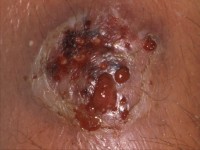
boils are clustered together, it is called a
carbuncle. When there are
multiple boils on the body, it is called
furunculosis.
WHAT DOES A BOIL LOOK LIKE?
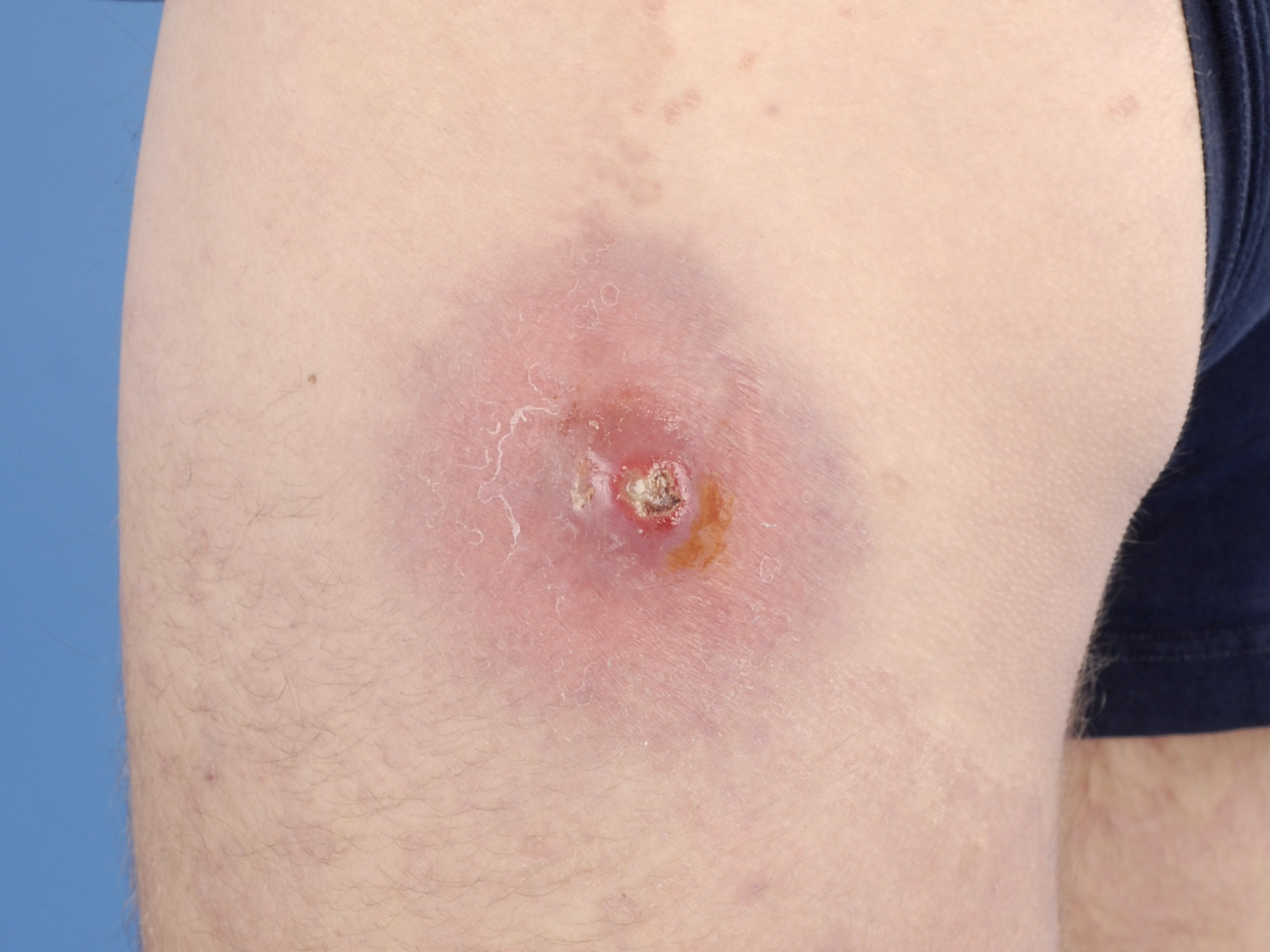
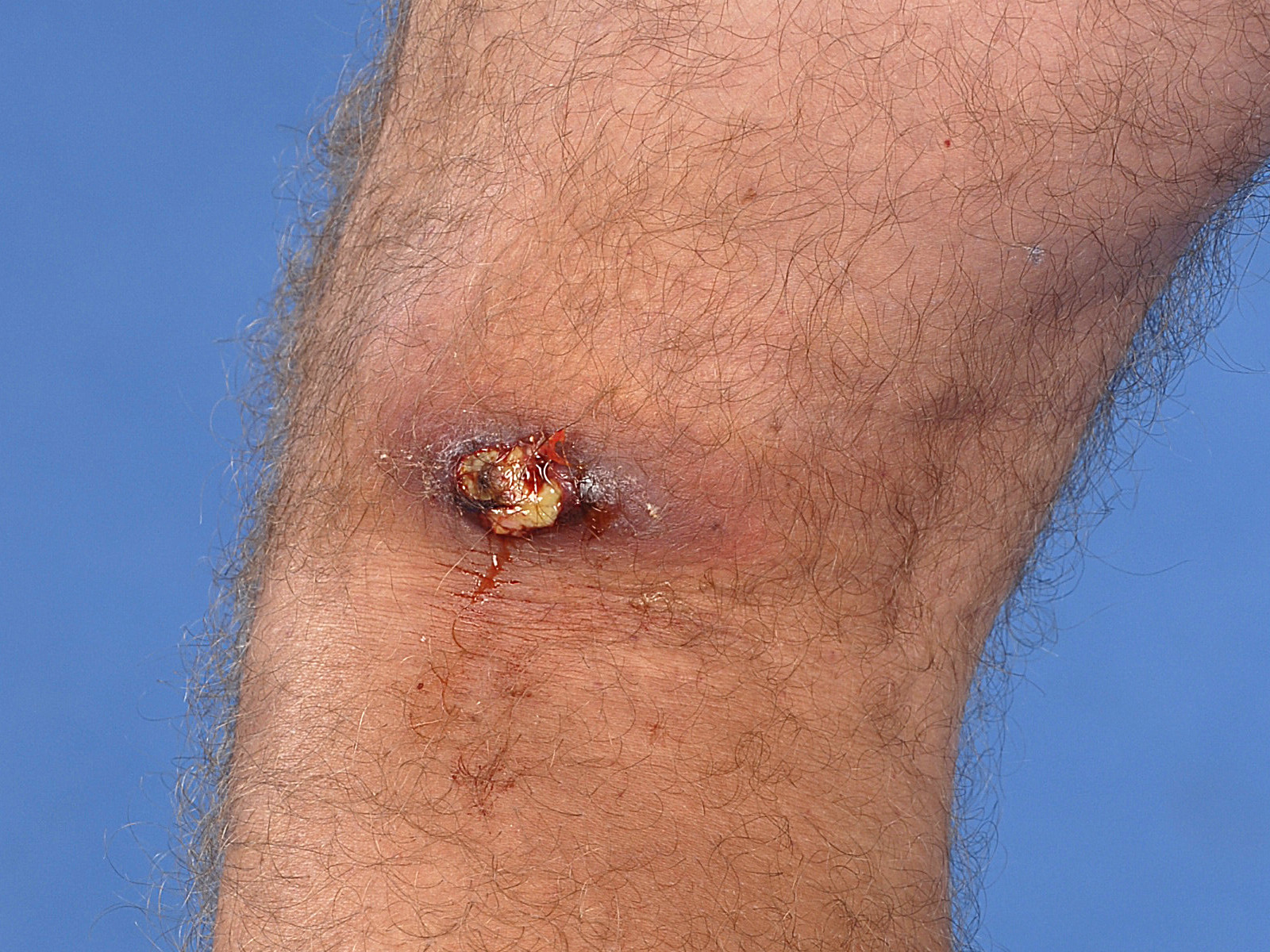
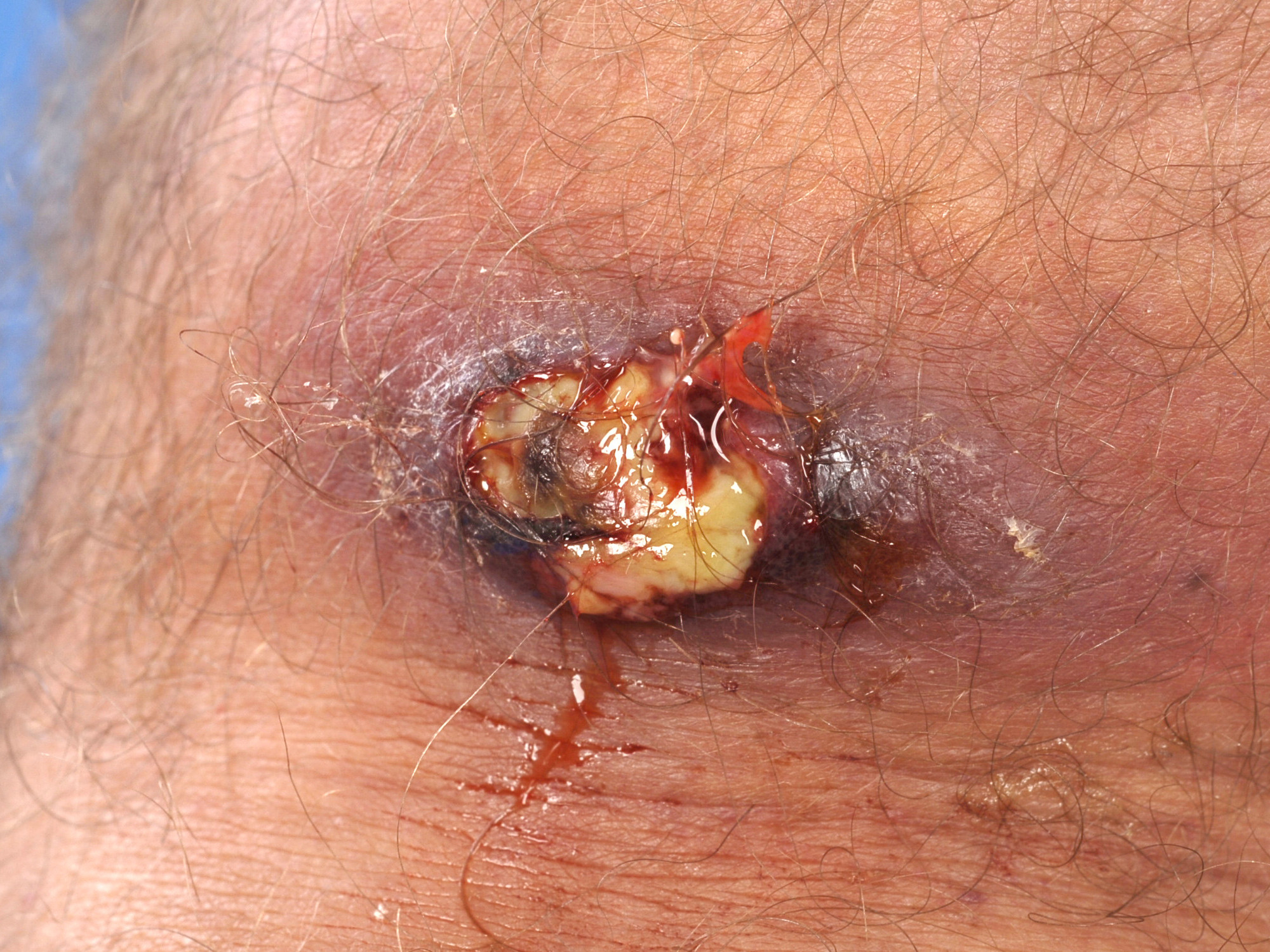
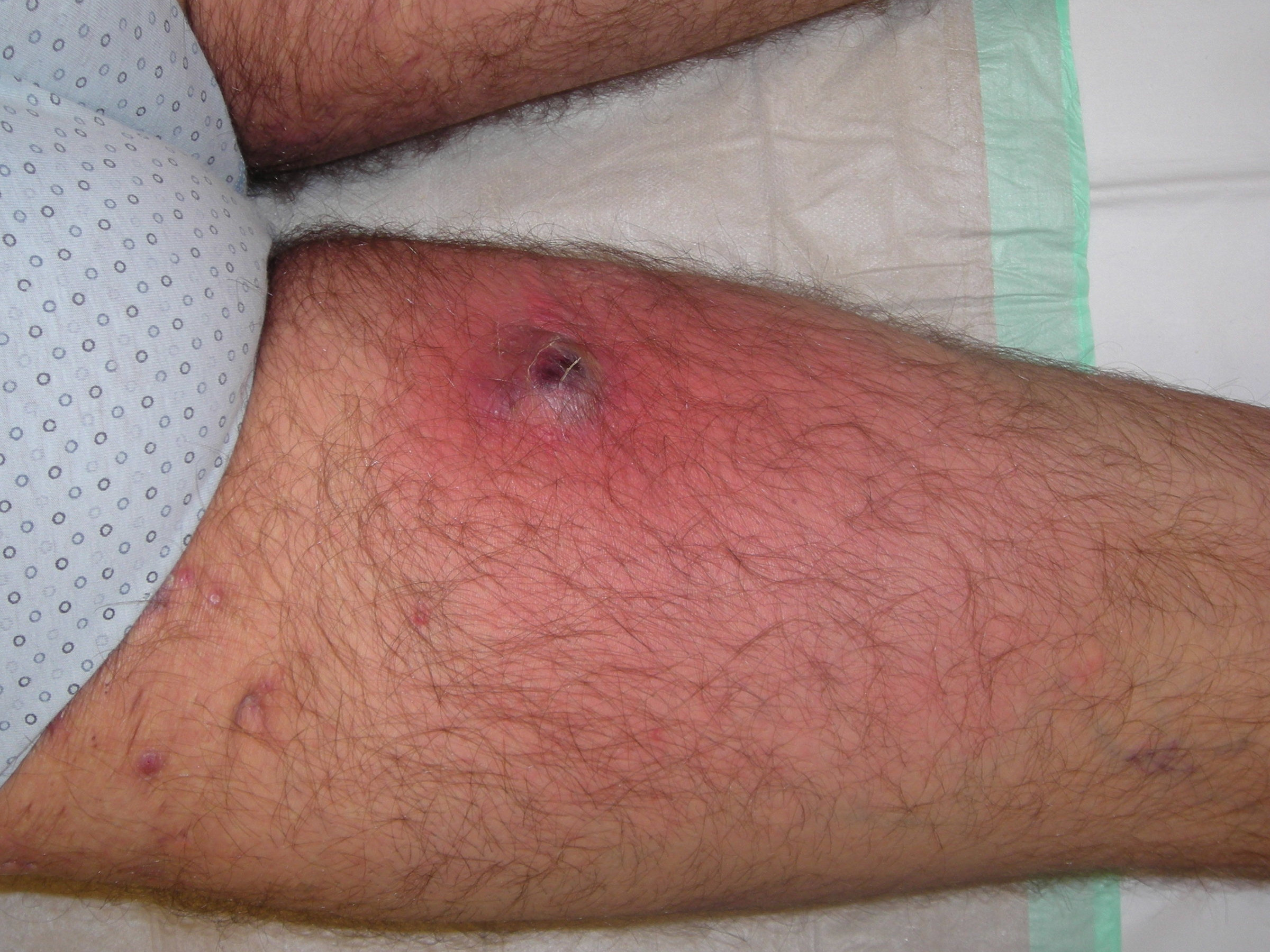
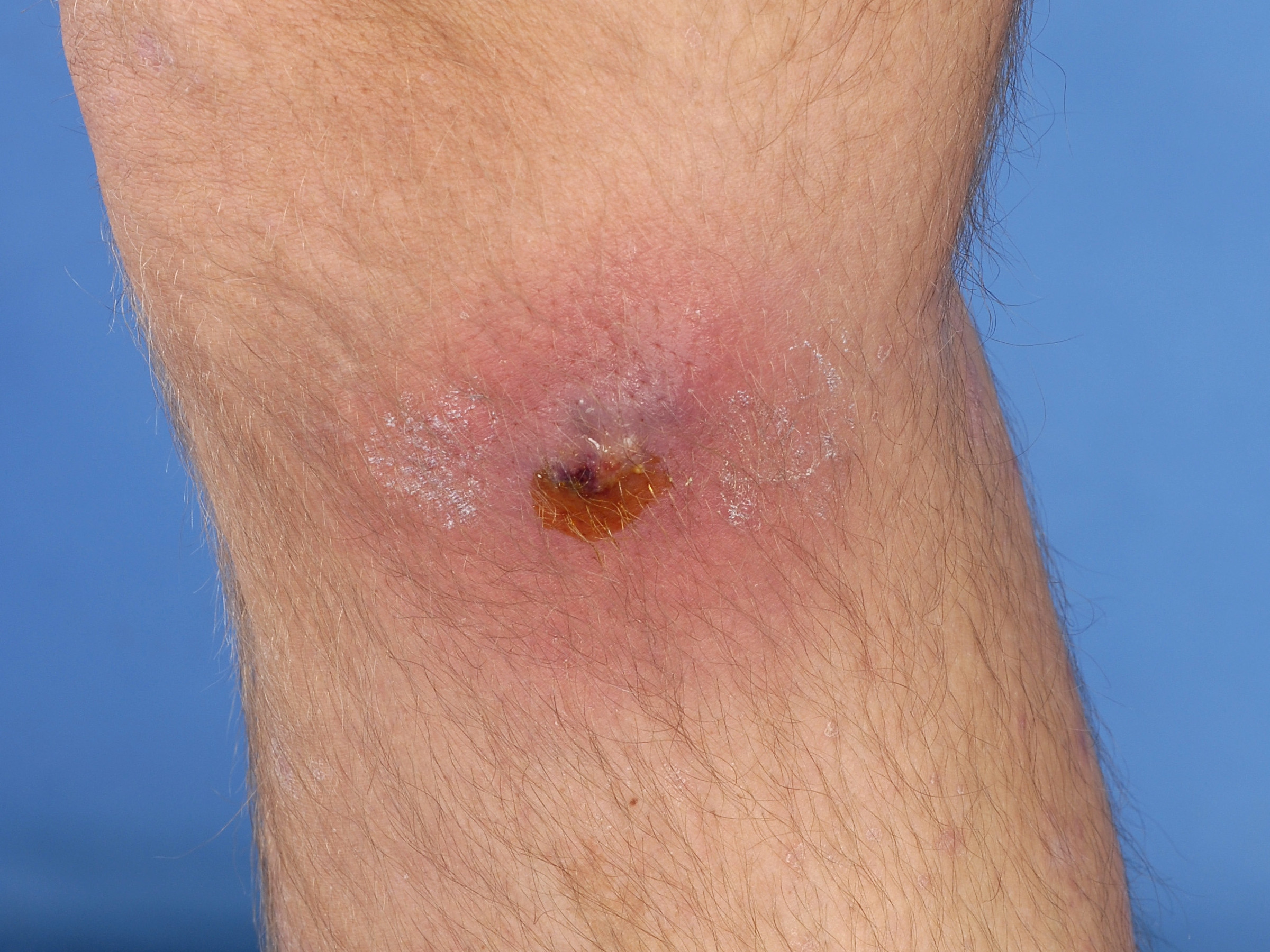
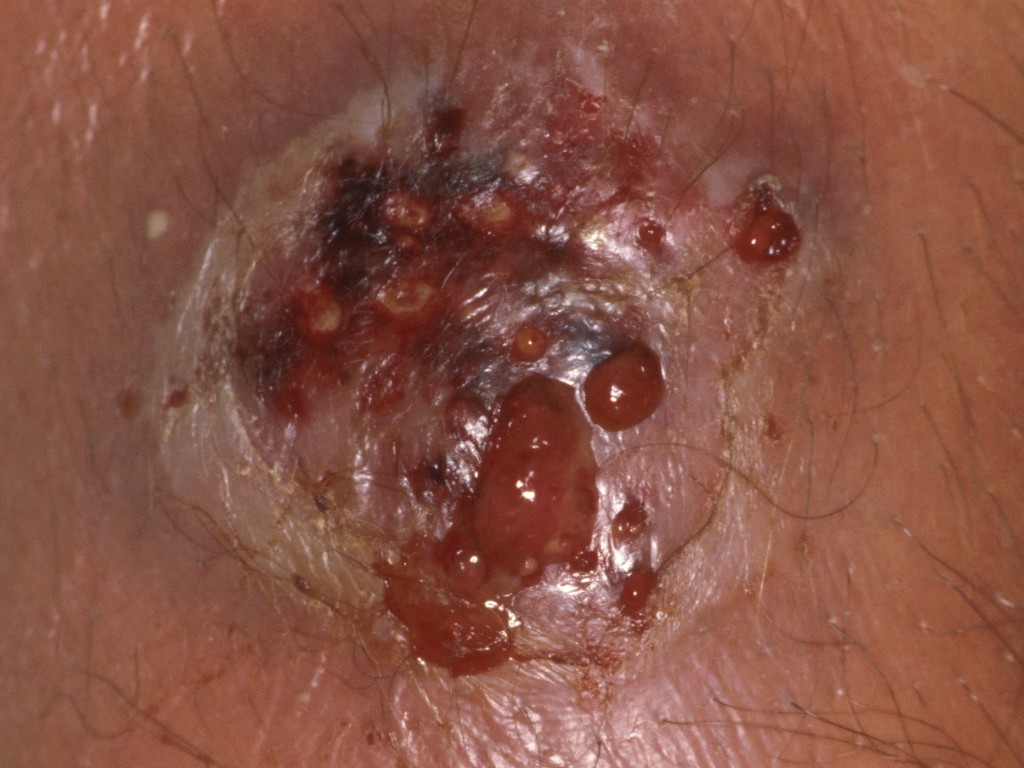
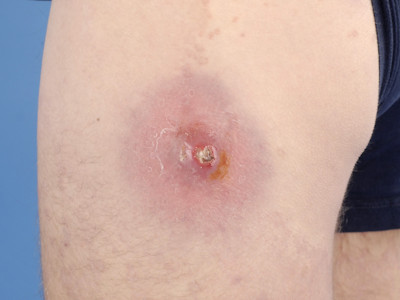
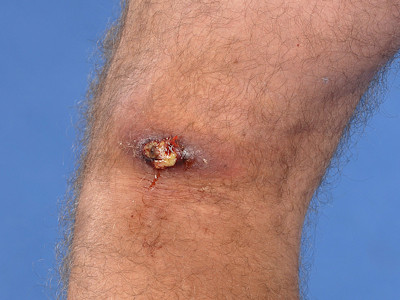
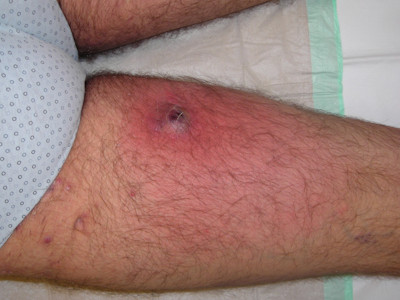
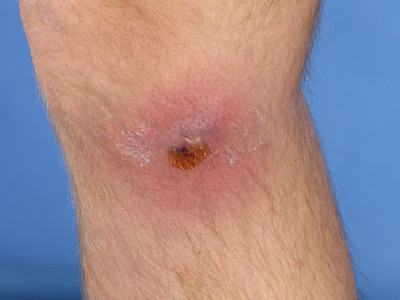
A boil begins as a red spot on the skin around a hair follicle. The spot swells and becomes painful. A yellow pus-filled head forms in the center of the red swelling. The boil usually breaks open within a week. The pus then drains on its own, allowing the skin to heal. The center of the boil can become damaged, and sometimes tissue necrosis occurs, forming a black scab or ulcer.
Fever with general symptoms (feeling unwell) can also occur.
Boils can appear anywhere on the skin where hair follicles are present. This excludes the palms of the hands and the soles of the feet, as there are no hair follicles there. Boils most commonly appear on the neck, face, chest, and buttocks. They can also appear in the armpits and groin. Sometimes a boil can appear in the nose, which can be very painful.
 |
 |
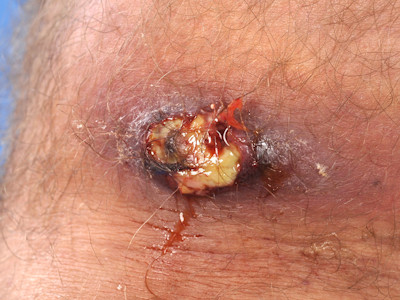 |
| boil
(furuncle) |
boil
(furuncle) |
boil
(furuncle) |
 |
 |
 |
| boil
(furuncle) |
boil
(furuncle) |
carbuncle |
WHAT CAUSES BOILS?
A boil develops when a hair follicle becomes infected with bacteria. Anyone can get a boil, both men and women, and at any age. The
Staphylococcus aureus bacterium is common on the skin of many people, especially in the nose and groin. A boil can develop when a hair follicle becomes blocked. Boils develop more easily in already irritated skin. Poor hygiene and wearing tight clothing increase the risk of developing boils. This is particularly common in the neck, groin, or armpits. Excessive sweating and being overweight also increase the risk of developing boils. Untreated or poorly treated internal diseases, such as diabetes or kidney disease, also increase the risk of developing boils.
IS A BOIL DANGEROUS?
A single boil is not dangerous, but problems can sometimes arise. Possible complications
are:
| - |
|
Inflammation of the
lymphatic vessels and lymph nodes (the
nearby lymph nodes will then be enlarged and
painful) |
| - |
|
Blood poisoning |
| - |
|
Erysipelas |
| - |
|
Fever and general symptoms |
A boil is highly contagious; the pus is full of bacteria that can cause new boils but can also infect other people.
Symptoms are more severe in people with a weakened immune system (such as HIV patients or patients with a donor kidney).
Sometimes the boil contains staphylococci that are resistant to antibiotics. These are the MRSA bacteria (Multi-Resistant
Staphylococcus Aureus). This is becoming increasingly common in the Netherlands, especially among
farmers, who frequently use antibiotics.
A boil in or around the nose can be particularly dangerous because blood from this area is drained via a vein that runs within the cranial cavity. Squeezing such a boil can cause a blood clot in a cerebral vessel (this is called cavernous sinus thrombosis). This is very rare, but dangerous. Therefore, squeezing such a boil is strongly discouraged, and antibiotics will usually be prescribed.
HOW IS THE DIAGNOSIS MADE?
The diagnosis is made visually; no further testing is required. If there are many boils, or if they recur, additional testing may be performed, such as a culture of the boil's contents to determine which antibiotics the bacteria are sensitive to, or a culture of the nose and groin (perineum) to determine whether you are carrying staph bacteria. Tests may also be performed to assess your general immunity, for example, with a blood test for anemia.
HOW IS A BOIL TREATED?
Boils usually heal spontaneously without treatment. Once the boil has ripened and bursts, the pain quickly subsides because the pressure is relieved. The ripening of a boil can be accelerated by applying a warm compress (for example, a clean cloth soaked in warm water or a piece of cotton wool) to the inflamed area. This also has a pain-relieving effect.
Advice:
| - |
|
Leave a boil alone. Don't
touch it or apply anything to it. The boil
needs to ripen first until the skin breaks
open naturally and the pus comes out.
Squeezing it is counterproductive. The boil
can burst inward, causing the inflammation
to worsen and spread. |
| - |
|
If the boil is very
painful, you have a fever, or you become
ill, an incision may be made in the swelling
to drain the pus. You should see your doctor
for this. Do not puncture or squeeze the
boil yourself. |
| - |
|
Rinse the wound daily with
lukewarm water from the tap or shower. Then
put a new bandage around it. |
| - |
|
If any dirt comes out
of the wound, a wet bandage can sometimes
help clean it. A boil heals quickly once the
pus has drained. |
Hygienic measures are necessary to prevent the
spread of bacteria. If you have boils frequently,
the following advice is especially important:
| - |
|
Avoid touching the boil |
| - |
|
Wash your hands regularly
with soap |
| - |
|
Cut your nails short |
| - |
|
Use your own towel and
change it every day |
| - |
|
Wash your body with soap
every day |
Do you often have boils? Then wash your body two to three times a week with a soap or shampoo containing povidone iodine (Betadine scrub) or chlorhexidine (Hibiscrub). You can buy these at the drugstore or pharmacy.
Antibiotic treatment:
Antibiotics are rarely necessary for boils. Sometimes they are necessary for fever or general symptoms, for a boil on the upper half of the face, or in people who are particularly susceptible to staphylococcal and/or streptococcal infections. This includes people with reduced immunity or diabetes mellitus. People with a prosthetic valve, for example, also need to take antibiotics if a streptococcal infection is imminent.
Drawing ointment:
Drawing ointment
are sometimes used to soften the skin, making the boil break out more quickly.
In the past drawing ointment contained lead, these
products have been withdrawn from the market due to environmental pollution regulations. Drawing ointments are still available at the drugstore. They often contain tar.
A better option is to apply Betadine iodine ointment
on and around a boil. This is available without a prescription.
WHEN SHOULD I GO TO THE DOCTOR?
In the following cases, it is advisable to see your doctor:
| - |
|
if you have a fever and
feel ill |
| - |
|
if you have heart valve
disease or an artificial valve |
| - |
|
if the boil is in or around
the nose |
| - |
|
if you have multiple
recurring boils (furunculosis) |
| - |
|
if you have a cluster of
large boils together (carbuncle) (this
sometimes requires treatment such as
antibiotics and/or surgery) |
Furunculosis
Furunculosis is the term used to describe people who constantly break out in new boils. These individuals may be carriers of the staphylococcus bacteria. Staphylococcus bacteria are often found in the nose and perineum (the area between the genitals and the anus). Furunculosis also occurs in people with diabetes, obesity, excessive sweating, malnutrition, poor hygiene, anemia, and diseases that suppress the immune system.
STAPHYLOCOCCAL CARRIAGE
If you have been diagnosed as a staphylococcal
carrier, this can be treated by applying an
antibiotic ointment in your nose, sometimes in combination with a course of antibiotics. This can prevent the boils from recurring.
WHAT CAN YOU DO ABOUT IT?
Good hygiene is important (clean towels, clothing, underwear, regular showering).
Wash your hands regularly with soap and water.
Showering with disinfectant soap can prevent a boil from spreading further.
Never squeeze boils! This increases the risk of self-contamination and blood poisoning.
Don't wear tight or scratchy clothing, as this can irritate the skin. Loose, airy clothing is better.
Live healthily, eat healthily, and avoid being overweight.
WHAT
IS THE PROGNOSIS?
A boil usually
heals on its own within a week without any problems.
Some people get boils repeatedly. In that case, it
can be helpful to have a general blood test. If many
large boils develop in the armpits and groin, they
can cause subcutaneous sinuses and ducts. This is
also called acne inversa or
hidradenitis
suppurativa.
BOILS AND WORK
Do you work in the food industry, hospitality, or healthcare, for example, in a kitchen, hospital, or nursing home? Then contact your occupational health physician before returning to work. The occupational health physician can tell you if you need to take additional measures to prevent the spread of bacteria.
|