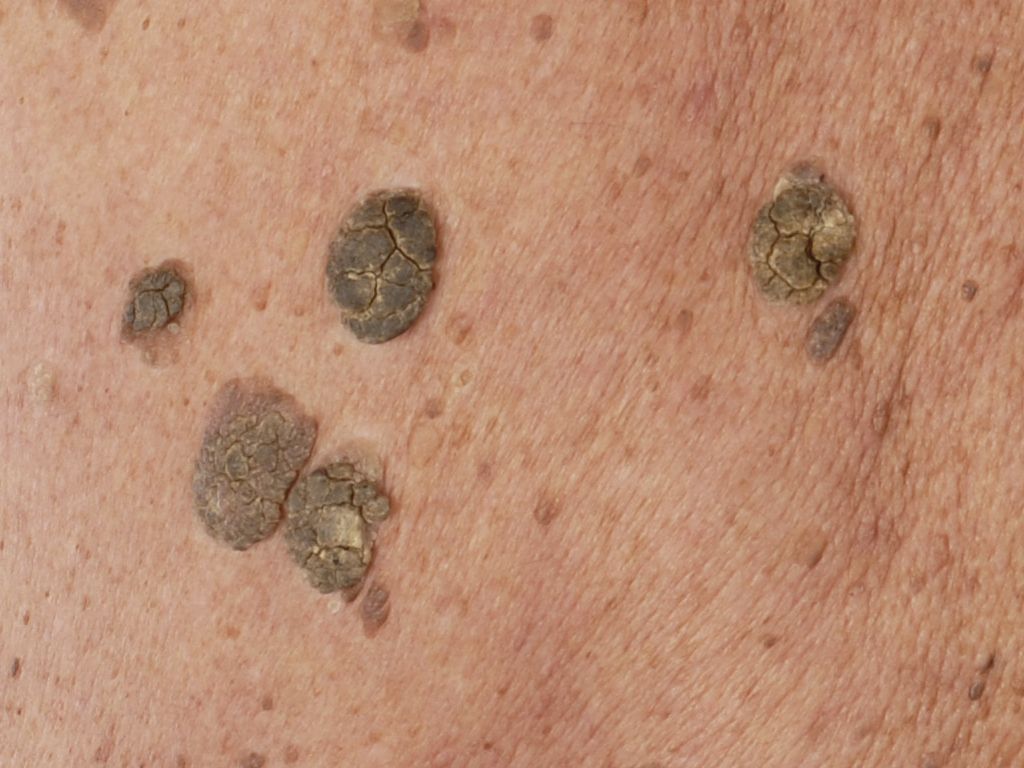
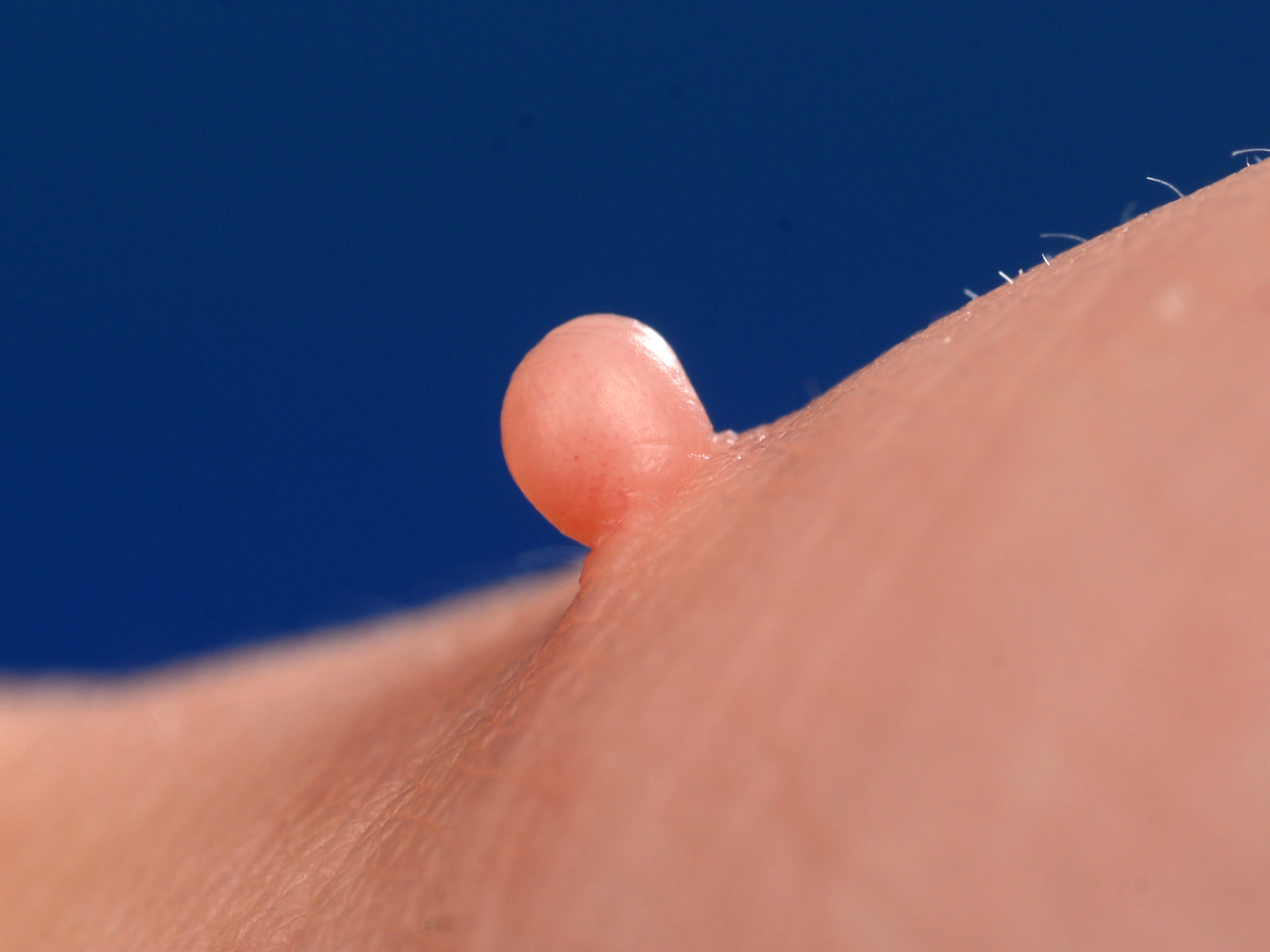
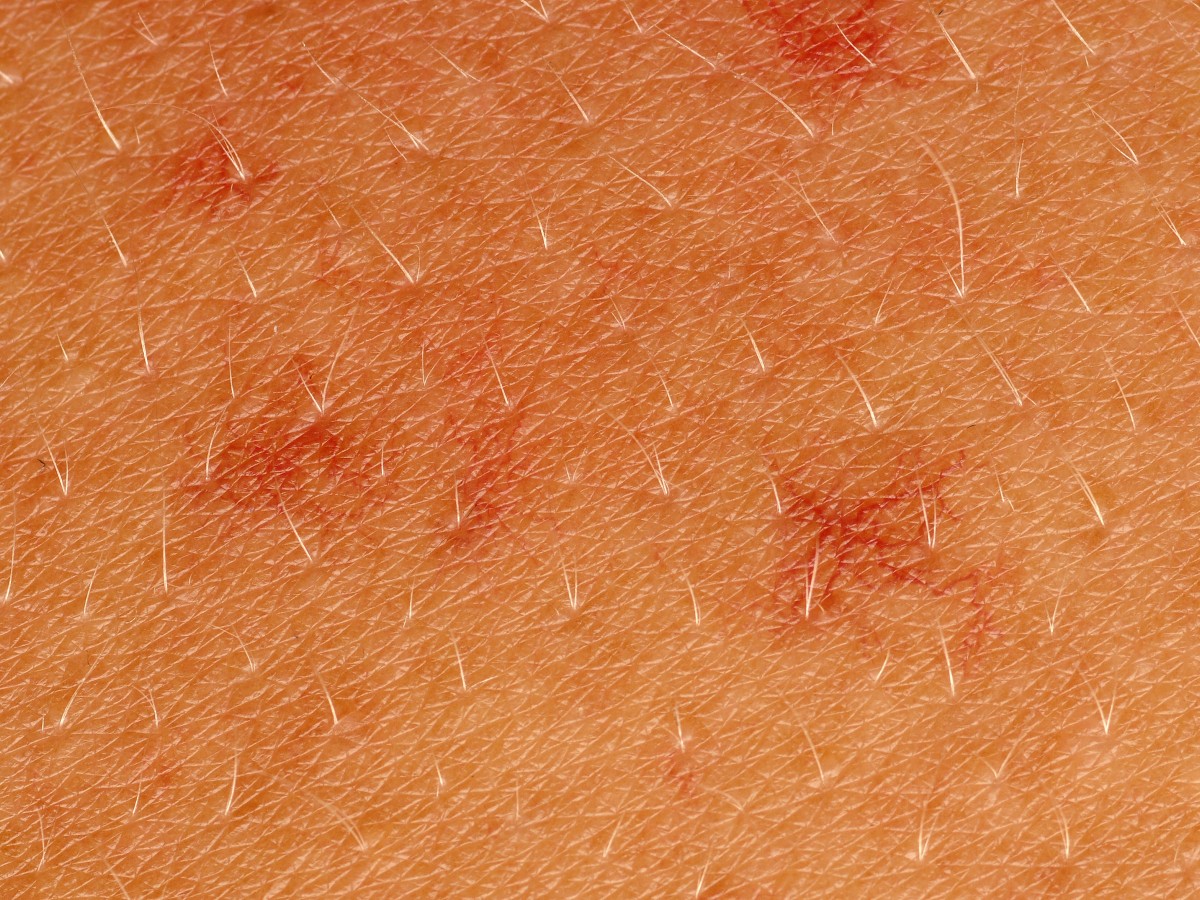
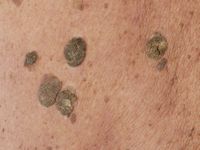
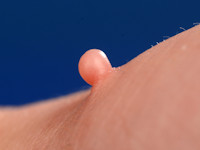
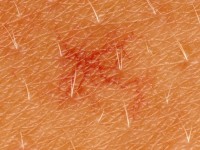
Your doctor has referred you to a skin therapist for the treatment of benign skin conditions such as seborrheic keratosis, skin tags, and locally dilated small blood vessels (e.g., couperose or spider naevus).
 |
 |
 |
| age warts |
skin tag |
spider nevus |
This brochure provides you with more information about the various treatment techniques for treating benign skin lesions.EXPLANATION OF THE DIFFERENT TECHNIQUES
| ● |
Standard electrocoagulation (ball or loop):
With this method, the area to be treated is cauterized using a small ball or loop that is heated with electricity. The tissue "vaporizes," leaving a small burn. In the head/neck area, this wound usually heals within 10 days, while in other areas of the skin it can take up to 3 weeks.
|
| ● |
Microcoagulation (needle)
Microcoagulation is a treatment method in which a tiny needle is used to introduce current into a blood vessel in the skin, generating high levels of heat at the tip. This causes the proteins in the blood to coagulate, causing the blood vessel to shrivel. This therapy can be used for locally dilated small blood vessels (such as rosacea or spider veins). The stalks of skin tags are also burned off just above the skin using this method, after which a small scab forms that falls off naturally after a few days.
|
| ● |
Cryotherapy.
Cryotherapy is the freezing of a skin lesion with liquid nitrogen. The liquid nitrogen has a temperature of minus 196 degrees Celsius. It is applied to the skin with a special spray can or a cotton swab soaked in liquid nitrogen. As a result of the freezing, the affected area of skin is damaged and replaced by new, healthy skin. Superficial freezing with liquid nitrogen is often used for warts. The treatment is generally no more painful than an anesthetic injection. Therefore, no anesthetic is used during this treatment. Immediately after freezing, redness or swelling occurs, and a blister may develop later. The skin may become slightly lighter or darker in color after treatment with liquid nitrogen (pigment cells are sensitive to freezing). This has been described as an undesirable side effect of the treatment, particularly in people with darker skin tones.
|
| ● |
Curettage
Curettage is the scraping of raised skin lesions, such as a wart, with a curette (a sterile sharp ring or spoon). |
Side effects of these treatments:
The skin may become slightly lighter or darker in color after the treatment. This has been described as an undesirable side effect, particularly in people with darker skin tones. This discoloration can be permanent.
Are coagulation and curettage treatments painful?
The treatment is not painless, but the pain is generally well tolerated. The areas to be treated are often small. If necessary, a local anesthetic cream can be used.
Number of treatments and frequency:
Sometimes multiple treatment sessions are necessary. This depends, among other things, on the type of skin lesion, its location, and its size. The treatments are then spaced several weeks apart to allow the skin to recover in time.
Costs and reimbursements for benign skin lesions:
The removal of benign skin lesions is usually not covered by health insurance. Prices are available upon request. You must pay the treatment costs after each treatment.
Some supplementary health insurance policies do reimburse the treatment by the skin therapist, or partially. This depends on the treatment and your insurance. Check your policy conditions or ask your insurer about the terms and conditions. |