WHAT IS ATOPIC ECZEMA?Eczemais the medical term for red, flaky, and itchy skin. Atopic eczema is a form of eczema that primarily occurs in childhood. The eczema usually begins before the age of two and is primarily characterized by severe itching. If the eczema develops in infancy, there is a good chance that it will disappear on its own later in life. However, the eczema can also persist chronically or recur later.
The international English name for atopic eczema is atopic dermatitis or atopic eczema . In the Netherlands, the term constitutional eczema is sometimes also used, and atopic eczema in babies and infants is also called "dew worm .
" Children with atopic eczema have a predisposition to develop all kinds of allergies, for example, to house dust, grass pollen, cat hair, and so on. This predisposition is hereditary and is called atopy , and someone who tends to react allergically to everything is called atopic . Someone with atopic tendencies can develop all sorts of associated symptoms throughout their life, such as atopic eczema, hay fever , or asthma .
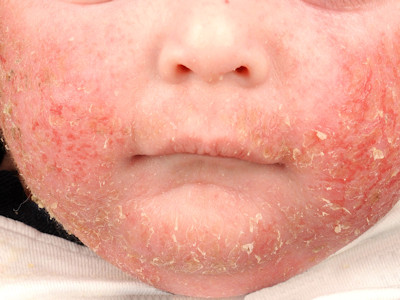 |
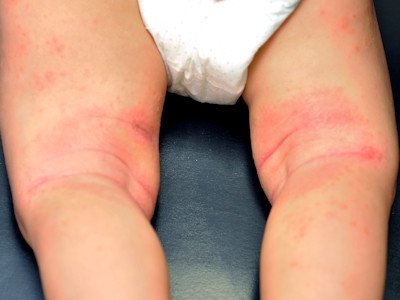 |
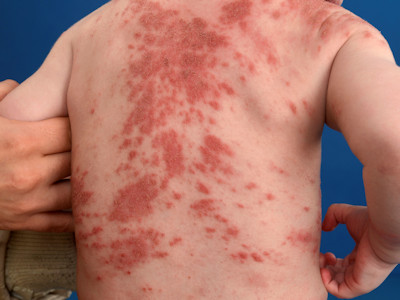 |
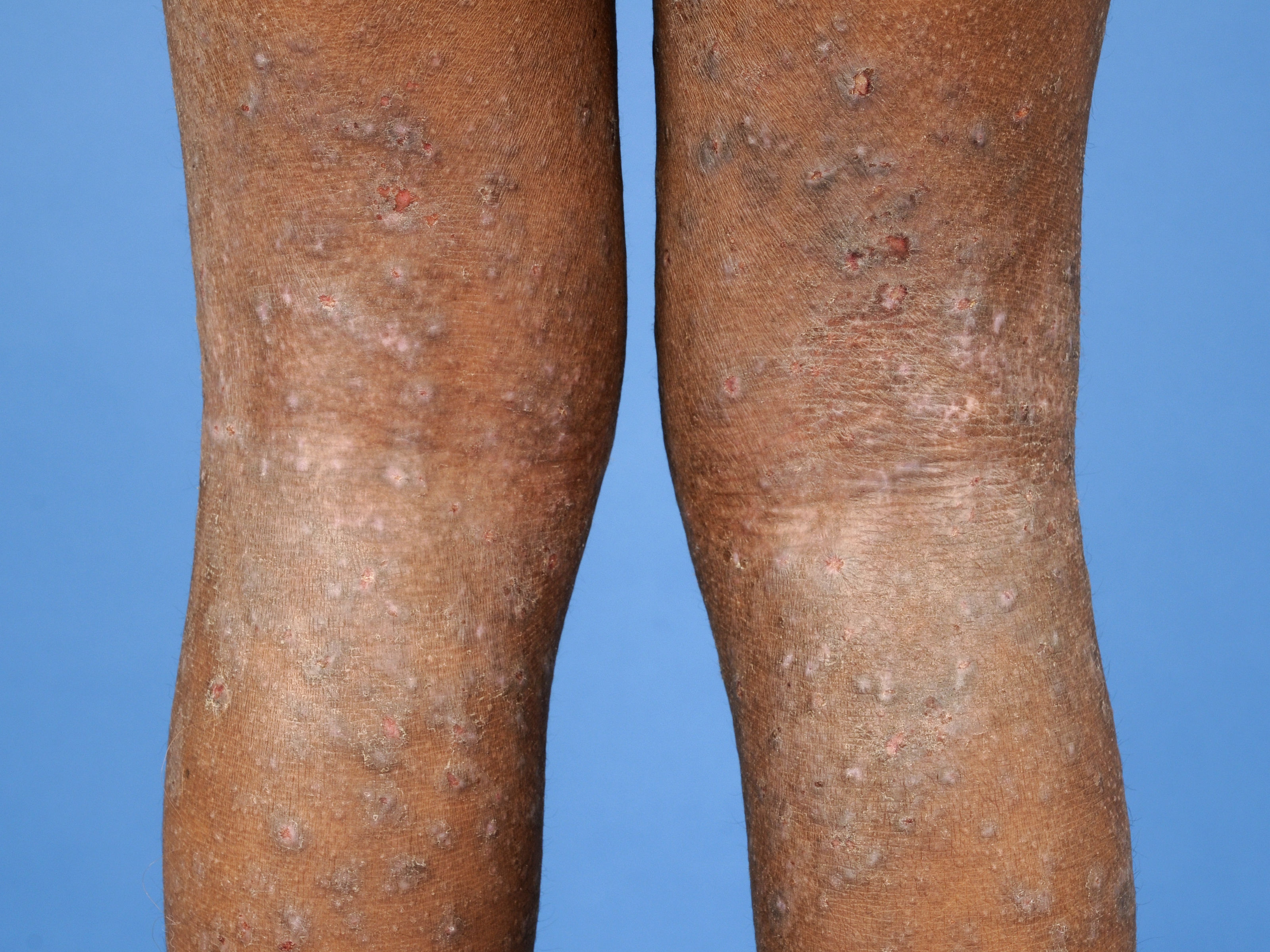
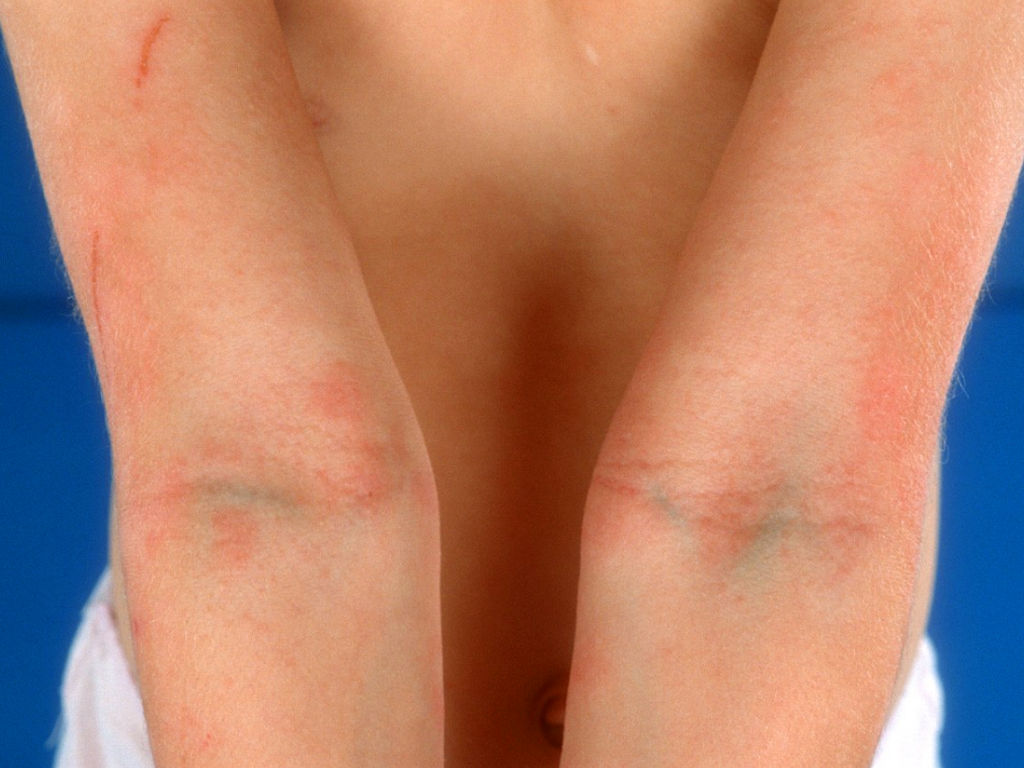
| atopic eczema |
atopic eczema |
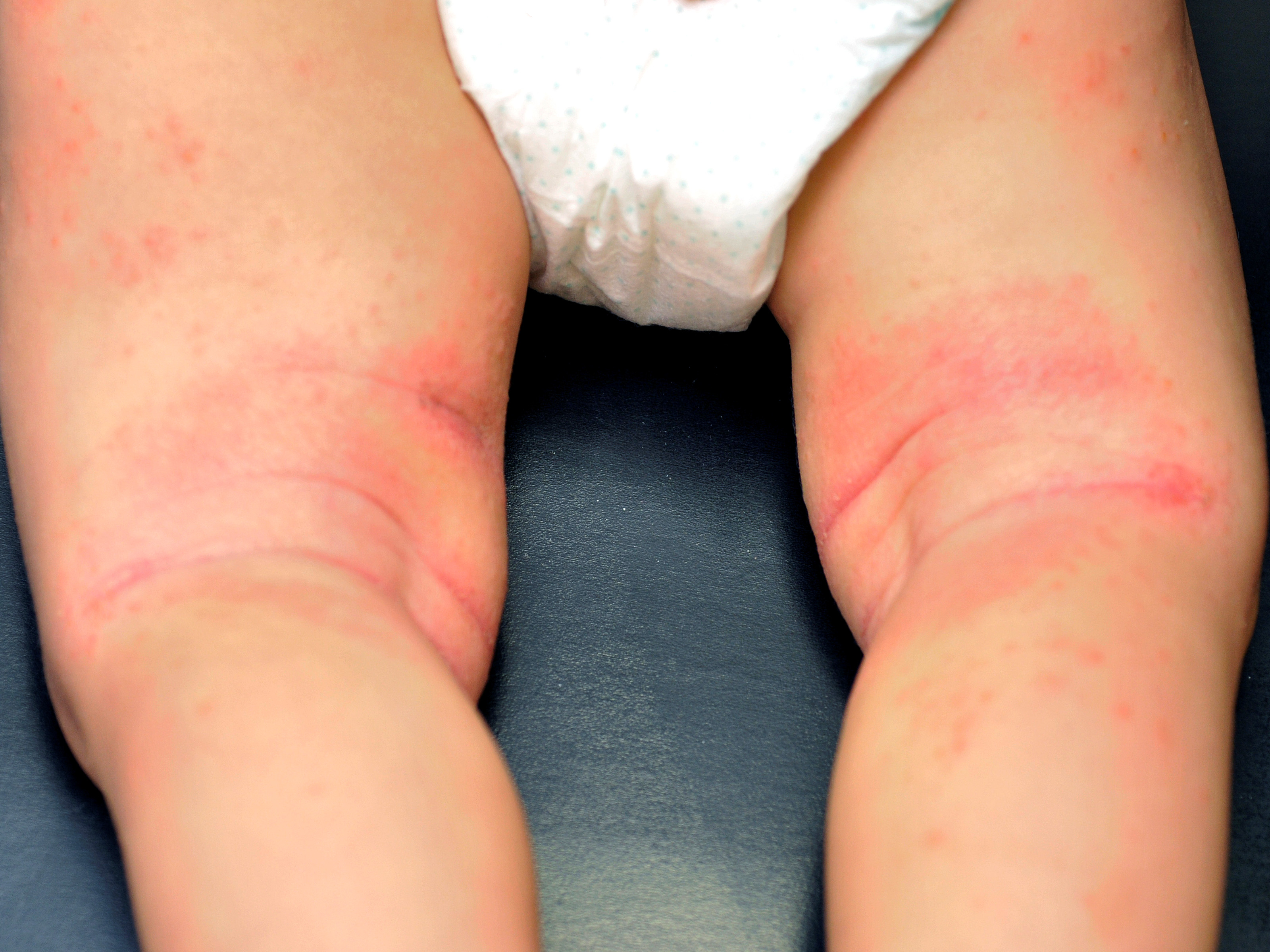
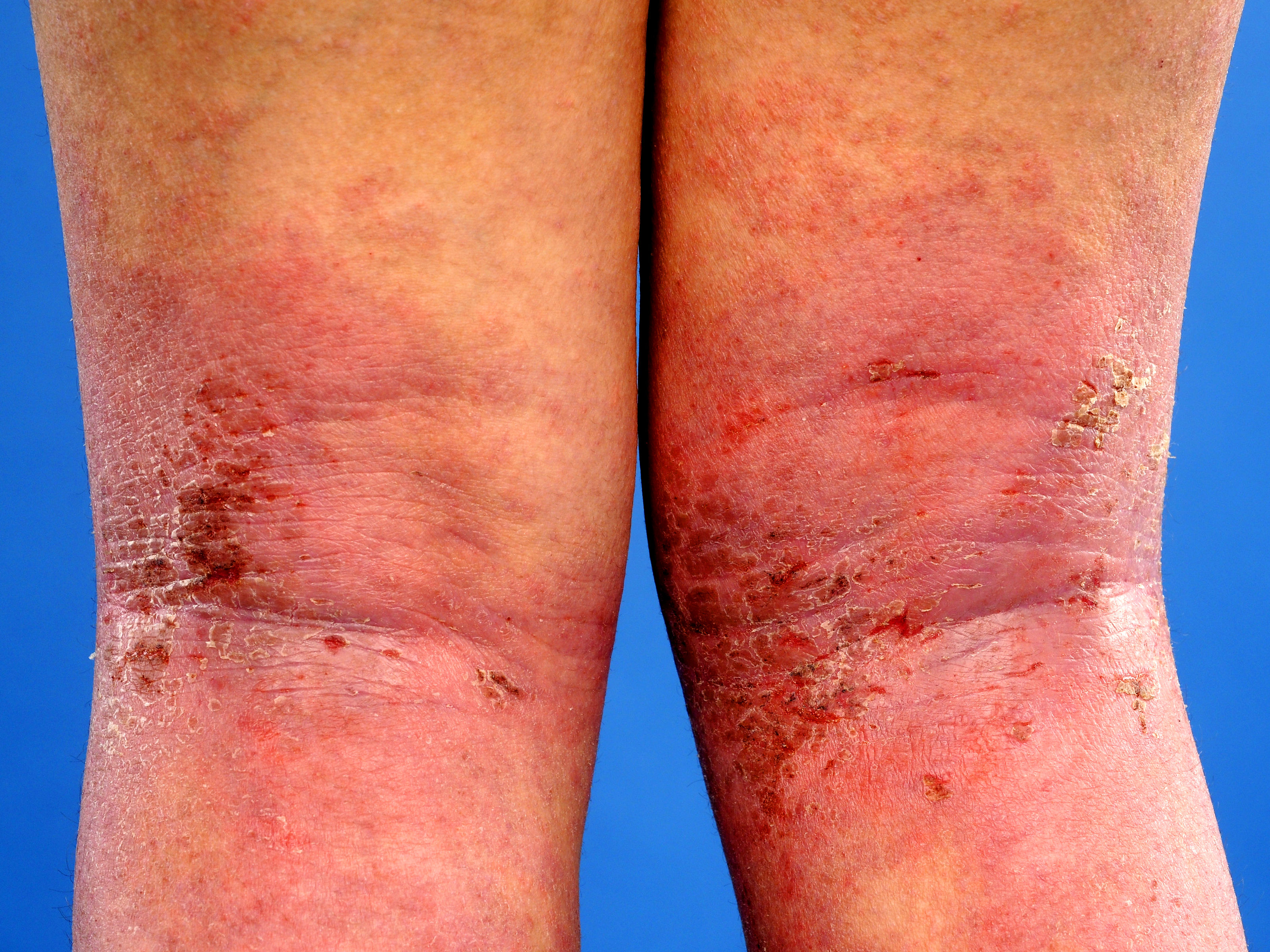
atopic eczema of the popliteal fossa |
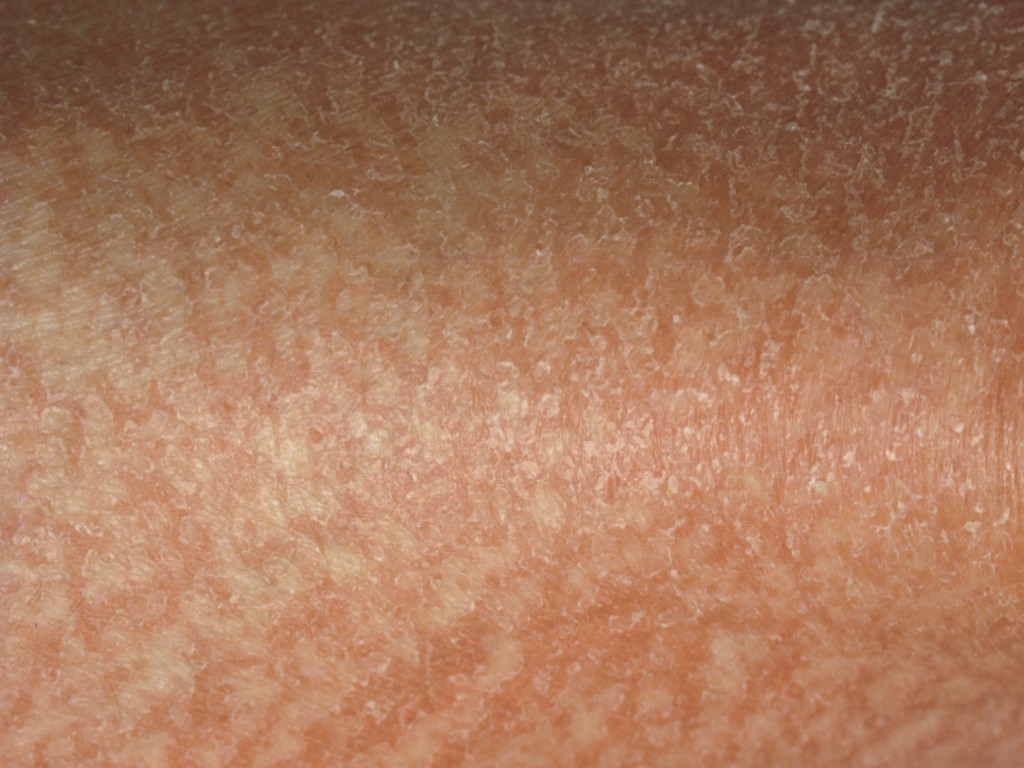
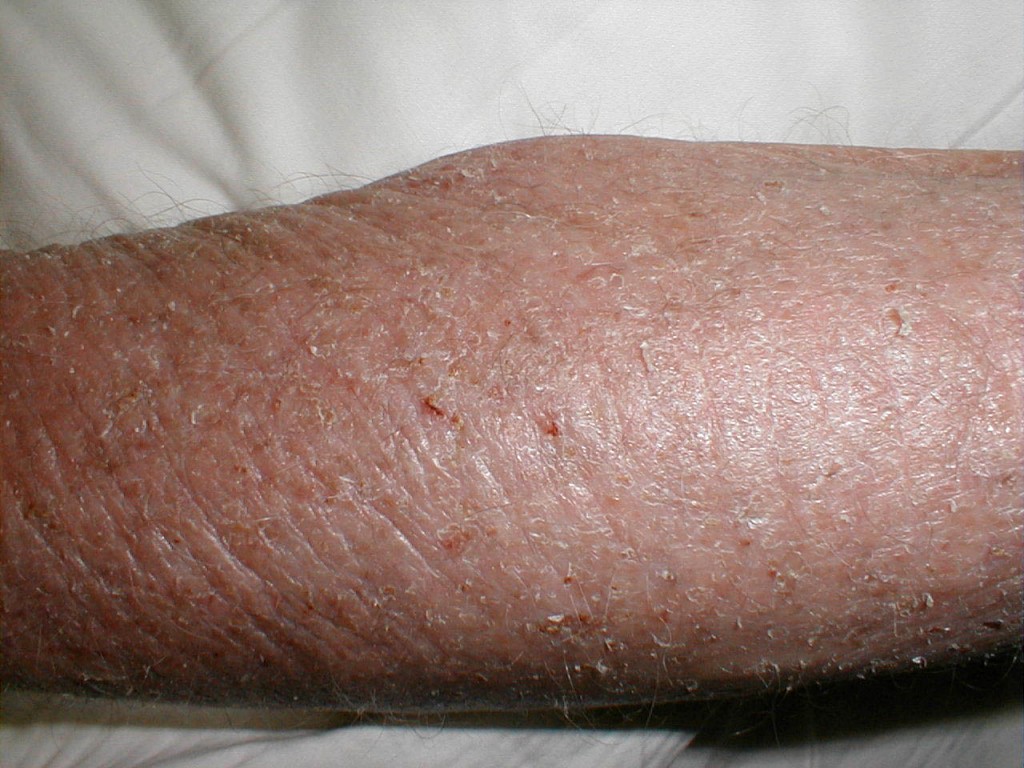
HOW DOES ATOPIC ECZEMA DEVELOP?The precise cause of atopic eczema is unknown. Several factors play a role, such as genetic predisposition and the influence of allergic and non-allergic environmental factors. In people with atopic eczema, the top layer of skin may be different in composition, which reduces its ability to protect against dehydration and the penetration of various substances and bacteria. This impaired barrier function prevents the skin from retaining sufficient moisture, resulting in dry skin. Dry skin is characteristic of atopic eczema and is considered a significant causative factor.
 |
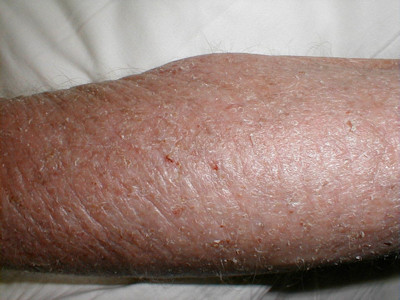 |
| dry skin in atopy |
dry skin in atopy |
Atopic eczema is often caused by a genetic predisposition: eczema, as well as other atopic conditions such as asthma, hay fever, and other allergies, often runs in families.
The role of allergic factors is usually unclear. A large proportion of atopic eczema patients are allergic to various substances in their environment. These can include substances that enter the body through breathing, known as inhalant allergens, such as house dust mites, grass and tree pollen, and dog and cat dander. They can also include substances that enter the body through food, such as cow's milk, chicken protein, fish, peanuts, and tree nuts.
Blood tests or a skin test (intracutaneous allergy test) can determine the presence of these allergies. Blood tests can reveal whether antibodies have been formed against house dust or other allergens. These antibodies are of the IgE type. The total amount of IgE antibodies in the blood can be determined. In atopic patients, total IgE is usually elevated, starting around the age of three. Antibodies are also often found against various inhalant allergens or food allergens.
It is unclear whether the presence of these allergies is important for atopic eczema: they do not cause the eczema, and the eczema usually does not improve when the allergic factor is removed. Reducing the amount of house dust mites in the home, for example, does help with asthma, but research in large groups of patients has shown that this does not, on average, improve atopic eczema. However, the living environment sometimes needs to be addressed for atopic symptoms: if a child becomes asthmatic from a cat, guinea pig, or hamster, the animal will have to be removed from the home.
Food allergies can, however, influence atopic eczema. This occurs almost exclusively in infancy; infants can have a food allergy, such as cow's milk allergy, which worsens their atopic eczema. As people get older, from about three years old, the influence of diet on eczema decreases rapidly.
The skin of people with atopic eczema is dry and therefore easily irritated by non-allergic factors. Frequent washing with soap and other degreasing agents further dries out the skin and increases itching. The same applies to prolonged showers with hot water. In winter, skin dries out more than in summer due to lower humidity, often worsening the eczema. Conversely, itching can also increase in sultry heat and during physical exertion due to sweating.
Wearing clothing made of wool or coarse fibers can irritate the skin and cause itching. Wearing synthetic clothing can also cause itching due to poor body heat dissipation.
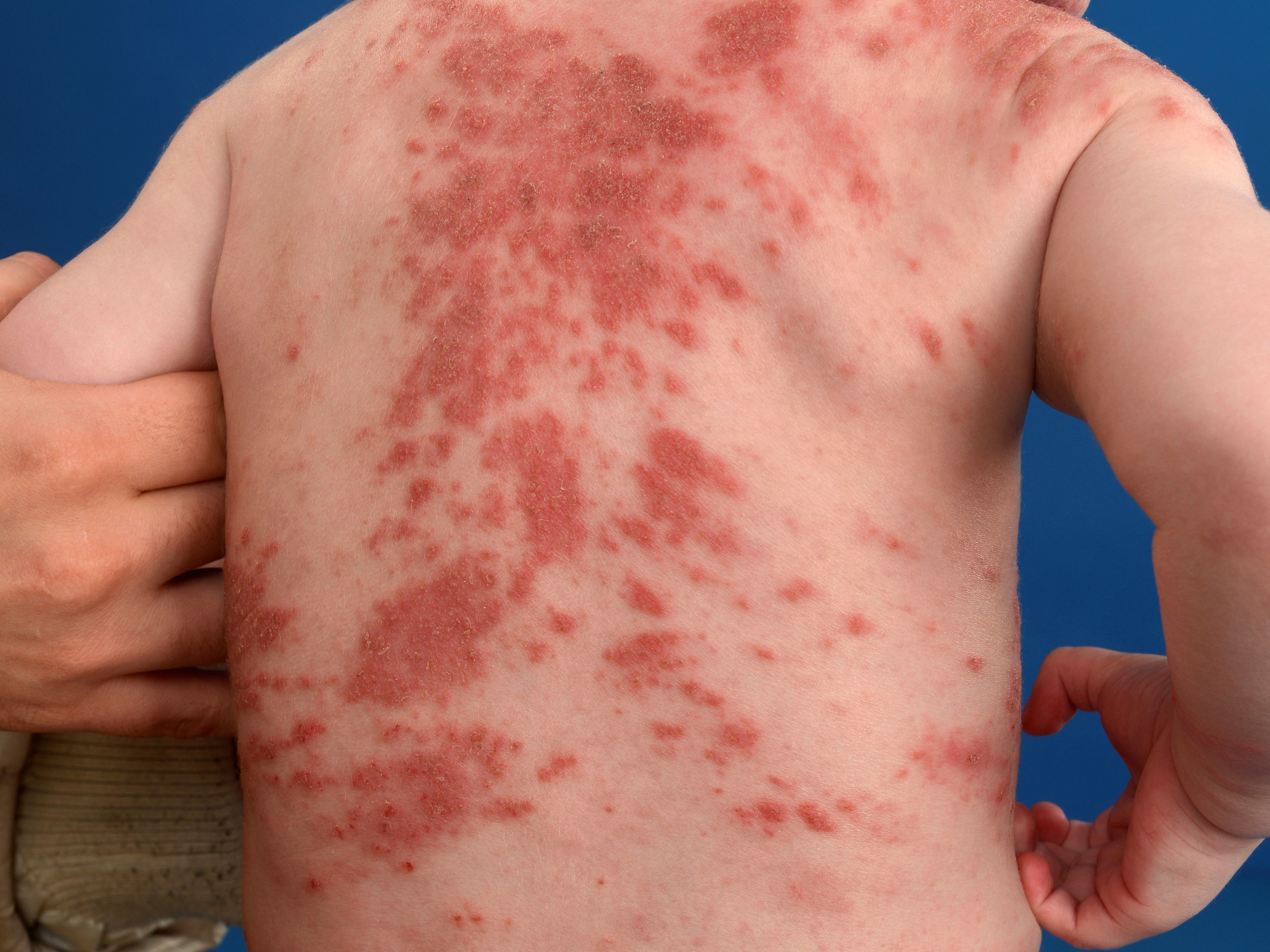
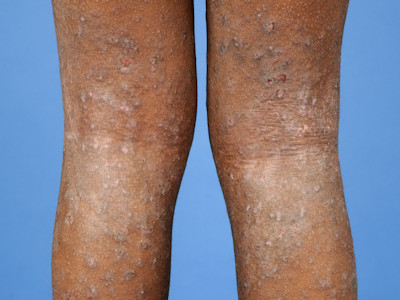
The general condition of someone with atopic eczema also plays a significant role. Eczema can be aggravated by physical factors (illness, fatigue) or psychological factors (emotions, stress).WHAT ARE THE PHENOMENA?Symptoms of atopic eczema include redness and flaking of the skin, along with small bumps. Blisters and oozing may also occur. The entire skin is dry and may feel rough.
Because the eczema is always itchy to a greater or lesser extent, scratch wounds are often present.
If the eczema persists for a longer period, localized roughening and thickening of the skin occurs.
Atopic eczema usually develops in the first six months of life, but can begin at any age. The eczema can last for a relatively short time or become chronic. In some people, it disappears only to return much later.
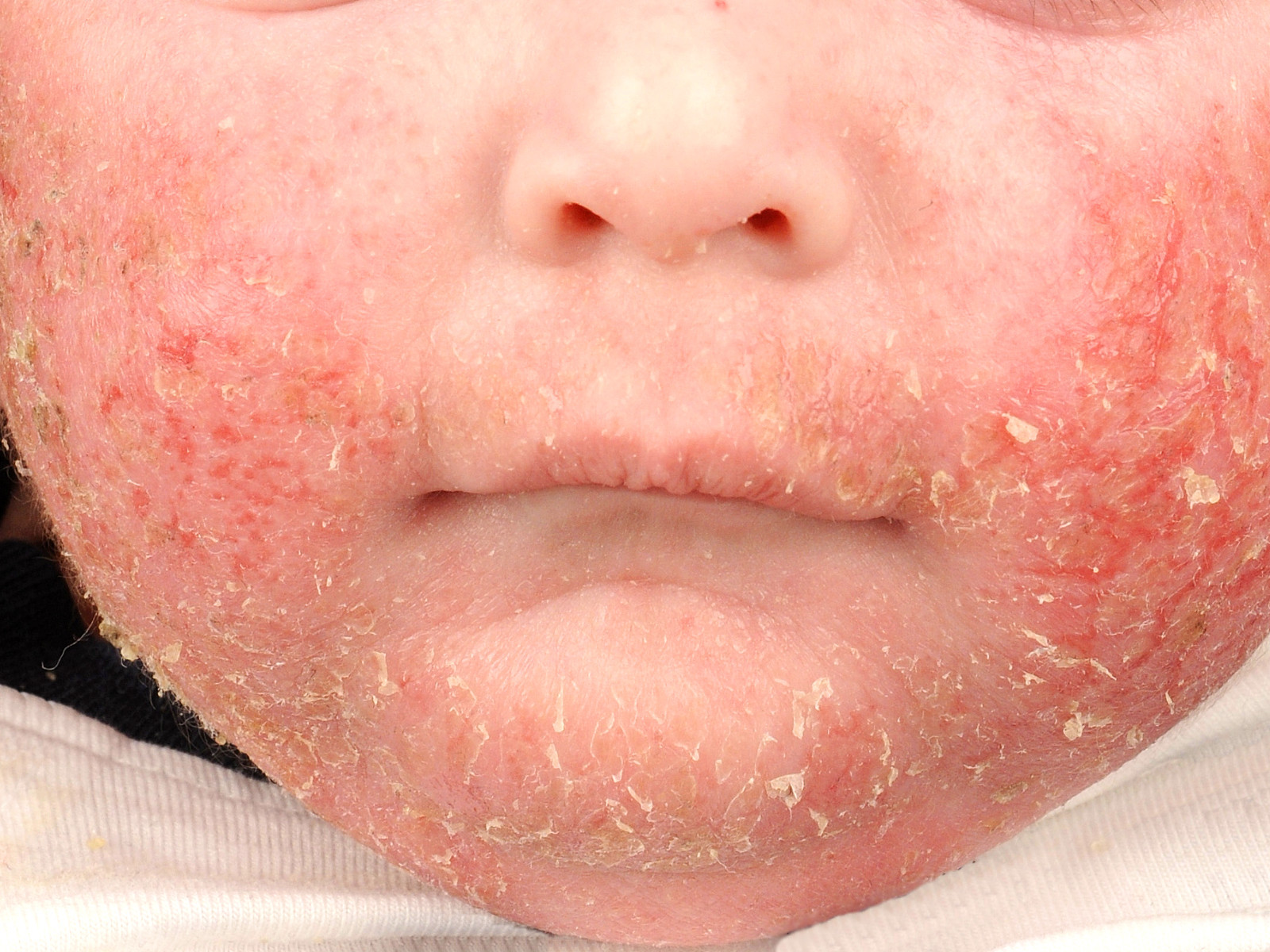
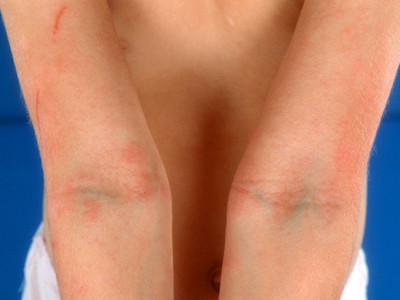
When atopic eczema develops in a baby, it is also called ringworm. Ringworm is mainly found on the face and behind the ears, on the scalp, the trunk, and the arms and legs. It usually develops around the third month of life. In toddlerhood, atopic eczema is primarily found in the skin folds around the joints, such as the elbows, knees, wrists, and ankles. The eczema also often persists in the neck. After the age of 10, the hands, feet, and the flexor sides of the elbows and knees are primarily affected. In some adult patients, the eczema is primarily present on the face (eyelids, upper lip), neck, and throat.
The skin of people with atopic eczema is extra susceptible to infections with bacteria and the herpes simplex virus (the cause of cold sores). Bacterial infections cause pimples, open sores, and yellowish crusts on the skin. Infection with the herpes simplex virus causes numerous blisters on the eczema and can lead to fever.
 |
 |
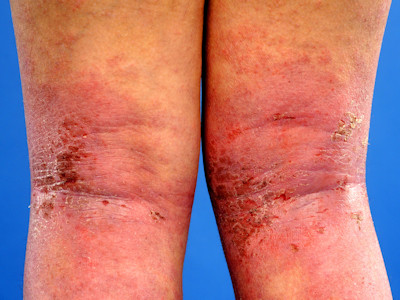 |
| atopic eczema |
atopic eczema |
atopic eczema |
HOW IS THE DIAGNOSIS MADE?The diagnosis is based on the presence of skin lesions and itching. Furthermore, information about the presence of eczema, asthma, or allergies in the family can be helpful in making the diagnosis.
If there are indications of acute allergic reactions, allergic testing is advisable.
If only atopic eczema is present, allergic testing is not useful, as the results have no consequences for the course and treatment of the eczema. However, testing can be important if other manifestations of atopy are present.WHAT IS THE TREATMENT?Many factors play a role in atopic eczema. Spontaneous improvements and exacerbations can occur. It is not possible to definitively cure atopic eczema with medication. Treatment focuses on suppressing the symptoms, thereby reducing them. Treatment primarily consists of external application with creams and ointments. Sometimes tablets or oral solutions are also prescribed. For infants diagnosed with a hypersensitivity to cow's milk, hypoallergenic nutrition may be helpful. External
treatment (local treatment):
Due to dry skin, it is crucial to improve the moisture content of the stratum corneum by applying rich ointments or creams. This applies to the entire body, not just the affected areas.
In addition, the eczema is usually treated with a corticosteroid-containing ointment or cream. Corticosteroids are derived from the natural hormone cortisol. These hormone preparations are available in various strengths (see the leaflet "Corticosteroids for the skin"). For mild to moderate eczema, a weak to moderately strong corticosteroid is usually sufficient. If the eczema is more severe, stronger corticosteroids are administered. The strength of the corticosteroid can be gradually reduced once the eczema subsides. Long-term use of a class 1 or class 2 corticosteroid (class 1 in children under two years of age) generally does not cause side effects. This also applies to class 3 corticosteroids, which are not used continuously, but only a few days a week. Because the face and body folds are more susceptible to side effects, only class 1 and 2 corticosteroids are preferred in these areas.
Tar therapy is no longer widely used because it stains and is not as effective as corticosteroids. It is sometimes still used in day treatment centers as an alternative to corticosteroid treatment.
Patients with moderate or severe eczema generally respond well to ultraviolet light. In adults, this may be a good addition to treatment with corticosteroid ointments.
If there are objections to the use of corticosteroids, pimecrolimus cream (Elidel) or tacrolimus ointment (Protopic) can be used. These medications do not contain hormone preparations and therefore do not cause the side effects of corticosteroids, such as skin thinning. Pimecrolimus is suitable for the treatment of mild to moderate eczema, and tacrolimus for the treatment of moderate to severe eczema. These agents are not potent enough to treat severe eczema. Pimecrolimus cream and tacrolimus ointment may initially cause a burning sensation, but this usually disappears with continued treatment.
For bacterial or fungal infections, antibacterial and/or antifungal agents can be applied in a cream or ointment. In the case of a more extensive bacterial infection, a course of antibiotics is preferred.
Internal treatment (systemic treatment)
If severe atopic eczema does not improve with corticosteroid ointments or creams, systemic treatment may be prescribed. For example, a short course of prednisone tablets or a course of ciclosporin for several months. Both medications suppress the immune system. A short course of prednisone is usually effective and almost never causes serious side effects. Ciclosporin produces good results in approximately 85% of patients with severe eczema. However, it can cause side effects, and therefore close monitoring of blood and blood pressure is necessary.
If the eczema does not respond to ciclosporin, treatment with other medications such as azathioprine, mycophenolate mofetyl, or methotrexate can be considered. Regular laboratory tests are necessary. New, expensive medications such as dupilumab have also become available for severe atopic eczema.
If the eczema becomes extensively infected with bacteria, a course of antibiotics may be necessary.
Antihistamines are also frequently prescribed for atopic eczema, particularly for insomnia caused by nighttime itching. Older antihistamines, which have drowsiness as a side effect, are particularly suitable for this. It is unclear whether antihistamines improve the eczema itself, but they can have a beneficial effect on the itching, sleep, and other associated atopic symptoms, such as hay fever.WHAT CAN YOU STILL DO YOURSELF?Keep your skin well moisturized. Don't wash your skin with excessive soap, especially bath or shower gel. This will dry out the skin even more. It is wise to use bath or shower oil and apply a rich cream or ointment.
It's important to pay attention to the material of your clothing. Wool clothing is prone to itching. Textiles with coarse fibers are also prone to itching and are therefore not recommended. Cotton clothing is well-tolerated and is therefore preferred. Tight-fitting nylon clothing is not recommended.
Dust mite-resistant mattress covers have not been shown to have a beneficial effect on eczema.
Itching occurs quickly during exertion and perspiration. After physical exertion, such as sports, an immediate and short shower is recommended. Excessively high temperatures indoors or outdoors in the sun also cause itching. Sunbathing in itself doesn't necessarily have a negative effect, as long as there's a cool breeze (wind).
Swimming is not a problem. After swimming, it's a good idea to shower and apply a rich cream or ointment. A seaside holiday can sometimes work wonders. The combination of relaxation, the sea, and sunlight on uncovered skin can have a beneficial effect.
Scratching occurs mainly at night. This can be minimized by keeping nails short and, if necessary, wearing bandage gloves.
Eczema can worsen under working conditions where the hands frequently come into contact with liquids or irritants. It is important to wear suitable gloves in these situations. If necessary, consult your occupational health physician.
When someone has a skin condition such as atopic eczema, they sometimes think it's a contagious disease. However, atopic eczema is not contagious. To make this clear to family members and others around you, it can be helpful to provide them with information about the nature of this condition.
Stress factors are known to have a negative effect on eczema. Annoyance and emotional events are important factors that aggravate the itching and eczema. Conversely, more severe forms of atopic eczema can lead to psychological problems and have a clearly negative impact on quality of life. It's wise to seek help if psychological problems are present. In some cases, the help of a psychologist or other psychosocial counselor is recommended. Behavioral therapy can also be used to reduce scratching.WHAT ARE THE OUTLOOK?The course of atopic eczema can vary greatly. In many children, the eczema disappears after the age of two, while in others, the intensity diminishes during primary school. Sometimes, the eczema disappears for years, only to flare up (temporarily) in young adulthood. Eczema can also persist into adulthood and only subside after the ages of 40 or 50. The opposite also occurs, namely, eczema developing in adulthood. Some young children with eczema develop asthma. It's impossible to predict which children will develop asthma, but it seems that children with severe eczema are more likely to develop it. There is also an increased risk of developing hay fever, which usually doesn't appear until later in life. It's wise to report any symptoms suggestive of asthma or hay fever to your doctor as soon as possible. |