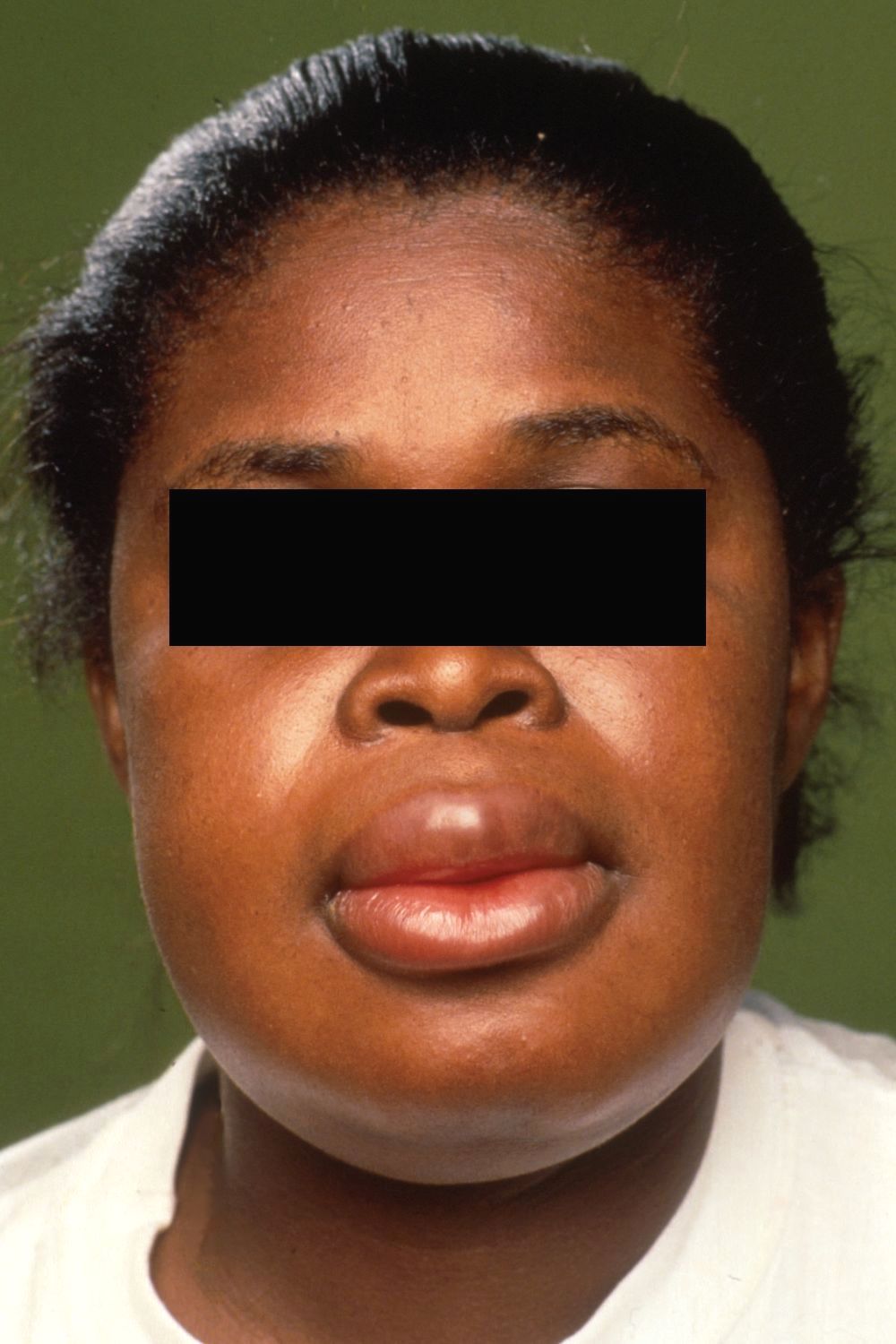
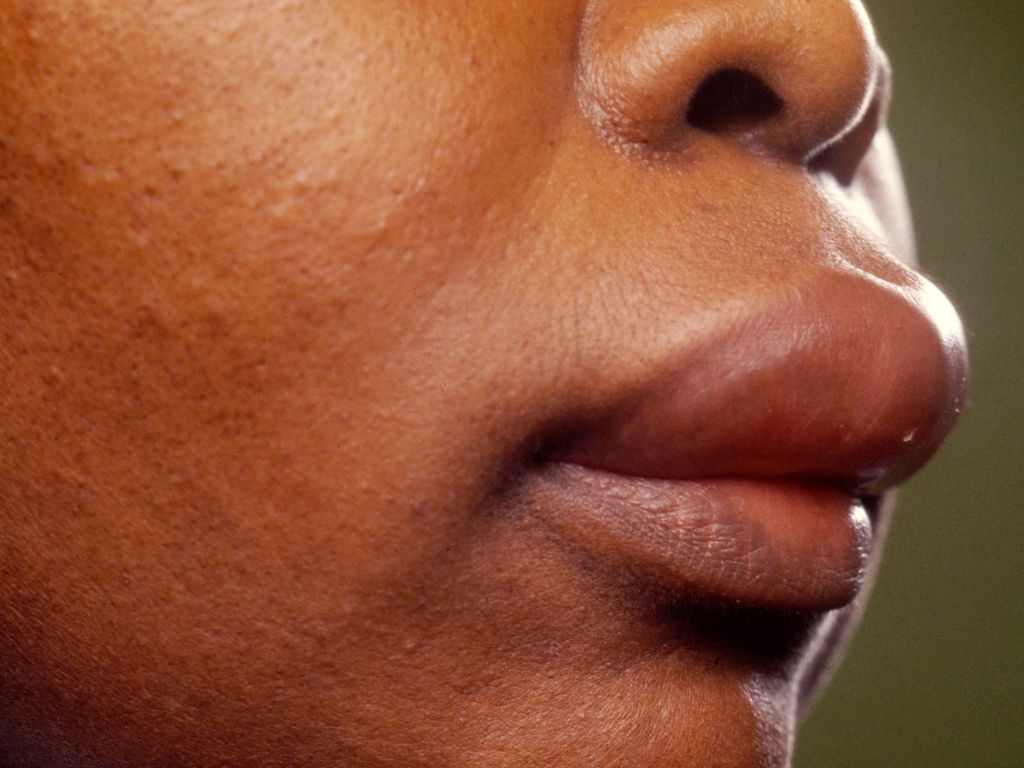
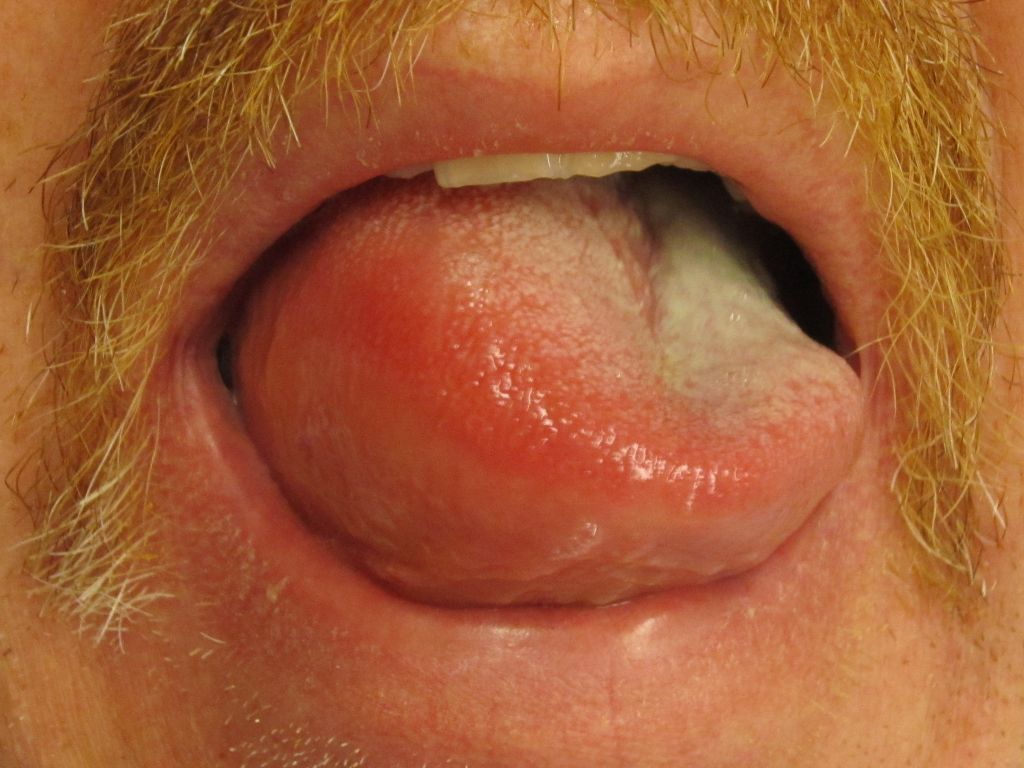
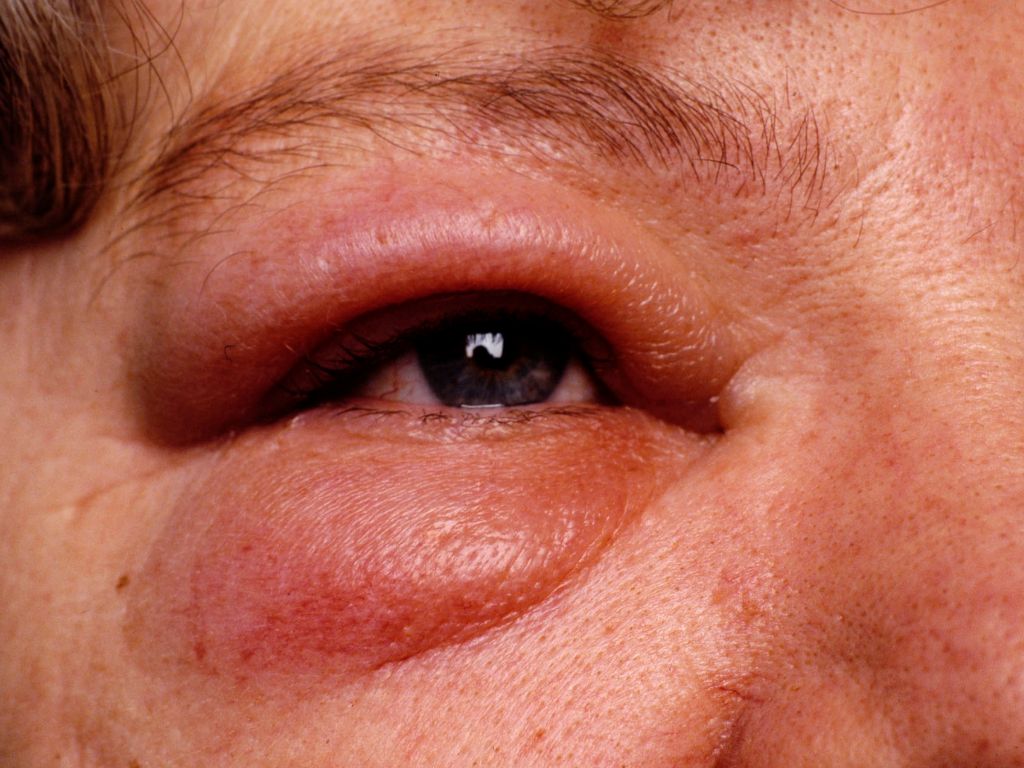
WHAT IS ANGIOEDEMA?Angioedema is defined as the development of extensive fluid retention in a short period of time. This is caused by leakage from blood vessels located deeper in the skin, where there is considerable space between the subcutaneous connective tissue. The prefix "angio" (= blood vessel) is used to indicate that the cause of the swelling (edema) is primarily due to a disorder of the blood vessel walls. In this case, the fluid retention is not caused by increased pressure in the vessels, kidney disease, a metabolic disorder, or a hormonal imbalance.
The condition angioedema is also called Quincke's edema, after the German dermatologist Quincke. Angioedema is a variant of urticaria. Urticaria and angioedema often occur together, although they can also develop separately. The fluid retention in angioedema is usually larger. The skin is pale and does not always itch or only in the early stages.HOW DOES IT COME ABOUT?The causes of angioedema are generally the same as those of urticaria. Medications, foods, sweets, and beverages are much more likely to cause a single episode of angioedema than disorders such as infections, regulatory system deficiencies (see hereditary), and similar conditions. The edema reaction typically occurs between 2 and 12 hours after ingestion of such a product. In half of the cases, it is impossible to find a cause.
There is a hereditary form of angioedema, which is based on insufficient production of a specific enzyme. This enzyme, the C1 esterase inhibitor, functions to inhibit other enzymes. This maintains balance within several sensitive regulatory systems in the body.
When this control is disrupted due to a deficiency of an inhibitory enzyme, fluid retention can develop in the tissues—usually temporarily and locally—due to leakage in the blood vessels. This form of angioedema can develop at a young age.WHAT ARE THE PHENOMENA?Angioedema primarily develops in areas where the skin has a loose attachment to the underlying layer: the eyelids, cheeks, lips, backs of the hands, external genitals, and backs of the feet. It can also occur under mucous membranes, such as in the throat. It usually occurs unilaterally, but can also occur bilaterally, for example, on both upper eyelids. The edema usually disappears completely after one or a few days. The fluid is gradually drained through the lymphatic vessels, and the leakage resolves. Some people experience such symptoms repeatedly, with symptom-free periods in between, ranging from days to months. Most people experience only one or a few such attacks.
WHAT IS THE BEST TREATMENT?Antihistamines can also be used for angioedema. However, they have not always proven effective. Especially in the acute phase, and especially when the edema develops in high-risk areas (the throat!), it may be necessary to administer more potent medications, such as corticosteroids (adrenal cortex hormones), in tablet form or by injection. Identifying the cause is, of course, the primary focus of treatment.
Antihistamines are not useful for the hereditary form of angioedema. Replacing the missing enzyme with an intravascular injection can alleviate acute edema reactions. Anti-inflammatory drugs such as corticosteroids are sometimes used. It is now also possible to administer a C1 esterase inhibitor as a medication.
Patient Association:
There is no patient association for urticaria in the Netherlands. There is a patient association for angioedema: the Association for Hereditary Angioedema and Quincke's Edema ( www.angiooedeemvereniging.nl ) |